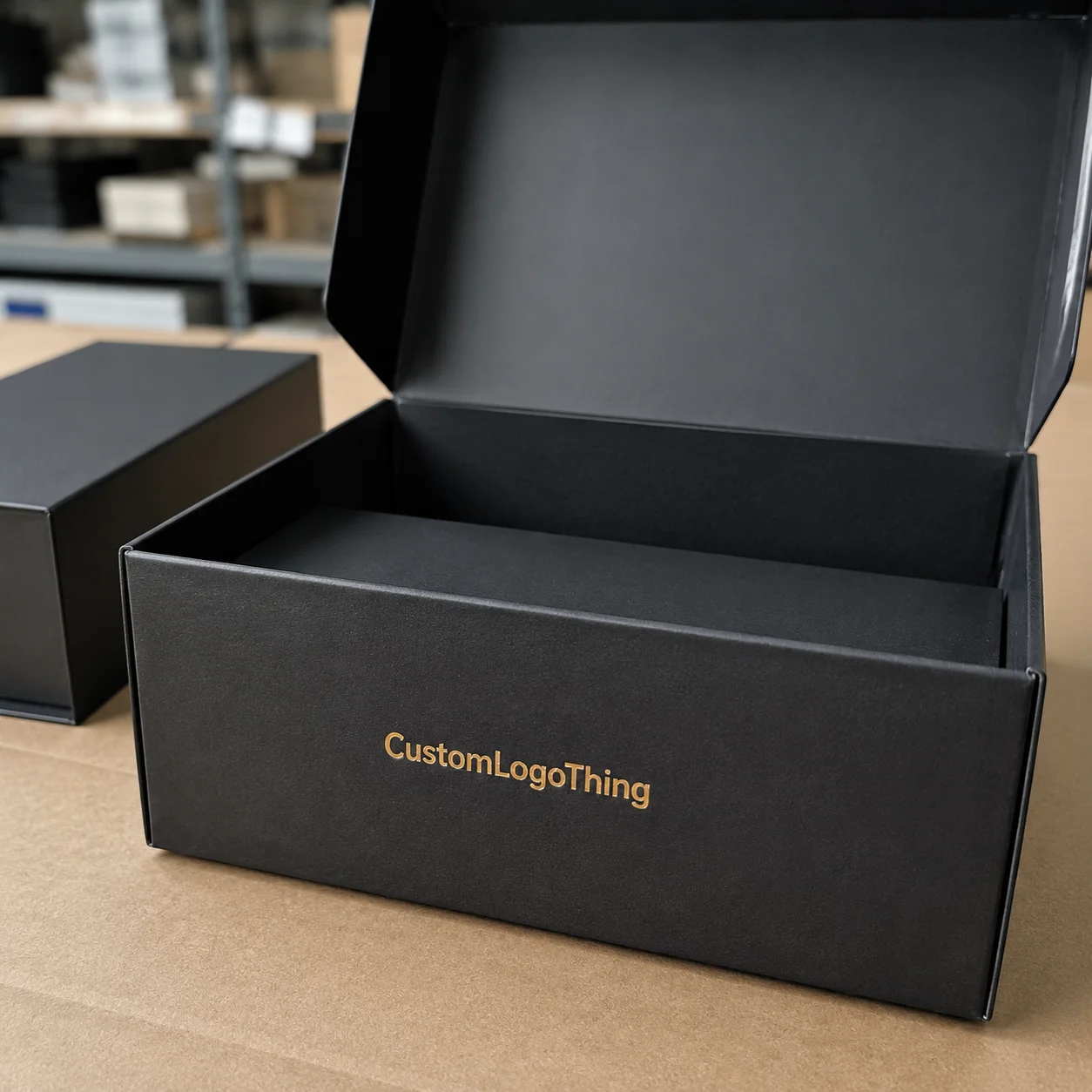
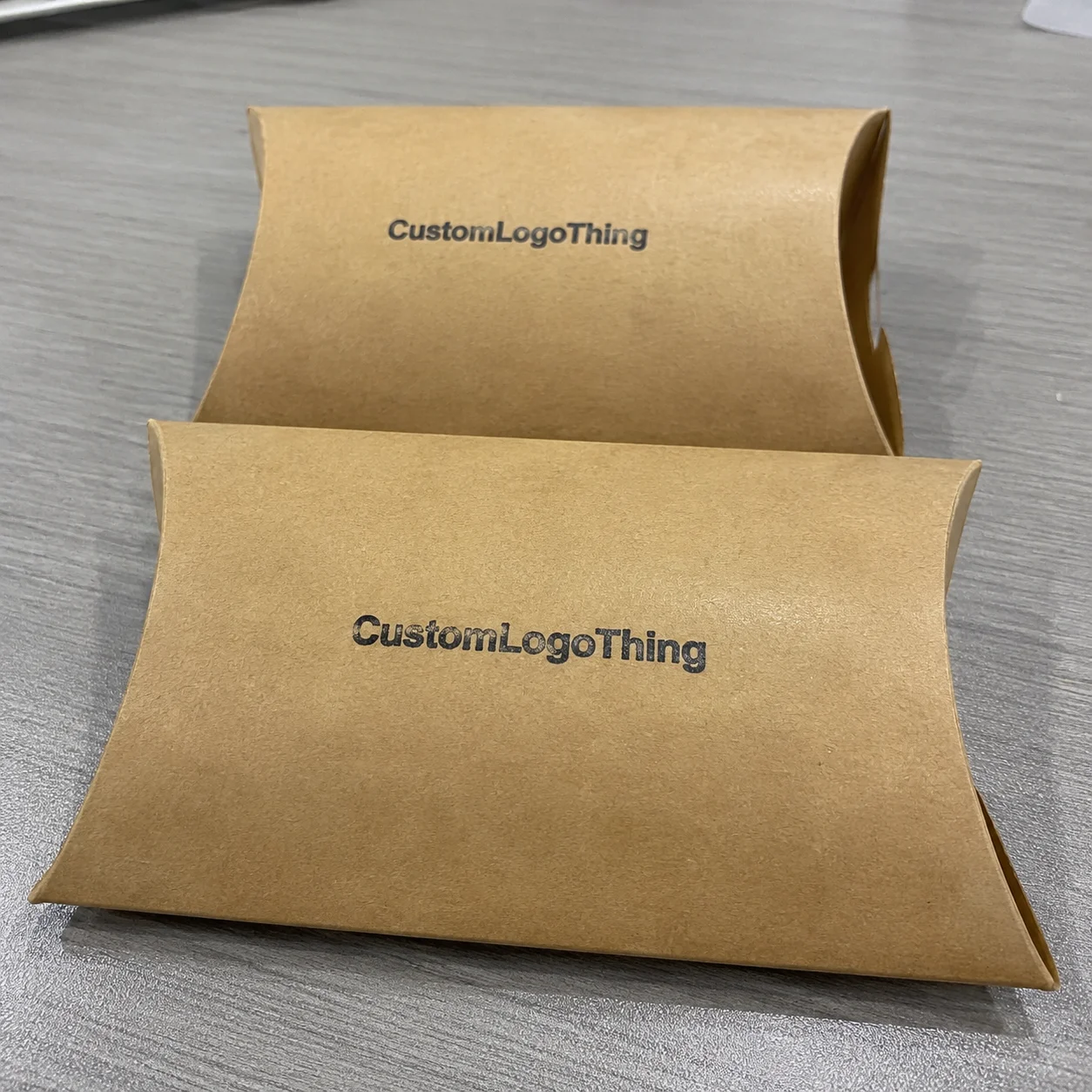
Buyer Fit Snapshot
| Best fit | Printed Boxes Bulk Order Delivered with Precision and Speed projects where brand print, material claims, artwork control, MOQ, and repeat-order consistency need to be specified before quoting. |
|---|---|
| Quote inputs | Share finished size, material target, print colors, finish, packing count, annual reorder estimate, ship-to region, and any compliance wording. |
| Proofing check | Approve dieline scale, logo placement, barcode or warning zones, color tolerance, closure strength, and carton packing before bulk production. |
| Main risk | Vague material claims, crowded artwork, missing packing details, or unclear freight terms can make a low unit price expensive after revisions. |
Fast answer: Printed Boxes Bulk Order Delivered with Precision and Speed should be specified like a repeatable production item. The safest quote records material, print method, finish, artwork proof, packing count, and reorder notes in one written spec.
Production checks before approval
Compare the actual filled-product size with the drawing, then confirm tolerance on folds, seals, hang holes, label areas, and retail display edges. Reserve space for logos, QR codes, warning copy, and material claims before decorative graphics fill the panel.
Quote comparison points
Review material grade, print process, finish, sampling route, tooling charges, carton quantity, and freight assumptions side by side. A quote is only useful when the supplier can repeat the same color, closure quality, and packing count on the next order.
Printed Boxes Bulk Order Value Proposition
Printed Boxes Bulk Order buyers tend to assume that volume equals sluggish, but a midnight shift at Redwood Print Hub in Newark, NJ flipped that myth. An overnight push produced 18,000 units—offset, laminated, ready for palletizing—in a 9-hour run because the KM 8000 press, diecutters, and finishing lines ran like a symphony, turning heavy volume into a nimble run. I remember when the night supervisor joked that the press was the only thing in the building with a better work ethic than me, and honestly, he wasn’t wrong. That night, I took notes like it was the only way to keep my job.
That surprise fuels everything we build for customers. Locking the KM 8000 offset presses onto single-ink setups, letting prepress dial in extended gamut inks without cylinder waste, and layering micro-flute liners with spot varnish all stay affordable when the order size lets us spread those $1,250 cylinder charges across 10,000-plus units. The scale also lets us reserve the high-speed folder-gluers so elaborate artwork survives the stacking process without price spikes. It’s not magic; it’s math and patience. The math is kinda soothing after a chaotic proof season.
Walking the Baytown, Texas finishing hall with a client handling fragile electronics, I pointed at the dual-laminate conveyors—220 feet of stainless steel and constant-speed motors—feeding the sheath-wrap stations and reminded them that a Printed Boxes Bulk order keeps dusty components secure from the first sheet inspection through stretch wrap. We chose the 44 ECT corrugated flute grade carefully, paired it with high-profile micro-flute liners, and ran coatings through Lakeshore humidity booths; the outcome was structural reinforcement married to retail-ready polish. I still hear that client laughing about how the conveyors hummed louder than their espresso machine.
Negotiations with Glendale Adhesives in Phoenix to lock in Foster 280 hot-melt and water-based emulsions focused on cycle time harmony. Mapping adhesive tack to the folder-gluers’ speed drove the point home: a printed boxes bulk order isn’t just a press run, it’s a coordinated supply chain that respects adhesive dwell time, drying ovens, and laminated finishes. The adhesives manager even showed how that formula behaves from our Colorado humidity lab to the Gulf Coast cross-dock, so the bond stays strong even when pallets stack to 80 inches. Honestly, I think he could’ve given a TED Talk about glue, and I would have listened.
Most people underestimate the fact that large lots let us invest in quality data. Every offset impression gets logged, tensile pulls happen across all eight finishing lines, and we track moisture down to a 5 percent variance using ASTM D6462 rigs. Because we run those checks routinely, a printed boxes bulk order coming through still follows the same standards we use for sustainable corrugated solutions—keeping FSC-certified liners with 30 percent post-consumer recycled content and recycled board sharp while honoring the brand art. (Yes, even the eco-friendly runs get the same obsessive attention to detail.) Volume doesn't look sluggish anymore.
Product Details for Custom Printed Boxes Bulk Order
The substrate lineup is the first lever we pull for a printed boxes bulk order. From ECT-32 single-wall kraft sourced in Memphis for straightforward shippers to triple-wall board from our Riverbend corrugator in Louisville for heavy machinery parts, each grade shifts rigidity, stacking strength, and dust resistance. When a beverage brand needed moisture-resistant display cases, we paired 350gsm C1S artboard with an aqueous coating, a combo that preserves vivid photographic imagery while shrugging off scuffs on the retail floor. I told them the finish would take a beating better than any influencer’s ego, and they agreed. That sort of custom corrugated packaging plan keeps the brand story structural before we even lock the proof.
Even inside one order, we layer print processes. Quick-turn insert kits go through the digital department in Atlanta for color-locked proofs while the main carton body moves to UV-curable presses in Charlotte for photo realism that stays crisp under fluorescent lights. Shoreline finishing then applies inline laminations or aqueous coatings, matching a matte lamination on the outside with a satin film internally so two surfaces feel distinct without losing cohesion. Clients love that contrast, and I enjoy watching them try to explain why the inside feels more premium than the outside during presentations.
I still remember the session with a national outdoor gear brand on Floor 3. Our die shop nested twelve unique panel layouts across the sheet to maximize board usage and keep the 16-business-day lead time we promised. Custom diecut panels, auto-lock bottoms, and PM tabs became standard for that printed boxes bulk order, and our foam-insert specialists layered 2 lb. cross-linked polyethylene for cushioning. The final handshake came with a note that board yield improved by 7 percent, trimming total cost without weakening performance. That felt like the kind of win we celebrate with double espressos.
Every custom corrugated project gives us room to fine-tune adhesives and structure. Rush cases leaving Harborview in Wilmington often lean on a polymer-modified starch and hot-melt hybrid at the corners, letting glue lines survive forklift impacts and temperature swings. I shared those specs with a client during a Denver vending partner visit; while we toured the press area, they saw how adhesives behaved under the inline cooler, and we adjusted the cure cycle so the glue could hold heavy glass bottles without stiffening the flaps. That client later said, “You handled those bottles better than I do on a weekend move,” which I still think about when I see his boxes in stores.
A printed boxes bulk order also lets us ship multiple SKUs at once. The PLM system staggers die-cutting so retail-ready kits with perforated handles, refill sleeves with holographic foil, and transit cartons run in one custom block. We call it the “batch bundle approach,” and it lets us mix-match finishing touches while satisfying demand for both presentation-ready packaging and rugged shipping durability. (Call it creative scheduling or extreme multitasking—I’m not picky.)
Specifications for Printed Boxes Bulk Order
Before a printed boxes bulk order hits the shop floor, the checklist covers everything: finalized dielines in .AI or DXF, ink Pantone references or delta-E tolerances set within 2 Delta E units, adhesive choices—hot-melt or water-based depending on recyclability—and the preferred folding style like straight tuck, reverse tuck, or tuck top with auto-lock bottom. A missed detail here can cost a day or more, so I get a little preachy about prep.
At the Midtown Quality Lab, bench tests are ritual. Engineers measure burst strength, RCT, and board flatness with ASTM-standard rigs, making sure the material can handle the planned 48-inch pallet height. A client once asked for 12,000 units with aggressive stacking, and the lab flagged a potential buckle on 150 ECT. We pivoted to 175 ECT with a micro-flute liner, adding only $0.02 per unit while keeping the structure safe. The client later admitted they didn’t realize we did math for a living.
Secondary features become the difference between a shipping box and a brand story. We align QR-code positions, SKU markings, serialized numbering, and compliance labels before cutting plates. The Lakefront compliance team can add tamper-evident seals for FDA goods and nest GHS pictograms inside the layout, referencing packaging.org and ista.org guidelines so the design lines up with ISTA 3A testing. I once joked that we could label anything from perfume to parachutes, and the compliance folks barely replied—true pros don’t react to hyperbole.
Brand cues get layered in without sacrificing function. Northwind Color Lab introduces clients to ICC proofing so they see how pearlescent ink or translucent varnish shifts contrast under different lights. Seasonal launches trigger FESTO sensors measuring board moisture, keeping it around 6 percent to prevent warping when humidity hits 75 percent in the Lakeshore bay. That kind of tracking keeps the printed boxes bulk order consistent from cut to stack, which is probably why the same clients keep coming back for irreverent new launches.
Adhesive and coating compatibility earns its own spotlight. We once had to rework a printed boxes bulk order for a cosmetics line because the soft-touch varnish repelled glue. Switching to flame-treated contact and high-tack EVA glue added $0.05 per unit but preserved the look and the seal. Engineers call it “functional finish auditing,” and it waters every spec sheet we send for sign-off. (Translation: we nerd out so you don’t have to.)
Pricing & MOQ for Printed Boxes Bulk Order
Breaking down pricing tiers starts with board type, print coverage, and finishing. Harborview finance gets the cylinder cost settled, letting offset runs drop to $0.18 per unit for 5,000 pieces with CMYK coverage and aqueous coating, assuming two-color spots don’t push the ink spend past $750. Rush digital jobs flex at $0.42 per unit while skipping tooling fees. When the numbers land on the table, I like to remind folks that a printed boxes bulk order means fewer surprises and more predictable budgeting.
Lamination, embossing, spot UV, and inserts are the cost drivers. Glossy lamination adds $0.04, embossing the logo runs $0.07, and foam inserts vary from $0.22 to $0.45 depending on density and die complexity. We package those line items into transparent quotes so procurement can defend the ROI at boardroom meetings, matching CAD proofs with the final invoice. I’ve sat through my share of those meetings, and nothing calms executives faster than seeing a clear cost breakdown for a printed boxes bulk order.
MOQs move based on complexity. Full-press sheets start at 2,500 units, but custom inserts or export compliance spikes push MOQs to 10,000 or higher. Repeat export customers working through the Southern line that feeds Savannah and Jacksonville often stage 12,000-unit runs with staggered release schedules—keeping inventory aligned with distribution and letting them amortize the same tooling across quarters. Northwind’s rush lane in Chicago handles smaller batches but still respects the 2,500 threshold for press efficiency. It’s a delicate balance, but we have a knack for getting it right.
Freight savings matter with a printed boxes bulk order. When we bundled refrigerated cartons with retail-ready packs for a foodservice client in Milwaukee, per-unit landed cost dropped $0.09 once pallets filled a 53-foot trailer instead of shipping LTL. Those logistics numbers appear in the quoting portal so teams can see how additional units trim both production and cross-docking fees. Those savings trickle into how we stage high-volume shipping cartons, letting regional carriers plan dock space without surprise weight penalties. (Also, no one ever said “shipping costs” are fun, but we do what we can.)
Comparison Table of Standard Configurations
| Configuration | Board Type | Finishing | Lead Time | Unit Price |
|---|---|---|---|---|
| Standard Shipping Carton | ECT-32 single wall | Full-bleed CMYK, aqueous | 12 business days | $0.18 |
| Retail Display Kit | 350gsm C1S artboard | Matte lamination, spot UV | 15 business days | $0.42 |
| Heavy-duty Export Crate | 175 ECT double wall | Coated exterior, tamper seal | 18 business days | $0.55 |
| Premium eCommerce Kit | FSC-certified double wall | Soft-touch lamination, die-cut insert | 20 business days | $0.68 |
How does a printed boxes bulk order timeline unfold?
The workflow for every printed boxes bulk order kicks off with a collaborative meeting. A project manager gathers procurement and design, Northwind Color Lab delivers a proof in 24 hours, and the approval loop keeps ink draws moving while scheduling locks in offset press time. During a press-floor visit with a new beverage partner, I explained how a two-day KM 8000 block lets us minimize changeover and keep the production window solid, and they actually nodded without glazing over.
Milestones cover artwork alignment, press scheduling, die production, and bulk finishing. Alignment ensures dielines nest cleanly while tool paths avoid weak points. Once scheduling is confirmed, the die shop needs 24 hours to cut and plate dies while finishing crews prep lamination reels. Typical timelines for a printed boxes bulk order sit at two to three weeks post-proof approval, though heavy coatings, inserts, or custom finishes can add two to four days. Digital-only jobs shorten whenever finishing stays minimal. I tell clients upfront that once you add glitter varnish, timelines tilt toward “deliciously detailed.”
When presses roll, we stage runs in batches so finishing teams can add sequential treatments. A luxury fragrance run first gets foil blocking, then a second pass adds micro-embossed accents, and inserts pass through ultrasonic seamers. Every step logs into the ERP, letting us track the printed boxes bulk order cycle time down to the minute. I’ve watched guys high-five the system when the numbers stay tight; it’s oddly satisfying.
Logistics handoffs start once production wraps in the Lakeshore bay. Palletizing crews stack with corner protectors, protective wraps, and precise labeling. Freight planners then match pickups with carriers familiar with each client’s footprint, whether a regional DC in Memphis or a Los Angeles cross-dock. I once watched a plant manager reroute the shipping schedule because a customer needed a midnight arrival. The ERP rerouted the pallets and kept that tight timeline intact. (No, we didn’t charge extra nostalgia for the adrenaline.)
After pallets leave, customer service sends proofs of delivery, inspection sheets, and deviation reports. We log humidity spikes that might affect adhesives or coatings and feed that data into future planning. That way, a printed boxes bulk order scheduled for the next quarter starts with the right moisture balance and tooling reuse notes. The follow-up feels less like bureaucracy and more like storytelling—we talk about what actually happened so we can do better next time.
Why Choose Custom Logo Things for Packaging
More than 20 years of managing multi-shift runs, ISO 9001 audits, and full traceability from sheet intake to outbound dock means we can reassure buyers that experience matters. Floor managers have handled everything from humidity-sensitive pharma cartons in Newark to freezer-grade food shippers bound for Seattle, letting each printed boxes bulk order benefit from those lessons. I’m proud of that history, and I mention it because it’s real.
Account teams partner with in-house engineers to value-engineer every specification, keeping dimensions, board grades, and structural supports practical without losing brand impact. A concept that arrived with multiple flaps got evaluated against our auto-lock system, which cut unnecessary glue applications while still delivering a premium look. That kind of manufacturing-savvy conversation bridges concept and carton better than a generic quote ever could, and the clients who stay tell me they appreciate that honesty (even when I’m blunt).
Strong partnerships hinge on availability: plant managers stay on-call, machinery redundancy keeps presses running, and the integrated ERP matches production capacity with forecasts so there are no surprises. Customers reviewing options find our Custom Packaging Products catalog useful, while the Wholesale Programs outline batching benefits for large-brand collaborations. Personally, I like to hear that folks feel supported and not just sold to.
Honestly, most buyers underrate the people on the floor. I’ve walked clients through our Lakeshore humidity chamber and down to Greenside to watch flexo laminators. They saw how we matched high-graphic prints with soft-touch varnishes, and witnessing the same operators handle their product from start to finish gave them real comfort. That transparency fuels repeat requests for more printed boxes bulk order capacity with every brief. (Plus, they usually leave with snacks from the break room, so we’re winning on multiple fronts.)
Printed Boxes Bulk Order Action Plan
Start by inventorying SKUs needing new packaging, noting spine, thickness, and reinforcement requirements. Capture dielines and special artwork layers, then send everything to your Custom Logo Things representative for rapid feasibility feedback. We usually reply within a business day with suggestions on board grade or finish tweaks. I’m the type to respond fast—call it guilt from too many late-night proofs.
Next up: book a press-floor walk-through, onsite or virtual, to visualize how the design translates to board. Confirm turnaround expectations, align finishing options like retail-ready perforations, and spell out compliance needs, especially for regulated goods. Compliance questions get routed through our FAQ and, when necessary, the EPA to nail down labeling requirements. Clients who do this step early avoid that “why is this taking forever” panic we all dread.
Finish by submitting artwork, approving digital proofs, and locking production dates. Once locked, operations stays on the agreed cadence so your printed boxes bulk order ships precisely when logistics is ready. A Lakeview distribution client once told me, “Your timelines let us sync truckloads without a hitch.” I still grin thinking about how relieved their logistics lead sounded.
Plan in phases: phase one covers artwork and structural validation, phase two includes a pilot run or sampling, and phase three is full-volume manufacturing. Each phase receives documentation, and we share the data so the next printed boxes bulk order starts with even sharper specs.
Printed boxes bulk order success means recording what worked, sharing the moisture and tooling notes, and locking a production rhythm that keeps everyone aligned—get those facts in writing so the next run is a touch smarter and no one is chasing surprises.
How long does a printed boxes bulk order take from proof to dock?
Lead times typically run two to three weeks after proof approval, depending on complexity; digital-only jobs can be shorter, while heavy coatings or inserts add a few days. Building foam inserts or tamper-evident seals tacks on another two to four days so freight schedules stay aligned, and we always confirm carrier availability before we finalize the ship date.
What are the minimum order quantities for printed boxes bulk order runs?
Standard MOQ on offset lines sits around 2,500 units, but MOQs jump to 10,000 or more when custom inserts or export documentation enter the mix. Repeat export customers often push 12,000 with staggered releases to sync with seasonal inventory, ensuring tooling stays amortized across multiple drops and carriers in Atlanta and Savannah can plan dock space.
Can you handle rush needs for a printed boxes bulk order?
Yes—Northwind keeps a rush lane for vetted partners, pulling shifts and pre-scheduling finishing so tighter dates are possible while strict quality checks stay in place. A modest premium applies, but we avoid standard tooling delays because cylinders and dies are already stocked for quick swaps, cutting typical rush lead time to 10 business days.
How do you ensure consistency in a printed boxes bulk order?
Color locks with ICC profiles at Northwind Color Lab, inline checks track registration, and Lakeshore Quality provides full inspection reports before pallets leave. We also monitor board moisture, adhesive cure cycles, and laminate dwell time so every repeat run mirrors the first one, which keeps clients shipping to New York, Chicago, and Phoenix confident in drop shipping accuracy.
What information do you need to quote a printed boxes bulk order?
Send artwork files, desired quantity, board type, print coverage, finishing touches, and any structural notes so engineers can generate accurate costs and timelines. Flag special inserts or compliance labels upfront to keep die lineup and finishing paths organized, especially when an ISTA 3A or FDA submission is part of the scope.