Buyer Fit Snapshot
| Best fit | Printed Boxes Selection projects where brand print, material claims, artwork control, MOQ, and repeat-order consistency need to be specified before quoting. |
|---|---|
| Quote inputs | Share finished size, material target, print colors, finish, packing count, annual reorder estimate, ship-to region, and any compliance wording. |
| Proofing check | Approve dieline scale, logo placement, barcode or warning zones, color tolerance, closure strength, and carton packing before bulk production. |
| Main risk | Vague material claims, crowded artwork, missing packing details, or unclear freight terms can make a low unit price expensive after revisions. |
Fast answer: Printed Boxes Selection: Material, Print, Proofing, and Reorder Risk should be specified like a repeatable production item. The safest quote records material, print method, finish, artwork proof, packing count, and reorder notes in one written spec.
Production checks before approval
Compare the actual filled-product size with the drawing, then confirm tolerance on folds, seals, hang holes, label areas, and retail display edges. Reserve space for logos, QR codes, warning copy, and material claims before decorative graphics fill the panel.
Quote comparison points
Review material grade, print process, finish, sampling route, tooling charges, carton quantity, and freight assumptions side by side. A quote is only useful when the supplier can repeat the same color, closure quality, and packing count on the next order.
Printed boxes how to choose: what they are and why it matters
I still remember standing on a factory floor in Shenzhen, in a plant that was running three Heidelberg offset presses and a pair of Auto Box Maker lines, watching a buyer reject 10,000 cartons because the box looked “too cheap” next to a $0.70 skincare bottle. Same product. Same formula. Wrong printed box spec. The packaging didn’t just miss the look test. It pulled the whole brand down a notch, and that’s a painful way to learn how printed Boxes How to Choose actually works.
Printed boxes are custom packaging built from a specific board, printed with your artwork, then finished to match how the product is sold and shipped. That sounds simple, because it is. The part people miss is thinking the box only needs to look pretty. No. The right box has to protect the item, survive fulfillment, support branding, and keep the economics workable, whether you’re producing in Dongguan, Wenzhou, or Suzhou. That is the real job of printed boxes how to choose.
In my experience, a box can change perception faster than a marketing campaign. I’ve seen a $7 candle feel like a $27 gift because the carton had 350gsm SBS, matte lamination, and a clean foil logo applied with a hot stamping die in Guangzhou. I’ve also seen a well-made supplement get returned in stacks because the carton crushed in transit and the inner fit was sloppy by 4 mm. Same business, different outcome. That’s why printed boxes how to choose matters so much.
Printed packaging does three jobs at once. It protects the product, communicates the brand, and supports operations. If one of those fails, the box becomes expensive clutter. If all three line up, you get fewer damage claims, stronger shelf appeal, and fewer “why does this look different from last time?” emails from your team. Every brand wants that, whether the order is 500 pieces or 50,000. Few specify it clearly enough.
I’ve walked through plenty of supplier meetings where the buyer asked for “premium boxes” and the factory handed over a quote for rigid chipboard with foil, embossing, and a magnetic closure. Beautiful? Sure. Practical for shipping 2,000 units of light cosmetics from Ningbo to a 3PL in California? Usually a waste of money. Printed boxes how to choose starts with the product, not with the prettiest Pinterest board your designer found on a Tuesday.
How printed boxes how to choose works in practice
The process is usually more technical than people expect. Printed boxes how to choose begins with the product specs: dimensions, weight, fragility, and how the item moves through the supply chain. Is it going into a retail shelf in Chicago, a mailer box from a fulfillment center in Los Angeles, a subscription kit in Toronto, or a warehouse-to-customer shipment from Rotterdam? That answer determines the structure before anyone touches artwork.
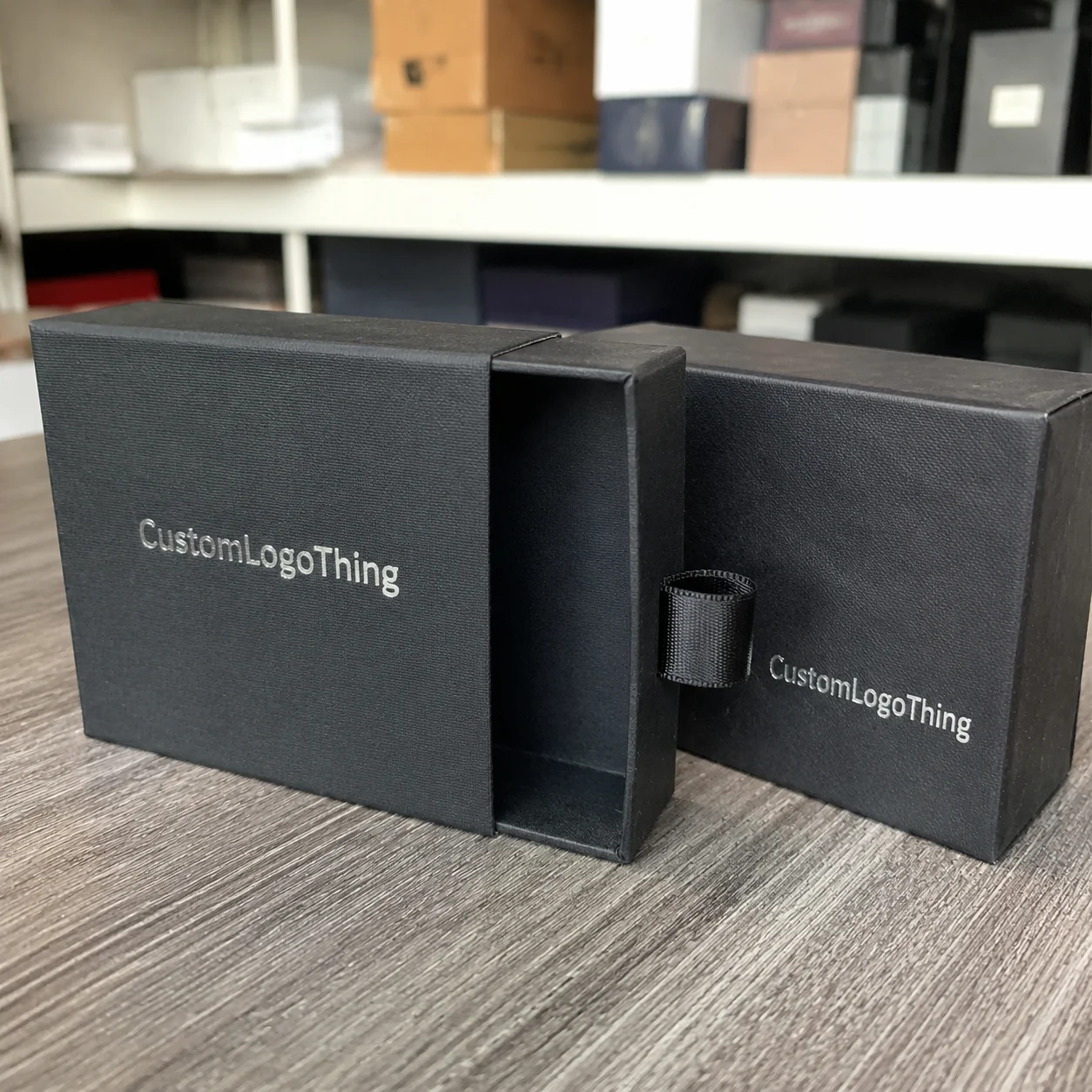
After that, you pick the box style. Folding carton, rigid box, mailer, tuck-end carton, sleeve, Corrugated Shipping Box. Each one has a different price point and use case. A 120ml serum bottle doesn’t need the same structure as a ceramic mug. A 24oz glass candle shipped from a New Jersey warehouse needs a different spec than a sample kit handed out in a San Francisco pop-up. That sounds obvious, yet I’ve watched clients approve a rigid setup for low-margin goods because “it looked more luxurious.” Sure. Luxury can be expensive. Sometimes hilariously so.
Then comes the material. Board thickness, coating, and print method all matter. For example, 300gsm C1S artboard is common for retail cartons, while E-flute corrugated makes more sense for ecommerce shipping. In higher-end cosmetics, I’ll often recommend 350gsm C1S artboard with aqueous coating if the box needs crisp graphics and a cleaner hand feel. If you’re selling fragile products, the internal fit matters more than the outer dimensions on the quote sheet. I’ve rejected samples where the box looked perfect but the product rattled like dice inside.
Artwork moves next. Your designer sends files, the supplier builds a dieline, then proofing starts. This is where mistakes happen. A logo placed 2 mm too close to a fold line can look fine on screen and awful in print. Color shifts are common too. A deep navy on the monitor can print as a muddy blue-gray if nobody specifies Pantone references or CMYK tolerances. Printed boxes how to choose isn’t just selection. It’s file control, proof discipline, and checking whether the factory in Dongguan is printing on a Komori sheetfed press or a digital line that behaves very differently.
Here’s the workflow I recommend after years of factory visits and supplier back-and-forth:
- Confirm product size, weight, and shipping method.
- Choose the structure that protects the product.
- Pick the board and coating for strength and branding.
- Request a dieline and build artwork to spec.
- Review a digital proof, then a physical sample.
- Approve production only after the sample passes fit and finish checks.
Simple? Yes. Fast? Not always. But it saves a lot of money later, which is the whole point of printed boxes how to choose. A well-run job in Shenzhen or Xiamen can move from proof approval to completed cartons in 12-15 business days for a standard folding carton run, while more complicated rigid packaging often needs 20-30 business days before freight even starts.
Print methods also change the equation. Offset printing is ideal for high-volume work with strong color consistency. Digital printing works well for shorter runs or when you need quick changes. Flexographic printing is common for corrugated and higher-volume shipping boxes. I’ve used digital for a 500-unit launch because the client wanted 6 SKUs and couldn’t wait for plates. I’ve also used offset for 50,000 units where the color needed to stay dead consistent across three warehouses in Texas, Ontario, and Bavaria. Different tools. Different job.
One client meeting still sticks with me. A startup founder brought a lipstick carton sample that looked great but failed the fold test because the board was too brittle for the glue lines. We fixed it by switching from a thinner coated stock to a 350gsm SBS with better fold endurance, and the return rate dropped after launch. That’s the kind of detail nobody sees on Instagram, but it shows up in your margins. Printed boxes how to choose is full of those little decisions, from the glue line width to the way the flap scores in a plant in Qingdao.
Printed boxes how to choose: key factors that actually affect results
If you want to get printed boxes how to choose right, stop asking “What looks nice?” first. Ask what the box needs to do. That one shift saves time, money, and drama. I’ve seen beautiful packaging fail because it couldn’t survive a 36-inch drop test onto concrete. I’ve also seen plain kraft boxes outperform fancy cartons because they matched the product and shipping channel better, especially when the order moved through a heat-prone warehouse in Phoenix in July.
Material and board strength
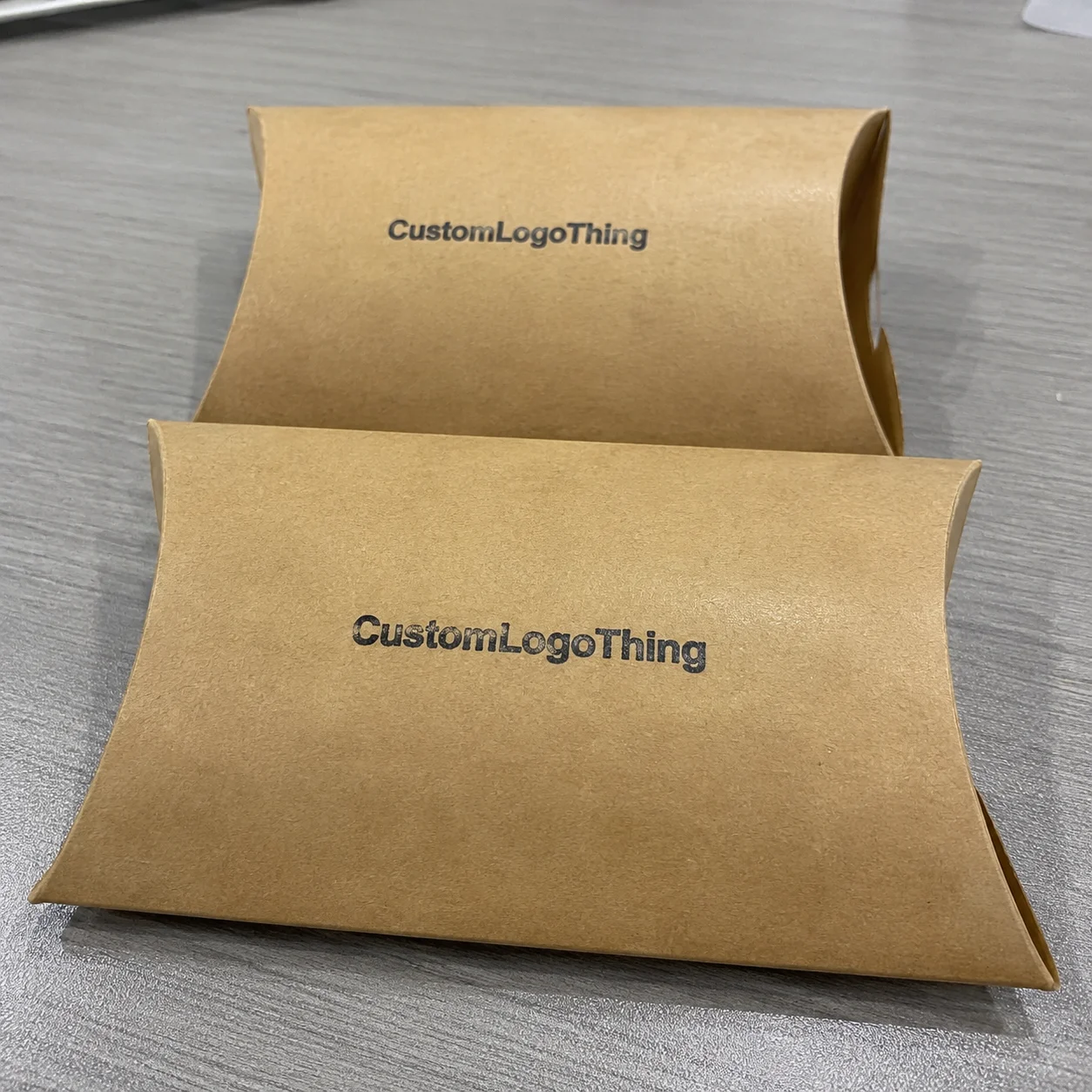
The main material choices are SBS, kraft, corrugated, and rigid chipboard. SBS is great for crisp printing and clean retail presentation. Kraft brings a more natural, eco-friendly look and can handle decent print if the artwork is designed correctly. Corrugated is the workhorse for shipping and crush resistance. Rigid chipboard is the premium option for high-end presentation, gift sets, and luxury unboxing, especially when wrapped in specialty paper from a mill in Zhejiang.
I usually ask clients one question: “What happens if this box gets tossed off a conveyor belt or stacked under 40 pounds of freight?” If the answer is “we don’t know,” then you need testing. Not guessing. For shipping-based brands, I like to reference ISTA drop and transit tests, because mail carriers do not care about your font choices. If you want to read more about packaging performance standards, the ISTA site is a good starting point, especially if your goods move through parcel hubs in Memphis or Louisville.
Product weight and dimensions
Internal fit matters more than outer size. I’ve seen buyers obsess over the outside dimensions because they want the shelf label to look neat, then ignore the 3.5 mm of product movement inside the carton. That movement turns into scuffed print, crushed corners, and noisy packaging. The result? Refunds and complaints. Great use of budget.
As a rough rule, lighter products under 250g can often use folding cartons or paperboard sleeves, while heavier items usually need corrugated or a reinforced insert. But this depends on shape. A short, dense glass jar behaves differently from a long, lightweight tube. A 180g candle in a straight tuck carton might perform well with a 1.5 mm EVA insert, while a 450g bottle often needs a custom pulp tray or corrugated cradle. Printed boxes how to choose gets easier once you stop treating all products like they’re built the same.
Brand position and customer expectation
Your packaging should match how you want the brand to feel. Premium beauty products usually need smoother board, tighter print control, and a more refined finish. Eco-focused brands may choose uncoated kraft with minimal ink coverage. Retail-ready products need shelf impact. DTC shipping brands need durability first and aesthetics second, though both can still work together, especially if the box is being produced for a retailer in the UK and a subscription customer in the same run.
One of my favorite negotiations happened with a tea brand that wanted luxury without luxury pricing. We cut their packaging cost by nearly 18% by simplifying the box structure, using one gold foil hit instead of full-coverage metallic ink, and switching from a magnetic rigid box to a premium folding carton with insert. The box still looked expensive. The invoice stopped being ridiculous. That’s a win, and it can often bring the unit cost down from $1.90 to around $1.55 on a 10,000-piece order depending on the plant in Vietnam or eastern China.
Finish choices
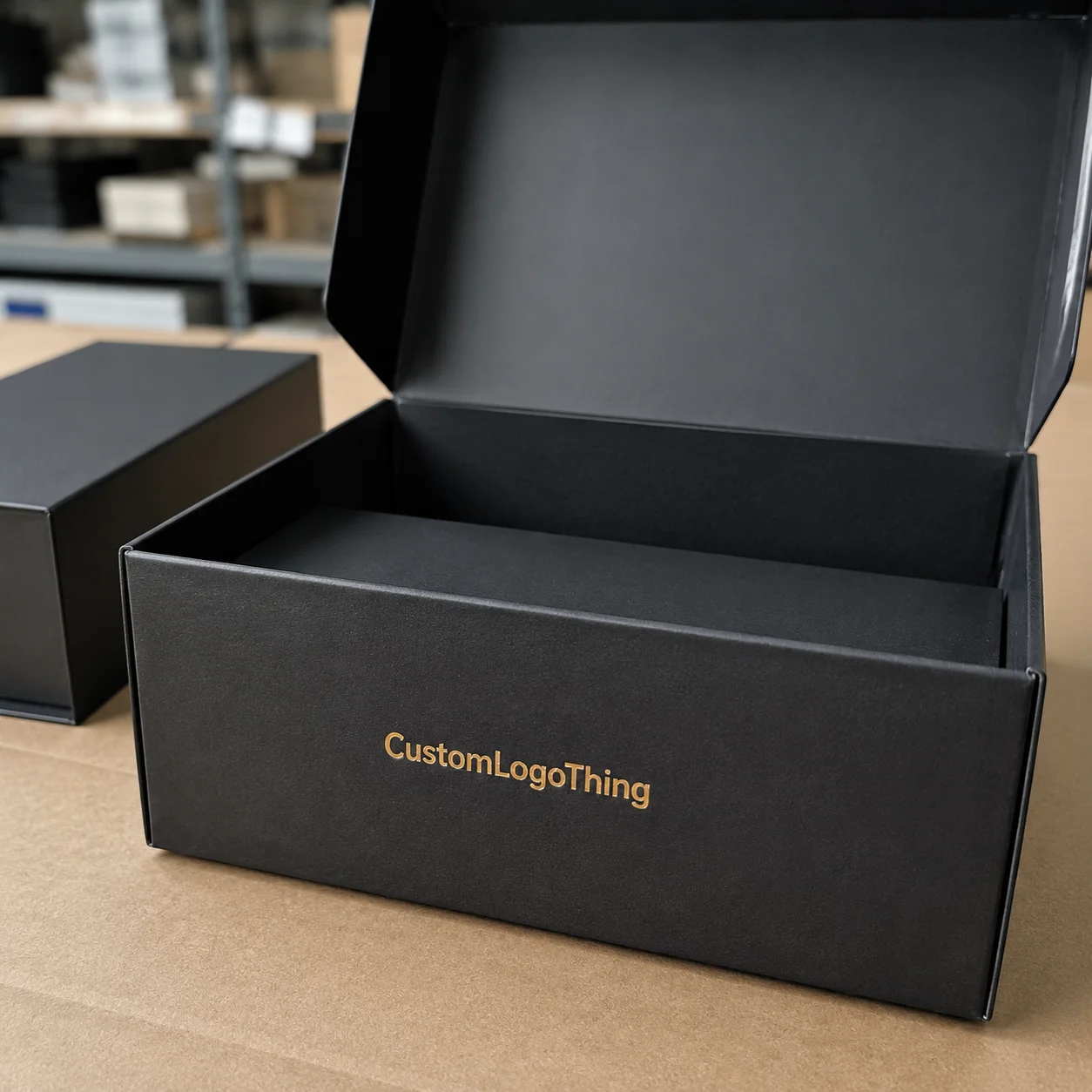
Matte lamination, gloss coating, soft-touch, foil stamping, embossing, debossing, and spot UV all change the final look and cost. I like matte lamination for a modern premium feel. Gloss works well for bold color and strong shelf shine. Soft-touch feels luxurious but scratches more easily than people expect, especially in bulk cartons moving through a warehouse in Dallas. Foil and embossing are best used as accents, not wallpaper. If everything is shiny, nothing feels special.
One clean finish often beats three fancy ones. A matte carton with a single foil logo can look more expensive than a cluttered box with spot UV, metallic ink, embossing, and a busy pattern fighting for attention. Design restraint usually saves money and looks smarter. That’s a rare two-for-one, and it tends to hold up better when the printer in Kunshan needs to hit a tight production window.
Order quantity and storage
MOQ changes everything. Short runs cost more per unit because setup charges get spread across fewer boxes. Bigger runs lower unit price, but they also eat warehouse space and cash flow. I’ve watched companies over-order 30,000 cartons for a product that changed packaging six weeks later. That’s not planning. That’s storage-based regret.
If your launch is uncertain, don’t buy like you’re already a multinational. Start with a realistic quantity, then scale after sell-through data comes in. A 5,000-piece run at $0.15 per unit can be a smart test if the structure is simple and the print is one or two colors, but that same box might jump to $0.42 at 1,000 pieces because the factory in Foshan has to spread setup costs across far fewer units. Printed boxes how to choose should fit your inventory plan, not just your mood board.
| Box type | Best for | Typical strengths | Watch-outs |
|---|---|---|---|
| SBS folding carton | Retail, cosmetics, supplements | Sharp print, clean finish, strong branding | Not ideal for rough shipping without support |
| Kraft carton | Eco brands, natural products | Natural look, decent durability, lower material cost | Color can vary, especially on large solid areas |
| Corrugated box | Ecommerce, shipping-heavy products | Crush resistance, protection, transport friendly | Less refined unless design is handled well |
| Rigid box | Gift sets, luxury goods | Premium feel, strong presentation | Higher cost and more storage space |
I also tell clients to think about regulatory details. If you’re using FSC-certified paperboard, ask for documentation. The FSC site explains chain-of-custody basics. If you’re making environmental claims, don’t freestyle them. Brands get sloppy there, and shoppers notice. A claim that sounds fine in New York can become a problem once a retailer in Germany asks for proof of recycled content and certification paperwork.
Cost and pricing: what drives the price of printed boxes
Cost is where printed boxes how to choose gets real. Everybody wants a beautiful box. Then the quote lands, and suddenly everyone becomes a minimalist. I’ve seen projects jump from $0.24/unit to $1.60/unit because the buyer added rigid construction, four-color offset, foil, embossing, and a custom insert. Each choice had a reason. Together, they blew the budget.
The biggest drivers are box style, size, quantity, print colors, finishing, and material. A simple two-color kraft mailer will cost far less than a six-color rigid box with foil and magnetic closure. Setup charges matter too. On short runs, tooling and plate costs can make the unit price look painful. That’s not the factory being difficult. That’s math, and it shows up clearly when a plant in Dongguan is quoting a 3,000-piece run versus a 30,000-piece run.
Here’s a practical pricing view I’ve seen across projects, though exact quotes change by region, freight lane, and spec:
- Simple digital folding cartons: often around $0.35 to $0.90/unit at lower quantities.
- Offset retail cartons: often around $0.20 to $0.60/unit at mid-to-higher quantities.
- Corrugated mailers: often around $0.40 to $1.20/unit depending on print and flute.
- Rigid boxes: often around $1.20 to $4.50/unit, sometimes higher with inserts and premium finishes.
Those ranges are not promises. They’re directional. I’ve quoted the same rigid box at $2.10 and later $3.40 because the finish changed from standard wrap to soft-touch with foil and EVA insert. Same footprint. Different bill. A carton in Yiwu can also price very differently from one in Ho Chi Minh City depending on board source, local labor, and whether the run is heading by sea or air.
Hidden costs are where first-time buyers get clipped. Freight from Asia to the U.S. or EU can move the landed cost by a meaningful amount. Samples may be free, or they may be $30 to $150 depending on structure and tooling. Plates, dies, cutting tools, and inserts add more. If your supplier doesn’t itemize these, ask them to. You want a quote that tells the truth, not one that looks cute on a spreadsheet.
I’ve had one supplier in Dongguan quote beautifully low unit pricing, then tuck freight, film output, and one-time setup charges into separate lines later. The final landed cost was 14% higher than the first email suggested. Not illegal. Just annoying. Printed boxes how to choose works better when the quote includes board grade, print method, finish, and delivery terms from the start. If you can get a true DDP quote to your warehouse in the Netherlands, even better, because it removes a lot of surprise from the landed number.
If the target margin is tight, simplify the design before you chase expensive upgrades. A clean one-color print with precise typography and a well-structured carton can look better than a complicated box with too many effects. Design discipline is cheaper than rescue work, and it can keep a 10,000-unit run from tipping over a budget by $1,200 or more.
Step-by-step: printed boxes how to choose the right supplier and timeline
Good suppliers make printed boxes how to choose less painful. Bad suppliers make everything feel like a hostage negotiation with cardboard. I’m not kidding. The difference usually comes down to clarity, sample discipline, and whether they actually understand your channel, especially if their plant is in Shenzhen and your sales team is based in London.
Step 1: define product, cost, and shipping method
Before you request quotes, write down the product dimensions, fill weight, target landed cost, and shipping method. If the box is for retail only, the answer is different than if it’s going into ecommerce poly bags or third-party fulfillment. Your supplier needs the actual use case, not “premium box please.” That phrase has caused more confusion than I care to count, especially on orders that were supposed to stay under $0.50 per unit.
Step 2: request dielines and samples from multiple suppliers
I like to compare at least two or three suppliers. Ask for the same exact dimensions, board spec, print method, and finish. That way, you’re comparing apples to apples, not a red apple to a cardboard orange. Request a dieline. Ask for a material swatch. Ask for a printed sample if the order is large enough. If a supplier can’t provide those basics, keep moving. A good plant in Xiamen or Ningbo can usually turn a plain reference sample in 3 to 5 business days if the spec is straightforward.
Step 3: compare quotes with the same assumptions
Check whether the quote includes coating, insert, glue type, and freight terms like EXW, FOB, or DDP. A quote that looks 20% cheaper can become 8% more expensive once you add shipping and tooling. I’ve seen buyers choose the “cheapest” option only to discover they were comparing factory price to landed price. That’s not a comparison. That’s a trap with a nice font. Ask whether the quoted carton uses 350gsm C1S artboard or 300gsm; those small differences can matter more than the quote headline.
Step 4: approve a physical sample
Never skip the sample if the run matters. Fold it. Shake it. Put the product inside. Drop it from tabletop height. Run it through your actual packing workflow. For shipping products, I’d rather catch a problem at sample stage than after 8,000 units are printed. One bad dieline can haunt you for months, and rework in a factory outside Guangzhou can eat an extra week if the insert needs to be redrawn.
Step 5: build a realistic timeline
Most projects need time for artwork, proofing, sampling, revision, production, and transit. A simple digital run might move in 10 to 15 business days after approval. Offset work with custom finishes can take 15 to 25 business days, and sea freight adds more. If you need a precise launch date, build a buffer. Suppliers are not psychic. They also can’t control customs paperwork, which is adorable until it isn’t. For a coastal shipment from Shenzhen to Los Angeles, I’ll often tell clients to plan 12-15 business days from proof approval for production alone, before the container even leaves port.
Here’s a realistic timeline I use as a rough guide:
- Artwork and dieline setup: 1 to 3 business days
- Sampling and revisions: 3 to 10 business days
- Production: 7 to 20 business days depending on print method and finish
- Shipping: 3 to 40 business days depending on mode and lane
That means a “two-week” project can easily become a five-week project if proofs bounce back and forth. Printed boxes how to choose includes planning for reality, not just the best-case scenario. If a launch depends on Black Friday inventory in Chicago or a Q4 retail reset in Frankfurt, that buffer is not optional.
One of my better supplier memories came from a factory outside Guangzhou where the production manager insisted the inner tray was “fine” until I physically pushed the jar into the insert and watched the corner crease split. He frowned, changed the knife pattern, and saved the order from a bad first run. That’s why I like real samples. Paper on a screen is cheap. Mistakes in bulk are not, especially when the carton is being packed at 600 units an hour in a warehouse in Atlanta.
Common mistakes when choosing printed boxes
The biggest mistake is choosing based on price alone. I get it. Budgets are real. But the cheapest box can become the most expensive if it dents, prints poorly, or forces manual packing fixes. Printed boxes how to choose should never be a race to the bottom. That road is lined with returns and apologetic emails, usually after the order has already crossed the ocean from Shenzhen or Ningbo.
Another mistake is ignoring shipping conditions. If your product rides with heavy items, gets tossed by carriers, or sits in humid storage, board strength and coating matter. A box that looks great in a showroom can fail in a distribution center. I’ve seen gloss-coated cartons scuff badly in bulk cartons because no one thought through nesting and abrasion, especially when the cartons were stacked for three weeks in a warm warehouse in Miami.
People also forget that dark backgrounds, large solid color areas, and specialty finishes increase complexity. Full-black print can show scratching and registration issues more easily than clean white space. Foil stamping and spot UV are attractive, but they add setup and failure points. If the artwork is already busy, adding more effects just makes the box loud, not better. A simple black box with one copper foil mark can outperform a crowded six-color design every time.
Skipping sample review is a classic blunder. Yes, it delays the project by a few days. It also prevents thousands of units from being wrong. That trade is pretty easy. Yet I’ve had clients approve production off a PDF mockup and then act surprised when the seam lands right on the logo. Amazing. Truly heroic confidence. On a 20,000-piece run, that mistake can cost more than the sample stage would have.
Sustainability gets mishandled too. If you’re making recycled or recyclable claims, check whether the material and coating actually support them. Not every laminated box is recyclable in every market. Not every “eco” label means anything useful. If you need guidance, packaging trade groups and formal standards exist for a reason. Use them, and if the board is FSC-certified, get the certificate number in writing instead of relying on a vague verbal promise from a sales rep in Shenzhen.
Expert tips for better printed boxes decisions
After years of doing this, I can tell you the cleanest packaging decisions are usually the simplest ones. Printed boxes how to choose gets better when you stop trying to impress everyone and start matching the box to the job, whether the run is 2,000 cartons in Dongguan or 25,000 in a factory outside Ho Chi Minh City.
Use one or two high-impact finishes instead of stacking five. Matte lamination plus foil can be enough. Or soft-touch plus embossing. You don’t need every effect the catalog offers. I’ve seen brands spend an extra $0.38/unit chasing a look that customers barely noticed, and on a 12,000-unit PO that is real money leaving the margin.
Design for manufacturing, not just for mockups. Keep text away from folds. Avoid hairline rules near cut edges. Leave enough bleed. Ask the printer what minimum font size they can reliably hold; for many cartons, 5.5 pt is about the lower comfort limit, though this depends on press and substrate. These details save you from blurry logos and weird alignment issues. A half-millimeter shift can be visible on a white carton printed in a plant near Suzhou.
Match the structure to the distribution channel. Retail packaging wants shelf presence. DTC shipping wants crush resistance and efficient packing. Subscription boxes need a strong unboxing moment without causing excessive labor. If the box fights the channel, your team pays for it every day, usually in the form of slow pack-outs and damaged corners.
Negotiate smarter. Don’t just ask for a lower unit price on one order. Ask for pricing tiers based on annual volume. I’ve gotten better terms by saying, “If this launches well, we’ll reorder every 60 days at 12,000 units,” than by arguing about a few cents on the first PO. Suppliers can plan around commitment. They like certainty. Shocking, I know.
Build a reusable packaging spec sheet. Include exact dimensions, board thickness, print colors, finish, insert specs, and approved artwork versions. That one document keeps future reorders consistent and prevents “last time it was different” headaches. I wish more brands did this. Honestly, it would save everyone a lot of gray hair, especially when a second run is placed with a factory in Wenzhou six months later.
If you’re still building out your product line, it helps to browse a wider range of Custom Packaging Products so you can compare folding cartons, rigid boxes, mailers, and inserts against your actual sales model. The right packaging family usually becomes obvious once you see the options side by side, especially if you’re comparing a 350gsm C1S artboard carton to a corrugated mailer with an E-flute wall.
What to do next after choosing your printed boxes
Once you’ve made the choice, move fast on the paperwork. Create a one-page spec sheet with dimensions, material, print method, finish, quantity, and delivery terms. That document becomes your source of truth for reorders, supplier comparisons, and internal approvals. It also keeps every department from improvising their own version of reality, whether the order is managed from a Chicago office or a Sydney warehouse.
Ask suppliers for a side-by-side quote using the exact same requirements. If one vendor suggests changes, note them separately so you can see whether the savings are real or just the result of a different spec. Printed boxes how to choose is easier when you compare like for like. Otherwise, everyone is just arguing with numbers, and numbers can be surprisingly persuasive when freight, inserts, and coating are blended together.
Order a prototype and test it with the real product. Drop it. Pack it. Display it. Ship it. If you sell online, send a few test parcels through your normal courier route and watch for scuffs or corner crush. If you sell in stores, check how it faces on shelf under actual lighting. Small tests catch big problems, and a $40 sample can save a $4,000 reprint.
Finalize artwork only after confirming dielines and production tolerances. I can’t say this enough. Design files sent too early become expensive rework. Set a reorder trigger point too. For example, when stock hits 25% of expected sell-through, start the next run. That prevents launch gaps during seasonal spikes or promo pushes, and it gives a factory in Foshan enough time to slot your job into their schedule without premium rush fees.
There’s no magic here. Just good decisions, clear specs, and a little respect for the people running the press. Printed boxes how to choose is really about making sure the box works as hard as the product inside it, from the first proof in Shenzhen to the final delivery carton in your customer’s hands.
How do I choose printed boxes for a product that ships in the mail?
Prioritize crush resistance, secure fit, and shipping test performance over fancy finishes. For mail shipments, corrugated or reinforced folding carton structures usually make more sense than delicate presentation boxes. Ask for a drop test or sample shipment before approving bulk production so you can see how the box behaves in real transit, not just on a desk. If your order is moving through parcel networks in the U.S. or Europe, test for at least one 36-inch drop and corner impact before you approve 5,000 or 10,000 units.
What is the cheapest way to make printed boxes look premium?
Use clean graphics, strong typography, and one premium finish instead of multiple expensive effects. Matte lamination with a single foil hit or spot UV accent often gives the best value. Simple artwork can look more expensive than cluttered full-surface decoration, especially if the layout is disciplined and the print quality is sharp. In many factories in Dongguan or Shenzhen, that approach can keep pricing closer to $0.20 to $0.45 per unit on a medium run rather than pushing the job into luxury-box territory.
How long does it take to make custom printed boxes?
Most timelines include design, sampling, revisions, production, and shipping. Simple digital jobs can move faster, while offset printing or specialty finishes usually take longer. Delays typically come from artwork changes, sample approvals, and freight scheduling, so build in buffer time instead of assuming everything will land perfectly. A straightforward folding carton can often finish production in 12-15 business days from proof approval, while rigid packaging with custom inserts may take 20-30 business days before transit.
What should I ask a supplier before ordering printed boxes?
Ask about material specs, print method, MOQ, lead time, sample cost, and freight terms. Request a dieline and confirm exact outer and inner dimensions. Verify whether the quote includes coating, inserts, and any setup charges so you’re comparing complete pricing, not a partial number that grows later. It also helps to ask where the boxes are being produced, because a plant in Shenzhen, Ningbo, or Ho Chi Minh City may have different transit times and pricing structure.
Can I choose printed boxes based only on design?
No. Design matters, but structure, material, and use case matter just as much. A beautiful box that crushes in transit or blows your margin is a bad box. The right choice balances branding, protection, and cost, which is the whole point of choosing packaging in the first place. A carton that looks elegant but fails a basic drop test in Atlanta or London is not helping the brand.
If you want printed boxes how to choose without paying tuition to the school of expensive mistakes, keep the product spec, shipping method, and cost target in the same conversation from day one. That’s how you get packaging that looks good, protects the product, and doesn’t wreck the budget. Pretty simple. Not always easy. But very doable, especially if you lock in the board grade, finish, and timeline before the press run begins in Shenzhen, Dongguan, or wherever your supplier actually prints the job.