Buyer Fit Snapshot
| Best fit | Rigid Boxes Selection Packaging projects where brand print, material claims, artwork control, MOQ, and repeat-order consistency need to be specified before quoting. |
|---|---|
| Quote inputs | Share finished size, material target, print colors, finish, packing count, annual reorder estimate, ship-to region, and any compliance wording. |
| Proofing check | Approve dieline scale, logo placement, barcode or warning zones, color tolerance, closure strength, and carton packing before bulk production. |
| Main risk | Vague material claims, crowded artwork, missing packing details, or unclear freight terms can make a low unit price expensive after revisions. |
Fast answer: Rigid Boxes Selection Packaging: Board, Finish, Dieline, and Unit Cost should be specified like a repeatable production item. The safest quote records material, print method, finish, artwork proof, packing count, and reorder notes in one written spec.
Production checks before approval
Compare the actual filled-product size with the drawing, then confirm tolerance on folds, seals, hang holes, label areas, and retail display edges. Reserve space for logos, QR codes, warning copy, and material claims before decorative graphics fill the panel.
Quote comparison points
Review material grade, print process, finish, sampling route, tooling charges, carton quantity, and freight assumptions side by side. A quote is only useful when the supplier can repeat the same color, closure quality, and packing count on the next order.
Rigid Boxes How to Choose is one of those packaging questions that sounds simple until you stand beside a cart of samples and realize three different structures can all look “premium,” yet only one truly fits the product, the budget, and the shipping method. I remember one afternoon in a Shenzhen assembly room near Longhua, where a brand team held the same lipstick set in a 2.5 mm greyboard magnetic box, a drawer box, and a collapsible setup, and the moment they lifted each sample, their opinions changed almost as fast as the coffee on the table went cold. That hand feel matters more than most people expect, especially when the finished box weighs 180 to 240 grams before the product even goes inside, which is exactly why rigid boxes how to choose deserves a careful, practical answer rather than a cloud of packaging jargon.
In plain language, a rigid box is a thick paperboard structure, usually built from greyboard or chipboard, then wrapped in printed paper, specialty paper, or a fabric-like material for a more premium presentation. A common build starts with 2.0 mm or 2.5 mm greyboard, wrapped in 157gsm art paper or 120gsm textured specialty stock, then laminated and glued to hold the shape. Unlike folding cartons, rigid packaging holds its shape on its own, so the box feels substantial the second someone picks it up. That heavier, more protective construction is exactly why rigid boxes how to choose comes up so often for cosmetics, electronics, jewelry, gifts, luxury retail packaging, and subscription kits that need a stronger first impression, whether they are being packed in Dongguan, printed in Shenzhen, or assembled in a Suzhou fulfillment line.
When clients ask me about rigid boxes how to choose, I tell them to think about five things first: product protection, presentation, insert style, budget, and lead time. If those five pieces are clear, the rest of the decision gets much easier. If they’re fuzzy, people usually end up overbuilding the box, spending too much on finishes, or missing a delivery deadline by a week or two, especially on programs that need 5,000 to 20,000 units and two rounds of sample checks. And yes, I’ve seen all three happen in the same project. It was not a fun week.
“A rigid box is not just a container; it’s the product’s first physical handshake with the customer.”
Rigid Boxes How to Choose: Why the First Sample Can Surprise You
The first sample surprises people because a rigid box changes perceived value the moment it lands in the hand. I’ve seen a $14 serum feel like a $38 product simply because the box had a tight lid fit, a soft-touch wrap, and a foam insert that held the bottle upright with no wobble; in one case, the sample was built from 2.0 mm board, wrapped with 128gsm matte art paper, and finished with a single silver foil logo that cost only about $0.18 extra per unit on a 5,000-piece order. Honestly, I think that is the real power behind rigid Boxes How to Choose: you’re not only selecting packaging, you’re shaping how the product is judged before it’s even opened.
Rigid boxes are used everywhere that presentation matters, but I see them most often in cosmetics, wireless earbuds, scented candles, premium chocolate sets, limited-edition apparel accessories, and corporate gifts. A buyer in a retail meeting may not know the board thickness or the wrap paper grade, yet they instantly recognize the difference between a flimsy carton and a solid set-up box. That immediate reaction is exactly why rigid boxes how to choose should start with the end-user experience, not just the carton spec, particularly if the box will sit on a shelf in Taipei, be handed out in a Singapore launch event, or travel in a corrugated shipper across California.
I remember a client meeting at a brand showroom in Guangzhou Tianhe where the team had budgeted for a standard folding carton, then changed course after handling a 2 mm rigid sample with a matte black wrap and gold foil logo. Their own sales director said the box felt like “the product finally had a proper suit.” He wasn’t being poetic; he was reacting to a concrete shift in perceived quality, which is what well-designed rigid packaging can do in ten seconds or less. And yes, the room got very quiet after that, which is rare in packaging meetings unless someone is arguing over magnet strength or a sample from a factory in Foshan arrives with a 1 mm lid gap.
For readers trying to simplify rigid boxes how to choose, I like to break the decision into the product’s physical needs and the customer’s emotional response. A luxury watch needs crush resistance and a polished reveal. A skincare trio may need a divider set that keeps bottles straight. A gift box may need a memorable opening moment more than anything else. Once you separate those needs, the path becomes clearer, and you can often reduce the spec down to a 2.0 mm board, a single wrap material, and one insert style instead of three separate finish decisions.
There’s also a practical side that can’t be ignored. Rigid boxes usually need more material, more labor, and more assembly time than folding cartons, so they affect unit cost, freight, and storage. A full rigid set can occupy 2.5 to 3 times the warehouse volume of a flat carton before assembly, and that matters if the boxes are moving through a 3PL in Melbourne or an export warehouse near Yantian Port. That’s why rigid boxes how to choose has to stay grounded in the realities of the line, the warehouse, and the shipping lane—not just the mood board.
How Rigid Boxes Work: Materials, Structure, and Components
At the core of most rigid packaging is greyboard or chipboard, often in the range of 1.5 mm to 3.0 mm depending on the product weight and the look you want. A very common specification is 2.0 mm board for lighter premium sets or 2.5 mm board for heavier gift programs, then a wrap made from 157gsm C2S art paper, 128gsm C1S artboard, or a textured 120gsm specialty sheet. That core gets wrapped with printed paper or a specialty substrate, then glued and scored so it holds a crisp, boxy shape. When people say rigid boxes how to choose, they’re often really asking which combination of board thickness, wrap material, and closure style is right for the job.
The basic anatomy is easy enough to remember. You have the board core, the outer wrap, the inner lining, and then any inserts or closure hardware. In some constructions, especially shoulder-and-neck styles, the lid and base meet with a stepped profile that gives the box a more elevated reveal. Other boxes use magnets, ribbon pulls, or a telescoping lid. Each one changes both the look and the cost, which is why rigid boxes how to choose is never just a visual decision; it is also a decision about assembly labor, magnet sourcing, and whether the box will be hand-built in Dongguan or partially machine-assisted in Ningbo.
There are several common styles worth knowing:
- Set-up boxes with a separate lid and base for classic presentation.
- Lift-off lid boxes for straightforward access and a premium feel.
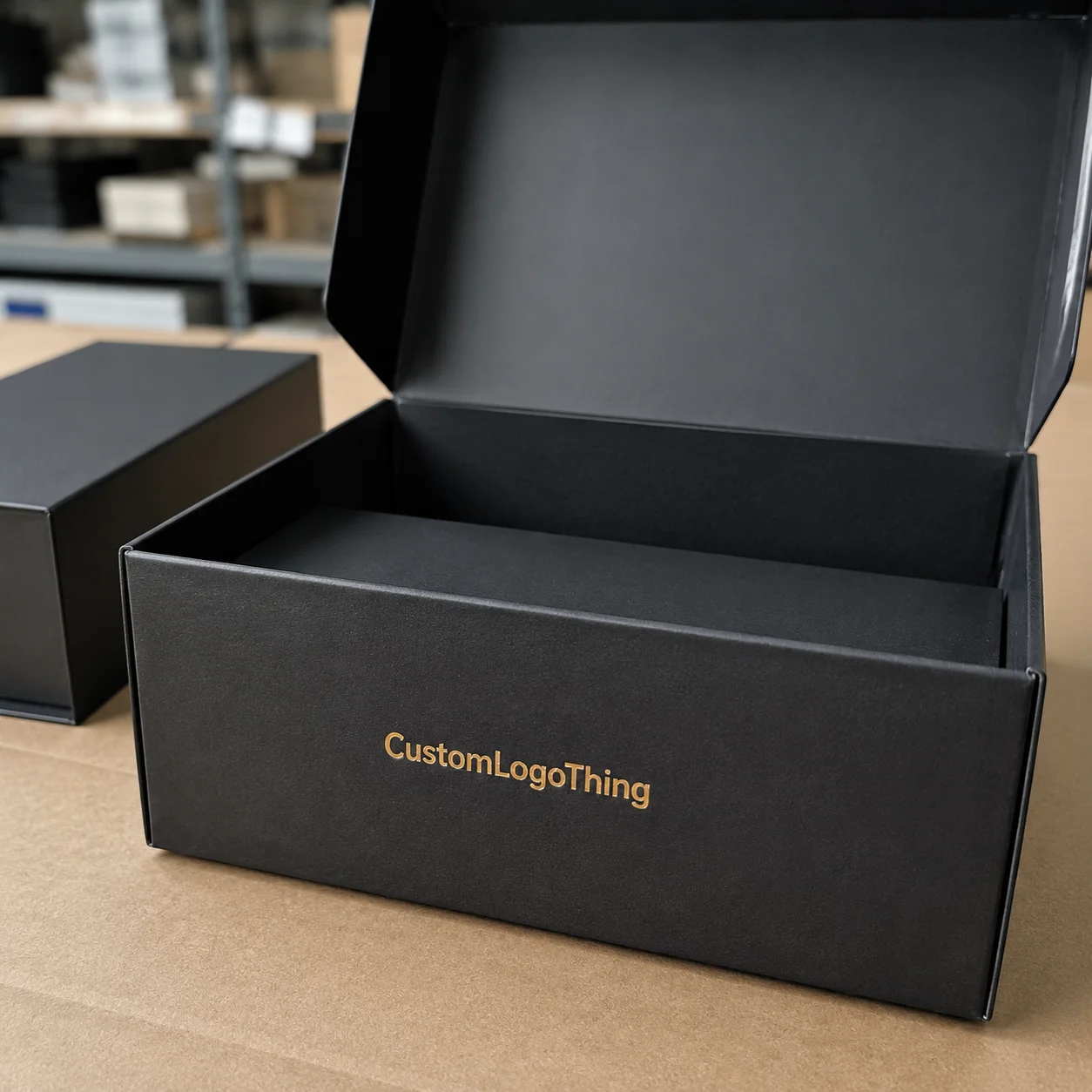
- Magnetic closure boxes for a clean front panel and repeat opening.
- Book-style boxes that open like a hardback cover, often used for gift sets.
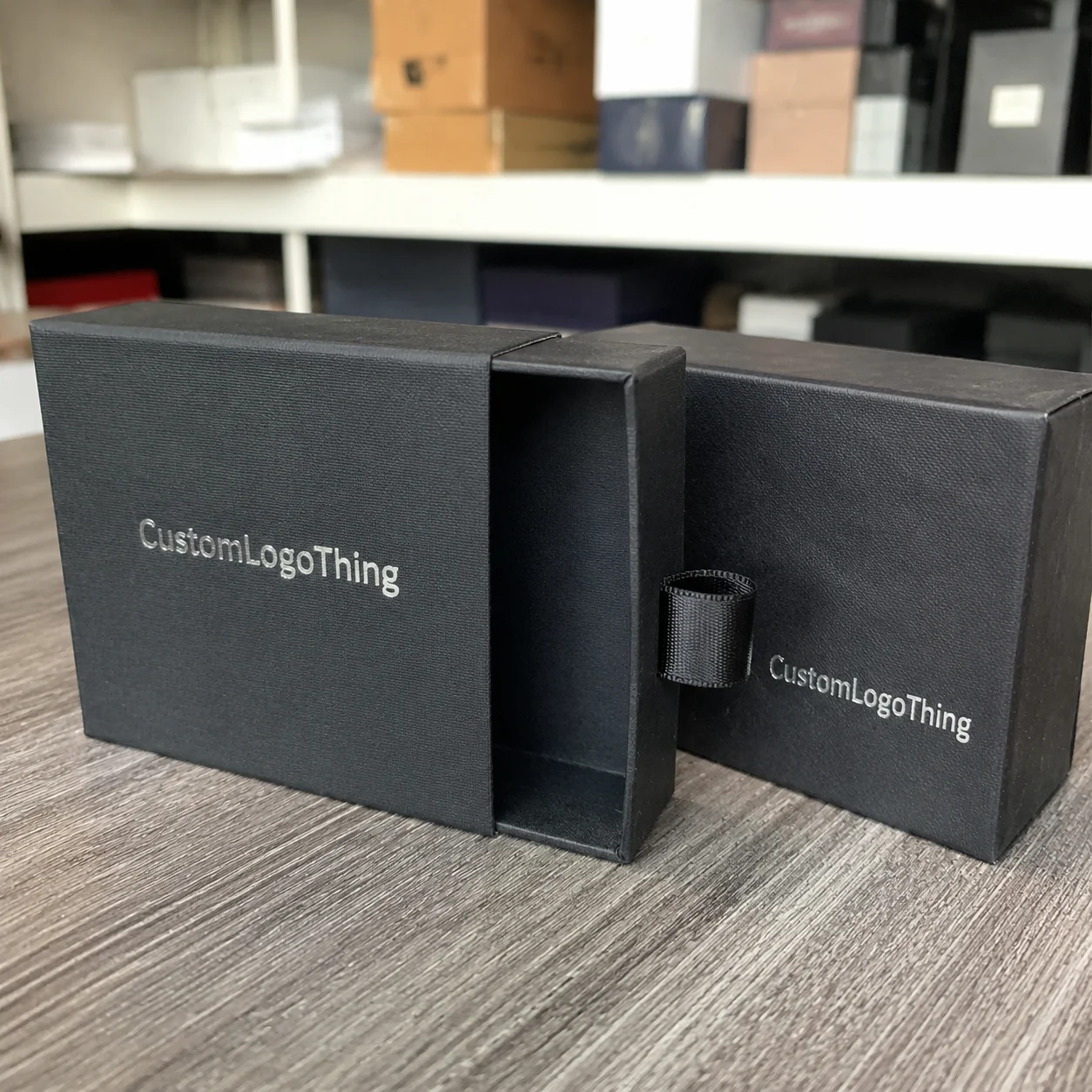
- Drawer boxes with a pull-out tray for a reveal-style unboxing.
- Collapsible rigid boxes for brands that need storage efficiency and reduced freight volume.
Material thickness matters more than many sourcing teams realize. A 2.0 mm board can feel perfectly sturdy for a lightweight cosmetic set, while a 3.0 mm board may be better for heavier electronics or a more substantial premium presentation. For a 380-gram wireless speaker, for example, a 2.5 mm greyboard shell with a snug EVA insert often performs better than a thinner 1.8 mm build because it limits internal movement by about 1.5 to 2 mm on each side. Thicker board improves crush resistance and often gives a more luxurious hand feel, but it can also increase folding difficulty, assembly labor, and box bulk. That tradeoff is one of the central questions in rigid boxes how to choose.
Finishes can make or break the final result. Soft-touch lamination gives a velvety feel, foil stamping adds metallic shine, embossing raises the logo, debossing presses it inward, and spot UV creates contrast against matte backgrounds. Textured wrap papers, like linen-finish or leather-look papers, can hide small handling marks better than a flat coated paper. In one sample review, a client loved a deep navy wrap with silver foil until we tested a heat-sensitive adhesive underneath the foil area and found slight distortion at the score line after 48 hours in a 38°C conditioning room. That’s the kind of detail rigid boxes how to choose has to account for before production starts.
Custom inserts deserve equal attention. A molded foam insert can cradle fragile glass, paperboard dividers work well for gift sets, and pulp trays can fit eco-positioned programs when the presentation allows a more natural look. I’ve had a jewelry brand in Dongguan switch from EVA foam to a layered paperboard insert after a test run showed the foam was marking the velvet pouch edges. The change saved the line from rework and kept the packaging looking cleaner inside and out, while trimming about $0.12 per unit on a 10,000-piece order.
For more structural inspiration and packaging category context, I often point teams to industry resources like the Packaging Machinery Manufacturers Institute and the structural standards discussed by ISTA. Those organizations won’t choose the box for you, but they help frame testing and transit performance, which matters once the box leaves the design studio and enters a distribution lane that may include Shenzhen printing, Hong Kong consolidation, and final-mile delivery in Los Angeles.
Rigid Boxes How to Choose Based on Product, Brand, and Budget
Product fit comes first, always. If the item weighs 120 grams and ships inside the box, the internal dimensions, insert depth, and closure strength all need to be evaluated together. If the product is a display-only gift piece, then the opening experience may matter more than shipping toughness. That distinction sounds obvious, but I’ve watched teams spend money on a beautiful magnetic closure when a simple lift-off lid with a custom insert would have been easier to pack and just as effective. That’s why rigid boxes how to choose should begin with actual use conditions, not a render file, especially if your items are being packed in batches of 2,000 or 8,000 in a facility outside Shenzhen or in a third-party line near Milan.
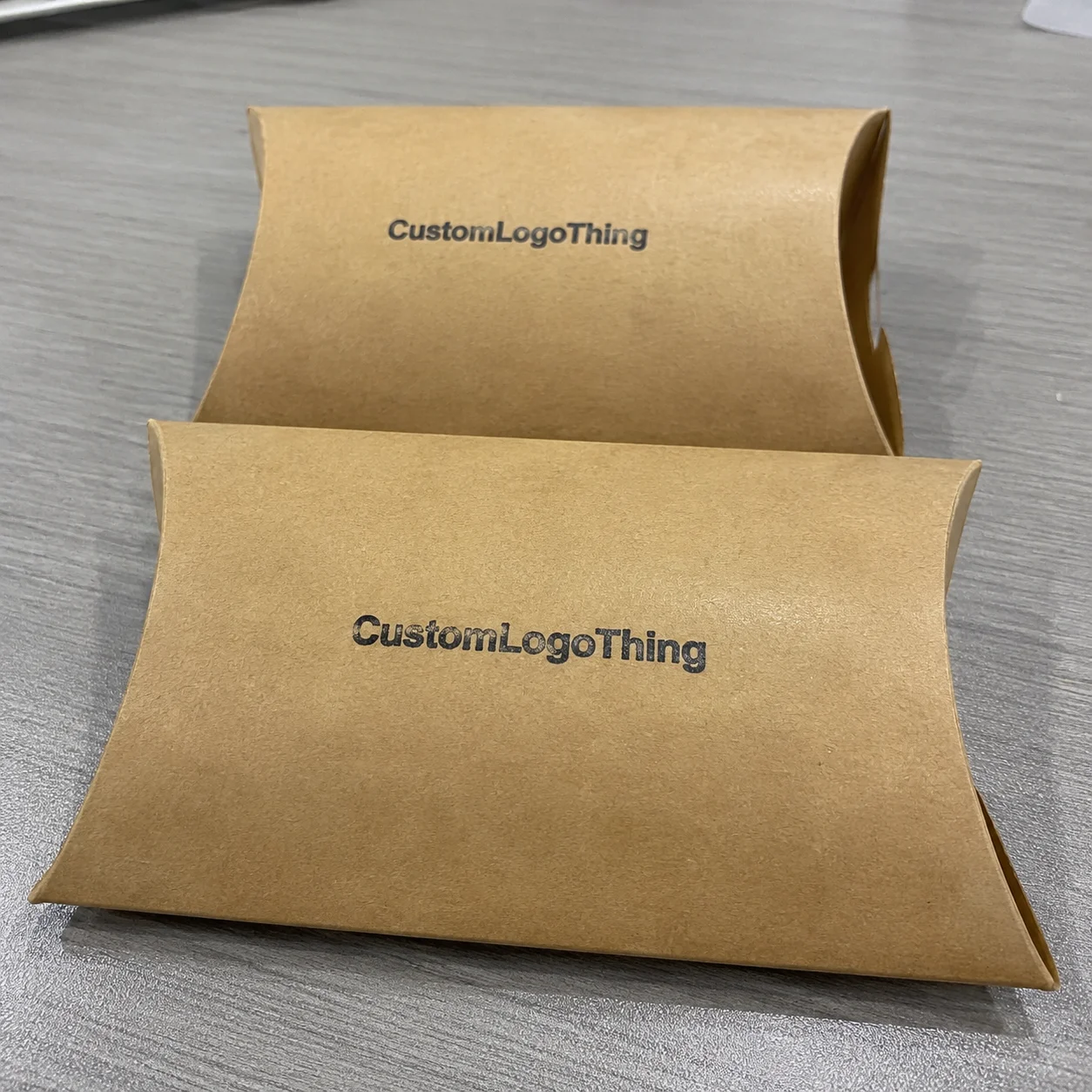
Brand positioning comes right after fit. A matte black rigid box with gold foil and a ribbon pull sends a very different signal than a kraft wrap with blind embossing. One says formal, polished, and gift-ready. The other says restrained, modern, and possibly eco-conscious. Neither is universally better. The point is to match the box to the customer expectation so the packaging supports the product story rather than fighting it. In rigid boxes how to choose, style alignment is often the difference between a box that feels right and one that feels expensive for no good reason, and the difference can show up in simple decisions like choosing black 157gsm art paper instead of a premium white cotton stock priced 20% higher.
Budget is where reality usually enters the room. For small-to-mid runs, a Custom Rigid Box can range widely depending on size and finishing, but here’s the practical truth from the floor: board thickness, decorative coverage, and insert complexity drive price more than almost anything else. A 150 x 150 x 50 mm magnetic rigid box with full-color wrap, soft-touch lamination, foil logo, and EVA insert can land far higher than a plain wrapped set-up box with a paperboard divider. In South China production, a simple 2.0 mm set-up box might come in around $0.95 to $1.20 per unit at 5,000 pieces, while a magnetic box with foil and a custom insert can move into the $1.65 to $2.40 range depending on the paper and hand assembly. If you add hand-applied ribbons or imported specialty paper, labor and lead time go up quickly. That’s exactly why rigid boxes how to choose requires cost control discipline.
| Rigid Box Option | Typical Build | Relative Cost Driver | Best Use |
|---|---|---|---|
| Set-up box | 2.0 mm board, printed wrap, simple insert | Lower to mid | Gift sets, cosmetics, retail presentation |
| Magnetic closure box | 2.0–3.0 mm board, hidden magnets, soft-touch finish | Mid to higher | Luxury gifts, electronics, premium branding |
| Drawer box | Rigid shell + pull-out tray, ribbon pull or thumb notch | Mid | Jewelry, accessories, curated product reveals |
| Collapsible rigid box | Fold-flat structure, magnetic corners, reinforced panels | Higher upfront, lower freight/storage cost | Higher-volume programs, limited warehouse space |
Order quantity changes the picture too. A 1,000-piece run can carry a very different unit cost than a 10,000-piece run because make-ready time, tooling, and assembly overhead get spread out. I’ve seen a quote move from $1.85 per unit to $1.12 per unit simply because the brand increased quantity and removed one foil pass, and I’ve seen another drop by $0.15 per unit when the team switched from a full-wrap printed insert to a single-color paperboard tray. That’s not a small difference when you’re planning a national launch. In rigid boxes how to choose, quantity planning can be as powerful as design tweaking.
Too many teams chase “premium” finishes before they’ve locked the structure. If the box has to protect a product, ship safely, and open cleanly on a retail table, then structure comes first, decoration second. You can still create a luxurious result with disciplined choices: a tight board spec, one good finish, and a well-designed insert often beat three flashy upgrades that don’t work together. I’ve seen a 2.5 mm board, a single matte wrap, and a clean blind emboss outperform a more expensive build with four finishes and a slower assembly line.
If you’re comparing packaging categories, our Custom Packaging Products page can help you narrow the structure before you request a quote. I’ve found that a clear product list saves at least one round of revisions, and sometimes two, because people stop asking for every possible box type and start choosing the one that fits the actual use case, whether that is a cosmetic kit packed in Guangzhou or a gift box shipped from a warehouse in Toronto.
What Are the Rigid Boxes How to Choose the Right Spec Steps?
Start with the product spec sheet. I mean exact dimensions, actual weight, surface sensitivity, and whether the product will ship inside the box or only sit in it at retail. A glass bottle with a painted finish needs different clearance than an aluminum component or a wrapped journal. Rigid boxes how to choose becomes much easier once the product data is real instead of approximate, and a spec written as 86.5 mm x 86.5 mm x 132 mm is far more useful than “about the size of a travel bottle.”
Next, measure internal clearance. A common mistake is assuming the outer box size is the only number that matters. It isn’t. Board thickness, lining paper, and insert depth all reduce usable internal space, so a product that is 85 mm wide might need a 92 mm internal cavity once the structure is built. If the lid has a snug fit or the insert has compression points, that clearance calculation becomes even more important. In rigid boxes how to choose, millimeters matter, and so does the thickness of the wrap paper, which can add 0.2 to 0.4 mm on each wall once glued.
Then decide on the opening experience. A lift-off lid gives a traditional premium feel. A magnetic closure creates a more polished snap shut. A drawer style adds a reveal moment. A book-style box is great when you want the packaging itself to feel collectible. I’ve sat through presentations where the marketing team fell in love with the drawer pull, while operations preferred the easier stacking of a lift-off lid. Both were valid; the final choice depended on the distribution model and how often the customer would reuse the box. That’s a very real part of rigid boxes how to choose, especially if the product is sold in boutiques in Paris but also ships through an ecommerce warehouse in Ohio.
After structure comes the closure and insert details. If the box has magnets, confirm the pull strength and placement. A pair of 12 mm x 1.5 mm neodymium magnets may feel right on a small jewelry box, while a larger lid might need 15 mm discs or a dual-magnet configuration to avoid a loose closure. If the insert is foam, check that the cutouts don’t compress too tightly against coated surfaces that can mark easily. If the insert is paperboard, make sure the product can be inserted quickly on the packing line without snagging. I’ve watched a line in a cosmetics plant slow down by 18% because the insert slot was 1.5 mm too tight and the bottle tips kept catching the divider edge. That kind of issue is exactly why rigid boxes how to choose benefits from testing, not guessing.
Print method and finishing order should be reviewed before artwork approval. A dark wrap with foil stamping may look beautiful on screen, but the actual paper grain can change how sharply the foil lands. Embossing depth also depends on board density and liner choice. If the logo sits too close to a score line, it can crack during folding or shipping. In my experience, the smartest packaging teams request a die-line, a printed mockup, and then a hand-built pre-production sample before they sign off. That sequence saves money later, and a typical proof-to-sample cycle is often 12–15 business days in a factory in Shenzhen or Dongguan once files are approved.
Typical timeline stages look like this:
- Dieline creation and structural review.
- Mockup or prototype sampling for fit and appearance.
- Material sourcing for board, wrap, and inserts.
- Printing and finishing such as foil, lamination, or embossing.
- Assembly with glue, magnets, or ribbon components.
- Quality inspection for alignment, adhesive strength, and closure fit.
- Final packing and shipment after approval.
For timing, many custom rigid box programs run about 12–15 business days from proof approval to finished samples, while full production commonly sits in a longer window depending on quantity, finish complexity, and material availability. A 5,000-piece order with standard wrap paper may finish in about 18–22 business days after sample sign-off, while a 20,000-piece order with imported textured stock can stretch to 25–30 business days because procurement and hand assembly take longer. Specialty papers, imported magnets, or hand-applied embellishments can add several more days. That’s why rigid boxes how to choose is also a scheduling conversation, not just a design one.
Common Mistakes When Choosing Rigid Boxes
The first mistake is choosing based on appearance alone. I get why it happens; a beautiful mockup can be very persuasive. But if the box rides through a courier network, needs pallet stacking, or has to be packed on a semi-automated line, looks won’t save it from a weak lid or a poor insert fit. Rigid boxes how to choose has to include the shipping path, not just the tabletop reveal, whether the product is going from a factory in Shenzhen to a distributor in Dubai or from a warehouse in Ohio to 300 retail stores.
The second mistake is underestimating tolerance. A product that varies by 1 mm from batch to batch may still fit a folding carton, but a tight rigid insert can expose that variation immediately. That leads to lid gaps, loose movement, or a customer who hears the product rattle when the box is picked up. I’ve had a supplier meeting where the brand team blamed the insert design, but the root cause was a product dimension variance that hadn’t been captured in the spec sheet. In rigid boxes how to choose, small dimensional drift can become a big headache, especially on glass components where even a 0.8 mm variance changes the fit.
The third mistake is stacking too many decorative finishes into one box. Foil, emboss, soft-touch lamination, spot UV, and specialty paper can all be used together, but that combination increases setup complexity, color matching risk, and reject rates. There’s also a very practical issue: each added finish can create another point where scuffing or cracking may appear. If the box doesn’t need all of it, don’t force it. A cleaner design usually looks more expensive anyway. That’s one of the oldest lessons in rigid boxes how to choose, and I wish more teams would trust it, especially when a single finish can keep the unit cost under $1.50 instead of pushing it toward $2.10.
The fourth mistake is forgetting line speed. If the packaging will be filled manually, okay, the opening style can be optimized for presentation. If it will be packed on a high-volume line, then the insert should allow fast and repeatable loading. I once visited a gift assembly operation where the team loved a molded foam layout until they realized the operators needed two hands and a visual orientation check for every unit. On a 5,000-piece order, that added hours. Practicality matters, even if nobody wants to be the person saying “the pretty one is slowing us down.”
The fifth mistake is skipping sample approval. I know that sounds obvious, but it still happens. A brand approves a render, production starts, and suddenly the wrap feels too glossy, the closure magnets are too weak, or the insert compresses the product label. A physical sample reveals those issues immediately, and that is why rigid boxes how to choose always includes a prototype step. Sample approval is the cheapest insurance in packaging, especially when a reprint in Shenzhen can add 7 to 10 business days and a missed launch date can cost far more than the sample run itself.
Expert Tips for Better Rigid Box Performance and Value
Design for both the unboxing moment and the shipping journey. That means thinking about how the box opens on a gift table, but also how it behaves inside a corrugated shipper, on a pallet, and in a warehouse at 65% humidity. A beautiful lid that warps in transit is not beautiful for long. In rigid boxes how to choose, the best result usually comes from balancing emotion with logistics, and I’ve seen that balance tested most clearly in summer shipments leaving factories in Guangzhou, where temperature swings can push adhesive behavior in the wrong direction by afternoon.
Use standard board thicknesses whenever possible. A 1.8 mm or 2.0 mm board often gives a very good premium feel without pushing cost or assembly time too far. Go thicker when the product demands it, not because thickness sounds luxurious. The same applies to inserts: a well-cut paperboard insert can do the work of a more expensive foam insert if the product is light enough and the brand story supports a cleaner material choice. That kind of practical selection is at the heart of rigid boxes how to choose, and a 350gsm C1S artboard divider can often outperform a bulky EVA tray for lightweight cosmetics packed in sets of three or four.
Test different wrap papers before locking art. Uncoated papers absorb ink differently than coated papers, and textured stocks react differently to foil pressure and embossing depth. I’ve seen a linen-texture wrap make a logo look wonderfully elevated, while another textured stock caused slight fiber lift around a hot-stamped edge. The difference was subtle on a screen and obvious in hand. If the finish matters, test it physically, ideally with a sample built in the same city and on the same press line that will run production, whether that is Shenzhen, Dongguan, or a partner factory in Wenzhou.
Factory-level checks can prevent expensive surprises. Confirm glue compatibility with the chosen wrap, especially if the paper has a coating or a metallic finish. Check magnet pull strength so the lid closes with enough firmness but doesn’t slap shut awkwardly. Verify score lines on wraps so they don’t crack on the corners. These are the details that separate a polished production run from a frustrating one, and they all belong in rigid boxes how to choose. I’ve seen a beautiful box turn into a tiny disaster because the glue and wrap were having a quiet little feud. Nobody needs that kind of drama, and nobody wants a 3,000-unit rework because the hot melt adhesive pulled at the silver PET wrap on a humid day.
For environmentally conscious programs, ask about FSC-certified board and paper options. If sustainability is part of the brand message, sourcing matters as much as appearance. You can also review guidance from FSC and packaging waste resources from the EPA to align packaging choices with compliance and disposal expectations. That doesn’t mean every luxury box must look recycled; it means you should know what the material story is before you sell it, whether you are sourcing from South China, Eastern Europe, or a domestic converter in Illinois.
Collapsible rigid boxes deserve serious attention for higher-volume programs. They can ship flat, save warehouse space, and reduce freight volume while still giving you a premium opening experience once assembled. I’ve seen brands save a measurable amount on inbound freight when they shifted from fully assembled rigid boxes to foldable construction, including a case where inbound pallet count dropped from 18 pallets to 11 pallets on a 12,000-piece order. If your program has enough volume and storage pressure, this option can make rigid boxes how to choose a lot easier from a logistics standpoint.
One more thing: communicate the packaging brief in plain language to every stakeholder. I’ve watched design teams, procurement teams, and fulfillment teams use the same box name but mean three different things. Put the style, board thickness, insert type, finish, and target quantity in one document, and include a target landed cost such as $1.25 per unit for 10,000 pieces or $0.15 per unit for a simple insert upgrade if the run is large enough. That simple discipline saves revisions, and it keeps rigid boxes how to choose from becoming a game of telephone.
What to Do Next: Final Checks Before You Order
Before you place an order, create a checklist that includes exact dimensions, product weight, insert requirements, finish selection, print files, quantity, target unit cost, and delivery schedule. That list may look basic, but it catches most of the problems I see during quote review. Rigid boxes how to choose becomes a clean process when the inputs are clear, and it gets even cleaner if you note the production city, such as Shenzhen or Dongguan, along with the expected ship date and destination port.
Ask for a physical prototype or a pre-production sample and inspect three things closely: fit, closure, and surface finish. Does the product move? Does the lid close with the right resistance? Do the corners crack when handled twice? I’d rather catch those issues in sample stage than after 8,000 units are already in assembly. A sample costs far less than a full reprint or a warehouse of unusable inventory, and far less than the awkward conversation that follows when everyone is staring at a pallet of boxes that are almost right.
Confirm the timeline from approval to shipment. If the project needs special tooling, imported wrap paper, or hand-applied components, build in extra time and say so openly inside the packaging schedule. Some programs move in 15 business days; others need more depending on finish complexity and the quantity being assembled. For example, a standard 5,000-piece magnetic box in Shanghai may ship in about 18 business days after proof approval, while a more decorative program using specialty paper and ribbon pulls may need 25 business days or more. Rigid boxes how to choose is partly about protecting the launch date from packaging delays.
Compare supplier capabilities before committing. One vendor may be excellent at structure and sampling but slower on assembly. Another may be strong at finishing but less flexible on custom inserts. Ask who handles dielines, who approves prototypes, who inspects quality, and who manages final packout. Those details matter more than a polished sales deck. I’ve been in factories where the best quote was not the best fit because the team couldn’t handle the insert tolerances the brand needed, or because the line in Foshan could only manage 3,000 units per day without quality drifting.
If you want to move efficiently, gather your product measurements, define your brand goals, and request a quote with a clear packaging brief. Use the exact phrase rigid boxes how to choose in the internal document so your team stays aligned on the topic, the structure, and the decision criteria. That tiny bit of clarity can save days of back-and-forth, and in some factories it can shave one full revision cycle off the schedule.
My honest opinion? The best packaging decisions are rarely the flashiest ones. The best ones are the boxes that feel premium, protect the product, pack cleanly, and arrive on time without surprises. That is what rigid boxes how to choose should really be about: matching structure, material, and budget to a real product and a real customer. If you get those pieces right, the box does its job quietly and beautifully, and that’s usually the sign of good packaging.
FAQ
When rigid boxes how to choose the right style for a fragile product?
Choose a rigid box style with a snug custom insert and enough board strength to resist crush during transit. For fragile products like glass bottles, ceramic items, or small electronics, I usually recommend a magnetic closure box or a set-up box with a paperboard or EVA insert, because lid security and internal restraint matter more than decorative complexity. If the product is especially delicate, test the sample inside a corrugated shipper before approving production, and check whether the insert cutout leaves at least 1.5 mm of clearance around painted or coated surfaces.
What affects rigid box pricing the most?
The biggest cost drivers are box size, board thickness, print coverage, specialty finishes, insert complexity, and order quantity. Hand assembly, magnets, ribbon pulls, and imported specialty papers can also raise the unit price. In practical terms, a simple wrapped set-up box is usually less expensive than a magnetic box with soft-touch lamination, foil stamping, and a custom foam insert. At 5,000 pieces, the difference can be as little as $0.35 per unit or as much as $1.10 per unit depending on the factory, the city of production, and whether the project is built in Dongguan or Shenzhen.
How long does rigid box production usually take?
Timeline depends on sampling, material sourcing, printing, assembly, and quality checks. A straightforward custom rigid box program may run in roughly 12–15 business days from proof approval to sample completion, while full production can take longer depending on quantity and finish complexity. Custom structures, specialty papers, and imported components usually add extra time, so approve prototypes early. In a busy South China plant, a 10,000-piece order may need 20–28 business days after sample sign-off if the wrap paper or magnets have to be sourced from a separate supplier.
Should I choose a magnetic rigid box or a drawer style box?
Magnetic boxes work well when you want a polished closing action and a premium feel every time the customer opens the package. Drawer styles are better when the reveal matters and you want the product to slide out in a controlled way. If the product is heavy or the packaging will be reused often, I usually compare both options with a physical sample before deciding. A magnetic box with 2.5 mm greyboard may cost more upfront, while a drawer box can add labor if the tray needs a ribbon pull and a finger notch.
How do I make sure the box fits my product correctly?
Measure the product precisely, then allow for insert thickness, paper wrap, and necessary clearance. Do not rely on estimated dimensions if the product has labels, curved edges, or uneven surfaces. The safest approach is to review a sample or prototype before production so you can test fit, closure, and presentation under real handling conditions. For products with batch variation, I usually recommend measuring 10 units from the same production lot and building the cavity around the largest finished dimension plus 1 to 2 mm of tolerance.