Buyer Fit Snapshot
| Best fit | Printed Boxes Selection One projects where brand print, material claims, artwork control, MOQ, and repeat-order consistency need to be specified before quoting. |
|---|---|
| Quote inputs | Share finished size, material target, print colors, finish, packing count, annual reorder estimate, ship-to region, and any compliance wording. |
| Proofing check | Approve dieline scale, logo placement, barcode or warning zones, color tolerance, closure strength, and carton packing before bulk production. |
| Main risk | Vague material claims, crowded artwork, missing packing details, or unclear freight terms can make a low unit price expensive after revisions. |
Fast answer: Printed Boxes Selection One: Board, Finish, Dieline, and Unit Cost should be specified like a repeatable production item. The safest quote records material, print method, finish, artwork proof, packing count, and reorder notes in one written spec.
Production checks before approval
Compare the actual filled-product size with the drawing, then confirm tolerance on folds, seals, hang holes, label areas, and retail display edges. Reserve space for logos, QR codes, warning copy, and material claims before decorative graphics fill the panel.
Quote comparison points
Review material grade, print process, finish, sampling route, tooling charges, carton quantity, and freight assumptions side by side. A quote is only useful when the supplier can repeat the same color, closure quality, and packing count on the next order.
“Printed Boxes How to Choose” sounds simple until you’re standing in a Shenzhen sampling room with three mockups, two tired buyers, and a quote that changed by $0.14 a unit because someone forgot foil blocking. I remember one factory visit in Dongguan where a buyer pointed at the prettiest sample on the table and said, “That one.” Ten minutes later we found out it would crush in transit on a 1.8 kg product headed through parcel shipping in California. Gorgeous. Also useless. I’ve watched brands burn thousands by picking the nicest-looking box instead of the right one. I’ve also seen a plain kraft mailer beat a fancy rigid box because the product was heavy, the shipper was rough, and the pretty box got wrecked before the customer even saw it. Packaging can be rude like that.
That’s the real job here. Printed Boxes How to Choose is not just a design decision. It’s a product decision, a cost decision, and a damage-control decision. Get the structure, material, print, and finish right, and the box does more than hold the product. It protects margins, supports your brand, and saves you from refund emails written in all caps. Honestly, I would rather review one boring-but-solid box than explain to a founder why their “premium unboxing” turned into a compensation spreadsheet after 12,000 units left a factory in Shenzhen.
Printed Boxes How to Choose: Start With the Product, Not the Box
The first time I walked a carton line in Dongguan, a cosmetics client had ordered the same folding carton style as a snack brand across the hall. Same size on paper. Totally different result. The snack box worked because the contents were light at 45g per unit and forgiving. The cosmetics box failed because the 30 ml glass bottle needed a tighter fit, 350gsm C1S artboard, better board strength, and a more serious closure. Same box style. Different product. Different outcome. That’s why printed boxes how to choose starts with the product, not with the pretty render your designer made at 11 p.m. I’ve seen those renders. They’re beautiful. They are also often wildly optimistic.
In plain English, printed boxes are custom outer packaging that combines structure, material, and graphics to protect a product and communicate the brand. Some are made for shipping. Some are made for retail shelves. Some do both. The box is not decoration. It’s working packaging. If it can’t survive being tossed on a conveyor or stacked under ten other cartons, then it’s just expensive paper with ambition. In a Guangzhou facility I visited last spring, the QA team was drop-testing sample cartons from 90 cm onto corrugated pallets; that kind of abuse tells you quickly whether a box is packaging or a liability.
Before you even think about finishes, ask four blunt questions: How big is the product? How fragile is it? How much does it weigh? How will it travel? A 120g serum bottle going by courier in a padded mailer has different needs than a 3.5 lb candle set going onto a boutique shelf. A 280 x 180 x 90 mm subscription kit that ships from Texas to New York is also a different beast than a 65 x 65 x 150 mm retail tube sold in Tokyo. Printed boxes how to choose means matching the packaging to the actual use case, not the mood board.
And yes, the cheapest-looking box is not always the cheapest option. I’ve watched brands save $0.06 per unit on a lighter board, then lose $0.42 per unit in damage, returns, and replacement shipping. That math gets ugly fast. A box that looks plain but performs well can save money in freight, filler, and claims. Fancy is not free. Weak is even more expensive. There’s a special kind of frustration in seeing a “budget win” turn into a full-blown customer service headache two weeks later, especially when the factory in Ningbo already warned that a 280gsm board was too light for a 1.2 kg set.
So the balance is simple: brand, function, and cost. Ignore one of those three, and the box usually becomes somebody’s problem later. Usually yours, which is adorable until the replacement orders hit.
How Printed Boxes Work: Structure, Print, and Finishing
When people ask me about printed boxes how to choose, I break it into three parts: box style, substrate, and finish. That’s it. Everything else is a variation on those three, plus a freight invoice that arrives from Shanghai with no sense of humor.
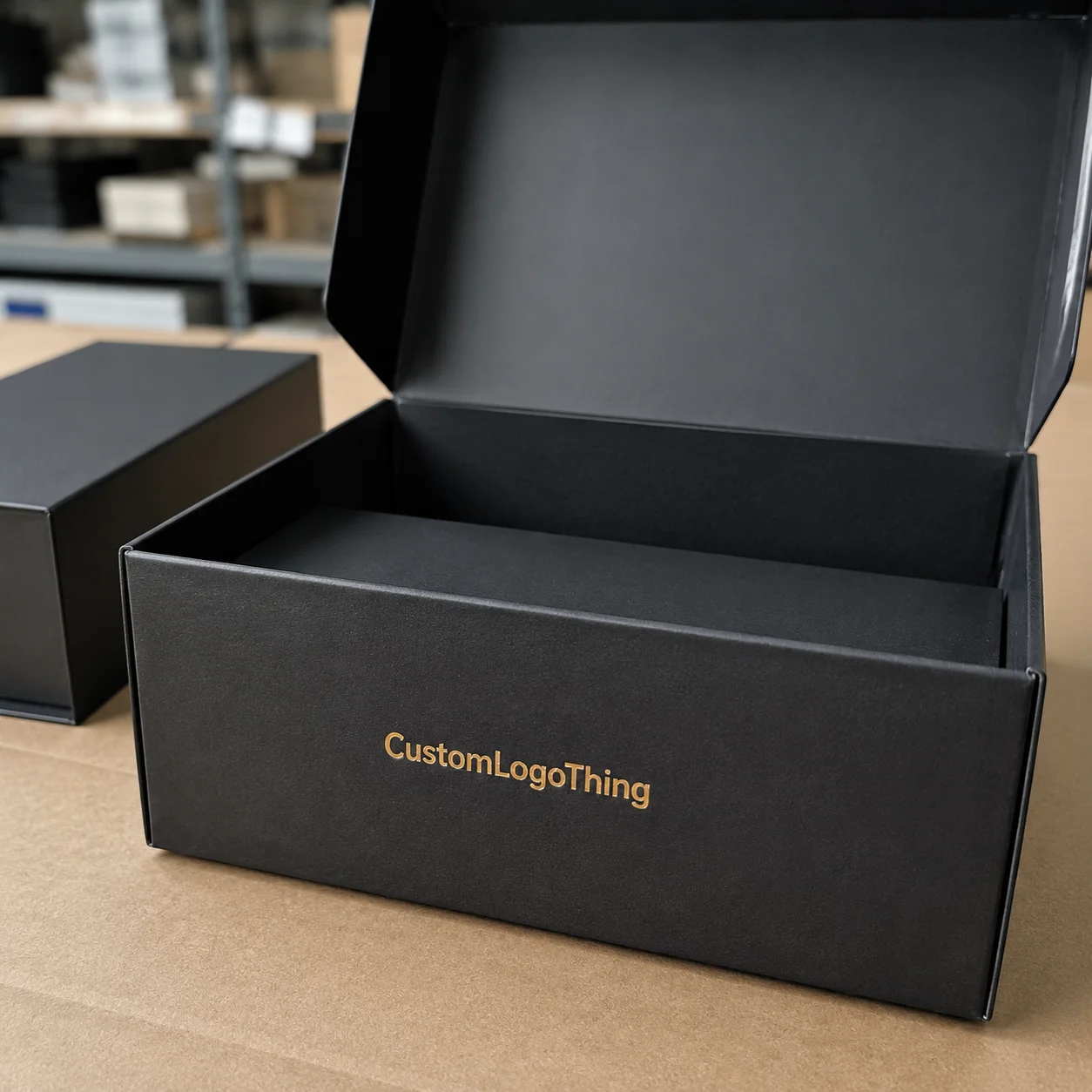
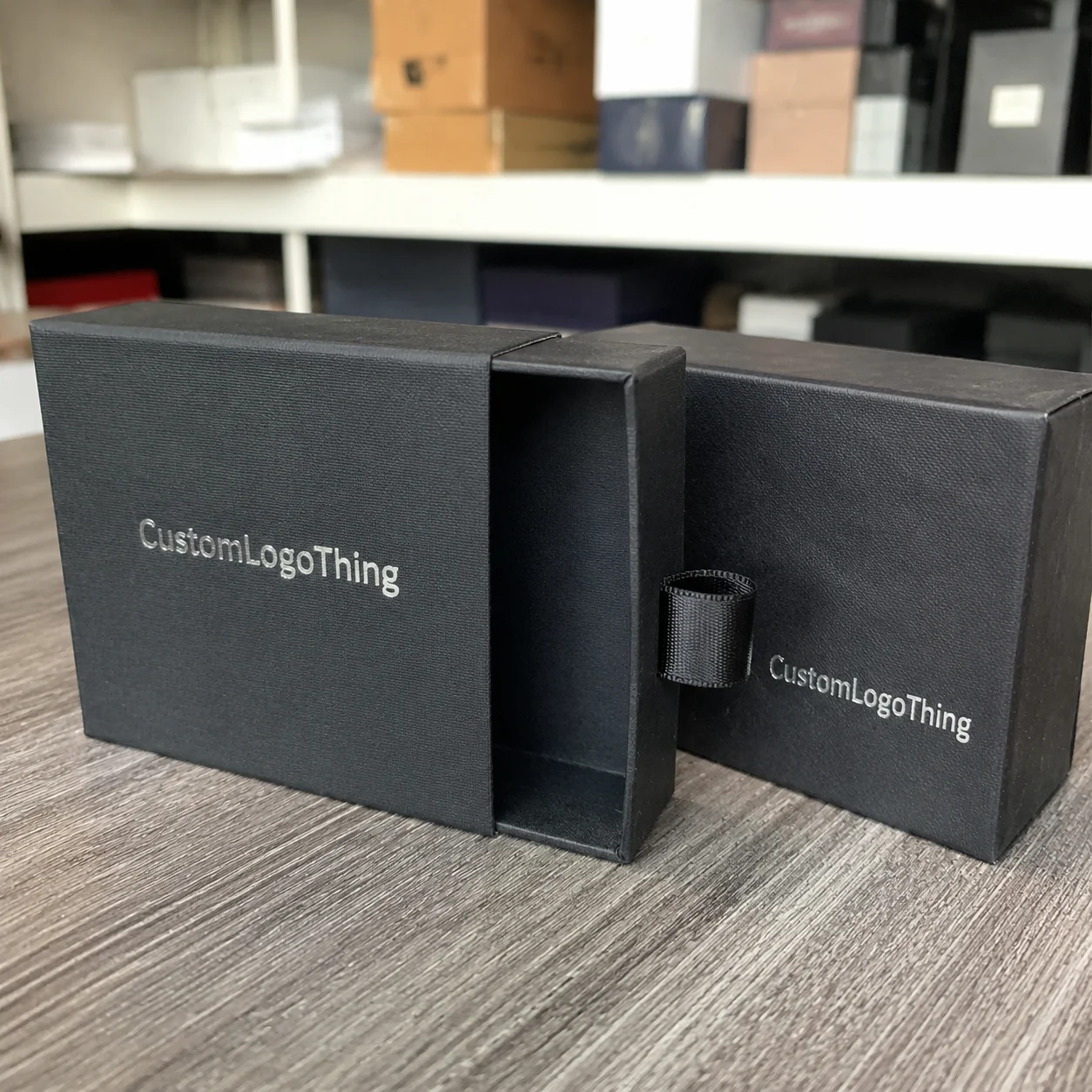
Box style is the shape and construction. Common options include mailer boxes, folding cartons, rigid boxes, tuck-end boxes, and sleeve boxes. Mailer boxes are great for ecommerce because they self-lock and ship flat. Folding cartons are common for retail because they’re lightweight and print beautifully. Rigid boxes feel premium and hold up well for gift sets and luxury items. Tuck-end boxes are efficient for cosmetics, supplements, and small consumer goods. Sleeve boxes often add brand impact over an inner tray or standard carton. A mailer in E-flute corrugate is usually a smart choice for parcels leaving a warehouse in Arizona; a rigid two-piece box wrapped in 157gsm art paper is a better fit for a luxury set sold in Milan.
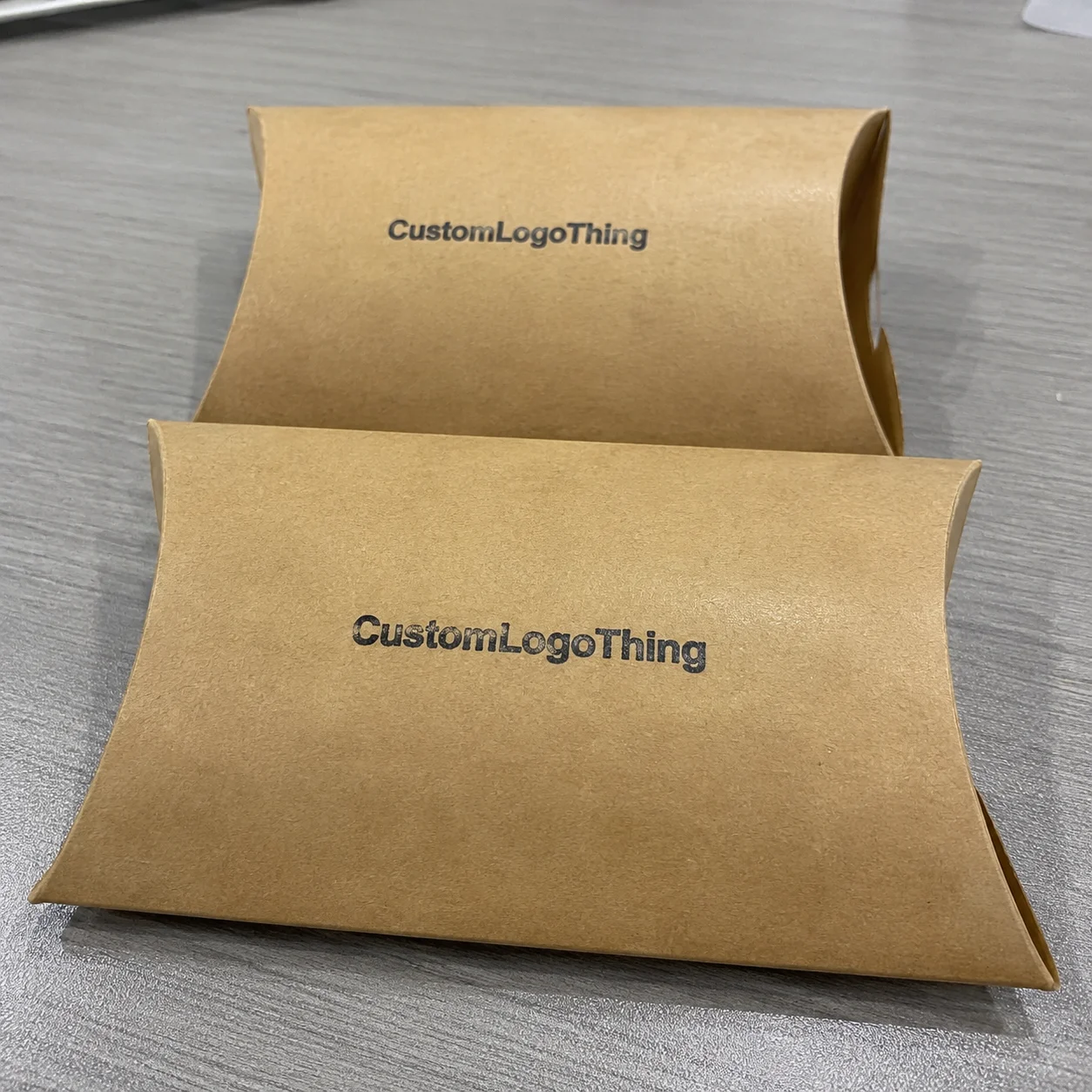
Substrate or material is the board or paper that becomes the box. That could be corrugated board, paperboard, kraft, or rigid chipboard wrapped with printed paper. Each one behaves differently. Corrugated board gives you strength. Paperboard gives you clean print and lower weight. Kraft creates a natural look. Rigid board gives you that heavy, premium feel customers notice before they even open the lid. In production terms, I’ve seen factories in Suzhou run 300gsm C1S for folding cartons, 1.5 mm grayboard for rigid sets, and 140gsm kraft wrap on sleeves; the difference in feel is immediate and the difference in freight is not subtle.
Print and finish change the look and the cost. Digital printing is usually better for short runs and fast turnarounds. Offset printing is the go-to for larger volumes and tighter color control. Flexographic printing is common for corrugated and high-volume work where speed matters more than ultra-fine detail. Then you add coatings and finishes: matte lamination, gloss, aqueous coating, spot UV, embossing, foil stamping. Each one adds visual value, and each one adds setup or unit cost. A simple matte aqueous coating on a folding carton might add only $0.03 per unit at 10,000 pieces; spot UV plus foil can add $0.08 to $0.18 per unit depending on coverage and whether the factory is in Guangzhou, Shenzhen, or Qingdao.
I once sat with a beverage startup in Xiamen that wanted spot UV, foil, embossing, and soft-touch lamination on a mailer box for a $24 product. The box looked beautiful. It also pushed packaging cost into the danger zone. We stripped it back to one foil logo, matte aqueous coating, and a strong insert. Their sell-through improved because the box still felt premium, but the economics stopped being ridiculous. Packaging does not get extra points for trying too hard. If anything, it gets penalized by the finance team, which is fair.
Die lines matter too. A dieline is the flat technical drawing that shows folds, cuts, glue tabs, and print-safe areas. Skip proper prototyping and you may discover the closure clashes with the insert after 8,000 units are already printed. I’ve seen that happen in a factory outside Shenzhen where the flap was 4 mm too short because someone “rounded” the dimensions. Nobody enjoyed it. The factory guy did not enjoy it. I did not enjoy it. The customer definitely did not enjoy it.
For structural standards and testing references, I usually point clients toward ISTA packaging test standards and general packaging guidance from PMMI/packaging.org. Not every project needs formal lab testing, but if your product is fragile or shipping nationally, ignoring test logic is a cute way to invite damage claims. A 30-inch drop test in a warehouse in Atlanta is a lot more persuasive than a designer’s mood board in Brooklyn.
Printed boxes how to choose gets easier once you stop treating structure, print, and finish as separate shopping categories. They work together. They also work against each other if you choose badly. If the structure fails, no amount of foil saves you from a crushed corner on arrival.
Key Factors in Printed Boxes How to Choose the Best Fit
Material choice is where most people overspend or underbuy. There isn’t one “best” board. There’s only the best board for your product, budget, and channel. For printed boxes how to choose the right fit, I look at the material first, then I look again because the first quote is usually hiding something.
Corrugated board is the workhorse. It’s ideal for shipping, heavier products, and anything that needs compression strength. Common flute structures include E-flute for print-friendly thinner walls and B-flute for added protection. Paperboard, like SBS or C1S/C2S artboard, is cleaner for print and works well for folding cartons. Kraft gives an earthy, recycled look, and it often signals eco-conscious branding without pretending to be something it’s not. Rigid board is thicker, denser, and used for premium boxes, often wrapped with printed paper for a polished presentation. A 350gsm C1S board in a folding carton might be enough for a 120g skincare tube; a 2 mm rigid board wrapped in 157gsm art paper is better for a premium gift set assembled in Hangzhou.
Cost is the next filter. A simple folding carton might run around $0.18 to $0.35 per unit at 5,000 pieces, depending on board and print. A corrugated mailer can land in the $0.32 to $0.70 range if you’re using custom print and a decent board. A rigid gift box with inserts can jump to $1.20 to $3.50 per unit fast, and that’s before special finishes. Tooling, dies, setup, freight, and finishing fees can add hundreds of dollars to the first order. I’ve had clients stare at a $420 die charge like the supplier invented gravity. No, that’s just packaging. Packaging with a bill attached, sure, but still packaging. In one Ningbo quote, the base box was $0.21 per unit and the hot foil added another $0.06, which sounds minor until you multiply it by 20,000 units and suddenly everyone wants to “revisit the budget.”
Volume changes everything. At 1,000 units, digital printing may be the smarter choice because setup costs are lower. At 20,000 units, offset often wins on unit economics. Printed boxes how to choose at low volume is about reducing setup pain. At higher volume, it’s about squeezing per-unit savings without sacrificing performance. A digital run in Los Angeles might ship in 5-7 business days after proof approval, while an offset run from Foshan usually needs more like 12-15 business days for production once the proof is signed.
Brand positioning matters just as much as material. If your brand is luxury, the box needs weight, closure quality, and a premium tactile finish. If you’re eco-focused, a clean kraft carton with soy-based inks might be more persuasive than a glossy package that screams “we spent the customer’s money on coatings.” If you’re minimalist, your typography, board selection, and white space need to do more work. If you’re ecommerce-first, the box must survive shipping abuse before it wins any beauty contest. A matte 1200gsm rigid box in New Jersey may feel right for a $180 candle duo; a printed E-flute mailer from Dongguan is a better business decision for a subscription box selling at $38 a month.
Sustainability is not just a line on the website. It needs actual material decisions behind it. FSC-certified paper, recycled content, water-based or soy-based inks, and right-sized packaging all help. The Forest Stewardship Council has clear guidance if you need certified material options. Still, I tell brands this bluntly: the greenest box is the one that gets used once, protects the product, and doesn’t trigger returns. Fake sustainability claims help nobody. Neither do overpacked boxes that eat up shelf space and freight budgets. A box that’s 10 mm too large can increase dimensional weight charges by a real amount, not a philosophical one.
Compliance is another piece of the puzzle. If your box must carry barcodes, legal copy, ingredient lists, country of origin, or warnings, that affects layout and print method. Shelf visibility matters too. A box that vanishes on the shelf may look elegant in a mockup but disappear in a store. That’s not elegant. That’s invisible. And once your competitors own the aisle in Dallas or Berlin, your beautiful invisible box has already lost. I’ve seen products get passed over because the barcode sat too close to the edge and the shelf label clipped it. Tiny layout mistake. Big retail headache.
| Box Type | Best For | Typical Strength | Typical Cost Range | Notes |
|---|---|---|---|---|
| Folding Carton | Retail items, cosmetics, supplements | Light to medium | $0.18-$0.35/unit | Great print quality, lower material cost |
| Mailer Box | Ecommerce, subscription, direct shipping | Medium to high | $0.32-$0.70/unit | Ships flat, self-locking, strong branding surface |
| Rigid Box | Luxury gifts, premium kits | High | $1.20-$3.50/unit | Premium feel, higher freight and setup costs |
| Kraft Sleeve + Inner Tray | Eco branding, simple consumer goods | Light to medium | $0.25-$0.60/unit | Simple look, flexible branding, easy assembly |
That table is not a promise. It’s a sanity check. Your exact numbers depend on dimensions, print coverage, board grade, and where the factory is shipping from. I wish packaging pricing were more civilized, but then I’d be out of something to complain about. A quote from Shenzhen will not match a quote from Vietnam or Poland if the board spec, ink coverage, and insert count change by even a little.
Printed Boxes How to Choose: Step-by-Step Selection Process
If you want a clean answer to printed boxes how to choose, use a process. Random guessing is expensive, and packaging factories in Guangzhou are excellent at charging for your indecision.
Step 1: Measure the product accurately. Not the “close enough” version. The exact product, plus closures, inserts, and anything else that needs to fit. I always ask for width, depth, height, and weight in grams or ounces. If it’s a kit, list every component. A customer once forgot to mention a charging cable. That tiny omission caused a 3 mm size issue and a second round of samples. Three millimeters sounds tiny until the box lid won’t close. Then it feels huge, insulting, and slightly personal. I’ve also seen a 6 mm mismatch cause a tray to rattle in transit from Suzhou to Chicago, which is not the kind of sound a premium box should make.
Step 2: Decide what the box must do. Is it mainly for shipping protection, retail presentation, premium unboxing, or all three? A shipping-first box needs stronger corners and more compression resistance. A retail-first box needs shelf appeal and clean print surfaces. If it has to do both, expect tradeoffs. No packaging does everything perfectly unless you enjoy paying for upgrades. A box for Amazon fulfillment in Phoenix is not the same as a shelf carton in a Seoul department store.
Step 3: Pick the style, then the board, then the print method. That order matters. Too many people do it backwards. They start with foil and gloss, then try to force that look onto a structure that wasn’t designed for it. For printed boxes how to choose properly, structure comes first. Fancy finish second. Reality third, ideally before the invoice. If your structure needs E-flute, don’t force a delicate rigid-style build just because the mockup looked expensive.
Step 4: Request samples, mockups, or a prototype. I mean real samples, not just a PDF. A taped mockup or white sample can reveal issues like weak flaps, bad closure tension, or inserts that scrape the product finish. One client in personal care insisted the digital render was enough. We sent a physical sample anyway. Good thing. The bottle label rubbed against the lid wall, which would have created returns by week two. That one sample probably saved the project. In another run from Foshan, a prototype exposed a 2 mm glue tab shift that would have slowed packing by 20 seconds per unit; that’s not small when you’re packing 15,000 boxes.
Step 5: Confirm artwork specs. Bleed, safe zones, color profiles, and logo placement all matter. A beautiful file in RGB on your laptop can look wrong in CMYK on board. Different substrates also shift color. Kraft dulls bright shades. Uncoated board absorbs ink differently than coated artboard. I’ve negotiated more than one color correction with a supplier after a gold tone came out looking like tired mustard. Nobody asked for sad mustard. Yet here we are. If the job needs precise color, ask for a printed proof on the actual board, not just a PDF from a designer in London.
Step 6: Review the quote line by line. Ask what is included. Plates? Dies? Setup? Freight? Sampling? Finishing? Insert assembly? If you don’t ask, you may discover the “cheap” quote excluded the part that actually makes the box usable. That’s a classic supplier dance. They step. You pay. Very elegant. One factory quote in Yiwu looked low until the line items for lamination, gluing, and carton packing appeared like surprise guests at a very expensive party.
Step 7: Approve the pre-production sample and lock the timeline. Once the sample is signed off, don’t keep changing the artwork unless you want delays and extra charges. Custom packaging has a habit of punishing indecision. Fairly, in my opinion. If you approve on Monday, many Chinese factories can usually start the run within 1-3 business days, assuming the materials are in stock and the season isn’t a pre-holiday bottleneck.
Here’s a practical checklist I use when I’m helping a client decide on printed boxes how to choose the right configuration:
- Product dimensions measured to the millimeter
- Actual product weight with inserts and accessories
- Required shipping method: courier, pallet, retail, or mixed
- Desired shelf or unboxing effect
- Target unit cost and total budget
- Minimum order quantity and reorder forecast
- Artwork readiness and barcode/legal copy requirements
That list saves time. It also saves the awkward phone call where someone says, “Wait, does the quote include the insert?” and I already know the answer is no. It also helps if you’re quoting a 5,000-piece run out of Dongguan versus a 25,000-piece run from Vietnam, because the factory math changes fast.
Cost, Pricing, and Timeline: What to Expect Before You Order
The price of custom packaging is built from a few moving pieces, and printed boxes how to choose wisely means knowing which piece is driving the number up. Style complexity is one. Material is another. Print coverage matters too. Full-bleed artwork with heavy ink density costs more to produce than a simple one-color kraft print. Add spot UV, foil, embossing, or custom inserts and the price climbs again. A 5000-piece folding carton run in Guangzhou might land at $0.15 to $0.28 per unit for a simple one-color design, while the same job with foil and matte lamination can move into the $0.24 to $0.42 range very quickly.
Order volume changes the economics. Low runs often favor digital printing because you avoid plate costs and large setup fees. Higher runs usually benefit from offset or flexo. Minimum order quantities can be frustrating for small brands, but factories have real setup costs. Nobody is folding 600 boxes by hand for charity. If a quote looks too good, check the hidden fees. That’s not cynicism. That’s experience. I once reviewed a “cheap” quote from Shenzhen that excluded die cutting, inner inserts, and outer cartons; the final landed cost was 27% higher than the first number on the sheet.
Typical timelines are rarely instant. A normal project might go like this: 2-4 business days for briefing and dieline confirmation, 3-7 days for sample or prototype work, 1-2 days for review and approval, 10-18 business days for production, then freight on top. If you need a rush, it can happen, but rush orders often cost more and limit material choices. I’ve seen people plan a holiday launch with three weeks of packaging lead time. That usually ends with panic, cardboard, and bad coffee. For a factory in Dongguan, the most common window I see is 12-15 business days from proof approval to finished goods if the board is already in stock.
Common delays are predictable. Artwork changes after proof approval. Color revisions. Board shortages. A missing barcode. A late internal sign-off from marketing. The packaging team is ready, and someone in sales suddenly wants to “explore a more premium feel.” Sure. In the middle of production. Excellent timing. I have actually heard that sentence in a factory office outside Shenzhen while three people stared at a press schedule like it was a hostage note. Add a national holiday like Chinese New Year or Golden Week and your timing can slip by 7-10 days without anyone breaking a sweat.
To avoid that mess, build buffer time into your schedule. If your retail reset starts on the 15th, I’d want packaging locked at least 3-4 weeks before that, and ideally more if you’re crossing borders. Freight can be weird. Customs can be weird. The supply chain has its own sense of humor. A container leaving Ningbo in October does not care about your launch calendar in Toronto.
If you’re comparing suppliers or product categories, our Custom Packaging Products page is a useful starting point for exploring common formats and build options before you request quotes. It saves a lot of back-and-forth, especially if you’re comparing mailer boxes, folding cartons, and rigid gift boxes from factories in Guangdong versus Zhejiang.
Printed boxes how to choose also means being realistic about total landed cost. A box that’s $0.09 cheaper in unit price might be $0.18 more expensive after freight, storage, and damage. I’d rather pay a little more for a box that arrives flat, stacks well, and reduces rework. Cheap is only cheap when it stays cheap. A carton that saves 3 cents in production but adds 15 seconds to packing time is not saving you anything except a bad spreadsheet.
Common Mistakes When Choosing Printed Boxes
The biggest mistake? Picking a box by appearance only. I know, the render looks beautiful. Your product looks luxurious. The logo glows like it belongs in a flagship store. Then the box collapses in transit because nobody checked the board strength. That’s not branding. That’s expensive disappointment. I’ve seen a cosmetics line in Los Angeles lose 9% of units to crushed corners because the box looked premium but used a board that was too thin for parcel handling.
Another common error is ordering before checking inner dimensions. Outer size is useless if the inside is wrong. A box with 2 mm too much clearance can cause movement. A box with 1 mm too little can crush product edges or make assembly miserable. For printed boxes how to choose, fit is everything. A 90 x 45 x 160 mm bottle needs a different internal tolerance than a flat 180 x 120 mm kit, even if the outer box size appears similar on a spreadsheet.
Over-designing is a classic budget killer. Not every package needs foil, embossing, soft-touch lamination, spot UV, and a custom insert. Sometimes one premium element is enough. I had a client in supplements who wanted every finish available. We cut it down to one matte lamination and one spot gloss on the logo. The box still looked elevated, and they saved almost $8,000 on the first run. That’s real money, not packaging fantasy. On a 10,000-piece order out of Guangzhou, that kind of cut can be the difference between a profitable launch and a boardroom tantrum.
Ignoring shipping tests is another one. If the box travels through parcel networks, you need to think about vibration, drop, and compression. ISTA test methods exist for a reason. They help simulate what couriers and carriers do to your product. A box that survives a shelf test may still fail a corner drop from 30 inches. I don’t trust hope as a protective material. Hope is not a compression rating.
People also forget assembly and packing operations. A beautiful box that takes 90 seconds to assemble is a labor problem. If your team packs 4,000 units a week, that extra minute becomes a payroll issue very quickly. I’ve stood in warehouses in New Jersey where operators were folding boxes with gloved hands and muttering about “designers.” Usually with good reason. If your box requires tabs, magnets, and a three-step insert, you should know the labor math before you approve it.
Skipping the sample stage is the last big mistake. Screens lie. Lighting changes color. Board texture changes appearance. A PDF cannot tell you if the magnets line up or if the sleeve is too loose. You need a physical version before mass production. Every time. I know it feels slower. It is slower. It is also cheaper than reprinting 10,000 units because the lid is a mess. In one 12,000-piece run from Qingdao, the sample saved a project because the closure sat 5 mm off-center; without that test, the entire batch would have had crooked lids.
“The mockup looked perfect on screen. The real box was a different story. We caught the fit issue before production, and that saved us from scrapping 12,000 units.”
That quote came from a client who learned the hard way that printed boxes how to choose is not a design contest. It’s a logistics decision with branding attached. Usually with a freight invoice and a deadline breathing down your neck.
Expert Tips for Better Printed Boxes Choices
Use design hierarchy like a grown-up. Logo first if brand recognition matters, product name second, and decorative elements third. If the box is retail-facing, make sure the shelf read is strong from 3 to 6 feet away. If it’s ecommerce, the unboxing moment matters more than distant shelf impact. Same box strategy? Not always. Different channels, different jobs. A box sold in a flagship store in Paris needs a different front-panel read than a box shipped from a warehouse in Dallas.
Ask suppliers for alternatives. A good printer or packaging factory should give you at least two or three material options, plus notes on finish impact and cost differences. If they only quote one version, they may be helping themselves more than you. I like suppliers who explain why a 350gsm C1S board makes sense over a 400gsm option, or why a lighter E-flute could still pass shipping tests. Specifics beat sales talk every single time. In Foshan, one supplier once showed me a side-by-side of 300gsm vs. 350gsm board and the price gap was only $0.02 per unit, but the compression difference was obvious in the lab test.
Test upgrades one at a time. Foil, embossing, and soft-touch all together can balloon cost fast. I usually suggest choosing one signature effect and letting the structure and print do the rest. For luxury products, a strong box shape plus one premium finish often performs better than five expensive embellishments fighting for attention. Packaging should feel intentional, not like it got dressed in the dark. A matte black rigid box with one silver foil logo from a factory in Shanghai often beats a full-effect carton that screams for attention from every angle.
Match the box to the channel. Ecommerce boxes need strength and easy packing. Retail boxes need presentation and barcode compliance. Subscription boxes need repeatable assembly and good storytelling on the inside flap. Printed boxes how to choose changes depending on how the box gets used after it leaves the factory. A subscription box assembled in 20 seconds in Guangzhou is a very different operational decision from a shelf carton intended for a drugstore in Chicago.
Reuse your artwork intelligently. If you can build a system where one design works across three sizes, your future setup costs stay lower. I’ve seen brands save thousands by keeping core art consistent and changing only size panels and copy blocks. That’s not sexy. It is smart. And smart packaging is way less dramatic, which is usually a good thing. It also makes reorders faster because the proofing cycle gets shorter when you aren’t rebuilding the entire artwork file every time.
Build a relationship with a supplier who tells you no. Seriously. I trust the factory team that says, “That paper will scuff,” or “That magnet closure will slow assembly,” more than the one that says yes to every shiny idea. Honest suppliers save you from expensive mistakes. The yes-men just send prettier disasters. I’d take a factory manager in Shenzhen who gives me the bad news on day one over a cheerful salesperson who lets the whole run fail on day fifteen.
If you want a useful external reference for packaging sustainability and responsible material choices, the EPA recycling guidance is a practical place to check material recovery basics. It won’t choose your box for you, obviously. But it helps keep the eco claims grounded in reality. A recyclable paperboard box from a supplier in Suzhou is only a good claim if the region where you sell can actually recover the material.
Next Steps After You Decide Printed Boxes How to Choose
Once you’ve made your choice, write a one-page packaging brief. Include product dimensions, product weight, target quantity, target unit cost, finish preferences, and the channel: ecommerce, retail, or both. This one page can prevent a week of email chaos. It also gives your supplier a clear target instead of a vague “make it nice” instruction, which, frankly, is not a brief. If you’re ordering from a factory in Dongguan, that brief should also list your expected ship date and whether you need pallet packing or master cartons.
Then collect 2-3 references. Show examples of packaging you like, but also explain why you like them. Is it the color blocking? The board feel? The closure? The inside print? Good references make the conversation faster. Bad references just create confusion and a design fight nobody asked for. A reference from a 120gsm recycled mailer in Portland does not help much if your actual product needs a 1.5 mm rigid insert and a satin wrap.
Request quotes for at least two styles and two materials. For example, compare a folding carton and a mailer box, or compare SBS artboard and kraft. Printed boxes how to choose gets much easier when you can see real tradeoffs instead of abstract opinions. A quote comparison is often the moment brands realize the “premium” box they wanted would force them to give up inserts or shipping protection. That’s useful information, not failure. A $0.22 folding carton from Shenzhen and a $0.48 mailer from Ningbo can tell you a lot about how your margin structure actually works.
Order samples or a prototype. Test the fit. Test the look under warehouse lighting, not just office light. Test the shipper. Test the way a retail associate opens it. Test whether the box stacks flat and stays square. You do not want to discover a weak closure in front of a customer or a buyer. I’ve opened samples under fluorescent lights in factories in Shanghai and seen colors shift enough to matter; that is exactly why the physical sample exists.
Finalize the artwork only after the structure is confirmed. Then approve the production sample before the full run. After the first order ships, review damage rates, customer comments, and packing speed. I’ve had clients improve their next run by changing a 4 mm flap, removing a decorative insert, or switching from gloss to matte coating because fingerprints were showing in transit photos. Small changes, big impact. On a 15,000-unit run, even a 2-second packing improvement can save hours of labor in a warehouse in Los Angeles or Rotterdam.
That’s the truth about printed boxes how to choose: the best box is the one that fits the product, supports the brand, survives the trip, and doesn’t waste money on unnecessary drama. Get those four things right, and your packaging starts doing its job instead of creating new ones. So the next time a sample looks gorgeous but feels flimsy, trust the test, not the shine. Pick the box that will survive the real route your product takes, even if it’s a little less exciting on the table.
FAQ
How do I choose printed boxes for my product size and weight?
Measure the product and any inserts first, then choose a box with enough clearance for safe packing but not so much space that the item shifts around. Heavier or fragile products usually need corrugated or rigid structures, while lightweight retail items may work in folding cartons. For printed boxes how to choose, fit and weight always come before graphics. A 200g serum in a 350gsm carton behaves very differently from a 2 kg gift set in a 1.5 mm rigid box.
What is the most cost-effective way to choose printed boxes for a small order?
Use a simpler box style, limit finishes, and compare digital printing options if your order volume is low. Ask suppliers to quote multiple materials and keep artwork consistent so you do not pay for extra setup on future runs. A smaller order usually benefits from fewer special effects and fewer surprises. For example, a 1,000-piece digital run from a factory in Shenzhen may be far cheaper to launch than a 5,000-piece offset job if you’re still testing the market.
How long does it take to get custom printed boxes made?
The timeline usually includes briefing, dieline or prototype creation, sample approval, production, and shipping. Delays often come from artwork changes or sample revisions, so having final dimensions and artwork ready speeds things up. For most projects, I’d build in several weeks, not a couple of days. A typical factory schedule is 12-15 business days from proof approval to production completion, plus 3-7 days for sample work if you need a physical prototype first.
Should I choose eco-friendly materials for printed boxes?
Choose recycled or certified materials when sustainability matters to your brand and the structure still protects the product. The best eco choice is the one that reduces waste without causing damage, returns, or over-packaging. FSC-certified paper and thoughtful sizing are better than vague green claims. A recycled kraft mailer from Guangdong that ships once and arrives intact is better than a “green” box that falls apart in transit from Chicago to Denver.
What should I ask a supplier before ordering printed boxes?
Ask about material options, print methods, finishing costs, minimum order quantities, sample availability, and lead times. Also ask whether the quote includes setup, die costs, freight, and any revisions so you can compare suppliers accurately. If you’re serious about printed boxes how to choose, get the numbers in writing. Ask for exact board specs too, such as 350gsm C1S artboard or E-flute corrugate, and confirm whether the timeline is 12-15 business days from proof approval or something longer.