Buyer Fit Snapshot
| Best fit | Printed Boxes Manufacturer projects where brand print, material claims, artwork control, MOQ, and repeat-order consistency need to be specified before quoting. |
|---|---|
| Quote inputs | Share finished size, material target, print colors, finish, packing count, annual reorder estimate, ship-to region, and any compliance wording. |
| Proofing check | Approve dieline scale, logo placement, barcode or warning zones, color tolerance, closure strength, and carton packing before bulk production. |
| Main risk | Vague material claims, crowded artwork, missing packing details, or unclear freight terms can make a low unit price expensive after revisions. |
Fast answer: Printed Boxes Manufacturer: Material, Print, Proofing, and Reorder Risk should be specified like a repeatable production item. The safest quote records material, print method, finish, artwork proof, packing count, and reorder notes in one written spec.
Production checks before approval
Compare the actual filled-product size with the drawing, then confirm tolerance on folds, seals, hang holes, label areas, and retail display edges. Reserve space for logos, QR codes, warning copy, and material claims before decorative graphics fill the panel.
Quote comparison points
Review material grade, print process, finish, sampling route, tooling charges, carton quantity, and freight assumptions side by side. A quote is only useful when the supplier can repeat the same color, closure quality, and packing count on the next order.
The first time I watched a printed boxes manufacturer run a 3,000-piece cosmetic carton job in Dongguan, the sales team cared more about the box than the bottle inside it. That sounds dramatic, but I’ve seen the same thing happen on factory floors from Shenzhen to Chicago: the package is often the first physical brand touchpoint, and a 350gsm C1S artboard carton with a matte aqueous coating can change how people value the product before they even touch the item.
Honestly, a lot of buyers underestimate packaging because it looks simple from the outside. A carton can be a folded sheet of paperboard, a rigid setup box wrapped in specialty paper, or a corrugated mailer built to survive parcel handling; the right printed boxes manufacturer turns those raw materials into Brand Assets That protect products, reduce damage, and make a product feel worth more. If you’re comparing suppliers, that matters more than a glossy sales deck. A quote that looks “cheap” at $0.22 per unit can get expensive fast once you add foil stamping, a custom insert, and ocean freight from Ningbo or Los Angeles.
At Custom Logo Things, we see packaging buyers ask the same question in slightly different ways: “What will it cost, how long will it take, and how do I avoid a mistake that costs me 5,000 boxes?” That’s the right mindset. A good printed boxes manufacturer should answer those questions with specs, samples, and straight talk, not vague promises (or the classic “don’t worry, we’ll handle it,” which usually means someone is about to panic later). For a standard folding carton run, you should expect a quote in the $0.18 to $0.42 range per unit at 5,000 pieces, with production typically 12 to 15 business days from proof approval.
What a Printed Boxes Manufacturer Actually Does
A printed boxes manufacturer is a production partner that designs, prints, cuts, folds, glues, and finishes custom Packaging for Retail, shipping, and presentation. In plain English, they turn a flat design file and a structural concept into a box you can put on a shelf, send through fulfillment, or hand to a customer at a store counter. In Guangzhou, I’ve watched teams run the same structure in SBS, kraft, and corrugated E-flute just to match different shipping and branding requirements.
That sounds straightforward, but the job stretches across several disciplines. Structural design. Print production. Color management. Material selection. Finishing. Quality control. A strong printed boxes manufacturer has to coordinate all of them, because one weak link can show up fast: a hinge that cracks, a flap that doesn’t close, or a print run that looks different on the 1,000th box than it did on the sample. I remember standing on a line once in Shenzhen watching a supervisor reject a whole pallet because the fold score was off by just enough to make the lid fight back. Tiny problem. Massive annoyance. The fix took 45 minutes; the rest of the day was gone.
Plain stock boxes do one thing well: they contain. Printed packaging does more. It creates branding, shelf appeal, and a more deliberate unboxing experience. I’ve watched a client sell the same tea blend in two packages—one plain kraft mailer and one custom printed rigid box with a foil logo—and the retail buyers reacted to them as if they were different products. Same tea, different perceived value. That is the quiet power of working with the right printed boxes manufacturer. A rigid box wrapped in 157gsm art paper with 2mm grayboard can make a $12 product feel like a $28 product, which is kind of the whole point.
Common formats include:
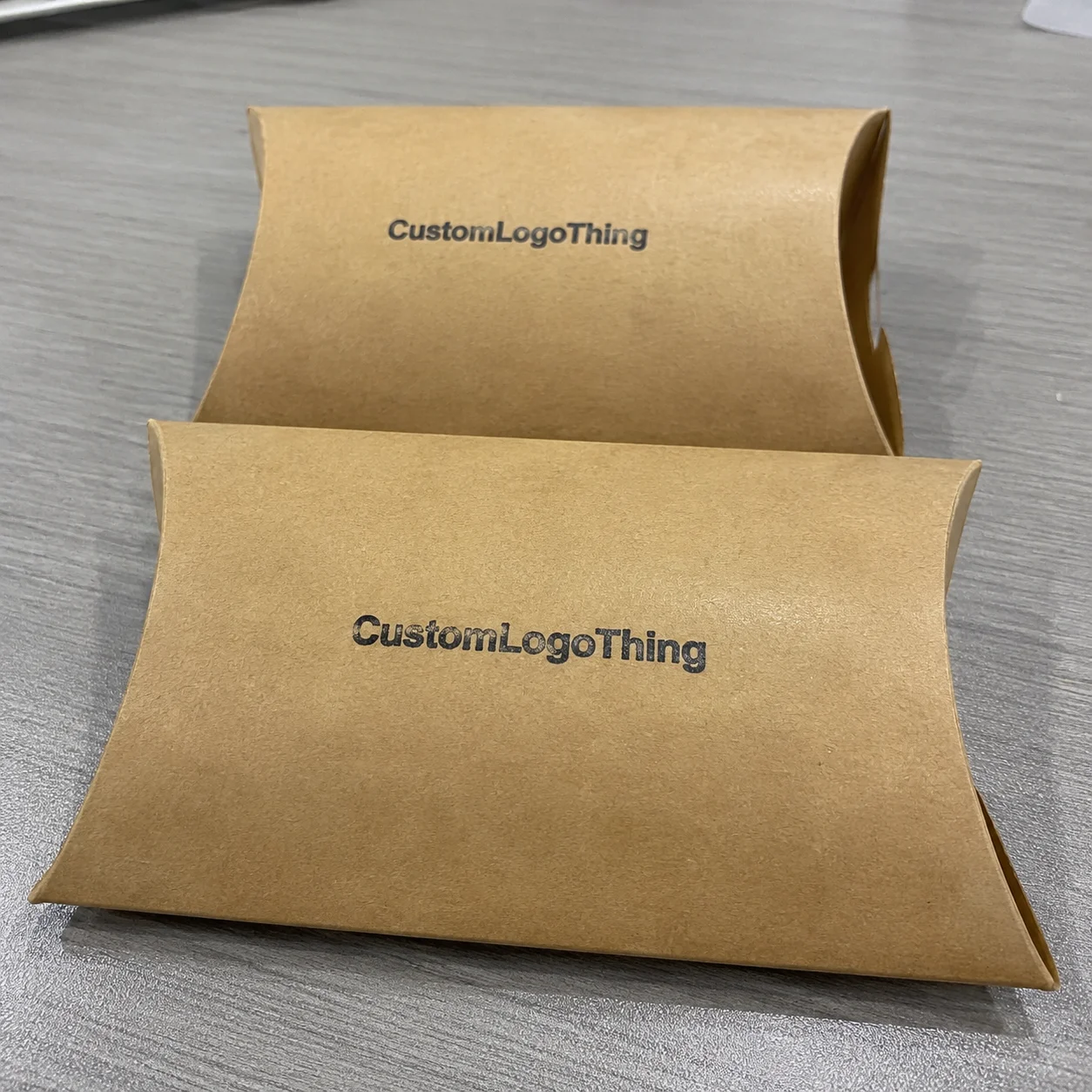
- Mailer boxes for e-commerce and subscription shipments, often in E-flute corrugated board
- Folding cartons for cosmetics, food, supplements, and small consumer goods, commonly in 24pt to 400gsm paperboard
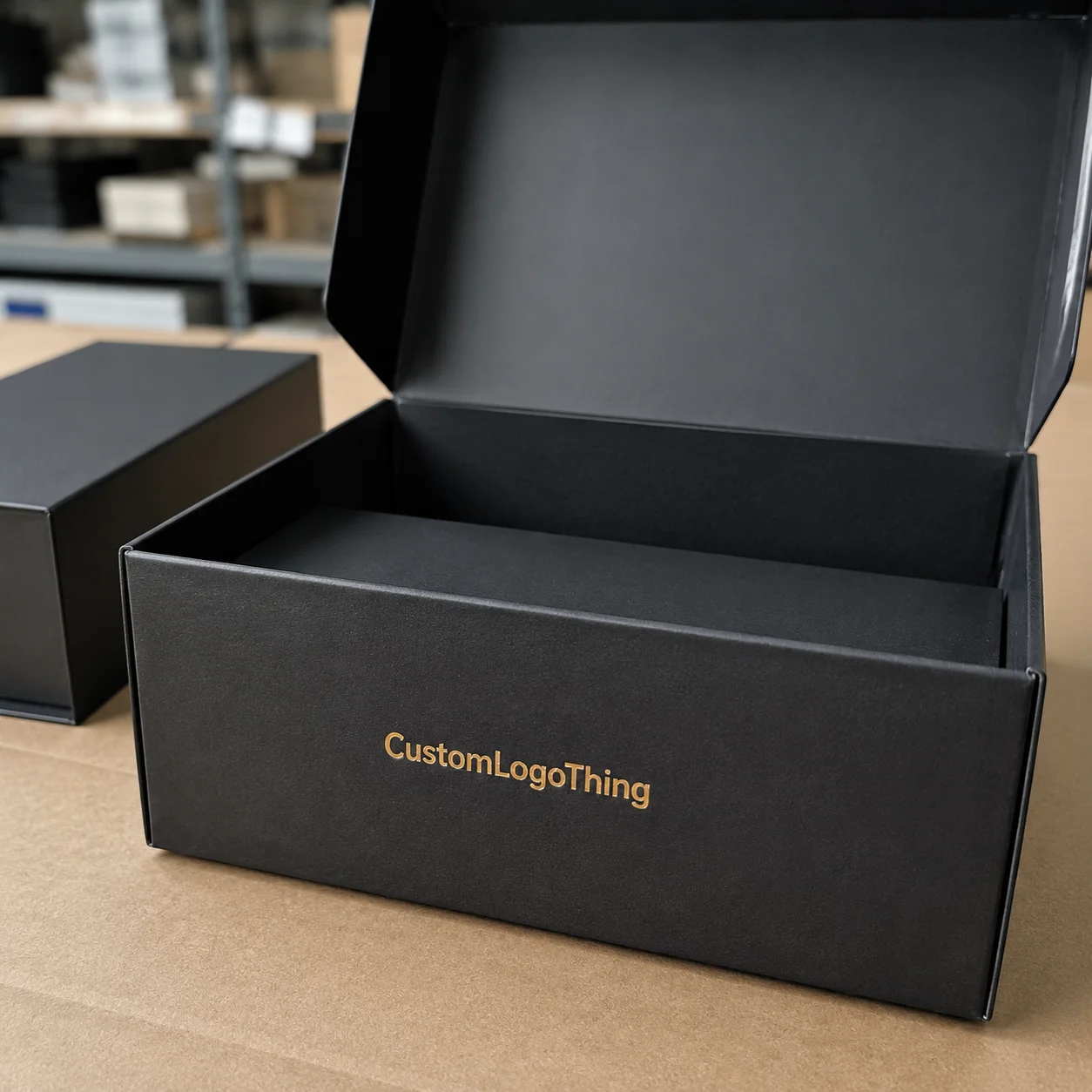
- Rigid boxes for premium presentations and gift sets, usually built with 1.5mm to 3mm chipboard
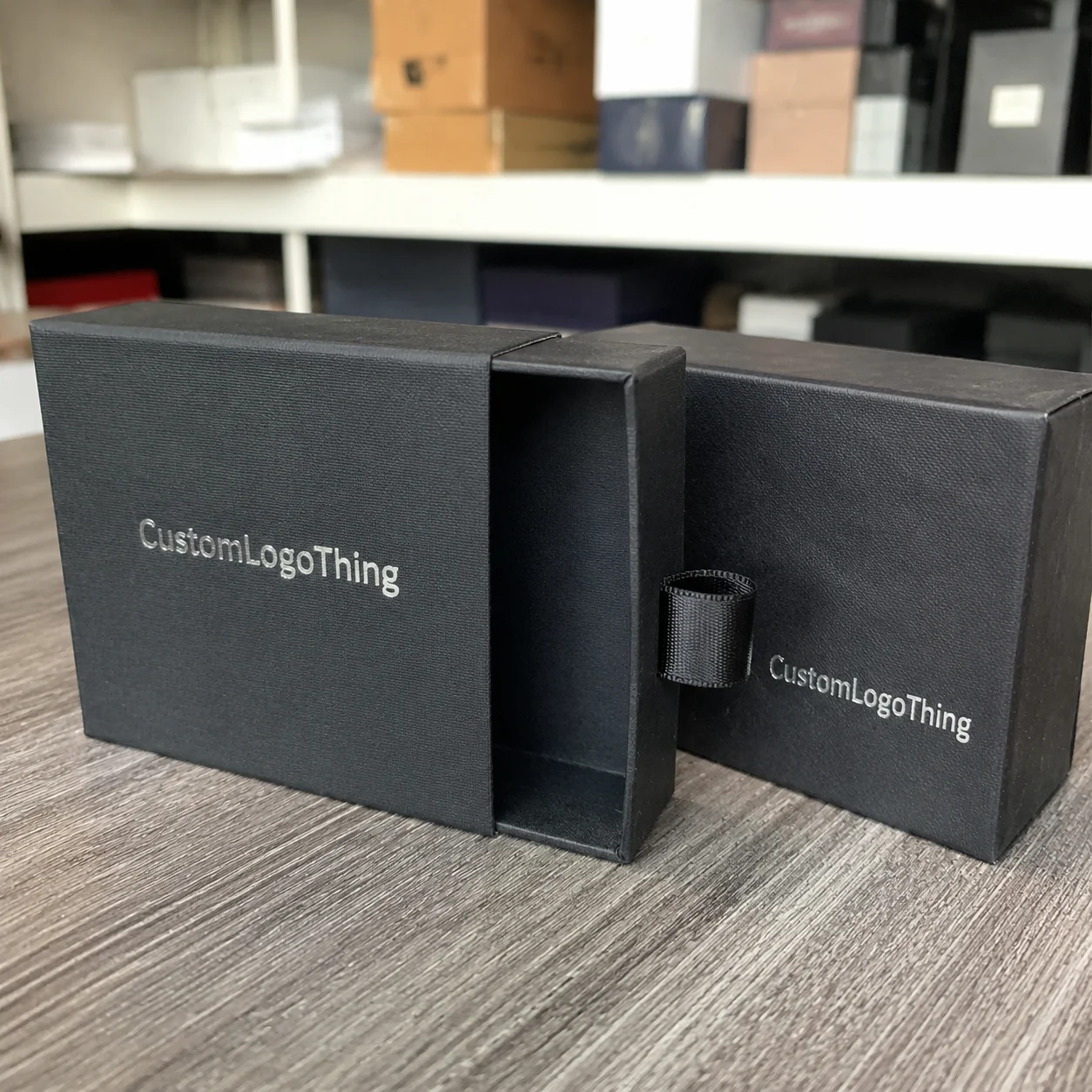
- Sleeve boxes for layered branding or secondary packaging
- Tuck-end cartons for lightweight retail products like lip balm, pens, or sample kits
- Insert-enabled formats for fragile products, kits, and multi-piece sets, with molded pulp, EVA foam, or paperboard inserts
Businesses choose printed packaging instead of generic blanks for three reasons: stronger brand recognition, better product presentation, and a more consistent customer experience. A printed boxes manufacturer can also help reduce transit damage by optimizing board grade, flute profile, and insert design. That last piece matters more than most people realize. A beautiful box that arrives crushed is not a branding win. It’s just expensive confetti. For shipping-heavy brands in Atlanta, Dallas, or Milton Keynes, the right corrugated spec can cut damage claims by a measurable percentage.
I’ve also seen buyers get trapped by “just print the logo” thinking. That approach often ignores one practical question: how will the box behave in real life? Will it sit in a warehouse for six months? Will it be packed by hand or by machine? Will it need to pass basic shipping tests like ISTA transit simulation or internal drop testing? A serious printed boxes manufacturer should be asking those questions before pricing the run. If they don’t, you may be buying an attractive problem. I’ve had suppliers in Suzhou ask for stack height, carton weight, and pallet pattern before quoting a single dollar. That’s a good sign, not a nuisance.
“The box wasn’t an accessory. It was the product’s first sales pitch.”
I heard that from a brand manager during a supplier review in Chicago, and it stayed with me because she was right down to the last pallet count.
If you want examples of the formats and finishing options available, our Custom Packaging Products page is a useful place to start. You can also learn more about our background on About Custom Logo Things. We routinely spec mailers in 200lb test corrugated board, folding cartons in 350gsm C1S artboard, and premium rigid boxes wrapped in 157gsm coated art paper.
How Printed Boxes Manufacturing Works
The production workflow for a printed boxes manufacturer usually starts with an inquiry and ends with pallets on a truck. The details in between matter more than the marketing language. A smooth job in Dongguan or Chicago still needs the same basics: a clean dieline, approved artwork, correct board stock, and a realistic ship date.
- Inquiry and brief — You share dimensions, quantity, product type, target budget, and usage details.
- Structural design — The manufacturer recommends a format or builds a custom dieline.
- Artwork setup — Your logo, copy, barcode, imagery, and legal text are placed on the dieline.
- Proofing — You review digital proofs or physical samples for fit and print accuracy.
- Material selection — Board type, thickness, and coating are finalized.
- Printing — Offset, digital, or flexographic printing is used depending on volume and detail.
- Finishing — Coating, foil, embossing, debossing, spot UV, lamination, or windows are added.
- Die-cutting and creasing — The printed sheets are cut into the exact box shape.
- Folding and gluing — The carton is formed and, if needed, assembled with inserts.
- Packing and shipping — Finished boxes are bundled flat or pre-built and sent out.
The dieline deserves special attention. It’s the technical map of the box, and if your artwork doesn’t match it exactly, folds and closures can misalign by a few millimeters. That tiny number can create a huge headache. I once saw a sleeve box job in Shenzhen where the artwork team used the wrong trim area by 3.5 mm; the logo landed too close to the edge, and the folding line cut through a key design element. The fix required a reproof and delayed the schedule by four business days. That’s a cheap lesson only if you catch it before production. After press start, it gets pricier by the hour.
Printing methods matter too. A seasoned printed boxes manufacturer will choose the process based on volume, artwork complexity, and lead time. The wrong print method can add $0.06 to $0.18 per box with no visible benefit, which is a lovely way to burn margin for sport.
- Offset printing is often used for sharp images, precise color, and larger production runs.
- Digital printing works well for shorter runs, faster turns, and versions with variable data.
- Flexographic printing is common for corrugated packaging and larger utility-style runs.
Each method has tradeoffs. Offset usually delivers the most refined color control, but setup costs are higher. Digital has lower setup friction, but per-unit cost can stay elevated on larger quantities. Flexo is efficient on corrugated and can be cost-effective, but fine photographic detail can be harder to manage. That’s why the best printed boxes manufacturer won’t push one method for everything. They’ll match the process to the job. If you’re ordering 2,000 luxury folding cartons in Los Angeles, digital might win on speed; if you’re ordering 50,000 mailers in Ningbo, offset or flexo is usually the better play.
Finishing choices can raise the perceived value of a box quickly. Matte coating gives a softer, quieter look. Gloss coating pops in retail lighting. Foil stamping adds metallic contrast. Embossing and debossing create tactile depth. Spot UV draws the eye to selected elements, and soft-touch lamination gives a velvety feel that premium brands love. Window cutouts are useful when the product itself should be visible. I’ve seen a sample room in Dongguan spend 20 minutes arguing over soft-touch versus matte, and that debate was worth it because the tactile difference changed the buyer’s reaction immediately. Packaging people are weirdly passionate about texture, and honestly, I respect that.
Timeline depends on complexity, but a practical planning range for a printed boxes manufacturer might look like this: simple folding carton jobs in 12 to 15 business days after proof approval, more complex rigid boxes in 18 to 30 business days, and highly customized runs with inserts or specialty finishes taking longer. Delays usually happen in three places: artwork revisions, missing specifications, or last-minute changes after proof approval. If any of those show up, the schedule moves. Fast. A foil-stamped rigid box with EVA insert and magnetic closure can easily take 25 business days from approved proof to shipment, especially if the job is running out of a factory in Shenzhen or Ningbo.
For packaging standards and testing references, I often point buyers to the ISTA transit-testing framework and the EPA recycling resources. Standards don’t make packaging good by themselves, but they do keep teams honest when the box has to survive a ship-and-stack environment. If your cartons are going through warehouse stacking in Texas or long-haul freight into Rotterdam, a 200 lb burst test or ECT-rated corrugated spec is not overkill; it’s insurance.
Key Factors That Affect Quality and Pricing From a Printed Boxes Manufacturer
Pricing from a printed boxes manufacturer isn’t pulled from thin air. It’s built from measurable inputs: size, board grade, print coverage, finish complexity, order quantity, and timeline. If two quotes look wildly different, there’s usually a reason buried in one of those variables. In my experience, the gap often comes down to material thickness, finishing steps, and freight from factories in regions like Dongguan, Suzhou, or Chicago.
Box style is one of the biggest drivers. A simple tuck-end carton costs less than a rigid magnetic closure box because rigid construction uses more material, more labor, and more assembly time. Size also matters. A 120 x 80 x 40 mm carton uses less board than a 240 x 180 x 90 mm retail box, and that difference shows up in both material usage and freight density. A bigger box can also force a bigger pallet footprint, which means higher shipping cost per finished unit. Packaging math is cruel like that.
Quantity changes everything. Low-volume runs carry a higher unit price because setup costs are spread over fewer boxes. At 5,000 units, you may see a per-box price that is 30% to 50% lower than a 500-unit job using the same structure. That is not a typo. The same press setup, the same cutting rule, the same prepress work—all of it gets amortized across a larger run. A good printed boxes manufacturer will explain that without hiding behind jargon. For a 5,000-piece folding carton job, a realistic price might land around $0.15 to $0.28 per unit if the design is simple and the finish is standard.
| Box Type | Typical Material | Approx. Unit Cost at 5,000 Units | Best Use Case |
|---|---|---|---|
| Mailer box | Corrugated E-flute | $0.38–$0.72 | E-commerce, subscription, gifting |
| Folding carton | 350gsm C1S artboard | $0.18–$0.42 | Cosmetics, supplements, retail goods |
| Rigid box | Chipboard wrapped with printed paper | $1.10–$3.20 | Premium electronics, luxury gifts |
| Sleeve box | Paperboard or SBS | $0.24–$0.55 | Outer branding, bundled SKUs |
Those numbers are not universal, and they shouldn’t be treated like a fixed menu. A printed boxes manufacturer will adjust pricing for coatings, tooling, freight, inserts, and even destination. But the comparison helps buyers see where the money goes. A plant in Shenzhen shipping to the West Coast will price freight differently than a supplier in Chicago delivering to a Midwest warehouse.
Material choice changes both cost and performance. Corrugated board is stronger and better for shipping. Paperboard prints beautifully and folds cleanly. Rigid chipboard creates a premium feel and excellent structure, but it costs more and takes more labor. For a client selling glass skincare jars, I once recommended a 24pt SBS carton with a molded pulp insert instead of a thick rigid box because the product needed retail shelf appeal, not a luxury gift presentation. The client saved roughly $0.48 per unit on a 10,000-piece order, which translated into real margin. That’s the kind of number procurement can actually use.
Design complexity adds labor and tooling. Extra colors mean more print passes or more careful color management. Special inks can raise cost. Custom inserts add die-cutting and assembly time. Unusual structures often require more testing, and that testing is not free. A printed boxes manufacturer also has to account for make-ready waste, especially on offset runs where the first sheets are used to dial in color and registration. If your design uses four spot colors plus foil plus embossing, don’t be shocked when the quote climbs. The box isn’t difficult; the production path is.
Here’s a simple way to think about where the pricing comes from:
- Prepress — dielines, artwork checks, and proof preparation
- Setup — plates, dies, press calibration, and sample production
- Materials — board, paper wrap, inserts, and coatings
- Production — printing, cutting, creasing, finishing, and assembly
- Freight — shipping, palletization, and destination handling
There are also hidden costs. If packaging dimensions are not optimized, you can end up paying more in storage and shipping because the cartons take up unnecessary space. If a box is too weak, return rates rise. If the artwork is wrong, reprints become expensive quickly. I’ve seen one retailer lose two weeks of launch time because the printed boxes manufacturer approved a proof before the barcode placement was checked against the retail scan spec. The cost of that mistake was much higher than the box quote. It always is, somehow. One wrong barcode can turn a $0.21 carton into a $3.00 problem.
If sustainability matters to your brand, ask whether the board includes recycled content, whether inks are water-based, and whether the format can be right-sized to reduce filler. The FSC system is also worth discussing when chain-of-custody claims matter to your buyer. Just be careful: a logo claim is not the same as a verified supply chain. Ask for documentation. For many buyers, 30% recycled content in a kraft mailer or FSC-certified paperboard is a cleaner story than a vague “eco-friendly” claim.
Step-by-Step Guide to Working With a Printed Boxes Manufacturer
Good results usually come from a disciplined process, not luck. The strongest relationships I’ve seen with a printed boxes manufacturer begin with a clean brief and end with written confirmation of every key detail. In one job out of Chicago, that meant six email threads, two proofs, and a sample approved at 4:12 p.m. on a Thursday. Worth it. We saved a reprint.
Step 1: Define the packaging goal
Ask what the box has to do. Protect the product? Display it on a shelf? Ship it through parcel carriers? Create a premium first impression? The answer changes the material, structure, and finish. A product sold in a subscription model has different packaging demands than a serum bottle going into independent retail. A 4 oz candle in Los Angeles may need a mailer-style outer box, while a fragrance set in Paris might justify a rigid presentation box.
Step 2: Gather product specs
Send dimensions, weight, fragility, storage conditions, and any insert or accessory requirements. A printed boxes manufacturer can’t design accurately from “it’s about this big.” I’ve watched production teams work with a 2 mm tolerance on a tight insert fit; that kind of work needs exact data, not estimates from memory. Include the product’s exact height, width, and depth, plus whether it ships with caps, droppers, cables, or instruction leaflets.
Step 3: Choose the box style and material
Pick the structure based on the product and budget, not just appearance. A 350gsm C1S artboard carton may be ideal for lightweight retail goods, while an E-flute mailer is better for shipping. Premium items often justify rigid chipboard, but not every product needs that cost level. The best printed boxes manufacturer will tell you when you’re overbuilding. If a $9 skincare product is being packed in a 3mm rigid box with a magnetic flap, someone’s trying to impress the shelf, not the margin.
Step 4: Prepare artwork correctly
Artwork issues are a common source of delay. Use the right bleed, safe zones, and color mode. Keep barcodes away from folds and edges. Make sure logo resolution is at least 300 dpi for print. If your design team works in RGB, convert to CMYK with care because colors can shift. A supplier once showed me a carton where a rich black turned muddy because the file was exported with the wrong profile. That kind of error is painful because it looks small on a screen and obvious on paper. One missed color profile can throw off an entire 8,000-piece run.
Step 5: Review samples or prototypes
Never skip this. Samples tell you if the box fits, closes correctly, and looks the way you expect. Ask for a physical proof when the order is complex or high-value. Check print sharpness, fold lines, finish quality, and insertion fit. A printed boxes manufacturer worth trusting will encourage sample review instead of rushing past it. A good sample in Shanghai or Chicago should show you the exact coating feel, not a “close enough” version.
Step 6: Approve timelines and logistics
Confirm the production schedule, shipping method, and reorder plan in writing. Ask how long a reorder takes if the same dieline and artwork are used again. Keep the approved spec sheet, final files, and sample photos in one folder so nobody has to reconstruct the order from email threads six months later. For repeat runs, many suppliers can turn a reorder in 10 to 12 business days if no changes are made.
Here’s the practical communication habit that saves the most money: ask for spec sheets and written confirmation of final details after every revision. If your printed boxes manufacturer changes a material, finish, or production timeline, get that change in writing. It sounds basic. It is basic. But basic discipline prevents expensive confusion. A “minor” change from 24pt SBS to 28pt SBS can affect fold memory, tuck fit, and shipping weight.
“We didn’t lose money on the box. We lost money on the assumptions.”
That came from a procurement lead after a rushed reprint in Chicago, and I’ve repeated it in more than one client meeting.
Common Mistakes Buyers Make When Choosing a Printed Boxes Manufacturer
The most common mistake is choosing on price alone. I understand why buyers do it. A quote that is $0.07 lower per unit looks smart on a spreadsheet. But if the board is weaker, the print is inconsistent, or the dimensions drift by a few millimeters, that savings disappears fast. A reliable printed boxes manufacturer should be judged on accuracy, repeatability, and communication as much as unit cost. I’ve seen a low quote from a factory in Shenzhen get wiped out by a second production run because the first batch needed rework.
Another error is sending artwork that is not print-ready. Missing bleed, low-resolution images, wrong font handling, and unsupported colors create delays. In one supplier negotiation I sat through, the buyer insisted the file was fine because it looked “perfect on screen.” The proof told a different story. The QR code sat too close to the fold, and the brand mark lost contrast under the chosen coating. That file needed two more revisions before production could start. The delay was five business days, which is exactly how a launch date gets pushed without anyone admitting it out loud.
Structural testing gets skipped more often than it should. A box that looks good on a sample table might fail under actual shipping conditions. If the product is fragile, request drop testing, compression checks, or at least real-product fit checks before committing to a run. This is where standards like ISTA become useful. Not because every package must be lab-certified, but because the language of testing makes everyone more disciplined. A good printed boxes manufacturer should be able to tell you whether your carton needs a 32 ECT corrugated spec, a crush test, or just a simple fit prototype.
Some buyers also forget about storage and shipment realities. Flat-packed cartons may stack efficiently, but rigid boxes take more space. Large orders can create warehouse pressure if pallet counts are not planned in advance. A printed boxes manufacturer should be able to estimate pallet height, case pack, and freight impact before you approve production. If the factory says 12 pallets for 20,000 units and your warehouse only has room for eight, you need that problem solved in planning, not in receiving.
Minimum order quantities matter too. If you only need 500 boxes twice a year, a supplier optimized for 25,000-unit runs may not fit your business model. Ask about repeat-run consistency, too. I’ve seen companies get burned when the second order looked subtly different because the original setup information wasn’t saved correctly. It’s a small operational miss that can create a brand consistency issue. On a 3,000-piece reorder, even a half-tone shift is enough to make the product look off.
Finally, don’t let packaging drift away from brand positioning. A $40 product in a flimsy box feels off. A low-cost product in an overly elaborate rigid case can also feel mismatched. The box should support the price, channel, and audience. That balance is where a thoughtful printed boxes manufacturer becomes more than a vendor. They become part of the brand logic. The best packaging in Miami, Berlin, or Toronto usually feels obvious after the fact because the numbers and the design finally agree.
Expert Tips for Getting Better Results From a Printed Boxes Manufacturer
Use packaging as a business tool, not decoration. That’s the biggest lesson I’ve learned after too many plant visits and supplier audits. The best boxes reduce damage, improve the unboxing experience, and support conversion in store or online. A strong printed boxes manufacturer should help you think that way from the start. If they only talk about “premium feel” and never mention board grade, stack strength, or freight, keep walking.
Request samples from similar box styles before you commit. If you’re ordering a mailer box, ask to see other mailer jobs. If you’re buying a rigid box, examine one with a comparable finish. Look at rigidity, edge quality, print sharpness, and how the lid opens. I once compared three rigid samples in a client meeting, and the one with the least dramatic marketing language won because the hinge opened cleanly and the wrap had no visible seam at the front edge. That box used 2mm chipboard and 157gsm wrapped paper, and it felt more expensive than the sample with the louder sales pitch.
Ask about sustainable options, but ask precisely. Recycled content percentages matter. Water-based inks matter. Right-sized packaging matters. So does avoiding unnecessary plastic inserts when paper-based or molded fiber options will do the job. Packaging sustainability is not just about using a green label; it’s about reducing waste across the box lifecycle. If your audience cares about this, the printed boxes manufacturer should be able to explain the options in numbers. For example, swapping an EVA insert for molded pulp can cut plastic use to zero and shave a few cents off unit cost on larger runs.
Build the box around the product’s real needs. Overbuilt packaging wastes money. Underbuilt packaging causes returns. The sweet spot is usually a structure that protects the item, ships efficiently, and still looks intentional. A small candle does not need the same board spec as a glass diffuser set. A supplement bottle does not need a luxury sleeve if the buyer never touches the package in retail. If a 30 mL serum can ship safely in a 24pt SBS carton with a paperboard insert, there’s no reason to pay for a rigid box built for jewelry.
Plan for reorders early. Save the approved dieline, final artwork, material spec, finish notes, and photos of the approved sample in one folder. That one step can save days when inventory needs to be replenished. A consistent printed boxes manufacturer will appreciate clean records because they reduce rework and prevent avoidable variation. I’ve seen repeat jobs in Suzhou and Chicago go out in 11 business days because the original spec sheet was stored properly and nobody had to guess.
Benchmark multiple suppliers with the same brief. If one quote is low and another is high, you want to know why. Are they using different board grades? Different coatings? Different freight assumptions? Different labor models? Compare more than unit price. Compare sample quality, communication speed, proof clarity, and how much detail they ask for before quoting. Those clues tell you a lot about what working with them will actually feel like. A supplier who asks about pallet pattern, target market, and barcode placement is usually worth more than the one who just fires back a price.
One more thing: if you visit a plant, look at the tables, not just the samples. I’ve learned more by watching operators check registration and stack boxes than by reading sales literature. A good printed boxes manufacturer has process discipline you can see in the room—labeling, QC signoffs, clean sample storage, and a habit of measuring rather than guessing. In Dongguan, I once watched a line supervisor reject a batch because the spot UV sat 1 mm off the logo. That’s the kind of annoying precision you actually want.
What To Do Next Before You Place an Order
Before you place an order with a printed boxes manufacturer, create a one-page packaging brief. Keep it simple but specific: product dimensions, quantity, target budget, box style, finish preferences, shipping method, and any compliance or branding requirements. If your team can’t summarize the job on one page, the supplier will probably struggle to quote it accurately. Include exact numbers like 105 x 65 x 28 mm, 5,000 pieces, and a target landed cost of $0.30 per unit if that’s the real goal.
Then request quotes from a few suppliers using identical specs. Don’t change the board thickness in one email and the quantity in another. That ruins the comparison. A clean brief lets you evaluate the real differences in capability, not just price noise. If one factory in Guangdong quotes 12 business days and another in Chicago quotes 18, ask whether the difference comes from in-house finishing, local freight, or sample approval workflow.
Ask for samples and proofing details before approval. Find out whether the supplier uses digital mockups, hard proofs, or pre-production samples. Confirm how revisions are handled. A dependable printed boxes manufacturer should tell you the exact approval path and the point at which changes stop being free. I prefer when the answer is blunt: “Two proof revisions included, then $35 per change.” That kind of honesty saves a lot of nonsense later.
Review the final box in the same conditions it will face in the real world. If it ships in cases, inspect a case pack. If it sits on a shelf, check it under retail lighting. If it gets packed by hand, test the fold speed with your actual team. A box can look excellent in isolation and still fail in use. I’ve seen that happen more than once, and the fix is always easier before mass production. A carton that looks great under studio lights can still smear under warehouse fluorescent bulbs.
Set a reorder schedule before inventory becomes tight. Promotions, seasonal spikes, and retail launches all increase the risk of running out. A good printed boxes manufacturer will help you think ahead on lead times so you can replenish before the last carton leaves the warehouse. For most standard folding cartons, a reorder can move in 10 to 12 business days from proof approval if the dieline and artwork stay unchanged.
If you keep the process disciplined, the right supplier makes packaging easier, more consistent, and more profitable. That’s the real goal. Not just a box. A repeatable system. And if you’re looking for a partner who treats the details seriously, a well-chosen printed boxes manufacturer can be one of the most valuable vendors in your supply chain. The good ones in Shenzhen, Dongguan, Chicago, or Ningbo don’t just print packaging. They help protect margin.
My practical advice: start with the product, ask for the spec sheet, compare like for like, and insist on samples. That approach has saved more money than any flashy pitch ever did. It also keeps everyone honest, which is refreshing in a business where everyone suddenly becomes “premium” the second a quote is involved.
FAQs About a Printed Boxes Manufacturer
What does a printed boxes manufacturer do for custom packaging?
They turn a box concept into a finished package by handling structure, printing, cutting, folding, and finishing. Many also help with dielines, sampling, material selection, and production planning. A good printed boxes manufacturer balances branding, protection, and cost instead of pushing one at the expense of the others. For example, they may recommend a 350gsm C1S artboard carton for retail display or an E-flute mailer for shipment from a warehouse in Chicago or Shenzhen.
How long does it usually take a printed boxes manufacturer to complete an order?
Timeline depends on box style, quantity, artwork readiness, and finishing complexity. Simple runs can move in about 12 to 15 business days after proof approval, while premium Boxes with Inserts or specialty finishes may need 18 to 30 business days or more. Delays often come from artwork revisions or sample approvals, so final timing should always be confirmed in writing with your printed boxes manufacturer. A rigid box with foil stamping and a magnetic closure can take 25 business days from approval to shipment.
How much do printed boxes cost from a printed boxes manufacturer?
Pricing is driven by size, material, print coverage, finish options, quantity, and turnaround speed. Higher quantities usually reduce unit cost because setup expenses are spread across more boxes. For example, a folding carton might land around $0.18 to $0.42 per unit at 5,000 pieces, while a rigid box can run far higher depending on wrapping paper and assembly. The best quote is one based on identical specs from each printed boxes manufacturer, such as 350gsm C1S artboard, matte coating, and a standard tuck-end structure.
What should I send to a printed boxes manufacturer before requesting a quote?
Send product dimensions, weight, quantity, box style preference, artwork files if available, and any finish or insert requirements. Include shipping needs and whether the box will be used for retail, mailer, or premium presentation. The clearer the brief, the more accurate the quote and timeline from the printed boxes manufacturer. If you already know the target cost, include it; a supplier can tell you quickly whether $0.15 per unit at 5,000 pieces is realistic for your structure.
How do I know if a printed boxes manufacturer is reliable?
Check whether they provide samples, clear specs, written proof approvals, and transparent timelines. Look for consistency in print quality, structural accuracy, and communication. Reliable partners ask detailed questions before quoting, not after problems appear, and a dependable printed boxes manufacturer will usually be comfortable discussing board grades, finishes, and testing methods in plain language. If they can’t explain why they chose 24pt SBS in one job and 2mm chipboard in another, keep shopping.
If you’re comparing vendors right now, remember the real question is not just “who can print a box?” It’s “which printed boxes manufacturer can deliver the right structure, on the right schedule, at the right quality level, without creating avoidable surprises?” That’s the partner worth keeping. The one who gives you exact specs, realistic timelines, and a price that makes sense in Ningbo, Shenzhen, Chicago, or wherever the cartons are actually being made.
So here’s the practical takeaway: build a precise brief, demand samples, and compare suppliers on specs, not vibes. A solid printed boxes manufacturer will make those conversations easier, not harder, and that usually tells you everything You Need to Know before the first carton hits the press.