Buyer Fit Snapshot
| Best fit | Printed Cardboard Inserts with Logo for Packaging projects where brand print, material claims, artwork control, MOQ, and repeat-order consistency need to be specified before quoting. |
|---|---|
| Quote inputs | Share finished size, material target, print colors, finish, packing count, annual reorder estimate, ship-to region, and any compliance wording. |
| Proofing check | Approve dieline scale, logo placement, barcode or warning zones, color tolerance, closure strength, and carton packing before bulk production. |
| Main risk | Vague material claims, crowded artwork, missing packing details, or unclear freight terms can make a low unit price expensive after revisions. |
Fast answer: Printed Cardboard Inserts with Logo for Packaging: Material, Print, Proofing, and Reorder Risk should be specified like a repeatable production item. The safest quote records material, print method, finish, artwork proof, packing count, and reorder notes in one written spec.
Production checks before approval
Compare the actual filled-product size with the drawing, then confirm tolerance on folds, seals, hang holes, label areas, and retail display edges. Reserve space for logos, QR codes, warning copy, and material claims before decorative graphics fill the panel.
Quote comparison points
Review material grade, print process, finish, sampling route, tooling charges, carton quantity, and freight assumptions side by side. A quote is only useful when the supplier can repeat the same color, closure quality, and packing count on the next order.
Printed Cardboard Inserts With Logo for Smarter Packaging
One dented product, one loose return, or one forgettable unboxing moment can wipe out the savings from a cheap packout. That is why printed cardboard inserts with logo do more work than they first appear to. They hold the product in place, cut down on filler, and turn the inside of the carton into a controlled brand surface. For a packaging buyer, that is three useful jobs handled by one part. For a customer, it feels like the brand paid attention to the details that usually get rushed.
I have seen teams treat printed cardboard inserts with logo as little more than decoration, then get surprised when the insert becomes part of the structure, part of the shipping plan, and part of the brand story all at once. A good insert can replace plastic trays, reduce bubble wrap, and make packing more repeatable on the line. A poorly sized one can create friction, add labor, and look polished while failing the real test: keeping the product secure from warehouse to doorstep. That part can look kinda insignificant in a render and still make or break the actual packout.
Why Printed Cardboard Inserts with Logo Stand Out in Sustainable Packaging
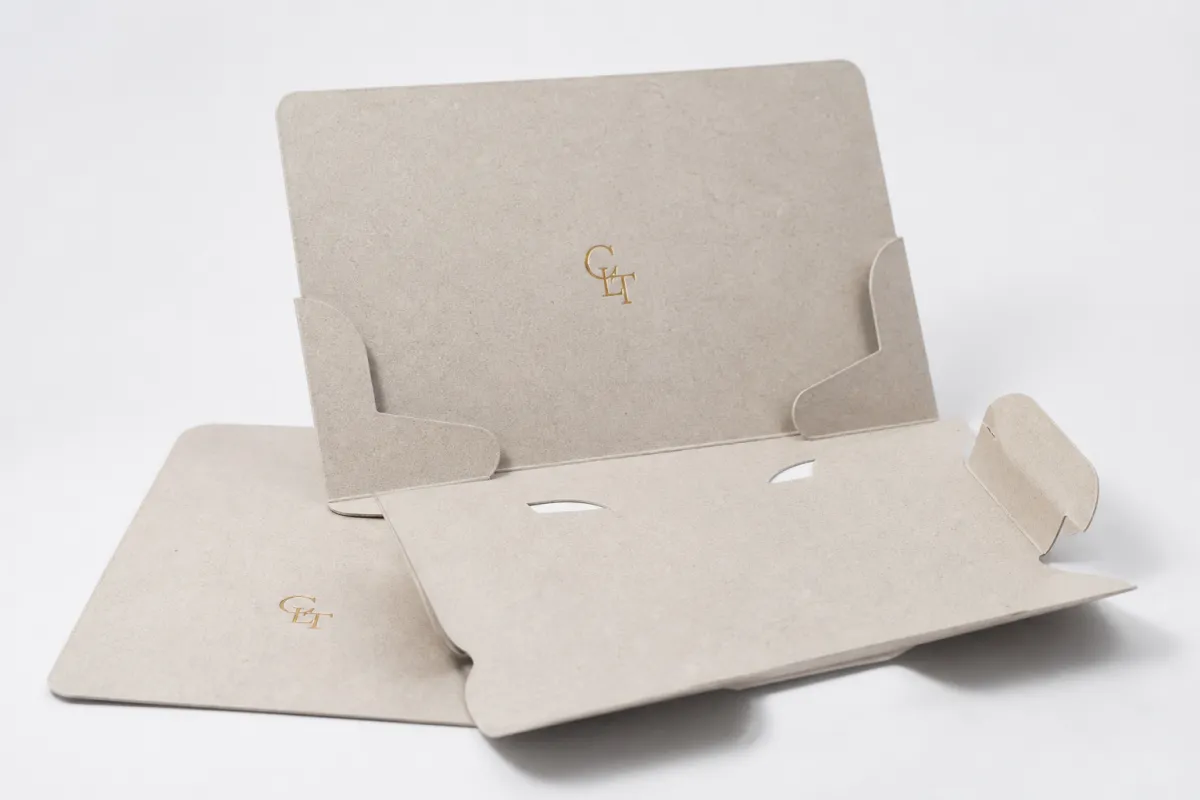
Printed cardboard inserts with logo stand out because they solve a tricky packaging brief in a single move: protect the product, keep the pack lightweight, and still make the opening feel considered. Foam and plastic can handle retention, yet they often complicate the sustainability story and do less for brand presentation. Cardboard gives teams more freedom with structure and print, while keeping the material story easy to explain. Fiber-based packaging is also familiar to most customers, which matters because people form opinions about sustainability long before they read a spec sheet.
From a buyer's perspective, the appeal is practical rather than theoretical. A well-built insert can support a bottle, a candle, an accessory kit, a skincare jar, or a subscription item without relying on loose dunnage. It can also reduce scuffing by keeping the product away from the carton wall. That is where printed cardboard inserts with logo often outperform molded plastic trays: cardboard is easy to dieline, easy to print, and usually easier to source in low or mid-volume runs. Procurement teams also tend to move faster with fiber-based specs, since the material description is simpler to document and compare.
Perception matters just as much as performance. A tray or spacer printed with a logo tells the customer the brand did not treat the inside of the box as dead space. Ecommerce brands feel that effect most sharply, since the box may be the only physical touchpoint the buyer ever sees. A plain but well-constructed insert can feel more premium than a generic plastic nest, especially if the print is clean and the logo sits in the right place.
Compared with other materials, the tradeoffs are pretty clear:
- Foam cushions well, but it can raise recycling questions and usually looks less brand-led.
- Molded pulp is a strong sustainability option, yet print detail is limited and tooling can be less flexible.
- Plastic trays offer precise retention, though they are harder to position as low-waste packaging.
- Cardboard sits in a useful middle ground with structure, print quality, and broad supply availability.
The best printed cardboard inserts with logo also support shipping efficiency. A properly sized insert eliminates rattling and reduces the need for extra void fill. That can lower carton waste, speed up packing, and reduce damage-related returns. Parcel handling is unforgiving, so many teams align testing with ISTA distribution testing guidance and, where relevant, ASTM transport simulation methods to make sure the insert behaves as expected in transit.
Material claims deserve discipline. Fiber-based does not automatically mean recyclable in every market, and coatings change the outcome. A lightweight board insert may be better than a heavy mixed-material build, but only if the finish, adhesive, and any lamination still match the end-of-life claim. That is why printed cardboard inserts with logo should be specified with the same care as any other packaging component.
Think of the insert as a small piece of architecture. It holds the product, frames it visually, and carries the logo where the customer can actually notice it. That mix of protection and presentation is why printed cardboard inserts with logo keep showing up in product categories that care about both.
How Printed Cardboard Inserts with Logo Are Made: Process and Timeline
The production path for printed cardboard inserts with logo starts with measurement, not artwork. A surprising number of delays begin when a brand sends a carton size without accounting for product height, loading clearance, or the tolerance on the pack line. A supplier needs the item dimensions, carton internal dimensions, product weight, fragile points, and orientation requirements before a dieline can be drawn with confidence.
Once the brief is set, the workflow usually looks like this:
- Dieline development based on the exact product and carton fit.
- Artwork prep with bleed, safe zones, fold lines, and cut paths.
- Proofing to confirm structure, print layout, and color expectations.
- Sampling or mockup for fit verification and packout testing.
- Production with printing, cutting, creasing, and any finishing steps.
- Final assembly and shipping if the insert is not delivered flat.
That sequence looks tidy on paper, though real projects often move in loops. A buyer approves a layout, then notices the logo sits too close to a fold. A sample arrives and the product shifts more than expected. Or the insert loads fine by hand, then slows the line because the tabs take too much force to close. Each revision adds time, which is why printed cardboard inserts with logo benefit from early testing instead of late debate. If the design is overcomplicated, it is gonna slow the line sooner or later.
Lead times vary, but a practical range is often 10-15 business days after final approval for straightforward work, and closer to 3-4 weeks if the project needs structural samples, specialty inks, or layered construction. Inserts with multiple compartments, complex cutouts, or tight color matching usually need more schedule room. Color matching is not only a print issue; it can trigger extra proof rounds if the board stock absorbs ink differently than expected.
A useful way to reduce silent delays is to ask for milestone dates at every step. For printed cardboard inserts with logo, those milestones should cover sample release, proof approval, production start, finishing, and freight booking. If the supplier cannot say which step is waiting on your sign-off, the project can stall without anyone noticing until the ship date moves.
Practical brands test the insert in the real packout environment. That means the actual carton, the actual product, the actual loading sequence, and the actual team doing the assembly. A design that looks perfect on a designer's desk can fail once a packer has to fold it hundreds of times a day. The best printed cardboard inserts with logo are built for that operational reality, not just for a render.
For companies with a broader packaging system, it helps to keep the insert spec aligned with the outer carton program, including any Custom Shipping Boxes used across the range. A predictable box family makes it much easier to reuse insert logic across SKUs.
Printed Cardboard Inserts with Logo: Cost, Pricing, and MOQ Factors
Cost for printed cardboard inserts with logo is usually shaped by six things: board grade, print coverage, die complexity, finishing, assembly, and freight. The unit price can look attractive until tooling, proof rounds, or hand assembly are added back in. That is why quote comparison needs a skeptical eye. A low price on paper may cost more overall if the design wastes material or slows pack-out labor.
To make pricing easier to read, here is a practical comparison of common insert types. These are planning ranges rather than fixed offers, since geography, artwork, and volume can move the numbers quickly.
| Insert Type | Typical Quantity | Approximate Unit Range | Best Fit | Cost Drivers |
|---|---|---|---|---|
| Single-color flat insert | 5,000+ | $0.18-$0.30 | Simple retail or ecommerce protection | Low ink coverage, simple dieline, minimal finishing |
| Full-color branded insert | 5,000+ | $0.35-$0.85 | Premium unboxing and stronger brand presence | Higher print coverage, tighter color control, more setup |
| Small-run custom insert | 250-1,000 | $0.90-$2.50 | Pilot launches, seasonal kits, startup testing | Tooling spread across fewer units, sample rounds, labor |
| Multi-compartment insert | 2,500+ | $0.45-$1.10 | Fragile kits, bottle packs, accessory sets | More cut lines, deeper folds, assembly time |
MOQ matters because the setup on printed cardboard inserts with logo often includes tooling, plate creation, make-ready waste, and print calibration. If the order is tiny, those fixed costs get spread across too few pieces. That is why a 500-piece order can feel expensive even if the board itself is inexpensive. Larger runs usually flatten the unit cost faster, especially if the insert will be reused across multiple SKUs or seasonal refreshes.
Scale is not the only factor. A brand comparing quotes for printed cardboard inserts with logo should ask five questions before choosing a supplier:
- What board stock is included, and is it recycled or virgin fiber?
- How much of the quoted price is tooling or setup?
- What is the expected waste rate during production?
- Are sample rounds billed separately?
- Does the quote include assembly, packing, and freight?
That last point catches many teams off guard. A supplier may quote a clean unit cost, then add assembly labor because the insert ships flat but still needs manual folding. Freight can move the number more than expected too, especially if the insert is bulky, non-stackable, or split into multiple carton loads. For printed cardboard inserts with logo, the cheapest quote is often the one that quietly assumes the buyer will absorb hidden work later.
A sensible pricing conversation is not, “What is the lowest unit cost?” It is, “What is the total landed cost after tooling, proofing, waste, assembly, and freight?”
There are simple ways to save without harming performance. Simplify the cut path. Cut back on unnecessary full-coverage ink. Choose one-color branding if the insert is mostly hidden. Use a standard board grade rather than a custom laminate. If the design only needs a logo and a short message, keep it there. Printed cardboard inserts with logo do not need to look expensive in order to feel deliberate.
Key Factors That Shape Fit, Protection, and Brand Impact
The first rule of printed cardboard inserts with logo is simple: fit comes before graphics. If the product slides, tilts, or rubs against a wall, the insert has already failed. A crisp logo will not rescue a weak retention design. Product dimensions, weight, and breakage points should shape the insert before anyone starts debating font size or logo placement.
Board construction matters next. A thin paperboard insert may work for lightweight cosmetics or apparel accessories, while a thicker corrugated structure may be needed for glass, metal components, or heavier consumer goods. Common choices include 350gsm coated board for lighter inserts, 24pt chipboard for more rigidity, and E-flute or B-flute corrugated for stronger crush resistance. The right spec depends on how much compression the pack sees in transit and whether the insert needs to hold its shape after repeated handling.
Brand impact is not only about color. It is also about hierarchy. A logo on the first panel the customer sees can work well, but so can a short brand line, a care instruction, or a simple product map that helps the opening feel organized. The strongest printed cardboard inserts with logo use the surface with restraint. Too much text turns the insert into clutter. Too little, and it feels generic.
Usage context changes the design brief:
- Retail inserts often prioritize shelf presentation and visual consistency.
- Ecommerce inserts need shipping protection first, then a clean unboxing moment.
- Subscription inserts may need compact packouts and quick assembly to keep labor under control.
Sustainability claims should stay grounded. A fiber-based insert is usually easier to explain than a mixed-material build, but local recycling systems still vary. If you want to make a recyclable claim, check the board spec, ink, and finish against local rules. The EPA has useful consumer-facing guidance on recycling basics at EPA recycling resources, and your language should match what the material can actually do. That matters especially for printed cardboard inserts with logo, because coatings, foils, and heavy laminations can change the story quickly.
Some brands also need labels, barcodes, warnings, or orientation markers built into the insert itself. That is common in health, beauty, electronics accessories, and refill systems. In those categories, the insert is not just a holder; it becomes part of the instructions and compliance path. The more functions you combine without crowding the layout, the more useful printed cardboard inserts with logo become.
Step-by-Step Guide to Ordering Printed Cardboard Inserts with Logo
Ordering printed cardboard inserts with logo goes more smoothly when the buyer treats it like a technical brief, not a casual artwork request. The process is manageable, but only if the inputs are specific. Measure the product carefully, define the goal, and clarify what the insert must do. Is it stopping movement? Creating a premium reveal? Carrying instructions? Holding multiple components in place? The answer changes the design.
A clean buying process usually follows this sequence:
- Measure the product and carton with internal dimensions, height clearances, and any offset needed for folds or tabs.
- Write the functional brief with the priority order: protection, presentation, speed, or sustainability.
- Share artwork requirements including logo files, brand colors, and the exact message hierarchy.
- Request a sample or mockup before production is approved.
- Confirm production specs such as board type, finish, and assembly format.
- Test packout with real product and actual operators.
- Lock the reorder spec so future runs can move faster.
That sequence may look basic, yet it prevents most of the expensive problems. A useful discipline is to separate must-haves from nice-to-haves in the brief. For example, a brand may require secure retention, a matte finish, and a one-color logo. A branded message inside the flap may be desirable, but not essential. That distinction helps suppliers quote accurately and keeps printed cardboard inserts with logo from drifting into overdesign.
Artwork review deserves its own attention. Bleed and safe zones matter more than many teams expect, especially when folds or cutouts sit close to the logo. A graphic that looks fine in a PDF may fail once the crease line runs through a letter or a panel gets hidden by product. For printed cardboard inserts with logo, the print layout should be checked against the die line, not only against a standalone mockup.
Before the order is released, ask for three confirmations:
- The final structural drawing is approved.
- The artwork file matches the approved dieline.
- The delivery date reflects production, finishing, and freight, not just printing time.
Once samples arrive, test them in real conditions. Drop the packed carton from a sensible handling height if the category calls for it. Shake the box. Load and unload it with the actual packing team. Verify that the insert does not snag, crush, or slow the line. A sample on a desk can mislead; a sample in the warehouse tells the truth. That is where printed cardboard inserts with logo prove whether they are useful or merely well printed.
For repeat buys, keep a master specification sheet. Include the carton size, insert dimensions, board spec, print layout, approved artwork, and any packout notes from the first run. That single document saves time, reduces reorder errors, and keeps printed cardboard inserts with logo consistent across batches.
Common Mistakes When Designing Printed Cardboard Inserts with Logo
The biggest mistake is designing for appearance first and fit second. That mistake shows up often. A beautiful insert arrives, but the product wobbles. Or the logo looks sharp, but the assembly team needs two extra steps to get the item seated. Printed cardboard inserts with logo should start with product control, then move to visual polish. Not the other way around.
Overbranding is another common issue. A large logo, a long marketing line, a pattern background, and a product message can all compete for space on a small insert. The result looks loud rather than useful. In practice, simpler layouts perform better because the insert is seen briefly and often in motion. The customer reads the box interior in a few seconds, not a few minutes. That is why many of the best printed cardboard inserts with logo use one dominant message and one supporting line, not four competing ideas.
Ignoring the packing line can be just as costly. If the insert is difficult to fold, too fragile, or awkward to load, labor climbs quickly. A design that saves 2 seconds per pack sounds trivial until it is multiplied by thousands of units. That labor matters more than many marketing teams expect. The best printed cardboard inserts with logo feel easy to handle, even if they look more refined than the plain insert they replaced.
Another trap is choosing a material based only on sustainability language. A board that sounds greener may still be too weak for the product, or a coating may complicate recycling. Honest material selection beats vague eco claims every time. If the insert needs more rigidity, use the right board grade and then verify the claim language. Printed cardboard inserts with logo can support strong sustainability positioning, but only if the material system actually matches the message.
Late artwork changes are another source of waste. If the logo shifts after proof approval, the supplier may need to rerun plates, redo proofs, or recut samples. That adds cost and time. A small change in type size can alter fold clearance, which means structure and print cannot be treated as separate workstreams. The cleanest printed cardboard inserts with logo projects lock artwork early and leave only genuine corrections for the final proof.
And then there is the most expensive mistake of all: skipping sample testing. A pack that looks fine in a render can fail the first time it is loaded, shipped, or returned. That is why structural testing and real packout checks are not optional for fragile goods. If the insert supports a regulated or higher-risk category, the testing bar should be even higher, with methods matched to shipment conditions. The most reliable printed cardboard inserts with logo programs are the ones that assume the first version will need refinement.
Expert Tips and Next Steps for Better Insert Programs
If a brand wants better results from printed cardboard inserts with logo, the smartest move is to audit the current packout before redesigning anything. Measure damage rates, packing speed, return reasons, and customer comments. Those numbers reveal whether the problem is structural, visual, or operational. Without that baseline, teams tend to fix the wrong thing and call it progress.
I also recommend asking for two quotes rather than one. One version should be optimized for the lowest viable cost. The other should be optimized for retention, presentation, or premium feel. That comparison often shows how much value sits inside better board choice or a cleaner cut line. For printed cardboard inserts with logo, the cheapest option is not always the one that saves money overall.
Brands should also standardize a spec sheet for repeat work. Include:
- Product dimensions and weight
- Carton internal dimensions
- Board grade and finish
- Approved artwork and logo placement
- Packout sequence and assembly notes
- Testing results or failure points
That document turns printed cardboard inserts with logo from a one-off job into a repeatable packaging system. It also shortens reordering, which matters if the insert supports a core SKU or a high-volume launch. If the team ever changes carton size, the sheet gives everyone a reference point instead of forcing the project to start from memory.
One more practical step helps a lot: run a pilot across real cartons. Desk samples only tell part of the story. A pilot reveals how the insert behaves when the pack line is busy, the product varies slightly in size, or a customer opens the box with less care than expected. That is where the value of printed cardboard inserts with logo becomes obvious. They can reduce waste, improve protection, and make the customer feel that the brand noticed the small things.
For teams that want to move quickly, the next sequence is straightforward: measure the product, define the goal, request samples, compare pricing, and schedule a test packout. If the insert passes those checks, scale it. If it does not, adjust the structure before asking the print to carry the burden. That is the practical way to build confidence in printed cardboard inserts with logo.
Used well, printed cardboard inserts with logo are not a finishing touch. They are part of the packaging system itself, and they earn their place by reducing damage, tightening presentation, and making the packout easier to run. Treat them as a repeatable spec, not a decoration, and they start to behave like the quiet, efficient piece of packaging engineering they really are.
Practical takeaway: before you place an order, verify the product fit, confirm the board and finish, test the packout with real operators, and lock the approved dieline in a spec sheet so the next run does not start from scratch.
Are printed cardboard inserts with logo recyclable?
Usually yes, if they are made from fiber-based board and do not use heavy laminations, plastic coatings, or mixed-material parts. Recyclability still depends on local collection rules and the specific print finish. Ask the supplier for the board and coating details before making any recycling claim on the pack.
What should I print on printed cardboard inserts with logo?
Most brands print a logo, a short brand message, product name, or handling instructions. For ecommerce and fragile products, orientation cues, care notes, or a scan code can add practical value. Keep the design focused so the insert feels intentional rather than crowded.
How do I size printed cardboard inserts with logo correctly?
Measure the product, the carton interior, and the clearance needed for loading and fold points. Prototype the insert with real units, because CAD dimensions alone do not always reflect packout behavior. Leave tolerance for manufacturing variation so the product fits securely without forcing the assembly team.
What affects the price of printed cardboard inserts with logo the most?
Board type, die-cut complexity, print coverage, finishing, and quantity usually matter most. Small runs carry higher unit costs because setup and tooling are spread across fewer pieces. Freight, sample rounds, and assembly labor can also move the final quote more than expected.
How long does it take to produce printed cardboard inserts with logo?
Simple orders can move quickly, but custom sizes, new artwork, and structural testing extend the timeline. Lead time usually includes proofing, approval, production, finishing, and shipping, so delays in sign-off matter. If timing is tight, ask which steps can run in parallel without risking fit or print quality.


