Buyer Fit Snapshot
| Best fit | Printed Carton Sleeves for Apparel projects where brand print, material claims, artwork control, MOQ, and repeat-order consistency need to be specified before quoting. |
|---|---|
| Quote inputs | Share finished size, material target, print colors, finish, packing count, annual reorder estimate, ship-to region, and any compliance wording. |
| Proofing check | Approve dieline scale, logo placement, barcode or warning zones, color tolerance, closure strength, and carton packing before bulk production. |
| Main risk | Vague material claims, crowded artwork, missing packing details, or unclear freight terms can make a low unit price expensive after revisions. |
Fast answer: Printed Carton Sleeves for Apparel: Board, Finish, Dieline, and Unit Cost should be specified like a repeatable production item. The safest quote records material, print method, finish, artwork proof, packing count, and reorder notes in one written spec.
Production checks before approval
Compare the actual filled-product size with the drawing, then confirm tolerance on folds, seals, hang holes, label areas, and retail display edges. Reserve space for logos, QR codes, warning copy, and material claims before decorative graphics fill the panel.
Quote comparison points
Review material grade, print process, finish, sampling route, tooling charges, carton quantity, and freight assumptions side by side. A quote is only useful when the supplier can repeat the same color, closure quality, and packing count on the next order.
Printed Carton Sleeves for apparel are one of the most cost-efficient ways to make folded garments look retail-ready without paying for a full custom box on every SKU. They wrap the product, put the brand on the outside where people actually see it, and stop a plain pack from looking like an afterthought.
Printed carton sleeves for apparel: the shelf signal buyers notice
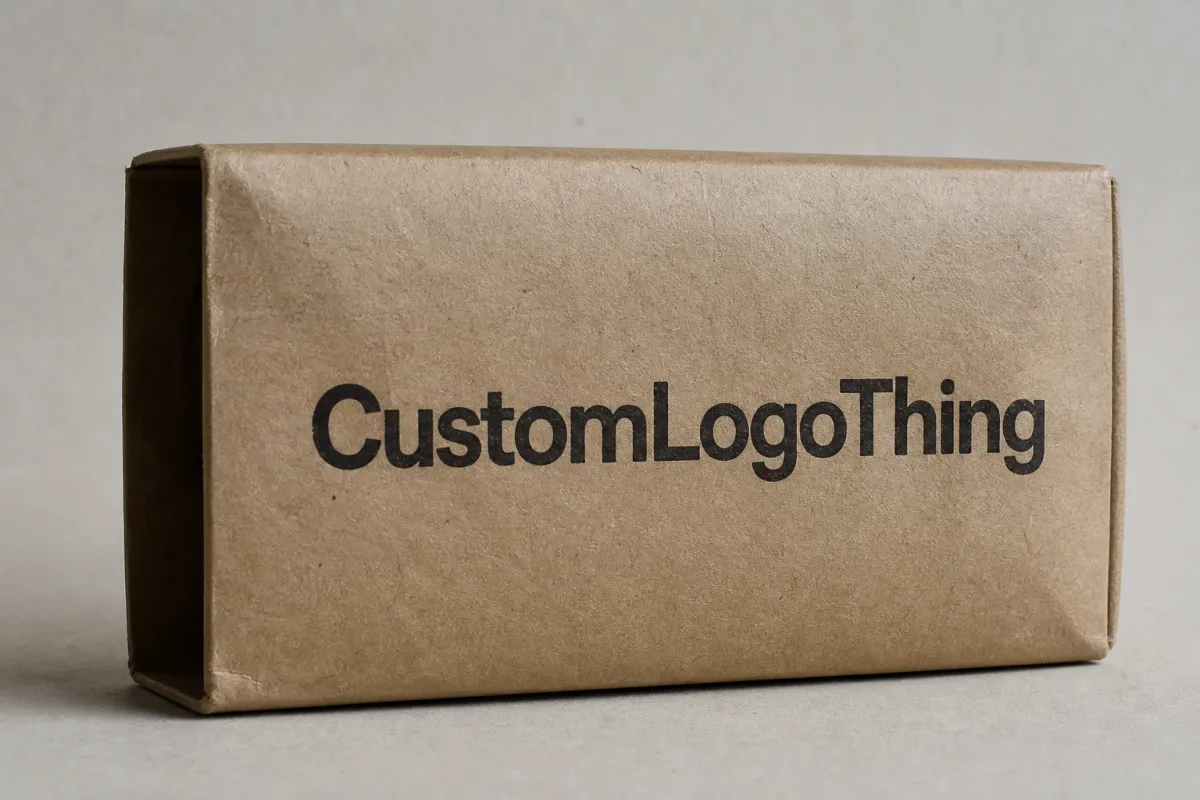
Shoppers judge fast. Sometimes unfairly fast. A folded tee in a plain carton can sit on a packing table looking perfectly fine and still read as cheap on shelf. Put the same product in a tight, well-printed sleeve and it suddenly looks like someone made a decision. That is the real value of printed carton sleeves for apparel: they add brand presence without the cost and bulk of a full rigid box.
A carton sleeve is a printed wrap that goes around a folded garment, an inner carton, or a bundled apparel set. It is the outer face of the pack. Not a rigid box. Not a skinny belly band pretending to matter. A sleeve gives you more surface area than a strap, more structure than a sticker, and a much better place for branding, size information, and product messaging.
That matters because apparel packaging usually has three jobs. Hold the fold. Keep the product neat. Make the item look intentional. A sleeve can do all three without turning the pack into a production headache. For tees, socks, underwear, babywear, promo kits, and seasonal bundles, a full carton is often overkill. A sleeve gives you the retail look with less board, lighter freight, and less clutter in the box.
There is a sales angle here too. Generic packaging makes the product feel generic. Retail does not care that this is unfair. It just happens. A crisp sleeve can carry your logo, a strong color system, the product name, size details, and one visual cue that tells the shopper what they are looking at from arm’s length. That first read matters more than most teams want to admit.
A sleeve should not try to do everything. It should finish the pack, hold the information shoppers need, and make the product look like it belongs there on purpose.
There is one practical caution before anyone gets carried away with the idea. A sleeve improves presentation, but it does not replace proper protection. If the apparel is shipping loose, getting crushed in transit, or moving through rough distribution, a sleeve alone usually is not enough. It works best as the presentation layer inside a controlled pack-out or inside a mailer or shipper that does the heavy lifting.
This guide covers sizing, printing, Pricing, and Ordering so you do not waste money on the wrong spec. Get the fold right, get the artwork right, and the rest gets much less annoying.
How printed carton sleeves for apparel work on pack-outs and shelves
At the simplest level, a printed sleeve is a folded panel of board or paperboard that wraps around an apparel pack or the carton holding it. The front panel stays visible, which is the whole point. Instead of hiding branding under flaps, the sleeve puts it on the outside where customers can see it. That is why sleeves work so well for retail-facing apparel. They turn a basic stack into a packaged unit with a real front.
Common uses include folded T-shirts, socks, hoodies, underwear sets, babywear, gift bundles, and promotional kits. They also work for subscription drops and seasonal collections where presentation matters more than heavy protection. If the garment is already protected by an inner mailer or polybag, the sleeve can handle the branding layer while the rest of the pack handles shipping abuse.
On the packing line, sleeves are efficient. You keep the fold consistent, slide the sleeve on after the garment is compressed or board-backed, and move the unit along without the extra assembly steps a rigid box demands. That is a big reason printed board sleeves show up in higher-volume apparel runs. You are paying for presentation and organization, not extra structure nobody asked for.
On shelf, the sleeve does several jobs at once. It can hold the logo, product name, size, care details, fiber content, barcode, or QR code. It can also signal season or collection, like a holiday gift set, a limited colorway, or a new drop. The trick is restraint. The front panel needs to work in one glance. If the shopper has to read across every panel to understand the product, the design is doing too much.
For a lot of brands, the sleeve is the best middle ground between a plain band and a custom carton. It gives you more presence than a belly band, more authority than a sticker, and a cleaner retail read than raw folded stock. It also makes SKU changes easier because you can update artwork without rebuilding a whole box structure every time the line changes.
Think of the sleeve as the face of the system, not the whole system. The garment still needs a clean fold. The insert still needs to fit. The print still needs to survive handling. Get those basics right and the sleeve becomes the thing that makes the pack feel deliberate instead of improvised.
For material and environmental references, packaging teams often look at guidance from organizations like the Forest Stewardship Council for responsible sourcing and the International Safe Transit Association for transit testing practices. Those standards do not pick your sleeve spec for you, but they do make sourcing and shipment validation less sloppy.
Key factors that shape fit, print quality, and durability
Fit starts with the fold, not the artwork. Obvious, right? Still gets missed all the time. Teams size sleeves from loose garment dimensions and then act surprised when the pack does not close properly. Measure the real folded unit, including the insert, tissue, backing card, or inner carton. Then add only the clearance needed for smooth insertion. Too tight and the sleeve scuffs or splits. Too loose and the pack moves around like it belongs to another SKU.
Board choice matters more than most buyers expect. For apparel sleeves, common options include SBS, CCNB, and kraft board, usually in the 14pt to 24pt range depending on how rigid the pack needs to feel. Thicker board gives you more body and better edge stiffness, but it also makes folding harder and pushes the price up. Lighter board is easier to convert and cheaper to run, though it can buckle if the pack gets handled roughly or if the design has long unsupported spans.
SBS is a common pick for bright white surfaces and sharp color reproduction. CCNB can be the budget-friendly option, especially when the inside surface does not need to look premium. Kraft gives a natural, earthy read that fits organic cotton, recycled textiles, or utility-driven basics. Each one sends a different message. Choose the one that matches the product, not the one that sounds expensive in a quote.
Finish changes the feel quickly. A matte or dull varnish softens the look and cuts glare. Gloss makes colors pop and helps bold graphics read from a distance, although it can also show scuffs more easily under bright retail lighting. Soft-touch lamination adds a more premium hand feel, but it raises cost and gets overused fast. Spot UV can be useful for a logo or product name, but only if the rest of the layout has enough breathing room. If the sleeve is already crowded, a shiny effect just makes the clutter louder.
Structural detail matters too. Tuck style, lock tabs, score placement, embossing, recycled content, and fiber direction all affect production. A sleeve can look great on screen and still be a nuisance on the packing line if the folds fight the operator. The best sleeve design is the one that looks good and packs quickly. That is usually where the margin lives.
Retail lighting also changes the result. A design that looks strong on a monitor can go muddy under fluorescent or mixed LED light. White ink, fine type, dark solids, and metallic effects all behave differently depending on the finish and the store environment. If the sleeve will sit near glossy shelving, test for glare. If it will sit under warm boutique lighting, check the color temperature. Same artwork. Different result.
Here is a simple comparison that helps buyers narrow choices before quoting:
| Option | Typical Use | Strength | Tradeoff | Relative Cost |
|---|---|---|---|---|
| 14pt-16pt SBS with matte finish | Basic retail tees, socks, promo packs | Clean print, light weight, easy folding | Less rigid, more vulnerable to edge wear | Low to moderate |
| 18pt-24pt CCNB with gloss or aqueous coating | Mid-range apparel sleeves, larger bundles | Better body and shelf presence | Can feel less premium than SBS | Moderate |
| Kraft board with one- or two-color print | Eco-leaning basics, natural brands | Earthy look, lower ink coverage | Color range is more limited | Low to moderate |
| Soft-touch laminated sleeve with spot UV | Premium drops, gift sets, higher-margin retail | Strong tactile value and brand lift | Higher cost, more setup, more finish control needed | High |
One detail gets ignored too often: tolerances. A sleeve cannot be drawn like a perfect digital rectangle and then expected to behave like a physical object with score memory. Ask for a dieline with realistic score allowances, and plan a sample run before you approve production. Tiny dimensional mistakes hide easily in a PDF and show up immediately on a real pack.
If your apparel line uses multiple sizes or folds, build the spec around the largest acceptable finished pack and then confirm the smaller packs do not rattle around inside it. That may sound cautious, but it is cheaper than reworking a run because medium fits and large jams.
Production steps and timeline: from dieline to delivery
The production path is straightforward once the measurements are right. First comes the dieline, which is the flat template showing cut lines, fold lines, glue zones, and panel sizes. Then comes artwork placement, proofing, and either a digital sample or a physical prototype. After approval, the print run, finishing, cutting, scoring, folding, packing, and freight happen in sequence. Skip one step and the problem usually shows up later, only more expensively.
Prepress is where a lot of issues get caught, and it should. A proper check includes bleed, trim, panel alignment, barcode placement, text size, and color build. If the sleeve carries a UPC, EAN, or QR code, verify the quiet zones and contrast. A pretty sleeve with a barcode that will not scan is just expensive decoration.
Lead times vary by supplier, quantity, and finish, but a realistic range for printed carton sleeves for apparel is often 7-12 business days for proofing and setup when artwork is ready, 5-10 business days for sampling when a physical prototype is needed, and 10-20 business days for production after approval. Freight can add several more days depending on shipping method and destination. Complex finishes, custom dies, or late revisions can stretch that schedule fast. That is not mystery. That is manufacturing and paperwork doing what they do.
From a buyer’s point of view, the biggest delays usually come from avoidable mistakes:
- Artwork arrives with missing dieline alignment or wrong panel sizes.
- The team keeps revising copy after proof approval.
- The real folded garment does not match the measured sample.
- Special coatings or embossing need separate setup time.
- The order is rushed without enough time for live testing.
If the packaging is going into retail, another layer of checking helps. Transit testing is not always required for a sleeve by itself, but the sleeve often sits inside a larger retail pack or shipper that does need validation. Standards from groups like ISTA exist for a reason. Even a simple sleeve can get crushed, scuffed, or corner-damaged if it is packed too tightly or shipped badly. Better to catch that on a sample than on a pallet that already left the warehouse.
A clean production process usually looks like this:
- Measure the finished folded apparel pack.
- Request a dieline based on the actual dimensions.
- Place the artwork with clear front, utility, and barcode zones.
- Review the proof for fold direction, copy, and finish notes.
- Approve a sample if the fit or coating is new.
- Run production and inspect the first cartons off the line.
- Confirm pack-out compatibility before full shipment.
That sounds basic because it is. Packaging still gets derailed by people skipping the basics because the mockup looked nice in a deck. The finished sleeve does not care about the deck. It cares about scores, tolerances, and what happens after a human handles it four hundred times.
For global programs, ask whether the supplier can share a production sample photo or short video before shipment. That is not a substitute for a physical sample, but it can catch obvious folding or registration issues before freight is in motion.
Cost, pricing, and MOQ: what changes your unit cost
Pricing for printed carton sleeves for apparel comes down to a few obvious variables and a few that like to hide in the quote. The obvious ones are quantity, board stock, print coverage, finishing, die complexity, and whether the sleeve needs special folding or gluing. The less visible ones are setup fees, color matching, sampling, freight, and rush handling because somebody waited too long to approve artwork. Happens all the time.
For simple runs, unit pricing can be pretty reasonable. A basic one-color kraft sleeve at higher quantities may sit roughly around $0.10 to $0.25 per unit, depending on size and finishing. A full-color retail sleeve with matte or aqueous coating may land closer to $0.20 to $0.45 per unit. Add soft-touch lamination, spot UV, embossing, or very low quantities, and the number climbs quickly. Exact pricing depends on the real spec, not the hope of a nice round figure.
MOQ means minimum order quantity, and it matters because packaging setup has real fixed costs. Plates, dies, make-ready time, and machine calibration do not shrink just because the order is smaller. That is why low quantities carry a much higher unit cost. A sleeve that looks simple can still get pricey if you only want a few hundred pieces. Printers are not being dramatic. They are spreading fixed cost across fewer units.
Here is a practical way to think about budget levels:
- Budget: one-color kraft or basic coated board, minimal finish, clean layout, fewer special effects.
- Mid-range: full-color print on SBS or CCNB, matte or gloss finish, standard die cut, good shelf presence.
- Premium: soft-touch, spot UV, embossing, heavier board, precise registration, more setup time.
Hidden extras can move a quote more than the main print spec. Watch for sample charges, die charges, plates, freight, customs if relevant, storage, and reprint risk if the first artwork version is wrong. A buyer who only checks the base unit price is setting themselves up for the classic surprise invoice. Nobody likes that tradition.
One more practical point: if a supplier gives you a low quote without asking for folded dimensions, finish details, or barcode requirements, treat that quote as provisional. Good pricing starts with accurate inputs. Anything else is just a number with optimism attached.
To get a clean quote, send the supplier the following:
- Finished dimensions of the folded garment or inner carton.
- Target quantity for each SKU.
- Board preference and thickness, if known.
- Print colors, coating, or specialty finishes.
- Barcode and copy requirements.
- Any pack-out constraints, such as machine folding or retail hang-time.
- Your acceptable target price range per unit.
That last line helps more than people think. If the supplier knows the ceiling, they can suggest ways to lower cost without wrecking the presentation. Maybe the board can step down one thickness. Maybe the finish can move from soft-touch to matte. Maybe the sleeve can keep the same look with fewer ink passes. Good quoting is not just math. It is choosing where the money actually matters.
Common mistakes when ordering sleeves for apparel
The biggest mistake is measuring the garment stack instead of the finished folded pack. Those are not the same thing. A loose tee has a very different footprint from a compressed, board-backed, retail-folded tee. Size the sleeve to the wrong condition and the result is predictable: too loose, too tight, or just awkward enough to slow the packing line.
Another common problem is overdesign. The sleeve is not a billboard trailer. Too many icons, too much copy, and too many fonts create noise. Shoppers want to know what the product is, who made it, what size it is, and maybe one or two selling points. They do not need a paragraph on every panel. If the layout has to shout to be heard, it is probably too busy.
Wrong board or coating can also ruin the feel. A high-gloss finish on a natural-fiber brand can feel off. A soft-touch surface on a low-price basic can make the product look like it is trying too hard. Some coatings scratch more easily than buyers expect. Under store lighting, that damage shows quickly.
Production mistakes usually show up in the boring details:
- Fold direction does not match the pack-out process.
- Barcode placement clashes with a seam or tuck flap.
- Text is too small to read on shelf.
- Special finishes are placed where the sleeve gets rubbed most.
- The construction cannot run well on the packing equipment.
One mistake deserves a louder warning: approving a run based only on a PDF mockup. A flat proof hides a lot. It will not show how the stock feels, whether the score lines behave, or how the graphics read on the actual garment. A live sample on the real apparel is far more useful, especially if the sleeve is meant to create a premium retail cue. Packaging that looks perfect in a browser and awkward in hand is still awkward. The browser does not buy the product.
If the job is heading to retail, ask for a sample built with the final fold and final insert arrangement. Check the sleeve under bright light, check it after a few handling passes, and check how it sits beside competing packs. A sleeve should not just look good alone. It should win the shelf comparison.
The last mistake is ignoring brand consistency across SKUs. A sleeve system works best when the structure, logo placement, and information hierarchy stay steady across product lines. That makes the range feel deliberate and helps operations move faster. Each SKU can still have its own color or seasonal graphic, but the system should not reinvent itself every time somebody launches a new size.
There is also a quiet financial mistake that shows up late: ordering a sleeve spec that looks premium but is too fragile for the actual pack-out. Scuffed corners, cracked scores, and crushed ends create waste and rework. A design that survives the line is more valuable than one that only survives a presentation board.
Expert tips and next steps for a cleaner launch
Start with the sleeve’s job. Is it there to create a premium signal, support a seasonal promo, carry retail information, or make a bundle look gift-ready? Pick one main job first. If the sleeve tries to do all four, the design gets muddy and the cost climbs for no good reason. The best printed carton sleeves for apparel are clear about purpose before they are clever.
From a design standpoint, one dominant visual is usually enough. A strong logo, a product name, and one supporting image or pattern can do more than a crowded front panel with six messages fighting for attention. Keep a clean utility zone for barcode, size, fiber content, or care copy. That keeps pack-out efficient and makes the sleeve easier to scan and stock.
Testing is worth the short delay. I would rather see two or three prototypes on the actual garment fold than approve a polished render and hope for the best. Compare them under retail lighting, not just on a desk or in a studio screenshot. The difference can be annoying in the way only packaging people notice right away. Customers notice too; they just describe it differently.
A useful launch checklist looks like this:
- Measure the finished folded apparel pack.
- Define the sleeve’s primary job and shelf position.
- Choose board, finish, and target thickness.
- Set barcode, size, and copy zones early.
- Request a dieline and a physical sample.
- Test the sleeve on the actual garment and in retail light.
- Confirm quantity, lead time, and freight before approval.
There is a clear buyer rule here: choose the spec that protects margin and improves shelf appeal. Not the most expensive spec. Not the cheapest one that barely passes. The right one. A sleeve that saves board, supports faster pack-out, and still reads as intentional is doing its job well. If it also keeps your apparel line from looking like a generic pile of folded fabric, even better.
That is the real value of printed carton sleeves for apparel. They let you present apparel with structure and brand clarity without forcing a full box on every SKU. Size them from the finished pack, price them from the real spec, test them on the actual fold, and the result is usually better than the budget guesswork that ruins so many packaging launches.
The takeaway is straightforward: build the sleeve around the folded product you actually ship, not the rendering you wish you had. Confirm the fit, confirm the print, and confirm the handling before you approve a run. That is how you keep the packaging attractive, functional, and worth the spend.
FAQs
How do I size printed carton sleeves for apparel correctly?
Measure the finished folded garment or inner carton, not the loose fabric. Add only the clearance needed for easy insertion and clean closure. Ask for a dieline based on the finished pack, then test a physical sample before production.
What is the typical MOQ for printed carton sleeves for apparel?
MOQ depends on the printer, board stock, and finishing complexity. Simple one-color sleeves usually support lower MOQs than full-color premium runs. Expect higher unit costs when you push the quantity down, especially with custom dies or coatings.
Are printed carton sleeves for apparel cheaper than full boxes?
Usually yes, because sleeves use less material and simpler construction. The savings shrink if you add heavy finishes, complex die cuts, or very small quantities. They are best when you want strong branding without paying for a full rigid carton.
What artwork should go on a sleeve for apparel products?
Lead with the brand and product name, then add only the details shoppers actually need. Keep barcodes, size info, and care text in a predictable zone so packing stays fast. Use one strong visual element rather than covering every panel with copy.
How long does production usually take for printed carton sleeves for apparel?
Artwork checks and proofing often take a few days if files are ready. Sampling adds extra time, but it is worth it if the fit or finish is new. Production and freight depend on quantity and finish, so ask for a lead time estimate before you approve the quote.