Buyer Fit Snapshot
| Best fit | Custom Printed Carton Sleeves Wholesale for Brands projects where brand print, material claims, artwork control, MOQ, and repeat-order consistency need to be specified before quoting. |
|---|---|
| Quote inputs | Share finished size, material target, print colors, finish, packing count, annual reorder estimate, ship-to region, and any compliance wording. |
| Proofing check | Approve dieline scale, logo placement, barcode or warning zones, color tolerance, closure strength, and carton packing before bulk production. |
| Main risk | Vague material claims, crowded artwork, missing packing details, or unclear freight terms can make a low unit price expensive after revisions. |
Fast answer: Custom Printed Carton Sleeves Wholesale for Brands should be specified like a repeatable production item. The safest quote records material, print method, finish, artwork proof, packing count, and reorder notes in one written spec.
Production checks before approval
Compare the actual filled-product size with the drawing, then confirm tolerance on folds, seals, hang holes, label areas, and retail display edges. Reserve space for logos, QR codes, warning copy, and material claims before decorative graphics fill the panel.
Quote comparison points
Review material grade, print process, finish, sampling route, tooling charges, carton quantity, and freight assumptions side by side. A quote is only useful when the supplier can repeat the same color, closure quality, and packing count on the next order.
Custom Printed Carton Sleeves wholesale is a practical choice when a brand needs stronger shelf presence, sharper print impact, and a cleaner pack-out process without rebuilding the entire carton structure. The sleeve gives you the outward-facing brand moment while the inner carton or tray handles the real work. Less board. Fewer steps. Usually fewer headaches.
The savings do not live in one neat spreadsheet cell. They show up across the packaging system: board consumption, print coverage, assembly time, freight weight, storage space, and how many SKUs one format can support. If someone only compares print price per unit, they are not really comparing packaging. They are comparing a line item and hoping it behaves like a strategy.
Brands use sleeves for retail sets, seasonal kits, subscription items, club packs, and promotional bundles because sleeves sit in a useful middle zone. The inner pack stays intact, while the sleeve carries logo, color, legal copy, and shelf-ready presentation. That often turns a plain bundle into something that looks planned rather than assembled under pressure by a warehouse that has already seen too much.
Buyers searching for custom printed carton sleeves wholesale should not frame the decision as cheap versus premium. Fit matters. Durability matters. Line speed matters. Landed cost matters. If the sleeve meets those needs, it earns its place. If it jams the pack line or crushes on the pallet, the price was never the real problem.
Why custom printed carton sleeves wholesale can lower pack-out costs
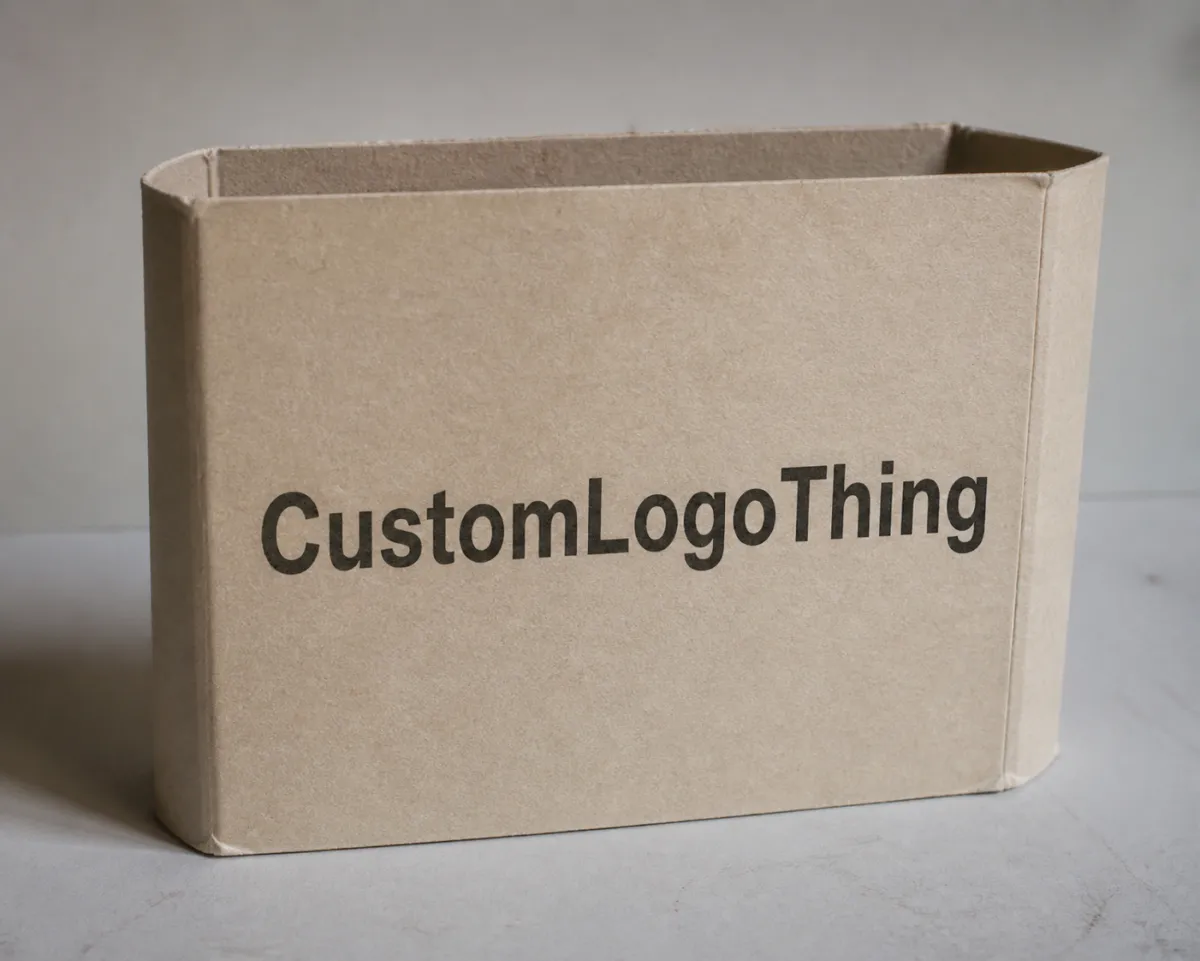
Custom printed carton sleeves wholesale often reduces cost by simplifying pack-out, not by chasing the lowest print quote. A sleeve can cut structural complexity, reduce printed surface area, and shorten the time needed to turn a finished retail pack into something shelf-ready. That matters most when the inner carton or tray already does the heavy lifting.
A full-wrap carton usually asks for more board, more ink, and more attention across multiple panels. A sleeve gives the brand-facing side a clean canvas and lets the inner structure handle product weight, opening experience, or nesting. For many programs, that is enough visual punch without dragging the operation into unnecessary complexity.
The real flexibility shows up when product lines move often. Seasonal promotions can switch artwork while the base carton stays the same. Multi-SKU bundles can share one inner pack while the sleeve handles flavor, size, kit contents, or channel-specific messaging. That reduces component sprawl, and component sprawl is where inventory teams go to lose sleep.
Cost also lives beyond the print quote. Board usage, trim waste, fold time, freight weight, and storage efficiency all affect the final sleeve. If the structure can standardize across several products, procurement gets easier, artwork management gets cleaner, and inventory planning becomes less of a guess. That is a real saving, not marketing confetti.
Sleeves are also useful when brands need to refresh a line quickly. A company can update shelf presentation without changing tooling, line setup, or the inner pack format. That is why sleeves show up in launch windows, rebrands, limited editions, and retail programs that need speed without a full packaging rebuild.
A sleeve should not fight the line. If it slides cleanly, prints clearly, and survives handling from carton to shelf, it is doing its job.
That simple standard is why many buyers treat custom printed carton sleeves wholesale as a cost-smart branding tool rather than a compromise. A sleeve can look polished and still keep production sane. Rare combination. Worth protecting.
Where the savings really come from
The first number people notice is usually the unit price. Fair. It still does not tell the full story. A sleeve can cost less because it uses less board than a fully printed rigid carton, needs less ink than a full wrap, and folds more efficiently after proper scoring and die-cutting. If the inner carton is already purchased or already sitting in inventory, the sleeve becomes a lighter add-on that still changes the shelf story.
Those savings are easiest to see in repeating structures with changing graphics. Beverage variety packs, cosmetics gift sets, health and wellness bundles, and private-label club items are good examples. The inner format stays stable while the outer graphics do the selling. That keeps the packaging system cleaner and reduces obsolete inventory when artwork changes. Less scrap. Less rework. Less arguing about who approved the wrong file.
Labor matters too. A simple slide-on sleeve often takes less assembly than a more complicated tuck-end carton or multi-panel printed box. On a packaging line, even a few seconds saved per unit can add up fast across thousands of pieces. That is why packaging engineers watch OEE, pack rate, and rework risk alongside print quality. A cheap sleeve that warps, jams, or runs out of tolerance becomes expensive very quickly.
Where sleeves are a practical fit
Sleeves work well for retail-ready secondary packaging. They can hold a tray, a prefilled carton, or a multi-unit bundle while giving the outside a polished, brand-forward face. For products with legal copy, ingredients, warnings, or multilingual text, the sleeve gives enough room for essential information without turning every panel into a wall of tiny type. That helps everyone who has ever tried to fit compliance into a design that was never built for it.
They also fit fast-moving promotional programs. A sleeve can turn a standard pack into a holiday edition, a limited campaign piece, or a regional variant without changing the core container. That means less time spent negotiating new tooling and less time waiting for a brand-new structure to get through approvals. The more reusable the base format, the easier it is to keep inventory and storage under control.
What custom printed carton sleeves are made of
Material choice controls nearly everything about a sleeve: stiffness, fold quality, print sharpness, scuff resistance, and how the carton behaves after repeated handling. Common board families include SBS, CCNB, kraft-style board, and recycled-content options. Each brings a different mix of appearance, Cost, and Performance, so the right answer depends on the job, not on a vague preference for “premium” stock.
SBS, or solid bleached sulfate, is a common choice when the print surface needs to be bright, smooth, and precise. It handles fine type, small legal copy, and crisp color work very well. CCNB, or clay-coated news back, is often used when cost control matters and the sleeve does not need the same premium look on every panel. Kraft-style boards support a more natural or earth-toned presentation, which suits some consumer brands better than a glossy, overworked look.
Caliper and basis weight matter just as much as board family. If the board is too light, the sleeve can buckle, curl, or lose the square profile buyers expect on shelf. If it is too heavy, folding becomes less forgiving and the pack-out line may slow down. Surface smoothness also affects print resolution, especially for logos, thin rules, barcodes, and small regulatory copy. In packaging, those details are not decoration. They determine whether the pack feels polished or cheap.
Finish options change both appearance and performance. A matte or satin varnish reduces glare and makes type easier to read under store lighting. Gloss coating can sharpen contrast and create stronger visual pop, though it can show scuffs faster in high-touch environments. Soft-touch lamination adds a tactile feel for premium kits, but it costs more and is not the right call for every fast-moving item. If the sleeve will sit inside a shipper, scratch resistance may matter less than if it is going straight to retail display.
Recycled-content boards and FSC-certified materials are common requests now, especially for brands that need documented sustainability claims. FSC chain of custody can matter to procurement teams that want sourcing records they can actually defend. Still, recycled content is not automatically better for every sleeve. Some recycled stocks have lower surface brightness or a different feel, and that can affect print fidelity. The right board depends on whether the pack is supposed to look natural, premium, clinical, or value-driven.
Choosing the right board for the product
A soap sleeve does not need the same construction as a luxury candle sleeve or a nutraceutical carton. A light personal care item may be fine on medium-caliper SBS or CCNB with a simple varnish, while a heavier retail bundle may need stronger board, tighter scoring, and a reinforced insertion area. If the product gets handled heavily in distribution, the board should resist edge crush and keep its shape after palletization and unloading.
The best material choice fits the product, the channel, and the handling path. A club-store pack often needs stronger shelf presence and more crush resistance. A subscription box insert may need better print fidelity and lower weight. An ecommerce pack has to survive shipping vibration, compression, and the occasional rough landing in transit. Match the board to the use case. Do not pretend one stock solves everything. That is how teams end up paying twice.
Print and coating compatibility
Not every board behaves the same under every print method. Offset printing, flexographic printing, digital printing, and foil stamping each react differently to the sheet surface. If the artwork includes dense solids, reversed type, or metallic accents, the supplier should recommend a board and finish that protects legibility. A good supplier also thinks about rub resistance and whether the inks need enough cure time before the sleeves are packed.
Samples matter here. A screen image can make a sleeve look rich and clean, but folded samples show the real story: cracking at score lines, coating behavior on corners, and color stability across the sheet. Physical review still catches problems faster than staring at a monitor and hoping the paper behaves out of respect.
Custom printed carton sleeve specifications that affect fit and performance
Good sleeve performance starts with the spec sheet. The details that matter most are finished dimensions, board caliper, score depth, glue style if any, opening direction, print coverage, and finish. Small changes in any of those can alter how the sleeve slides, how it stacks, and how much tolerance the line can absorb during pack-out.
The first spec to lock down is the actual fit around the inner pack. A sleeve that is too tight can catch on corners, scuff artwork, or slow assembly. A sleeve that is too loose can wobble, shift on shelf, or make the product feel unsteady. The outer size should be based on verified sample dimensions, not just nominal carton measurements from a drawing. Drawings lie when the real world gets involved.
Score and fold behavior come next. Accurate scoring helps the sleeve fold square, keep edges crisp, and avoid cracking at the fold lines. This matters more as board caliper increases. If the job calls for a premium finish, the supplier should also confirm whether the coating or laminate tolerates folding without whitening at the creases. Those tiny defects show up fast under store lights, and they are not the kind of detail a brand can shrug off.
Print layout affects performance too. Barcodes need quiet zones, legal copy needs breathing room, and logos should sit where they will not be distorted by folds or cuts. If the sleeve includes windows, perforations, tear strips, or locking tabs, those features should be built into the dieline early so artwork does not get forced into awkward positions later. Clean package design starts with structure. Decoration comes second.
Products going through shipping and distribution should be tested. Depending on the route and risk profile, teams may use transit simulation or compression testing methods aligned with ISTA procedures or ASTM methods. A sleeve is not the main protective element, but if it has to survive carton handling, pallet compression, or ecommerce fulfillment, it still needs to hold up. That matters even more for fragile, high-value, or temperature-sensitive products.
Dimensions and tolerance control
Dimension control is not glamorous. It is also the difference between a sleeve that runs smoothly and a sleeve that keeps triggering line stops. Suppliers should confirm the finished flat size, the wrap size around the inner pack, and the exact placement of scores and cuts. If the product varies from batch to batch, the sleeve spec may need enough clearance to absorb normal production variation without looking sloppy.
The practical rule is simple: the sleeve should fit the product as shipped, not the idealized drawing version of the product. If the inner carton, tray, or bottle bundle has size shifts from its own supplier, those shifts stack up. Packaging teams often ask for pre-production samples and a dimensional check before they release the full run. Sensible behavior, really. No one wants to discover a mismatch after 20,000 sleeves are already on a truck.
Structural features that improve handling
Some sleeves are simple rectangles. Others include lock features, thumb notches, micro-perforations, or window openings. Each feature serves a purpose. A thumb notch can improve opening experience. A perforation can create tamper evidence or a tear-away reveal. A window can show the product or an insert. The tradeoff is complexity. More features mean more die-cutting variables and more chances for misalignment if the tooling is weak.
For wholesale sleeves, keep the structural design focused on the job. If the sleeve only needs to brand and unify an inner pack, a simple shape usually performs best. Add features only when they solve a real need in opening, merchandising, or compliance. That keeps budget under control and makes the line easier to live with.
Artwork and compliance details
Artwork is not just decoration. It carries mandatory copy, UPC or EAN barcodes, ingredient statements, warning text, recycling marks, and claims language that must be accurate and readable. A supplier should review the artwork against the dieline and flag risk areas before print approval. If a barcode sits too close to a score or lands on a textured area, scan quality can suffer. If legal copy is too small, the package can turn into a compliance problem fast.
Brands in regulated categories should also think about version control. One SKU may need multilingual copy, another may need a different regulatory statement, and a third may need a channel-specific offer. Those variations are manageable if the sleeve structure stays consistent and only the printed face changes. That is one reason custom printed carton sleeves wholesale works so well for teams that manage multiple market requirements.
Cost, pricing, MOQ, and quote factors for wholesale sleeves
Wholesale sleeve pricing depends on more than size. A simple sleeve in a larger quantity can be very economical, while a heavily finished sleeve with special coating, foil, tight registration, or custom die features can move into a higher range. As a rough reference, many custom printed carton sleeves wholesale programs can land around $0.10-$0.35 per unit at larger runs, with smaller quantities often pricing higher because setup costs are spread across fewer pieces. Exact pricing depends on size, board, print coverage, finish, and pack format.
MOQ, or minimum order quantity, varies by supplier and production method. Some digital programs can support lower minimums for trial runs or SKU launches, while offset or longer-run programs usually favor larger quantities to keep unit cost under control. Buyers should ask whether the MOQ applies to total pieces, per artwork version, or per size. That detail matters when a program has multiple flavor labels or seasonal variants.
Several quote factors drive the final number. Board grade is one. Print coverage is another. Full flood color, heavy solids, metallic accents, and spot finishes usually cost more than a simple one- or two-color layout. Die complexity matters too, as do special inserts, glue application, folding style, and any secondary pack-out service. Freight can also be a real line item, especially when sleeves are bulky but lightweight, because dimensional shipping can affect the bill.
Artwork readiness affects cost as well. If the file needs cleanup, dieline adjustments, or several proof rounds, that labor can show up in the quote. Buyers keep costs saner by sending clean artwork, confirming dimensions early, and getting marketing and compliance in the same room before production starts. That is cheaper than paying for revisions after approval. The invoice is always more cheerful before the mistakes happen.
A good supplier should also explain exactly what is included in the quote. Prepress, plate charges, sample proofs, finishing, cartonization, and freight should be clear. If a quote looks too low, ask what is missing. Sometimes the cheapest line item leaves out tooling, setup, or a special finish that appears later like an unpleasant surprise. Transparent quoting makes procurement comparisons real instead of decorative.
How to compare quotes fairly
Two sleeve quotes can look close and still cost very differently in practice. One may include FSC stock and a matte varnish, while the other uses a different board and charges extra for proofing. One may pack sleeves in protective cartons with clean labeling, while another ships bulk-packed with more risk of edge damage. Even the way a supplier handles overages and shortages can matter if the line depends on exact counts.
For a fair comparison, look at unit cost, setup charges, lead time, sample policy, freight terms, and quality support together. That gives procurement a much more accurate picture of the real landed cost. If the sleeves are for a promotional launch or a retail reset, a few extra cents may be worth it if the supplier can reduce risk and keep the schedule intact.
Common ways buyers control cost
There are several practical ways to keep spending down without wrecking package quality. Reducing print coverage is one. Standardizing sleeve sizes across multiple SKUs is another. Choosing a finish that fits the channel instead of chasing a special effect can also help. If the artwork can be built around a limited ink palette, the cost may stay lower while the shelf impact stays strong.
Buyers sometimes assume cost control means shrinking the pack or cutting board quality. Not always true. In many cases, the better move is to simplify structure, remove features that do not earn their keep, and keep the sleeve aligned with the actual handling and merchandising needs of the product.
Production steps, process, and timeline for wholesale sleeve orders
The production process usually starts with a brief that defines the product, dimensions, target quantity, artwork needs, and delivery window. A supplier should then review the inner pack measurements, recommend board and finish options, and produce a dieline or structural mock-up if the format is not already established. Getting the front end right matters because most sleeve problems are created before the press ever starts.
Once the dieline is approved, the artwork team places the graphics and checks safe zones, barcode placement, and fold interference. A proof then confirms color, copy, and construction before full production begins. Depending on the method, the next steps may include plate making, printing, coating, die-cutting, scoring, folding, and final packing. Each stage needs a quality check, because a small shift in one stage can show up in the next.
Typical lead times vary, but many wholesale sleeve orders take about 12-20 business days after final proof approval. Simpler digital jobs can move faster, while complex offset jobs with special finishes may need more time. Add time for sample review if the design is new or if the customer needs internal approval from several departments. Rush work is possible. It just leaves less room for correction, which is a polite way of saying it gets expensive.
Quality control should include dimensional checks, color review, fold integrity, and carton count verification. If the sleeves must match an existing inner pack or retail tray, the first article should be measured against the physical sample, not just the drawing. Packaging buyers who insist on a real sample before release usually avoid the most annoying surprises.
Shipping and storage matter too. Sleeves should be packed so edges stay square and printed surfaces do not scuff in transit. If they are headed to a high-speed line, the cartons should be clearly labeled and the pack count should be easy to verify at receipt. That kind of operational detail keeps a purchase order from turning into a chase scene.
What a clean approval process looks like
A clean approval flow has a few simple steps: receive the artwork, confirm the dieline, review the proof, check the physical sample, and lock the production spec before the run. Each step should have one owner. That cuts down confusion between marketing, operations, and procurement. It also keeps the supplier from guessing what anyone meant after the work has already started.
If your team has multiple stakeholders, create one approval file with the final dimensions, color references, finish callout, and compliance language. That way the production team knows exactly which version to print. Version control matters more than many buyers expect, especially for packaging with recurring seasonal updates.
How to reduce delays
The fastest jobs usually share a few traits. The artwork is final. The dimensions are confirmed by sample. The board choice is already settled. The approval chain is short enough that one person can sign off without waiting on half the company. Delays usually come from unclear specs, late copy changes, or product samples that do not match the original measurements.
Buyers can help the schedule by sending a complete request the first time. Include target quantity, delivery date, product weight, print method preference if known, finishing needs, and whether the sleeve will be used in retail, ecommerce, or both. That level of detail helps the supplier quote and plan correctly. It also keeps everyone from pretending a vague brief was enough.
Why buyers choose us for custom printed carton sleeves wholesale
Buyers usually stay with a sleeve supplier for three reasons: fit, consistency, and practical support. A strong production partner does more than print something attractive. They help the package work on the line, survive distribution, and present cleanly on shelf. That matters because a sleeve that looks great in a mockup and falls apart in handling is not a wholesale solution. It is a liability with good lighting.
Clients tend to value clear communication on board choice, print method, and tolerance. They want to know whether a sleeve needs a tighter score, a different caliper, or a more durable coating before production starts. They also want pricing that reflects the real structure of the job, not a vague quote that changes after the details finally get pinned down.
Proof support matters too. Early samples, color references, and physical checks help prevent surprises. If a supplier can spot a barcode placement issue, a fold weakness, or a finish problem before the full run, that saves money and protects launch timing. From the buyer side, that kind of practical guidance is often worth more than a tiny difference in unit price.
Consistency across reorders is a major factor. Many sleeve programs are not one-off jobs. They are repeat runs tied to sales cycles, promotional updates, or new flavor and size extensions. A dependable supplier keeps the same spec, the same approved color target, and the same structural fit from one order to the next. That stability is what turns a package vendor into a real packaging partner.
Buyers also appreciate suppliers who understand that packaging is part of operations, not just branding. The sleeve has to arrive on time, count correctly, fit the product, and run without slowing the line. If those boxes are checked, the artwork can do its job and the packaging program stays under control.
What support buyers should expect
Good support usually includes a confirmed dieline, material guidance, sample review, print proofing, and straightforward answers about lead time and freight. If the sleeve will be used in a regulated category, the supplier should also be ready to coordinate around compliance text and revision control. Those are basic expectations, not extras.
Packaging teams also benefit from a supplier who asks the right questions. What is the inner pack? How is it filled? Will it ship in a master carton, sit on a shelf, or go straight into direct-to-consumer fulfillment? Those questions help determine whether the sleeve needs a tighter fit, a more durable coating, or a different opening style. Good questions save bad outcomes. Fancy concept.
Why repeat orders matter
Once a sleeve design is approved, repeat production should become easier, not more chaotic. The best suppliers keep the approved spec on file, note the exact board and finish, and flag any changes before they happen. That helps teams managing ongoing SKU launches, marketing refreshes, or retailer-specific packaging revisions.
If your program is likely to repeat, ask how the supplier stores artwork, tracks revisions, and handles reorder verification. That process discipline is a strong sign the next run will match the first one closely.
Next steps for ordering custom printed carton sleeves wholesale
The easiest place to start is with a clean packaging brief. Share the product dimensions, the inner carton or tray style, your target quantity, the market channel, and any print or finish preferences you already have. If the package has to support retail display, gift presentation, or ecommerce fulfillment, say that up front because those uses can change the material and structural recommendation.
Next, request a structural recommendation and a quote that breaks out board, print, finish, tooling, and freight. That gives procurement a real basis for comparison and helps operations see whether the sleeve will fit the line. If your team has multiple SKU versions, ask whether the structure can be standardized so only the artwork changes. That is often the cleanest path for long-term cost control.
Then ask for a proof or sample. A physical sample is the quickest way to verify fit, color feel, and handling. Look at how the sleeve slides, whether the scores crack, whether the barcode scans cleanly, and whether the finish matches the intended market position. If the pack will move through distribution, consider whether the supplier should support testing aligned with ISTA or ASTM methods so you are not relying on visual checks alone.
Finally, confirm the commercial details before you approve the run: minimum order quantity, lead time, payment terms, overage tolerance, and what happens if art changes after approval. That last point saves many headaches. Packaging changes made late in the process tend to cost more than buyers expect, especially once plates, proofs, or die tooling are already in motion.
For brands that need a practical, shelf-ready format without the weight and cost of a full packaging rebuild, custom printed carton sleeves wholesale remains a strong option. The right sleeve gives you brand presence, operational simplicity, and a clear path to repeat production.
Use the product itself, the handling path, and the sales channel to make the final call. If those three points are clear, the sleeve spec becomes much easier to settle, and the wholesale order is far more likely to run the way it should the first time.
Comparison table for custom printed carton sleeves wholesale for brands
| Option | Best use case | Confirm before ordering | Buyer risk |
|---|---|---|---|
| Paper-based packaging | Retail, gifting, cosmetics, ecommerce, and lightweight products | Board grade, coating, print method, sample approval, and carton packing | Weak structure or finish mismatch can damage the unboxing experience |
| Flexible bags or mailers | Apparel, accessories, subscription boxes, and high-volume shipping | Film thickness, seal strength, logo position, barcode area, and MOQ | Low-grade film can tear, wrinkle, or make the brand look cheap |
| Custom inserts and labels | Brand storytelling, SKU control, retail display, and repeat-purchase prompts | Die line, adhesive, color proof, copy approval, and packing sequence | Small errors multiply quickly across thousands of units |
Decision checklist before ordering
- Measure the real product and confirm how it will be packed, displayed, stored, and shipped.
- Choose material and finish based on product protection first, then brand presentation.
- Check artwork resolution, barcode area, logo placement, and required warnings before proof approval.
- Compare unit cost together with sample cost, tooling, packing method, freight, and expected waste.
- Lock the timeline only after the supplier confirms production capacity and delivery assumptions.
FAQ
What products work best with carton sleeves?
Carton sleeves work best for products that already have a stable inner pack and need a stronger branded face on the outside. Common examples include cosmetics kits, personal care bundles, supplement cartons, food multipacks, candles, and promotional gift sets. They are especially useful when the product needs retail visibility but the inner container already provides the main structure.
Are sleeves cheaper than full custom boxes?
Often, yes, but not always. A sleeve can cost less because it uses less board and may need less assembly, yet the final price depends on board choice, print coverage, finish, and quantity. A simple sleeve in a larger run may be very economical, while a premium sleeve with foil, lamination, or complex die-cutting can cost more than a basic custom box.
What is the usual minimum order quantity?
MOQ varies by supplier and production method. Some digital runs can support lower quantities for launches or test programs, while offset runs usually favor larger orders. In wholesale sleeve programs, buyers often see MOQs from a few hundred pieces to several thousand, depending on the size, finish, and tooling requirements.
How long does production usually take?
After final approval, many sleeve orders take about 12-20 business days, though simple jobs can move faster and specialty work may take longer. Add extra time if you need sample review, compliance signoff, or multiple rounds of artwork changes. Lead time is usually easier to manage when the dimensions and copy are finalized before the order is placed.
Can sleeves be made with recycled or FSC-certified board?
Yes. Recycled-content and FSC-certified boards are common options, especially for brands with sustainability targets or corporate procurement requirements. The right choice depends on how the sleeve needs to print, how it should feel in hand, and whether the brand wants a natural, premium, or value-driven look. FSC chain of custody can also help support documented sourcing claims.
What should I check before approving artwork?
Check barcode placement, legal copy, safe margins, fold lines, color accuracy, and whether any special finishes interfere with readability. It also helps to confirm that the final dimensions match the actual product sample, not just the drawing. A physical proof is the best way to catch issues that may not show up on screen.

