Why Subscription Brands Ask for Clear Zipper Packaging First
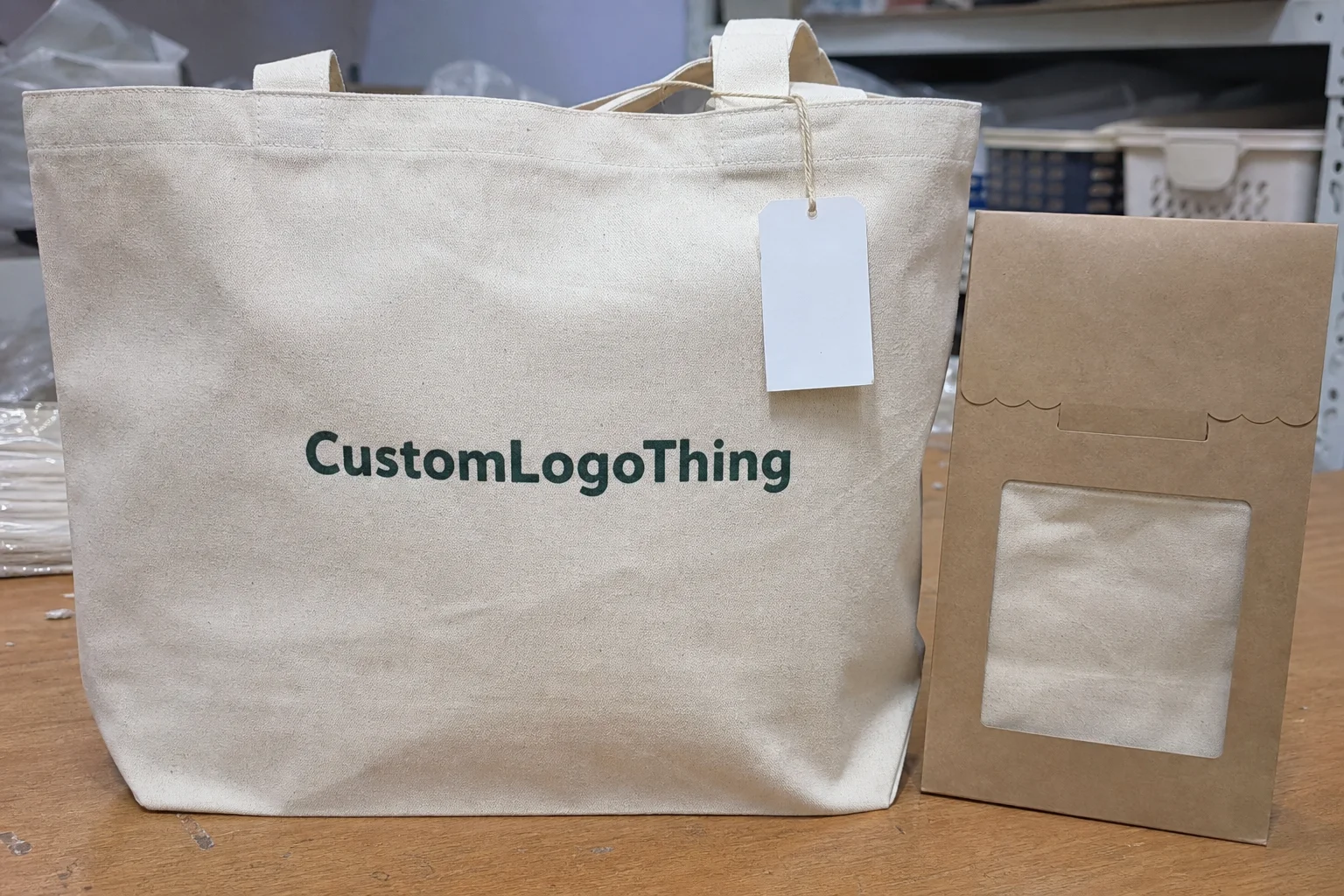
A subscription fulfillment line can pack 800, 3,000, or 20,000 monthly orders and still be slowed by one weak packaging choice. A zipper that pops open, film that looks cloudy, or a logo printed across the product view can trigger repacks, customer support tickets, and quiet brand damage that does not always show up in a packaging invoice.
Buyers requesting a Printed Clear Zipper Bags Quote for subscription programs are usually trying to solve three issues at once: product visibility, repeat-use storage, and consistent branding across recurring shipments. That is a practical goal, not a decorative one.
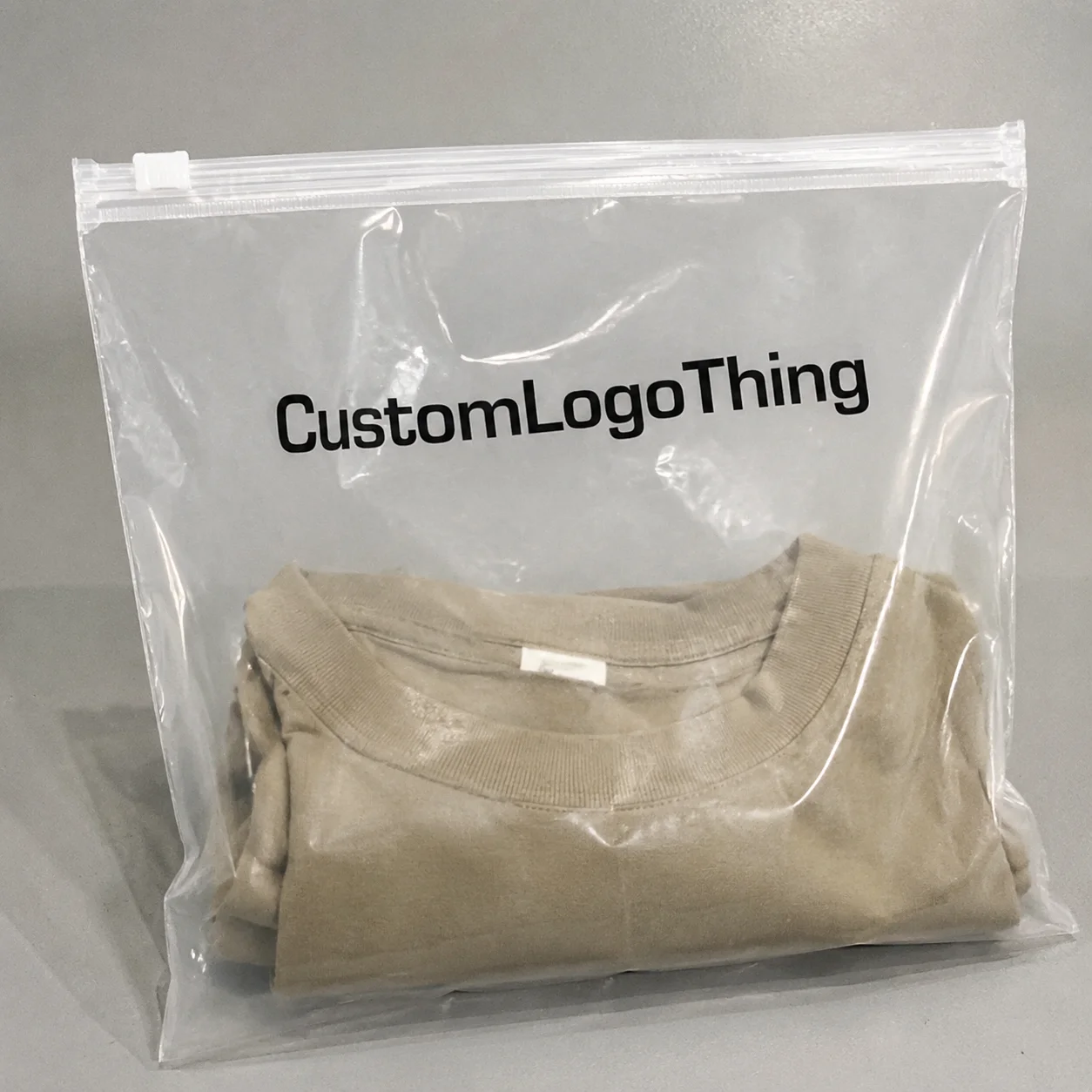
Clear Zipper Bags are often treated as inexpensive inner packaging. Fair enough. From a packaging buyer’s point of view, though, they also support inventory control, customer presentation, and post-delivery storage in one format. A warehouse picker can see whether the right socks, cosmetics samples, craft pieces, replacement parts, or stationery set went into the bag. The customer can see the product before opening it. Then the bag often stays in use after the outer box is gone.
Common alternatives have trade-offs. A rigid box protects well, but it can increase dimensional weight and storage space. A paper insert supports branding, but it does not contain the product. An opaque pouch can look polished, yet it hides product condition and may slow pick-and-pack checks. A printed clear zipper bag shows the contents while carrying the brand mark, SKU label, warning copy, or simple logo treatment.
Practical buying test: if the package has to survive purchasing review, operations review, and fulfillment testing, the quote needs more than a unit price. It needs specs, assumptions, lead time, and reorder logic.
If you are asking for a quote on subscription packaging, you are probably not browsing for inspiration. You need a bag that can be approved, tested, ordered, received, packed, and reordered without avoidable surprises.
Product Details That Matter Before You Request Pricing
Printed clear zipper bags for subscription packaging are resealable plastic bags made from transparent or semi-transparent film, printed with a custom logo, artwork, warning copy, or identification mark, and closed with a zipper profile designed for repeated opening and closing. The typical use case is simple: contain the item, show the item, brand the item, and let the customer reuse the bag.
Subscription applications vary widely. Smaller formats, such as 4-inch by 6-inch bags, may work for jewelry cards, sample sachets, small hardware, or stationery pieces. A 9-inch by 12-inch format may fit folded apparel, socks, cosmetics sets, craft kits, or multi-piece assortments. Larger sizes, such as 12-inch by 15-inch, can be used for soft goods or seasonal bundles, depending on fill weight, compression, and the outer mailer or box.
Zipper quality matters because the closure keeps working after the unboxing moment. Customers may reuse the bag for travel, storage, cords, cosmetics, craft supplies, or the product itself. A thin, uneven, or hard-to-close zipper can make a well-built subscription feel cheaper than it is. Many brands underestimate that small tactile detail until a sample is in hand.
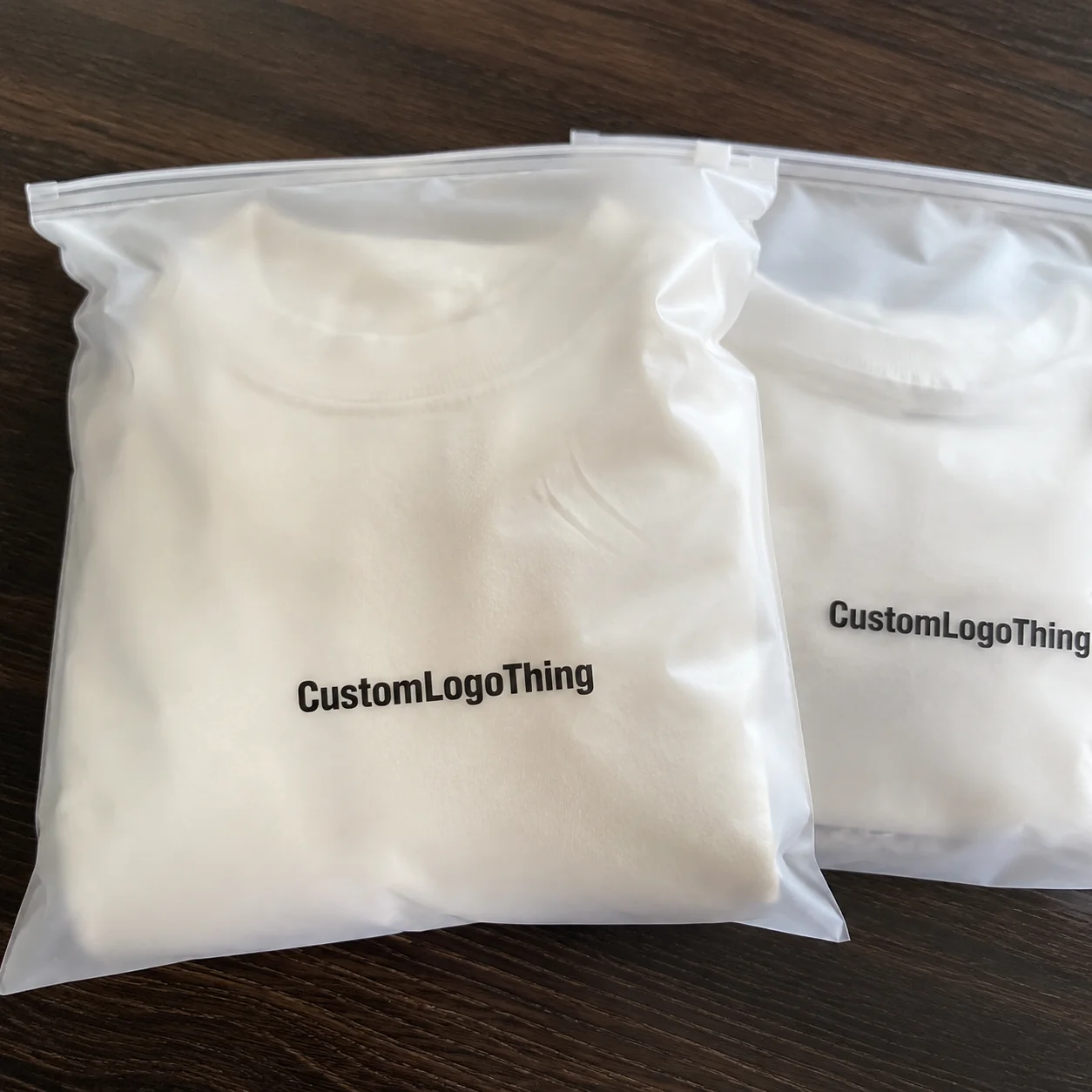
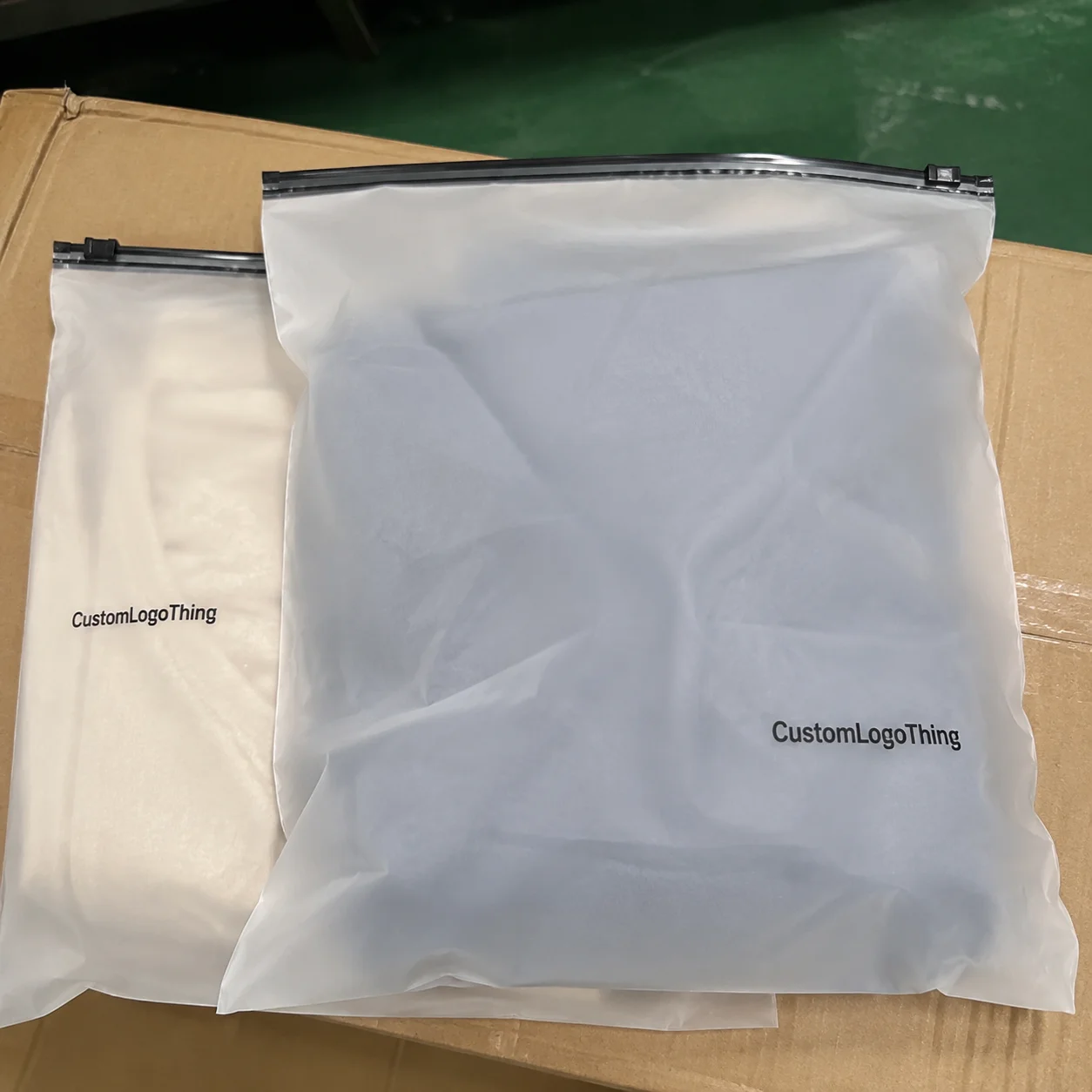
Clarity level deserves the same attention. High-clarity film presents color-sensitive goods better, especially cosmetics, printed stationery, textiles, and accessories where shade and finish matter. Frosted or semi-transparent film can be useful when privacy, glare reduction, or a softer retail look is preferred. The wrong choice shows immediately: cloudy film can make clean goods look dusty, while excessive frost can hide the very product the operations team needs to verify.
Branding placement should be decided around product visibility, not only logo preference. Logos can be centered, placed in a lower corner, repeated as a light pattern, printed near the zipper, or aligned around a clear viewing area. A one-color imprint keeps cost controlled. Multi-color branding can make premium kits feel more finished. Some orders also need suffocation warnings, recycling marks, batch information, QR codes, or compliance copy.
Consistency is the hidden advantage. Subscription packaging repeats. If a bag size shifts by half an inch, if the imprint moves, or if the zipper feel changes between runs, fulfillment staff notice. So do customers who receive the package every month or quarter.
Specifications to Lock Before Sampling or Bulk Ordering
A quote is only as accurate as the specification behind it. The critical details are bag dimensions, material gauge, zipper style, bottom format, hang hole option, vent holes, print colors, print coverage, quantity, and delivery requirements. Miss one of those, and the quote may still arrive, but it may not survive production review.
Start with size. The bag should fit the product without excessive trapped air, but it should not be so tight that fulfillment staff spend 20 extra seconds forcing items inside. That sounds minor. Across 10,000 monthly shipments, an extra 20 seconds per unit becomes more than 55 labor hours. Packaging friction becomes payroll.
Thickness, usually discussed as gauge or mil thickness, affects cost and feel. Lightweight sample kits may work with thinner film. Apparel, product bundles, or items with sharper edges often need heavier film to reduce stress whitening, corner punctures, and zipper distortion. A common buying range is roughly 2 mil to 4 mil, though the right choice depends on product weight, handling, shipping environment, and expected reuse. Thinner material can reduce unit cost. Heavier material can improve perceived quality and protection.
Closure style changes performance. Standard zipper closures are common for subscription inserts and soft goods. Heavy-duty zipper profiles may be better for heavier bundles or repeated customer reuse. Tamper-evident features can make sense for wellness products, regulated items, or goods that need visible first-opening control. Slider-style closures are convenient, but they usually add cost and may not be necessary for every subscription product.
Bottom format is another practical choice. A flat bag is efficient and cost-effective for slim goods. A bottom gusset can help with thicker bundles or product assortments that need more volume. Hang holes may be needed if the same bag also supports retail display. Vent holes can reduce trapped air and improve pack efficiency, especially for apparel, but they are not appropriate for every product because they change the barrier profile.
Print area affects cost, visibility, and fulfillment speed. Large coverage can look premium, but it can also obscure the product and increase print expense. A small logo preserves transparency and helps warehouse staff identify contents faster. Leave room for barcode labels, lot code stickers, return labels, or SKU-level identification. If a 2-inch by 1-inch barcode label must be applied by hand or machine, reserve a clean area for it before the proof is approved.
Before asking for a production-ready price, prepare product photos or samples, approximate fill weight, preferred bag dimensions, artwork file, print color count, target quantity, and any labeling requirement. Those details separate a real estimate from a placeholder number.
Pricing, MOQ, and Unit Cost Variables for Custom Bags
Custom printed clear zipper bag pricing is usually driven by quantity, dimensions, material thickness, print colors, print coverage, zipper type, finishing requirements, and shipping method. The same logo on two different bag sizes can produce two different unit costs. The same bag with one-color printing versus full-panel multi-color artwork can sit in a very different pricing lane.
MOQ, or minimum order quantity, is not only a purchasing threshold. It reflects setup time, film usage, print preparation, machine efficiency, packing labor, and waste control. If the print setup takes similar labor for 1,000 bags and 10,000 bags, the smaller run carries more setup cost per bag. Pilot runs are useful, but they often cost more per unit.
For general planning, a small custom run may land at a noticeably higher unit cost than a scaled subscription order. A simple one-color printed clear zipper bag might price very differently at 1,000 pieces than at 25,000 pieces. Depending on size, thickness, print method, and current market conditions, buyers may see rough planning ranges such as $0.18 to $0.45 per unit for modest custom quantities, while larger runs may move lower. Heavier gauges, larger bags, full-panel artwork, special closures, or rush freight can push costs upward. Treat those figures as planning ranges, not promises, because resin costs, labor, print requirements, and freight variables move.
| Quote Variable | Lower-Cost Direction | Higher-Cost Direction | Operational Trade-Off |
|---|---|---|---|
| Print colors | One-color logo | Multi-color artwork | Simple branding lowers cost; richer artwork may improve presentation |
| Print coverage | Small logo or corner mark | Full-panel design or repeated pattern | Less coverage preserves visibility; more coverage can look premium |
| Bag size | Stock or common dimensions | Custom dimensions | Common sizes may quote faster; custom sizing can improve fit |
| Film thickness | Thinner film for light goods | Heavier gauge for protection and feel | Lower material cost versus better durability and reuse |
| Closure | Standard zipper | Heavy-duty, tamper-evident, or slider closure | Basic function versus stronger customer experience or security |
| Quantity | Higher order volume | Small pilot run | Lower unit cost versus less inventory risk |
The cheapest bag is not always the lowest-cost bag. If it tears during packing, slows the line, causes product damage, or makes the subscription feel underbuilt, the savings can disappear quickly. A $0.03 unit saving across 10,000 bags is $300. One preventable repack event, delayed launch, or wave of customer complaints can cost more than that.
Ask for tiered pricing. A practical request might include a pilot quantity, first full production run, and forecasted reorder level, such as 2,500 pieces, 10,000 pieces, and 25,000 pieces. That structure helps purchasing compare cash flow, storage space, and long-term unit cost. It also helps operations see whether the bag design can scale without redesign.
Share your target budget, expected monthly usage, and reorder cadence. If the brand ships 6,000 kits per month and reorders quarterly, the quote should not be treated like a one-time promotional run. A stronger Printed Clear Zipper Bags Quote for subscription planning will show quantity assumptions, size, material, print method, color count, proofing needs, estimated lead time, and shipping considerations.
Artwork, Proofing, Production Steps, and Timeline
The standard process is predictable when the inputs are complete. Submit specifications and artwork. Receive a quote. Approve pricing. Confirm the dieline or imprint area. Review the digital proof. Approve a sample if required. Move into production. Complete quality checks. Ship the finished cartons.
Artwork files should be clean. Vector logo files, such as AI, EPS, or print-ready PDF formats, are preferred because they scale without losing edge quality. Include clear color references, print location notes, logo size, and any mandatory copy such as suffocation warnings, recycling marks, SKU identifiers, or regulatory language. If brand color matching matters, provide Pantone references or approved color values, while recognizing that printing on clear plastic can look different from printing on coated paper.
Digital proofs verify artwork placement, approximate size, text content, and color intent. They are useful. Physical samples are better for testing film feel, zipper performance, actual product fit, and optical clarity. Not every order needs a pre-production sample, but subscription launches often benefit from one because the bag becomes part of a repeat system. A sample can reveal whether folded apparel creates too much pressure, whether jewelry cards scratch the film, or whether a craft kit shifts enough to stress the corners.
Timeline depends on order quantity, material availability, print complexity, proof approval speed, sampling requirements, and shipping method. A straightforward reorder may move faster than a multi-color, custom-size, sampled order. Typical custom packaging timelines often run in multi-week windows after proof approval, not after the first email. That distinction matters for launch planning.
Delays frequently come from incomplete specifications rather than production capacity. Missing dimensions stop quoting. Unclear artwork delays proofing. Unapproved compliance copy blocks printing. A late barcode requirement can force a layout revision. If the packaging must arrive before kitting, packing, carrier pickup, and customer delivery windows, build in a buffer. Subscription schedules punish optimism.
A practical sequence works better: approve the bag before finalizing inserts or outer mailers. If the filled zipper bag is thicker than expected, the outer box or mailer may need adjustment. If the logo placement conflicts with an insert card or barcode label, the artwork needs revision. Packaging parts should be designed as a system, not as separate purchases.
For general package performance testing principles, the International Safe Transit Association is a useful authority, especially for brands thinking beyond the inner bag to the full ship-ready subscription pack.
Quality Checks That Protect Recurring Subscription Orders
Quality control carries extra weight for subscription brands because one packaging failure repeats across every shipment. If the zipper is weak on a monthly order, the same problem may reach thousands of customers before anyone catches the pattern.
Inspection should cover zipper alignment, seal strength, film clarity, print registration, logo legibility, bag dimensions, odor, scuffing, and carton count accuracy. These are not cosmetic details only. A misaligned zipper can slow packing. Poor registration can make the logo look cheap. Strong odor can create a product complaint even if the product itself is fine.
Product-fit testing is simple and revealing. Load the actual product bundle into the bag. Close and reopen the zipper several times. Shake it lightly. Check whether corners, product edges, or folded goods stress the film. For sharper items, look for pressure marks or puncture points. For soft goods, see whether trapped air makes the bag hard to close or bulky inside the mailer.
Fulfillment testing deserves equal attention. Measure how fast staff can open, fill, close, label, and sort the bags. A bag that looks good on a desk may slow the line if the mouth is too narrow, the zipper is stiff, or the film clings too much. At scale, packing speed becomes a cost variable just like unit price.
Customer-facing testing is the last check. Does the bag arrive clean, readable, and reusable after being placed inside a box or mailer? Does the logo still face the customer naturally when the package is opened? Does the clear film show the product well, or does it collect scuffs during handling?
Sustainability and compliance should be addressed carefully. Some plastic zipper bags may use recyclable material structures, but acceptance depends on resin type, local recycling access, and regional rules. The U.S. Environmental Protection Agency provides broad packaging and recycling context at epa.gov/recycle. For safety, many plastic bags also require suffocation warning language based on size, distribution channel, and regional requirements. Requirements vary by product and market, so confirm before printing.
Document the approved specs. Save the final dimensions, gauge, print file, logo position, zipper type, carton pack count, and any sample approval notes. Reorders become faster and safer when everyone is working from the same production standard.
How Custom Logo Things Builds a Quote Around Your Operation
Custom Logo Things works with subscription brands that need clear, printed zipper bags aligned with product, budget, and fulfillment realities. The goal is not to quote a generic bag and hope it fits. The goal is to define a bag that can be ordered, packed, shipped, and reordered with confidence.
The quote process should start with operational facts: product type, product size, approximate fill weight, monthly volume, artwork, closure needs, delivery schedule, and whether the bag must fit an existing box or mailer. A cosmetics sample set has different needs from folded apparel. A jewelry card has different puncture and scuff risks than a wellness kit. The quote should reflect those differences.
Fact-based recommendations matter. If a one-color imprint can achieve the brand look while reducing cost, that should be shown clearly. If a stock dimension can work without slowing packing, it may be smarter than a custom size. If a heavier gauge avoids damage for a sharp-edged kit, the added unit cost may be justified. Not always, but it should be evaluated with the product in mind.
A useful quote includes itemized assumptions: quantity, size, material, thickness, print method, color count, proofing requirements, estimated lead time, carton packing, and shipping considerations. That level of detail reduces revisions and makes purchasing approval easier. It also prevents the common problem of comparing two quotes that are not actually quoting the same bag.
Scalability is another factor. Many subscription programs start with a pilot run, then move into repeat monthly or quarterly orders. Packaging continuity supports smoother packing routines, stronger customer recognition, and better inventory planning. If the bag design changes every reorder, the operation absorbs that variability.
If you are building or revising a subscription packaging program, send the working specs to Contact Us and ask for options at two or three quantity levels. For a Printed Clear Zipper Bags Quote for subscription fulfillment, that usually produces a more useful answer than a single quantity request with no product context.
How to Get a Printed Clear Zipper Bags Quote for Subscription Packaging
An accurate quote starts with a complete checklist. Gather bag dimensions, product photos or samples, estimated fill weight, target quantity, monthly or quarterly usage, artwork file, print color count, preferred closure, and delivery deadline. If you do not know the exact bag size yet, provide the product dimensions and how the item will be folded, bundled, or inserted.
- Bag dimensions: width, height, gusset if needed, and usable opening size.
- Product details: item type, approximate weight, sharp edges, soft goods compression, and visibility needs.
- Material preference: clear, frosted, high-clarity, or semi-transparent film, plus target thickness if known.
- Closure: standard zipper, heavy-duty zipper, tamper-evident feature, or slider closure.
- Artwork: vector logo, print location, color count, warning text, barcode area, and compliance copy.
- Quantity tiers: pilot order, first full production run, and forecasted reorder volume.
- Schedule: proof deadline, launch date, packing date, delivery deadline, and reorder cadence.
Ask whether digital proofs are enough or whether a physical sample or pre-production sample is recommended. Digital proofing may be sufficient for a simple reorder or a basic logo imprint. A physical sample is usually more valuable for a first launch, new product bundle, heavier fill, or uncertain film thickness.
Share operational constraints early. Does the bag need to fit an existing subscription box? Will it hang on a retail display after the subscription launch? Does it need a barcode label area? Will fulfillment staff apply labels by hand, or will the bags pass through a specific workflow? Those details change the best design.
Send launch and reorder dates, not only the desired delivery date. Packaging has to reach the packing floor before orders can ship. If kitting starts on a Monday, bags arriving that same Monday are late for practical purposes. Receiving, inspection, carton staging, and line setup take time.
Ask about carton packing details and freight options as well. A quote that looks fine on unit cost can create receiving problems if carton quantities, pallet count, or storage requirements are ignored. For larger runs, freight can materially affect landed cost. For smaller runs, expedited shipping can erase the savings from a lower unit price.
Ready to price your bag? Send your checklist, artwork, and two or three target quantities through Contact Us. Include the full spec list so pricing, MOQ, and timeline can be confirmed without guesswork. Ask for the quote to separate setup, unit cost, proofing, production assumptions, and shipping so your purchasing and operations teams can review the same facts.
FAQs
What information is needed for a printed clear zipper bags quote for subscription packaging?
Provide bag size, product type, approximate fill weight, quantity, film thickness preference, zipper style, print colors, artwork file, delivery deadline, and expected reorder frequency. Photos or samples of the subscription product help confirm fit, visibility, and closure performance before production.
How does MOQ affect a custom clear zipper bag quote?
MOQ affects unit cost because print setup, material preparation, and production time are spread across the order quantity. Higher quantities usually lower the unit cost, while smaller pilot runs may cost more per bag but can reduce launch risk.
Can I get tiered pricing for printed zipper bags for subscription boxes?
Yes. Request pricing at several quantity levels, such as pilot order, standard monthly volume, and projected reorder quantity. Tiered pricing helps purchasing teams compare cash flow, storage space, and long-term unit cost.
What lead time should I expect for custom printed clear zipper bags?
Lead time depends on order size, material availability, artwork approval, print complexity, sampling needs, and shipping method. Approving proofs quickly and submitting complete specifications can prevent avoidable delays.
Are printed clear zipper bags reusable for subscription customers?
Yes, many clear zipper bags are designed for repeated opening and closing, especially when the correct film thickness and zipper quality are selected. Reusable packaging can extend brand visibility after the initial unboxing, particularly for apparel, accessories, craft kits, and wellness products.