Clear Bags Work Harder Than Most Boutique Packaging
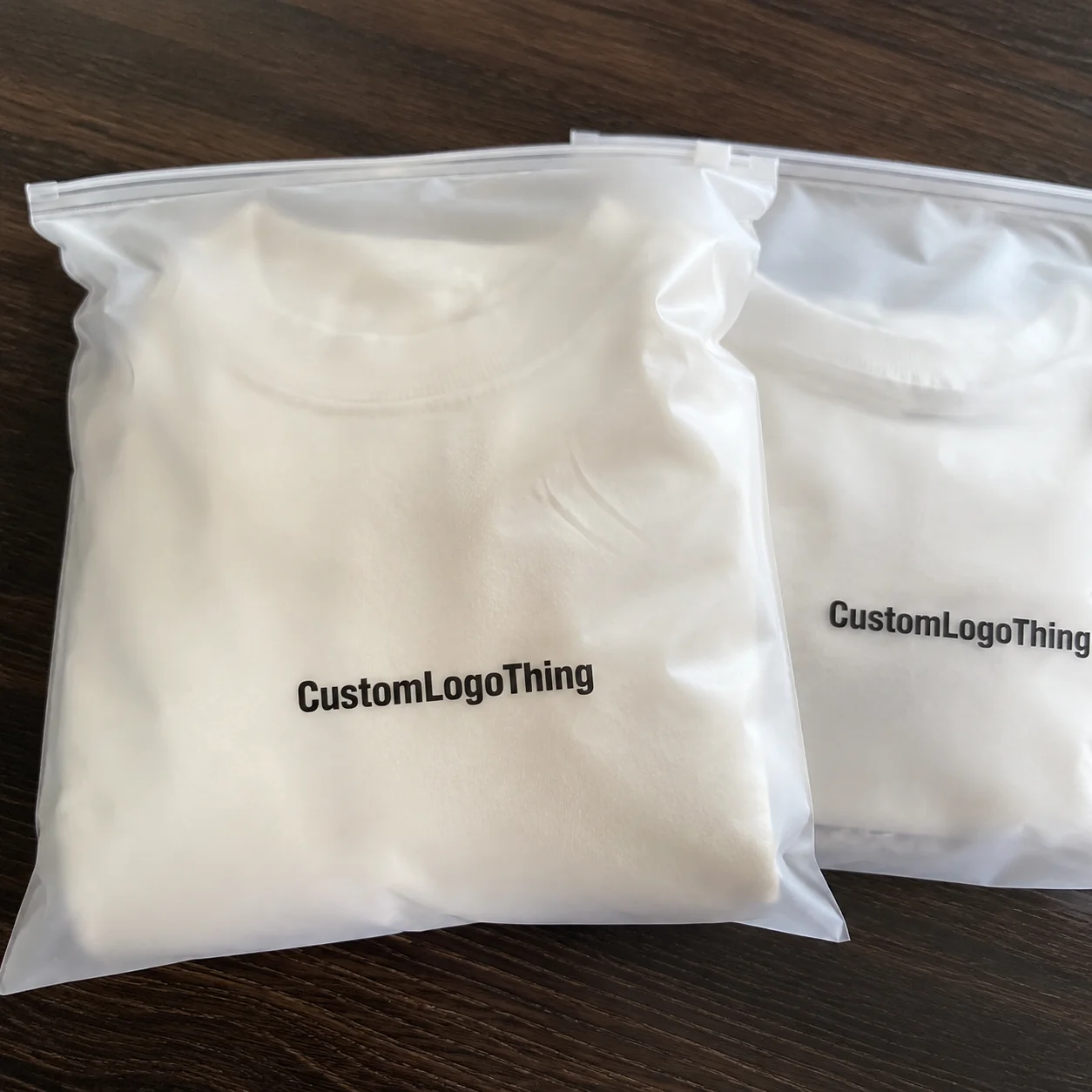
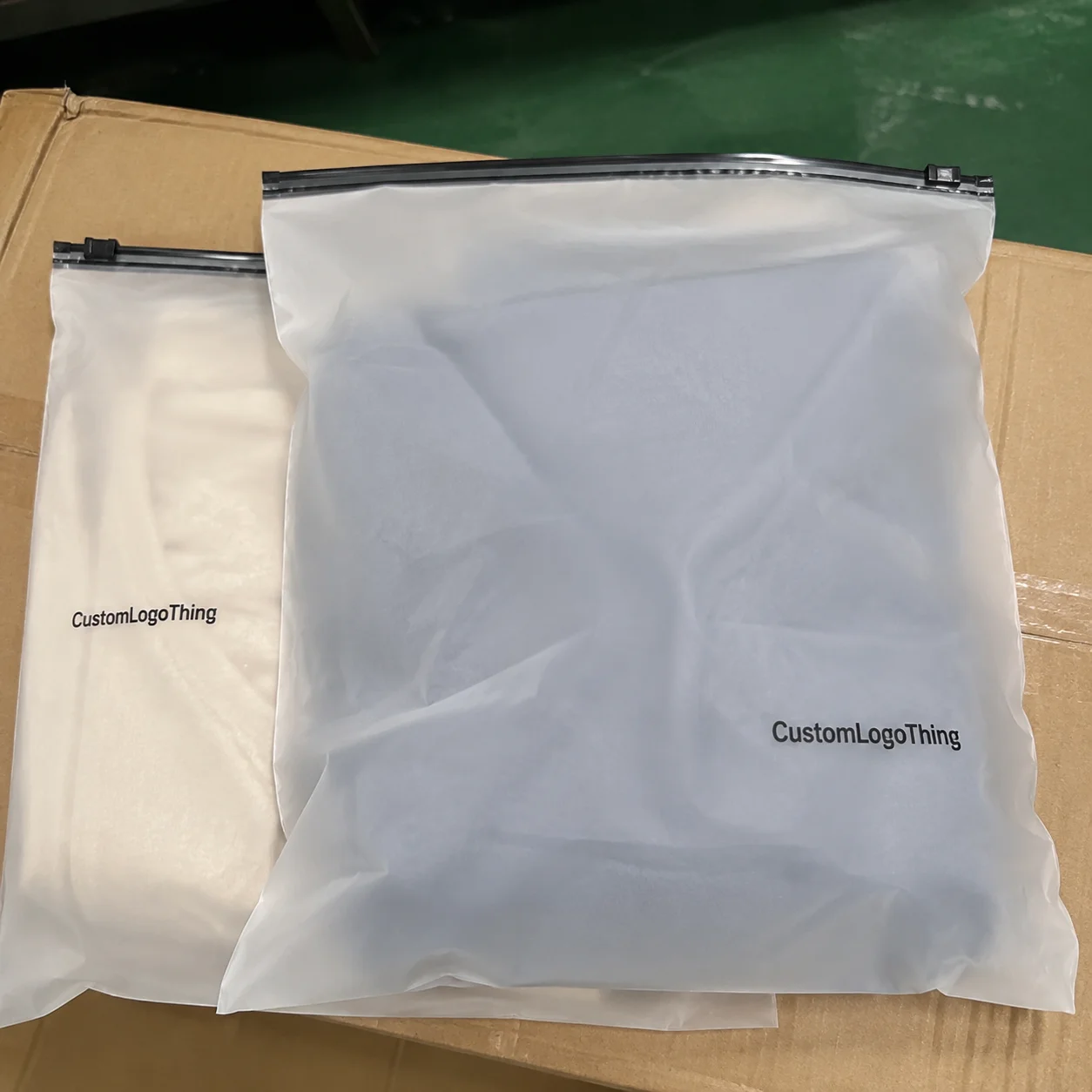
A customer can judge a folded sweater, jewelry card, accessory set, skincare sample bundle, or stationery pack before they ever touch the zipper. That first glance matters. A printed Clear Zipper Bags quote for boutique packaging should account for film clarity, zipper function, logo opacity, bag size, and packed product thickness, because clear poly bags are not all built for the same job.
Clear Zipper Bags give boutique products a practical advantage: they keep inventory clean, organized, gift-ready, and easy to inspect while still carrying your logo, product information, size marker, or collection name. For small retail teams, that visibility helps at the packing bench and on the sales floor. A staff member can confirm color, size, SKU, or bundle contents without opening the bag every time.
Stock clear bags have their place for backroom storage, sample sorting, and temporary protection. Custom printed zipper bags do something different. They turn the bag into front-facing retail packaging for shelf display, online orders, market events, subscription-style drops, and wholesale presentation.
The goal is not to overspend. Many boutique packaging projects get off track because buyers ask for the “nicest” bag before defining how the product will be packed, handled, shipped, and displayed. Lightweight apparel may need a soft, clear film with a clean press-to-close zipper. Candles, cosmetics, hair accessories, or boutique stationery may need more body, better puncture resistance, venting, or a tighter size tolerance.
Practical rule: specify the bag around the packed product, not the product lying flat on a desk. The fold, thickness, label, zipper clearance, and trapped air can change the size requirement by 0.25 to 1 inch or more.
Before requesting a Printed Clear Zipper Bags Quote for boutique use, gather the basics: packed dimensions, approximate weight, quantity range, logo file, print color preference, delivery location, and any retail compliance needs. Good quoting is a fit check, not just a price list.
What a Printed Clear Zipper Bags Quote for Boutique Includes
A reliable quote breaks the bag into parts. At minimum, it should identify the bag dimensions, material type and gauge, zipper style, print colors, print coverage, order quantity, packing method, proofing requirements, and freight destination. If the estimate only says “clear zipper bag with logo,” there is too much room for assumptions.
Size deserves extra attention. Some suppliers quote flat outside dimensions, while buyers often think in usable inside space. The zipper track, top header, side seals, bottom seal, and packed product thickness all reduce the area available for the item. A 6 x 9 inch flat bag does not always hold a 6 x 9 inch product, especially if that product is folded fabric, a carded accessory, or a small box with sharp corners.
Print details also shape the quote. A one-color logo is usually the most economical choice for boutique custom zipper bags. Multiple spot colors, heavier ink coverage, front-and-back print, very fine lines, large flood areas, or tight registration can require additional setup review. On clear film, ink opacity matters. A pale blush logo may look elegant on a white proof, then nearly disappear over a floral garment or dark cosmetic pouch.
Layout guidance belongs in the estimating conversation. Boutique bags often need the logo positioned away from the product viewing window, barcode label area, hang hole, zipper track, suffocation warning, or retail sticker. A 2.5 inch wide logo may look balanced on a 7 x 10 inch apparel bag, but cramped on a 4 x 6 inch jewelry bag.
Common add-ons may include:
- Hang holes for peg displays, usually centered in a reinforced header area.
- Suffocation warnings for certain bag sizes and retail requirements.
- Vent holes to release trapped air during packing or shipping.
- White write-on panels for size, batch, scent, style, or SKU notes.
- Matte or frosted areas for a softer boutique presentation.
- Individual bundling or carton packing preferences for easier storage.
For the cleanest Printed Clear Zipper Bags Quote for boutique buyers, send the product type, packed dimensions, approximate weight, desired quantity, artwork file, print color count, delivery location, and any compliance needs. If you are still deciding between two sizes, say that. A quote can often show both options side by side.
If you want help sorting those details before a formal estimate, send the basics through Contact Us and include photos of the current packaging if you have them.
Material, Clarity, Zipper, and Print Specifications
Material is the backbone of the bag. For many boutique zipper bags, LDPE is a common choice because it feels soft, flexible, and forgiving at the packing bench. It has enough give for folded textiles, soft accessories, and sample kits. Thicker clear poly blends may be better when the product has edges, hardware, lids, caps, or multiple pieces that can stress the side seals.
Gauge is simply film thickness, but it has a real effect on handling. A lighter gauge, such as roughly 2 mil, can work for light apparel, fabric goods, or soft items that do not fight the bag. Heavier gauges, such as 3 mil or 4 mil, may be better for structured accessories, beauty kits, children’s items, or products that will be opened and closed repeatedly.
Thicker is not automatically better. It can add cost, stiffness, and carton bulk, and some heavier films feel less refined for delicate goods. The right specification depends on product weight, shape, handling frequency, and how much presentation matters at retail.
Clarity is a specification, not just a style preference. If you sell color-sensitive items such as apparel, cosmetics, ribbons, beads, handmade goods, or printed stationery, a hazy film can make the product look dull. Clear film should show color and texture without distracting distortion. For retail, that visual accuracy helps the buyer trust what they are seeing.
The zipper matters too. Standard press-to-close zippers are common and practical, but the product thickness and user behavior should guide the bag design. A bag opened once by a fulfillment worker has different demands than a bag a customer will open and close repeatedly while storing hair clips, jewelry, travel cosmetics, or spare buttons. Zipper placement also affects usable depth, hang hole location, and logo position.
Printing on flexible plastic is not the same as printing on paperboard. Surface printing is often used for simple logos, warning text, product information, and brand marks. Ink adhesion, opacity, drying, line thickness, and film movement on press all matter. Vector artwork is strongly preferred because it keeps logo edges clean. Pantone or spot color references help when color consistency is part of the brand standard.
Clear bags need contrast planning. White, black, metallic-look, or bold spot-color logos often read better than pale colors because the background changes with every product inside. A black logo may pop on light textiles but sink into a dark garment. White ink may look clean over saturated product colors but can look subtle over pale ivory or beige goods. For many boutiques, one high-contrast color placed with restraint gives the most professional result.
Seal quality should not be overlooked. Bottom seal strength, side seal alignment, zipper seal integrity, and cut edge consistency all affect performance. A bag that looks fine empty can fail once a product presses against a corner during packing or shipping. If the product has a rigid card, metal clasp, glass vial, or pointed corner, mention it before production.
Quality-control checks for a practical custom zipper bag order usually include confirming size tolerance, print position, print clarity, zipper closure, seal strength, and carton count. For retail-facing packaging, the inspection should also catch scuffed film, misaligned warnings, ink smearing, uneven trim, and bags packed in a way that creates unnecessary creasing.
Industry testing standards such as ISTA transport testing guidance and material-related test methods from ASTM are useful references for packaging performance thinking, even when a boutique project does not require a formal test protocol. The simple lesson is practical: packages should be judged under the handling conditions they will actually face.
Pricing, MOQ, and Unit Cost Drivers
Unit cost is shaped by material gauge, bag size, print color count, order quantity, setup requirements, finishing details, and shipping weight. The bag style alone does not determine price. Two clear zipper bags can look similar in a photo while having very different film thickness, zipper quality, print coverage, and carton volume.
MOQ is real. Custom printed plastic bags usually require minimum order quantities because film setup, press setup, ink mixing, plate or screen preparation, proofing, machine adjustment, and production changeover time must be spread across the run. A very small order may feel attractive from a cash-flow standpoint, but the unit cost often rises because the setup work is nearly the same.
For general planning, small custom runs may land in a higher per-unit range, while larger runs improve once setup costs are distributed. Actual pricing depends on specifications, but a simple one-color printed clear zipper bag might range from roughly $0.18 to $0.45 per unit at moderate quantities, with larger bags, thicker gauges, low quantities, or added features pushing the cost higher. Freight is separate in many cases.
| Cost Driver | Lower-Cost Direction | Higher-Cost Direction | Buyer Note |
|---|---|---|---|
| Bag size | Standard dimensions close to common tooling | Oversized or unusual dimensions | Confirm usable space, not just flat size. |
| Film gauge | Light to medium gauge for soft goods | Heavier gauge for rigid or sharp items | Do not under-spec if product edges stress the seals. |
| Print colors | One spot color logo | Multiple colors or heavy coverage | One strong color often works best on clear film. |
| Quantity | Larger reorder quantity | Entry MOQ or short run | Ask for several price breaks before deciding. |
| Add-ons | No hang hole, no panel, simple layout | Hang holes, warnings, panels, bundling | Useful features are worth paying for; decorative extras need a purpose. |
| Freight | Flexible timing and efficient carton packing | Rush shipping or bulky cartons | Plastic bags are light, but cartons can take up space. |
Price breaks are worth requesting. Ask for entry MOQ, a mid-volume quantity, and a larger reorder quantity. Comparing 2,500, 5,000, and 10,000 pieces can show whether the extra inventory commitment lowers the unit price enough to make sense. Some boutiques prefer a smaller first run to test fit and customer response. Others choose a larger run because the bag size and artwork are stable.
Cheapest is not always lowest cost. If the bag is too thin, too small, hard to close, or visually weak at retail, the business pays in other ways: repacking labor, damaged presentation, returns, poor shelf impression, or staff frustration. A slightly better-specified bag can save time every day on a packing bench.
Freight deserves a line in the decision. Bags are lightweight, but cartons can be bulky, especially with larger dimensions or heavier gauges. Shipping estimates depend on carton count, destination, delivery method, timing, and whether the order ships to a store, warehouse, event site, or residential address.
The most accurate quote comes from complete specifications, not a vague request for “clear zipper Bags with Logo.” Details tighten the estimate and reduce the chance that the first production run needs avoidable corrections.
Production Steps, Proofing, and Lead Time
Production follows a practical sequence. First, the buyer submits bag requirements. Then the size, film, zipper style, and print method are reviewed. Artwork is prepared for proofing. After proof approval and payment or deposit terms are settled, the order is scheduled, produced, inspected, packed, and shipped.
Proofing is where most avoidable delays happen. Low-resolution logo files, missing color references, unclear bag orientation, and print placement conflicts can add days. If the logo crosses the zipper area, sits too close to the side seal, blocks the viewing window, or interferes with a hang hole, the proof needs adjustment before production can safely proceed.
Check these proof details carefully:
- Bag orientation: confirm which side is the front and where the zipper sits.
- Flat dimensions: verify width and height, plus any header space.
- Logo size: compare the print area to the packed product, not just the blank bag.
- Print color: confirm spot color, black, white, or other ink choice.
- Warnings: review suffocation warning text, placement, and readability if required.
- Barcode or label area: leave enough clean space for retail or inventory labels.
- Front and back distinction: confirm whether print appears on one side or both.
Lead time varies with order quantity, material availability, print complexity, proof approval speed, production queue, and shipping method. A straightforward repeat order may move faster than a first-time custom size with new artwork. Sampling can add time, but it can be useful for a new product launch where the bag must fit a garment fold, insert card, kit, or retail peg display.
Production timing usually starts after proof approval and payment terms are complete, not from the first inquiry email. That distinction matters for launch planning. If a market event, seasonal drop, wholesale delivery, or influencer shipment depends on finished packaging, build in a buffer. Packaging is often the final item needed before fulfillment begins, and one missed approval can hold up the entire packing schedule.
Rush requests are sometimes possible, but they are not a substitute for clean information. A ready vector file, confirmed dimensions, approved warning language, and a realistic quantity range will do more for the schedule than asking production to guess. If your launch date is fixed, share it early and ask which specifications are safest for that timeline.
Custom Logo Things works best with clear input early. The team can help refine bag size, gauge, print placement, and cost options before film is ordered or print setup is committed. To start that review, send product dimensions and artwork through Contact Us.
Boutique Use Cases That Need Different Bag Builds
Boutique products vary widely, so the bag build should follow the application. Apparel and intimates, jewelry and hair accessories, cosmetics and skincare samples, stationery, handmade goods, children’s items, gift bundles, and event merchandise all create different packaging stresses.
Soft apparel bags usually prioritize clarity, smooth hand feel, easy opening, and enough room for a consistent fold. A top, scarf, or pair of leggings may pack cleanly in a medium-gauge LDPE zipper bag with a one-color logo near the lower corner. If the garment is thick, textured, or prone to trapped air, a small vent hole or slightly larger size can make packing easier.
Jewelry and hair accessories are different. Carded earrings, claw clips, pins, or layered accessory kits can create pressure points. These bags may need a heavier gauge, tighter size control, or a layout that keeps the logo away from the product card. Too much empty space lets the item shift. Too little space bends the card or stresses the zipper.
Cosmetics and skincare samples require extra review. Oils, fragrances, liquids, sharp caps, and small jars can affect material choice and seal stress. Not every clear bag is suitable for direct contact with every product. If the item contains oils, fragrances, or active ingredients, disclose that during quoting so the material can be reviewed properly.
Stationery, stickers, prints, and handmade paper goods usually need clean clarity and flat presentation. A frosted panel can add softness, but too much haze can reduce the perceived quality of printed designs. For these items, a straight cut edge and consistent seal width matter because the product itself is flat and visual alignment is easy to notice.
Retail display adds another layer. Bags for peg hooks may need a hang hole and reinforced header space. Bags that go inside mailers may need a flatter profile and clean logo visibility for the unboxing moment. E-commerce teams benefit from clear zipper bags because staff can confirm size, color, SKU, and bundle contents quickly before the order leaves the packing station.
Branding should feel intentional. Oversized logos on clear boutique bags can block the product and make the package feel heavy. A restrained logo, clear viewing window, and smart label space often sell better than full coverage. Frosted or partially printed designs can add privacy or softness while still showing enough product for sorting and presentation.
Safety and compliance also belong in the discussion. Certain bag sizes may need suffocation warnings. Some products benefit from vent holes for air release. Children’s products, cosmetics, and items with sharp components may need more careful review. For sustainability claims or paper-based companion packaging, resources such as the Forest Stewardship Council can help buyers understand responsible sourcing language, though clear zipper bags themselves are typically specified by plastic film type and performance needs.
Next Steps Before You Request Your Custom Bag Quote
Good quoting starts with good measurements. Measure the product after it is folded, bundled, carded, or boxed. Record length, width, and thickness. If the product compresses, measure it both relaxed and lightly compressed. Decide whether the bag needs extra room for easy packing or a tighter fit for retail display.
Think through how the zipper will be used. Will staff open and close the bag once during packing, or will the customer reuse it for storage? Will the bag hang on a peg, ship inside a mailer, sit in a drawer, or display on a shelf? A bag used for repeat storage may justify a heavier film or stronger zipper feel.
Prepare your artwork before requesting a printed clear zipper bags quote for boutique packaging. A clean vector logo is best. Include preferred print colors, approximate logo size, warning text if needed, and any barcode or label area that must stay blank. If color matters, provide a Pantone or spot color reference. If you are flexible, say so; that can help control cost.
Choose two or three target quantities. One isolated number does not show the full cost picture. A quote for 2,500, 5,000, and 10,000 pieces, for example, can help you compare cash flow against long-term unit economics. If you have a launch date, event date, or wholesale ship window, share that upfront.
A photo helps more than many buyers expect. Send a picture of the product in its current packaging, even if the current packaging is not ideal. Photos can reveal trapped air, weak presentation, label conflicts, awkward folds, or a zipper that sits too close to the product.
Custom Logo Things can help refine size, gauge, print placement, and practical cost options once the basic product details are known. For a clear, buyer-ready estimate, use Contact Us and include dimensions, quantity range, artwork, delivery location, and deadline.
When you are ready to request a printed clear zipper bags quote for boutique packaging, send your product dimensions, artwork, quantity range, and deadline so the estimate can be built around the way your bags will actually be packed, displayed, and delivered.
FAQ
What information do I need for a custom clear zipper bag quote?
Provide the bag size or product dimensions, product type, approximate packed thickness, desired quantity, print color count, logo file, delivery location, and deadline. If you are unsure of size, send the product measurements after folding or bundling so the bag can be sized with enough usable space below the zipper.
What is the MOQ for printed clear zipper bags for a boutique?
MOQ depends on bag size, material, print method, and production setup, so it should be confirmed during quoting. Custom printed plastic bags typically require a minimum because setup labor, materials, and press time must be spread across the order.
How do printed clear zipper bag costs change by quantity?
Higher quantities usually reduce the unit cost because setup and production preparation are distributed across more bags. Ask for multiple price breaks so you can compare a lower upfront order against a better long-term unit price.
Can boutique zipper bags be printed with a logo and still show the product clearly?
Yes. Print placement and logo size should be planned so the product viewing area stays open and attractive. High-contrast one-color logos often work well on clear film because the background changes depending on the product inside.
How long does production take after I approve the clear bag proof?
Lead time depends on order size, artwork complexity, material availability, production queue, and shipping method. Production timing generally starts after proof approval and payment terms are complete, so fast artwork approval helps protect the schedule.