Buyer Fit Snapshot
| Best fit | Printed Cosmetic Cartons Wholesale projects where brand print, material claims, artwork control, MOQ, and repeat-order consistency need to be specified before quoting. |
|---|---|
| Quote inputs | Share finished size, material target, print colors, finish, packing count, annual reorder estimate, ship-to region, and any compliance wording. |
| Proofing check | Approve dieline scale, logo placement, barcode or warning zones, color tolerance, closure strength, and carton packing before bulk production. |
| Main risk | Vague material claims, crowded artwork, missing packing details, or unclear freight terms can make a low unit price expensive after revisions. |
Fast answer: Printed Cosmetic Cartons Wholesale: Pricing, Specs & More should be specified like a repeatable production item. The safest quote records material, print method, finish, artwork proof, packing count, and reorder notes in one written spec.
Production checks before approval
Compare the actual filled-product size with the drawing, then confirm tolerance on folds, seals, hang holes, label areas, and retail display edges. Reserve space for logos, QR codes, warning copy, and material claims before decorative graphics fill the panel.
Quote comparison points
Review material grade, print process, finish, sampling route, tooling charges, carton quantity, and freight assumptions side by side. A quote is only useful when the supplier can repeat the same color, closure quality, and packing count on the next order.
Printed cosmetic cartons wholesale sounds simple until a box reaches the shelf with the wrong board, the wrong sheen, or a color that looks oddly flat under store lighting. Then even a strong formula can feel underbuilt. Buyers who understand carton specs, print methods, and MOQ bands usually spend less and end up with packaging that looks like it belongs in the room.
Cosmetic packaging has to do three jobs at once: protect the product, carry the brand, and survive the trip from press line to warehouse to retail display. Miss one of those jobs and the carton becomes expensive in a way that does not show up in the first quote. Wholesale buying rewards consistency across the full run, not one beautiful sample that photographed well.
From a packaging buyer's point of view, the best carton is not the flashiest one. It is the carton that fits the item cleanly, prints accurately, ships flat, and still lands inside budget. That is the practical test for printed cosmetic cartons wholesale, and it is where a lot of beauty brands trim costs without making the product look thin.
Here is the part that actually matters: carton styles that hold up, materials and finishes worth paying for, quote drivers that move the price, and the order process that keeps approvals from turning into a game of telephone.
Why Printed Cosmetic Cartons Wholesale Changes the Shelf Game
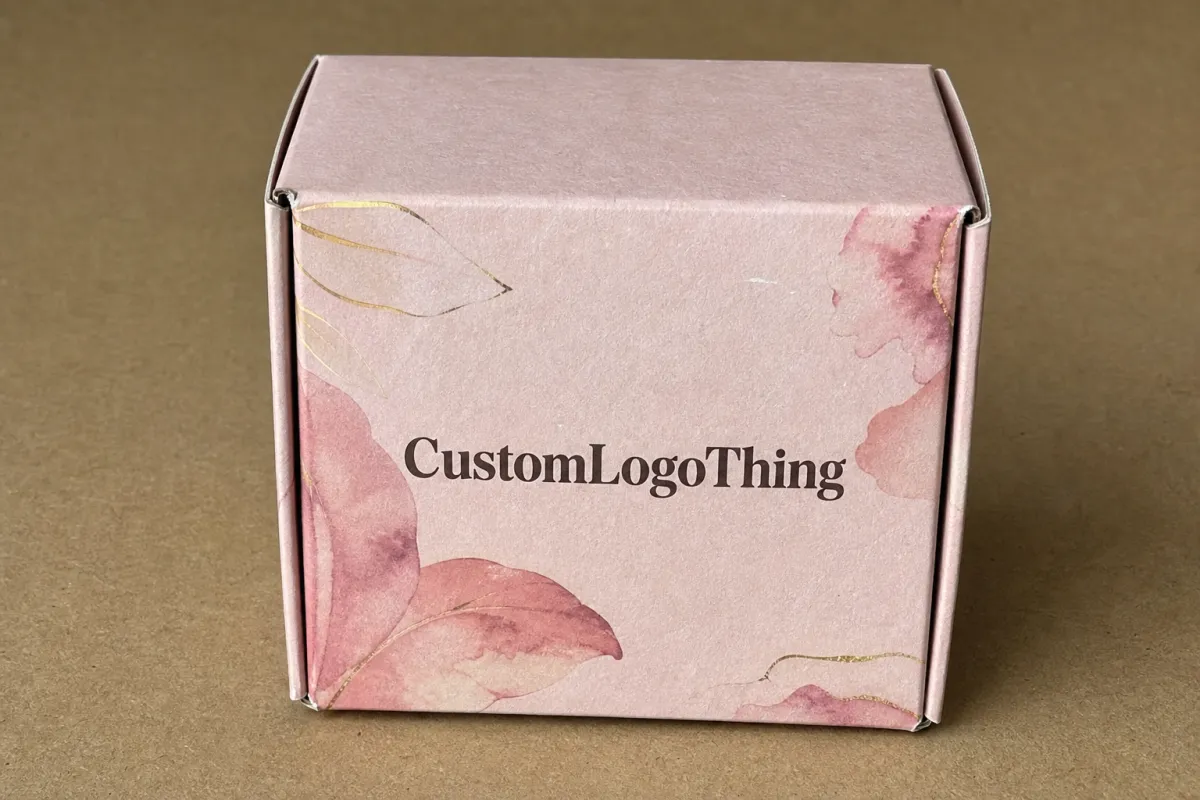
The carton is usually the first thing shoppers judge. Not the serum. Not the cream. The box. A flimsy carton tells a story before the customer ever sees the label copy, and that story is usually not flattering.
Good packaging improves shelf blocking, premium perception, and unboxing value in the same move. A carton with controlled color, crisp folds, and the right finish stands apart from a generic sleeve or a thin folding box that looks tired before the seal is broken. Wholesale ordering matters because it keeps color consistency, structural accuracy, and finish quality aligned across the full run, instead of handing you fifty clean cartons and the rest as near-misses.
Beauty brands also need packaging that behaves operationally. A launch batch, a retail refill, and a seasonal order should look identical, stack the same way, and survive the same handling path. That repeatability is the real promise behind printed cosmetic cartons wholesale. The box should not change personality from one order to the next.
Buying usually comes down to a blunt set of tradeoffs. Heavier board raises shipping weight. Foil stamping and soft-touch lamination push the unit price up. Lower quantity spreads setup costs across fewer cartons. None of that is mysterious. It just needs to be priced with clear eyes and a realistic margin target.
A cosmetic carton that misses on fit or finish is not a branding asset. It is scrap with a logo on it.
Wholesale packaging works best when it is treated like a specification exercise, not a mood board. If the carton needs to sell the product and protect margin, every spec has to earn its place.
If you are still mapping out your packaging program, our Wholesale Programs page is a practical starting point for comparing order structures before you commit to a run.
Printed Cosmetic Carton Styles, Materials, and Finishes
Not every carton structure belongs on every beauty product. A lipstick does not need the same box logic as a glass cream jar, and a serum dropper should not be packed like a lightweight sachet. Good packaging starts with the structure.
Carton styles that show up most often
Tuck end boxes remain the workhorse for many cosmetics. They are economical, print well, and move quickly through assembly. Reverse tuck boxes fit lightweight products and retail-ready presentations. Auto-lock bottoms make more sense for heavier items because the base handles packing stress better. Sleeve boxes create a cleaner reveal and a more deliberate unboxing moment, though they often demand tighter tolerances and more labor. Rigid-style presentation cartons sit at the premium end and are better for gift sets, limited editions, and higher-margin lines.
The structure should match the product weight and the brand position. A lightweight 30 ml bottle in a simple tuck box is normal. A heavy cream jar in a weak sleeve is asking for trouble. A carton does not need to feel overbuilt, but it should not fold in on itself the moment someone handles it twice.
Paperboard choices that matter
SBS (solid bleached sulfate) is a common choice for printed cosmetic cartons wholesale because it prints cleanly and gives a bright, polished surface. C1S and C2S boards work when a brand wants one printable side or both sides with different effects. Kraft board fits natural or minimal branding, though it will not give the same color intensity as coated white board. Specialty boards can create a distinct feel, but they usually belong in premium lines rather than the budget core range.
The right board usually comes from three questions: How heavy is the product? How much brightness does the brand need on shelf? How much abuse will the carton take in transit and at retail? Answer those honestly and the board choice gets easier fast.
Finishes that earn their keep
Matte lamination gives a controlled, quiet look and usually hides scuffs better than gloss on dark artwork. Gloss lamination pushes color harder, which helps bright branding and high-contrast graphics. Soft-touch coating adds a velvety feel that buyers notice immediately, though it can show marks in some handling environments. Foil stamping works well for logos, borders, and small accents. Embossing and debossing add tactility and depth. Spot UV can make selected elements stand out, but too much of it turns the carton into visual static. Window patching lets customers see the product while the carton stays closed.
Not every finish improves sales. Some only improve the invoice. The useful question is whether the finish adds shelf clarity, tactile value, or brand recognition. If it does none of those things, leave it off and put the money into board quality or print control instead.
Design choices that affect production
Full-coverage artwork increases setup sensitivity and makes color matching more exacting. Minimal branding can look elegant and is often cheaper to print, especially on kraft or monochrome stock. Inside printing adds a nice surprise during unboxing, but it also adds ink coverage and another production step. Carton inserts may be needed for bottles, tubes, or compacts if movement inside the box would cause scuffing or breakage. Barcode space, legal copy, and ingredient panels also need to fit without crowding the design.
The best packaging design is not the loudest one. It is the one that gives the product enough room to breathe while still carrying all required information and the right visual cues.
| Carton Type | Best For | Typical Cost Level | Notes |
|---|---|---|---|
| Reverse tuck box | Lightweight skincare, sample kits | Low | Easy to run, good for simple graphics and controlled budgets |
| Auto-lock bottom box | Heavier bottles and jars | Medium | Stronger base, better for fulfillment and shipping stress |
| Sleeve box | Premium sets, gift packaging | Medium to high | Strong shelf appeal, but tighter tolerances and more labor |
| Rigid-style carton | Luxury lines and presentation kits | High | Premium feel with higher material and assembly cost |
Specifications That Matter: Size, Print, and Compliance
Size accuracy is non-negotiable. Cosmetic cartons are usually built around the product's outer dimensions plus a little clearance for insertion, tissue, or a molded insert. Too tight and the corners crush. Too loose and the box feels cheap, which is just another way of saying the product is now fighting the package instead of sitting inside it.
For a printed cosmetic cartons wholesale quote, size should be confirmed before anyone starts talking about finishes. A carton for a 30 ml bottle does not behave like one for a 100 ml jar. Height, width, and depth all change the fold, the seam placement, and the amount of stress the corners carry during packing.
Print details to lock before quoting
Confirm the artwork format, bleed, dieline, color system, number of printed sides, and any special ink requirements. If the design uses metallic ink, white underprint, or multiple spot colors, say so early. Those details affect press setup, proofing time, and how closely the final carton matches the mockup.
Color control deserves special attention. Beauty buyers care about tone, not just hue. A blush carton that prints muddy makes the brand feel tired. A cleanser box that shifts too warm can clash with the rest of the line. If color fidelity matters, ask for proofing under the right light and do not treat a screen preview as final approval. Screens lie. Boxes do not.
Compliance and labeling
Cosmetic packaging needs room for the practical stuff: barcode placement, ingredient panel, batch coding, country-of-origin marking, and any warning text required for the market. If the carton is for regulated beauty products, the layout must leave enough space for those elements without turning the design into a legal notice with a logo attached.
Some buyers also need sustainability documentation. If the carton uses certified fiber, ask whether the board can support FSC certification claims and how that should appear on-pack. If your team wants broader packaging and labeling context, the Institute of Packaging Professionals is a useful industry reference.
Performance matters too
There is no point in producing a lovely carton that scuffs after one warehouse move. Ask about carton strength, surface resistance, and whether the finish holds up under humidity or cold storage. If the product will move through fulfillment centers or retail display, the box should be tested for real handling, not just admired under studio lighting.
Some buyers run packaging through standards-based testing. ISTA protocols help with transit performance, and related packaging materials testing often follows ASTM methods depending on the product and the supply chain. If your cartons are traveling far, those tests are not decorative extras. They are the difference between a controlled launch and a damage claim. For transit standards, see ISTA packaging testing resources.
Printed Cosmetic Cartons Wholesale Pricing, MOQ, and Quote Drivers
Here is the part most buyers really want: the money. Pricing for printed cosmetic cartons wholesale is driven by material, structure, print coverage, finishing, quantity, and shipping. If a quote looks unusually low, one of those pieces is usually missing, downgraded, or hidden in the fine print. Packaging quotes are rarely magical. They are arithmetic with a sales pitch layered on top.
Typical price ranges by complexity
For a simple folding carton on standard coated board with CMYK print, a realistic wholesale range might sit around $0.18 to $0.40 per unit at 5,000 pieces, depending on size and artwork coverage. Move into foil stamping, embossing, soft-touch coating, window patching, or heavier board, and the range often shifts to $0.55 to $1.25 per unit or more. At lower quantities like 500 to 1,000 units, unit costs rise quickly because setup costs are spread across fewer cartons.
That range is not a promise. It is a buying reality. The exact number depends on what the factory is being asked to do. A small lipstick carton with one-color print will not price like a large serum box with multiple finishes and an insert.
MOQ is not just a number
Most wholesale runs start around 500 to 1,000 pieces per SKU, though some suppliers can go lower for very simple cartons or digital print work. MOQ is not there to make life difficult. It exists because die-cutting, plate setup, proofing, and finishing all take time and labor. If you order fewer boxes, that setup cost carries more weight on each unit.
Higher runs reduce the per-unit cost, but only if the inventory is actually needed. There is no prize for tying up cash in cartons that sit in storage for six months. Smart buyers match quantity to launch velocity, reorder rhythm, and warehouse space. Common sense still pays better than optimism.
What drives the quote up or down
- Material choice: SBS and coated board usually cost more than basic uncoated stock, but they also print better.
- Structure: Simple tuck boxes are cheaper than auto-lock bases, sleeves, or rigid-style builds.
- Print coverage: Full-coverage art and multiple color hits increase press complexity.
- Finish: Foil, embossing, soft-touch, spot UV, and window patching all add cost.
- Quantity: Larger runs improve unit pricing; smaller runs punish the setup cost.
- Shipping: Freight can swing total landed cost more than buyers expect.
Good quote requests are specific. Include exact size, quantity by SKU, board type, number of print sides, finish requirements, shipping address, and sample expectations. If you want printed cosmetic cartons wholesale pricing that can actually be compared, the request has to be clear enough that two suppliers would answer the same thing. Vague briefs produce vague numbers. Then everyone pretends to be surprised.
| Scenario | Approx. Unit Price | MOQ Range | What Changes the Price |
|---|---|---|---|
| Simple folding carton | $0.18-$0.40 | 500-5,000 | Board type, size, print coverage |
| Mid-tier branded carton | $0.40-$0.80 | 1,000-10,000 | Matte lamination, spot UV, heavier board |
| Premium cosmetic carton | $0.55-$1.25+ | 1,000-20,000 | Foil, embossing, soft-touch, insert, specialty build |
Process, Timeline, and Lead Time for Wholesale Orders
Wholesale packaging moves faster when the buyer understands the sequence. The usual flow is brief, quote, dieline, artwork check, proof or sample, production, finishing, packing, and shipping. If you know which stage you are in, you stop waiting for the wrong thing.
Simple printed cartons can move quickly. Special finishes, custom structural changes, and inserts slow things down. Lead time is not only production time; it also includes artwork correction, proof approval, and transit. That difference matters. A factory may finish on schedule and the cartons still arrive late because freight was treated as an afterthought.
Where delays usually happen
Most delays come from the same few mistakes: missing dieline measurements, low-resolution artwork, late color corrections, and compliance edits that show up after the proof is already circulating. Every one of those problems is avoidable. Each one is also expensive, because a correction can trigger another proof round or reset the production schedule.
Here is a practical timing range:
- Simple cartons: often 10 to 15 business days after proof approval.
- Cartons with special finishes: often 15 to 25 business days.
- Complex premium cartons: often 20 to 35 business days, depending on structure and volume.
- Shipping time: separate from factory production, and it can vary widely by route and mode.
Rush orders are possible in some cases, but not if the artwork keeps changing every two days. That is not a lead time problem. That is a decision problem.
A better timeline mindset
Lock the specification first. Approve the proof early. Then let production run. The fastest carton is usually the one that was not redesigned after the quote was approved. Exciting advice? Not really. Useful? Very.
If your launch date is fixed, build in buffer time for transit, customs, and a reprint margin if the product line is critical. Beauty brands often underestimate how much a carton delays or protects a launch. The box is not the whole launch, but it can absolutely wreck one.
Why Choose Us for Printed Cosmetic Cartons Wholesale
Beauty brands do not need packaging poetry. They need cartons that arrive correct, match the spec, and repeat cleanly on reorder. That is the basic promise. Everything else is decoration.
What matters in a supplier is consistency. Consistent color. Consistent cut. Consistent folding. Consistent communication. A supplier who understands cosmetic cartons knows how to balance shelf appeal, structural strength, and production efficiency without turning the quote into a guessing game.
What buyers usually care about most
Sampling support matters because it lets you compare paper stocks, construction choices, and finish options before you commit to a full run. Proofing support matters because it catches mistakes in artwork, barcode placement, and legal copy before they get printed on 10,000 boxes. Reorder consistency matters because your third run should match your first one, not drift because the setup notes were vague.
A packaging partner should also be able to handle multiple SKUs without losing the thread. That matters for skincare lines, gift sets, and seasonal packaging, where one brand may need a family of cartons that still look related. Keeping those specs aligned prevents the shelf from looking like a random assortment of products that merely share a logo.
What a good wholesale partner should provide
- Clear dielines and structural guidance before production.
- Material options that match your product weight and brand feel.
- Accurate print setup and color control.
- Reasonable MOQ choices for launches and reorders.
- Transparent timeline expectations.
- Support for both value-driven and premium cosmetic packaging.
Wholesale packaging is most useful when a supplier can keep brand standards steady as the line grows. That sounds simple. In practice, it saves money, prevents rework, and keeps the product family looking deliberate instead of improvised.
If you want to compare ordering paths, materials, or replenishment structures, our Wholesale Programs page lays out the practical options without fluff.
Next Steps: How to Order Without Guesswork
Start by auditing the product itself. Measure the bottle, jar, tube, or compact accurately. Then decide what the carton has to do: protect the product, strengthen shelf presence, support premium branding, or all three. A serum carton, a lipstick carton, and a cream carton do not need the same spec sheet. They should not be ordered as if they do.
Next, prepare a clean request. Include product dimensions, carton style, quantity, print sides, board preference, finish requirements, artwork status, shipping destination, and any compliance text. The better the request, the better the quote. That is not marketing advice. That is how manufacturing actually works.
Request a sample or digital proof before full production. Check the fit, the color, the barcode placement, the copy, and the finish under real lighting. Do not approve packaging because it looks nice on a monitor. Monitors are not warehouses. They are not retail shelves either.
Then compare three versions: one simple, one premium, and one cost-saving option. That gives you a useful range instead of a single number that may be too expensive or too stripped down. The goal is not the fanciest carton. The goal is the carton that protects margin and still looks like it belongs on the shelf.
That is how printed cosmetic cartons wholesale orders get done without drama: correct specs, honest pricing, realistic lead times, and a supplier who knows what a cosmetic box has to survive before it reaches a customer.
FAQs
What is the usual MOQ for printed cosmetic cartons wholesale?
Most wholesale runs start around 500 to 1,000 pieces per SKU, but the real MOQ depends on carton size, print setup, and finishes. Simple cartons with standard CMYK print are easier to order in smaller batches than Cartons with Foil, embossing, or custom inserts. If you need several SKUs, ask whether the supplier can split quantities across sizes or keep one master spec to reduce setup costs.
Which material works best for printed cosmetic cartons wholesale orders?
For most beauty products, SBS or coated paperboard is a strong starting point because it prints cleanly and feels polished. Kraft works better when the brand wants a natural, muted look, but it will not deliver the same bright color pop as coated board. Heavier items or premium lines may need a stronger board or reinforced structure so the carton does not crease in transit.
How long does production usually take for cosmetic cartons?
Typical production is often measured in business days after proof approval, not from the first email. Simple cartons move faster than projects with special finishes, complex structures, or compliance edits. Shipping time is separate, so buyers should ask for both factory lead time and transit time before setting a launch date.
What details are needed for an accurate quote?
Provide the exact product dimensions, carton style, quantity, board type, print sides, and finish requirements. Include artwork status, sample needs, shipping destination, and any regulatory text that must appear on the box. The more specific the request, the less likely you are to get a quote that falls apart once the design is checked.
Can printed cosmetic cartons wholesale support premium branding?
Yes, if the carton uses the right stock, precise color control, and the right finishing details. Foil, embossing, soft-touch coating, and sharp structural design can make even a simple carton feel upscale. Premium does not have to mean wasteful. The trick is choosing the one or two details customers actually notice.
Printed cosmetic cartons wholesale works best when you treat it like a packaging decision, not a design wish list. Pick the right board, the right structure, the right finish, and the right quantity, then confirm the proof before you spend real money. That is how you get cartons that protect the product, support the brand, and stay inside budget. The most practical takeaway is also the simplest: lock the specs early, because every late change adds cost, time, and risk.