Buyer Fit Snapshot
| Best fit | Printed Eco Labels with Logo for Sustainable Packaging projects where brand print, material claims, artwork control, MOQ, and repeat-order consistency need to be specified before quoting. |
|---|---|
| Quote inputs | Share finished size, material target, print colors, finish, packing count, annual reorder estimate, ship-to region, and any compliance wording. |
| Proofing check | Approve dieline scale, logo placement, barcode or warning zones, color tolerance, closure strength, and carton packing before bulk production. |
| Main risk | Vague material claims, crowded artwork, missing packing details, or unclear freight terms can make a low unit price expensive after revisions. |
Fast answer: Printed Eco Labels with Logo for Sustainable Packaging should be specified like a repeatable production item. The safest quote records material, print method, finish, artwork proof, packing count, and reorder notes in one written spec.
Production checks before approval
Compare the actual filled-product size with the drawing, then confirm tolerance on folds, seals, hang holes, label areas, and retail display edges. Reserve space for logos, QR codes, warning copy, and material claims before decorative graphics fill the panel.
Quote comparison points
Review material grade, print process, finish, sampling route, tooling charges, carton quantity, and freight assumptions side by side. A quote is only useful when the supplier can repeat the same color, closure quality, and packing count on the next order.
Printed eco Labels with Logo carry more weight than their size suggests. I have watched a plain kraft carton move from forgettable to credible with one label placed in exactly the right spot. The box did not change. The budget did not change much either. What changed was the reading of the package: more deliberate, more finished, more trustworthy.
That effect is easy to underestimate. Packaging is often judged in a few seconds, sometimes less, and those seconds are not spent decoding a brand story. They are spent making fast assumptions about care, quality, and fit. A label can influence that judgment faster than a redesign of the carton itself, which is why printed eco labels with logo have become such a practical tool for brands that want lower-impact packaging without making the pack look unfinished.
The material story matters as much as the visual one. Recycled paper, FSC-certified paper, compostable films, and specialty adhesives all behave differently once they leave the sample table. I have seen labels look excellent in prepress and then struggle on a cold chain carton, a textured mailer, or a recycled plastic pack with a low surface energy. The lesson is simple: a label that looks right on screen is not necessarily the label that will survive the warehouse.
For teams comparing formats across a range of products, Custom Labels & Tags is a useful place to compare stock types, finishes, and construction details before narrowing the spec. That kind of early comparison saves time later, especially once artwork, compliance language, and application method all need to fit together.
Printed Eco Labels with Logo: What They Are
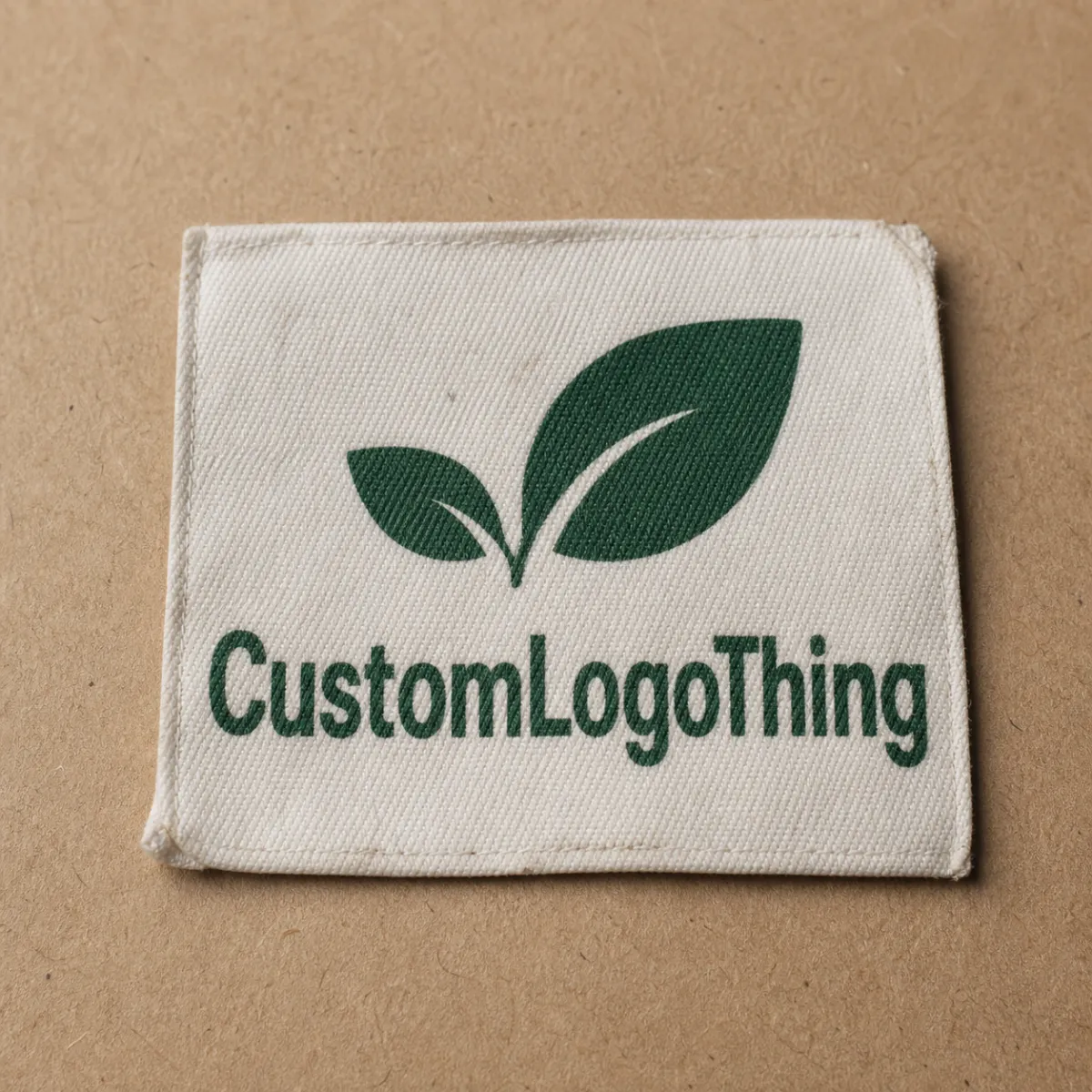
At a practical level, printed eco labels with logo are labels made from lower-impact substrates and printed with brand marks, product details, handling instructions, or regulatory text. The “eco” part usually points to recycled paper, FSC-certified paper, compostable films, or responsibly sourced materials with a reduced material footprint. The logo turns the label from a utility item into a visible brand cue. That sounds small. It changes the whole experience of the package.
A matte recycled stock with a clean logo often reads more confident than a glossy label packed with effects. In my own review of packaging samples, the most convincing labels were often the simplest. They did not try to imitate luxury with excessive finishes. They let the substrate do part of the talking. That restraint is one reason printed eco labels with logo work well on kraft mailers, folding cartons, refill packs, and e-commerce boxes. The label does not compete with the package; it settles into it.
These labels also solve several operational problems at once. They provide branding without covering the full carton. They keep the unboxing route cleaner because the message sits in one controlled place. They can carry lot numbers, batch codes, barcodes, or handling notes without requiring a separate insert. For packaging teams, that combination is useful because it keeps the pack organized while still leaving room for the material to show through.
There is also a trust dimension that brands sometimes overlook. Packaging waste is highly visible, and customers notice when a pack feels overworked. Sustainable materials alone do not create credibility, but visible restraint often does. That is why printed eco labels with logo can feel more honest than a heavily decorated pack that tries too hard to signal virtue. A label can communicate that fewer, better choices were made.
That said, the label has to earn the claim. If the stock, adhesive, liner, and print system are mismatched, the result looks improvised. If they are aligned, the label can make a simple pack feel carefully engineered. The difference is not subtle.
A good label does not shout for attention; it makes the package easier to believe.
That is the baseline. The real test begins in production, because an environmentally minded spec only matters if it performs after it leaves the press.
How Printed Eco Labels with Logo Are Made
The process starts with the substrate. Recycled paper is often the most familiar choice for printed eco labels with logo on corrugated boxes and kraft mailers because it blends well with those surfaces and accepts ink cleanly. FSC-certified paper adds sourcing traceability, which can matter when procurement teams need documented proof of responsible sourcing. Compostable films belong in a narrower category. They can be appropriate for some food, wellness, or short-life applications, but they are not a general-purpose answer.
Material should follow the package, not the other way around. A face stock that looks sustainable on a sample board can still fail on a chilled pack, a textured carton, or a recycled plastic mailer. Temperature, humidity, and surface energy all affect whether the label stays put. When a label is specified for a product that moves through multiple environments, those conditions need to be part of the brief from the start.
Printing method changes both the economics and the finish. Digital printing is usually a strong fit for short runs, variable data, and lower setup costs. Flexographic printing tends to become more efficient at higher quantities, especially when the artwork stays stable and repeat orders are likely. Offset and hybrid approaches can be useful when color consistency or fine detail matters. The right method depends on run size, artwork complexity, and how tightly the logo needs to match across several SKUs.
Inks and coatings deserve more attention than they often get. Water-based systems are common on paper labels. Soy-based inks may reduce reliance on petroleum-derived inputs in some workflows. Low-migration systems matter near food or sensitive products, though the correct spec depends on the product, the container, and the regulatory environment. Matte and uncoated finishes often fit the sustainability story better than high-gloss coatings, but finish still has to match the handling reality. A label that scuffs in transit does not read as thoughtful.
Adhesive choice can decide whether the label succeeds or fails. Permanent adhesives are common for shipping and product labels. Removable and specialty adhesives make sense when reuse, recycling, or clean removal matters. A label on glass may need different tack than one on corrugated board. Cold-chain applications often require adhesives that hold below refrigeration temperatures. Moisture resistance can be decisive too. If condensation breaks the bond, the logo may be perfect and the label will still fail.
After that comes die cutting and print finishing. A clean die line can make printed eco labels with logo feel custom without adding unnecessary complexity. Rounded corners help reduce edge lift. A slightly larger logo improves recognition from a distance. Contrast between the logo and the stock often matters more than adding another ink color. The strongest label concepts are often the ones that allow the material to stay visible instead of hiding it under decoration.
For sourcing and certification questions, buyers usually want documentation that matches the actual material system rather than a generic product sheet. FSC guidance is a useful reference point for responsibly sourced paper, and the framework is available at FSC. For transport durability, the test standards and methods discussed by ISTA often come into play, especially when labels are part of a broader shipping specification.
Key Factors That Shape Performance and Shelf Appeal
Compatibility comes first. A label that works on one surface can fail on another, even if the artwork never changes. Printed eco labels with logo need to match the actual packaging stream. Corrugated fiberboard, coated cartonboard, glass, and certain plastics each bring different adhesion and durability conditions. The package surface sets the terms before the design even enters the conversation.
Durability is not only about shipping. Abrasion during fulfillment can soften fine text. Refrigeration can cause edge lift. Condensation can blur print. Oils from some products can weaken adhesion. Even ultraviolet exposure, while less common for many cartons, can reduce print visibility on labels near windows or in brightly lit retail displays. The label does not need to survive everything forever. It does need to survive the conditions it will actually meet.
Design discipline comes next. Some brands try to make an eco label look sustainable by adding earthy colors, textured effects, and decorative type all at once. The result usually feels busier rather than more credible. Strong typography, a limited palette, and a well-placed logo usually do more work than visual clutter. Many of the best printed eco labels with logo use fewer elements because the stock already communicates restraint.
Claims and documentation are where trust either holds or cracks. Recyclable, compostable, PCR, and FSC claims should reflect the actual label construction. A recyclable face stock paired with the wrong adhesive or liner can create a mismatch. That is not a minor detail. It can change how the package moves through recovery systems. If a buyer is making environmental claims in print, those claims need evidence behind them, not just a green tint or a leaf icon.
Application method is the final technical variable, and it is easy to overlook. Hand-applied labels allow more tolerance for variation, but they also expose every inconsistency in the roll. Semi-automatic applicators need predictable spacing and liner behavior. High-speed lines require even more control. Roll size, unwind direction, core diameter, and label gap all affect performance. It is easy to focus on graphics and forget that the label must physically run through equipment without skew, curl, or stoppage. For printed eco labels with logo, that mechanical fit is part of the brand experience.
A useful rule applies here: the harsher the environment, the less room there is for decorative excess. If the label must survive cold storage or rough distribution, a clean design on a carefully chosen substrate usually outperforms a flashy spec built on a weak adhesive. That is not pessimism. It is what production teaches.
- Surface fit: Match the label to corrugated, glass, coated board, or plastic before choosing artwork.
- Stress test: Check for abrasion, moisture, and temperature swings under real conditions.
- Brand clarity: Use contrast and legibility before special effects.
- Claim accuracy: Make sure sustainability language matches the actual label structure.
- Machine fit: Confirm roll specs if the line is automated.
When those five pieces line up, printed eco labels with logo do more than decorate a box. They help the package function.
Production Steps, Process, and Lead Time
The strongest projects begin with a brief, not an art file. Before asking for quotes, define the package type, application method, storage environment, quantity, and sustainability claim you actually need. That sounds basic, yet it saves real time later. A supplier can only recommend printed eco labels with logo well if the use case is specific.
Next comes specification and proofing. Confirm the substrate, adhesive, size, finish, and print method. Review digital proofs for content, then check physical samples for fit. Screen color can be misleading once it lands on recycled paper, especially if the stock has a warmer tone or visible fiber. If brand color matters, ask for a drawdown or a sample run before approving full production. That step can prevent expensive mismatch across a product family.
Production usually follows a familiar sequence: file prep, plate or digital setup, printing, die cutting, inspection, rewinding, and packing. Each stage adds time. Each stage also creates a chance for delay if the spec is unclear. The fastest way to slow printed eco labels with logo down is to alter artwork after approval or send a sustainability claim that still needs verification.
Lead time shifts with method and material. Simple digital jobs can often move in about 7-12 business days after proof approval if the artwork is ready and no custom tooling is needed. Specialty materials, custom die lines, or layered approval chains can push that closer to 15-20 business days. Flexographic runs often reward stable repeat orders, though the first order still tends to require more setup than buyers expect. If the project involves cold-chain testing or compliance review, add time for that as well.
Where do delays usually show up? Late artwork changes. Missing barcode data. Unclear copy around recycling claims. Unconfirmed label dimensions. Sometimes a buyer approves the logo but not the application method, and the order pauses while everyone decides whether the labels are hand-applied or machine-applied. The production brief should answer those operational questions before quotes are compared.
The short version is straightforward: the more specific the brief, the smoother the run. Printed eco labels with logo are not hard to manufacture, but they are easier to make well when the supplier knows the package, the pace, and the performance expectations from the start.
If a label project starts with “we need something greener,” it usually ends with more revisions than necessary. If it starts with package, environment, and quantity, the path gets much clearer.
For brands comparing label styles side by side, a structured product page helps. The Custom Labels & Tags category can make it easier to compare stock types, formats, and finish options before locking the spec.
Printed Eco Labels with Logo: Cost, Pricing, and MOQ
Pricing for printed eco labels with logo depends on quantity, label size, print colors, substrate, adhesive, finish, and whether the shape needs a custom die. A small one-color label on standard recycled paper will price very differently from a multi-color label on specialty stock with a removable adhesive and a custom outline. Buyers sometimes compare quotes without realizing they are not comparing the same product.
MOQ, or minimum order quantity, works the same way. Smaller runs usually cost more per label because setup gets spread over fewer units. Larger orders reduce unit cost, especially when the same specification runs repeatedly. Digital printing is often better for short runs and SKU testing. Flexographic production becomes more efficient as volume rises. Neither is better in the abstract. The right choice depends on how stable the artwork is and how many labels the brand expects to use before the next change.
Here is a practical comparison buyers can use as a planning reference. These are ranges, not universal quotes, but they reflect the way material and setup usually drive the difference.
| Option | Best Fit | Typical Unit Cost at 5,000 Labels | Notes |
|---|---|---|---|
| Recycled paper, digital print | E-commerce mailers, kraft cartons, short runs | $0.08-$0.18 | Good for flexibility and lower setup; strong fit for simple printed eco labels with logo |
| FSC-certified paper, flexo print | Repeat orders, stable brand systems, higher volume | $0.07-$0.15 | Better economics at scale; documentation helps support sourcing claims |
| Compostable film, specialty adhesive | Short-life products, moisture exposure, select food and wellness packs | $0.14-$0.30 | More demanding material system; test carefully before rollout |
| Premium matte stock, custom die | Gift sets, retail packs, high-visibility branding | $0.10-$0.24 | Can look elevated without glossy waste, but tooling adds cost |
Hidden costs often move a quote more than buyers expect. Artwork cleanup, barcode fixes, compliance review, tooling, freight, and rush charges all matter. A file that looks “nearly ready” on a desktop can still need prepress work before it is press-safe. If the quote does not say whether tooling is included, ask. If the supplier has not confirmed whether samples are chargeable, ask again. That one question can prevent a budget surprise later.
Another procurement habit deserves scrutiny. Many buyers ask for one number and then compare vendors on that line item alone. That is a weak way to buy printed eco labels with logo. A better approach is to request tiered pricing at multiple volumes, using the same substrate, adhesive, and finish across all quotes. That shows the actual break point. Sometimes the lowest quote uses a weaker adhesive or a stock that does not suit the package stream. Cheap is not cheap if it creates rework.
If the label ties into a product launch, pilot the order on one SKU first. That lets you evaluate label cost against real application labor, not just material cost. A label that saves two cents per unit but slows the line or creates rejection waste is not a true saving. In that sense, printed eco labels with logo should be treated as both a packaging component and a production input.
One more practical point: ask for a sample against the real package, not just on a white proof sheet. A recycled stock on kraft board can look very different from the same label on a bright carton. Context changes the result quickly.
Common Mistakes That Undermine Eco Claims and Branding
The most common mistake is a mismatch between the label and the package stream. A label can appear eco on paper and still create disposal problems if the adhesive or liner conflicts with the recycling path. That is why printed eco labels with logo should be reviewed as a full system. Face stock alone does not define recyclability, compostability, or end-of-life behavior.
Overdesign is another frequent problem. Too many finishes, too many colors, and too many decorative layers can erase the very benefits the label is meant to signal. A crowded label on recycled paper often feels less intentional than a clean one-color or two-color build. The irony is hard to miss. Brands spend more to look sustainable and end up looking busier. Better results usually come from restraint.
Skipping adhesion testing costs money. Edges curl. Labels lift in refrigeration. Ink smears under handling. Residue remains on the package. Each problem can make a strong design feel unreliable. In retail, reliability reads as quality. In fulfillment, reliability keeps the line moving. Either way, printed eco labels with logo need to survive more than a single visual check.
Claims without documentation create risk. If a label is described as recyclable, compostable, FSC-certified, or made with post-consumer content, the spec should support that statement. Buyers should ask for documentation that matches the exact material and adhesive system, not a generic material brochure. This matters even more when the packaging team needs to satisfy a retailer, a procurement audit, or internal sustainability reporting.
Ignoring the application environment is a quieter but equally damaging mistake. Labels for frozen goods need different performance than labels for wellness kits, cosmetics, industrial parts, or subscription mailers. Some packages are handled once. Others are touched many times. Some sit in dry warehouses. Others go through condensation, grease, or UV exposure. The environment changes the spec, and the spec changes the brand outcome.
A simple screening question catches a lot of problems: “What will happen to this label between print and the customer’s hands?” That question reveals hidden weaknesses quickly. Printed eco labels with logo should be judged by the full journey, not by the proof alone.
The most expensive mistake is often the reprint that happens after cartons are already moving. The second most expensive is choosing a lower-impact material that cannot survive the actual use case. Sustainability has to function. Otherwise it is only a message with weak logistics behind it.
If you are comparing label families across a broader packaging line, keep one spec sheet open beside the quote. It makes it much easier to see whether you are comparing like with like, or comparing a premium construction against a stripped-down one and calling it fair.
Expert Tips and Next Steps for Ordering the Right Labels
Start with a one-page brief. Include the package material, label size, application method, storage conditions, quantity, print colors, and the exact sustainability claim you need. One page is enough to sharpen supplier conversations and usually shortens the quoting cycle. It also helps prevent scope creep, which is one of the main reasons printed eco labels with logo end up overcomplicated.
Ask for two options. One should be the cost-lean build. The other should be the performance-first build. That comparison turns a vague tradeoff into a visible one. The lower-cost version might use a recycled paper stock with a permanent adhesive, while the performance version adds moisture resistance and a more forgiving adhesive system. The decision becomes concrete instead of abstract.
Before scaling, pilot one SKU. Test adhesion, scannability, color consistency, and customer-facing appearance under normal handling. If the label is for shipping, run a few packed boxes through the same fulfillment route you expect in production. If the label is for retail, place it on the actual shelf packaging and check it under the lighting the customer will see. One pilot often teaches more than a polished mockup ever will.
Ask your supplier for a practical checklist: lead time, MOQ, sample availability, recycling guidance, and whether the quote includes setup or tooling. Good suppliers answer quickly. Strong ones volunteer the details before you ask. For printed eco labels with logo, the right vendor usually asks about the package environment before talking about finish options.
A small habit saves time later: keep a note of what failed in the last label trial. Was it edge lift? Color drift? Poor contrast on kraft board? Incorrect roll winding for the applicator? Those details matter. They turn the next order into an improvement rather than a repeat of the last problem.
My practical advice is simple. Do not buy on appearance alone. Do not buy on sustainability language alone. Buy on fit. If the material, adhesive, artwork, and process all match the package, printed eco labels with logo can deliver strong brand impact without adding unnecessary complexity. That is the balance most packaging teams are actually trying to achieve.
Once the spec is set, request samples, review them against the real package, confirm the claims, and place a small order before scaling. That sequence is slower than impulse buying. It is also cheaper than reprinting a bad run. If you are building a label program across several formats, revisit Custom Labels & Tags as a reference point for the next round of decisions.
Are printed eco labels with logo recyclable?
It depends on the full label system, not just the face stock. The adhesive, liner, and package material all affect recyclability. If recyclability matters, ask for documentation that matches the exact construction of your printed eco labels with logo before you approve production.
What material works best for printed eco labels with logo on shipping boxes?
Recycled paper or FSC-certified paper is often a strong fit for corrugated boxes because it blends well with kraft and prints clearly. Choose an adhesive that holds through shipping abrasion and check whether the box may face moisture or repurposing. For printed eco labels with logo, a real sample test is more useful than a stock description.
How much do printed eco labels with logo usually cost?
Pricing depends on quantity, size, print colors, substrate, adhesive, and whether custom tooling is needed. Smaller digital runs usually have higher unit costs than larger repeat orders, while flexographic runs tend to improve at scale. If you are pricing printed eco labels with logo, ask for tiered quotes so you can compare multiple volumes.
What lead time should I expect for printed eco labels with logo?
Simple digital jobs can often move in about 7-12 business days after proof approval, while specialty materials or custom dies may take longer. If the order needs compliance checks or sample testing, add time for that stage. The fastest way to delay printed eco labels with logo is to finalize artwork after production has already started.
Can printed eco labels with logo still look premium?
Yes. Strong contrast, disciplined typography, a good die-cut shape, and a matte finish can create a premium feel without wasteful decoration. In fact, some of the best-looking printed eco labels with logo are the simplest ones because they let the stock and logo do the work.
Actionable takeaway: before placing an order, test one label on the real package under real storage and handling conditions, then confirm the substrate, adhesive, and claim wording against that result. If those three pieces hold together, the rest of the rollout becomes much easier to trust.


