Buyer Fit Snapshot
| Best fit | Printed Mailer Boxes Wholesale Supplier projects where brand print, material claims, artwork control, MOQ, and repeat-order consistency need to be specified before quoting. |
|---|---|
| Quote inputs | Share finished size, material target, print colors, finish, packing count, annual reorder estimate, ship-to region, and any compliance wording. |
| Proofing check | Approve dieline scale, logo placement, barcode or warning zones, color tolerance, closure strength, and carton packing before bulk production. |
| Main risk | Vague material claims, crowded artwork, missing packing details, or unclear freight terms can make a low unit price expensive after revisions. |
Fast answer: Printed Mailer Boxes Wholesale Supplier: Cost & Specs should be specified like a repeatable production item. The safest quote records material, print method, finish, artwork proof, packing count, and reorder notes in one written spec.
Production checks before approval
Compare the actual filled-product size with the drawing, then confirm tolerance on folds, seals, hang holes, label areas, and retail display edges. Reserve space for logos, QR codes, warning copy, and material claims before decorative graphics fill the panel.
Quote comparison points
Review material grade, print process, finish, sampling route, tooling charges, carton quantity, and freight assumptions side by side. A quote is only useful when the supplier can repeat the same color, closure quality, and packing count on the next order.
The first thing a customer touches is often the mailer box, not the tissue, insert, or packing slip. I have watched that exact moment in sample reviews more times than I can count: the outer carton lands on the table, and within a few seconds people decide whether the brand feels considered or rushed. That one panel can do more branding work than the rest of the packout combined. Choosing a printed Mailer Boxes Wholesale supplier changes the economics because the box is no longer just a carton. It becomes a repeatable piece of branding, a shipping shield, and a clue that the order was handled with care from the warehouse shelf to the customer’s hands.
For Custom Logo Things, the real question is rarely “What does the box cost?” The better question is “What does the finished pack cost after print method, board grade, fold style, freight, and damage risk are all accounted for?” That is where a Printed Mailer Boxes wholesale supplier earns attention. The supplier is quoting more than a carton. The supplier is helping control repeatability, protect margin, and avoid the quiet failures that show up later as crushed corners, color drift, or oversized packouts that waste space and shipping volume.
Why a printed mailer boxes wholesale supplier changes the economics
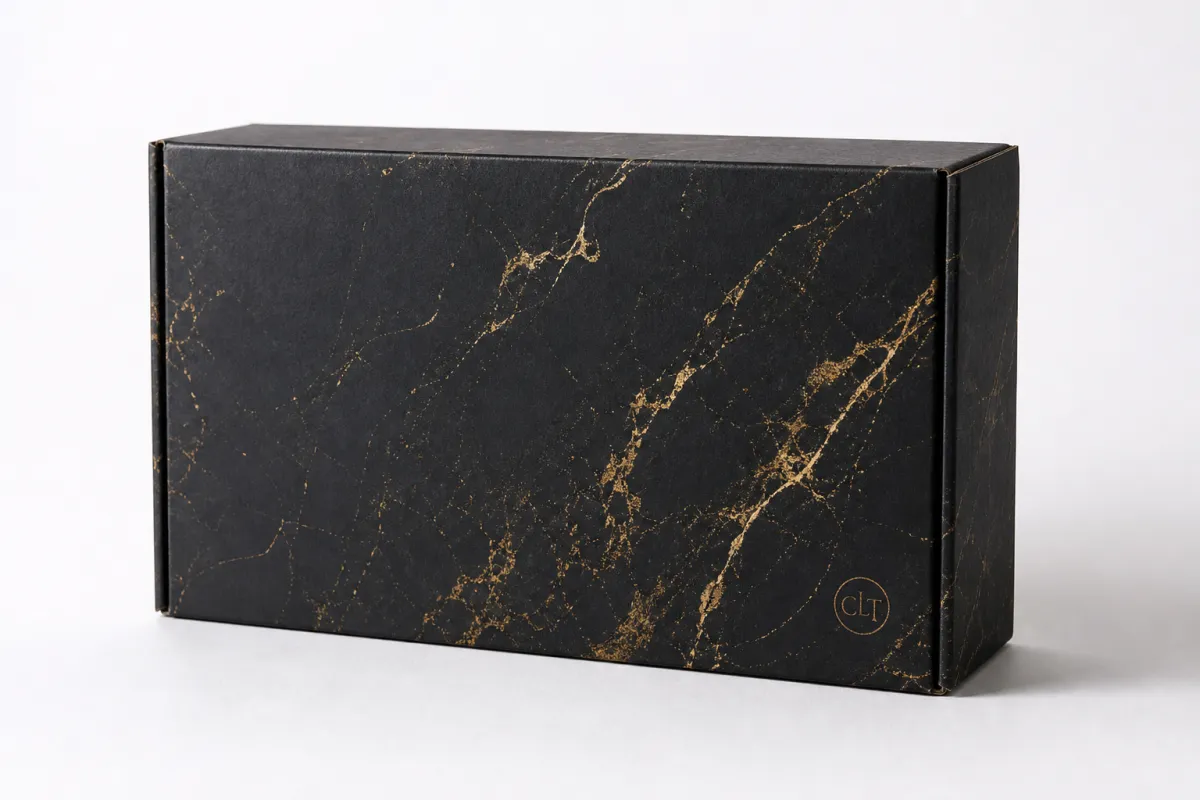
A mailer box is not just a shipping vessel. It often does triple duty: it holds the product, carries the brand, and shapes the customer’s first physical impression. A printed Mailer Boxes Wholesale supplier can turn that surface into a stable asset instead of a one-off expense. Once the artwork is locked and the structure is approved, the economics start to shift. Setup gets spread across more units, color control becomes steadier, and reorders stop turning into redesign projects every time inventory runs low.
The gap between piecemeal buying and wholesale buying is bigger than most teams expect. Spot purchases can work for a test run, but they tend to bring inconsistent board strength, mixed print results, and a higher chance that a box from one run will not match the next. A printed Mailer Boxes Wholesale supplier reduces that drift by holding the specification steady. Same board caliper. Same cut size. Same print placement. Same closure feel. That kind of sameness matters when the packaging has to support a brand over many replenishment cycles.
Subscription kits, ecommerce shipments, promotional mailers, and retail-ready packs all depend on that consistency. A box may be the only branded item a customer keeps after the order is opened. If the exterior looks flimsy or the folds do not line up, the rest of the presentation loses force. If the box is clean, square, and printed accurately, it adds credibility before the product is even visible. A good printed mailer boxes wholesale supplier understands that the box is not decoration. It is part of the commercial job the packaging has to do.
The practical surprise is that the most efficient packaging often needs fewer rescue materials. A strong printed mailer box can cut the need for oversized void fill, extra tape, or secondary outer cartons. That does not mean every pack should be stripped to the bone. It means the packout should be built around a structure that fits the product, protects it through transit, and still looks intentional when it reaches the doorstep. If the fit is off, you are gonna feel it in the packing line immediately.
A well-specified box often saves more money than a smaller print discount, because the real cost shows up in freight, damage, and rework.
If you are comparing sources, think in total pack cost rather than unit price alone. The right printed mailer boxes wholesale supplier can support that view with clear specs, repeatable output, and enough production scale to keep the box from becoming a moving target. Brands that buy multiple packaging formats often review Custom Packaging Products alongside box programs so the whole line stays aligned. For lighter shipments, some buyers also pair mailers with Custom Poly Mailers for orders where weight matters more than rigid presentation.
Printed mailer boxes wholesale supplier product details and build options
A serious printed mailer boxes wholesale supplier should be able to talk through structure before talking about price. That matters because the build style determines how the box behaves under load, how clean the print looks across the panels, and how well the finished carton closes after product insertion. The most common styles include roll-end front-tuck mailers, self-locking mailers, and reinforced mailers for heavier contents or longer shipping routes. Each one has a different balance of speed, strength, and presentation.
Common mailer structures
Roll-end front-tuck boxes are popular because they are easy to assemble and present a neat front face. Self-locking mailers give the packout a firmer closure and can feel more premium in hand. Reinforced versions are worth considering for bottles, multi-item kits, or dense products that put real pressure on corners and side walls. A printed mailer boxes wholesale supplier should help match the structure to the load, not just offer the style that happens to be most familiar.
Board and print combinations
Board choice matters just as much as structure. E-flute corrugated is commonly chosen for print-friendly surfaces and a compact profile, while B-flute can provide more cushioning and stiffness for items that need extra crush resistance. Some jobs use laminated construction to give the outside print surface more visual crispness, especially for retail presentation. The right printed mailer boxes wholesale supplier will explain how board caliper, flute profile, and the final fold lines affect both the appearance and the shipping performance.
For printing, the most common methods are flexographic printing, digital printing for shorter runs, and litho-lam for higher-impact presentation. Flexo works well for solid colors and straightforward logos on larger runs. Digital is useful for shorter quantities, versioned artwork, or launches that need less setup. Litho-lam delivers a sharper premium face by mounting a printed sheet to the corrugated structure, which is often the choice for brands that want a more retail-forward appearance. A good printed mailer boxes wholesale supplier should be able to explain where each method fits, without pretending that one process suits every brand.
| Option | Typical MOQ | Approx. unit range | Best use | Tradeoff |
|---|---|---|---|---|
| Digital print mailers | 250-1,000 | $0.55-$1.10 | Short runs, launches, seasonal versions | Higher unit cost |
| Flexo printed mailers | 1,000-5,000+ | $0.32-$0.65 | Repeat orders, simple graphics, stable branding | Less flexibility for complex art |
| Litho-lam mailers | 3,000-10,000+ | $0.45-$1.25 | High-end presentation, richer color, retail feel | More setup and tighter artwork control |
Finish choices can change the experience more than many buyers expect. Matte coating softens glare and creates a calm, premium look. Gloss can make color pop, which works for brighter graphics or promotional campaigns. Soft-touch adds a muted, tactile feel that some brands love, though it is not always the best choice if scuff resistance or cost control is the priority. Inserts, tear strips, and interior printing can shape the unboxing moment too, but they should be added for a reason, not because they sound impressive in a quote.
For brands focused on sustainability claims, material sourcing should be discussed early. An FSC-certified board option can support chain-of-custody documentation, but only if the supplier can provide the paperwork and the project is set up to use it correctly. You can review certification expectations through FSC. A printed mailer boxes wholesale supplier should be ready to discuss those details plainly, not hide behind vague claims or fuzzy “eco” language that does not survive procurement review.
Specifications that affect fit, strength, and presentation
Inside dimensions matter more than outside dimensions, especially for a printed mailer boxes wholesale supplier quote that will be used for actual packout. Buyers sometimes approve a box based on the outside size alone, then discover that the product, tissue, insert, and secondary pouch leave no room for clean closure. That is how a neat-looking spec turns into a crushed corner or a forced tuck flap. The better approach is to build from the product outward: product size, protective material, space for hand packing, then final box size.
Board caliper and flute profile also influence how the box behaves after printing. A heavier board can add rigidity, but it can also make folds less crisp if the structure was not designed for that thickness. A lighter board may print beautifully but fail to protect a dense product during parcel handling. A thoughtful printed mailer boxes wholesale supplier will check the interaction between print method, board weight, and fold geometry rather than treating them as separate choices. The best result is a box that closes neatly, stacks cleanly, and still looks square after the art has been applied.
Artwork requirements deserve real attention. Bleed, safe area, dieline alignment, and panel placement are not production trivia; they are what keep logos from falling into folds and type from landing too close to an edge. If the graphic wraps around multiple panels, the supplier needs to know how the design will cross the crease. A printed mailer boxes wholesale supplier should provide a dieline and a proof format that shows what will land on each side before the run starts. That is the point where small changes are cheap and big mistakes are still avoidable.
Practical fit checks
From a packaging buyer’s point of view, three checks are usually enough to separate a good spec from a risky one. First, confirm the unit weight and the length of the shipping route. Second, check stacking pressure if the carton will sit in a fulfillment queue or on a pallet. Third, decide whether the product needs tissue, wrap, or an insert, because all three affect the interior clearances. A printed mailer boxes wholesale supplier can help here, but only if the buyer gives exact measurements rather than a rough product size.
For distribution testing, teams often reference ISTA methods or ASTM D4169. That does not mean every mailer needs full lab validation, but it does give a useful frame for thinking about vibration, drop impact, compression, and route severity. ASTM D4169 is a test method, not a promise that every package will survive every lane, so the honest read is still important. A simple ecommerce pack may need only a light test plan. A premium launch kit that ships cross-country may need more scrutiny. A practical printed mailer boxes wholesale supplier will ask about the lane, not just the box.
There is also a presentation side to fit. A box that is technically large enough can still feel loose if the product shifts during transit. A box that is too tight can scuff printed surfaces or crush a top insert. The sweet spot is a structure that gives the item enough room to be packed efficiently while still presenting a snug, intentional reveal. That is one reason a printed mailer boxes wholesale supplier is more valuable than a generic carton source. The supplier is thinking about the shipped object, not just the die cut.
Printed mailer boxes wholesale supplier pricing, MOQ, and quote factors
Pricing for a printed mailer boxes wholesale supplier quote is shaped by a fairly predictable set of variables: finished size, board type, print coverage, color count, coatings, inserts, and production method. The easiest mistake is to compare two quotes that look similar on the surface but differ in structure or finishing details. A box with a smaller footprint but heavier board can cost more than a larger one with simpler materials. Likewise, full exterior coverage and inside print can change both setup time and waste allowance.
MOQ matters because setup costs have to be absorbed somehow. A lower quantity usually means a higher unit price because the supplier still has to create plates, prep the press, or make digital adjustments, and those costs are spread over fewer boxes. Larger runs improve the economics, but only if the artwork and structure are stable enough to justify them. A printed mailer boxes wholesale supplier should be able to explain that tradeoff in plain numbers, not in vague language about “better pricing at scale.”
What should be in a quote request?
For an accurate quote, send finished dimensions, quantity, print sides, artwork files, preferred finish, shipping destination, and any insert or specialty request. If there is a target launch date, include that too. A printed mailer boxes wholesale supplier can often narrow the recommendation quickly if the brief is complete. Missing data usually leads to broad estimates that look helpful but are harder to trust. The more precise the request, the cleaner the reply.
Hidden costs tend to show up in three places. The first is rework from a dieline that does not match the actual packout, which can create revised art and lost time. The second is freight, especially if a box is oversized and adds cubic volume to the shipment. The third is rush handling, which can be unavoidable but should be treated as a premium service rather than a normal part of the order. A disciplined printed mailer boxes wholesale supplier will flag those items before the order is locked.
- Size drives board usage and carton yield.
- Print coverage changes setup, ink, and finishing time.
- Quantity spreads fixed costs across more units.
- Artwork complexity affects proofing and press adjustments.
- Freight profile can alter the true landed cost more than the box price itself.
For many buyers, a price band is more useful than a single number. A simple one-color mailer in a moderate run may sit near the low end of the quoted ranges, while a fully printed, coated, premium mailer with an insert lands much higher. That is normal. The aim is not to chase the cheapest carton; it is to choose a printed mailer boxes wholesale supplier that keeps the spec honest so the price makes sense in context.
If you are building a broader packaging program, compare mailer boxes against other formats in your Wholesale Programs. Sometimes the right answer is a mailer box, sometimes a poly mailer, and sometimes a mixed program that uses each structure where it performs best. A careful printed mailer boxes wholesale supplier will not push one format into every use case just because it is familiar.
Printed mailer boxes wholesale supplier process and timeline
The production path is straightforward, but each step has a place where time can be gained or lost. A printed mailer boxes wholesale supplier usually starts with a spec review, then moves to quote, dieline creation or approval, artwork prep, proofing, production, finishing, and shipment. That sounds simple until artwork revisions begin or the dimensions change after the proof. Then a clean schedule can stretch quickly.
In practice, most delays happen before the press ever starts. A buyer may approve the wrong box size, send art in a non-editable format, or wait too long to confirm the finish. Every one of those choices pushes the order back. The strongest printed mailer boxes wholesale supplier relationships are the ones where the supplier gets the right information early and can lock the build before the production slot opens. Nobody wants to be chasing a box reprint because a logo landed too close to a fold.
Where time is won or lost
Artwork review is often the biggest variable. If the logo is low-resolution, if the dieline is not aligned, or if the color targets are unclear, proofing can take longer than planned. Sample approval can also add time, especially for premium jobs that need a physical sign-off before full production. For launches with a fixed ship date, buyers should build in a buffer rather than assuming the first proof will pass untouched. A printed mailer boxes wholesale supplier can work quickly, but only inside the limits of good preparation.
Lead time depends on the order itself. Simple digital jobs usually move faster than highly customized bulk print projects. A straightforward run may be complete in around 10-15 business days after approval, while more complex orders with coating, inserts, or laminated construction may need longer. Those are planning ranges, not promises, because board availability, proof cycles, and freight routes all matter. The most useful thing a printed mailer boxes wholesale supplier can do is define the schedule clearly before production starts.
For buyers who manage seasonal launches or replenishment windows, the safest practice is to back-plan from the delivery date. Work backward from the launch, subtract proofing time, subtract production time, then add a small cushion for shipping. If the packaging supports a promotion, a product drop, or a subscription schedule, that buffer matters. A late carton shipment can disrupt pick and pack even when the product itself is ready.
Custom Logo Things treats process control as part of the service, not an afterthought. That means clear proof stages, realistic lead-time discussion, and material guidance that fits the shipment rather than forcing a fancy spec where a simpler build would perform better. A reliable printed mailer boxes wholesale supplier should make the job feel orderly, not mysterious.
Why choose us as your printed mailer boxes wholesale supplier
Custom Logo Things is built to support packaging decisions that have to work in the real world. That means repeatable specs, straight communication, and production choices that match the shipment rather than overbuilding the carton and inflating cost. As a printed mailer boxes wholesale supplier, the goal is not to add unnecessary layers. The goal is to help you get a box that looks right, folds right, and ships right.
Brands do not need packaging jargon for its own sake. They need answers to practical questions: Which board holds up under the load? Which print method gives the artwork the cleanest finish for the order size? Which coating will protect the surface without raising cost more than the presentation benefits justify? A good printed mailer boxes wholesale supplier can answer those questions with useful detail, not sales language.
There is also value in coordination. Procurement teams usually care about the same set of details every time: artwork status, box structure, material selection, finish choice, and timeline alignment. When one supplier manages those details well, the whole order becomes easier to control. Fewer surprises show up later in receiving, packing, or customer feedback. That kind of stability is worth a great deal over repeated replenishment cycles.
Our approach is straightforward. We look at the product, the shipping environment, and the brand presentation together. We do not recommend a premium structure if a simpler one will do the job, and we do not under-spec a box that needs real protection. That balance is the core job of a practical printed mailer boxes wholesale supplier, and it is the standard we use across mailer box programs and other packaging formats.
For brands that want to broaden the packaging mix, the same buying discipline can extend to Custom Packaging Products and lower-weight alternatives like Custom Poly Mailers. A smart packaging program uses the right structure for the right shipment, not one structure for every order.
What to do before you request a printed mailer boxes wholesale supplier quote
The cleanest quote process starts before the inquiry is sent. Measure the product carefully, decide how the packout should look, choose a realistic quantity, and gather the artwork files in a usable format. A printed mailer boxes wholesale supplier can move much faster when the request already includes the finished size and the expected use case. Without that, the quote will be broad, and broad quotes are harder to compare.
Ask for three things together: a dieline, a material recommendation, and a production schedule. Those three items keep the quote tied to the actual build rather than a rough estimate. If the product needs tissue, a foldable insert, or protection against corner crush, mention that now. If the box should support a premium unboxing experience, say so early, because that affects finish choice and print method. A printed mailer boxes wholesale supplier can only optimize the package if the project brief is complete.
Do not compare quotes by price alone. Two boxes can look similar in a spreadsheet and be very different in hand. One may use a lighter board. Another may include only exterior print, while the other has inside print and coating. A third may use a tighter dieline that reduces void space and shipping volume. A printed mailer boxes wholesale supplier should be evaluated by the full spec, not just the unit number.
If you are ready to request pricing, send the dimensions, quantity, artwork, and delivery goals first. Include the product weight if you have it, along with any insert or finish requirement that changes the build. That gives the supplier enough detail to recommend the right structure and quote the order accurately. For teams that need speed and repeatability, that is the best way to start a printed mailer boxes wholesale supplier conversation and avoid wasted back-and-forth.
Bottom line: a printed mailer boxes wholesale supplier is most valuable when the box specification, artwork, and production plan are all aligned before the order starts. Send the dimensions, quantity, art files, product weight, and delivery target first, and you give the supplier the information needed to quote cleanly, build correctly, and keep the packaging program steady from one replenishment to the next.
How do I compare printed mailer boxes wholesale supplier quotes?
Compare the same finished size, board grade, print coverage, finish, and quantity across every quote. Check whether the price includes tooling, proofs, inserts, and shipping or only the box itself. Ask for lead time and revision limits so you can compare value, not just the lowest unit price. A printed mailer boxes wholesale supplier should be able to explain each line item clearly.
What MOQ should I expect from a printed mailer boxes wholesale supplier?
MOQ depends on the print method, box size, and whether the order uses digital or more traditional production. Smaller runs are usually possible, but the unit price is higher because setup costs are spread over fewer boxes. If you need multiple designs, ask whether the supplier can combine versions to reach a more efficient run size.
What artwork files does a printed mailer boxes wholesale supplier need?
Vector files are usually best for logos and text, while the dieline should be approved before final layout is locked. Provide color references, bleed, and safe-area details so the supplier can reduce the risk of trim issues. If the design wraps around folds, confirm panel placement before proof approval.
How long is the lead time for printed mailer boxes wholesale supplier orders?
Lead time depends on order size, print method, artwork approval, and whether finishing or inserts are included. Simple orders often move faster than highly customized packaging with multiple coatings or complex structures. Build in time for proofing, especially if the packaging supports a launch date or seasonal campaign.
Can a printed mailer boxes wholesale supplier match my product size exactly?
Yes, a supplier can usually build to your finished product dimensions and account for inserts, tissue, or protective wrap. The key is providing exact measurements and confirming whether you want a snug fit or extra room for packout. Ask for a dieline so you can verify the box closes cleanly before production starts, and send that information early to your printed mailer boxes wholesale supplier so the first quote is useful.


