Buyer Fit Snapshot
| Best fit | Branded Mailer Boxes Wholesale Pricing projects where brand print, material claims, artwork control, MOQ, and repeat-order consistency need to be specified before quoting. |
|---|---|
| Quote inputs | Share finished size, material target, print colors, finish, packing count, annual reorder estimate, ship-to region, and any compliance wording. |
| Proofing check | Approve dieline scale, logo placement, barcode or warning zones, color tolerance, closure strength, and carton packing before bulk production. |
| Main risk | Vague material claims, crowded artwork, missing packing details, or unclear freight terms can make a low unit price expensive after revisions. |
Fast answer: Branded Mailer Boxes Wholesale Pricing: Film, Print, MOQ, and Carton Packing should be specified like a repeatable production item. The safest quote records material, print method, finish, artwork proof, packing count, and reorder notes in one written spec.
Production checks before approval
Compare the actual filled-product size with the drawing, then confirm tolerance on folds, seals, hang holes, label areas, and retail display edges. Reserve space for logos, QR codes, warning copy, and material claims before decorative graphics fill the panel.
Quote comparison points
Review material grade, print process, finish, sampling route, tooling charges, carton quantity, and freight assumptions side by side. A quote is only useful when the supplier can repeat the same color, closure quality, and packing count on the next order.
Branded Mailer Boxes wholesale pricing is rarely just a box price. It is the full cost of getting a product to a customer without avoidable damage, excess filler, or a carton that slows the packing line. The cheapest quote can look excellent on paper and still become a headache in the warehouse.
From a packaging buyer's perspective, the right box has to do three jobs at once: protect the product, support the unboxing experience, and keep fulfillment moving at a steady pace. That is why serious buying usually starts with dimensions, board grade, print method, and freight math rather than broad talk about "custom packaging." Once those pieces are visible, comparison becomes much easier. Hidden variables are where budgets disappear.
A lower unit price is pleasant. A lower total landed cost is better. If the box arrives late, crushes in transit, or forces extra packing labor, the savings were fake.
There is also a practical reality that many teams learn only after the first reorder. The spec that works for 200 units can fail at 2,000 if the carton stacks poorly, ships inefficiently, or prints inconsistently across a wider run. Packaging is not a mood-board decision. It is a supply chain decision with branding attached.
Why branded mailer boxes can lower shipping waste
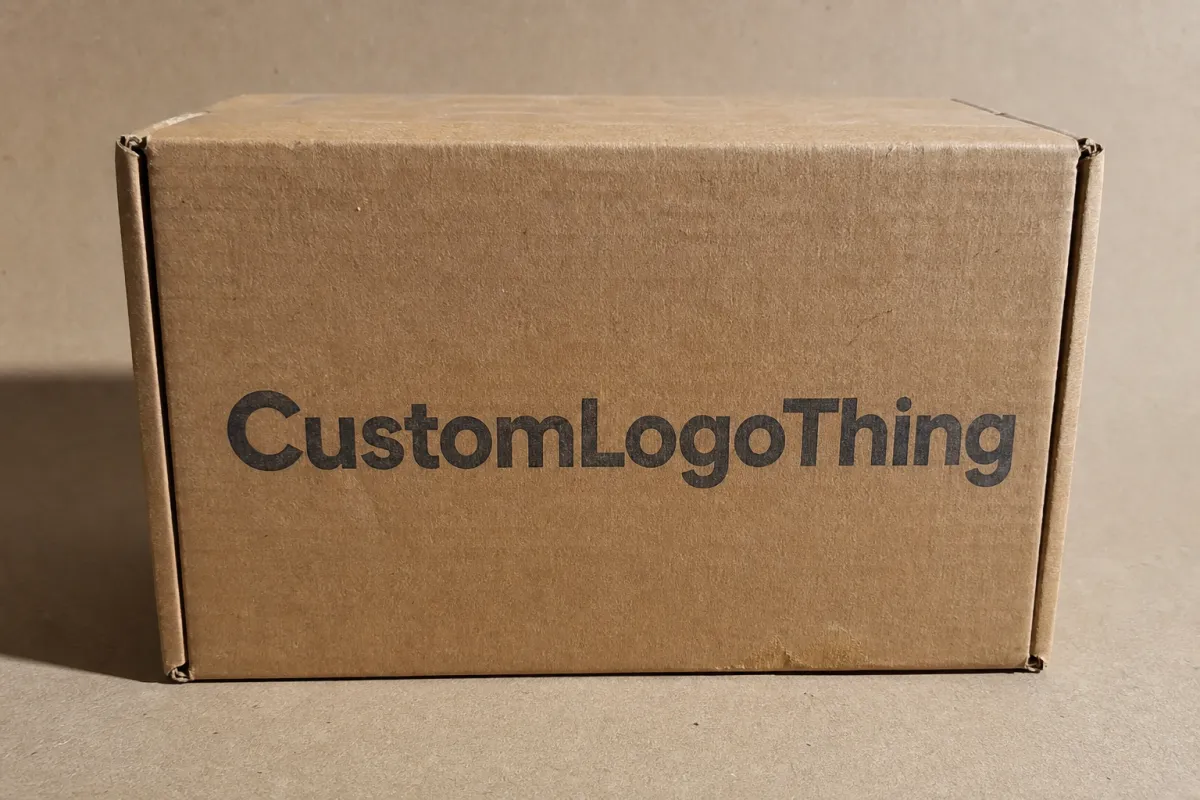
The cheapest mailer box is often the most expensive one once damage, returns, and oversize shipping are counted. That sounds blunt because it is blunt, and the numbers usually support it. A carton that is too large needs more void fill, takes longer to pack, and can push a shipment into a higher dimensional weight bracket. A box that is too small may crush the product or force workers to jam in filler and hope for the best. Hope is not a shipping plan.
A properly sized branded mailer box reduces that waste quickly. Less empty space means less dunnage. Less dunnage means a faster packing station. Faster packing means more predictable output per hour. If the carton size is standardized across a product line, warehouse teams also get better pallet density and easier replenishment forecasting. Those details matter more than people admit when they are reading a quote at 4:45 p.m.
The brand side matters too. The mailer is the first physical touchpoint the customer sees. Plain brown corrugate can work for some products, but it leaves money on the table if the item is premium, giftable, or subscription-based. A clean printed carton tells the customer the brand paid attention to detail. That does not require expensive decoration. It requires restraint, sensible artwork placement, and a box format that matches the product instead of fighting it.
For fragile goods, test data matters more than marketing language. The International Safe Transit Association publishes packaging test standards used to evaluate drop, vibration, and compression performance. If the product breaks in transit, a nicer print finish will not rescue the shipment. Structure comes first, then appearance. That sequence keeps costs sane.
There is also a sustainability angle, but it should be handled honestly. Right-sized corrugated mailers can reduce filler and cut wasted board. Recycled content and recyclable inks are useful. So is avoiding oversized Packaging That Ships air across the country for no reason. If a buyer wants a practical recycling reference, the EPA recycling resources are a good starting point. Sustainability claims only matter when they are tied to actual material choices, not marketing fog.
For brands comparing package formats, the mailer box is not always the answer. Soft goods, low-fragility apparel, and certain accessory kits may be better suited to other formats, including Custom Poly Mailers. The point is to match the structure to the product, not to force every shipment into a box because it looks more premium on a sample table.
Mailer box styles, print methods, and finish options
Buyers usually order three main styles of mailer boxes. The most common is the roll-end tuck front style, which closes securely and ships flat. Another option is a mailer with a separate lid or top panel, often chosen for premium presentation. A third path is a custom die-cut variant, built around a specific product shape or a particular packing workflow. Each structure carries its own cost profile, and each one behaves differently in production and fulfillment.
Print method changes the bill faster than many teams expect. A simple one-color exterior print can be efficient for logos, short text, or a clean pattern. Full-color digital printing gives more visual freedom for short to medium runs, especially when artwork changes often. Litho-lamination creates a premium printed sheet mounted to corrugate and is usually chosen for higher-end presentation. Inside-and-outside print raises both visual impact and cost, so it should be used with purpose rather than as a reflex.
Finish choices also move pricing. Matte coating is common and practical. Gloss creates more shine but can show scuffs. Soft-touch has a velvety feel and usually costs more, yet buyers often want it for premium skincare, gifting, and fashion. Foil stamping, spot UV, and embossing all add setup and production steps. Those effects can look strong when used sparingly. Used everywhere, they usually look like someone tried too hard.
Inserts deserve more attention than they often get. Product trays, dividers, and protective pads can turn a decent box into a better shipping system. If a bottle, device, or kit shifts inside the mailer, no print finish will make that feel acceptable on arrival. Inserts also help standardize packing labor because the product has a clear home inside the carton. That reduces decision-making at the packing bench, where speed gets lost one unnecessary movement at a time.
Use case matters. E-commerce brands usually want a balance of protection and visual appeal. Subscription boxes need repeatable dimensions and print consistency across reorder cycles. Retail-ready shipments may care more about shelf appearance, barcode placement, and how the box opens. A box built for a monthly beauty subscription does not have the same priorities as one built for a small hardware kit. Treating them as identical is how buyers end up paying for features they never needed.
There is a technical wrinkle that is easy to miss: print coverage and finish interact with board color. A dark exterior on a natural kraft liner will not look the same as the same artwork on a white-lined sheet. If the artwork depends on color accuracy, ask which liner, coating, and press process are being used before approving the design. That one question can save a long chain of disappointing revisions.
Mailer box specifications that affect fit and performance
If you want accurate pricing, start with the specs that matter. Inside dimensions are the first one. Board grade comes next. Then flute type, print coverage, closure style, and whether you need inserts or special die cuts. Without those details, a quote is just a guess with better branding.
Size matters more than most people think. A few millimeters can change product fit, packing labor, and freight pricing. If the box is too loose, workers add filler. If it is too tight, the product may rub, tilt, or damage during insertion. Even a small change can affect how many cartons fit on a pallet and how the carton behaves under stack pressure. That is one reason exact internal dimensions are worth measuring carefully before a quote is requested.
Corrugated board options should be selected based on the product, not on habit. Lighter cosmetic mailers often use E-flute or similar fine-flute structures because they present well and keep the box compact. Heavier product kits may need stronger board with better compression resistance. Fragile items benefit from firmer edge stiffness and a design that reduces movement inside the carton. A box that looks thick is not automatically the right choice. The material has to fit the shipping job.
Performance checks matter. Crush resistance affects how well cartons survive stacking. Edge stiffness affects the feel of the box and how it holds its shape during assembly. Adhesive strength matters if the design is glued rather than locked with tabs. Stackability affects warehouse storage and pallet performance. If the cartons bow, bulge, or tear at the closure, they create extra labor and risk. That is not cosmetic. That is operational drag.
Sustainability details are worth including, but only where they are real and relevant. Recycled content can help with sourcing goals. Recyclable inks and paper-based structures support recovery. Finish choices can affect recyclability, especially if they add heavy coatings or mixed materials. The FSC is a useful reference point for responsible paper sourcing, especially if your brand needs chain-of-custody documentation. If you cannot explain the material choice in one sentence, the claim is probably too loose.
One more practical note: ask for the dieline before artwork is finalized. Artwork built on the wrong template creates registration issues, awkward folds, and logo placement that looks off-center for no good reason. Most production headaches start with dimensions that were "close enough." Close enough is a dangerous phrase in packaging.
Buyers who ship a mix of SKUs should also think about SKU families rather than one box at a time. A single carton size that fits three products with a simple insert often beats three separate box designs. It lowers inventory complexity, reduces reorder confusion, and gives the fulfillment team one standard way to work. That kind of simplification rarely shows up in a glossy mockup, but it shows up immediately in operating costs.
Branded mailer boxes wholesale pricing, MOQ, and quote breakdown
Now the part everyone wants first and often asks poorly: branded mailer boxes wholesale pricing. The truth is that unit price only makes sense after size, print method, finish, quantity, and shipping location are known. A small one-color mailer at volume and a premium litho-laminated box with inserts are not even close to the same job. Comparing them as if they are the same is how buyers end up with misleading quotes.
Still, practical pricing bands help. For simple branded mailer boxes with limited print coverage, buyers often see wholesale unit costs in the range of $0.55-$1.20 at moderate volume, roughly 500 to 1,000 units, depending on size and board grade. Full-color digital runs for mid-size cartons commonly land around $1.10-$2.40 per unit in similar volumes. Premium litho-laminated boxes with special finishes, inserts, or more complex construction can move into the $2.10-$4.80+ range. Those are not promises. They are realistic bands that help a buyer avoid fantasy pricing.
MOQ depends on the production method and the complexity of the box. Digital printing can often support lower minimums because setup is lighter. More complex offset or litho-laminated runs usually need a higher order quantity to spread the setup cost. Many custom jobs start around 200 to 500 units, but some suppliers will go lower for samples or test runs, and some will require more if the job is large, highly printed, or structurally unusual. Always ask whether the minimum is per design, per size, or per artwork version. That small detail gets missed more often than it should.
What should a real quote include? At minimum: unit price, setup or plate charges, sample cost, freight, taxes if applicable, and any tooling or die charges. If inserts are part of the order, they should be listed separately. If the supplier is vague about freight, assume the quote is incomplete. Freight can easily add $0.05-$0.60 per unit or more depending on distance, order volume, and the carton footprint. A quote that ignores shipping is not useful for a purchasing decision.
It also helps to know where price pressure comes from. Board costs move with paper markets. Freight changes with distance, fuel, and carton volume. Finishes add labor and setup. Small artwork revisions can create prepress delays, which are not free even when they are not called out on the quote. A good buyer asks not only "what is the price?" but "what changed the price?" That question reveals whether the supplier understands the job or is simply relaying a number.
| Option | Typical wholesale unit price | Common MOQ | Best for | Tradeoff |
|---|---|---|---|---|
| Simple one-color corrugated mailer | $0.55-$1.20 | 200-1,000 | Starter brands, simple branding, repeat shipping | Less visual impact, fewer premium effects |
| Full-color digital mailer | $1.10-$2.40 | 200-500 | Subscription boxes, seasonal graphics, smaller runs | Higher unit price than plain print, especially at low volume |
| Litho-laminated premium mailer | $2.10-$4.80+ | 500-2,000+ | Gift packaging, premium beauty, retail presentation | Higher setup cost, longer production, more freight weight |
| Mailer with inserts or dividers | Base box plus $0.12-$0.90 | Often tied to box MOQ | Bottles, kits, fragile items, controlled presentation | More material, more setup, more assembly decisions |
The biggest mistake is chasing the lowest unit price without checking landed cost. A lower quote may hide freight, higher damage rates, or a longer lead time that forces emergency air shipping later. If you are running a wholesale program, compare boxes the same way you compare inventory: total cost in, total cost out, and the consequences if something slips. That is why smart buyers ask for a full landed-cost breakdown before they sign anything.
For teams building broader packaging programs, it also helps to compare mailers with other formats on our Custom Packaging Products page and review how repeat ordering works through Wholesale Programs. A better sourcing decision usually comes from seeing the whole packaging mix, not just one carton in isolation. That is especially true if your assortment includes cartons, inserts, mailers, and protective packaging all at once.
Process, timeline, and production steps from quote to delivery
A clean order follows a predictable path. First comes inquiry. Then the spec review. Then quoting. After that, artwork checks, dieline approval, sampling, production, and shipping. Each step can move quickly if the information is complete. Each step can also stall if dimensions, artwork, or shipping details are vague. The box does not care about urgency. It only cares about specs.
Lead times vary, but buyers should expect the proofing stage to take a few days if the artwork is clean and the dimensions are final. If the design needs revisions or the dieline needs to be adjusted, that timeline grows. Sampling can add several more days, especially if a physical sample is requested before the full run is approved. Production itself often takes about 12-15 business days after proof approval for straightforward orders, though complex finishes, larger quantities, or seasonal demand can extend that window. Freight time is separate. That last part gets overlooked constantly.
Proofing is where a lot of problems are prevented. A digital proof is usually enough when the order is simple, the dimensions are standard, and the artwork is already set up properly. A physical sample is worth paying for when the product is fragile, the structure is new, or the order is large enough that a mistake would be expensive. Approve dimensions first, then print placement, then finish. If those are not checked in the right order, revisions get messy fast.
Production usually follows a series of steps: prepress, printing, die cutting, gluing, packing, and final inspection. Prepress checks the files and prepares the press or digital setup. Printing lays down the graphics. Die cutting shapes the box. Gluing or locking finishes the structure. Packing bundles the cartons flat for shipment. Final inspection looks for print alignment, glue quality, and structural consistency. A supplier that can explain those stages clearly usually has better control over the process than one that says, "don't worry, we handle it." That phrase tends to appear right before the spreadsheet turns red.
Timeline variables are easy to underestimate. Rush orders cost more because they compress machine time and freight options. Holiday demand can slow everything down because every brand in the room seems to need packaging at the same time. Complex finishes add steps and often require separate production passes. Split shipments, if needed, can create extra freight charges and coordination issues. Overseas freight can be efficient on large orders, but customs, port timing, and inland delivery all add uncertainty. If your launch date is fixed, build a buffer. Hope is not a schedule either.
For fragile products, packaging performance should be checked against the product itself, not just the artwork. Shipping tests, drop testing, and compression testing are often the difference between a box that looks good and one that works under real conditions. That is where standards and practical experience overlap. A box should not only survive a warehouse shelf; it should survive a courier system that does not care about your branding budget.
There is a useful habit among seasoned buyers: request one approved sample, then lock the spec in writing before production starts. That simple step saves time later, especially when a re-order happens six months after the original quote and someone on the team no longer remembers which coating or board grade was chosen. The best packaging files are not just attractive; they are documented.
Why choose us for wholesale mailer box orders
Buyers usually want the same four things: consistent sizing, stable print quality, transparent pricing, and fewer surprises on reorder. That is the bar. It is not glamorous, but it is what keeps packaging from becoming an internal problem every month. When those basics are handled well, the box disappears into the workflow the way it should.
Our approach is practical. We review artwork against the dieline before production, recommend specs that fit the product instead of overselling heavier board than needed, and keep quote details visible so the buyer can see what is driving the cost. That matters because a lot of packaging vendors hide setup, sampling, or freight until the end. Surprise pricing is not a feature.
Quality control is especially important for products that are delicate, premium, or expensive to replace. A lipstick box, skincare set, electronics accessory, or gift kit may all need slightly different board strength and insert support. The packaging should reflect the product risk. Good packaging is not just attractive. It is predictable. Predictability saves labor, returns, and customer support time.
Warehouse reality matters too. If a mailer folds quickly, stacks well, and closes cleanly, the packing team moves faster. If the carton is awkward, workers compensate, and those small inefficiencies pile up. Repeatable carton dimensions also make replenishment easier. That is a boring reason to buy well, but it is usually the right one.
For brands that want proof before scaling up, start with a sample and review a few live examples on our Case Studies page. Real packaging decisions are easier to make once you see how structure, Print, and Shipment durability work together. A sample tells you more than a polished mockup ever will.
There is a wider business benefit that often gets overlooked. When the packaging spec is stable, customer service sees fewer complaints, operations sees fewer packing exceptions, and finance gets more reliable spend forecasts. That kind of consistency does not make headlines, but it is exactly what buyers are paid to create.
How to order branded mailer boxes wholesale without wasting budget
The easiest way to waste money is to request a quote without exact specs. Measure the product first. Confirm the outside shipping constraints next. Decide your quantity bands after that. Then gather artwork files and ask for a quote that includes all the pieces, not just the carton unit price. Good sourcing starts with specifics.
Request at least two or three quotes with identical specs. Same dimensions. Same board grade. Same print coverage. Same finish. Same delivery ZIP code. Otherwise the comparison is pointless. One supplier will look cheaper because they quoted a weaker board, lighter print, or freight from a different zone. That is not a fair comparison. That is just a confusing spreadsheet with a confident tone.
Ask for a sample when the order is large, the product is fragile, or the finish matters to the customer experience. A sample also helps catch issues with fit and closure before you commit to the full run. If the box is too loose or too tight, you want to know while the order is still small. Paying for one sample is cheaper than paying for 2,000 wrong ones.
Plan your reorder timing early. Fast replenishment is cheaper than emergency freight, and emergency freight is almost always a sign that the packaging plan was too optimistic. Wholesale packaging should support the business rhythm, not chase it. If the order repeats regularly, lock in the spec, document the approved sample, and keep the next production window in view before stock gets tight.
Three simple rules usually save the most money:
- Measure exactly. Internal dimensions and product clearance decide the real fit.
- Keep the structure simple. Add premium finishes only where customers will notice them.
- Compare landed cost. Unit price alone is a half-truth with a nice font.
If you are still narrowing the format, compare the packaging role first. For soft goods, a lighter mailer format may make more sense. For breakable products, a corrugated box with inserts may be worth the extra spend. For subscription programs, consistency and repeatability usually matter more than flashy finishes. Those tradeoffs are normal. Good buying is mostly the discipline to Choose the Right compromise instead of the prettiest one.
Before you place an order, write down the three variables that matter most for your product: fit, protection, and presentation. Then rank them. A cosmetic line may care most about presentation, while an electronics accessory may care most about protection. That ranking keeps the quote honest and keeps the final box aligned with the business goal.
When you are ready to move, ask for branded mailer boxes wholesale pricing with exact box specs, exact quantities, and the destination ZIP code. That is the fastest way to get a quote that is actually usable. No guessing. No fluff. Just a clean number, a realistic production plan, and a packaging spec you can reorder without rethinking the whole job.
FAQ
What affects branded mailer boxes wholesale pricing the most?
Size and board grade usually move the price first. After that, print coverage, finishes, inserts, and quantity change the unit cost quickly. Freight can flip a quote from sensible to expensive, so compare landed cost, not just the carton price. That is the part people regret skipping.
What is a normal MOQ for branded mailer box wholesale orders?
Many custom jobs start around 200 to 500 units, but it depends on the box style and print method. Digital runs can often go lower, while more complex offset or litho jobs usually need higher volume. Ask whether the MOQ is per design, per size, or per artwork version, because that detail changes the real commitment.
How long does branded mailer box production usually take?
Proofing can take a few days if the artwork is clean and the dimensions are final. Sampling and approval often add more time. Production and shipping depend on finish, quantity, and freight method, so get a written schedule before you approve the order. If someone gives you only a vague window, push for specifics.
Do inserts and special finishes raise wholesale pricing?
Yes. Foil, embossing, spot UV, and soft-touch all add cost. Custom inserts, dividers, and extra die cuts also raise setup and material expenses. If the budget is tight, keep the structure simple and spend the money where customers will actually notice it, not where it just looks impressive on a quote sheet.
How do I get the best quote for branded mailer boxes wholesale pricing?
Send exact inside dimensions, artwork files, quantity breaks, and the delivery ZIP code. Ask for separate line items for unit cost, setup, sample, and freight. Then compare two or three quotes with the same specs. That is how you get a useful answer instead of a cardboard-shaped guessing game. If you want the cleanest result, branded mailer boxes wholesale pricing should be requested with exact specs, a sample request, and a written production timeline.
What should I do before approving the final order?
Check the dieline, confirm the finish, and verify the packaging performance against the product itself. If the box is going to ship a fragile item, approve a sample before the full run. The cleanest buying decision is the one that can be repeated without another round of guesswork.


