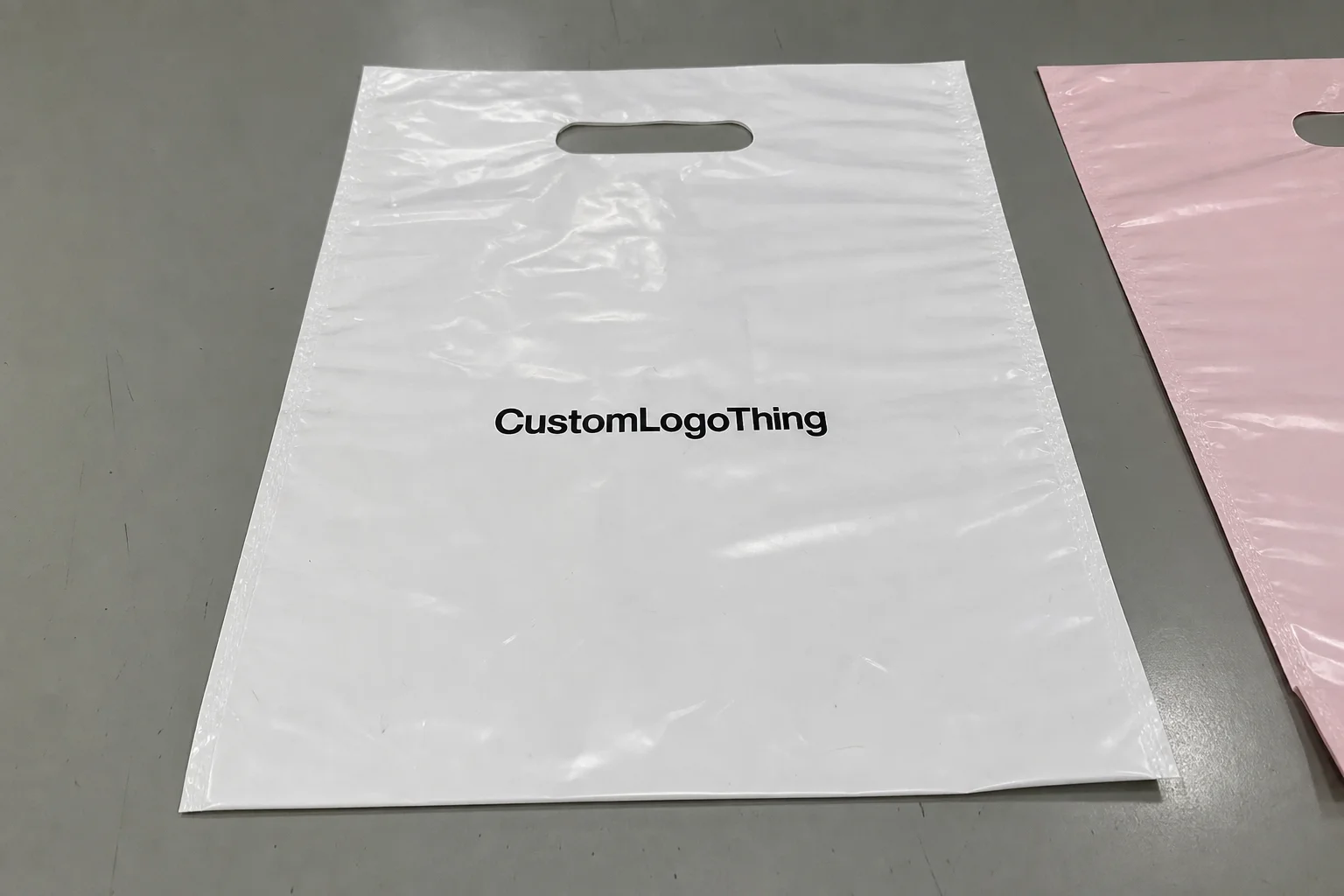
Buyer Fit Snapshot
| Best fit | Printed Mailers for Sample Fulfillment projects where brand print, material claims, artwork control, MOQ, and repeat-order consistency need to be specified before quoting. |
|---|---|
| Quote inputs | Share finished size, material target, print colors, finish, packing count, annual reorder estimate, ship-to region, and any compliance wording. |
| Proofing check | Approve dieline scale, logo placement, barcode or warning zones, color tolerance, closure strength, and carton packing before bulk production. |
| Main risk | Vague material claims, crowded artwork, missing packing details, or unclear freight terms can make a low unit price expensive after revisions. |
Fast answer: Printed Mailers for Sample Fulfillment: Film, Print, MOQ, and Carton Packing should be specified like a repeatable production item. The safest quote records material, print method, finish, artwork proof, packing count, and reorder notes in one written spec.
Production checks before approval
Compare the actual filled-product size with the drawing, then confirm tolerance on folds, seals, hang holes, label areas, and retail display edges. Reserve space for logos, QR codes, warning copy, and material claims before decorative graphics fill the panel.
Quote comparison points
Review material grade, print process, finish, sampling route, tooling charges, carton quantity, and freight assumptions side by side. A quote is only useful when the supplier can repeat the same color, closure quality, and packing count on the next order.
Printed Mailers for Sample Fulfillment: Key Planning Tips
Printed Mailers for Sample fulfillment do more than move a small product from one place to another. They shape the first physical impression before the sample is ever opened. That matters more than many teams expect. A trial-size serum, a swatch card, a sachet, or a mini kit can lose perceived value if the outer package feels generic, crushed, or improvised. The mailer is not just a shipping shell. It is part logistics, part branding, and part evidence that the campaign was planned with care.
The outer package deserves the same discipline as the sample itself. A plain poly mailer may look like the cheapest option, yet cost is not measured only by unit price. A shipment with a weak seal, a bad fit, or a sloppy presentation can reduce response rates and create extra labor at the pack station. Once the outer package has to protect a product, carry a message, and survive carrier handling, the decision starts affecting freight, labor, and customer perception at the same time. Graphics matter. So do size, film gauge, closure type, and the number of steps required to pack each order.
A sample package should feel deliberate, not ornate. The strongest outer mailer protects the contents, keeps fulfillment moving, and makes the shipment look planned from the first glance.
What Printed Mailers for Sample Fulfillment Actually Do
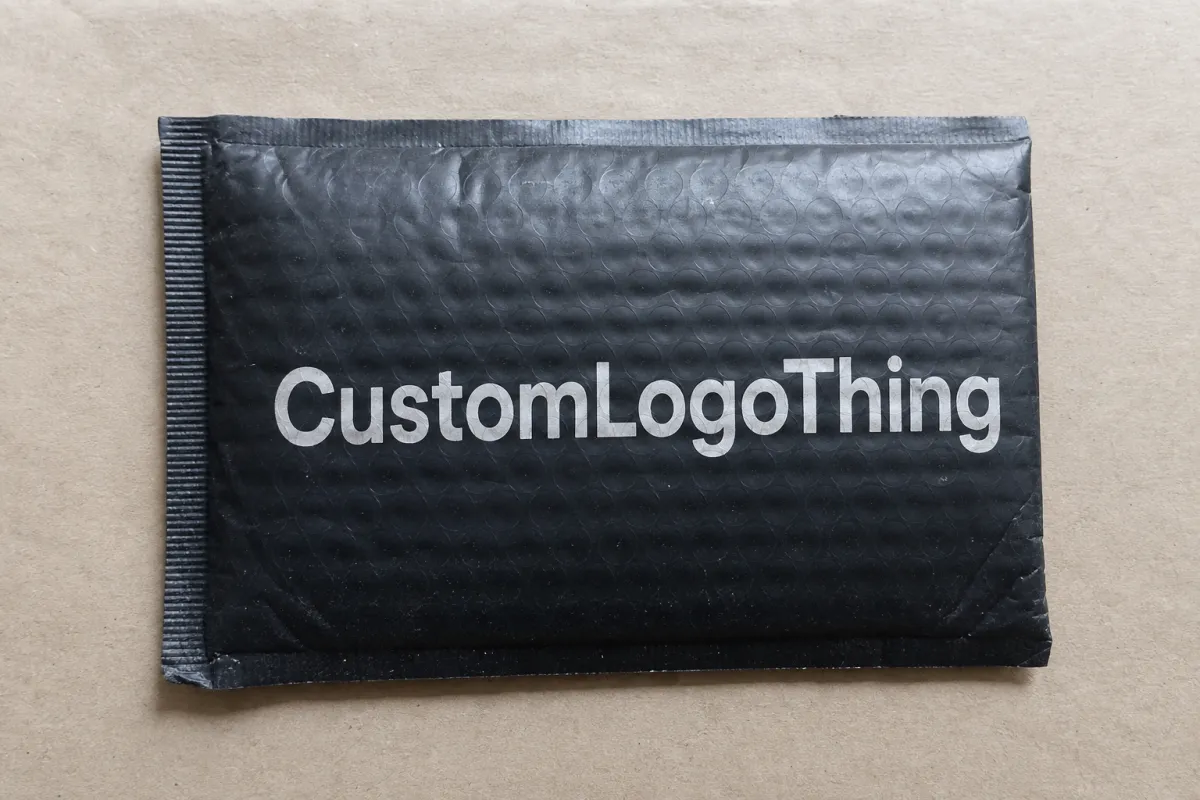
At the simplest level, a printed mailer is a branded shipping shell built to move a sample efficiently while reinforcing the brand the moment it lands. That sounds straightforward. The practical value shows up in three places. It contains the product. It gives the fulfillment team a repeatable packing format. It turns a small shipment into something that feels worth opening instead of something that reads as filler.
Sample shipments sit in a narrow space between promotional giveaway and serious product trial. They are often too small to justify a rigid carton, yet too important to send in an unbranded sleeve if the goal is awareness, conversion, or repeat purchase. Printed mailers for sample fulfillment fit that gap well. They can carry a logo, a short message, a campaign line, a QR code, or a simple visual system without adding the labor and component count of a full box build.
The difference between a plain mailer and a printed one is bigger than appearance. A plain mailer says the shipment needed a carrier shell. A printed version says the sample program belongs to the brand system. That distinction matters most when the sample is the first physical contact with the customer: skincare sachets, fragrance strips, apparel swatches, pet food trials, nutraceutical packets, small hardware kits, or product cards paired with a mini unit.
There is another advantage that tends to get overlooked. Printed mailers reduce material count. Fewer packaging parts mean fewer pick locations, fewer opportunities for the wrong insert to enter the kit, and fewer seconds spent on each order. In a run of 5,000 shipments, a 12-second savings per pack equals 16.7 labor hours. At 50,000 shipments, the same savings becomes 167 hours. That is not a small operational detail; it is a planning variable.
Compared with a rigid carton, a mailer often lowers dimensional weight. Carriers usually price by whichever is greater: actual weight or dimensional weight. A flat, flexible format can protect margin on lightweight samples in a way a box cannot. That is one reason Custom Poly Mailers remain a common starting point for teams that need branding without building a multi-part shipper from scratch.
Fragile, liquid, or scuff-prone samples still need caution. A mailer is not a cure-all. The film gauge, seal design, and inner protection have to match the product risk. Even so, many sample programs benefit more from an orderly, branded outer shell than from extra layers of packaging. The goal is controlled movement, dependable seal performance, and a shipping format that does not slow the line.
How Printed Mailers for Sample Fulfillment Work
The workflow is simple on paper: the sample is inserted, the mailer is sealed, a label is applied, and the shipment moves to sortation and carrier handoff. The value is in the details. A well-sized mailer fits the product without a struggle, leaves the seal area clean, and gives the packer enough working room to move quickly without rehandling the item over and over.
The usual sequence looks like this:
- The sample is picked from inventory or assembled at a kitting station.
- The item is placed into the printed mailer with any card, insert, sleeve, or protective layer required by the program.
- The mailer is closed using an adhesive strip, press-to-close flap, or heat seal, depending on the construction.
- A shipping label is placed on a flat, readable panel.
- The package is sorted by service level and passed to outbound shipping.
That chain looks plain, but the right mailer improves each step. Flexible packaging usually moves faster than a box with void fill, and the difference becomes obvious during higher-volume campaigns. It also lowers the risk of SKU mismatch when several sample variants ship through the same program. The outer mailer can stay constant while the contents change by scent, shade, size, or regional offer. That stability matters when the team is moving quickly.
Three mailer models show up most often. Stock printed mailers arrive in standard sizes with light brand treatment or limited customization. Fully custom runs use your artwork, panel layout, and size specifications. Variable-content campaigns sit between those two options, using one structural format while changing art, copy, or panel content by product line, season, or market. The right choice depends on how often the sample assortment changes and how tightly the outer package needs to match what is inside.
A skincare brand sending one sachet and a promo card may use the same slim mailer across several launches. An apparel company shipping swatches might need a larger format to keep the fabric flat and the card clean. A food brand mailing trial packs may need stronger seals and better barrier performance if aroma or moisture control matters. The package has to fit the product story, not just the product size.
One operational benefit is easy to miss: printed mailers can make training simpler. If every sample kit uses the same outer format, the instructions at the pack station get shorter and clearer. Workers do not need to choose among multiple carton sizes, fillers, or insert combinations. During seasonal spikes or new-product launches, that kind of simplicity cuts error rates faster than decorative packaging ever could.
Testing should follow the logic used in transit standards such as ISTA shipping tests. A mailer has to survive the way parcels actually move, not just look good on a worktable. Abrasion, vibration, drops, and compression are part of the real route. A sample mailer that stays intact through those conditions is earning its keep. A beautiful one that bursts at the seam is a marketing expense with a leak in it.
Key Factors to Evaluate Before You Order
Size comes first. A mailer that is too large wastes material and looks loose. One that is too tight can stress the seam, wrinkle the print, or push the product into the seal area. That risk climbs when the sample includes a rigid card, a thick insert, or a secondary sleeve. Packaging should close with a little room to spare, not with the tension of a wrestling match.
The easiest way to size a mailer is to measure the sample at its thickest point after every insert is added. Do not size only to the body of the product. Include the card, padding, sleeve, and any accessory that ships with it. Leave enough space for a clean seal line and a usable label area. When the product shape is irregular, moving up to the next practical size often saves more time than trying to force a smaller format to behave.
Material choice comes next. Most printed mailers for sample fulfillment use polyethylene film, yet the gauge and structure can vary widely. A lighter film can work for soft goods or paper-based samples. A tougher option may need a 2.5- to 4.0-mil film, coextruded layers, or a tamper-evident adhesive strip. If the sample is moisture-sensitive, scent-sensitive, or likely to puncture, ask what the film actually blocks, not just what it claims on the spec sheet.
Print quality deserves a closer look than many buyers give it. Flexible film does not behave like paperboard. Dense color blocks can show inconsistency, thin type can blur, and full coverage can reveal setup flaws if the print method is not suited to the art. Simple branding often works better than a crowded layout. A strong logo, a clean panel, and one or two controlled colors can look sharper than a package trying to show everything at once.
Sustainability needs a practical lens, not a slogan. A downgauged mailer that uses less plastic may be the better choice, but only if it still performs in transit. PCR content can help, though appearance and consistency vary by supplier. Paper-based options can work for some sample formats, especially when the rest of the kit includes paper inserts or cartons. When paper components are part of the program, certification matters, and the Forest Stewardship Council is a useful reference point for chain-of-custody expectations.
Fulfillment compatibility is often the most practical decision point and the one most likely to be skipped. Will the mailers run through your pack station without jamming? Can labels be applied cleanly? Does the adhesive work with your label stock? Can workers load the product by hand, or does the line need inserting equipment? If any of those answers is uncertain, request samples before placing a large order.
Useful questions to ask before approval:
- What is the finished size, not just the flat size?
- What film gauge is recommended for the sample weight and shape?
- Is the seal tamper-evident, press-to-close, or heat-sealed?
- How many print colors are included in the quoted price?
- Can the supplier show a proof on the actual substrate?
- What is the mailer weight, and how will that affect freight?
If the sample program needs broader packaging support, it helps to compare the mailer against the rest of the system in Custom Packaging Products. That wider view makes it easier to tell whether the mailer should carry the whole presentation or simply move the product cleanly from warehouse to customer.
Printed Mailers for Sample Fulfillment: Process and Timeline
Production usually begins with artwork submission and dieline review. The supplier then prepares a proof, confirms structural dimensions, and moves into print setup. Depending on the print method, that may involve plates, cylinders, digital setup, or a plate-free workflow. After printing, the material is dried or cured, converted into finished mailers with the needed closure features, and packed for freight.
Lead time depends most on four factors: print method, order quantity, material availability, and proof speed. A stock mailer with light customization can move quickly, especially when the artwork is ready and no structural change is required. Fully custom branded runs usually take longer because setup, finishing, and quality checks are more involved.
As a rough planning range, many stock-based or lightly customized mailers can ship in about 7 to 12 business days after proof approval. More complex custom runs often need 15 to 25 business days. That window can stretch if the substrate is special-order, if the artwork goes through multiple revisions, or if freight has to travel a long distance. None of that is unusual. Print production moves at the pace of the slowest step, and packaging lines often juggle several campaigns at once.
Launch planning should work backward from the ship date, not from the day the artwork seems almost ready. That mistake is common. Build in time for proof review, final sign-off, production, inbound freight, and a buffer for one surprise revision. If the mailers support a seasonal push, an influencer drop, or a retail prospecting kit, the calendar also needs room for labor peaks at fulfillment. A mailer that arrives late can stall the whole program even when the samples themselves are ready to go.
A practical sequence helps:
- Set the target ship date for the sample campaign.
- Subtract freight transit time from the supplier to the fulfillment site.
- Subtract production lead time based on print method and order size.
- Reserve time for proof review and internal approval.
- Add a small buffer for reprints, carrier delays, or SKU changes.
The best timeline decisions often happen before the design is finalized. A good packaging partner should tell you whether the artwork will print cleanly on the chosen film, whether the mailer needs a wider seal area, and whether a color block will read correctly on flexible substrate. That becomes especially useful when the campaign depends on crisp branding rather than dense copy.
Sample programs also benefit from pilot testing. Before a full rollout, run a short batch through actual fulfillment conditions. Insert the sample, apply the seal, place the label, and ship a few units through normal carrier lanes. That small exercise can reveal problems with adhesive performance, package stability, and how the finished mailer holds up once different teams touch it.
Cost, Pricing, and MOQ Considerations
Price depends on size, film thickness, artwork complexity, order quantity, and print coverage. A one-color logo on a standard mailer usually costs less than a full-bleed design with multiple colors or special finishes. Film gauge affects the price too. Heavier material costs more, though not always by much compared with the labor and freight cost of a shipment that performs poorly or arrives damaged.
MOQ, or minimum order quantity, is the smallest production amount a supplier will accept. It affects unit cost and storage planning at the same time. A low MOQ helps when a sample campaign is still being tested, but smaller runs often carry a higher per-unit price. A larger run reduces the unit cost, yet it ties up cash and space if the program changes quickly. The right answer depends on how stable the SKU mix is and how often the offer changes.
Quoted pricing should be broken out clearly. Ask for production cost, setup or tooling, freight, and any charge for revisions. A bundled quote can hide the real comparison. A low unit price may be offset by expensive shipping or high setup fees. That happens more often than buyers expect, especially when orders move through several production stages.
A simple comparison shows how the economics can shift:
| Option | Typical MOQ | Typical Unit Cost | Best Fit | Main Tradeoff |
|---|---|---|---|---|
| Stock poly mailer with light custom print | 500-1,000 units | $0.12-$0.28 | Fast sample drops, simple branding, small trials | Less structural flexibility and fewer print options |
| Custom printed mailer | 2,500-5,000 units | $0.18-$0.45 | Recurring sample programs, stronger brand presence | Higher setup cost and more planning time |
| Premium barrier or specialty mailer | 5,000+ units | $0.30-$0.70 | Moisture-sensitive, aroma-sensitive, or fragile samples | Higher material cost and longer lead time |
Those figures are planning ranges, not promises. The real quote depends on mailer size, print colors, recycled content, and freight distance. On a 5,000-piece order, the gap between a basic one-color mailer and a more fully branded version may be small enough that the stronger presentation is worth the extra spend. At smaller volumes, setup charges can dominate the economics.
There is a hidden-cost layer here too. A mailer that reduces inserts, speeds pack-out, and keeps freight dimensions under control may lower the total program cost even when the unit price is higher. That is the comparison that matters. Not just what the mailer costs, but what the sample shipment costs after labor, packing materials, and carrier rates are added in.
For brands testing the waters without overcommitting, starting with one flexible format and comparing it against a second option can be smart. The first run reveals actual pack-out speed, actual shipping weight, and actual customer reaction. The next purchase order can then be sized with less guesswork and fewer surprises.
Common Mistakes to Avoid With Sample Mailers
The biggest mistake is buying on appearance alone. A mailer can look polished and still fail the basics if the seam is weak, the film is too thin, or the barrier does not match the product. A sample that arrives damaged does not care that the proof looked attractive. The package has to survive the trip first.
Poor sizing comes next. Buyers often choose based on flat dimensions and forget how the sample stacks once an insert, card, or cushion layer is added. The result is a package that bulges at the seam, wrinkles badly, or leaves too little room for a reliable seal. A few extra millimeters can prevent a long list of headaches.
Brand inconsistency creates another problem. If the mailer colors do not match the rest of the packaging system, the shipment can feel like it came from a different company. That disconnect becomes obvious in categories where the outer mailer is visible to influencers, retail buyers, or subscription customers. Clean, accurate color reproduction usually beats aggressive artwork that prints unevenly on flexible film.
Overordering wastes money in a different way. A campaign that looks stable during planning can shift once the sample offer changes, the product line expands, or the promotion ends early. Holding too much inventory in one mailer format can leave stale stock on the shelf. That risk grows when the program is still being tested and the final version has not settled yet.
Timing mistakes create their own kind of loss. Approving artwork late, skipping the proof cycle, or assuming every printer can meet the same turnaround compresses the schedule later. If the sample mailer supports a launch date, the supplier’s calendar matters as much as your own. Late artwork often turns into rush freight or a reduced spec, and neither is a good substitute for proper planning.
A final error is failing to test the package under actual carrier conditions. A mailer that looks sturdy on a desk can fail after compression, vibration, and handling. If the sample matters enough to brand, it matters enough to test. A short pilot shipment is cheaper than a full reprint.
Expert Tips and Next Steps for a Better Sample Program
Start by testing one mailer size with two or three sample formats before committing to a larger branded run. That gives a cleaner read on fit, seal integrity, and real pack-out speed. A mailer that works for a sachet may fail for a swatch set or a small rigid tube, even when the weight looks similar on paper.
Ask for a quote that separates unit cost, setup, shipping, and optional upgrades. Transparent pricing makes supplier comparisons much easier. If one supplier is cheaper on product cost but expensive on freight or proofing, the lower offer may not be lower at all. A line-by-line quote usually exposes that gap fast.
Build a packaging spec sheet before you call a supplier. Include outer dimensions, product weight, whether the sample is fragile or moisture-sensitive, print expectations, desired MOQ, and the launch date. One page is enough to cut down the back-and-forth and help the vendor recommend the right film gauge or closure style without guessing.
Use a pilot shipment before scaling. A few dozen test units can tell you more than a proof ever will. Check how the seal holds, whether the label panel stays readable, how the mailer behaves in transit, and whether the unboxing moment fits the campaign. If the sample is meant to build trust, the outer package should not create uncertainty.
For teams still sorting through structure choices, Custom Packaging Products can help frame the decision between mailers, boxes, and hybrid kits. That broader comparison often shows that the strongest packaging is not the most elaborate one. It is the one that fits the product, the schedule, and the budget without adding unnecessary parts.
My practical checklist looks like this:
- Audit the current sample flow and note where time gets lost.
- Measure the sample with every insert included.
- Choose a mailer material that matches the product risk.
- Request a physical proof or substrate sample before approving a large run.
- Test the package through a real carrier lane before scaling.
- Compare total landed cost, not just unit price.
That approach keeps the decision grounded. Printed mailers for sample fulfillment work best when they solve a real operational problem while still making the sample feel deliberate. If the mailer reduces handling, supports the brand, and ships reliably, it earns its place. If it only looks good, the weak spot is probably hiding somewhere else in the process.
Frequently Asked Questions
What size printed mailers work best for sample fulfillment?
Measure the sample at its thickest point after every insert, sleeve, or protective layer is added. The right size leaves room for a clean seal and a flat label panel without crowding the contents. If several sample types will ship from the same program, choose the most flexible size that still keeps fulfillment efficient.
How much do printed mailers for sample fulfillment usually cost?
Price depends on size, film thickness, print coverage, and order quantity. A simple stock format with light branding usually sits in the lower range, while a fully custom or specialty barrier mailer costs more. Ask suppliers to separate production, setup, freight, and rush charges so you can compare quotes accurately.
What is the typical turnaround time for printed sample mailers?
Stock mailers with simple branding usually move faster than fully custom printed runs. Proof approval, print method, and order size all affect lead time. If the sample drop is tied to a launch or seasonal campaign, add extra time for revisions and freight transit.
Can printed mailers protect fragile samples during shipping?
Yes, as long as the mailer material, thickness, and seal strength match the product risk. Fragile items often need an inner sleeve, protective insert, or stronger barrier layer. A small pilot shipment through real carrier lanes is a smart way to check performance before scaling the order.
Are printed mailers for sample fulfillment worth it for small brands?
Often yes. Branded mailers can make a small sample feel more polished and intentional, and they can also reduce pack-out time compared with multi-part packaging. The strongest case is when the mailer improves presentation without adding avoidable cost or complexity.
Printed mailers for sample fulfillment make the most sense when they do three jobs at once: protect the sample, keep fulfillment efficient, and present the brand in a way that feels deliberate. Get those three things right, and the outer package stops acting like an afterthought. It becomes part of the campaign’s actual performance. The best next step is practical: measure the sample with every insert, request a substrate proof, and run a small pilot through your real shipping lane before placing a full order.