Buyer Fit Snapshot
| Best fit | Printed Mailing Bags for Posters projects where brand print, material claims, artwork control, MOQ, and repeat-order consistency need to be specified before quoting. |
|---|---|
| Quote inputs | Share finished size, material target, print colors, finish, packing count, annual reorder estimate, ship-to region, and any compliance wording. |
| Proofing check | Approve dieline scale, logo placement, barcode or warning zones, color tolerance, closure strength, and carton packing before bulk production. |
| Main risk | Vague material claims, crowded artwork, missing packing details, or unclear freight terms can make a low unit price expensive after revisions. |
Fast answer: Printed Mailing Bags for Posters: Film, Print, MOQ, and Carton Packing should be specified like a repeatable production item. The safest quote records material, print method, finish, artwork proof, packing count, and reorder notes in one written spec.
Production checks before approval
Compare the actual filled-product size with the drawing, then confirm tolerance on folds, seals, hang holes, label areas, and retail display edges. Reserve space for logos, QR codes, warning copy, and material claims before decorative graphics fill the panel.
Quote comparison points
Review material grade, print process, finish, sampling route, tooling charges, carton quantity, and freight assumptions side by side. A quote is only useful when the supplier can repeat the same color, closure quality, and packing count on the next order.
Printed Mailing Bags for Posters: Smart Buying Guide
Printed Mailing Bags for posters do two jobs at once. They protect large-format prints in transit, and they put the brand on view before the parcel is even opened. If the spec is wrong, the poster arrives with bent corners, scuffed edges, or a seal that gives up halfway through the route. Packaging does not care how nice the artwork looked in proof.
That is why this choice deserves more attention than it usually gets. The right mailer is not just a wrapper. It is protection, presentation, and packing efficiency rolled into one. For publishers, artists, event teams, and print sellers, getting the spec right can reduce claims, speed up dispatch, and make the shipment feel intentional instead of improvised.
If you are comparing Custom Poly Mailers with poster-specific bags, the real question is simple: how much surface area, stiffness, and brand presence does the product actually need? A 24 x 36 inch campaign poster does not behave like a rolled art print, and a subscription poster drop does not face the same handling as a retail insert. The packaging has to match the route as well as the product.
Branding matters too. A plain outer pack will move the goods, but a printed one can support sorting, strengthen collection identity, and make the unboxing feel like part of the product rather than an afterthought. That matters when posters are sold as collectibles, promotional goods, or premium art editions. In those cases, the outer bag is part of the customer experience, not just shipping waste.
What Printed Mailing Bags for Posters Are
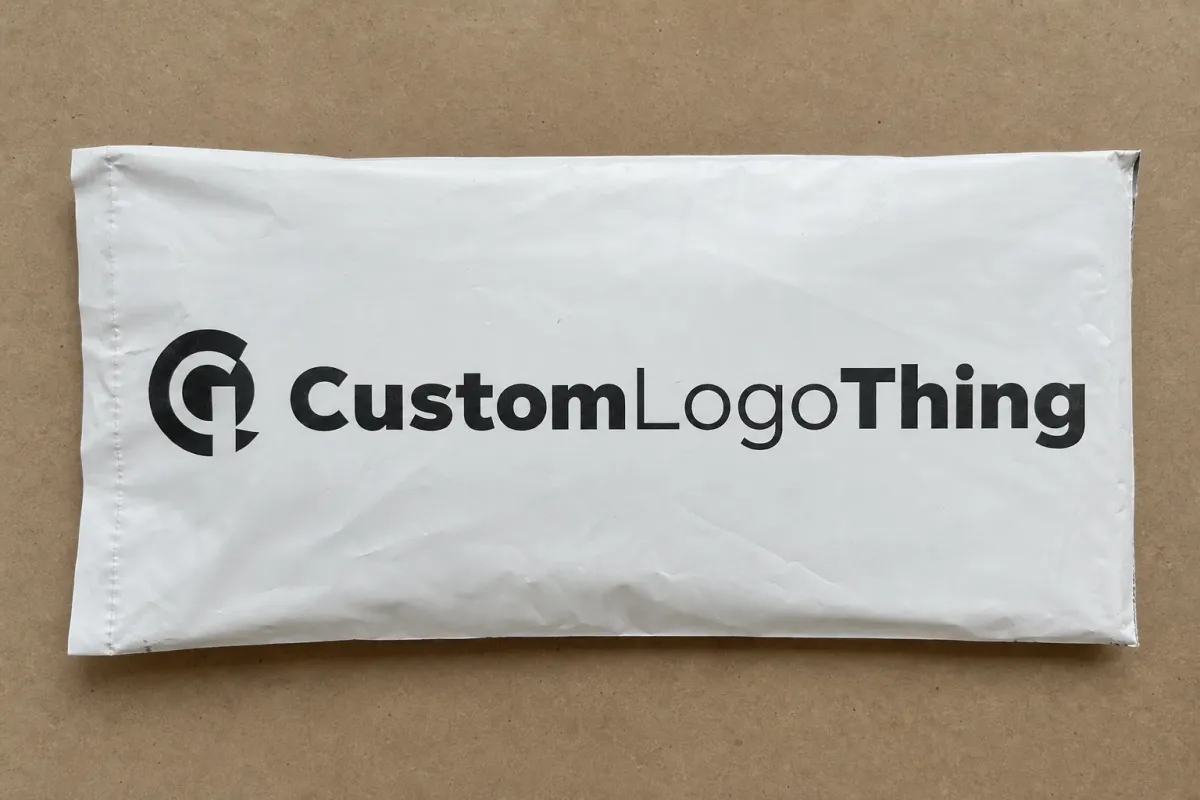
At the simplest level, printed mailing bags for posters are flexible shipping bags made to hold flat or lightly rolled poster stock while carrying a custom printed exterior. The print might be a single-color logo, a full-surface pattern, a dispatch message, or a branded design that turns the outside of the pack into a marketing surface. The bag is usually made from polyethylene film, though recycled-content blends and specialty structures are also common in higher-spec programs.
These bags sit in a narrow but useful lane in the packaging stack. They work well for art prints, campaign posters, retail graphics, event promos, subscription poster drops, and similar oversized items that need to travel without bouncing around in a carton. If the poster is not especially fragile, a properly sized mailer can be faster, lighter, and cheaper to pack than a box.
There are three formats buyers usually compare.
- Flat poster mailers are built for thin, flat presentation and a clean profile. They suit posters that already have backing board or travel in a controlled stack.
- Soft mailers are lighter and more economical. They work well for posters that can tolerate a little flex and do not need hard-sided support.
- Reinforced versions add extra film strength, stronger seams, or a tougher closure. These are better for higher-volume fulfillment or routes where parcels get compressed and stacked hard.
What they do not replace matters just as much. If the print needs board support to stay flat, a standard bag will not magically make it rigid. If the corners are vulnerable, the bag will not act like a corner protector. If moisture is a real risk, the film spec and seal style need to be upgraded, not guessed at. The bag should match the product risk, not the other way around.
For most buyers, the sweet spot is a poster with predictable dimensions, moderate fragility, and a need for branded outer packaging. If the assortment varies wildly, standardizing on a few sizes and using inserts or boards to bridge gaps is usually smarter than ordering a dozen slightly different mailers. Fewer sizes also means fewer mistakes on the packing line.
Packaging takeaway: the bag is not just a shipping shell. It is part of the first impression, and it should be specified with the same care you would give to the poster stock itself.
How Printed Mailing Bags for Posters Protect the Contents
Protection starts with the film. Thickness affects how much scuffing and abrasion the mailer can absorb before the contents show wear. The seal closes the opening and helps keep dust and handling debris out. The outer surface blocks everyday grime, and in many cases it adds basic moisture resistance during normal parcel transit. None of that is glamorous. It is exactly where many packaging failures begin.
Poster damage rarely starts in the middle. It begins at the edges, the corners, or the leading end of the pack where handling forces hit hardest. A bag that is too tight can pinch corners, and an overfilled bag can create pressure points that leave visible edge curl. On a packing bench, that often looks harmless. After carrier handling, it looks like a claim.
That is why width, flex, and seal placement matter as much as the artwork printed on the outside. A pack with enough lateral room lets the poster sit naturally instead of being forced into a stressed shape. A seal placed too close to the contents can create rubbing. A closure that is too weak can open under pressure, while one that is too aggressive can slow packing or force rework.
Rolled shipping and flat shipping solve different problems. Rolled packs are usually better for delicate art, heavier paper, or pieces that need to avoid edge stress. Flat mailing bags can work well for posters that tolerate some flex, especially when a backer board or insert keeps the piece aligned. The wrong choice usually shows up only after the first test shipment. That is why sampling matters so much.
Branding and protection do not fight each other; they should pull in the same direction. A printed exterior can reduce mis-sorts in a warehouse, help staff identify variants faster, and make the parcel feel like part of the collection instead of a generic afterthought. For subscription or campaign drops, that recognition can matter as much as the print itself. A well-branded bag also creates a cleaner handoff at retail counters, mailrooms, and shared loading docks.
Print can do real work too. One-color logos are efficient and usually hold up well. Full-surface graphics create stronger shelf and social impact. Warning text such as "Do Not Bend" can help, although it is not a substitute for proper structure. Ink coverage changes cost and durability as well. Heavy coverage may look richer, but it also adds drying or curing complexity, especially on large-area jobs.
"The cheapest bag is not always the cheapest shipment. If the package fails once, the real cost shows up in replacements, reprints, and time spent fixing something that should have worked the first time."
For buyers who prefer test data over optimism, parcel-oriented trials from the ISTA community are useful benchmarks for handling, vibration, and drop behavior. They will not answer every question about a poster mailer, but they do turn opinions into testable results. For sustainability claims on paper components or branded inserts, the FSC framework remains one of the most recognized references.
Key Factors That Change Fit, Finish, and Durability
Size is the first spec to get right, and it is also the one most buyers flatten into something too simple. The poster's finished dimensions are only the start. You also need insertion allowance, seal overlap, any board or backing material, and enough tolerance that the pack can be filled without forcing the contents. A specification that looks perfect on paper can turn awkward on the line if there is no room for human variation.
A 24 x 36 inch poster might need a bag slightly larger than the nominal size once board thickness and seal room are included. If the artwork is folded, the fold pattern changes the bag geometry again. If the item is rolled, roll diameter becomes part of the calculation. The exact dimensions should come from the actual product, not a generic mailer chart.
Material choice matters just as much. Standard PE film is common because it is economical, light, and printable. Recycled-content blends can support sustainability goals, but they may change appearance, opacity, or seal behavior. Thicker film usually improves tear resistance and feel, though it can also raise unit cost and reduce pack flexibility. If your spec sheet references tensile properties, you may see standards such as ASTM D882 used to describe film strength in a more formal way.
Opacity is practical, not cosmetic. Some buyers want the poster hidden completely for privacy or premium presentation. Others only need enough concealment to keep the contents from showing through in transit. Higher opacity can require different film structures or print coverage. That is why the intended outcome needs to be defined before quotes go out.
Closure style changes both speed and security. Peel-and-seal closures are common because they are fast and familiar. Self-adhesive strips can work well for short-run dispatch or repeat packing, as long as the adhesive is consistent. Tamper-evident seals are better where parcel integrity matters, returns are sensitive, or the shipment passes through many hands. None of those options wins every time. The right one depends on order velocity, risk level, and how much packing labor you can spend per unit.
How print quality affects the final bag
Print coverage, registration, and finish sheen affect the mailer's appearance and its durability. A crisp one-color logo on a clean field can look more premium than a crowded design with too many elements fighting for attention. Registration issues get louder on large prints because even a small shift shows across a broad area. And if a design reaches too close to the seal or fold line, readability can suffer where the film gets stressed.
Finishes matter too. A gloss film can look sharper under retail lighting, while a matte or soft-touch feel can read as more restrained and premium. But finishes are not free. They can add setup complexity, and some coatings or print systems are less forgiving when the bag gets handled roughly. A buyer should always ask what part of the bag is safe to print on and where the critical fold or seal zones begin.
Sustainability and compliance details
Recycled content claims need to be specific. Ask for the percentage, the source, and the documentation trail. If a supplier says the pack is recyclable, clarify whether that refers to the base film, the print compatibility, or local collection rules. A package can be technically recyclable and still miss the mark for a local recovery stream. That distinction matters more than many sales sheets want to admit.
Carrier rules can shape label placement, print placement, and the usable panel size. A beautiful outer graphic is useless if the shipping label covers the only clear area or if barcodes sit on a wrinkled seam. Leave enough blank space for logistics labels, sort marks, and any compliance language your shipping provider requires.
If you are comparing formats across a broader product family, it helps to align poster mailers with the rest of your outer packaging system. That is one reason some brands standardize graphic style across poster bags, accessory mailers, and printed poly mailers rather than treating every SKU as a separate brand event. Consistency also makes reorder planning less chaotic.
Production Process and Timeline for Printed Mailing Bags for Posters
The best production runs start with a clean brief. Before anyone quotes a price, confirm the poster dimensions, quantity, film type, print coverage, color count, closure style, and shipping deadline. If the supplier has to guess at any of those variables, the quote may look attractive and the final result may miss the real use case.
The next step is the dieline or bag layout. This is where the usable print zones, seal areas, fold lines, and any warning copy are mapped out. A clear dieline saves time later because it shows exactly where graphics can and cannot live. For large-format bags, that stage matters even more, because a small misplacement can affect the visible area of the design or the integrity of the seal.
Proofing is where mistakes are cheapest to fix. Digital mockups are useful for layout and copy. Physical samples are better for feel, seal performance, and how the package behaves during real packing. If the supplier can provide a sample, use it. If they cannot, request a short test run before committing to a full order. That extra step often prevents a much more expensive correction later.
Print method shapes the schedule. Digital printing usually fits shorter runs, faster design changes, and lower setup complexity. Flexographic printing can be more economical at higher volumes, especially when the artwork is simple and repeated. The tradeoff is setup time: plates, registration, ink matching, and curing all add lead time. If the design uses large solid areas or specialty inks, drying or curing becomes more relevant.
Lead time is not just print time. It also includes file review, proof approval, setup, production, finishing, packing, and freight. A small order can move quickly if artwork is final and the supplier has stock film on hand. A larger or more complex job may need more setup and more careful finishing. If the bags must land before a launch date, reserve time for shipping. A fast production run can still miss the market window if freight is booked too late.
Typical timelines usually land in this range:
- Digital short runs: often around 7-12 business days after proof approval, depending on artwork complexity and supplier capacity.
- Flexographic orders: often around 12-20 business days after approval, especially if plates or special finishing are involved.
- Samples or pre-production proofs: often 3-7 business days, though this changes with the print method and the number of revisions.
Those are planning numbers, not promises. Freight route, factory workload, and revision count can all move the schedule. The cleanest way to avoid surprises is to treat the delivery deadline as a production constraint, not a wish list.
Before final approval, ask one more question: does the pack still function if the poster is slightly thicker, slightly longer, or slightly more curled than the nominal spec? That one check catches a surprising number of mistakes.
Cost, Pricing, and MOQ Considerations for Printed Mailing Bags for Posters
Pricing for printed mailing bags for posters comes from several moving parts: setup, print method, material thickness, dimensions, quantity, and freight. The unit cost is rarely one number. It is the outcome of all of those choices. A supplier may quote a low price on the bag itself and recover margin through plates, proofing, or shipping, so the full landed cost matters more than the headline figure.
MOQ, or minimum order quantity, is where many first-time buyers get tripped up. A low MOQ helps when you are testing demand or validating a new campaign format. The downside is a higher cost per bag. Larger runs usually lower the unit price because setup cost gets spread across more pieces, but they also increase inventory risk. If the design changes every quarter, too much stock turns into dead weight.
Quote comparisons can mislead unless you compare like for like. One supplier may be quoting a thicker film, another may be quoting a smaller printable area, and a third may have left shipping out of the number entirely. Ask for the same dimensions, the same color count, the same closure style, and the same finish before judging the price. Otherwise, you are comparing apples to a much thinner, cheaper-looking orange.
| Option | Best For | Typical MOQ | Indicative Unit Cost | Tradeoff |
|---|---|---|---|---|
| One-color printed PE mailer | Simple branding, repeat dispatch, controlled budgets | 2,000-5,000 units | $0.08-$0.18 each | Lower setup cost, limited visual impact |
| Full-surface printed mailer | Launches, retail merchandise, collector programs | 5,000-10,000 units | $0.16-$0.35 each | Stronger presentation, higher print and setup complexity |
| Reinforced recycled-content mailer | Sustainability-led brands, higher handling risk | 3,000-8,000 units | $0.12-$0.30 each | Better story and durability, sometimes longer lead time |
| Custom format with tamper-evident seal | Premium or sensitive shipments, controlled distribution | Often 5,000+ units | $0.14-$0.33 each | Security value is higher, but packing is slightly slower |
Note: these are planning ranges, not fixed quotes. Exact pricing shifts with size, print area, film gauge, freight, and approval timing.
Hidden costs deserve attention. Plate charges can pile up on flexographic jobs. Sample fees may be small, but they matter when you are testing several variants. Rush production can raise cost fast, and storage becomes relevant if you over-order just to chase a lower unit price. A buyer who only watches the per-unit number can end up spending more over the life of the program.
If the mailer is part of the brand story, pay for clarity first. A clean print and a sturdy film usually do more for perceived value than a complicated design printed on a flimsy bag. That is especially true for artists, publishers, and merch programs, where the outer package often reaches social media before the poster does.
Good buying judgment is often boring: match the spec to the real product, compare quotes on identical terms, and keep enough margin in the schedule for proof corrections.
One practical way to keep costs under control is to standardize on a few formats rather than ordering a custom size for every title. That approach reduces setup friction and makes reorders easier. If you already use a consistent outer-pack family, your printed poster bags can often share artwork logic with other line items, including Custom Poly Mailers, which keeps procurement and branding aligned.
Common Mistakes When Ordering Poster Mailers
The first mistake is sizing too tightly. A bag that fits on the spec sheet can still be awkward in production. Tight fit increases edge wear, slows packing, and makes the final look uneven. If the contents need a backing board or a small fold allowance, the bag should be sized for that reality, not for the headline poster dimension alone.
The second mistake is overdesigning the print area. Full coverage can look impressive, but extra color blocks, large ink fields, and complicated graphics usually raise cost without improving the customer's experience. For many programs, a clean logo, a bold panel, and one clear message are enough. Better to have a simple design that prints sharply than a crowded one that looks muddy.
Skipping test shipments is another common miss. A package can seem perfect on the packing table and still fail under carrier handling. Corners get compressed. Parcels slide. Belts and bins do not care how carefully the item was packed. A small test batch can reveal whether the seal survives pressure, whether the film scuffs, and whether the label zone stays readable after movement.
Closures deserve more scrutiny than they usually get. Some buyers choose a light adhesive because it is easier to use, then wonder why bags open in transit. Others order tamper-evident seals for low-risk items and slow down every pack line without gaining much. The right choice depends on how often the package is handled, whether returns are sensitive, and how much evidence of interference you actually need.
Then there is the habit of treating all posters the same. Rolled artwork, flat art prints, event posters, and campaign graphics may share a similar size, but they do not share the same risk profile. One may need edge protection. Another may need better opacity. Another may be fine in a lighter mailer because speed matters more than premium feel. A single packaging rule rarely works well for all of them.
There is also a labeling mistake worth calling out. If the shipping label covers the only calm visual area on the bag, the design loses impact and the routing data becomes harder to read. Build a blank or low-ink label zone into the layout from the start. It is a small detail, and it saves a lot of annoyance later.
- Too-tight dimensions: can curl edges and slow packing.
- Excess print coverage: raises cost without improving performance.
- No test shipments: leaves carrier handling issues undiscovered.
- Wrong closure strength: causes returns, complaints, or packing delays.
- One-size-fits-all thinking: ignores the different needs of rolled and flat formats.
Expert Tips and Actionable Next Steps
The cleanest way to buy is to start with a one-page spec. Include poster dimensions, expected order volume, print method, color count, seal type, delivery deadline, and any special handling concerns. That short document forces suppliers to quote against the same target and reduces the odds of apples-to-oranges pricing.
Ask for samples, or at least a short test run, before you commit to the full order. Once the sample arrives, check corner wear, seal strength, print clarity, and the way the bag behaves during real packing. If the poster is hard to insert, the process will only get more annoying when volume rises. If the bag looks good but the closure fails after repeated handling, the package is not ready.
Compare at least two or three quotes using the exact same spec. That is the only reliable way to judge MOQ, unit cost, and lead time. If one supplier is dramatically cheaper, ask what changed. Sometimes the answer is harmless. Sometimes the answer is thinner film, smaller printable area, or a freight method that shifts risk onto you.
Build a launch checklist so packaging does not become the bottleneck. A useful list usually includes artwork approval, production window, freight booking, final count verification, and backup stock for repeat orders. Poster programs often move in bursts, and a small inventory cushion can save a launch, especially when demand is hard to forecast.
From a packaging buyer's perspective, the smartest move is to treat the first order as both a purchase and a test. You are buying packaging, but you are also buying data: how the print behaves, how the film feels, how the seal performs, and how the whole pack survives the route. That data is worth keeping. Reorders get faster when the spec is already proven.
If the sample passes, lock the specification and store it internally. The next reorder should be boring in the best possible way.
Once you have a proven format, keep the artwork and structural details on file. That consistency makes planning easier, protects your brand presentation, and shortens the lead time on future campaigns. It also helps procurement compare the next round of printed mailing bags for posters against a known baseline instead of a moving target.
For brands that ship multiple formats, a coordinated outer-pack system pays off. Poster mailers, product mailers, and accessory packs can share visual cues even when the materials differ. That kind of consistency makes operations simpler and helps customers recognize the brand instantly, whether the parcel is a poster, a lightweight accessory, or a broader merchandise shipment.
Frequently Asked Questions
What size printed mailing bags for posters should I order?
Match the internal bag size to the poster's finished dimensions, then add room for easy insertion, seal overlap, and any backing board or insert you plan to use. If your posters vary, pick the most common format first and check whether one slightly larger size can safely cover the rest. A supplier should be able to give you a size guide based on your actual formats, not a generic chart.
Are printed mailing bags for posters suitable for rolled prints?
Yes, if the film is wide enough and the roll diameter does not put stress on the seam or closure. For premium artwork or delicate campaign pieces, compare a mailer against a rigid tube and test both under real handling conditions. A sample pack is the best way to see whether rolled packing or a flatter presentation protects the edges better.
Which print method is best for poster mailing bags?
Digital printing usually suits shorter runs, quicker artwork changes, and lower setup complexity. Flexographic printing often becomes more economical at higher volumes, especially when the artwork is simple and repeated. The best choice depends on quantity, color count, and how important very crisp brand presentation is to the final shipment.
How do MOQ and unit cost affect poster mailer pricing?
A lower MOQ helps you test demand, but it almost always raises the cost per bag. Larger quantities spread setup and plate cost across more units, which reduces unit cost but increases inventory risk. When you compare quotes, keep the MOQ, bag size, print coverage, and freight basis identical so the numbers are actually comparable.
How long does production take for custom printed mailing bags for posters?
Lead time depends on artwork approval, print method, order size, and whether samples are required first. Smaller runs can move quickly, while larger or more complex jobs need more setup and finishing time. Always leave extra room for freight so the bags arrive before the poster launch, not after it.
Printed mailing bags for posters are one of those packaging choices that looks simple until you price the damage of getting it wrong. The right size, film, closure, and print spec can protect the contents, support the brand, and cut waste across the shipping line. The wrong combination creates returns, delays, and avoidable complaints. Treat the bag like part of the product, and printed mailing bags for posters become easier to buy, easier to approve, and a lot easier to reorder. Before you place the order, lock the size from a physical sample, confirm the label zone, and test one shipment through the carrier you actually use. That is the shortest path to a spec you can trust.

