Buyer Fit Snapshot
| Best fit | Printed Mailing Bags for Clothing Brands projects where brand print, material claims, artwork control, MOQ, and repeat-order consistency need to be specified before quoting. |
|---|---|
| Quote inputs | Share finished size, material target, print colors, finish, packing count, annual reorder estimate, ship-to region, and any compliance wording. |
| Proofing check | Approve dieline scale, logo placement, barcode or warning zones, color tolerance, closure strength, and carton packing before bulk production. |
| Main risk | Vague material claims, crowded artwork, missing packing details, or unclear freight terms can make a low unit price expensive after revisions. |
Fast answer: Printed Mailing Bags for Clothing Brands: Film, Print, MOQ, and Carton Packing should be specified like a repeatable production item. The safest quote records material, print method, finish, artwork proof, packing count, and reorder notes in one written spec.
Production checks before approval
Compare the actual filled-product size with the drawing, then confirm tolerance on folds, seals, hang holes, label areas, and retail display edges. Reserve space for logos, QR codes, warning copy, and material claims before decorative graphics fill the panel.
Quote comparison points
Review material grade, print process, finish, sampling route, tooling charges, carton quantity, and freight assumptions side by side. A quote is only useful when the supplier can repeat the same color, closure quality, and packing count on the next order.
Printed Mailing Bags for clothing brands do more than keep a tee, hoodie, or pair of socks dry on the way to a doorstep. They often become the first physical brand signal a customer sees, sometimes before the garment is even unfolded. That matters more than many teams assume. A parcel can set expectations in seconds, and those expectations tend to stick.
For a packaging buyer, the brief is rarely just “send it safely.” The bag has to protect the product, reflect the brand, and fit the economics of the range. Miss one of those jobs and the unit price starts to look misleading, because the package begins creating costs elsewhere: damage claims, awkward unboxing, or stock that looks cheap the moment it lands.
Printed mailing bags for clothing brands: why the package often speaks first
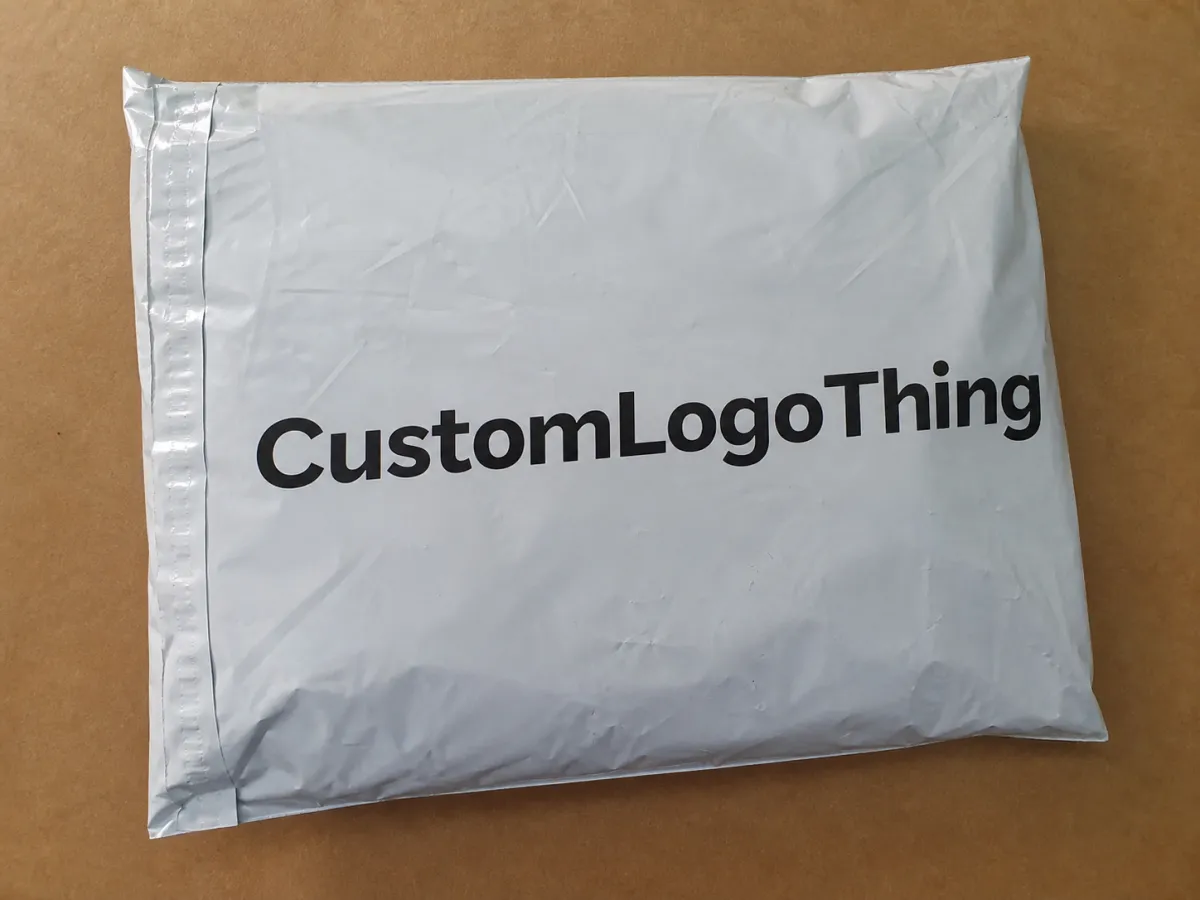
A clothing order does not begin when the garment reaches a hanger. It begins when the parcel lands on a doorstep, slides into a reception area, or gets stacked in a shared mailroom. That is why Printed Mailing Bags for clothing brands matter so much. They are visible in motion, handled by several people, and remembered long after the shipping confirmation has been archived.
A plain poly mailer says delivery. A printed one says identity. That difference changes the feel of the purchase before tissue paper, inserts, or a swing tag enter the picture. Customers rarely praise a package for being anonymous. They do remember one that looks designed with intent rather than assembled by default.
The reach is bigger than many brands expect. A branded bag may pass through a courier’s hands, then a lobby desk, then a neighbor’s view, then a returns counter weeks later. One shipment can create several impressions without adding ad spend. For smaller apparel labels, that kind of visibility can outperform a stack of inserts that are seen once and discarded.
There is a tradeoff built into the decision. Generic mailers cost less and are easy to source. Box mailers feel more rigid and often read as premium, but they increase material spend, freight cost, and sometimes packing labor. Branded tissue or thank-you cards add something inside the parcel, yet they do not do the external branding work that a printed mailer handles by default. The right choice depends on whether the priority is protection, presentation, or a measured mix of both.
For a brand launching a new drop or tightening its repeat-purchase experience, Printed Mailing Bags for clothing brands can land in a useful middle zone. They are usually less expensive than rigid presentation packaging, but they still create a distinct arrival moment. If you want to compare those tradeoffs in actual production settings, the Case Studies page is a practical place to start.
Packaging perspective: the outer mailer does not need to tell the whole story, but it should say enough that the customer recognizes a brand with a point of view.
That point of view matters because apparel is crowded and visually noisy. Two shirts may be identical in fit, fabric, and construction, yet one feels more premium because the parcel arrives with order and intention. A printed mailer does not create product quality. It supports the perception of quality, and that perception often decides whether a customer feels confident enough to reorder.
How printed mailing bags work from artwork to doorstep
The route from concept to shipped mailer is less glamorous than many first-time buyers expect. Size and material come first. Artwork is then adapted to the exact bag template rather than a rough mockup. Proof approval follows, then production, finishing, quality checks, packing, and freight booking. Each stage sounds simple. The problems usually appear at the handoff points.
Custom printing methods sit at the center of that process. Flexographic printing is common for larger runs and repeat designs because it moves efficiently on roll stock and supports consistent color on simpler artwork. Gravure printing is often used for very high volumes where fine detail and stable output matter over long production runs. Digital printing tends to suit shorter quantities, launch tests, or artwork that needs more flexibility without plate costs. The best method depends on quantity, design complexity, and how much setup cost the brand can absorb.
The print area is never unlimited. Seams, adhesive flaps, gussets, and edge allowances all eat into usable space. A design that looks balanced on a screen can land awkwardly on the finished bag if the logo sits too close to a seal or if a barcode crosses a fold line. A good supplier should provide a dieline that shows the safe zones clearly, not one that leaves the buyer guessing.
That detail matters because many clothing brands design for a mockup instead of the actual mailer structure. Mockups flatten the gusset, hide the seam, and often make type look larger than it will be in production. Once the bag is formed, the artwork has to survive handling, stacking, labels, and shipping friction. A solid file is one that still works after those realities are restored.
From doorstep outward, the bag becomes a protective shell and a branding surface at the same time. It has to resist scuffing, compression, and adhesive labels. It also needs to keep the garment dry under ordinary transit conditions. For direct-to-consumer apparel shipments, that balance matters more than many teams realize. A mailer that looks sharp but tears easily creates avoidable damage claims, replacement costs, and customer frustration.
For brands still mapping out packaging choices, it helps to compare printed mailing bags against other soft-goods formats such as Custom Poly Mailers. The shell may look similar, yet print placement, finish, and material choices can move the final cost and the perceived quality in very different directions.
If a supplier also works with recognized transit-testing references, that is a strong signal. The International Safe Transit Association explains how distribution performance is typically evaluated, and the framework is useful even for lighter apparel parcels. See the standards overview at ISTA for a wider view of how packages face vibration, compression, and handling stress.
Key factors that shape material, print, and durability
Material choice comes first because every other decision sits on top of it. Standard poly is common for its low weight and low cost. Recycled-content films are increasingly requested, especially when brands want to support sustainability claims or reduce virgin plastic use. Co-extruded film can improve strength or barrier performance depending on the structure. Paper-based alternatives appeal to labels looking for a different tactile finish, though they do not always match poly mailers for moisture resistance or tear performance.
Thickness matters, but only in context. A bag that is too thin can split at the seal or tear at a corner when a bulky hoodie presses against it. A bag that is too thick may not deliver better real-world performance if the product is light and folded neatly. In many apparel programs, buyers compare thickness in microns or gauge, then balance that against unit cost and shipping weight. The best spec is often the lightest structure that still survives normal parcel handling without fuss.
| Mailer option | Typical use | Relative cost | Strength and feel | Best fit for |
|---|---|---|---|---|
| Standard poly mailer | Basic apparel shipping | Lowest | Light, flexible, familiar | T-shirts, socks, lightweight items |
| Recycled-content poly mailer | Brands with sustainability messaging | Low to moderate | Similar to standard poly, depending on structure | Basics, recurring orders, value-conscious lines |
| Co-extruded mailer | Higher-performance shipping | Moderate | Improved tear resistance and toughness | Bulkier garments, longer transit lanes |
| Paper-based mailer | Different brand feel or recovery goals | Moderate to higher | More rigid, more tactile, less moisture-tolerant | Accessories, lightweight apparel, premium presentation |
Print coverage changes both appearance and cost. A one-color logo on a white or natural background can read cleanly and stay economical. Full-coverage artwork, gradients, or metallic effects usually add setup complexity, ink usage, and the chance of subtle variation from run to run. Dark bags with light print can look striking, but they demand better opacity control so the design does not sink into the substrate.
Color consistency is another practical problem. A clothing brand may want the same red or black across garment labels, web assets, and mailing bags. That is possible, but not automatic. Materials absorb and reflect ink differently, which means a strong brand color on a digital mockup may need adjustment on press. If color fidelity is central to the identity, ask for pre-production proofing and define the acceptable variation up front.
Sizing should follow actual product behavior, not hope. Tees, hoodies, jeans, socks, and accessories compress in different ways. A mailer that fits a folded tee neatly may look overstuffed with a fleece hoodie. Overstuffing stresses seals and gives the parcel a rushed look. Underfilling leaves too much slack and can make the presentation sloppy. The best spec is usually built around the largest regular SKU, then standardized across adjacent product families where that makes sense.
Closures matter too. A strong adhesive strip keeps the bag sealed during transit and can support return use if the format allows for a second seal. Tamper evidence is not just a concern for high-security categories. In apparel, it reassures the customer that the item has not been opened or partly handled before delivery. Weather resistance also matters, especially in regions where rain, humidity, or damp mailrooms are part of ordinary transit.
When sustainability claims are part of the package story, they need to be accurate and documented. The EPA offers useful guidance on waste, recycling, and materials management at epa.gov. If a bag carries recycled-content or recovery claims, the brand should know exactly what the material contains and how the claim is supported. Recycling language should survive scrutiny, not just look attractive in a pitch deck.
The Forest Stewardship Council matters if a brand is considering paper-based packaging or paper inserts with certified fiber. Their standards and labeling framework are a useful reference point at fsc.org. Third-party documentation becomes valuable once procurement teams, retail partners, or sustainability reviewers start asking for proof rather than a brochure line.
Cost, pricing, and MOQ: what drives the quote
Quotes for printed mailing bags for clothing brands usually rise or fall on a familiar set of levers. Size, material grade, print colors, bag thickness, quantity, packaging configuration, and freight all affect the final number. Setup fees can matter as well, especially on first orders where artwork plates, tooling, or prepress work need to be created from scratch.
MOQ, or minimum order quantity, has a direct effect on unit price. Lower quantities often carry a higher per-bag cost because the supplier still has to cover setup, materials, machine time, and waste. Larger runs usually lower the price per unit, but they create storage and cash-flow questions. Order too little and the price looks steep. Order too much and inventory can sit longer than planned.
As a rough planning range, simpler Printed Poly Mailers for apparel can sometimes fall in the $0.12-$0.35 per unit range at common order sizes, while more complex print work, recycled-content material, or premium finishes can push the cost higher. That range is not universal. It shifts with size, coverage, supplier geography, and freight. Even so, it gives buyers a better starting point than vague language about “affordability.”
One-color branding often gives the best balance between recognition and economy. That is especially true when the logo is bold and the bag color carries some of the visual load. A clear wordmark, a repeat pattern, or a strong icon can make the parcel memorable without paying for a full-coverage graphic system. A busy design may look impressive in a render and still underperform in production if it drives up setup cost without improving recall.
The cleanest quote separates the moving parts. Ask for pricing that distinguishes tooling, setup, plate charges, unit cost, shipping, and any rush fee. Without that breakdown, it is hard to tell whether a supplier is truly competitive or simply folding cost into the headline number. That distinction matters even more on repeat orders, where setup charges may vanish but freight or material changes remain.
Here is a practical way to think about price versus use case:
- Launch collections: A slightly higher spend can make sense if the bag contributes to brand theater and social sharing.
- Basics and replenishment lines: Simpler artwork and standard materials usually protect margin better.
- Seasonal capsules: Short runs may suit digital printing if speed matters more than absolute unit cost.
- High-volume evergreen SKUs: Flexographic or gravure production can improve economics when the design stays stable.
That is why pricing should not begin with “What is cheapest?” It should begin with “What does this package need to do?” If the bag will be seen by thousands of shoppers over time, a few extra cents may buy far more brand value than the line item suggests. If the parcel is mostly functional and the garment carries the story, a simpler spec may be the smarter spend.
Production process, timeline, and lead time explained
The production calendar for printed mailing bags usually starts with artwork review. The supplier checks whether the design fits the dieline, whether the images are sharp enough, whether fonts are outlined, and whether the color setup works for the chosen print method. Only after that should proofing begin. A careful prepress stage prevents expensive surprises later in the schedule.
From there, the buyer approves a proof. Some suppliers send a digital proof first, then a physical sample or press proof if the order warrants it. Production follows, along with any curing, lamination, or finishing steps required by the material and print method. Packing, palletizing, and freight come after that. Shipping is often the stage where schedules drift, because weather, lane congestion, and document issues can all slow a shipment.
Lead time changes with method and complexity. A straightforward repeat order may ship much faster than a first-time custom run with multiple colors, unusual sizing, or a new material. A realistic planning window for many custom projects is often 12-20 business days after proof approval, though the actual span can be shorter or longer depending on the supplier and the order profile. Peak season tends to stretch the calendar further than anyone wants.
Late artwork changes are one of the easiest ways to create delays. Missing dielines, shifting color references, and unclear print-placement instructions do the same thing. If the courier schedule matters, build a buffer into the plan. For a launch tied to influencer shipments or a seasonal drop, a missed mailer delivery can create a chain reaction in fulfillment, customer service, and marketing timing.
It helps to ask for a milestone-based timeline rather than a single promised date. Milestones make the process visible:
- Artwork submission and prepress check
- Proof delivery and revision window
- Production start
- Quality inspection and packing
- Freight booking and delivery estimate
That approach gives internal teams something they can actually manage. Marketing knows when photography can happen. Operations knows when inventory space is needed. Customer service knows whether a launch date needs to shift. A one-line promise does not support planning nearly as well.
For buyers who want to connect packaging more tightly to shipping performance, transit-testing references are useful. ISTA’s standards help frame how packages behave under vibration, compression, and handling stress. Apparel mailers are not always tested to the harshest protocols, but the logic still applies: the package should survive the distribution environment it is likely to meet, not a best-case version of it.
Common mistakes clothing brands make when ordering printed mailers
The first mistake is guessing the size. Many brands choose a mailer based on one hero product and forget the rest of the assortment. A tee is easy. A hoodie, a bundled gift set, or a folded return order can change the dimensions quickly. If the bag is too tight, the seal becomes unreliable. If it is too large, the parcel loses visual polish and may waste material.
Artwork errors are just as common. Low-resolution logos can look fine on a laptop and muddy in production. Colors that look bright in RGB may print flat if they are not converted properly for the production method. Text placed too close to a seal edge may disappear once the bag is filled. QR codes need enough contrast and enough size to scan consistently after the mailer has been bent, handled, and labeled.
Overdesign is another trap. It is tempting to fill every surface with graphics, claims, and slogans. In practice, crowded artwork can make the package feel noisy instead of premium. A moving parcel is not a poster on a wall. It has a short viewing window and is usually seen from a distance. Strong hierarchy matters more than decorative detail.
Compliance and claims deserve care too. If the package references recyclability, compostability, or post-consumer content, those statements should be defensible. The FTC and EPA both publish guidance that buyers can use as a sanity check when making packaging claims. In plain terms, the package should say what the material actually does, not what the marketing team hopes it does.
Another oversight is ignoring the back panel and the adhesive strip. Brands focus on the front-facing logo, then forget that the back of the bag may be where the return label goes, where handling marks appear, or where a second seal might be needed. The customer experience does not stop at the first impression. It continues through opening, reusing, and, in some cases, returning the item.
Here is a simple way to avoid those mistakes:
- Test the largest SKU and the bulkiest fold style before finalizing size.
- Request a proof that shows the actual placement of every design element.
- Keep the main message visible even when a shipping label is applied.
- Use claims only when documentation supports them.
- Check that the bag still closes cleanly when fully loaded.
Brands sometimes assume the packaging supplier will catch every issue. A good supplier will flag many of them, but the buyer knows the product mix best. Order readiness should be treated as a shared responsibility, not a handoff.
Expert tips and next steps for a smarter first order
The smartest first order starts with a one-page spec sheet. It should list the garment types being shipped, the folded dimensions, the target quantity, the brand colors, the finish preference, and the required delivery date. That single page can remove half the back-and-forth that slows packaging projects. It also gives the supplier a clearer shot at recommending the right material and print method.
Samples are worth the effort. A small pilot run or a pre-production sample can reveal color shifts, sealing issues, or sizing mistakes before the main order lands. That matters even more if the brand plans to photograph the package, sell into retail, or tie the mailer to a launch campaign. A small amount of testing is cheaper than reordering 10,000 bags because the first version did not fold correctly around a hoodie.
Ask for three things before approving a supplier:
- A pre-production proof that reflects the final dieline
- A unit-cost breakdown with setup and freight separated
- A clear re-order threshold so inventory can be replenished on time
Design discipline helps too. One strong logo, one memorable color system, and one readable message usually outperform crowded artwork on a moving parcel. The package should be legible in a second, not studied for a minute. Clothing brands often do better with a confident, restrained visual language than with a layout that tries to explain everything at once.
That is also where packaging and brand strategy meet. If the clothing line relies heavily on graphic identity, the mailing bag can echo that system. If the garments themselves are the star, the bag can stay quieter and support the product without competing with it. There is no universal answer. The right answer matches the margin structure, customer expectations, and fulfillment process.
After launch, track what happens. Return rates. Damage reports. Fulfillment speed. Customer comments about unboxing. Even a small note like “bag looked premium” or “seal was hard to open” tells you something useful. Packaging becomes much easier to improve once the first batch has real feedback instead of opinions floating around a conference table.
For brands exploring material options and branding formats, packaging strategy becomes practical rather than theoretical. Printed mailing bags for clothing brands can be a strong fit when the goal is to keep shipping efficient while still making the parcel feel like part of the brand. If the next order needs a more detailed spec, the same logic applies across a wider range of mailers and print finishes.
And if you are deciding between a plain shipper and a branded one, the comparison is straightforward: plain mailers save money up front, while printed mailing bags for clothing brands can strengthen recognition, improve the unboxing moment, and support repeat purchase behavior. The best choice is the one that fits the product mix, the budget, and the way customers actually receive the package.
Conclusion
Printed mailing bags for clothing brands sit in a useful middle ground. They are inexpensive enough to protect margin, yet visible enough to shape perception. That is why buyers should treat them as a brand asset, not just a shipping supply. The strongest orders balance material strength, print clarity, size accuracy, and lead time discipline.
If the packaging is sized well, printed cleanly, and ordered with a realistic production calendar, it does more than carry clothing. It reinforces the brand at the curb, in the hallway, and at the opening table. For many apparel businesses, that is a small format with an outsized job. The practical takeaway is simple: define the largest SKU, request a dieline-based proof, and separate setup, freight, and unit cost before you approve the order. That sequence prevents most of the expensive surprises.
What size printed mailing bags for clothing brands should I choose?
Match the bag to the folded garment, not the raw garment dimensions. Leave room for tissue, inserts, or a return item without overstuffing the seam. A practical approach is to test the largest SKU first, then standardize sizes across similar product categories where possible.
Are printed mailing bags for clothing brands more expensive than plain poly mailers?
Yes, the printed version usually costs more upfront because of artwork setup and production. The premium can be offset by stronger brand recognition and a better unboxing impression. Higher quantities often reduce the difference in unit cost, which is why volume planning matters.
How long is the lead time for printed mailing bags for clothing brands?
Lead time depends on print method, order size, and how quickly artwork is approved. Simple repeat orders are faster than first-time custom runs with multiple colors or special finishes. Build in buffer time for proofing, production, and freight, especially before launches.
What print method works best for printed mailing bags for clothing brands?
Digital printing is often useful for shorter runs and more design flexibility. Flexographic or gravure printing is usually better for larger quantities and lower unit costs. The best choice depends on quantity, artwork complexity, and the required finish.
Can printed mailing bags for clothing brands be eco-friendly?
They can be, if the material contains recycled content or is designed for better recovery. Ask suppliers for documentation before making sustainability claims on-pack. Eco-friendly choices should still meet strength, seal, and shipping protection needs.


