Printed Matte Zipper Bags Quote for Beauty Brands
Why Beauty Brands Ask for Matte Zipper Bags First
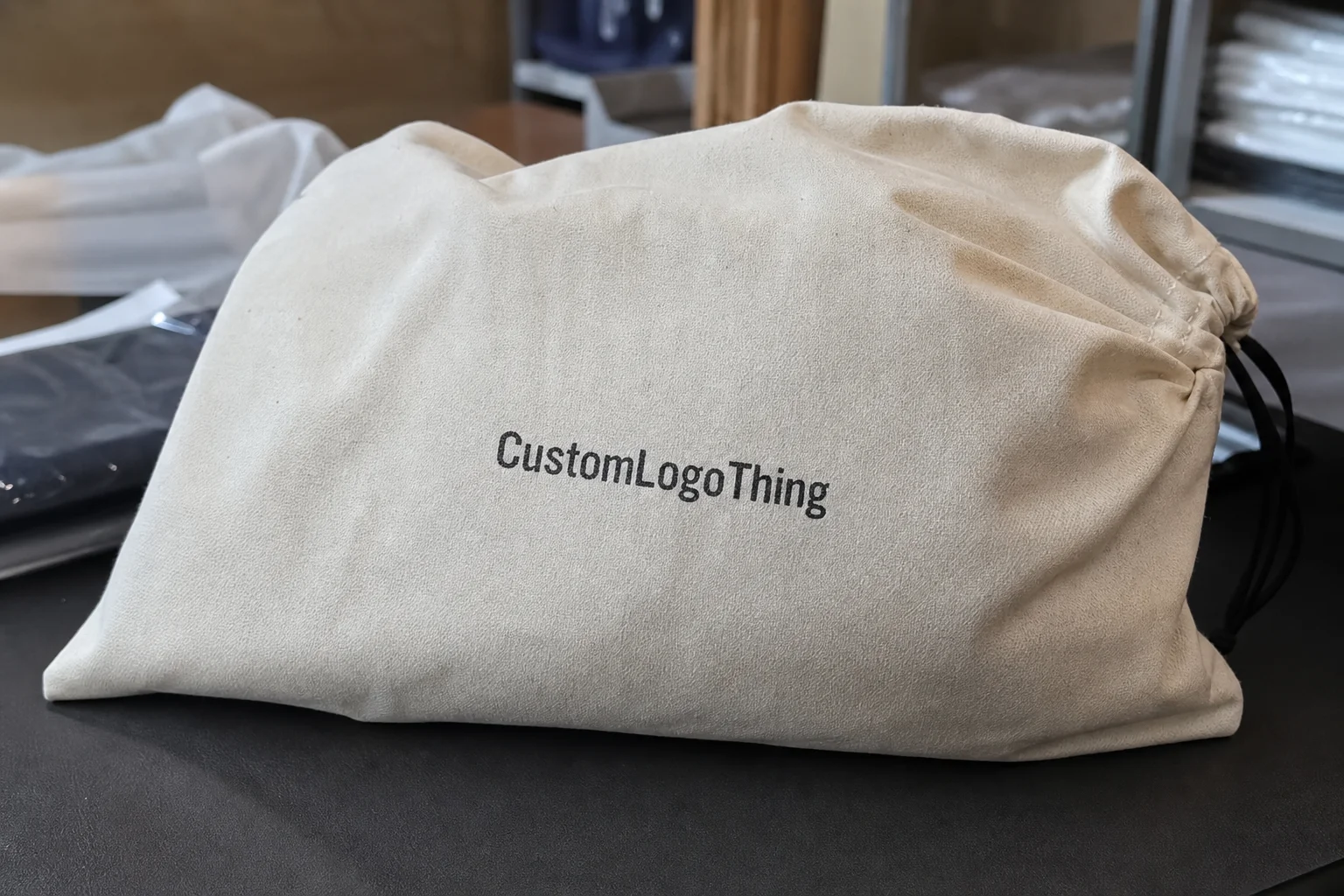
A serum sample kit needs to look polished. A lash refill pack needs to stay clean, flat, and easy to open. Buyers requesting a printed matte Zipper Bags Quote for beauty packaging usually care about four things right away: shelf appeal, resealability, opacity, and whether the bag feels cheap in hand.
That last point matters more than people admit. Customers handle beauty packaging under bright retail lighting, on studio tables, at pop-ups, and during unboxing videos. Glossy plastic can show fingerprints and scuffs quickly. Matte film hides handling marks better and gives the package a softer, more premium look without moving into rigid boxes, molded trays, or magnetic closures.
Matte Zipper Bags sit in a practical middle lane. They look more finished than plain poly bags, take up less room than cartons, and cost less to ship than rigid mailer boxes. For skincare samples, cosmetics, lashes, nail decals, hair accessories, bath salts, sealed sheet masks, and bundled minis, that middle lane is often where the budget and the brand presentation meet.
Do not treat the bag as “just a pouch.” It is a small billboard with a zipper. The front panel may carry the logo, shade name, scent, usage cue, QR code, or retail message. The back panel may need room for ingredients, warning icons, batch labels, barcode placement, directions, or compliance text.
Cheapest packaging that slows fulfillment is not cheap. It is just annoying with an invoice.
Before chasing the lowest unit price, think about three jobs: protect the product, present the brand properly, and let the packing team move quickly. A bag that saves $0.03 but takes twice as long to fill is not a win. It is math pretending to help.
Printed Matte Zipper Bags Quote for Beauty: What We Need
An accurate printed Matte Zipper Bags quote for beauty depends on clear product details. “Small bag with logo” is not a specification. That phrase is how buyers get rough estimates that later change, samples that do not fit, and uncomfortable pauses after the product refuses to slide past the zipper.
For a real quote, prepare these inputs:
- Bag width and height: usually stated as outside dimensions, though fit should be checked against usable internal space.
- Bottom gusset: needed if the bag must stand up or hold thicker items.
- Zipper type: standard press-to-close, heavier zipper, double track zipper, or child-resistant style for special cases.
- Material structure: matte PE, frosted PE, matte PET/PE laminate, or higher-barrier laminated film.
- Thickness: commonly around 80-180 microns for many beauty zipper bag projects, depending on contents and structure.
- Print colors and coverage: one-color logo, full-panel artwork, two-sided printing, white ink base, or spot color matching.
- Quantity: launch run, expected reorder, or both.
- Shipping country and deadline: freight can change the real landed cost quickly.
Beauty packaging often needs a few extra decisions. Powders and bath salts may require stronger seals and better leak resistance. Retail peg displays need a hang hole placed far enough from the zipper and top seal. Products that should stay private need opaque film. Premium hand feel may justify rounded corners or a thicker laminate. A tear notch can make the first opening cleaner while the zipper handles reuse after that.
Artwork also affects the quote. Send vector logo files when possible: AI, EPS, or press-ready PDF. Pantone references help if brand color matters. A beauty brand with soft beige packaging and a warm nude logo should not accept “close enough” unless close enough is the actual brand strategy. Spoiler: it usually is not.
Custom sizes quote differently from stock sizes with printing. Custom size work may require tooling, different film widths, setup changes, or separate sampling. Stock sizes can reduce cost and time, but only if they fit the product and support the brand presentation. A stock bag that pinches the contents, hides the logo behind a product corner, or slumps on shelf is not a bargain.
If specs are incomplete, a good salesperson should ask direct questions before quoting. Fast wrong quotes are not impressive. They are fiction with decimals. If you want help narrowing specs, send product photos, dimensions, target quantity, artwork status, and launch timing through Custom Logo Things packaging quote support.
Material, Finish, and Print Details That Change the Result
Material choice changes hand feel, opacity, barrier performance, print sharpness, seal behavior, and cost. Beauty buyers often ask for “matte plastic,” but there are several ways to get that look. The right structure depends on whether the bag holds lash trays, sheet masks, dry powders, bath salts, tools, hair accessories, or sealed skincare samples.
Common matte zipper bag structures
Matte PE is a common choice for flexible zipper bags that need a soft look and basic durability. It can work well for accessories, sample kits, lightweight items, and simple launch packaging. It is usually more flexible and economical than heavier laminated structures.
Matte PET/PE laminated film feels more structured and prints well. PET gives the outer layer better stiffness and print definition, while PE supports sealing on the inside. For beauty kits, masks, refill powders, and products needing a stronger package body, this structure often feels more premium.
Frosted plastic is not the same as matte. Matte is a low-glare surface finish. Frosted film is semi-translucent, letting customers see a hint of the product without full clarity. It works nicely for hair clips, sponges, tools, colorful inserts, and product sets where partial visibility helps shoppers understand what they are buying.
Heavier laminated pouch film may be used for stronger barrier performance. Think bath salts, powdered masks, refill powders, fragranced items, or anything that needs better protection from moisture, odor transfer, or rough handling. Barrier needs should be discussed before artwork is finalized, because changing film later can change print behavior, MOQ, lead time, and price.
Thickness and feel
Lighter bags, around 60-90 microns, can work for flat samples, decals, lash cards, and very lightweight accessories. Mid-weight films, around 100-140 microns, are common for cosmetics, small tools, skincare sample bundles, and retail-ready beauty kits. Thicker laminated structures, around 150-220 microns or more, add body for powders, salts, masks, and stand-up formats.
Not every product needs thick film. Overbuilding the bag wastes budget and can make hand packing harder. Underbuilding it makes the package feel flimsy and can stress the zipper, side seals, or bottom gusset. Pick your problem carefully.
Print methods and visual tradeoffs
Digital printing is useful for lower quantities, artwork changes, short launches, and small test batches. It avoids some plate costs and supports multiple SKUs, but the unit cost can stay higher at volume, and exact color matching may have limits depending on the print system and film.
Flexographic or gravure printing usually makes more sense for larger runs. Setup costs are higher, but unit economics improve when quantities move into several thousand or tens of thousands of bags. Spot colors can also be controlled more tightly when Pantone matching matters, though final color still depends on ink, film, underprint, and finish.
Full-coverage matte designs look polished, especially with white ink underlayers on clear or frosted film. They also cost more than a simple one-color logo. Two-sided printing, metallic effects, foil-like inks, clear windows, label panels, and heavy ink coverage all add cost. That is not a scare tactic. Ink, setup, inspection time, and machine time are real things.
| Option | Best Use | Typical Tradeoff |
|---|---|---|
| Matte PE zipper bag | Accessories, lash packs, samples, light kits | Lower cost, less structure than laminated film |
| Frosted zipper bag | Tools, clips, sponges, colorful inserts | Semi-visible contents, less privacy than opaque film |
| Matte PET/PE laminate | Premium beauty kits, sheet masks, powders | Better feel and print definition, higher unit cost |
| Full-coverage print | Retail display, influencer kits, strong branding | Higher print cost and longer proofing |
| One-color logo print | Launch tests, simple sample packs | Lower cost, less shelf impact |
Matte surfaces can scuff during rough shipping. Carton packing, inner bundles, and outer protection still matter. Packaging lives in the real world, unfortunately. If your product will move through parcel networks, review packaging test practices from ISTA and plan cartons accordingly.
Size, Capacity, and Specification Ranges for Beauty Products
Size mistakes are common because buyers measure the product and forget the zipper, seals, thickness, gusset shape, and hand-packing space. A bag that technically fits can still be slow to load. That matters if someone has to pack 3,000 units by Friday afternoon.
Common beauty bag size examples
Small flat zipper bags often land around 3 x 4 inches, 4 x 5 inches, or 4 x 6 inches. These work for lashes, nail decals, mini sponges, sample sachets, brow tools, hair ties, and flat product cards.
Medium zipper bags often sit around 5 x 7 inches, 6 x 8 inches, or 7 x 9 inches. These sizes are practical for sheet mask bundles, travel skincare sets, hair clips, mini cosmetics kits, compact mirrors, and accessory sets.
Larger gusset bags may run 8 x 10 inches, 9 x 12 inches, or larger depending on fill volume. Bath salts, refill powders, body care bundles, and multi-item kits usually need more depth. A 2-inch or 3-inch bottom gusset can make a major difference in shelf stance and capacity.
How to measure correctly
Measure usable internal space, not just outer dimensions. Leave room for product thickness, zipper clearance, top seal area, and easy insertion by hand. For flat products, add at least 0.25-0.5 inch around the product. For thicker kits, add more. If the product has sharp corners, rigid trays, pumps, caps, or blister packs, test before ordering thousands.
Flat bags work for slim products. Bottom gussets help the bag stand and increase capacity. Side gussets are less common for beauty zipper bags, though they can help with bulkier contents or soft fills. If retail display matters, a stand-up bottom gusset usually looks better than a flat bag slumping on a shelf.
Closure specs also matter. A standard press-to-close zipper is fine for many dry beauty items and accessory kits. A heavier zipper makes sense for repeated use, refill packs, or products customers open many times. If the first opening needs to look controlled, place the tear notch above the zipper and use a top seal.
Product compatibility is the boring part that protects you from expensive mistakes. Dry goods, tools, accessories, masks, sample cards, and sealed primary containers are usually straightforward. Liquids, oils, alcohol-based formulas, and active skincare need extra review because films, seals, inks, and closures must match the product risk. For material and environmental claims, check current guidance from the EPA recycling resources before printing broad recycling language on the package.
Test the filled bag. Empty samples lie. A bag can look beautiful on a desk and behave like a potato sack once filled.
Run a small fit check before approval. Test fill volume, zipper function, insertion speed, hang-hole position, shelf stance, and how the bag looks after being handled 10-20 times. If you are requesting a quote for beauty kits with several items inside, send the product layout or a photo of the full set.
Pricing, MOQ, and Unit Cost Drivers
Pricing is driven by quantity, size, material structure, film thickness, print method, number of colors, print coverage, zipper type, tooling, and freight. Anyone promising one universal price before seeing specs is guessing. Maybe confidently. Still guessing.
For simple digital custom runs, minimums may start in the low thousands depending on size, material, and artwork. Some stock-size printed options can be possible at smaller launch quantities, but custom film, custom sizing, or specialty finishes usually push the minimum higher. Larger printed film runs often make more sense at 5,000, 10,000, 25,000, or more pieces.
Typical broad ranges can look like this for many beauty packaging projects, assuming standard materials and non-extreme sizes:
| Quantity Range | Common Use Case | Possible Unit Cost Range | Notes |
|---|---|---|---|
| 1,000-3,000 pcs | Launch test, influencer kits, small SKU run | $0.45-$1.20+ | Digital print or stock-size options; unit cost stays higher |
| 5,000-10,000 pcs | Retail trial, seasonal bundle, growing reorder | $0.22-$0.65 | Better setup spread; specs still heavily affect price |
| 25,000+ pcs | Core SKU, chain retail, repeat program | $0.12-$0.38 | Stronger unit economics; plate/tooling costs matter less per bag |
These ranges are not promises. Size, laminated film, freight, print coverage, and closures can move the number quickly. A small one-color frosted lash bag and a full-coverage matte laminated bath salt pouch are not the same animal.
Unit cost drops with volume because setup, plate charges, ink calibration, machine time, and quality checks spread across more bags. This is manufacturing math, not magic. A 2,000-piece run carries setup pain across fewer units, so each bag pays more of the bill.
A higher unit cost can be reasonable for product launches, limited editions, influencer mailers, seasonal bundles, and test batches. Inventory risk matters. If you are not sure the scent, shade, or kit configuration will sell, ordering 50,000 bags to save $0.09 each may be a very expensive way to decorate a storage shelf.
Common upgrades include full matte lamination, custom size, bottom gusset, heavy film, two-sided print, white ink, metallic effects, specialty closures, tear notch, rounded corners, hang hole, and expedited freight. Each upgrade should earn its place. Premium hand feel is worth paying for if the product price supports it. If the bag holds a low-margin giveaway sample, be honest.
Compare quotes using the same specs. A cheaper quote may use thinner film, fewer print colors, no lamination, weaker zipper, wider size tolerance, or optimistic freight assumptions. Ask for unit price, setup or tooling cost, sample cost, estimated freight, production lead time, shipping method, and quote validity period. For a clean Printed Matte Zipper Bags Quote for beauty packaging, those line items should be visible, not buried in vague “all included” language.
Process, Timeline, and Production Steps Before Delivery
A normal project moves through spec review, quote, artwork check, proof, sample or pre-production approval, mass production, quality inspection, packing, and shipping. Skipping steps may feel faster until the wrong bag shows up. Then everybody suddenly loves process.
Quote turnaround can be quick when specs are complete. A straightforward request with size, quantity, material, artwork style, and destination can often be estimated in 1-3 business days. Complex custom structures, special closures, or multiple size tiers can take longer because the supplier needs to verify film, tooling, and production fit.
Artwork proofing usually adds time if files are messy. Low-resolution PNG logos, missing fonts, unclear Pantone colors, and artwork built in presentation software create avoidable delays. Send vector files and final text. If regulatory icons, ingredients, warnings, batch code areas, or barcode spaces are needed, place them in the dieline before proof approval.
Sampling timelines vary. A digital mockup may be turned quickly for layout review. A physical material sample helps confirm feel and opacity. A blank size sample is useful for fit testing. A printed pre-production sample gives the best read on color, print placement, zipper function, and final finish, but it takes longer and usually costs more.
Mass production often takes around 12-25 business days after proof approval for many standard custom printed bag jobs, depending on quantity, print method, material availability, and production schedule. Larger or highly customized runs may need more time. Freight adds another layer: air can be useful for urgent launches and lighter orders, while sea or consolidated freight usually makes more sense for large volumes where landed cost matters more than speed.
What slows projects down? Missing dielines. Last-minute size changes. Untested product fit. Brand teams debating beige tones for a week. Approvals stuck in someone’s inbox. The inbox is where timelines go to die.
Quality control should include dimension checks, zipper function tests, print registration review, color checks, seal strength review, carton labeling, and random inspection before shipment. For heavier distribution programs, ask about carton drop expectations and outer packing. Standards from groups such as ASTM and ISTA are often referenced for packaging testing, especially when products move through parcel or retail distribution channels.
If your launch date is firm, say so early. Share the destination country, deadline, and whether partial air shipment is acceptable. A practical plan might ship 2,000 bags by air for launch and the balance by sea for replenishment. Not glamorous. Very useful.
Next Steps to Get a Quote That Matches Your Launch
Start with 1-3 target sizes. Do not ask for ten sizes unless you genuinely need them. More options create more quoting time, more sampling confusion, and more ways for someone to approve the wrong thing.
Estimate your quantity. If you are unsure, request two tiers: one launch quantity and one scaled reorder quantity. For example, ask for 3,000 pieces and 10,000 pieces, or 5,000 pieces and 25,000 pieces. That shows the real cost curve and helps your team plan inventory instead of arguing from vibes.
Confirm product type and fill weight. A flat lash card, a 30 g bath salt pouch, and a travel skincare kit need different specs. Decide whether the look should be opaque matte, frosted matte, or matte with a clear window. Gather logo files, Pantone references, regulatory text, barcode requirements, and any batch label space before artwork proofing starts.
Photos help. Dimensions help more. For kits with multiple items, send a layout photo or a quick list of each item’s size. Guessing fit from a product name is a bad sport. “Mini skincare set” can mean three sachets or five chunky bottles with caps that fight the zipper.
Pick the factor that matters most: lowest unit cost, fastest turnaround, premium hand feel, retail display function, or small test quantity. Buyers rarely get all five at once. The best quote reflects the real priority, not a fantasy spec sheet.
Ready to price the project properly? Send your size, quantity, product details, artwork status, delivery country, and deadline through Custom Logo Things custom packaging support. If you need help choosing the structure first, ask for a material recommendation with your quote request.
Send the specs above when requesting a printed matte zipper bags quote for beauty, and the response will be faster, cleaner, and based on packaging you can actually use. That is the point. Pretty packaging is nice. Pretty packaging that fits, ships, seals, and sells is better.
FAQ
What information do I need for a printed matte zipper bag quote for beauty products?
Provide bag size, quantity, material preference, thickness, print colors, print coverage, zipper style, product type, artwork files, delivery location, and deadline. If you are unsure about size, send product dimensions and photos so the bag can be estimated around real fit instead of guesswork. A clear quote depends on real inputs, not “small pouch with logo.”
What is the typical MOQ for custom matte zipper bags for cosmetics?
MOQ depends on size, material, and print method, but custom printed runs often start in the low thousands for simpler jobs. Larger quantities usually reduce unit cost because setup and print costs are spread across more bags. Stock-size printed bags may offer more flexibility, while custom laminated structures usually need higher minimums.
Are matte zipper bags safe for skincare, powders, and beauty accessories?
They are commonly used for dry products, tools, accessories, samples, masks, and sealed primary containers. Liquids, oils, and active formulas need material compatibility review and may require stronger laminated film or inner primary packaging. Do not assume one plastic structure fits every formula. That is how leaks and label complaints happen.
How long does production take for printed matte zipper bags?
Timing depends on artwork readiness, sampling needs, quantity, print method, and shipping method. Many standard custom printed bag projects may take around 12-25 business days after proof approval, with extra time for sampling and freight. Projects move faster when size, artwork, material, and approval steps are confirmed early.
Why do two printed matte zipper bag quotes have different prices?
Quotes may differ because of film thickness, lamination, print method, number of colors, zipper quality, size tolerance, setup charges, and freight assumptions. Compare line by line before choosing the lowest price. Thin film and weak zippers are not savings if the bag disappoints customers. For a cleaner comparison, request the same specifications from each supplier or send your details through Custom Logo Things quote review.


