A soft hoodie does not need the same bag as a structured jacket. Buyers comparing Matte Zipper Bags unit cost for apparel should separate the details that improve protection, packing speed, and presentation from extras that only thicken the invoice.
Brands often overpay for oversized dimensions, unnecessary film thickness, decorative finishes, and print coverage that customers barely notice. The right bag fits the garment, protects it through handling, presents the brand clearly, and still works at reorder volume.
Most Apparel Bags Are Overbuilt in the Wrong Places
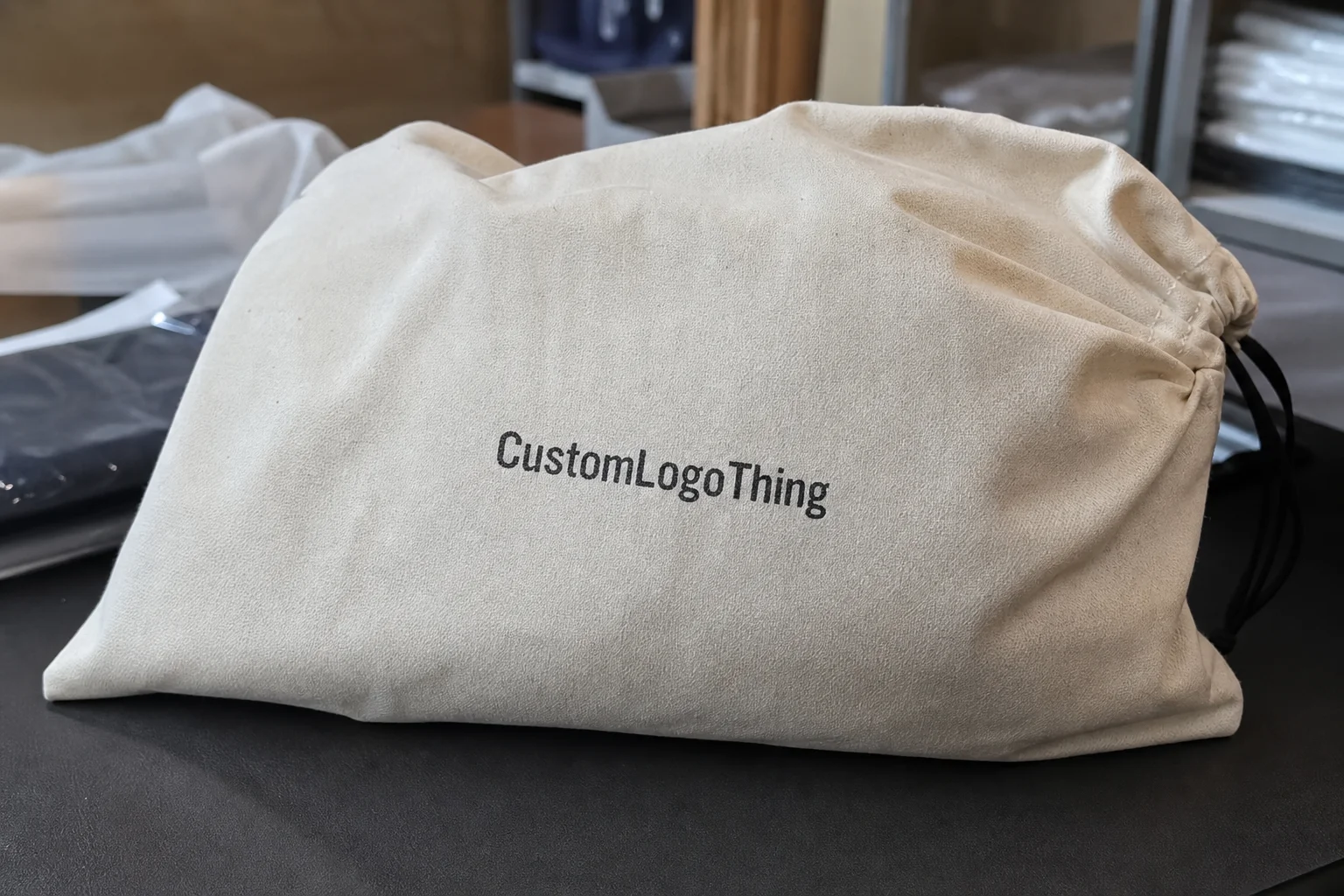
Matte Zipper Bags are useful for apparel because they protect garments from dust and handling, improve the unboxing feel, provide resealable storage, and look more retail-ready than a thin clear poly bag. They fit ecommerce, boutique retail, influencer kits, warehouse fulfillment, and subscription packs.
Useful does not mean “buy the thickest option.” A folded T-shirt, pair of socks, or underwear set usually does not need a heavy laminated structure. A hoodie may need more width, height, and slightly thicker film. A jacket with zippers or snaps may need a tougher build. Shoes usually belong in a mailer, box, or purpose-built bag.
Common best-fit uses include:
- T-shirts, tanks, and basics
- Hoodies, sweatshirts, and fleece pieces
- Activewear, leggings, and gym sets
- Socks, underwear, swimwear, and intimates
- Streetwear drops and boutique fashion items
- Subscription packs, influencer kits, and fulfillment packaging
The matte finish gives the bag a softer look and hides fingerprints better than gloss film. It also reduces glare in product photos and packing videos. The tradeoff is print contrast: matte surfaces can soften colors compared with high-gloss film, especially with fine details, gradients, and dense dark ink.
Matte Zipper Bags Unit Cost for Apparel: What Drives the Number
The main cost drivers are bag size, film thickness, material structure, zipper quality, print coverage, number of print colors, matte finish method, order quantity, packing method, and shipping terms.
Size is usually the first big lever. A small sock or underwear bag uses far less film than a hoodie bag. Increase width, height, or gusset depth, and material consumption rises. Larger bags also increase carton volume, storage space, and packing table footprint.
Quantity changes the math. Setup, plates, prepress, machine time, and packing labor are expensive at low volume but spread out across larger runs. That is why 500 custom bags can look high per piece while 5,000 or 10,000 pieces may be much more workable.
As a planning range, simple matte apparel zipper bags may land around a few cents to under a quarter per piece at higher quantities. Larger hoodie bags, thicker films, specialty structures, full-panel printing, or smaller runs can move into the higher cents or beyond. Freight, duties, samples, rush handling, and setup fees can change landed cost quickly, so treat ranges as budget checks, not final quotes.
Printing adds cost and review time. A one-color front logo is usually cheaper and faster than full-panel artwork. Gradients, large ink coverage, metallic ink, exact Pantone matching, and double-sided designs may add setup charges or plate costs. If your logo works well in one color, that may be the better buying decision.
| Spec Level | Typical Use | Common Material Direction | Cost Behavior |
|---|---|---|---|
| Budget Matte | T-shirts, socks, basics, starter drops | Frosted PE or CPE, simple zipper, one-color print | Lowest unit cost; best for simple branding and bulk packing |
| Balanced Matte | Hoodies, activewear, ecommerce apparel | Medium-thickness PE/CPE or improved matte film, stronger print area | Better feel without moving into premium laminated pricing |
| Premium Matte | Boutique retail, influencer kits, high-margin apparel | Matte laminated PET/PE, higher opacity, tighter color control | Higher cost per piece; stronger structure and sharper presentation |
Matte options are not equal. Frosted PE is cost-efficient and flexible. CPE gives a soft-touch feel many apparel buyers like. Matte laminated PET/PE prints sharper and feels more structured, but costs more and may raise MOQ. Matte varnish can create a finish effect, but results depend on the print method and base film.
Buying note: If two suppliers quote very different prices, compare the actual spec sheet before choosing. Cheap mystery film is not a sourcing strategy.
Zipper style, hang holes, vent holes, suffocation warning text, barcode sticker zones, inner bundles, carton packing, and freight terms can all shift final landed cost. Compare the full build, not only the unit price.
Apparel Bag Specs That Actually Matter Before You Order
Start with the folded garment. Measure width, height, and thickness after folding it the way your packing team will actually pack it. Then add practical clearance. A bag that is too tight slows packing, and labor is a real cost even when it does not appear on the bag quote.
For slim T-shirts, compact flat bags usually work. Hoodies need extra height and width because fleece compresses unevenly. Multi-piece sets, sock bundles, or leggings with inserts may need gusseted formats. If you sell several apparel categories, two or three bag sizes often beat one oversized “universal” size.
Film thickness should match garment weight and handling conditions. Lighter apparel can often use thinner flexible film. Heavier hoodies, premium sets, and items handled through multiple fulfillment steps usually benefit from thicker film. More thickness improves hand feel and durability, but it increases unit cost and freight weight.
Common material choices include:
- PE: Flexible, widely used, and cost-effective for everyday apparel packaging.
- CPE or frosted PE: Softer matte feel for cleaner presentation without premium laminated pricing.
- Laminated PET/PE: Sharper printing, stronger structure, higher perceived value, and higher cost.
- Recyclable mono-material options: Useful where available, but feasibility depends on size, print, zipper, seal format, and local recycling systems.
Recyclability claims need care. Check material structure, local recovery options, and labeling requirements before printing icons on the bag. The EPA recycling guidance is a useful starting point for understanding why “recyclable” is not always as simple as a symbol.
Zipper choice matters. Standard press-to-close zippers are common and usually enough for apparel. Slider zippers add convenience, but they cost more and may be unnecessary for basic T-shirt packaging. If the customer opens the bag once and stores the garment elsewhere, do not over-engineer the closure.
Functional add-ons can be worth it. Hang holes help for retail peg display. Vent holes release trapped air so packed garments stack better, especially with fleece or thick cotton. Suffocation warnings may be required depending on bag size, market, and distribution channel, so plan warning text early.
Keep logos away from zipper tracks, seals, folds, and high-stress corners. Leave room around barcodes and sticker zones. If the bag has a visible retail or unboxing role, ask for samples before approving the full run.
MOQ, Pricing Tiers, and Quote Details Buyers Should Ask For
MOQ depends on material, size, print method, and whether the bag uses an existing structure or custom dimension. Standard sizes with simple artwork usually carry lower minimums. Custom sizes, specialty film, full-color print, and premium laminated structures tend to push MOQ higher because setup and machine changeover need enough volume to make production sensible.
Separate sample MOQ from production MOQ. Plain samples or digital print samples may be available in lower quantities. Fully Custom Printed Production runs usually require more volume because of plates, setup, ink preparation, material ordering, and packing requirements.
For a useful quote, provide these inputs:
- Bag dimensions: width, height, and gusset if needed
- Material preference: PE, CPE, frosted PE, laminated PET/PE, or recyclable direction
- Film thickness target or desired hand feel
- Quantity range, not just one number
- Print colors, print sides, and approximate coverage
- Vector artwork file, preferably AI, EPS, or clean PDF
- Matte finish preference
- Zipper type, hang hole, vent hole, warning text, and barcode zone
- Destination address or shipping region
- Packing requirements such as inner bundles or carton quantities
Ask for tiered bulk pricing, such as 1,000, 3,000, 5,000, and 10,000 pieces. This shows where real price breaks appear and whether ordering more justifies the extra inventory.
Setup costs can be listed separately or folded into the unit price. Plates, molds, prepress, color matching, sample fees, and tooling fees should be accounted for either way.
Freight can surprise buyers. Bags are light, but bulky bags may ship by volume depending on carton density. Oversized apparel bags can increase carton count even when each bag feels weightless. Sea freight may reduce cost for larger runs; air freight is faster but expensive for urgent launches.
Custom Logo Things can quote multiple spec levels so buyers can compare economical, balanced, and premium options side by side instead of assuming every supplier is pricing the same bag.
Production Steps, Lead Time, and Approval Timeline
The usual order flow is: submit specs, confirm material and size, review the quote, send artwork, receive a digital proof, approve a physical sample if needed, move into production, inspect, pack, and ship.
Artwork review comes early. Vector files are preferred for logos, icons, warnings, and line art. Raster images need enough resolution for the intended print size. A tiny web logo stretched across a hoodie bag will print poorly.
Digital proofs confirm layout, print placement, bag size, color callouts, zipper position, hang hole location, vent holes, and warning text. They do not prove hand feel, opacity, zipper function, or how ink sits on the actual matte surface. Physical samples are better for premium ecommerce packaging, boutique retail presentation, and influencer seeding kits.
Timelines vary. Simple repeat orders with approved artwork move fastest. New custom sizes, specialty materials, physical sampling, exact Pantone matching, and complex printing add days or weeks. As a practical range, a straightforward custom printed apparel bag often needs roughly 12 to 25 business days after proof approval for production, depending on quantity and production schedule. Sampling, revisions, and freight sit outside that range.
Approval bottlenecks are common. Late artwork, unclear Pantone references, size changes after proofing, missing warning text, and internal delays can slow production more than manufacturing itself. Finalize decisions before proof approval.
Quality checks should include dimensions, film appearance, seal strength, zipper alignment, zipper open-close function, print registration, color consistency, scuffing, carton labels, and quantity. For transit and handling expectations, larger brands may reference testing practices from organizations such as ISTA, especially where packaging moves through parcel networks or distribution centers.
Shipping method changes both cost and timeline. Plan backward from the product drop date and include production, inspection, packing, transit, and receiving time.
Common Buying Mistakes That Push Bag Prices Up
The first mistake is ordering one oversized bag for every SKU. It simplifies purchasing, but wastes film, increases carton volume, and makes small garments look poorly fitted. Two or three core sizes are usually better.
The second mistake is choosing maximum thickness because it sounds premium. A basic tee does not need the same film as a bulky fleece set. Match thickness to garment weight, handling conditions, presentation goals, and target cost per piece.
The third mistake is printing too many colors. A strong one-color logo can look sharper and more intentional than a crowded full-panel design. More ink means more setup, more review, and more variation risk.
The fourth mistake is changing artwork after proof approval. That can restart prepress, create new plates, delay production, and add charges. Get all decision-makers involved before production starts.
The fifth mistake is ignoring fulfillment workflow. Bags should be easy to open, pack, seal, scan, stack, and ship. If the opening is too tight or the zipper is frustrating, packing labor rises across every order.
The sixth mistake is forgetting compliance text. Suffocation warnings, recycling marks, material callouts, country-specific requirements, barcode zones, and retail sticker areas should be planned into the layout early.
The seventh mistake is comparing suppliers only on the lowest unit cost. Compare material, thickness, print method, zipper quality, packing count, freight, defect policy, proofing process, and lead time. A clean spec sheet keeps the buyer focused on landed cost, not just the first line of a quote.
How to Get a Quote That Matches the Bag You Actually Need
To get a useful quote, send real inputs: folded garment dimensions, target bag size if known, product type, quantity range, logo file, print placement, desired finish, zipper preference, and delivery location. If sizing is uncertain, send product photos or flat measurements.
Choose your target position first: budget, balanced, or premium. Budget may use a simpler matte material and minimal print. Balanced improves feel and branding without overbuilding. Premium may use laminated film, stronger opacity, tighter color control, and more refined print. The right choice depends on margin, product price, sales channel, and reorder volume.
Request three quantity tiers in the quote, such as 1,000, 3,000, and 5,000 pieces, or 3,000, 5,000, and 10,000 pieces for steady volume. This shows whether ordering more saves enough to justify extra inventory and exposes whether setup charges are distorting the smaller run.
Ask for a sample if the bag is part of retail display, subscription packaging, influencer seeding, or premium ecommerce unboxing. A digital mockup can confirm layout, but it cannot show exactly how the matte film feels, how the zipper closes, or how opaque the bag looks with a dark garment inside.
Custom Logo Things can check size fit, material options, print feasibility, MOQ, production timeline, freight method, and cost-saving alternatives before you commit. To lock down Matte Zipper Bags Unit Cost for apparel, send the real garment size, artwork, quantity, and finish goals instead of asking for a generic price.
FAQs
What is a realistic matte zipper bag unit cost for clothing orders?
Unit cost depends mostly on size, thickness, print coverage, quantity, material, and freight. Small one-color printed bags usually cost less than large hoodie bags with full-panel artwork and premium laminated matte film. Ask for tiered pricing at several quantities so you can see the real cost breaks.
What MOQ should I expect for custom matte apparel zipper bags?
MOQ varies by material, size, and printing method. Standard sizes and simple print usually have lower MOQs than custom dimensions, specialty film, or complex full-color artwork. If you are testing a new apparel drop, ask about sample options or a starter run before committing to a large reorder quantity.
Which thickness is best for matte zipper bags for apparel packaging?
Light garments like T-shirts and underwear can often use thinner flexible film. Hoodies, sets, and premium apparel usually need thicker film for better structure and hand feel. Match thickness to garment weight, handling conditions, and brand positioning.
Can matte zipper bags be printed with full-color apparel branding?
Yes, but the best print method depends on artwork, order volume, color accuracy needs, and film type. Simple one-color logos are usually more economical. Full-color artwork, gradients, large ink coverage, and Pantone matching can increase cost and proofing time.
How long does production take for custom matte zipper bags?
Lead time depends on proof approval, sampling, material availability, print complexity, order quantity, and shipping method. Repeat orders with approved artwork move faster than new custom sizes or specialty materials. To avoid delays, confirm dimensions, artwork, Pantone colors, warning text, and quantity before proof approval.


