A factory audit usually does not fail because the coffee tastes off. It fails because the packaging tells a different story than the paperwork, and Printed Padded Mailers for coffee roasters factory audit questions sit right in that gap. If the seam splits, the print scuffs, the adhesive lifts, or the carton labels do not match the approved file, the buyer is left sorting rework instead of release.
For coffee roasters, these mailers carry more than a pouch or sample kit. They carry the brand, the pricing logic, and a promise that the order will arrive looking intentional. Wholesale buyers notice faster than most suppliers expect. A clean mailer does not win the deal on its own, but a bad one can weaken it immediately.
The useful way to think about a padded mailer is as a small production system: substrate, cushioning, adhesive, artwork, carton count, and test method. If any one of those elements is vague, the run becomes harder to audit and easier to reject.
Printed padded mailers for coffee roasters: the audit questions buyers actually ask
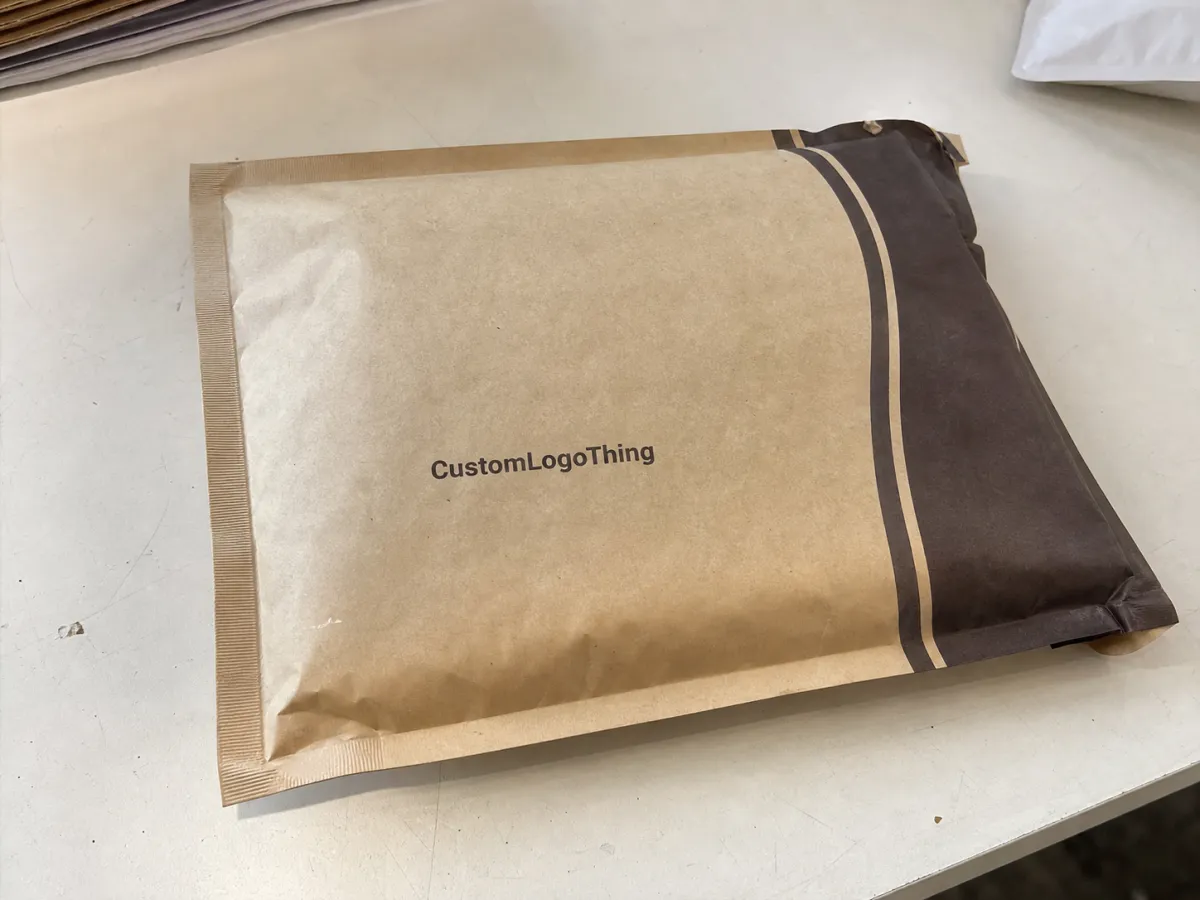
Buyers rarely ask for marketing language. They ask whether the mailer will protect the product, whether the print will survive handling, and whether the supplier can repeat the result on the next lot. A common failure starts with a sample that looked perfect on a desk but was treated as proof that the shipping version would behave the same way.
Audit teams usually look for consistency first. Can the factory hold size tolerance? Can it keep print registration within the approved range? Can it match adhesive performance from batch to batch? Can it trace the lot if a problem shows up later? Those questions matter more than a polished sample photo.
Buyers also ask about the line itself. Does the packaging line test filled mailers or only flat blanks? Are cartons counted by hand, weighed, or both? Is there a documented check for ink rub, seal strength, and corner crush? A factory that answers quickly usually has its process under control. A factory that answers in generalities often does not.
For coffee roasters, the exposure is especially annoying because packaging sits close to freshness, shelf appeal, and wholesale presentation. A dented outer pouch or a crushed accessory kit may not destroy the coffee, but it still creates a complaint. One complaint can turn into a lot of explaining.
How padded mailers protect coffee shipments without overpacking
A padded mailer is not a magic shield. It is a compromise that works only when the pack-out matches the product. The outer layer can be kraft paper, coated paper, or film. Inside, the cushioning may be bubble, fiber padding, or another shock-absorbing layer. Then there is the seal strip, glue chemistry, and print system. If one layer is weak, the others have to absorb the damage.
For coffee roasters, that balance matters because shipments vary. Sample packs are light but often handled more. Retail bundles may include stickers, cards, or small merchandise. Wholesale collateral might be flat but still needs a cleaner finish than a generic shipping envelope. A mailer that is too light fails in transit; a mailer that is too heavy raises freight and material cost without much upside.
There is also a brand issue. Many roasters want a natural paper look because it fits specialty coffee better than a glossy shipping pouch. That is fine, as long as the structure is strong enough to survive conveyor belts, truck vibration, and repeated stacking. A premium look that scuffs in the first mile is not premium.
Testing should reflect real use. Drop tests matter. Seal hold matters. Ink transfer matters. Corner crush matters. A filled mailer should be checked in the condition it will ship: sealed, labeled, stacked, and exposed to abrasion. A flat sample tells you almost nothing about how the order behaves once it is packed and handled.
Standard shipping protocols from groups like ISTA are a useful reference point for handling, drop, and vibration checks. If the product description includes recycled content or paper sourcing claims, the buyer should ask for supporting documents rather than accepting a line on the spec sheet at face value. For paper-based claims, FSC chain-of-custody documentation is one common proof point, but it is only useful if the certificate details match the material being used.
Specs factories audit before approving a run
Factories do not approve vague descriptions. They approve specifications. The brief should state the finished dimensions, the mailer construction, the cushioning thickness, the adhesive type, the print coverage, and the tolerance allowed on each critical measure. If the mailer needs to hold a 12 oz coffee pouch, say so. If it needs to fit a sample kit plus inserts, say that too. Clear requirements reduce assumptions, and assumptions are expensive.
The approval file should also track the artwork version. One file name should be the final one. Buyers who skip version control often discover later that the printed panel moved, the shade shifted, or the legal copy changed between sample and production. Once the press starts, those mistakes get costly.
Traceability matters as much as appearance. A usable audit trail usually includes dieline approval, artwork sign-off, carton count instructions, lot coding, and any label format required on master cartons or shipping cases. If the factory is packing 500 units per carton, the approval record should say 500, not “around 500.”
Claims need evidence. Recycled content, FSC certification, compostable wording, and moisture resistance all need the right supporting basis. If a supplier says the substrate is recycled kraft, ask what percentage and whether the ink, liner, and adhesive affect the claim. If the package will cross a specific market with labeling rules, those rules should be checked before the artwork is released.
- Finished size: Must fit the filled pouch or insert with enough room for a clean seal.
- Material build: Kraft, coated paper, or film face with the right inner cushioning layer.
- Seal performance: Adhesive should hold under pressure, handling, and temperature swings.
- Print durability: Ink should resist rubbing, folding stress, and light surface abrasion.
- Traceability: Lot code, carton count, and approved artwork version should match the records.
The best spec sheets also state what is not acceptable. No ink smearing. No exposed glue bleed. No visible registration shift beyond the agreed tolerance. No carton mix-ups. Buyers who define the failure points early tend to get fewer surprises later.
If you are comparing formats, it helps to view the mailer alongside other packaging options in Custom Packaging Products. When moisture resistance matters more than the paper look, Custom Poly Mailers may fit better. Different product, different failure mode.
Cost, pricing, and MOQ tradeoffs
Price moves with every change in build. Material choice, print colors, finish, adhesive quality, size, and QC requirements all affect the quote. A basic kraft-padded mailer with one-color print is a different purchase from a custom mailer with tighter registration, a stronger seal strip, and a special surface finish. Buyers tend to compare only unit cost, but factories price the full package: sample fees, freight, and rework can erase the apparent savings.
Low-volume orders almost always carry the highest unit price because setup gets spread across fewer pieces. Once quantity rises, the per-unit number usually falls. A small run may land around $0.45 to $0.80 per unit, a mid-size order around $0.28 to $0.45, and a larger run around $0.18 to $0.30. Those ranges are directional, not guaranteed. A heavier liner, custom print effect, or stricter tolerance can move the number immediately.
Sampling and freight deserve more attention than they usually get. A quote can look attractive until the buyer adds proofing charges, sample shipping, extra labeling, and repacking. At that point the “cheap” option is no longer cheap; it is just the one that looked best before the missing costs showed up. Landed cost is the number that matters.
MOQ is another pressure point. A factory may offer a lower unit price only after the order passes a threshold that the buyer cannot comfortably store. If the warehouse turns into a hold pile for a color or size that does not move, the unit savings stop being useful. The smartest purchase is the one that matches both production and storage reality.
| Mailer option | Typical MOQ | Indicative unit price | Best use | Tradeoff |
|---|---|---|---|---|
| Basic kraft padded mailer | 3,000-5,000 | $0.28-$0.45 | Sample shipments and small add-ons | Moderate crush protection, simpler branding |
| Custom printed cushioned mailer | 5,000-10,000 | $0.18-$0.30 | Retail kits, wholesale collateral, branded mail | More setup discipline, tighter QC needed |
| Premium finish mailer with stronger adhesive | 10,000+ | $0.24-$0.48 | Higher-value shipments and brand-forward packs | Better appearance, higher tooling and finish cost |
That spread explains why buyers should compare more than one sample quote. A slightly higher unit price can still win if the freight is lighter, the print is cleaner, and the rejection rate stays lower. The lowest price per unit is not always the lowest price per acceptable shipment.
Production steps and timeline from sample to dock
The process looks simple on paper: brief, dieline, proof, sample, revision, production, QC, packing, shipping. In practice, each step can absorb time if the previous one was unclear. A buyer sends incomplete dimensions, the factory interprets the size, the sample returns wrong, and the schedule slips before production even starts.
For straightforward custom runs, production may move from approved proof to finished goods in about 10 to 15 business days. If the project includes special adhesives, multiple print revisions, custom inserts, or tighter tolerances, 15 to 25 business days before freight is more realistic. Seasonal congestion can stretch that further. Planning too tightly usually ends with a rushed shipment, and rushed shipments are where avoidable defects hide.
Sample approval deserves more respect than it usually gets. The sample should match the spec, the spec should match the artwork, and the artwork should match the carton instructions. If any one of those drifts, the whole order becomes harder to defend during an audit. A sign-off should reflect the actual filled product, not only the flat mockup.
“If the filled mailer passes on a desk but fails in a shipping lane, the sample did not pass.”
That sounds blunt because it is. A meaningful approval tests the mailer after it has been filled, sealed, stacked, and rubbed against other cartons. For coffee roasters shipping fragile sample packs or accessory bundles, the real question is whether the package still looks and performs as intended after ordinary handling.
Mistakes that trigger rework, chargebacks, or audit notes
The biggest mistakes are usually the least dramatic. Missing dimensions. Loose artwork instructions. No pack-out guidance. No test requirement. No carton label format. Every blank forces the factory to guess, and guesswork gets expensive fast.
Another common error is approving the sample based on appearance alone. The mailer can look sharp and still fail once it is filled and moved through a shipping lane. A corner split may not show up until after the cartons are stacked. Print rub may not show up until after abrasion. That delayed failure is exactly why audit teams insist on testing the packaged version rather than the empty shell.
Paperwork mistakes cause their own trouble. Wrong carton counts, inconsistent lot codes, or shipping documents that disagree with the approved file can trigger audit notes even if the mailers themselves are fine. The packaging record should be boring in the best way possible: one version, one count, one clear result.
- Use one final artwork file and lock the version before sampling.
- Check the filled pouch inside the mailer, not only the flat envelope size.
- Test seal strength under normal line speed, not just by hand.
- Check print rub, fold stress, and carton compression before release.
- Match lot codes, carton counts, and labels to the approved record.
There is one more mistake that keeps showing up: too much focus on aesthetics and too little on handling. A mailer that photographs well but fails under pressure does not help the roaster. It only creates a prettier version of the same problem.
Practical tips for a cleaner supplier brief
Keep the brief short, but not vague. One page can cover the essentials: finished size, product type, print goals, material preference, required tests, MOQ, target lead time, and the exact claim language that needs support. Clear language saves time at every stage. It also gives the factory less room to improvise.
Before placing an order, ask for three things in writing: a production sample, a confirmed timeline, and a list of cost drivers that can change the quote. A change in color count, finish, adhesive, or carton labeling can move the price quickly. A factory that explains those triggers clearly is easier to work with than one that leaves them to be discovered after the invoice arrives.
The most useful internal checklist is usually the simplest one. Does the mailer fit the product? Does the print survive rubbing? Does the seal hold after pressure? Do the carton counts and lot codes match? Are the claims supportable? If those answers are clean, the order is usually in better shape than most.
- Compare finished size, material build, and cushioning level across suppliers.
- Review proof files line by line before sample approval.
- Test the filled mailer, not just the flat sample.
- Confirm carton counts, lot codes, and label format in writing.
- Lock the approval record before production starts.
That may sound cautious. Packaging should be cautious. Coffee roasters already manage roast consistency, shipping schedules, and brand presentation; the mailer should remove risk, not add another variable to the stack. If you need a broader sourcing view, compare options in Custom Packaging Products and narrow the build once the audit questions are settled.
FAQ
What factory audit questions should I ask before ordering printed padded mailers?
Ask about material construction, cushioning thickness, print durability, seal strength, MOQ, sample timing, and the documents they provide for traceability. Also ask how they test rub-off, corner crush, and adhesive hold because those failures show up often enough to matter.
How do I compare printed padded mailers for coffee roasters on cost?
Compare setup charges, unit price at each tier, sample cost, freight, and QC requirements. The cheapest quote on paper is not always the cheapest landed cost, especially if it leads to a second proof cycle or rework.
What timeline should I expect for a custom mailer order?
Simple approved runs can move in about 10 to 15 business days after approval, but custom print changes, sample revisions, and busy factory schedules can stretch that. Build buffer time before launch so the shipment is not forced into emergency freight.
Which specs matter most in a factory audit?
Finished size, adhesive performance, print consistency, cushioning level, carton pack-out, and any claim or label language that needs support are the big ones. If the spec is vague, the audit tends to be vague too, and that usually works against the buyer.
What is the biggest mistake coffee roasters make with custom mailers?
They approve a sample that looks good but never test the filled, sealed, shipped version. That is how orders get paid for twice: once for the bad run and again for the correction.
Handled properly, Printed Padded Mailers for coffee roasters factory audit questions are the practical checklist that keeps the order honest, the brand intact, and the shipment from turning into a reportable problem.


