Printed zipper Bags for Subscription boxes solve a very practical problem: how to keep small products organized, protected, and presentable without turning the packout process into a chore. A resealable printed bag can replace a mix of tissue, loose inserts, and secondary wraps that often look fine on paper but feel messy once the customer opens the box. The result is cleaner packing, better product control, and a package that feels planned instead of patched together.
For subscription brands, that matters because the packaging is seen repeatedly. Every monthly shipment has to feel consistent, and a bag that wrinkles, leaks, or prints poorly can undermine that consistency fast. The right structure does more than hold an item in place. It supports the brand story, keeps the product cleaner in transit, and gives fulfillment teams one less thing to fight with.
The catch is that the bag needs to match the product and the production line. A spec that works for dried snacks may be wrong for cosmetics. A pouch that looks premium in a mockup may slow down packing if the zipper is stiff or the opening is too narrow. Good packaging is less about decoration and more about fit, materials, and repeatability.
What printed zipper bags actually do for subscription boxes
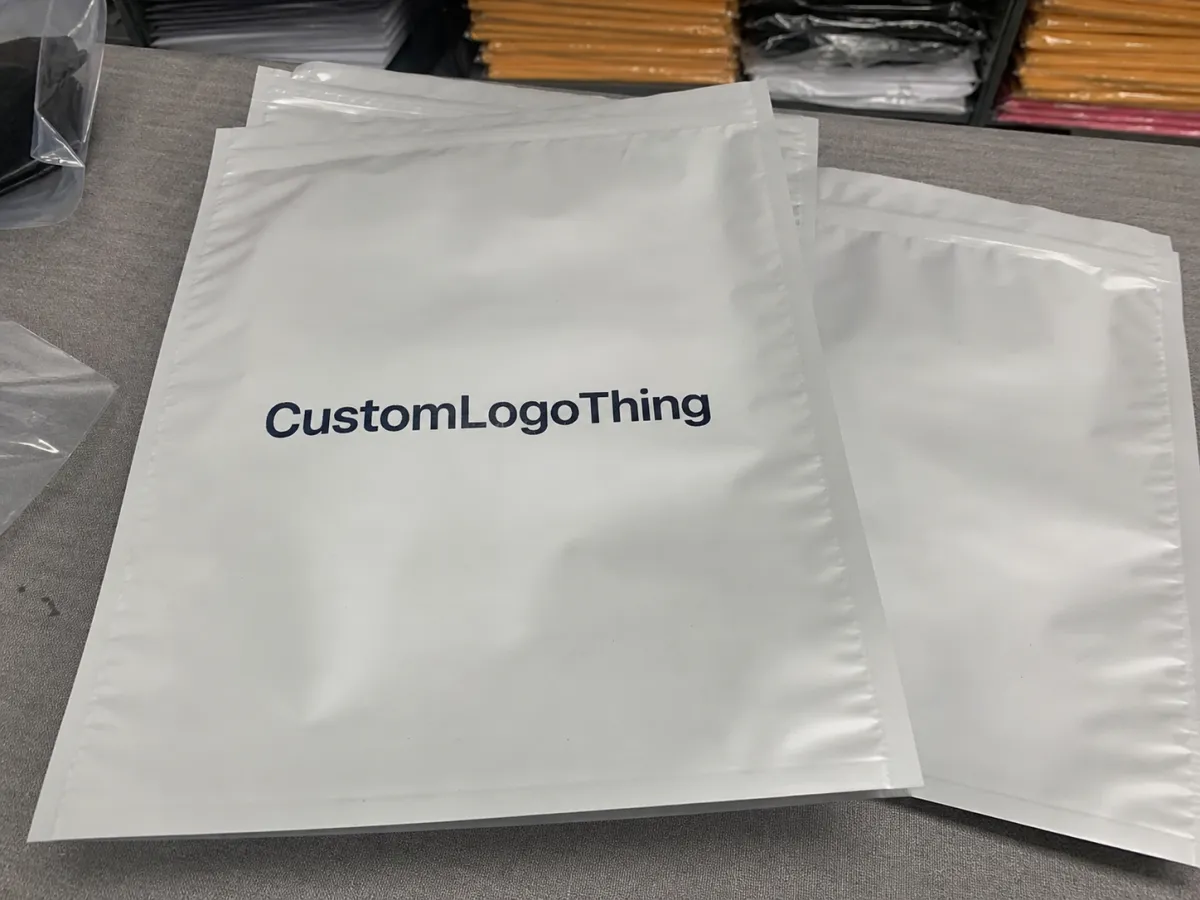
Printed zipper Bags for Subscription boxes are resealable pouches with custom graphics, usually used inside recurring shipment kits to hold, group, or present products. They show up across beauty, wellness, snacks, apparel accessories, and compact retail items because they handle a useful middle ground: better presentation than a plain poly bag, but far less cost and bulk than a rigid container.
The real value is not just containment. A printed bag can reduce handling steps, keep small components together, and create a more finished unboxing moment. That matters most when a kit includes multiple parts that might otherwise scatter through the box. One well-sized pouch can organize all of that in a way tissue and loose inserts usually cannot.
Subscription programs also depend on visual consistency. If the outer box changes every month, the brand can still feel intentional as long as the inner pack remains disciplined. The bag becomes part of that repeatable system. It gives the customer a familiar structure while still leaving room for seasonal artwork, product labeling, or special edition messaging.
A well-spec’d bag should make packing easier, not harder. If it creates extra folding, extra tape, or extra confusion on the line, it is probably the wrong format.
There is also a labor angle that gets overlooked. When a pouch opens cleanly, fills consistently, and seals without fuss, the line moves better. That does not sound glamorous, but it is exactly what keeps a subscription operation efficient. Small improvements in packout speed add up over repeated runs, especially when the same format is used month after month.
How the bag format works inside a subscription box
Most Custom Zipper Bags use a simple structure: film body, seal area, zipper closure, and printed graphics on one or both sides. Some versions include a tear notch, hang hole, or gusset to improve opening, display, or capacity. Clear, frosted, opaque, and lightly tinted materials are all common, depending on how much of the product you want visible and how much of the branding has to carry the visual weight.
The structure only works if it behaves properly after filling. A bag that looks clean empty can distort once it is packed, stacked, and shipped. Artwork that sits too close to the zipper or bottom seal can warp. Thin film can slump. A weak closure can make the entire package feel flimsy even when the product inside is perfectly fine. These problems are usually not mysterious design failures; they are spec issues.
For fulfillment teams, the most useful bags are the ones that fill quickly and seal the same way every time. A pouch that opens too tightly, collapses under its own weight, or requires awkward folding can slow production more than buyers expect. That is why printed zipper Bags for Subscription Boxes often work best for hero items, sample sets, and secondary organizers rather than heavy rigid products or anything with significant leakage risk.
They are not a universal answer. If a product needs a hard shell, unusually strong barrier performance, or transportation under pressure with a real chance of leakage, another format may be smarter. Pouches are flexible and efficient, but they still have limits.
Key specs that affect performance, branding, and shelf life
Material choice shapes most of the performance differences. PE is common for lighter applications and simpler budgets. PET/PE laminates feel stiffer and usually print with better surface definition, which helps when the branding needs to look sharper on shelf or in unboxing photos. If the product is sensitive to moisture, odor, or shelf-life loss, barrier films may be worth the added cost. For food, supplements, and some beauty items, that extra protection can matter more than an additional color in the artwork.
Thickness is usually discussed in mils. For light samples, 2.5–4 mil is common. For a more substantial hand feel and better durability, 4–6 mil is often the practical range. Thicker material is not automatically better. Too much film can make the bag stiff, bulky, and more expensive than the product actually needs. The right thickness is the one that protects the contents without making the pack awkward to fill or oversized in the box.
Print area deserves more attention than many first-time buyers give it. Full-bleed graphics need bleed allowance, zipper clearance, and bottom seal space accounted for early. Artwork that looks balanced on a flat screen can feel cramped once those safe areas are applied. It helps to ask for the dieline before finalizing the layout, because the usable print space is often smaller than the first mockup suggests.
Finish affects perception in a very direct way. Gloss makes color pop and can feel energetic. Matte softens the look and often reads more premium in wellness or beauty categories. Frosted surfaces reduce visual noise while still showing some of the contents. Clear windows are useful when the product itself is part of the appeal. The finish should support the item and the brand position, not simply follow whatever sample happened to look nicest on the desk.
For buyers working through compliance or sustainability questions, ask what the supplier can document rather than relying on vague claims. If the application touches food contact, recycling language, or responsible sourcing, material declarations and relevant certifications matter. Public references from organizations such as the Paper and Packaging Board, FSC, and ISTA can help frame expectations around material claims and transit performance.
| Option | Typical feel | Best for | Tradeoff |
|---|---|---|---|
| PE zipper bag | Soft, flexible | Light samples, simple kits, lower-cost packs | Less stiffness and less premium print presence |
| PET/PE laminate | Stronger, cleaner structure | Beauty, wellness, apparel accessories | Higher unit cost and slightly longer sourcing time |
| Barrier upgrade | More technical feel | Odor-sensitive, moisture-sensitive, shelf-life needs | Costs more and may limit finish choices |
Process and timeline: from artwork to production steps
The production path is usually straightforward if the project is organized well. It starts with a quote, moves into dieline review, then artwork setup and proofing, followed by sampling or a pre-production sample, mass production, and shipping. Delays usually come from incomplete files, unclear specifications, or late-stage design changes rather than from the process itself.
For printed zipper bags for subscription boxes, timing should be planned with some realism. Sampling often takes 7–12 business days depending on the construction and print method. Production commonly runs 12–20 business days after proof approval. Shipping time sits on top of that, and rush orders may be possible, but they usually reduce flexibility and raise cost. That is normal for custom packaging, not a sign of poor service.
Preparation is what keeps the timeline under control. Before requesting pricing, have vector logo files ready, along with approved copy, Pantone references if color matching matters, target quantity, acceptable quantity range, product dimensions, fill volume, and the requested finish and closure style. That information gives the supplier enough context to quote accurately instead of guessing.
One of the easiest ways to avoid rework is to ask for the dieline before designing. Otherwise the artwork can be built against the wrong safe areas, and the first proof ends up needing major adjustments. The same thing happens when a buyer assumes the zipper area is just another blank panel. It is not. It is a functional zone that affects both layout and performance.
Cost and pricing factors for custom zipper bags
Five variables drive most of the pricing: size, material, print complexity, quantity, and added features such as barrier layers or specialty finishes. Larger bags use more film. More colors increase print cost. Stronger materials and tighter performance specs raise the price further. None of that is unusual, but it does mean a quote is only useful if the spec is clearly defined.
MOQ matters as well. Smaller orders usually carry a higher unit cost because setup is spread over fewer pieces. A common pricing range for custom zipper bags might land around $0.22–$0.55 per unit for mid-range quantities, depending on size, material, and print coverage. Very low quantities can push the unit cost higher than buyers expect, while larger runs bring the price down but require storage discipline and better forecasting. Inventory savings disappear quickly if the brand ends up sitting on years of unused packaging.
The best cost decision is rarely the cheapest one. A useful rule is to choose the minimum spec that protects the product and still looks intentional. That means avoiding underbuilt film that wrinkles badly, but also avoiding overbuilt packaging that adds expense without improving the customer experience. A heavier laminate may make sense for shelf life or presentation. It may also be unnecessary if the product is dry, short-life, and packed in a secondary mailer.
Savings usually come from standard sizes, fewer print colors, simpler closures, and larger quantities. Costs rise with full-bleed artwork, metallic inks, soft-touch finishes, thick barrier films, and custom shapes. If a project requires a very specific size, tooling and setup may affect the quote. If the design can fit into a standard size, pricing is usually better and lead time is often shorter.
Comparing suppliers only works if the specs are truly aligned. One quote may look cheaper because it uses a thinner film, a simpler zipper, or less print coverage. Another may include better materials and still appear more expensive on paper. Apples-to-apples comparison is the only fair way to evaluate the numbers.
Step-by-step buying guide for subscription brands
Start with the product, not the packaging mood board. Define what is being packed, how it moves through fulfillment, and what kind of customer moment the brand wants to create. If the item is fragile, greasy, powdered, scented, or moisture-sensitive, those conditions should drive the spec before the graphic direction does.
- Define the product and the role of the bag. Is it a sample, a hero SKU, or a bundled set?
- Choose the structure. Decide on PE, laminate, barrier film, zipper style, and whether you need a hang hole or tear notch.
- Request quotes using the same specs. Otherwise price comparisons are misleading.
- Review the proof closely. Check bleed, zipper placement, readability at arm’s length, and whether any key copy falls into the unsafe area.
- Approve a sample or pre-production proof. Skipping this step is risky if the launch matters.
Printed zipper bags for subscription boxes should also be tested in the real packing environment before the order is fully committed. Put the actual product into the bag, seal it, stack it, and ship a small run if possible. Then check for wrinkles, scuffs, distortion, and zipper performance after movement. A mockup can look right and still fail once it runs through an actual fulfillment workflow.
If the packaging program includes other components, it helps to compare formats before locking the final spec. Our Custom Packaging Products page is a useful place to review related options and make sure the inner pouch, mailer, and any inserts are working toward the same presentation standard.
Common mistakes buyers make with printed zipper bags
The first mistake is buying on appearance alone. A bag can look excellent in a render and still fail on seal strength, barrier performance, or fill behavior. The second is choosing an oversized format that leaves too much empty space and makes the package wrinkle or slump. Oversizing usually wastes material and can make the branding feel less confident, not more.
Another common problem is treating lead time as an afterthought. Custom packaging takes time for proofing, sampling, and production. If the launch date is fixed, the packaging timeline has to be built backward from that date, not guessed at the last minute. Tight schedules are workable when they are disclosed early. They are much harder to solve once the calendar is already full.
Low-resolution artwork causes avoidable delays, and so does changing copy after proof approval. Every revision may trigger reproofing, extra time, or additional cost. Chasing the lowest quote can create a similar mess if the material, zipper, or print quality turns out to be weaker than expected. The cheapest bag is only cheap if it arrives on time, seals properly, and does not make the product look like an afterthought.
Expert next steps for a cleaner, cheaper launch
Start with one hero SKU and one standard size. That keeps the order manageable and makes it easier to see whether the format is actually improving the packout and the customer experience. Once the spec is proven, expanding the line becomes much easier. Launching multiple sizes, finishes, and closure variations at once usually creates more cost and more confusion than the project needs.
Test two or three sample configurations with the real product and the actual shipping process. Compare unit cost, labor savings, and presentation quality together rather than treating them as separate decisions. A bag that costs a little more can still be the better business choice if it speeds packing, reduces damage, or improves how the kit feels when it is opened.
Document the approved spec in one place: size, film, thickness, print method, closure, finish, quantity, and approved artwork version. That kind of recordkeeping prevents reorders from drifting into “almost the same” territory, which is a common source of packaging inconsistency. It also makes it easier for procurement and operations to stay aligned across future runs.
For brands comparing printed zipper bags for subscription boxes, the strongest purchase is usually the one that balances protection, branding, and production sanity. Not the fanciest bag. Not the cheapest bag. The one that holds up in the line, prints cleanly, and keeps doing the job every month without creating extra work.
What are printed zipper bags for subscription boxes used for?
They package recurring-box items in a resealable, branded format. They help protect products, organize inserts, and improve presentation. They work well for samples, consumables, accessories, and small retail items.
How much do custom zipper bags usually cost for subscription packs?
Price depends on size, material, print coverage, zipper style, and order quantity. Smaller orders usually have a higher unit cost because setup is spread over fewer pieces. Standard sizes and simpler printing are usually the fastest way to lower cost.
What lead time should I expect for printed zipper bags?
You should budget time for artwork review, proof approval, and production before shipping. Samples usually add time, but they reduce expensive mistakes later. Rush timing is possible in some cases, but it can limit material choices and raise cost.
Which materials are best for subscription box zipper bags?
PE works well for lighter, simpler applications. Laminated or barrier films are better for freshness, odor control, or added protection. The right choice depends on the product, not just what looks nicest in a mockup.
How do I avoid mistakes when ordering printed zipper bags?
Confirm exact dimensions, fill volume, and closure style before quoting. Use print-ready artwork and check the proof carefully. Compare suppliers using the same specs so pricing and quality can be judged fairly.


