Buyer Fit Snapshot
| Best fit | Printed Poly Mailers Custom Printed projects where brand print, material claims, artwork control, MOQ, and repeat-order consistency need to be specified before quoting. |
|---|---|
| Quote inputs | Share finished size, material target, print colors, finish, packing count, annual reorder estimate, ship-to region, and any compliance wording. |
| Proofing check | Approve dieline scale, logo placement, barcode or warning zones, color tolerance, closure strength, and carton packing before bulk production. |
| Main risk | Vague material claims, crowded artwork, missing packing details, or unclear freight terms can make a low unit price expensive after revisions. |
Fast answer: Printed Poly Mailers Custom Printed: Material, Print, Proofing, and Reorder Risk should be specified like a repeatable production item. The safest quote records material, print method, finish, artwork proof, packing count, and reorder notes in one written spec.
Production checks before approval
Compare the actual filled-product size with the drawing, then confirm tolerance on folds, seals, hang holes, label areas, and retail display edges. Reserve space for logos, QR codes, warning copy, and material claims before decorative graphics fill the panel.
Quote comparison points
Review material grade, print process, finish, sampling route, tooling charges, carton quantity, and freight assumptions side by side. A quote is only useful when the supplier can repeat the same color, closure quality, and packing count on the next order.
The first time I watched a pallet of Printed Poly Mailers custom printed roll off a slitter at a film plant outside Shenzhen, I remember thinking how a thin polyethylene envelope could carry so much brand weight before a customer ever touched the product. In one 10-second handoff at the packing table, the mailer had already done part of the selling, part of the protection, and part of the marketing, which is exactly why printed Poly Mailers Custom printed deserve far more attention than they usually get. I still think that moment changed the way I look at packaging, honestly, especially after seeing the same style of mailer run through a warehouse in Dongguan at 1,200 units an hour without a single extra fold.
I've spent enough time on factory floors, in supplier negotiations, and inside ecommerce fulfillment rooms to know this: the right mailer can make a $24 apparel order feel polished, while the wrong one can make even a well-made product feel cheap. If you sell soft goods, accessories, beauty items, or subscription kits, Printed Poly Mailers custom printed are often one of the most cost-effective ways to build branded packaging without overcomplicating your line. And yes, I’ve watched brands spend hours debating box ribbons while ignoring the thing that actually leaves the warehouse 20,000 times a month, which always makes me laugh a little, then sigh, because a $0.15-per-unit mailer at 5,000 pieces can matter more than a decorative insert that nobody remembers.
Printed Poly Mailers Custom Printed: What They Are and Why They Matter
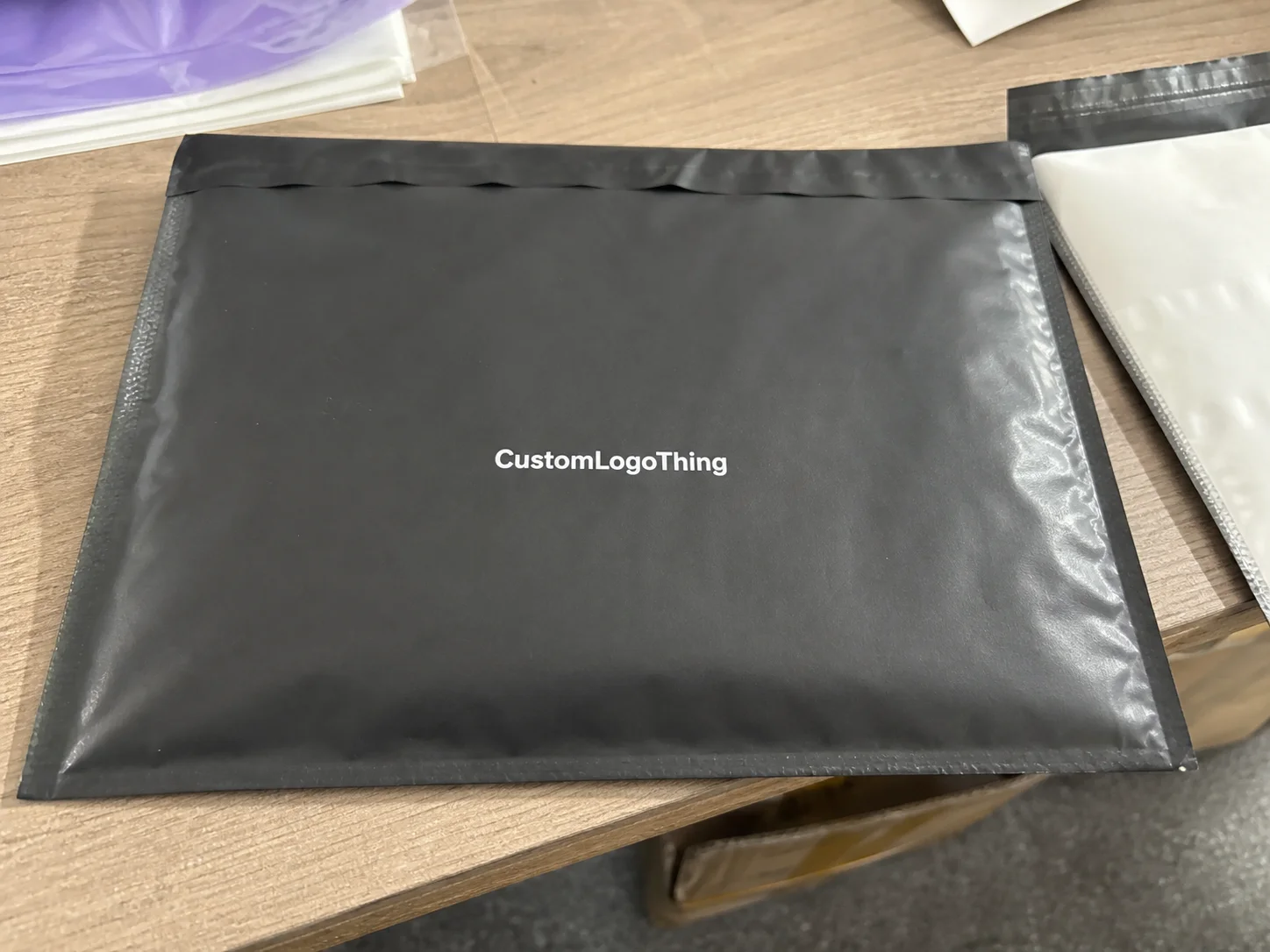
Printed Poly Mailers custom printed are lightweight shipping envelopes made from polyethylene film, usually LDPE or a co-extruded structure, that are decorated with a brand’s logo, colors, pattern, slogan, or campaign artwork. In plain language, they are the plastic mailers you see in ecommerce shipping, except they are made specifically for a business instead of pulled from a stock shelf in a warehouse, often in sizes like 10 x 13 inches, 12 x 15.5 inches, or 14.5 x 19 inches depending on the packed product.
They are used everywhere in direct-to-consumer shipping, especially for apparel, socks, swimwear, cosmetics, supplements, small accessories, stationery, and other flexible products that do not need rigid box walls. I’ve seen a small activewear brand in Southern California move from plain gray mailers to printed poly mailers custom printed and immediately tighten up its presentation; their customer service team told me people started posting the unopened packages on social media because the packaging looked intentional. In their case, the switch happened after a 14-day proof cycle and a first run of 25,000 pieces out of a Shenzhen plant, and the brand said the visual lift was obvious within the first week of shipments.
There is a real difference between stock mailers, custom printed mailers, and fully bespoke packaging. Stock mailers are off-the-shelf and unbranded. Printed poly mailers custom printed add your artwork and messaging to a standard mailer structure. Fully bespoke packaging goes much further, usually involving custom box dimensions, inserts, structural engineering, and often more expensive Custom Packaging Products such as mailer boxes, tissue, stickers, and rigid gift packaging. In most factories I’ve visited, the custom mailer line uses a separate print-and-seal workflow from rigid packaging, which is one reason the lead time is usually shorter.
Many brands overcomplicate the first step. If you are shipping light, soft, and relatively flat items, printed poly mailers custom printed often deliver the fastest return because they reduce packing time, create a cleaner presentation, and move through the carrier network with less bulk than a box. They also improve package branding in a way that follows the parcel from the warehouse all the way to the doorstep. I like that practical kind of branding—less theory, more “yes, this actually helps the business,” especially when the pack-out time drops from 42 seconds to 28 seconds per order on a Tuesday morning shift in a 3PL outside Dallas.
“The package is the first physical interaction a customer has with the brand. If the outside looks sloppy, they assume the product inside was handled the same way.”
That is not marketing fluff; that is what I heard from a fulfillment supervisor during a client visit to a 3PL in Texas, where teams were processing 4,000 to 6,000 orders a day. Once they standardized on printed poly mailers custom printed, mis-picks were easier to spot, outbound prep looked more organized, and the whole operation felt less like a scramble, especially after the team moved from unbranded stock bags to a two-color logo print with a matte finish.
How Printed Poly Mailers Custom Printed Are Made
The production flow for printed poly mailers custom printed starts with film selection, and that choice affects everything downstream, from feel to seal strength to puncture resistance. Most mailers are built from LDPE film or co-extruded films, where two or more layers are combined to balance softness, stiffness, printability, and tear performance. I’ve stood next to extrusion lines where operators measured film gauge every hour because a few microns can change how a mailer folds, seals, and survives carrier handling. There’s nothing glamorous about that part of the process, but it is where quality is won or lost, especially on a 2.5 mil co-extruded structure that has to hold up against corner abrasion in transit from Shenzhen to Los Angeles.
Next comes printing, and this is where the artwork becomes a physical package. Flexographic printing is common for efficient production, especially when you need clean solid colors and repeatability across long runs. Rotogravure is often used when the artwork is more intricate, the volumes are larger, or you need very fine detail and deep color density. For printed poly mailers custom printed, the best print method depends on your design, run size, and the level of color control you need. I have a soft spot for flexo because it handles a lot of brand work beautifully without making the whole job feel fussy, and a 3-color flexo job can often be the sweet spot for a brand ordering 10,000 to 50,000 units.
Artwork prep matters more than most people realize. Logos should be in vector format where possible, color references should be clearly specified, and bleed, safe zones, and seam placements need to be planned before plates or cylinders are made. A designer may love a centered logo, but if it lands on a seal edge or gets distorted by the gusset, the final mailer will look off. That is why good prepress work is not a formality; it is the difference between a clean result and a reprint. And reprints? They have a way of appearing right after everyone promised the launch would be “no problem,” usually after a proof approval in which the Pantone 186 C swatch looked perfect on screen but too dark on film at the first press check.
After printing, the film is cured or dried depending on the ink system, then slit to width, folded, sealed along the sides, and packed for shipment. Some printed poly mailers custom printed include tamper-evident adhesive strips, while others use dual seals so the return process is built in. A dual-seal feature can be especially useful for apparel returns, and I have seen it reduce extra packing tape use at warehouse stations by a measurable amount over a three-month period, especially in facilities processing 800 return-ready orders a day in New Jersey.
For readers who like standards and testing language, packaging operations often reference general shipping and performance expectations from groups such as the ISTA community, especially when evaluating transit abuse, drop behavior, and seal integrity. Material selection also intersects with environmental considerations, which is where resources from the EPA can be useful for broader packaging decisions and recycling education. In practice, that often means looking at resin content, downgauging from 3.0 mil to 2.5 mil where appropriate, and confirming that the film still survives real-world carrier handling.
Key Factors That Affect Printed Poly Mailers Custom Printed Performance
Size is the first decision I ask clients to get right when planning printed poly mailers custom printed. If you are shipping a folded hoodie, a knit dress, or a set of soft accessories, the mailer needs enough internal room to avoid stress on the seal, but not so much slack that the package looks puffy and wasteful. A good rule is to size from the product dimensions first, then allow a little space for tissue, a card, or a thin insert, usually no more than 0.5 to 1.5 inches on the most relevant side. I know it sounds basic, but I have seen more projects derailed by a bad size choice than by almost anything else, including a costly mismatch where a 12 x 15.5 inch mailer was used for a product that really needed a 10 x 13 inch format.
Thickness also matters, and you will usually hear it discussed in mils or microns depending on the supplier. Thicker film can improve puncture resistance and create a firmer feel in the hand, but going thicker is not always the smartest move because it can raise costs and sometimes make the mailer harder to fold or seal. In one Detroit facility I visited, a brand switched from 2.0 mil to 3.0 mil film for their printed poly mailers custom printed after seeing damage complaints from winter transit, and the extra layer paid for itself by cutting replacement shipments. That was one of those rare moments where the spreadsheet and the warehouse actually agreed, especially after the team tracked a 17% drop in damage claims over 60 days.
Branding decisions are where packaging design becomes real. A simple logo in one spot can feel clean and premium, while a full-repeat pattern can create more visual impact and better shelf or social visibility. Pantone matching is useful when brand color is a core asset, but exact matching depends on the print method, film color, and ink system. If you are managing a budget, partial coverage usually costs less than full-bleed art, though the visual return may also be lower. Personally, I lean toward graphics that feel confident rather than crowded, especially for mailers produced in a matte white or frosted finish where a single strong logo can do the heavy lifting.
Sustainability is another factor, and it should be handled honestly instead of used as a buzzword. Some printed poly mailers custom printed are available with recycled content, and material-efficient structures can reduce resin use without hurting performance if the engineering is right. Downgauging, which means reducing film thickness while keeping the package functional, can be smart when the product is light and the seal is reliable. Just make sure your supplier explains the tradeoff in puncture resistance and shipping reliability, because not every light-gauge film will survive rough carrier handling. I’ve seen a few “eco” claims fall apart the minute a box cutter got too enthusiastic at a busy fulfillment table, especially when the supplier could not specify whether the film contained 30% post-consumer recycled content or just a vague “recyclable” claim.
Functional features deserve attention too. Weather resistance, opacity, tear resistance, and adhesive quality all shape how the package performs in real life. If the mailer lets moisture in, tears at the corner, or pops open in transit, the branding benefit disappears fast. Good printed poly mailers custom printed should protect the product, resist casual abrasion, and maintain closure from fulfillment table to delivery scan. In a rainy warehouse outside Manchester, I once saw a shipment pass through a wet loading dock and still arrive intact because the adhesive strip held after 18 hours of temperature swings, which is the kind of boring-but-critical success packaging people love to forget.
| Option | Typical Use | Strength | Tradeoff |
|---|---|---|---|
| 2.0 mil LDPE mailer | Light apparel, accessories | Lower cost, lighter feel | Less puncture resistance |
| 2.5 mil co-extruded mailer | General ecommerce shipping | Balanced durability and price | Not ideal for sharp-edged contents |
| 3.0 mil reinforced mailer | Heavier soft goods, returns | Better transit protection | Higher material cost |
Printed Poly Mailers Custom Printed: Cost and Pricing Factors
Pricing for printed poly mailers custom printed usually comes down to quantity, number of print colors, size, film thickness, and finishing options. A simple one-color design on a standard size mailer will almost always cost less than a full-color, dual-seal, gusseted format with custom messaging on both sides. That sounds obvious, but I still see buyers compare quotes without checking whether the specs are even remotely the same. It is the packaging equivalent of comparing apples to forklifts, especially when one quote is for 5,000 pieces and another is for 50,000 pieces.
Setup costs matter more on smaller orders. Flexo plates, gravure cylinders, prepress work, and proofing all add fixed costs that get spread across the run. If you order 5,000 units, that setup has a much bigger impact on the per-unit price than it does on 50,000 units. I once sat in on a negotiation where a brand owner was frustrated that a 3-color mailer cost noticeably more than a plain stock mailer plus a sticker, but once we ran the labor math, the custom version saved enough packing time to justify itself. That conversation was not glamorous, but it was the kind that saves money in the real world, and the actual quote difference was only about $0.04 per unit after handling was counted correctly.
Here is a simple way to think about the economics of printed poly mailers custom printed versus plain mailers with labels or stickers applied later:
| Packaging Option | Estimated Relative Cost | Labor Impact | Brand Impact |
|---|---|---|---|
| Plain poly mailer + label | Lowest upfront material cost | Extra hand application step | Basic |
| Plain mailer + sticker or sleeve | Moderate | More handling and alignment time | Better than plain, but inconsistent |
| Printed poly mailers custom printed | Higher upfront, often lower total handling cost | Less touch labor | Strong and consistent |
Rush schedules can raise costs too, especially if your project needs compressed production windows, special inks, or expedited freight from the factory. The same is true for premium materials or heavier gauges. If you need printed poly mailers custom printed with recycled-content film, metallic ink, or a custom matte finish, expect the quote to reflect that extra processing. In practical terms, a rush order that normally takes 12 to 15 business days from proof approval may need air freight from Shenzhen or Ningbo, which can add several hundred dollars to the shipment even before customs handling.
Still, the cheapest unit price is not always the best value. A mailer that reduces packing labor by even a few seconds per order can produce meaningful savings at scale, and a package that reinforces product packaging quality may lift repeat orders more than a plain alternative ever could. I have seen brands spend an extra fraction of a dollar per mailer and get much more in perceived quality, fewer complaints, and better social sharing, including one apparel client that moved from a $0.11 plain bag to a $0.18 custom-printed bag and reported a noticeable bump in customer photos within the first 90 days.
Step-by-Step Process for Ordering Printed Poly Mailers Custom Printed
The cleanest orders start with a clear use case. Before you ask for quotes on printed poly mailers custom printed, define what you are shipping, how much protection it needs, and what you want the customer to feel when the package arrives. Shipping a 6-ounce beauty kit is very different from shipping a folded denim jacket, and the mailer should be chosen for the actual load, not for a guess. A brand that sells lightweight loungewear might do well with a 2.5 mil mailer, while a retailer shipping heavier knitwear may need a 3.0 mil structure and a wider flap.
Next, select the structure before you finalize the artwork. Size, closure style, and thickness should all be settled early because the design has to fit the real mailer geometry. If the team is still debating whether the product needs a 10 x 13 inch envelope or a 12 x 15.5 inch format, hold the graphic work until that is resolved. Otherwise, you end up redrawing art after the proof stage, which burns time and usually burns budget too. I’ve watched that happen more than once, and nobody enjoys the sound of a designer saying, “Wait, we changed the size again?” especially after the factory in Guangzhou has already prepared the first round of plates.
For artwork, I always tell clients to prepare vector logos, exact brand colors, and a simple list of what must appear on the front, back, and flap. High-resolution images are fine for some elements, but logos should remain crisp at print size. Safe margins matter because seams, seals, and trimming can clip artwork unexpectedly. If the mailer uses repeat printing, make sure the repeat length is correct so patterns don’t drift from panel to panel. A clear art file can save you one to three rounds of revision, and on a project with a 12-business-day window, that matters more than people think.
Proofing is where good projects are won. Your supplier should provide a digital or physical proof showing size, placement, and color intent, and you should inspect it line by line. For printed poly mailers custom printed, I recommend checking the seal area, the return flap if there is one, the exact shade of any Pantone match, and any fine text that may fill in during print. If you can, request a sample run or pre-production proof, especially if your brand colors are sensitive or the order is tied to a launch date. A factory in Ningbo once sent a 200-piece pilot batch within four business days, and that small test caught a seam placement issue that would have cost the client a full reprint.
After approval, the timeline usually moves through prepress, plate or cylinder preparation, printing, curing, slitting, folding, packing, and outbound shipping. A straightforward run may take 12 to 15 business days from proof approval, though this depends on factory load, print method, and freight route. If your company relies on Custom Poly Mailers for a seasonal campaign, build in buffer time so one late artwork revision does not force a panic. In peak season, I would add at least 5 extra business days before the freight booking, because one missed vessel can turn a tidy schedule into a mess.
One of the most practical habits I’ve seen from experienced operations teams is a simple approval checklist. It keeps everyone honest and saves back-and-forth with the factory.
- Mailer size confirmed against the actual packed product
- Film thickness verified in mils or microns
- Print colors matched to approved references
- Closure style confirmed, including tamper-evident or dual-seal needs
- Artwork placement checked against seams and trims
- Timeline includes proofing, production, and freight
Common Mistakes to Avoid with Printed Poly Mailers Custom Printed
The biggest mistake is choosing the wrong size. I have watched teams force sweaters into undersized mailers and seen the seals struggle because the product was pressing too hard against the edges. I’ve also seen the opposite problem, where a package was so oversized that the item slid around inside and the final result looked careless. With printed poly mailers custom printed, fit is not a cosmetic detail; it directly affects shipping performance and presentation, and a bad fit can add a full extra second per pack-out just from repositioning the product.
Artwork errors are another frequent problem. Low-resolution logos, tiny text, low-contrast color pairings, and designs that ignore the trim lines can all ruin the final appearance. A good print vendor will warn you if a 5-point legal notice is going to fill in on film, but you should not assume the factory will rescue weak design. If the artwork is busy, simplify it before production, because clean graphics usually print better on polyethylene than dense, delicate detail. I have seen a stunning concept collapse into muddy edges simply because a designer used a 0.25-point line across a 13-inch panel.
Under-specifying thickness can lead to torn corners, punctures, and a flimsy feel that customers notice instantly. That is especially true if your product has zippers, hooks, or sharp packaging edges inside. A 2.0 mil mailer may be fine for a tee shirt, but it may be too light for heavier goods or rough warehouse handling. This is one of the most expensive mistakes because the savings on paper disappear the moment a replacement shipment goes out, and a single damage claim can easily erase the savings from a 10,000-piece order.
Another trap is treating unit price as the only metric. A cheaper mailer can cost more overall if it creates damage, slower packing, or a weaker brand impression. The value of printed poly mailers custom printed is not just in the film and ink; it is in the saved labor, the reduction in secondary packaging, and the way the package supports retail packaging standards in a direct-to-consumer channel. If a custom mailer saves 6 seconds per shipment on a 30,000-order month, that time savings becomes real money in any fulfillment center outside Chicago, Atlanta, or Phoenix.
Timeline mistakes show up all the time too. Teams approve artwork late, forget that plates or cylinders need lead time, then expect freight to happen instantly. If the project is tied to a product launch or influencer drop, work backward from the ship date and add at least one extra week for issues. That buffer has saved more than one client of mine from missing a campaign window by three days, and in one case it protected a launch that was already locked to a Tuesday morning embargo in Los Angeles.
Expert Tips to Get Better Results from Printed Poly Mailers Custom Printed
Keep the message focused. One or two strong brand statements usually outperform crowded copy blocks, especially on smaller mailers where every inch matters. If your logo is already strong, let it breathe. I’ve seen minimalist printed poly mailers custom printed outperform busy ones because customers could identify the brand at a glance without squinting at a wall of text. That kind of clarity tends to feel more expensive, even when it isn’t, and it often works best with a matte white film and a single black or navy print color.
Coordinate the mailer with the rest of the package experience. Labels, inserts, thank-you cards, and any inner tissue should feel like they came from the same brand system. That is where packaging design and package branding meet in a practical way. If the mailer is playful but the insert is generic, the customer feels a mismatch. If the mailer, insert, and product packaging are aligned, the whole shipment feels intentional. I honestly think this is one of the easiest ways to make a brand look like it has its act together, especially if the insert is printed on a 350gsm C1S artboard and the outer mailer uses the same Pantone family.
Run a small test with real products before ordering a full pallet. Put samples through your actual packing table, your actual tape usage, and your actual carrier path. If possible, send a few through ISTA-style handling assumptions, even informally, because corner crush, abrasion, and seal stress can reveal flaws you would never spot in a mockup. That is especially useful for printed poly mailers custom printed destined for high-volume ecommerce fulfillment, where a 50-piece pilot can tell you more than a polished slide deck ever will.
Seasonal graphics can work, but only if your inventory turns fast enough to avoid dead stock. I once helped a cosmetics client who wanted holiday graphics on every mailer, but their reorder cycle was uneven and they were stuck with off-season units in March. We switched to a more evergreen branded pattern and reserved seasonal messaging for inserts. That choice kept the mailer usable for more months and reduced waste, which mattered even more after they were buying at 20,000 units per quarter out of a supplier in Guangdong.
Choose a supplier who can talk plainly about material specs, print method, and finishing tradeoffs. If a vendor cannot explain why a co-extruded film may outperform a single-layer film for your application, or how a dual-seal flap changes line speed, I would be cautious. Factory knowledge matters. A supplier who understands printed poly mailers custom printed at the production level is usually better equipped to prevent expensive mistakes than one who only talks in broad marketing terms, especially when the conversation includes seal strength, film gauge, and freight timing from Shenzhen, Yiwu, or Ningbo.
- Use clear, high-contrast art that reads from arm’s length
- Match mailer tone to the product category, whether fashion, beauty, or supplements
- Keep one backup size on hand for product variation
- Ask for material data and print tolerance information before approving
How do printed poly mailers custom printed help ecommerce brands?
They help ecommerce brands by combining shipping protection, faster pack-out, and stronger brand presentation in one lightweight format. Instead of adding labels or sleeves after the fact, printed poly mailers custom printed create a consistent unboxing experience while keeping fulfillment simple. For soft goods, this often means lower labor, cleaner presentation, and better package branding from warehouse to doorstep.
What to Do Next Before You Order Printed Poly Mailers Custom Printed
Start with a short audit of your current shipments. Measure the product dimensions, note where damage or presentation problems happen, and record how many seconds it takes to pack each order. If your current setup uses plain mailers and labels, track how often labels wrinkle, peel, or get applied crooked. That audit gives you a concrete reason to move toward printed poly mailers custom printed instead of relying on gut feeling, and it gives you a baseline to compare against a new pack-out time of, say, 31 seconds versus 44 seconds per order.
Then gather the numbers that suppliers need to quote accurately: monthly quantity, bag size, closure style, thickness target, artwork files, and your budget range. If you do not know your exact annual volume, give a realistic forecast with peak months separated from normal months. That helps the supplier recommend the right structure instead of overselling or underbuilding the mailer. A quote for 5,000 pieces may land near $0.15 per unit, while 20,000 pieces can fall much lower depending on the number of colors and the film gauge.
Request samples or a printed proof and test them with real products, real hands, and real packing stations. Tape the flap, press the seal, drop a sample from waist height, and see how the package looks after a short run through handling. If you are shipping apparel, put a folded garment and a thank-you card inside so you know whether the mailer still closes cleanly. The best way to evaluate printed poly mailers custom printed is not on a screen; it is in the actual fulfillment flow, preferably with at least three test units and one person who has never seen the artwork before.
Build a simple approval checklist for your team before you place the order. It should cover size, thickness, closure style, number of colors, artwork placement, color target, and turnaround. If more than one department signs off, assign one person to own final approval so no one gets surprised later. I have seen too many projects stall because marketing loved the look, operations disliked the size, and procurement assumed someone else had made the final call, which is a very expensive kind of confusion in a warehouse in Atlanta or Salt Lake City.
Finally, set a reorder threshold before inventory gets tight. If your lead time is 15 business days and freight takes another week, waiting until the last carton is open is asking for trouble. A smart reorder point leaves enough room for production and transit, plus a little cushion for changes. That habit is one of the simplest ways to keep printed poly mailers custom printed working for you instead of becoming a bottleneck, especially if your warehouse burns through 8,000 units a month and your supplier books production slots two to three weeks ahead.
If you want a broader packaging lineup around the mailer program, it helps to review your Custom Packaging Products at the same time so inserts, stickers, and shipping supplies support the same visual language. That is where branded packaging starts to feel cohesive instead of piecemeal, and it is easier to do when your print vendor can coordinate a mailer, a tissue insert, and a sticker sheet all from one prepress file set.
And if you are still weighing whether a mailer or box is the better fit, remember this: printed poly mailers custom printed are usually strongest for light, soft, flat goods, while custom printed boxes make more sense for fragile, rigid, or premium presentation-heavy products. The right choice depends on the product, the route, and the customer expectation, not just the artwork, and a 12 x 15.5 inch mailer in a 2.5 mil film can often beat a heavier carton on cost, speed, and storage space in the back room.
FAQ
What are printed poly mailers custom printed best used for?
They are best for lightweight, soft, or flexible products that do not need rigid box protection. Common uses include apparel, socks, accessories, beauty items, and subscription shipments, especially when the brand wants lower pack-out time and cleaner package branding. In many operations, that means a standard order can move from packing to outbound staging in under 30 seconds.
How durable are custom printed poly mailers for shipping?
Durability depends on film thickness, material structure, and seal quality. A properly specified printed poly mailers custom printed order should resist stretching, minor abrasions, and normal carrier handling, but very sharp or heavy contents may need a stronger structure. A 2.5 mil co-extruded bag usually handles general apparel well, while a 3.0 mil reinforced bag is better for returns or heavier soft goods.
What affects the price of printed poly mailers custom printed the most?
Quantity, number of print colors, size, thickness, and material type are the biggest pricing drivers. Setup costs and rush schedules can also raise the per-unit cost on smaller orders, especially when plates, cylinders, or proofing are involved. As a real-world reference, a 5,000-piece order might price around $0.15 per unit depending on spec, while larger runs often lower the unit cost.
How long does it take to produce custom printed poly mailers?
Timeline usually depends on artwork approval, print method, and order size. Sampling, proofing, production, and freight should all be planned before launch so your printed poly mailers custom printed order does not slip past a product drop or promotional campaign. A typical production window is 12 to 15 business days from proof approval, not including ocean or air freight.
Can I use recycled materials in printed poly mailers custom printed?
Yes, many suppliers offer recycled-content or more material-efficient film options. The best choice balances sustainability goals with puncture resistance, print quality, and shipping performance, because not every eco-friendly claim automatically means the mailer will hold up in transit. Ask for the exact recycled-content percentage, such as 30% PCR or 50% PCR, and request a sample before approving the run.
If you are ready to make your shipping feel more intentional, printed poly mailers custom printed are one of the smartest places to start. They can protect lightweight products, simplify fulfillment, and raise the perceived value of the shipment without forcing you into expensive structural packaging, and in my experience that is exactly why they keep showing up in strong ecommerce programs. For brands that want practical printed poly mailers custom printed with real production know-how behind them, the difference is in the details, from film gauge to seal strength to the way the artwork lands on the finished mailer, whether the job runs out of Shenzhen, Dongguan, or Ningbo. Start by matching the mailer size and film thickness to the actual product, then test a small run in your own packing flow before you commit to a full order.