Buyer Fit Snapshot
| Best fit | Printed Poly Mailers for Ecommerce projects where brand print, material claims, artwork control, MOQ, and repeat-order consistency need to be specified before quoting. |
|---|---|
| Quote inputs | Share finished size, material target, print colors, finish, packing count, annual reorder estimate, ship-to region, and any compliance wording. |
| Proofing check | Approve dieline scale, logo placement, barcode or warning zones, color tolerance, closure strength, and carton packing before bulk production. |
| Main risk | Vague material claims, crowded artwork, missing packing details, or unclear freight terms can make a low unit price expensive after revisions. |
Fast answer: Printed Poly Mailers for Ecommerce: Quote Scope should be specified like a repeatable production item. The safest quote records material, print method, finish, artwork proof, packing count, and reorder notes in one written spec.
Production checks before approval
Compare the actual filled-product size with the drawing, then confirm tolerance on folds, seals, hang holes, label areas, and retail display edges. Reserve space for logos, QR codes, warning copy, and material claims before decorative graphics fill the panel.
Quote comparison points
Review material grade, print process, finish, sampling route, tooling charges, carton quantity, and freight assumptions side by side. A quote is only useful when the supplier can repeat the same color, closure quality, and packing count on the next order.
Printed Poly Mailers for ecommerce can look like a small packaging choice, right up until they start affecting profit, damage rates, and how your brand shows up at the doorstep. I’ve watched a DTC clothing brand spend $1,800 on a polished insert system, then pair it with a bargain outer mailer that split open on route to Texas after thousands of conveyor drops, transfers, and handoffs. Guess which part customers noticed first? The torn bag. Not the cute insert.
I’m Sarah Chen, and I’ve spent 12 years around custom printing, supplier negotiations, and more factory floors than I can count, from laminated film lines in Shenzhen to die-cut finishing rooms in Ningbo and carton-packing bays in Dongguan. I’ve seen printed poly mailers for ecommerce done well at $0.19 to $0.42 per unit, and I’ve also seen them ordered in the wrong size, printed in muddy gray, and left in a warehouse for nine months because nobody checked the minimum order quantity of 5,000 or the freight terms from the port of Yantian. That’s not strategy. That’s expensive clutter. Packaging problems are a lot like plumbing problems, honestly: everybody ignores them until the floor gets wet.
Printed Poly Mailers for Ecommerce: Why They Matter
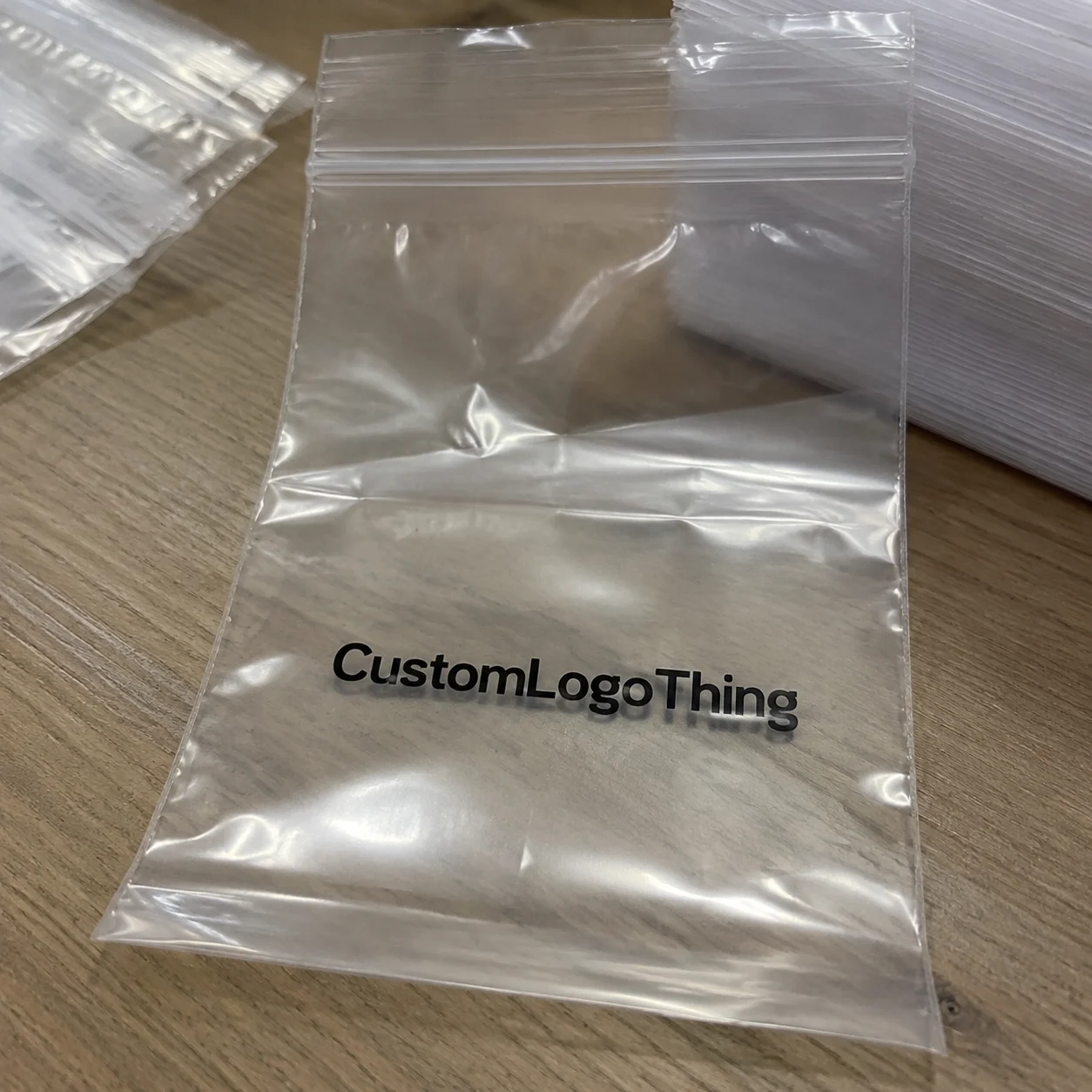
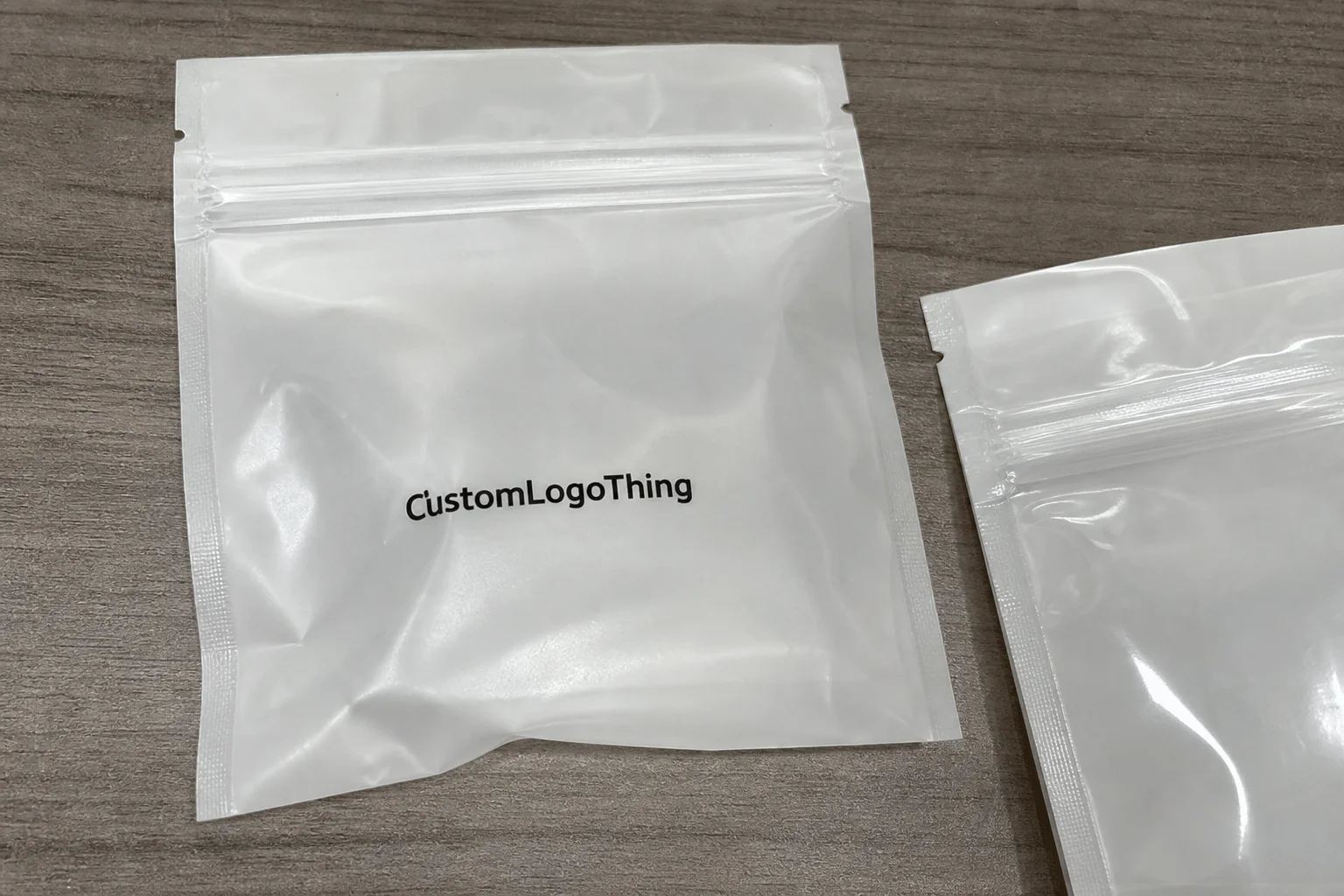
Printed poly mailers for ecommerce are lightweight plastic shipping bags with custom branding, usually made from LDPE, co-extruded poly film, or a blend with 20% to 100% recycled content depending on the supplier. Simple idea. Useful result. They’re used to ship apparel, beauty products, accessories, supplements, and low-fragility orders because they keep weight down and still give you a clean branded look when the package lands on a doorstep or in a parcel locker. A 2.5 mil film in matte white, for example, can stay light enough for apparel while still handling the normal compression of conveyor belts and tote bins.
Here’s the plain-English version: a poly mailer is basically a flexible envelope for shipping. Add your logo, a color background, a slogan, or a full-wrap design, and it becomes a branded carrier instead of a blank bag. Printed poly mailers for ecommerce sit in the middle of the packaging spectrum. Plain stock mailers are cheap but forgettable. Custom boxes are better for fragile items but heavier and more expensive, especially if you’re using 350gsm C1S artboard or a corrugated mailer box with E-flute liners. Printed poly mailers for ecommerce hit the sweet spot for brands that want lower postage and stronger branding without paying box money for a T-shirt.
I still remember a client meeting in Los Angeles, in a loft office near the Arts District, where the founder showed me her luxury shipping setup: a gorgeous insert card, a tissue wrap, and a plain gray mailer with a crooked label slapped on top. The customer experience felt backwards. The outer package was doing none of the brand work, so the inner details had to carry the whole load. That’s backwards packaging math. The outside is the first impression. Printed poly mailers for ecommerce fix that problem fast. I remember saying, a little too bluntly, “If the bag looks defeated, the customer assumes the product is too.”
Use cases are broad, but not unlimited. Apparel is the classic one because tees, hoodies, leggings, and socks don’t need box-level protection. Beauty brands use printed poly mailers for ecommerce for sheet masks, skincare bundles, and sample kits. Accessories like scarves, sunglasses in protective cases, phone accessories, and jewelry pouches fit nicely too. Supplements and low-fragility direct-to-consumer orders often work as well, as long as the inner product has a proper carton, pouch, or tamper-safe seal. A 10" x 13" or 14" x 19" mailer is often enough for folded clothing, while bulkier pieces may need a 3" gusseted style.
What most people get wrong is assuming the mailer must do everything. It doesn’t. Printed poly mailers for ecommerce are not magic armor. They help reduce dust exposure, light moisture, and casual handling damage, but they won’t protect a glass bottle from a forklift kiss. If your product cracks, dents, or leaks easily, you may need a box, a padded mailer, or an inner tray system made from molded pulp or 2 mm corrugated inserts. Packaging is not a personality contest. It’s a logistics decision. And yes, I’ve had founders tell me their product was basically fine in a mailer right before a return-rate spike proved otherwise, usually after the first 500 orders shipped from a 3PL in Phoenix or Dallas.
For brands that ship hundreds or thousands of small orders a month, the economics matter. A 2.5 mil printed mailer that weighs almost nothing can cut shipping weight versus a carton, and that can affect postage by enough to notice over a quarter, especially when USPS Ground Advantage or zone-based carrier pricing is involved. Add branding, and suddenly the outer bag is doing three jobs: protection, marketing, and speed at pack-out. That’s why printed poly mailers for ecommerce keep showing up in every serious packaging discussion I’ve had with founders, ops managers, and fulfillment teams from California to North Carolina.
For broader packaging options, I usually point clients to Custom Packaging Products when they’re still deciding between formats, and to Custom Poly Mailers once they know they want this format specifically.
How Printed Poly Mailers for Ecommerce Actually Work
Material choice comes first. Most printed poly mailers for ecommerce use LDPE, which is low-density polyethylene, or co-extruded film, which layers different polymers for better strength and print consistency. Thickness is usually measured in mils. A 2.5 mil mailer is common for light apparel. A 3 mil mailer gives you a little more puncture resistance. Push higher if the contents have edges, zippers, hardware, or a customer base that loves overstuffing return bags like it’s a sport. For premium programs, some factories in Guangzhou and Zhejiang also offer 4 mil heavy-duty film with a soft-touch matte finish.
The print process depends on order size and design complexity. Flexographic printing is common for medium and large runs because it is efficient once plates are made, and in many factories the plate cost sits around $80 to $180 per color depending on size and supplier. Rotogravure can deliver excellent print quality on very high-volume programs, though setup is pricier and cylinders can add $300 to $800 per color. Digital printing is usually the better fit for smaller runs, test batches, or brands that need faster turnaround and more variation. I’ve seen brands burn money by choosing a print method because it sounded fancy instead of matching the method to their volume. That gets old fast. Fancy does not equal correct, despite what sales decks try to whisper.
Here’s how the workflow usually goes for printed poly Mailers for Ecommerce:
- Artwork is submitted, usually as vector files like AI, EPS, or PDF.
- The supplier checks dimensions, bleed, logo placement, and color specifications.
- A proof is created. Sometimes digital. Sometimes printed.
- For flexo or gravure, plates or cylinders are prepared.
- Production starts, inks are cured, and bags are slit, sealed, and packed.
- Final cartons are counted, labeled, and shipped.
That sounds tidy. It rarely is. I once stood in a Shenzhen facility, near Longhua, where a brand’s artwork had a 1.5 mm line weight and a tiny tagline in white reversed out of a dark background. On screen it looked elegant. On film it looked like a whispered apology. We had to simplify the layout, widen the logo stroke, and remove one detail entirely. Printed poly mailers for ecommerce reward bold design. They punish finicky artwork. The factory operator looked at the proof, looked at me, and gave that tiny smile that says, “Yes, this is going to become a problem.”
Branding choices matter more than people think. You can do a one-color logo on kraft-style film, a full-coverage graphic, matte or gloss finishes, or even interior printing for a surprise effect when the bag opens. Tamper-evident seals are common too, especially for apparel, supplements, and resale-friendly products. The more coverage you want, the more ink, setup, and color matching matter. More colors often means more cost. Shocking, I know. Printing companies still charge for extra work, whether the order is 3,000 bags or 30,000.
Protection is decent, not perfect. Printed poly mailers for ecommerce resist dust and light moisture better than paper-based mailers, and they hold up well in conveyor systems when the film thickness and seal quality are right. But they don’t provide much crush protection. If the product can be bent, flattened, or fractured, you need to think harder. I’ve had a supplement brand try to ship rigid glass bottles in mailers with no inner carton. The first customer complaints showed up before the second pallet, about 64 cartons deep, was even unloaded. That one still makes me wince.
Sustainability claims need proof, not vibes. Some printed poly mailers for ecommerce include recycled content, and some are recyclable in specific store-dropoff streams or local systems. That depends on the exact resin blend, additives, ink coverage, and regional recycling rules. Ask for supplier documentation, recycled-content claims, and any testing or certification they can provide. If you want to reference packaging standards, I’d rather send clients to a neutral source like the EPA recycling resources or the FSC site for paper-based claims. For transit performance, the ISTA standards library is useful when you’re comparing how packaging survives actual shipping abuse, including drop tests from 18 inches and vibration cycles measured in minutes rather than guesses.
Key Factors That Change Cost and Performance
Price for printed poly mailers for ecommerce is driven by a handful of variables: quantity, bag size, thickness, number of print colors, artwork coverage, and whether you need custom dimensions. Quantity affects unit cost the hardest. A 10,000-piece run is usually cheaper per bag than a 3,000-piece order, but only if you can actually use the inventory. I’ve seen brands save $0.03 per unit and then park $12,000 worth of cartons and mailers in storage for half a year. That’s not savings. That’s slow-motion cash withdrawal.
Let’s talk real numbers. A plain stock mailer might land around $0.08 to $0.14 per unit depending on size and thickness, while a custom-printed run can fall in the $0.16 to $0.35 range for common ecommerce specs. At 5,000 pieces, a standard one-color 2.5 mil mailer might quote near $0.15 per unit from a factory in Dongguan or Xiamen, while a full-color 3 mil design at 10,000 pieces can come in around $0.23 to $0.29 per unit before freight. Add custom sizing, extra colors, or specialty finishes, and printed poly mailers for ecommerce can move higher. Setup fees matter too. Plate charges, color matching, and freight can make a low-MOQ order feel weirdly expensive even when the per-bag price looks fine on the quote.
| Option | Typical Unit Cost | Best For | Tradeoff |
|---|---|---|---|
| Plain stock mailer | $0.08–$0.14 | Testing, low-budget shipping, unbranded use | No branding, limited sizing control |
| Custom-printed standard mailer | $0.16–$0.35 | Apparel, beauty, accessories, repeat orders | Setup costs, MOQ pressure |
| Custom-size branded mailer | $0.22–$0.45+ | Specific SKU fit, tighter pack-out | Higher tooling and forecasting risk |
That table is the part a lot of founders skip. Then they wonder why their cheap packaging quote turns into a headache. Printed poly mailers for ecommerce are one of those items where the quote is only half the story. Freight, storage, and order frequency matter just as much. I’ve sat in conference rooms in New York and Austin with people celebrating a lower unit price while the warehouse manager quietly stared at the pallet count like it had personally offended him. A 20-foot container can hide a lot of bad planning.
Shipping and storage can quietly change the economics. A lighter mailer can reduce dimensional weight and keep postage lower, especially for apparel and other soft goods. But if you order 20,000 units because the price looks pretty, you need shelf space, carton handling, and working capital. I’ve walked warehouses where custom mailer cartons were stacked to the sprinkler line because the buyer chased the lowest unit cost on paper. The ops team hated it. The finance team hated it later. If your storage runs $18 to $25 per pallet per month, the savings can disappear in a quarter.
Durability is another cost driver because weak film turns into expensive customer service. Seal strength should be enough that the bag does not pop during normal fulfillment, and puncture resistance should match the item profile. Opacity matters too. No one wants a customer seeing the silhouette of their purchase through a flimsy translucent bag. That can trigger privacy concerns, especially in beauty, supplements, or intimate-apparel shipments. Printed poly mailers for ecommerce need to perform like packaging, not like a discounted sandwich wrapper. I’m only half joking there.
Requesting samples is not optional. I repeat: not optional. Ask suppliers for the material spec, thickness tolerance, print method, and a physical sample if possible. If the supplier only sends a screenshot and a promise, keep your wallet shut for a minute. For overseas suppliers, I also ask for production photos of their actual line, not just a mockup in Canva-level design software. Printed poly mailers for ecommerce can look perfect in a mockup and still arrive with off-center print, weak seals, or color shift that makes your brand logo look sunburned. In my notes, a good sample file should also list seal width, usually 10 to 12 mm, and the exact layflat dimensions in millimeters.
One more thing. The cheapest quote is often missing something. Maybe it excludes freight. Maybe it assumes a higher MOQ. Maybe it uses a thinner film than the spec sheet says in the headline. I’ve sat through more than one supplier negotiation where the same mailer was suddenly 0.2 mil thinner once we dug into the details. Funny how that happens. Not really funny, actually. Just common. If a supplier in Wenzhou, Yiwu, or Qingdao cannot match the same test sheet twice, keep looking.
How to Order Printed Poly Mailers for Ecommerce: Step by Step
Start with the product, not the packaging. That’s where smart buyers begin. Measure the actual packed dimensions, not the listing dimensions, because once you add tissue, inserts, labels, tags, or inner pouches, your fit changes. A hoodie in a retail polybag is not the same as a hoodie folded bare. Printed poly mailers for ecommerce need to fit the real packed item, with enough room for sealing and a little tolerance for awkward folds. I learned long ago that guessing on dimensions is basically betting against your own future self.
Then Choose the Right style. Standard poly mailers work for most apparel and soft goods. Gusseted mailers help when the item needs more depth. Security or tamper-evident versions are smart for resale-sensitive items or products where opening should be obvious. Recyclable options can be helpful if your audience values lower-waste packaging, but ask for actual documentation before you print an eco claim on the bag. I’ve seen recyclable used so loosely it could qualify as improv comedy. A better starting point is a mailer sized at 10" x 13" for small garments or 14" x 17" for thicker sets.
Artwork prep is where people stumble. Use vector files whenever possible. Send Pantone references if color accuracy matters. Leave proper bleed margins, and define where the logo should sit relative to seams, flaps, and heat seals. If you want a big background color, say so clearly. Printed poly mailers for ecommerce do not benefit from vague instructions like make it pop. That phrase has caused more production confusion than any technical error I know. Honestly, if I had a nickel for every time someone wrote that in an email, I could probably buy a pallet of mailers.
Here’s a practical ordering checklist I use with clients:
- Final product dimensions and packed weight
- Mailer size and thickness target in mils
- Print method: flexo, gravure, or digital
- Number of print colors and coverage area
- Seal type and tamper-evident requirement
- MOQ, lead time, and freight terms
- Sample approval and proof signoff process
Request quotes from at least three suppliers, and compare them like an adult. Same size. Same thickness. Same print method. Same MOQ. Same shipping terms. If one supplier quotes a 2.5 mil mailer and another quotes 3.0 mil, that is not a comparison. That is a trap with a spreadsheet. I also ask for the quote in writing with the resin type, such as LDPE or co-ex film, and the seal width listed in millimeters so nobody can quietly move the goalposts later.
I once negotiated with a supplier in Ningbo who tried to win the deal by quoting a lower unit price on printed poly mailers for ecommerce, then quietly switched the film to a cheaper blend that printed fine but felt softer and tore more easily in corner stress. We caught it because we asked for a sample and ran a simple pack test with 2 lb, 4 lb, and 6 lb loads. That little test saved the client from a return-rate headache. The fix cost them an extra $0.021 per bag. Worth every penny.
Review proofs with a sharp eye. Check color accuracy, spelling, logo placement, seal quality, and bag dimensions. If possible, approve a physical pre-production sample. Digital mockups are useful, but they do not show how black ink sits on film or how a pale logo disappears against a dark base color. Printed poly mailers for ecommerce deserve a real-world review, not a looks good on my laptop approval. I’m being dramatic, maybe, but a bad proof can haunt you for months.
Timeline matters too. A smaller digital run can sometimes move in 10 to 15 business days after proof approval, while a flexographic custom order often needs 12 to 15 business days after proof approval for the production run itself, then an additional 5 to 10 business days if freight is domestic. Overseas freight can add another 7 to 25 days depending on routing and customs. Build buffer time. Every buyer says they want speed. Every factory says they want correct artwork. The second one usually wins if you want the bags to show up usable.
If you’re buying from a supplier that offers other packaging formats, keep your options open. The same sourcing conversation can often cover mailers, labels, inserts, and packaging accessories. That is useful when you want to manage design consistency across multiple SKUs and keep your packaging stack from turning into a one-off mess.
Common Mistakes with Printed Poly Mailers for Ecommerce
The first mistake is ordering the wrong size. People guess. They eyeball it. They pick a bag because the price is 2 cents lower. Then the product rattles around inside like a spoon in a tin can, or worse, it does not fit after packing. Printed poly mailers for ecommerce should match the packed item, not the dream version of the item. A 12" x 15" bag that works for a tee may be too tight once a folded insert card, size sticker, and polybag are included.
The second mistake is choosing the cheapest thin film and acting surprised when bags split on the way to customers. A weak mailer creates refund requests, reships, and ugly reviews. I’ve seen one fulfillment team save roughly $240 on a small order only to lose more than $900 in replacement shipping and support time after a dozen damaged deliveries. That math is embarrassing. It should not be. In a warehouse that ships 800 orders a day, the damage can scale fast enough to wipe out the savings from a lower quote.
The third mistake is ignoring print limitations. Tiny text, thin line art, low-contrast logos, and fancy gradients can go muddy on film. Printed poly mailers for ecommerce usually look strongest with bold logo marks, clean typography, and a limited color palette. Fancy can be fine. Fragile fancy is not. If your branding depends on a 1-point font in reversed white, I’m going to tell you to simplify it before the factory does.
The fourth mistake is making sustainability claims without backup. If you print recyclable or made with recycled content, you should be able to support it with documentation. If the claim depends on local recycling infrastructure, say that carefully. Do not toss a vague eco label on the bag and hope nobody asks. That sort of thing gets brands into trouble with customers and regulators, and it makes the good suppliers look tired. Ask for the exact recycled-content percentage, such as 30% PCR or 50% PCR, and confirm it in writing.
The fifth mistake is skipping sample approval. I know. Everyone is busy. But the factory will know what I mean is a fairy tale with a freight bill. Printed poly mailers for ecommerce need proofing because film, ink, seal, and artwork all interact. A small placement error can make your logo sit too close to the tear line, and then the brand mark gets cut off by the heat seal. I’ve seen that happen at a factory in Guangdong where the client approved a mockup but never looked at a physical bag. Expensive lesson. Very avoidable.
The sixth mistake is overbuying. Bigger MOQ usually lowers unit cost, but if you buy six months of inventory for a product that changes every quarter, you are just financing storage. Printed poly mailers for ecommerce should support the business rhythm, not slow it down. A smart pilot order of 3,000 to 5,000 bags can reveal fit, print quality, and fulfillment speed before you commit to a larger batch. If the pilot proves out, a 10,000-piece reorder at $0.15 to $0.18 per unit often makes more sense than gambling on 25,000 bags at once.
“We thought the bag was the easy part,” one client told me after a rushed reorder. “Turns out the easy part was the box we didn’t need.” He was not wrong. He was also about $4,600 later on the learning curve.
Expert Tips for Better Branding and Lower Costs
If you want printed poly mailers for ecommerce to pull their weight, keep the design bold and clean. A strong logo, one short line of text, and a simple layout usually print better than busy artwork with tiny details. The more consistent the graphic, the less likely you are to fight with color drift or registration issues. I learned that the hard way at a facility outside Dongguan where a nine-color concept looked gorgeous on a render and mediocre on film. Beautiful mockup. Real-life headache.
Branding should be intentional, not crowded. Put your logo where customers can see it in a photo. Use one memorable message. Keep the visual hierarchy obvious. Printed poly mailers for ecommerce are a surface, not a scrapbook. If you want the package to support repeat purchases, focus on recognition and clarity. Your outer bag can reinforce the unboxing, shipping notification, and return experience without shouting in ten different fonts. My opinion? If the bag looks like a flyer, it’s trying too hard.
Negotiate on the right terms. I always tell founders to discuss repeat-order pricing, freight consolidation, and specification consistency, not just the first quote. A supplier may shave $0.02 off a unit price if you commit to a repeat program or larger quarterly volume. That adds up. If the supplier is shipping alongside your cartons, inserts, or other Custom Packaging Products, you may also save on freight. And if you’re buying other Branded Shipping Supplies, keeping all specs aligned can reduce packing errors. I’ve seen a 40-foot container shared across three packaging SKUs cut landed costs by nearly 8% on one program out of Shanghai.
Test multiple mailer sizes with real orders before locking in a full run. I’m serious. Pack the actual SKU, seal it, and send it through your real shipping workflow. Have the packing team handle it. Let customer service see the results. Printed poly mailers for ecommerce can look perfect in a sample room and still behave differently when your fastest packer is moving 200 orders a day. Real tests beat opinions. Every time. I’ve seen polished mockups collapse in front of a packing line like they were made of office paper.
Ask suppliers for production photos if you’re sourcing overseas. A real line shot shows you the equipment, output quality, and whether the factory actually handles the thickness and print style you need. I’ve had suppliers send me glossy mockup renders that hid a lot of sins. Production photos are better. Better still, ask for photos of finished cartons with the actual label batch on them. That tells you more than a polished sales deck ever will. If the cartons are packed in Foshan, Jiangmen, or Wenzhou, you want to see the lot number and date code too.
There’s also a good case for using mailers as marketing real estate. Printed poly mailers for ecommerce can support returns, referral programs, care instructions, social handles, or a simple thank-you note printed on the outer bag. Just keep it useful. Nobody needs a dissertation on the back of a shipping bag. They do need a package that looks intentional and arrives intact, especially when it’s landing on a doorstep in one of 32 regional delivery zones.
From a compliance and transit standpoint, it helps to know a few references. The ISTA testing standards are useful if you want to understand drop, vibration, and transit stress. For broader material and recycling topics, the EPA resources are a decent starting point. Those references will not pick your mailer size for you, but they will keep your decisions grounded in something more solid than a sales pitch.
Next Steps for Choosing Printed Poly Mailers for Ecommerce
Start by auditing your top three shipped products. Write down the true packed dimensions, the packed weight, and whether the item has sharp edges or crush risk. Do not use the product listing dimensions. Those are for marketing, not manufacturing. Printed poly mailers for ecommerce only work well when the fit is based on reality. If the final pack-out includes a 0.5-inch folded hem or a retail polybag, measure that version, not the shelf version.
Next, rank your priorities. Is your main goal the lowest unit cost? Better branding? Stronger protection? Faster turnaround? You can have all of these in some balance, but not all at the lowest possible price. That is fantasy pricing. Decide what matters most before you ask for quotes on printed poly mailers for ecommerce. A little clarity here saves a lot of back-and-forth later, which your inbox will appreciate. I usually ask clients to rank cost, print quality, and lead time from 1 to 3 before any RFQ goes out.
Then request 2 or 3 quotes with identical specs. Ask each supplier for thickness, MOQ, lead time, print method, and sample photos. If one quote is suspiciously low, ask what changed. The answer usually reveals the catch. Compare actual landed cost, not just unit price. Include freight, duty if applicable, cartons, and any packaging prep charges. A quote from a factory in Shanghai with freight to Los Angeles can look very different from one in Ho Chi Minh City or Shenzhen once the pallets hit port.
Order physical samples and run them with your real team. Use your real tape. Use your real folding method. Use your real packing speed. Printed poly mailers for ecommerce should be tested the way they’ll actually be used, not in a white-glove demo where nobody is in a rush and nothing gets dropped. After that, create a simple decision sheet and score the options on cost per order, postage impact, branding quality, and lead time.
I’d start with a small pilot order first, maybe 3,000 to 5,000 units, then reorder based on actual pack-out results and customer feedback. That approach usually saves more money than trying to be clever on the first try. Printed poly mailers for ecommerce work best when they’re treated as a system, not an afterthought. Once the bag matches the product, the brand, and the shipping workflow, everything gets easier. Not perfect. Easier. Which, in packaging, is a win.
FAQ
Are printed poly mailers for ecommerce cheaper than boxes?
Usually yes for lightweight, non-fragile items because the material cost and shipping weight are lower. Boxes can cost more in both material and postage, but they offer better protection for delicate goods, glass, or anything with hard edges. A basic mailer might land around $0.10 to $0.18 per unit, while a decent folding carton can start closer to $0.24 or more depending on board grade and print coverage.
What thickness should I choose for printed poly mailers for ecommerce?
Common choices are in the 2.5 to 3 mil range for standard apparel and light goods. Go thicker if the product has sharp edges, higher weight, or a higher chance of tearing in transit. I’d rather see a 3 mil mailer that survives the route than a thinner one that looks nice for 30 seconds. For heavier SKUs, many buyers move to 4 mil film with a wider seal and stronger side welds.
How long does it take to produce custom printed poly mailers for ecommerce?
Small sample runs can move faster, while full custom production often takes 12 to 15 business days from proof approval for the manufacturing stage alone. Add 5 to 10 business days for domestic freight or 7 to 25 days for overseas shipping. Artwork approval, print method, and shipping distance are usually the biggest timeline variables. If the design changes after proofing, the clock resets. That’s how factories work.
What artwork works best on printed poly mailers for ecommerce?
Simple logos, bold text, and high-contrast designs print more cleanly than tiny details. Vector files and Pantone references help avoid color drift and blurry edges. If the artwork relies on fine gradients or hairline fonts, test it before committing to a large order. A 2-color layout on a white or matte black film usually reproduces more consistently than a dense 6-color illustration.
Can printed poly mailers for ecommerce be eco-friendly?
Some options use recycled content or recyclable materials, but you need supplier documentation to verify the claim. The greenest choice often depends on product fit, shipping efficiency, and whether the mailer reduces extra packaging. A smaller, properly sized mailer can sometimes be better than a bigger eco bag that wastes space and freight. Ask for the exact recycled-content percentage, the resin type, and any store-dropoff guidance before you print the claim on the bag.