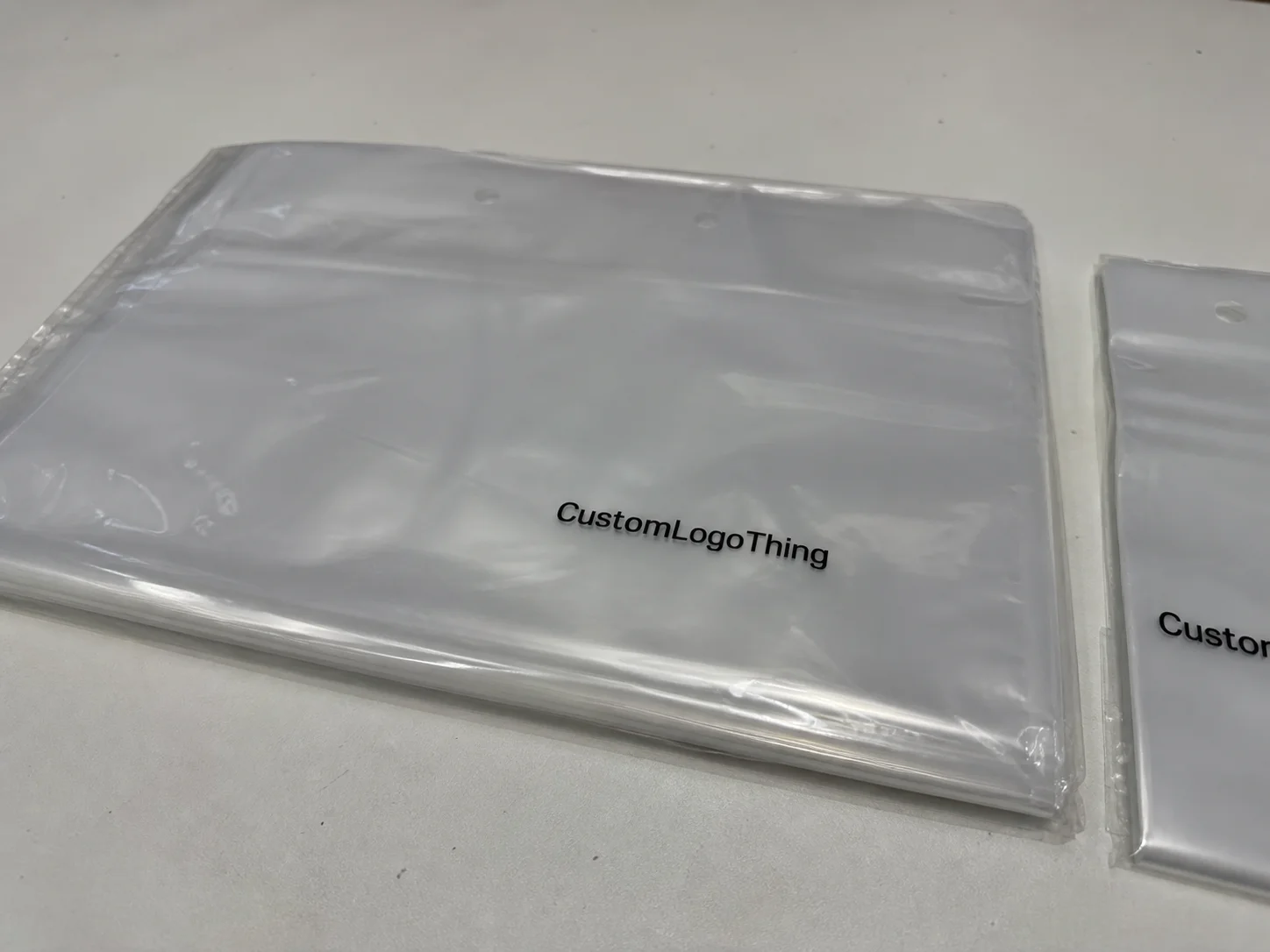
Buyer Fit Snapshot
| Best fit | Printed Poly Mailers Supplier for projects where brand print, material claims, artwork control, MOQ, and repeat-order consistency need to be specified before quoting. |
|---|---|
| Quote inputs | Share finished size, material target, print colors, finish, packing count, annual reorder estimate, ship-to region, and any compliance wording. |
| Proofing check | Approve dieline scale, logo placement, barcode or warning zones, color tolerance, closure strength, and carton packing before bulk production. |
| Main risk | Vague material claims, crowded artwork, missing packing details, or unclear freight terms can make a low unit price expensive after revisions. |
Fast answer: Printed Poly Mailers Supplier for: Film, Print, MOQ, and Carton Packing should be specified like a repeatable production item. The safest quote records material, print method, finish, artwork proof, packing count, and reorder notes in one written spec.
Production checks before approval
Compare the actual filled-product size with the drawing, then confirm tolerance on folds, seals, hang holes, label areas, and retail display edges. Reserve space for logos, QR codes, warning copy, and material claims before decorative graphics fill the panel.
Quote comparison points
Review material grade, print process, finish, sampling route, tooling charges, carton quantity, and freight assumptions side by side. A quote is only useful when the supplier can repeat the same color, closure quality, and packing count on the next order.
If you’ve ever pulled a sample from a carton and thought, “These two mailers look the same,” I can tell you from years on factory floors that the real difference often hides in the film structure, not the print artwork. A strong Printed Poly Mailers supplier guide helps you see past the logo and judge the things that actually affect shipping performance, like gauge consistency, seal quality, and ink adhesion. I’ve watched buyers save a few cents on paper and lose it later because the mailers split at the side seal after a hot truck ride from Guangdong to a West Coast DC.
At Custom Logo Things, I’ve seen the best results when a buyer treats mailers as a functional packaging component, not just a branded sleeve. A well-made mailer can cut void fill, tighten pack-out time, and give a cleaner first impression than a plain kraft box with loose tissue. That’s why this Printed Poly Mailers supplier guide matters: the supplier shapes the final experience as much as the design file does.
What Printed Poly Mailers Are and Why Suppliers Matter
Printed Poly Mailers are lightweight, flexible shipping bags made from polyethylene film, usually with custom branding printed on the outside surface. They’re common for apparel, beauty products, accessories, subscription items, and other non-fragile e-commerce goods that don’t need a rigid box. In plain language, they’re the shipping bag version of a clean storefront sign: simple, efficient, and visible the moment it lands on a doorstep.
The biggest misconception I hear in a Printed Poly Mailers supplier guide conversation is that “all poly mailers are basically the same.” That idea falls apart fast in the factory. LDPE mailers tend to feel softer and more forgiving in the hand, while co-extruded structures can improve tear resistance and opacity, especially when you’re shipping darker or higher-value items that shouldn’t show through. I once stood beside a converting line in a Shenzhen facility where two mailers with the same artwork were being produced side by side, and one had a noticeably better seal memory and puncture resistance simply because of the film blend and layer structure.
Why does the supplier matter so much? Because the supplier controls the variables that buyers usually don’t see on a quote sheet: print registration, adhesive flap consistency, film gauge, dart impact performance, and whether the mailer survives a rough 3-foot drop onto a concrete dock. A polished logo means little if the bag opens early or the ink scuffs off in transit. That’s the practical lens I bring to any Printed Poly Mailers supplier guide discussion.
Common use cases include:
- Apparel: T-shirts, leggings, hoodies, socks, and light jackets.
- Beauty: Sheet masks, sample kits, lightweight skincare bundles.
- Accessories: Jewelry pouches, belts, scarves, hats.
- Subscription boxes: Flat-packed components and soft goods.
- E-commerce essentials: Any non-fragile item that benefits from compact shipping.
A branded mailer can also reduce the need for extra void fill and can create a much cleaner first impression than plain packaging. If you’re building a packaging line that includes both shipping bags and retail-ready components, it can help to compare options alongside Custom Packaging Products and our Custom Poly Mailers selection.
For standards and guidance that matter in shipping and packaging, I often point buyers to organizations like the International Safe Transit Association and the ASTM framework for testing. Those aren’t just acronym soup; they help anchor quality discussions in measurable performance.
How Printed Poly Mailers Are Made and Printed
A practical Printed Poly Mailers supplier guide should explain how the product is built, because the manufacturing path affects both cost and performance. Most mailers start as resin pellets, usually polyethylene, that are melted and formed into film through either blown film or cast film extrusion. Blown film often gives a bit more toughness and better balance in some applications, while cast film can offer excellent clarity and thickness control. From there, the film is converted, printed, slit, folded, sealed, and packed.
Sealing is one of the first places I inspect on a shop floor. Side seals, bottom seals, and flap adhesive closures each behave differently under stress. A side seal can hold up well if the seal bar pressure is correct and the film isn’t over-stretched, while a flap adhesive closure needs the right peel strength so the recipient can open it without tearing the body of the bag. For tamper-evident protection, many suppliers use pressure-sensitive adhesive strips that bond once the liner is removed, which is especially useful for returns-sensitive apparel shipments.
Printing method matters too, and this comes up in nearly every Printed Poly Mailers Supplier guide conversation I have with buyers:
- Flexographic printing: A workhorse for long runs, usually efficient for simple logos and repeated artwork.
- Rotogravure: Strong for high-detail artwork and dense color coverage, though tooling costs can be higher.
- Digital printing: Better for shorter runs, SKU variation, and faster setup when you don’t want plate costs.
Color matching can be more technical than people expect. I’ve sat through press checks where a brand manager was holding a Pantone book under factory lights, comparing ink density on the first 50 meters of film. If the supplier understands Pantone references, ink draw-downs, and how humidity affects cure time, you’ll get closer to brand consistency. If not, the result can drift from “premium black” to “muddy charcoal,” and nobody wants that on a premium apparel order.
Artwork layout matters just as much as ink chemistry. Mailers have bag orientation, bleed requirements, and seal-area restrictions that affect where the logo can live. I always tell buyers to protect the flap area, seal lines, and tear notch zones before they get creative with a full-coverage background. A beautiful design that crosses into the seal area can fail the way a great box design fails when the tuck flap gets too close to the glue line.
Quality control should be visible at several points: film thickness checks, seal strength testing, ink adhesion rub tests, scuff resistance checks, and drop testing against rough-handling scenarios. The best suppliers don’t wait until the end to find problems. They test early and often, which is exactly what a practical Printed Poly Mailers supplier guide should encourage.
“The prettiest mailer in the room is useless if the first carton arrives with split seams and rubbed-off ink. I’d rather see a slightly simpler print on a well-built bag every time.”
Key Factors to Compare Before Choosing a Supplier
When I compare suppliers, I start with materials and specs, not slogans. Film gauge is one of the first numbers to ask about, and it usually ranges by product class and shipping need. A 2.5 mil or 3 mil structure may be enough for lightweight garments, but a heavier or sharper-edged item might need a thicker film, a co-extruded layer, or a stronger seal design. Opacity matters too, especially if the contents are colorful or the brand wants a premium look. Recycled content can be a plus, but it should be backed by documentation, not just a green icon on a quote sheet.
Cost is never just the unit price, and any serious Printed Poly Mailers supplier guide should say that clearly. You need to include plate fees or setup fees, shipping cost, freight class, carton pack counts, and the minimum order quantity. A bag that costs $0.18/unit for 5,000 pieces may look attractive until you add a $260 setup charge and $180 in freight, then compare it against a supplier offering a slightly higher piece price but lower landed cost. I’ve seen purchasing teams save money by bundling one print run at 10,000 units instead of splitting a design across two smaller orders.
Print complexity changes pricing fast. A one-color logo with 20% coverage is very different from a four-color full-bleed background with fine text and registration-sensitive graphics. Specialty finishes, matte versus gloss surfaces, and white ink underprints can all affect cost and throughput. If the supplier is quiet about those details, that’s a warning sign.
Capability also matters. Some vendors print in-house and control the whole process from film extrusion to final carton packing. Others outsource parts of the job, which can increase handoff risk and make timelines less predictable. I’ve negotiated both setups, and honestly, I prefer suppliers who can show me where the work happens, who checks each step, and what happens if a press goes down for maintenance.
Lead time is another area where buyers get tripped up. Sampling can take a few days, artwork corrections add more time, and peak season can stretch production schedules quickly. Standard turnaround might be 12 to 18 business days from proof approval for a straightforward flexo run, but that depends on order size and plant capacity. Freight transit can add another 3 to 10 days depending on where your warehouse sits. Any honest printed poly mailers supplier guide should push you to ask about both production and transit before you commit.
On the compliance side, ask about recyclability claims, postal compatibility, and any documentation tied to material sourcing. If sustainability is part of your brand promise, use recognized references like FSC for fiber-based components in broader packaging programs and the U.S. Environmental Protection Agency for general waste reduction and materials guidance. Poly mailers are a different material family than paper cartons, so claims should be specific and supported.
What Should You Ask in a Printed Poly Mailers Supplier Guide?
A strong printed poly mailers supplier guide should help you ask the right questions before you place an order. Start with the basics: what material blend is being used, what film gauge is available, what print method fits your artwork, and what kind of adhesive closure or tamper-evident feature is standard. Then move into the details that separate a capable supplier from a merely affordable one. Ask for seal strength data, ink adhesion testing, opacity specs, and whether the supplier can provide a sample from the actual production line rather than a hand-made mockup.
You should also ask who controls the process. If the supplier handles blown film extrusion, flexographic printing, sealing, and carton packing under one roof, you’ll usually have fewer handoff issues. If they outsource printing or finishing, you’ll want to know who owns the schedule and who is responsible if a batch misses spec. That one conversation can save weeks later.
Finally, ask about communication. A supplier that responds quickly, explains print limitations clearly, and confirms timelines in writing is usually easier to work with during revisions and reorders. A good printed poly mailers supplier guide is not just about product features; it’s about choosing a partner whose process You Can Trust from proof to pallet.
Step-by-Step Process for Ordering From a Supplier
The smoothest orders start with a clear product brief. I ask buyers for dimensions, product weight, whether the item has sharp edges, monthly order volume, destination climate, and the branding goal. Are you trying to look luxury, eco-conscious, playful, or plain and efficient? That answer shapes everything from finish to ink coverage. A strong printed poly mailers supplier guide should encourage this upfront work because it prevents a lot of rework later.
Next, request samples. Not just one sample from the top of the stack—ask for several if you can. Check thickness, seal quality, flap adhesive strength, print sharpness, and how the mailer feels when filled. In one client meeting I remember, a sample looked perfect flat on a table, but once we stuffed a folded sweatshirt inside, the side seam puckered and the seal edge stretched enough to expose a white line. That problem never would have shown up on a photo proof.
Artwork preparation matters more than most teams expect. Use vector files where possible, keep a clean bleed, define safe zones, and send exact color references, not vague “match our brand blue” language. If your supplier accepts packaged files, include font outlines and linked images. This one step alone can save days. I’ve seen prepress teams lose half a day trying to reconstruct a logo from a low-resolution JPG that was originally meant for social media, not packaging print.
Then ask for a digital proof or press proof. Review it against brand standards, not just your own taste. Look at logo size, line weights, copy placement, and seal-area clearance. If you’re unsure, print the proof at 100% scale and mock it up around the actual product. A careful printed poly mailers supplier guide always includes proof review because it is cheaper to correct artwork on a screen than to correct 10,000 finished bags in a warehouse.
Once proof approval is done, confirm the timeline from that point forward. Ask for the production window, packing date, and freight handoff date. Then add transit time and a buffer for receiving, inspection, and internal stock movement. If you need inventory by the first week of the month, don’t schedule arrival for the last possible day of the month. That’s how stockouts happen, and I’ve watched more than one launch get stressed because somebody assumed “production complete” meant “ready to ship tomorrow.”
When the shipment arrives, use a receiving checklist. Count cartons, open random samples from the middle and bottom rows, inspect print quality, and test the flap and seal. If there’s a quality issue, document it immediately with photos, lot numbers, and carton count. That makes supplier resolution far easier and keeps the relationship professional.
Common Mistakes Buyers Make With Printed Poly Mailers
The first mistake is buying on price alone. Cheap mailers can hide thin film, weak seals, poor opacity, or ink that rubs off on the customer’s hands. I’ve seen companies save a few cents per bag and then spend much more on replacements, refunds, and damaged brand reputation. A good printed poly mailers supplier guide should say this plainly: the lowest unit cost is not always the lowest total cost.
The second mistake is ignoring the filled size of the product. A folded hoodie behaves very differently from a flat t-shirt, and a one-inch sizing error can cause overstretching, split seams, or waste from oversized packaging. Measure the packed product, not just the product itself.
Another common error is skipping sample approval. That’s how people end up with blurry text, incorrect artwork placement, or a color shift that looks minor on screen but obvious under warehouse light. I once saw a beauty brand approve a proof without checking the back flap, and the returns label area got buried under a logo block. That was an expensive lesson in layout discipline.
Adhesive flap strength also gets overlooked. Heavier garments or long transit routes need a more reliable closure, especially if parcels pass through multiple sortation points. If the adhesive is too weak, the bag can pop open during handling. If it’s too aggressive, the end customer has to fight the bag open, which is not the experience you want.
Shipping and storage conditions matter too. Hot warehouses, high humidity, and rough pallet handling can affect film performance and adhesive behavior. I’ve seen cartons sit near dock doors for a week in summer and come back with curl, static, or flap tack changes. A practical printed poly mailers supplier guide should always include storage considerations, because packaging doesn’t live in a laboratory.
Finally, don’t forget lead time buffers. Reorder cycles are longer than many teams expect, and one delayed approval can ripple through a whole quarter. If your order sits behind peak-season production, you may need to reorder earlier than you think. That’s not supplier drama; that’s planning reality.
Expert Tips for Better Pricing, Quality, and Timeline Control
If I were helping a buyer source mailers tomorrow morning, I’d start by matching film gauge to real product weight instead of overbuying thickness. A 2.5 mil bag may be plenty for lightweight apparel, while heavier soft goods could justify a thicker structure. Paying for excess gauge everywhere is one of the easiest ways to waste budget. That kind of practical thinking is what a seasoned printed poly mailers supplier guide should deliver.
Standard sizes are usually easier to source and faster to produce. Custom dimensions can add tooling time, setup cost, and sometimes more scrap during conversion. If your product fits a common format, use it. I’ve sat through sourcing meetings where a buyer wanted a completely custom bag for a product that would have fit inside a standard size with a smarter fold. The custom size looked clever on paper and expensive in real life.
Another useful tactic is bundling multiple SKUs into one print run when the artwork allows it. If two products share the same brand mark and material spec, one production slot can lower setup fees and improve efficiency. Just make sure the quantities and storage plan actually support a combined run. A good printed poly mailers supplier guide should help you see where consolidation works and where it creates clutter.
Ask suppliers whether they can reserve production slots or stage shipments in cartons by SKU. That matters when you’re feeding multiple fulfillment centers or running a launch with staggered demand. Also ask for carton pack counts, because 250 bags per carton is a very different warehouse load than 500 per carton if your team is short on receiving labor.
For quality control, don’t stop at the first sample. Check edge seals and flap adhesive on the first cartons from production, not only the preproduction approval piece. Production lines can drift slightly during long runs, and the first few production cartons tell you more than a pristine hand sample ever will.
Keep communication tight. Exact quantities, exact artwork files, exact delivery dates, and exact packaging requirements eliminate a surprising amount of friction. Honestly, half the timeline problems I’ve dealt with were really communication problems wearing a production badge. That’s why a disciplined printed poly mailers supplier guide is as much about process as it is about materials.
Next Steps to Choose the Right Supplier With Confidence
If you’re narrowing suppliers now, keep the decision simple: define your specs, shortlist a few vendors, request samples, compare quotes, and review proofing timelines side by side. A clean comparison sheet should include price, material, turnaround, print method, minimum order quantity, and whether the supplier provides prepress support. That’s the kind of structure that keeps purchasing decisions grounded.
When you reach out, send exact artwork and usage details. Tell the supplier the packed product size, monthly volume, shipping region, and whether the bag needs to withstand humid storage or long transit. The more concrete your brief, the more accurate the quote. A strong printed poly mailers supplier guide should push buyers to give suppliers real data, not vague guesses.
I also recommend a controlled pilot order before scaling. If the sample passes your handling, print, and seal checks, place a smaller production run first and run it through your real packing team. That catches workflow issues, pack speed issues, and handling problems before you commit to a large volume. I’ve seen pilot orders prevent expensive surprises more than once.
So if you’re using this printed poly mailers supplier guide to make a sourcing decision, remember the simple truth I’ve learned on factory floors from Guangzhou to Ohio: a good mailer is part material science, part print discipline, and part honest communication. Get those three things right, and your branded packaging does more than carry a product. It carries your brand cleanly from warehouse to doorstep.
FAQ
How do I compare a printed poly mailers supplier guide against other packaging options?
Compare film strength, seal quality, branding impact, and shipping efficiency rather than only looking at unit price. For lightweight apparel or soft goods, printed poly mailers often cost less and take less space than corrugated boxes, especially when the product is flat-packed and not fragile.
What affects printed poly mailers supplier pricing the most?
The biggest cost drivers are film thickness, bag size, print colors, artwork coverage, order quantity, and setup fees. Shipping distance and whether the supplier uses in-house production can also change the final landed cost, so a low unit price can still turn into a higher total bill.
How long does a printed poly mailers order usually take?
Timeline depends on proof approval, print method, quantity, and current factory capacity. Sampling, artwork corrections, and freight transit should all be included when planning your reorder window, and a straightforward order may still take 12 to 18 business days before shipping plus transit time.
What should I check on a sample from a supplier?
Check seal strength, flap adhesive, print sharpness, opacity, and whether the mailer fits your product without excessive stretching. Also inspect scuff resistance and how the mailer performs when folded, dropped, and stacked, because flat-table appearance alone doesn’t tell the full story.
Can a printed poly mailers supplier guide help with sustainability choices?
Yes, because it can help you compare recycled content, material thickness, and packaging efficiency. Ask suppliers for documentation on material claims and whether their mailers can align with your internal sustainability goals, especially if your team tracks waste reduction or packaging footprint targets.