Buyer Fit Snapshot
| Best fit | printed poly mailers comparison choose the for packaging buyers comparing material specs, print proof, MOQ, unit cost, freight, and repeat-order risk where brand print, material, artwork control, and repeat-order consistency matter. |
|---|---|
| Quote inputs | Share finished size, material target, print colors, finish, packing count, annual reorder estimate, and delivery region. |
| Proofing check | Approve dieline scale, logo placement, barcode or warning zones, color tolerance, and any recyclable or compostable wording before bulk production. |
| Main risk | Vague material claims, crowded artwork, or missing packing details can create delays even when the unit price looks attractive. |
Fast answer: Printed Poly Mailers Comparison Choose The: Film, Closure, Print, and Fulfillment should be specified like a repeatable production item. The safest quote includes material, print method, finish, artwork proof, carton packing, and reorder notes in one written spec.
What to confirm before approving the packaging proof
Check the product dimensions against the actual filled item, not only the sales mockup. Ask for tolerance on folds, seals, hang holes, label areas, and retail display edges. If the package carries a logo, QR code, warning copy, or legal claim, reserve that space before decorative graphics fill the panel.
How to compare quotes without losing quality
Compare board or film grade, print process, finish, sampling route, tooling charges, carton quantity, and freight assumptions side by side. A lower quote is only useful if the supplier can repeat the same color, closure quality, and packing count on the next order.
Printed Poly Mailers Comparison — What They Are and Why Brands Use Them
A solid Printed Poly Mailers comparison often starts with a scene I have seen more than once on packing floors from Dongguan to Los Angeles: two bags sitting side by side on a pallet, both looking close enough on first glance, yet one shrugs off a steamy trailer ride in midsummer while the other comes back from a damp receiving dock with split seams and bruised ink. That small difference can snowball into returns, complaints, and rework, which is why the decision deserves more than a quick price check.
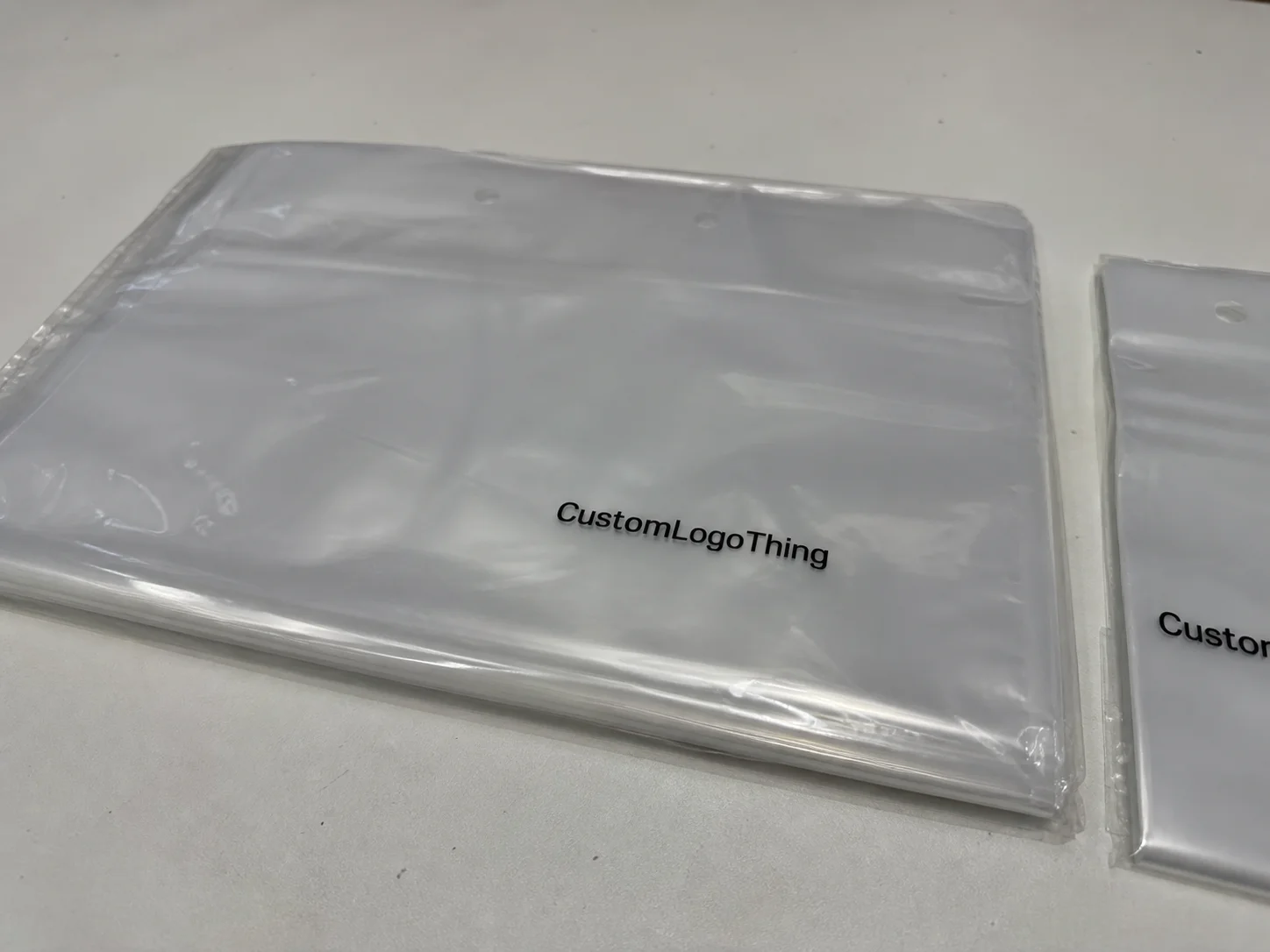
Printed Poly Mailers are lightweight shipping bags made from polyethylene film, most often LDPE or a co-extruded blend, with a logo, color field, pattern, or promotional message printed on the outer surface. They show up everywhere in apparel, socks, scarves, cosmetics, small accessories, and other products that do not need the structure of a carton. I have watched brands move from plain gray mailers to custom-printed film and instantly gain a more polished unboxing without adding a rigid box, tissue wrap, or extra insert.
The gap between stock mailers and printed mailers is wider than many buyers expect. Stock bags get the parcel out the door, sure, but printed mailers turn the shipping surface into brand real estate, so the package starts speaking before the customer ever opens it. On a fulfillment line in Shenzhen, I saw a fashion client remove folded inserts altogether because the outside bag already carried the campaign message and QR code, which saved roughly $0.07 per order across a 20,000-piece run. Not every brand can make that trade-off, and not every SKU should, but the example shows how packaging choices affect both presentation and spend.
Several film structures deserve a place in any Printed Poly Mailers comparison. LDPE stays flexible and familiar, co-extruded film can improve abuse resistance and print consistency, recycled-content film supports sustainability goals, and tamper-evident variants help protect higher-value shipments. None of those options wins by default. The right choice depends on whether you are shipping a 6 oz tee, a boxed serum set, or a pair of denim jeans with metal hardware that can chew into the film. A mailer that handles one product beautifully can be a nuisance on another.
I have seen plenty of teams get tangled up by focusing only on the quote while ignoring the shipping lane. A bag that performs beautifully on local parcel routes may behave very differently in humid last-mile sorting, mixed freight, or long warehouse staging. The strongest Printed Poly Mailers comparison always ties product, route, and budget together instead of chasing the lowest per-thousand number alone. Otherwise, the “cheap” choice can turn out to be the expensive one after damages and replacements start stacking up.
How Printed Poly Mailers Work in Real Shipping Operations
In the factory, a poly mailer begins as film. Resin is extruded, cooled, slit, folded, and converted into bags with side seals and a bottom seal, then a peel-and-seal adhesive strip is applied so the packer can close it in one motion. On cleaner lines, that adhesive strip is kept within a tolerance of just a few millimeters, because a crooked flap can snag in automated bagging equipment or drag awkwardly across a poly conveyor.
Print application matters just as much as film construction. For larger repeat programs, flexographic printing is common because it handles volume efficiently and can hold steady color when the plates are set correctly. For shorter runs or artwork with full-bleed graphics, digital printing may fit better. I have watched one buyer approve a beautiful design on screen, then lose the fine type in production because the line weight was too delicate for the film texture. Ink adhesion, drying, and surface treatment all affect the result, especially when the bag rubs against cartons in transit.
The package usually moves through shipping operations in a predictable sequence. The product goes in, the adhesive flap is sealed, a label is applied, and the bag enters sorting, tumbling, drop handling, and delivery. If the film is too slick, labels can shift. If it is too opaque and glossy, the bag may look premium but show scuffs more readily under harsh warehouse lighting. That is why a careful Printed Poly Mailers comparison needs to account for performance, not only design appeal. A bag that looks good in a mockup and fails under conveyor wear is just a future problem in disguise.
Matte versus glossy is one of those choices that seems small on paper and becomes obvious once the bags are stacked under fluorescent lights. Matte finishes tend to hide scuffing better and feel a little quieter visually, while glossy finishes push color harder and can make saturated artwork look brighter. White film gives the cleanest canvas for logos and QR codes, while tinted film adds privacy or a distinct brand mood. Single-sided printing is enough for many e-commerce shipments, though double-sided printing can help when the back of the bag stays visible during retail handoff or social media unboxing.
“The bag doesn’t just need to look good at the proof stage,” a fulfillment manager told me during a line audit in Los Angeles, “it needs to survive the conveyor, the truck, and the customer’s kitchen table.” That sentence has stayed with me because it captures what a real printed poly mailers comparison should protect against.
If you want to dig into the standards side of packaging, organizations like ISTA publish transit test methods that help validate how packaging performs under drop, compression, and vibration conditions. For material and sustainability context, the EPA offers useful packaging and waste-management information that can inform material decisions. Those references will not pick a mailer for you, but they do give structure to the decision and a useful way to sanity-check supplier claims.
Key Factors in a Printed Poly Mailers Comparison
The first factor I look at is film thickness, usually expressed in gauge or microns depending on the market. A lighter film can save money and reduce material use, but it may not be enough for items with zippers, hardware, or sharp corners. A heavier film usually handles abuse better, especially in a printed Poly Mailers Comparison for denim, structured garments, or multi-piece kits. The real trick is avoiding overbuild just because it feels safer on a desk; you want the lightest film that still survives your actual shipping test.
Print quality comes next. Logos, gradients, tiny typography, and QR codes expose weaknesses very quickly. On one beauty project, the barcode looked flawless in the PDF, but once it hit a lower-grade film, the edges softened enough to create scan issues in a warehouse with older handhelds. A fair Printed Poly Mailers comparison has to include color matching, registration, and line clarity under real handling conditions, not only under studio lighting.
Size can create its own mess. If the bag is too large, the parcel looks baggy and may take up more dimensional volume than needed, which affects freight charges in some shipping networks. If the bag is too small, seams stretch and the adhesive strip gets stressed at the closure point. I have seen a brand lose three weeks of launch time because their “medium” mailer was technically the right width but too short for a folded hoodie with a hang tag. That kind of issue shows up quickly in a Printed Poly Mailers comparison once you test with your actual top SKUs.
Cost runs deeper than unit price. You need to count plate or setup charges, proofing, samples, freight, and any special finishing. A quote that reads $0.18/unit for 5,000 pieces can shift a lot once you add a $260 setup fee, a $95 proof charge, and inland freight to your warehouse. When people ask for the cheapest option, I usually tell them to compare the landed cost, not the advertised piece price, because that is what hits the P&L.
Timeline matters just as much. Artwork prep, proof approval, sample signoff, production scheduling, and transit from the factory all need to be discussed together. A typical production window can run 12–15 business days from proof approval, though that depends on the print method, order size, and season. If your launch date is fixed, leave room for one revision round. In my experience, the teams that rush the artwork are the same teams that later ask why the black does not read black enough. That one always comes back to haunt you, usually right before a shipment leaves the dock.
Sustainability and compliance also belong in the Printed Poly Mailers comparison. Recycled-content films can reduce virgin material use, but they may change stiffness, opacity, and print response. If you plan to make recycled-content claims, ask for documentation before approval. FSC is more closely associated with paper-based packaging than polyethylene mailers, yet brand teams often reference it as part of their broader packaging standards, so it helps to know where that certification does and does not apply. For reference, see FSC. I would also ask whether the resin source, recycled percentage, and any third-party verification match the exact claim you plan to print or post on a product page.
Step-by-Step Method to Compare Printed Poly Mailers
Start with the product profile. Measure the item’s length, width, and thickness, then note the weight, fragility, and any sharp elements such as zippers, snaps, or rigid inserts. If you are packing folded knitwear, that is a very different problem from shipping a boxed candle. A proper printed poly mailers comparison starts with the product, because the mailer is only as useful as the fit it gives you.
Then rank your priorities. Do you care most about brand impact, protection, sustainability, budget, or speed? You cannot maximize all five at once, and trying to do so usually ends with a compromise nobody likes. I have sat in procurement meetings where everyone wanted premium print, recycled content, heavy-duty film, and the lowest cost in one line item. That wish list sounds tidy until supplier quotes arrive with reality attached. So pick the one or two priorities that truly matter for the program, and let the rest sit in second place.
Request quotes on identical specs. Same bag size, same film gauge, same print sides, same closure style, same quantity. If one supplier quotes a 2.5 mil co-extruded bag and another quotes a 1.8 mil bag, the comparison is already skewed. Good suppliers will welcome that discipline because it makes value visible. Weak comparisons hide behind vague wording, and a serious printed poly mailers comparison should strip that away.
After that, ask for digital mockups and, if possible, physical samples. I like to test seal strength by packing the actual product, sealing the flap, and pressing the closure line repeatedly with gloved hands, because that comes much closer to reality than a desk check. Inspect the print after folding and rubbing as well. A design can look crisp while lying flat and lose its edge once it moves through a conveyor sorter or gets stacked under six heavier cartons. If your warehouse uses automated bagging or a high-speed label applicator, test for that too; the machine may be a bigger critic than any designer.
Review the timeline carefully. Ask for the proof turnaround, sample approval window, production lead time, and shipping method from the factory to your warehouse. I once saw a brand choose a supplier because the quote looked attractive, only to discover the bags would arrive four days after a promotional launch due to a missed freight booking. The printed poly mailers comparison was technically complete, but the timing made the winner useless. That kind of miss is avoidable if logistics get discussed early instead of after the ink is dry.
Finally, compare the total value, not the lowest upfront quote. A mailer that protects better, prints cleaner, and arrives on time can be worth more than one that saves a few cents but creates returns, damaged goods, or a weak unboxing. That is the heart of a smart printed poly mailers comparison. If the numbers are close, pick the bag that creates fewer headaches for the people actually packing and receiving the orders.
Common Mistakes Buyers Make When Comparing Mailers
The biggest mistake is chasing unit price alone. A cheaper bag can cost more once you add freight, setup, and reorders caused by failures in transit. A torn seam on a humid route or a faded logo on a premium garment shipment can erase the savings fast. In a printed poly mailers comparison, the apparent bargain is not always the actual bargain.
Another common problem is ignoring artwork limitations. Small text, thin lines, reversed type, and low-contrast QR codes all create risk. I have seen well-meaning marketing teams send in a beautiful design with six fonts and a photographic background, then wonder why the production sample looks muddy. Clear artwork belongs in the buying decision, not only in the design process. If the design needs magnification to read on a monitor, it probably needs simplification before it goes to press.
Ordering the wrong size happens more often than people admit. Oversized bags create sloppy-looking shipments, and undersized bags can stress the seam or make the seal area unreliable. I remember one apparel customer that wanted to “play it safe” by upsizing every SKU. Their mailer volume jumped enough that they paid more in dimensional shipping charges than they saved in packaging convenience. A printed poly mailers comparison should absolutely account for fit, especially if your carrier pricing is sensitive to parcel size.
Skipping sample testing is another expensive shortcut. If you ship heavier garments, boxed goods, or anything that passes through humid lanes, a sample run is not optional in my book. Real-world abuse testing matters because transit does not care what the proof file looked like. That is why standards-based thinking, including transit concepts from ISTA, helps keep decisions grounded. A half-hour test on the warehouse bench can save a month of damage claims.
Brand fit gets overlooked too. A matte mailer can feel refined and modern, while a bright glossy bag can feel more retail-forward and loud. Neither is wrong, but the finish should match the product. I have seen luxury sleepwear packed in a flimsy-looking mailer that made the whole brand feel cheaper than it was. That was not a print problem alone; it was a mismatch between packaging and positioning.
Minimum order quantity can also derail a project if you do not ask about it early. One supplier may offer a lower price at 10,000 pieces but a much higher price at 3,000. Another may need extra lead time for custom plates or color matching. The best printed poly mailers comparison includes both quantity and schedule from the start, so you do not get surprised after the artwork is approved. That part sounds basic, but it is exactly where a lot of projects go sideways.
Expert Tips for Better Value, Better Print, and Better Shipping Results
I like a simple “good, better, best” table when comparing options. Put your must-have specs in one column, then list nice-to-have upgrades in another. That keeps the discussion honest and helps teams avoid paying for features they will not use. A printed poly mailers comparison becomes much clearer when you separate core performance from cosmetic upgrades.
For high-volume programs, flexographic printing can be the right answer because the economics often improve at scale. For smaller or frequently changing designs, digital print can preserve flexibility. I have seen brands change artwork quarterly for campaigns, then get trapped by plate costs because they chose flexo too early. If your reorder pattern changes often, the print method deserves close attention in the comparison.
Choose the lightest film that still passes your abuse tests. That might mean 1.8 mil for a lightweight apparel shipment, or it might mean a heavier co-extruded structure for something with zippers or edges. Overbuilding the bag adds cost and material without automatically adding useful protection. That is one of the most common lessons in a real printed poly mailers comparison.
Keep the typography bold and simple, especially on small mailers. Thin fonts and subtle line art can disappear once the bag is folded, handled, and labeled. When the shipper applies a carrier label, your design should still read clearly around it. From a production standpoint, that usually means stronger contrast, larger logos, and fewer tiny details. If you are tempted to squeeze in one more line of copy, I’d usually say don’t.
Ask suppliers for substrate and ink recommendations based on their actual plant process. A good converter will tell you whether the film needs corona treatment, what ink system they prefer, and whether certain colors need a white underbase for clarity. Those details separate a pretty mockup from a usable production bag. I have seen a good-looking proof fall apart because nobody asked whether the film surface had the right treatment level for the chosen ink.
If sustainability matters, ask for documentation before approval. You want clarity on recycled content, resin composition, and whether the bag fits your market’s recycling pathway. A recycled-content claim without support can create headaches later, and I have seen brand teams scramble to replace packaging after a compliance review. Better to confirm early than explain later. The honest answer is that not every sustainability claim travels well across every region, so the packaging spec and the legal claim need to match.
“Good packaging is quiet when it works,” a purchasing manager told me after a long supplier review, and he was right. The best mailer rarely gets praised in the warehouse, because it simply shows up, seals properly, and protects the product without drama.
Conclusion — How to Make Your Final Printed Poly Mailers Comparison
The smartest printed poly mailers comparison brings product fit, print quality, durability, cost, and timeline into one view. If you judge only one of those factors, you can still end up with a package that looks fine on a quote sheet but fails in the hands of your packers, carriers, or customers. I have seen that happen enough times to say it plainly: the best mailer is the one that performs well in your actual operation.
Build a simple scorecard and compare two to four supplier quotes using the same specs and the same sample results. Ask for the bag size, film gauge, print sides, closure style, and quantity on every quote. Then check proof quality, seal strength, color accuracy, and total landed cost. Once you do that, the printed poly mailers comparison becomes much easier to trust.
Before you place the order, confirm your artwork files, sample approval, and production schedule. If your launch is tied to a campaign or seasonal drop, leave yourself buffer time. A few extra days up front can save a lot of stress later. If you are also reviewing broader packaging options, take a look at our Custom Packaging Products and our Custom Poly Mailers pages for more detail.
My practical advice stays simple: audit your current shipping mailer, measure your top three SKUs, request sample kits, and create a side-by-side comparison sheet Before You Buy. Check how the bag behaves after sealing, after rubbing, and after being stacked with other parcels, because that is where weak specs usually show themselves. That process takes a little time, but it almost always pays back in fewer damages, better print, and a package that feels more intentional from the first touch. That is the real value of a thoughtful printed poly mailers comparison.
FAQ
What should I compare first in a printed poly mailers comparison?
Start with product size, weight, and fragility so you can rule out mailers that are too light or too small. Then compare material thickness, print quality, and total landed cost, not just the advertised unit price.
Are thicker printed poly mailers always better?
Not always. Thicker film can improve puncture resistance, but it also raises cost and may be unnecessary for lightweight apparel. The best choice is the thinnest mailer that still passes your Shipping and Handling tests.
How do I compare pricing between suppliers fairly?
Use the same specs for each quote: size, gauge, print sides, quantity, and closure style. Include setup fees, freight, proofing, and any sample or plate charges so you see the true landed cost.
How long does printed poly mailer production usually take?
Timeline depends on artwork readiness, proof approval, print method, and order volume. Ask suppliers for a clear schedule covering sampling, production, and shipping before you approve the order.
Can I get good print quality on small printed poly mailers?
Yes, but the artwork should be simplified so logos, text, and barcodes stay legible at smaller sizes. Bold shapes, strong contrast, and careful file setup usually perform better than fine lines or tiny typography.