Buyer Fit Snapshot
| Best fit | Printed Product Boxes with Logo for Sustainable Brands projects where brand print, material claims, artwork control, MOQ, and repeat-order consistency need to be specified before quoting. |
|---|---|
| Quote inputs | Share finished size, material target, print colors, finish, packing count, annual reorder estimate, ship-to region, and any compliance wording. |
| Proofing check | Approve dieline scale, logo placement, barcode or warning zones, color tolerance, closure strength, and carton packing before bulk production. |
| Main risk | Vague material claims, crowded artwork, missing packing details, or unclear freight terms can make a low unit price expensive after revisions. |
Fast answer: Printed Product Boxes with Logo for Sustainable Brands should be specified like a repeatable production item. The safest quote records material, print method, finish, artwork proof, packing count, and reorder notes in one written spec.
Production checks before approval
Compare the actual filled-product size with the drawing, then confirm tolerance on folds, seals, hang holes, label areas, and retail display edges. Reserve space for logos, QR codes, warning copy, and material claims before decorative graphics fill the panel.
Quote comparison points
Review material grade, print process, finish, sampling route, tooling charges, carton quantity, and freight assumptions side by side. A quote is only useful when the supplier can repeat the same color, closure quality, and packing count on the next order.
Printed Product Boxes with Logo for Sustainable Brands
Printed product boxes with logo sound simple until you have to source them. Then the details start showing up like they own the place. Board thickness. Closure style. Print method. Recycled content. Freight. Storage. The pretty part of packaging gets the attention, sure, but the boring stuff is what decides whether the box protects the product or just takes a nice photo.
I have watched plenty of brands overspend on packaging because they started with the finish instead of the function. That usually ends the same way: a box that looks premium on a desk and gets crushed in transit. Not ideal. Not even a little.
Sustainable brands have a tighter brief than most. Printed product boxes with logo need to protect the product, support the brand, and avoid turning into waste with a logo slapped on top. Miss one of those jobs and the whole thing starts looking expensive for the wrong reasons. A beautiful box that arrives damaged is just a refund with a ribbon on it.
This version is about the real work. How printed product boxes with logo are built. What drives cost. Which materials actually make sense. Where brands burn money for no reason. No packaging theater. Just the practical stuff that helps you place a smarter order the first time.
One more thing before we get into it: if your product is fragile, oily, oddly shaped, or going through rough shipping lanes, the box is not decoration. It is part of the product system. Treat it that way and the rest of the process gets a lot less annoying.
What Printed Product Boxes with Logo Really Are
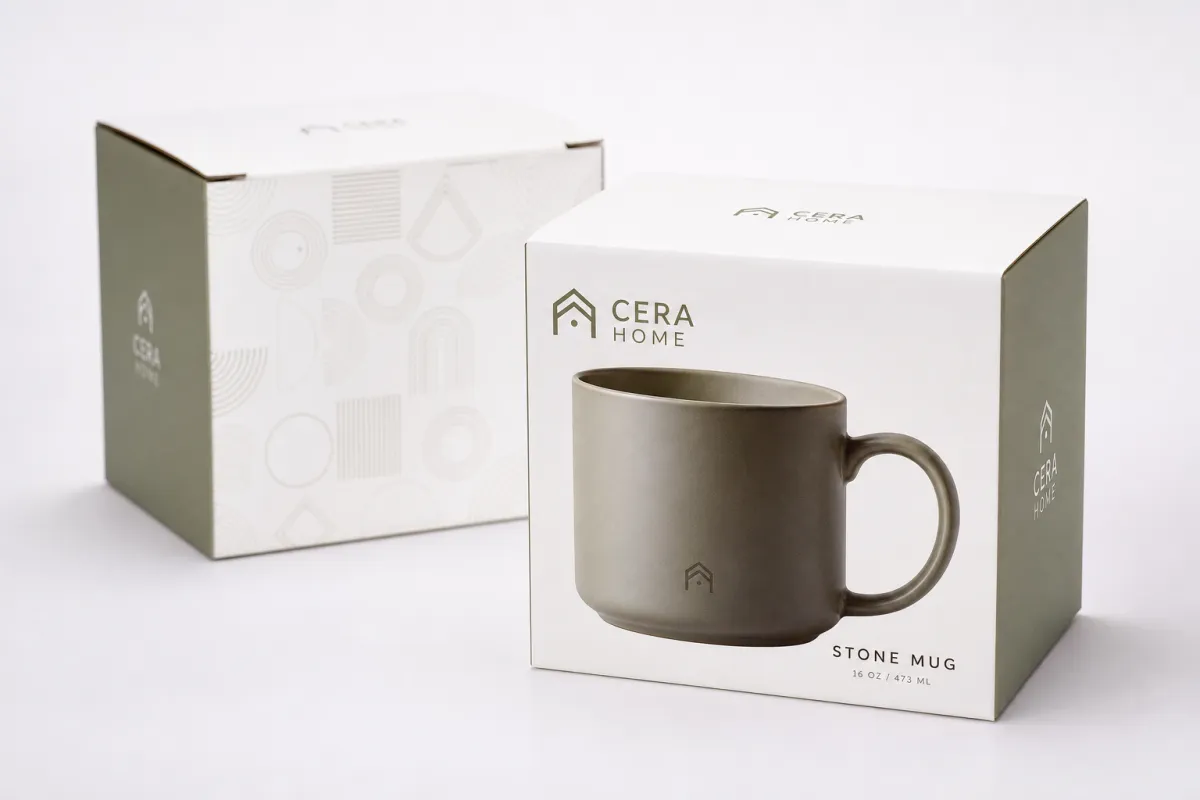
Printed product boxes with logo are branded cartons, mailers, sleeves, or folding boxes that combine structure, presentation, and identification in one package. That can mean a corrugated mailer for ecommerce, a tuck-end carton for retail, a sleeve over a tray, or a subscription box that opens with a bit of theater without going overboard. The box is not just a shell. It is part of the customer experience, and sometimes part of the return rate too.
The best box is rarely the loudest one. A smaller, cleaner structure usually beats a giant carton packed with finishes nobody needed. Printed product boxes with logo should start with fit, then protection, then branding. Not the other way around. Oversized packaging wastes material, pushes freight higher, and makes the product look less considered before anyone even touches it.
You will see printed product boxes with logo used in a few places most often. Ecommerce brands use them for shipped orders and subscription kits. Retail brands use them for shelf display and product protection. Sampling programs use them for discovery kits and launch mailers. They all want the same thing: a box that makes the brand look deliberate without dragging a landfill along for the ride.
Sustainability changes the brief in a useful way. The logo should work with the box, not force a heavier board, extra coating, or a plastic window just because somebody wants a "premium" look. Good printed product boxes with logo can still feel polished. They just need to earn each layer of material. Smart versions often use fewer inserts, a simpler print layout, and stock that fits normal recycling streams instead of fighting them.
That is also where a lot of teams stumble. They ask for premium and sustainable like the words will fill in the technical gaps. They will not. Structural design does the work. If the product can ship safely in a right-sized carton with a simple printed surface, overbuilding it is wasteful. If the product really does need extra protection, build that protection into the box without making recovery a headache.
Strong branding does not require complicated packaging. It requires clear choices. Printed product boxes with logo can look clean on a shelf, sharp in an ecommerce photo, and efficient in shipping all at once. That is the actual job. The logo is only doing its part if the box supports it.
Typical use cases include:
- Ecommerce shipping for apparel, beauty, wellness, and accessories
- Retail cartons for small electronics, candles, supplements, and specialty foods
- Subscription and PR kits that need presentation without wasteful bulk
- Sample packs and promotional launches where brand recognition matters fast
In practice, the strongest packaging programs I have seen are not trying to be everything at once. They pick the right structure for the job and let the print do the branding. That is usually the less flashy move. It also tends to work better.
How Printed Product Boxes with Logo Are Made
The production path starts with a boring question that saves money: what exactly is the product size, weight, and fragility? If that answer is fuzzy, everything downstream gets messy. The dieline gets bloated. Artwork lands in the wrong place. The final box needs filler that costs more than it should. A sloppy measurement is how a supposedly efficient packaging program turns into a budget leak.
The workflow is straightforward. Brief and measurements come first. The supplier creates or confirms the dieline. Artwork gets placed on the template. A proof is reviewed. Changes happen if needed. Production begins after final sign-off. Then the board gets printed, cut, creased, folded, glued, packed, and shipped. Nothing magical there. The trick is keeping the details aligned so the printed product boxes with logo actually assemble the way the mockup promised.
The dieline does most of the heavy lifting. It controls panel size, fold positions, glue areas, bleed, and safe zones. That keeps the logo from getting clipped, bent, or shoved into a crease where it should not be. If the logo sits too close to an edge, the flat proof will show it and the finished box will punish you for ignoring it. Experienced buyers spend time on the template because the template is where good packaging starts.
Printing method matters too. Digital printing usually makes sense for short runs, seasonal changes, or test launches because setup is lighter and revisions are less painful. Offset printing usually wins on larger quantities because the unit cost drops as volume rises. Flexographic printing can work well for simpler Corrugated Shipping Boxes, especially if the design does not need a lot of detail. None of those methods is automatically best. The right one depends on run size, color complexity, and how much detail the artwork actually needs.
Board selection matters just as much. A folding carton for a cosmetic serum is not the same thing as a corrugated mailer for a ceramic mug. Caliper, flute profile, and board grade all affect crush resistance, print finish, and shipping weight. If the supplier cannot explain why a specific substrate fits the product, keep asking. Guessing is how you end up with a box that looks fine on paper and falls apart on a truck.
Timeline is another place where bad assumptions create drama. A repeat job can move quickly. A new structure with a fresh finish takes longer. Need a physical sample? Add time. Weird product shape? Add time. Forgot the barcode and now the file needs five rounds of corrections? Add time again. Printed product boxes with logo are not slow by nature. Bad approvals make them slow.
Here is the approval sequence that keeps the process sane:
- Review the flat proof and confirm size, folds, and artwork placement.
- Request a physical sample if the product is fragile, high-value, or the structure is new.
- Sign off on print-ready files only after copy, barcode space, and handling marks are checked.
- Release full production once the sample and proof match the actual packaging brief.
"Most packaging problems are not print problems. They are measurement problems pretending to be print problems."
If you want a useful technical benchmark, packaging standards bodies matter here. For transit testing, many teams reference ISTA procedures to stress-test packs before launch, especially for ecommerce shipments that need to survive rough handling. The International Safe Transit Association publishes useful material at ista.org. For sustainable sourcing language, FSC certification is another reference point worth understanding, and the Forest Stewardship Council explains it clearly at fsc.org.
Cost Factors for Printed Product Boxes with Logo
Pricing for printed product boxes with logo comes down to a handful of predictable variables: quantity, board type, print coverage, structural complexity, finish, and freight. Those are the usual suspects. If a quote looks higher than expected, one of those six usually explains it. Buyers often compare the headline number and miss the hidden cost sitting inside a heavier board or a more complicated construction.
Quantity changes the math fast. Small runs carry a higher per-unit cost because setup, prepress, and machine time get spread over fewer pieces. Larger orders lower the cost per box because the setup work gets diluted across more units. That does not mean you should order a mountain of boxes just because the unit price dips. It means you should find the break point where the lower unit cost justifies the storage and cash tied up in inventory.
For a rough reference, a simple folding carton or mailer in a basic stock can land in the lower cost range for a modest run, while rigid boxes, specialty papers, or heavy finishing can push the price up quickly. A plain corrugated mailer can be relatively affordable at 1,000 units or more. A rigid structure with soft-touch lamination, foil, and custom inserts is a different creature. You are paying for materials, extra steps, and slower handling, not just for a logo.
Brands also forget the quiet costs. Artwork cleanup takes time. Structural sampling can cost money. Freight can turn a decent box price into a less decent landed cost. Storage matters if the order is large. If the box is too weak for the product, damage will wipe out the savings anyway. Cheap boxes are not cheap when half the shipment gets crushed.
Sustainability can move price in both directions. Recycled board or FSC-certified stock may carry a slight premium depending on the market and the supplier's sourcing. Water-based inks or lower-plastic coatings can add a little cost on some production lines too. On the other hand, right-sized printed product boxes with logo often reduce filler, shipping volume, and rework, so the total cost can improve even if the per-box material price climbs a little. The unit price is not the whole story. It never is.
There is also a difference between packaging cost and packaging value. A slightly more expensive box that reduces damage, speeds packing, and cuts void fill can save money in the background. A cheaper box that needs more tape, more inserts, and more labor is not really cheaper. It just looks that way on the first quote.
| Box Option | Typical Use | Approx. Price Range | Pros | Tradeoffs |
|---|---|---|---|---|
| Simple folding carton | Retail products, light goods | $0.18-$0.45 per unit at medium volume | Good print quality, efficient storage, lower shipping weight | Less impact resistance than corrugated |
| Corrugated mailer | Ecommerce, subscription kits | $0.35-$0.90 per unit at medium volume | Better protection, easier shipping performance | Can look plain unless print is planned well |
| Rigid set-up box | Premium launches, gift packaging | $1.20-$4.00+ per unit depending on finish | Strong presentation, premium feel | Higher cost, more material, harder to recycle if overfinished |
| Printed sleeve or wrap | Light branding over existing packaging | $0.08-$0.30 per unit | Lower material use, flexible branding | Less protection, not always enough on its own |
Those numbers are broad, not a quote. Real pricing changes with quantity, print area, board spec, and shipping location. Still, they help buyers avoid fantasy budgeting. If someone promises rigid, custom, full-color, finished boxes for pocket change, they are either quoting something flimsy or leaving out a few costs that will show up later like a nasty surprise in a spreadsheet.
If your packaging program includes other components, it often helps to compare the cost of printed product boxes with logo against the rest of the pack. Sometimes the smarter move is to simplify the insert, use fewer printed panels, or pair the box with a lower-cost protective structure from the broader range of Custom Packaging Products. One cleaner structure beats three decorative layers pretending to be efficient.
Sustainable Materials, Inks, and Finishes That Matter
The phrase sustainable packaging gets abused a lot, so let us keep it honest. A material is not sustainable just because a brochure says so. It needs to work in the real world, protect the product, and fit a recovery path that does not depend on wishful thinking. Printed product boxes with logo can absolutely be part of a sensible packaging system, but only if the materials and finishes are chosen with restraint.
Recycled kraft and FSC-certified paperboard are common choices for printed product boxes with logo because they balance appearance, availability, and recovery. Corrugated mailers are useful when transit protection matters more than a pristine shelf look. Paper-based wraps and sleeves can also do a lot of branding work with very little material. The big win is often not the fanciest board. It is the right board in the right thickness.
Ink and coating choices matter just as much. Soy-based or water-based inks are often preferred for brands trying to keep recovery simpler. Aqueous coatings usually create less of a recycling problem than heavy plastic lamination. That said, the coating still has to match the use case. If a box is going through humid transit or repeated handling, a light protective finish may be worth it. Just do not slap on a glossy barrier because somebody thinks "premium" sounds nice on a slide deck.
The real sustainability test is function. If a thinner board crushes in transit and forces double-boxing, it is not a sustainable choice. If a beautiful sleeve requires an inner tray, a filler pad, and a dust cover just to keep the product centered, the material story gets weak fast. Printed product boxes with logo should reduce waste by design, not add more layers to compensate for a weak structure.
Finishes are where brands often get carried away. Embossing can add texture and perceived value. Foil can create a sharp logo lockup. Soft-touch lamination can feel high-end. None of those are automatically wrong. The problem is that each one adds cost, complexity, and in many cases a harder recycling story. For some launches, the finish earns its keep. For a monthly ecommerce subscription box? Usually not. Honest packaging beats overdesigned packaging pretending to be responsible.
Here is a practical rule: use the minimum finishing needed to support the brand story and the product environment. If the box is shipping dry goods, a simple print and aqueous coat may be enough. If it is a retail gift box with a high-margin product, a more refined finish might be justified. The material should serve the product, not dominate it.
For brands that want a credible sustainability reference, the EPA offers solid guidance on waste and material recovery at epa.gov/recycle. That does not solve packaging design for you, obviously, but it helps anchor claims in something less vague than marketing fog. Useful packaging is practical first. The environmental part follows from that.
Material choices that usually work well:
- Recycled kraft board for natural-looking ecommerce and retail packaging
- FSC-certified paperboard for brands that need documented sourcing
- Corrugated mailer stock for products that need better shipping strength
- Paper sleeves for low-material branding over an existing structure
Step-by-Step Ordering Process and Timeline
The fastest way to get printed product boxes with logo approved is to start with the product, not the artwork. Measure the product accurately. Include the weight. Note whether it is fragile, oily, liquid, sharp-edged, or oddly shaped. Then think about the customer opening experience. Does the box need to be easy to open by hand? Does it need to survive a courier network? Does it need to stack in a warehouse? Those details shape the box more than a mood board ever will.
After that, build a clean specification sheet. The better the brief, the faster the quote. Include the box style, material grade, print coverage, quantity, and any sustainability requirement such as recycled content, plastic-free construction, or FSC sourcing. If the supplier has to chase basic information, the timeline drifts. Not because anybody is lazy. Because production cannot be guessed into existence.
Request the dieline early. Then inspect it like it matters, because it does. Confirm logo placement, barcode space, legal copy, recycling marks, and any handling symbols. Check the folds. Check the flap closure. Check whether the logo sits in a place that will still be visible after assembly rather than hidden behind a crease like an afterthought. Printed product boxes with logo are won or lost here more often than in the print step itself.
A realistic timeline usually has four stages: design and proofing, sample review, production, and freight. A simple repeat order can move quickly if the dieline is already approved and the artwork is locked. A new structure with special coating or complex print takes longer. If you are rushing, expect tradeoffs. Urgent jobs usually cost more, and they usually leave less room for a careful sample review. That is not the packaging supplier being difficult. That is scheduling.
For brands that reorder often, the best move is to standardize the spec. Keep the dieline. Keep the material. Keep the coating. Keep the logo position. That is not glamorous, but it prevents a lot of small mistakes. Reorders go faster when the box is treated as a controlled asset instead of a new creative challenge every time.
One practical thing I tell teams all the time: do not wait for final artwork before asking for a structural sample. That is a classic time-waster. The structure should be right before anybody spends time polishing copy and visuals. Otherwise, you end up redesigning the box after the design is already "finished," which is packaging's version of stepping on a rake.
A clean ordering sequence looks like this:
- Measure the product and confirm the pack-out method.
- Choose the box style and sustainability target.
- Request a quote with quantity tiers such as 250, 1,000, and 5,000 units.
- Review the dieline and flat proof.
- Approve a sample if the product is fragile or the structure is new.
- Lock production files and release the order.
- Schedule freight and inbound receiving before inventory gets tight.
That sequence looks basic because it is basic. The problem is not complexity. The problem is skipping steps and hoping the box will magically behave later. It will not.
Common Mistakes That Waste Money and Material
Most mistakes with printed product boxes with logo are boring, which is exactly why they keep happening. The biggest one is overdesigning the pack. Extra inserts, oversized boxes, unusual folds, and premium effects can make a basic project expensive for no real gain. If the customer never sees the bottom panel, stop treating it like billboard space. If the product already looks premium, the box does not need to shout over it.
File mistakes are another repeat offender. Missing bleed, tiny type, low-contrast logos, and artwork placed too close to folds are the kinds of errors that look harmless on a laptop and awful in production. A proof is not a magic shield. It is a warning system. When a packaging buyer skips the review step or rushes through it, the final printed product boxes with logo usually show it.
Sustainability mistakes deserve their own callout because they are easy to make and hard to explain later. Recycled does not automatically mean recyclable in every local stream. A green label does not fix a package that uses too much board. And a "natural" paper look does not make the box sustainable if the structure is so weak that it requires extra wrap, filler, or reboxing. The claim has to match the actual package, not the mood of the brand deck.
Logistics mistakes can be expensive in quiet ways. If the board strength is too low, you get transit damage. If the pack count per carton is wrong, warehouse handling gets inefficient. If pallet configuration is ignored, freight costs creep up. If the box is too large, the shipping class may rise. Printed product boxes with logo are not just a design item. They are part of the logistics budget. Pretending otherwise is how people end up paying for a nice-looking headache.
Timeline mistakes show up all the time too. Waiting until the final product launch is already scheduled before requesting samples is a good way to create panic. So is asking five stakeholders to comment on the proof separately. That is not collaboration. That is a delay machine. Give one person the authority to approve the box and keep the process moving.
Common errors to avoid:
- Choosing a box that is larger than the product needs
- Using premium finishes that do not add real value
- Ignoring fold lines, bleed, or safe zones in the artwork
- Assuming recycled content automatically solves sustainability concerns
- Skipping structural sampling for fragile or high-value products
Honestly, the most expensive packaging mistake is often emotional. A brand wants the box to feel luxurious, so it keeps adding layers until the design gets clumsy. Then the unit cost rises, the shipping cost rises, and the sustainability story starts wobbling. Printed product boxes with logo should look intentional, not indulgent for its own sake.
Next Steps for Printed Product Boxes with Logo
If you are ready to move, keep the decision set small. Pick one box style. Pick one sustainability target. Pick one realistic quantity range. That alone makes quote comparisons easier. Once you start comparing six materials, four coatings, and two different closure styles, the project becomes a spreadsheet hobby instead of a packaging order.
Create a vendor checklist before you request pricing. Ask about substrate options, printing method, lead time, sample policy, freight terms, and what happens if artwork needs correction. That checklist prevents the classic back-and-forth where every answer arrives separately and the schedule slips by a week for no good reason. Printed product boxes with logo should move through a controlled process, not a scavenger hunt.
If the product is fragile, expensive, or an awkward shape, order a sample or short run first. It is cheaper to discover a bad fit at 100 units than at 10,000. That sounds obvious, but a lot of packaging budgets get burned by optimism. The sample tells you whether the box closes properly, whether the print scale feels right, and whether the protection matches the real shipping route.
For repeat programs, standardization is the quiet profit center. Keep the approved files. Keep the same dieline. Keep the same board and coating. Keep the logo position fixed. That makes reorders faster, reduces mistakes, and protects your margins. It also makes sustainability claims easier to defend because the spec stays controlled instead of drifting with each campaign.
If you need more than one type of carton or mailer, browse the broader range of Custom Packaging Products and compare the structure to your actual use case. Sometimes the answer is not a fancier box. Sometimes it is a simpler one with smarter proportions and a better board choice.
The best printed product boxes with logo protect the product, control cost, and leave less waste behind. That is the whole job. Everything else is decoration.
FAQ
How much do printed product boxes with logo usually cost?
Pricing depends mostly on quantity, board type, print coverage, and finishing, so a small run can cost several times more per unit than a larger order. Plain mailers or folding cartons are usually the lower-cost options, while rigid boxes, specialty papers, and premium finishes raise the price fast. A useful way to shop is to ask for quotes at 250, 1,000, and 5,000 units so you can see where the break point sits for your specific printed product boxes with logo.
What is the fastest way to approve printed product boxes with logo?
Send exact product dimensions, logo files, and required copy before asking for artwork, because missing specs are what slow everything down. Approve the flat proof first, then only request a physical sample if the product is fragile, high-value, or the structure is new. One decision-maker internally also helps a lot. Otherwise, the box spends a week bouncing between opinions like a bad group chat.
Which sustainable materials work best for printed product boxes with logo?
Recycled kraft, FSC-certified paperboard, and corrugated mailers are the most practical choices for sustainable branded packaging. Water-based or soy-based inks are usually a better fit than heavy plastic-like coatings when recyclability matters. The best material is the one that protects the product with the least extra packaging, because overpacking is the fastest way to waste money and fiber in printed product boxes with logo.
Do printed product boxes with logo need special coatings for durability?
Not always. Many boxes only need a basic aqueous coating or no coating at all if the product is dry and the shipping route is simple. If the box faces moisture, abrasion, or retail handling, a light protective finish may be worth it, but it should match the real risk, not an imagined one. Add protection for actual use, not because "premium" sounds nice in a sales meeting.
How far in advance should I order printed product boxes with logo?
Plan several weeks ahead for custom boxes, and longer if you need structural samples, special finishes, or large freight moves. Simple repeat orders can move faster, but only if the artwork, dieline, and specifications are already locked. Order before inventory gets tight; emergency packaging always costs more and usually comes with fewer options for printed product boxes with logo.
Can printed product boxes with logo still look premium without heavy finishing?
Yes. Clean typography, a well-sized logo, a good board choice, and a tight structure can look far better than a box buried under foil and soft-touch lamination. Premium does not have to mean overloaded. Usually, the boxes that feel the most confident are the ones that stop adding things once the design already works.


