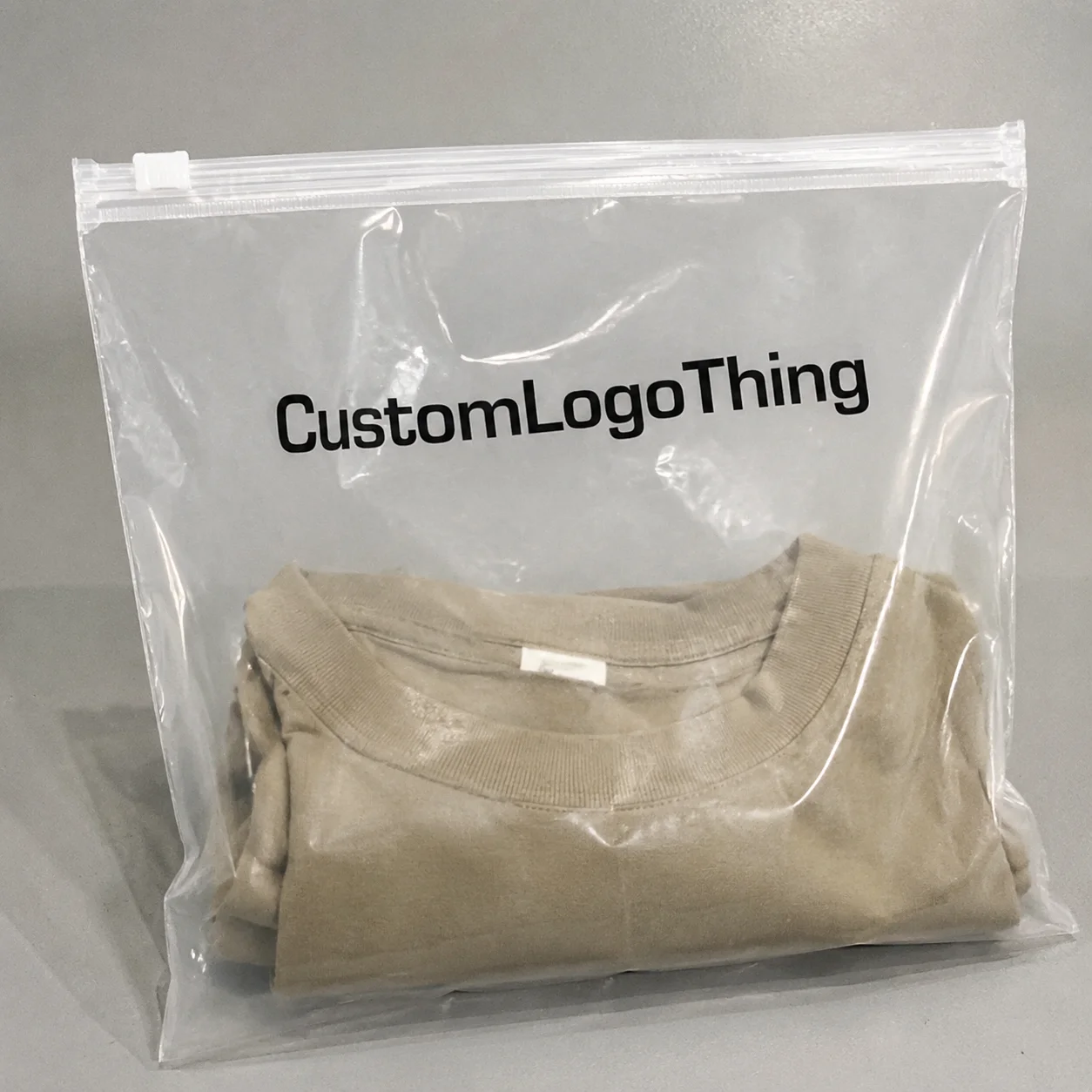
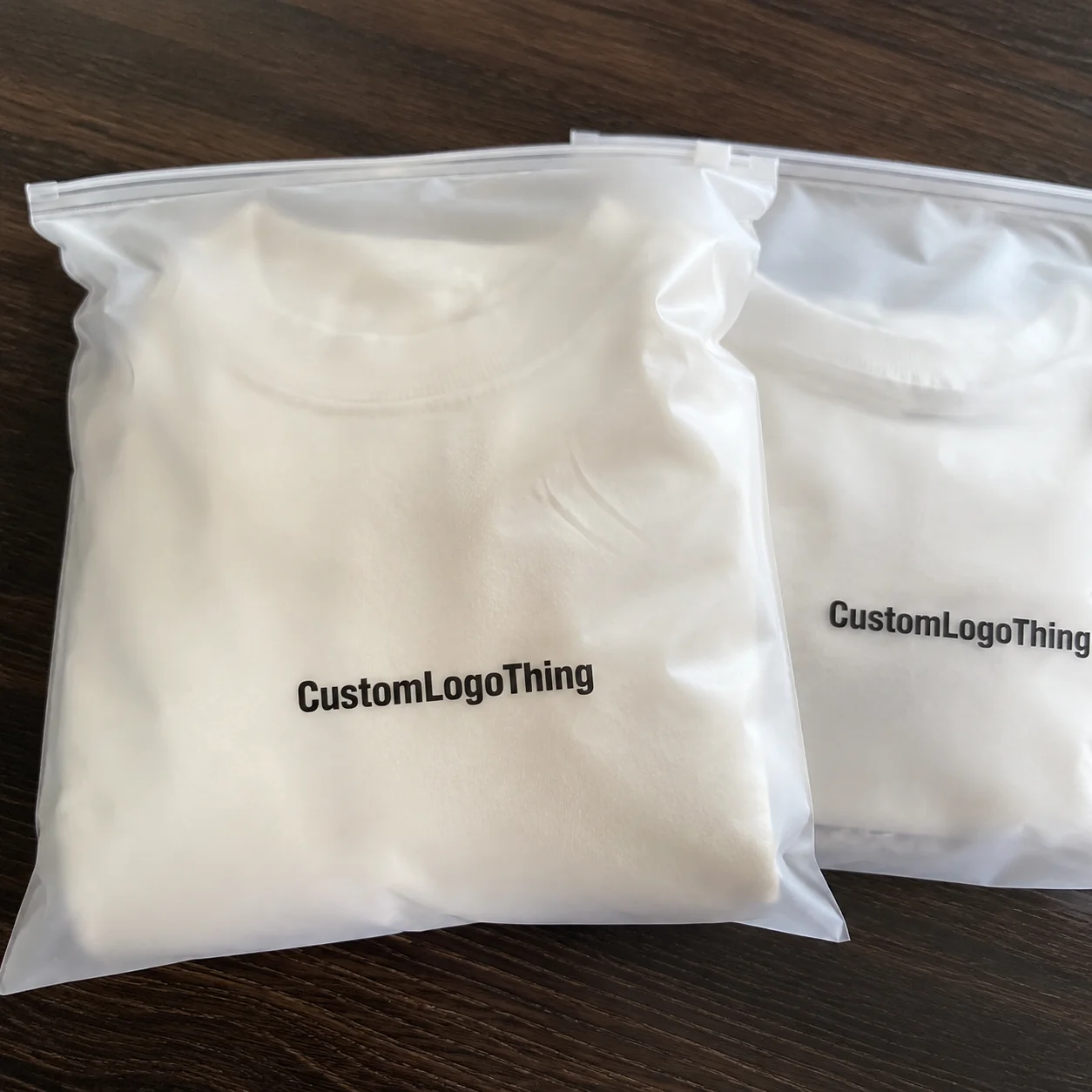
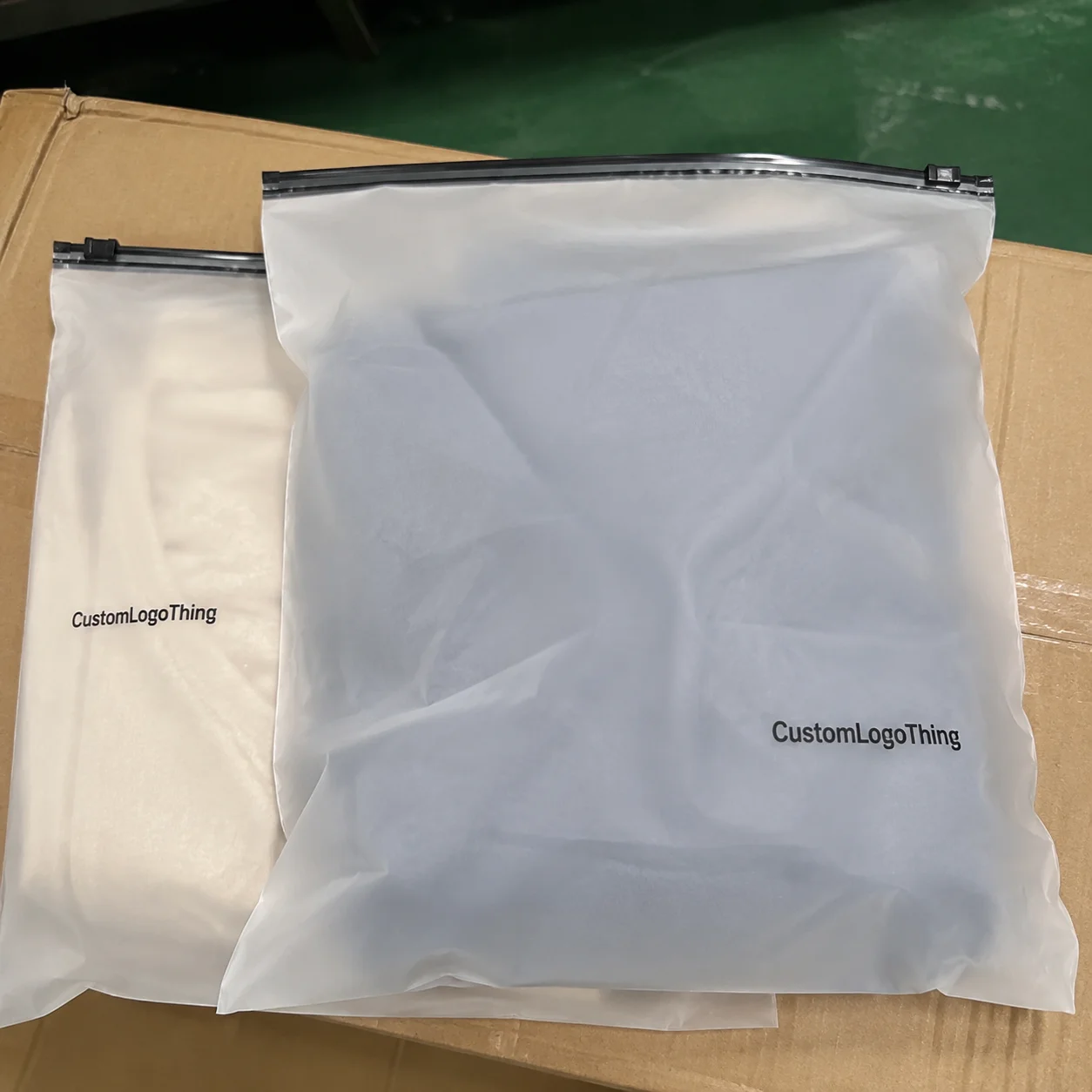
Searching for a printed PVC Zipper Garment Bags quote for bakery orders usually means the same thing in practice: plain packaging is no longer doing enough for the product. A bakery gift set, a boxed pastry assortment, or a seasonal retail bundle needs packaging that protects the order, keeps it visible, and gives the customer a finished impression the moment it is handed over.
PVC zipper bags can do that work well when the bakery item is already boxed, wrapped, or otherwise separated from direct contact. They are not a universal solution, and they should not be treated like one. Their value is in the balance they offer: clear presentation, reasonable durability, and a reusable structure that feels more intentional than a thin poly bag.
The buyer’s challenge is usually simple to describe and harder to source correctly. The bag has to fit the product, the print has to match the brand without crowding the surface, and the quoted price has to make sense once setup, freight, and minimum order quantity are added together. That is where the details matter.
Why bakery orders benefit from clear, reusable packaging
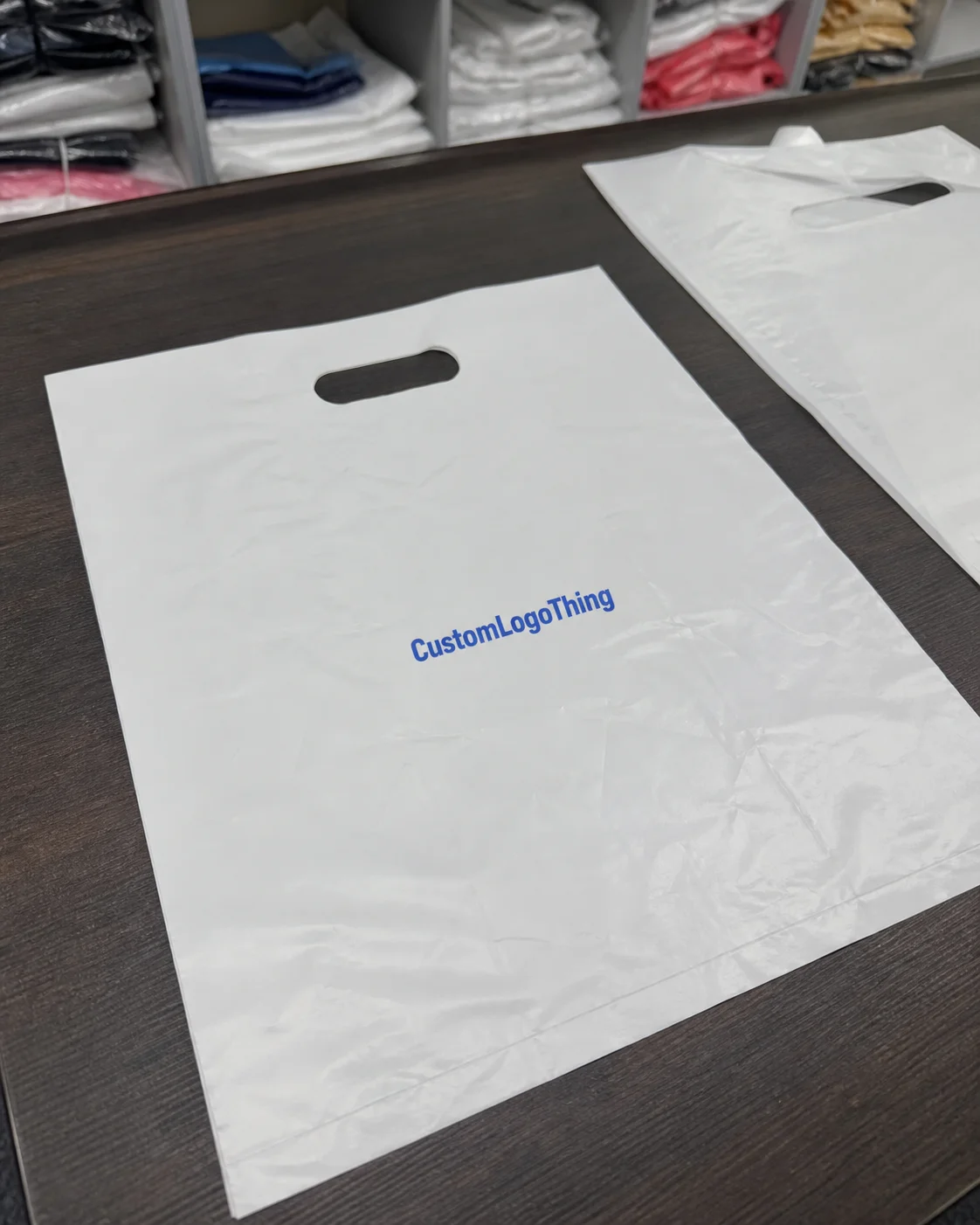
Bakery packaging sits in a very practical space between food handling and retail presentation. Customers want to see what they bought, but they also want the order to arrive clean, tidy, and protected from the handling that comes with pickup, gifting, or event distribution. Clear or semi-clear PVC works especially well for this kind of order because it lets the product remain visible while still giving the outer package some structure.
That visibility is a genuine selling point. A box of cookies, macarons, muffins, or pastry assortments often looks more appealing when the package does not hide the contents behind layers of opaque material. A printed logo can frame the item without overwhelming it, and the product itself continues to do the heavy lifting visually. For many bakery buyers, that is the right tradeoff.
Printed PVC Zipper Garment Bags are especially useful for:
- Gift boxes and holiday bakery sets
- Retail-ready pastry bundles
- Catering handoff packaging
- Subscription or recurring seasonal deliveries
- Event giveaways and branded presentation pieces
The zipper closure adds one more layer of usefulness. It gives the package a cleaner opening and closing experience, which matters when the bag is meant to be reused or kept after the initial purchase. A zipper also helps the package feel less disposable, which is often part of the appeal for bakery branding.
There is one caveat that should be stated plainly. PVC is usually best used as outer packaging, not as a direct-contact food layer unless the full packaging structure has been designed and approved for that purpose. For greasy, warm, unboxed, or freshly baked items, the specification needs to be checked carefully. Good-looking packaging that does not suit the product is still a poor purchase.
“Good packaging does not need to hide the product. It needs to frame it and protect it at the same time.”
That framing effect is part of the brand value. A bakery bag is not only a container; it is also a repeatable touchpoint. It carries the logo, color palette, and overall feel of the order long after the pastry has been eaten.
Printed PVC zipper bag options that fit bakery packaging
Not every PVC zipper bag is suitable for bakery use. The better options tend to share a few qualities: clear or lightly frosted material, a zipper that closes without snagging, a print that stays readable on the chosen surface, and enough body to hold its shape around the inner box or tray.
Buyers usually compare a handful of variations before requesting samples or pricing:
- Clear PVC with logo printing — best when product visibility is the priority and branding should stay simple.
- Frosted or semi-clear PVC — useful when a softer, more premium look is preferred without fully hiding the contents.
- One-color printing — often the most practical place to start, since it keeps setup manageable and the design clean.
- Multi-color or full-surface graphics — stronger branding impact, but more setup work and usually a higher quote.
- Handles — useful for pickup orders, catering delivery, and event giveaway packaging.
- Reinforced zipper construction — important if the bag will be opened and closed more than once.
Size planning deserves more attention than it usually gets. A pastry box, a cookie assortment, and a two-piece gift set may all be considered “small” by a buyer, but they can require very different bag dimensions once the box height, handle style, and insert material are added. For bakery use, common size groups usually fall into three practical categories:
- Small: single pastry boxes, mini gift packs, sample sets
- Medium: boxed dessert assortments, 6- to 12-piece sets, branded retail bundles
- Large: catering packs, multi-box orders, event giveaways, or stacked gift sets
Material thickness also changes the feel of the bag more than many first-time buyers expect. Thin PVC can work for light promotional use or short-term packaging, but it may not hold its shape well once the inner box is inserted. Mid-weight material is often the most practical middle ground. Heavier PVC gives a firmer appearance and better reuse potential, although it also raises cost and freight volume.
If the branding needs to stay restrained, logo-only printing is usually the smartest place to begin. A web address, slogan, or care line can be added if the layout allows it, but overcrowding a transparent surface tends to make the bag look busier than intended. Clean packaging usually photographs better too, which matters more now than it used to.
| Bag style | Best bakery use | Typical tradeoff |
|---|---|---|
| Clear PVC with logo print | Retail-ready pastry boxes, gift sets | Simple, visible, and limited in branding space |
| Frosted PVC zipper bag | Seasonal bundles, upscale gifting | Less direct visibility than clear material |
| Heavy-gauge reusable bag | Catering orders, repeat customer use | Higher unit cost and more shipping volume |
| Full-print branded bag | Promotions, launches, event packaging | More setup and usually a higher quote |
Specifications to confirm before requesting a quote
If the quote is meant to be accurate, the specification sheet has to be clear. That sounds obvious, but a surprising number of quote delays begin with vague dimensions or artwork that has not been locked in. Packaging suppliers can work quickly when they know exactly what is being asked for. They slow down when they have to interpret the request.
The essentials are straightforward: bag dimensions, PVC thickness, print area, zipper style, handle type, and finish. If one of those changes later, the price can change with it. The smallest revision can affect material usage, print setup, or packing method.
Thickness is one of the most important choices. Thin PVC is lighter and less expensive, but it does not always offer the structure buyers expect. Mid-weight material is often suitable for general retail and gifting. Heavier gauges work better when the bag is intended to be reused, carried often, or paired with a premium boxed product.
Print details need equal attention. Ask for the artwork format, the number of colors, and whether the logo should appear on one side or both. If a Pantone match is required, say so early. If the design is intended to remain minimal, that should be stated too. Print pricing changes quickly once the artwork becomes more complex.
It also helps to define the packaging role as precisely as possible. Is the bag acting as an outer carrier for a bakery box? Is it holding a tray, sleeve, or sealed inner pack? Is the order going to a retail shelf, a gift handoff, or a delivery route? Those details shape not only the quote but also the decision about whether the bag is appropriate for the product at all.
For food-related packaging, confirm whether any food-safe requirements apply to the inner pack or the total assembly. A beautiful outer bag cannot solve a bad packaging structure. If the product is warm, oily, or unboxed, the safety and performance questions need to be answered before production starts.
One more practical item often gets overlooked: carton pack count and shipping marks. These affect warehouse handling, storage space, and freight estimates. A neat product quote can look very different once the packaging is placed on a pallet and shipped in bulk.
A good rule is to send one document that includes the final size, final artwork, quantity tier, intended use, and delivery destination. That single step reduces the kind of back-and-forth that burns time and muddies the quote.
Cost, pricing, MOQ, and the quoting factors that shape bakery packaging
Packaging pricing is driven by a handful of variables that are easy to list and impossible to ignore: size, PVC thickness, print coverage, number of colors, zipper style, and quantity. Larger bags use more material. Thicker bags require more material. More colors and more surface coverage mean more setup and more ink. Premium hardware or finishes add cost as well.
For planning purposes, a simple logo-printed bag at a moderate quantity will usually sit in a lower price band than a full-surface printed version. As order size rises, the unit cost usually falls because setup costs are spread across more pieces. That is not a trick; it is just how production economics work.
Most buyers compare pricing in practical tiers:
- Smaller bag + simple print = useful for testing a new design or handling a seasonal run
- Larger bag + heavier PVC = better structure, higher unit cost
- Full-coverage print = stronger branding, more setup expense
- Premium zipper or hardware = improved durability, higher cost
MOQ depends on size, print method, and the supplier’s production setup. Lower minimums are helpful for holiday programs, limited editions, or the first round of a new bakery package. Higher quantities usually improve unit pricing and make more sense for recurring use. If the order is small, ask for a test-run quote. If the design is likely to repeat, ask for tiered pricing so you can compare short-run and bulk economics clearly.
For a Printed PVC Zipper Garment Bags quote for bakery, the best quotes usually show at least two or three quantity levels. That allows a proper comparison between testing volume and production volume. One number by itself is rarely enough to make a good buying decision.
Freight deserves special attention because PVC packaging is bulky. It can take up much more space than rigid buyers expect, and that affects landed cost even when the unit price looks attractive. A quote that seems low on paper can become expensive once packaging volume and shipping are added. This happens often enough to be a routine buyer caution, not a rare surprise.
Other common cost factors include setup fees, sample charges, special packing requirements, and any assembly or labeling work. An itemized quote is the best way to see where the money is going. If the supplier separates product cost, setup, sample, and freight, you can compare offers without guessing what is hidden inside the total.
For broader packaging and transit references, the ISTA shipping test standards are useful when evaluating how a package performs under distribution handling. The Institute of Packaging Professionals also provides practical packaging education. For paper components or recycled claims on mixed packaging, the FSC can be useful, though PVC itself is a different material conversation.
Process, lead time, and production realities
The order flow is familiar: inquiry, spec confirmation, artwork review, sampling if needed, production, inspection, and shipment. The part that slows everything down is usually the buyer side, not the production side. When the size is still changing, the artwork is still moving, or the use case is not clearly defined, every step takes longer.
Digital proofing is quick and useful, especially for checking layout, logo placement, and basic proportions. It does not replace a physical sample when fit, stiffness, or zipper feel matters. If the bag is going to be seen on a shelf or used for gifting, a sample can prevent the kind of mistake that only becomes visible after the run is finished. A logo can look centered on a screen and sit too high on the real bag. That is enough to change the entire presentation.
Lead time depends on order size, print complexity, and the speed of approval. A straightforward one-color logo order generally moves faster than a multi-color design with repeated revisions. Sampling may only take a short time, but bulk production should not start until the final spec is locked. Shipping time needs to be added separately, especially because bulky plastic packaging can move more slowly through freight channels than compact items.
Before production starts, the approval path should be clean:
- Digital proof approved
- Sample approved if required
- Final specification sheet confirmed
- Packing and shipping details locked
One contact person helps. One final artwork file helps. A last-minute change to bag dimensions after the proof has already been accepted does not help anyone and usually costs time or money. If the packaging need is still being refined, the quote stage is the right place to keep the order until the details settle.
Quality checks, printing methods, and supplier selection
Printing method has a direct effect on both appearance and wear resistance. For simple branding, screen printing is often a practical option because it can give a sharp logo and solid color coverage on PVC. If the design is more detailed, another print process may be needed, but the guiding principle stays the same: the print should remain clear and attached after handling.
Before approving the order, review the sample for zipper smoothness, seam alignment, print clarity, and color consistency. If the zipper binds, the seams drift, or the logo looks patchy, the sample should not be signed off. A problem caught in sampling is manageable. A problem caught after shipment is expensive.
Common buyer mistakes tend to repeat in predictable ways:
- Choosing a bag that is too small for the boxed bakery item
- Selecting PVC that is too thin for repeated use
- Approving artwork without checking how it sits on the actual size
- Underestimating freight because the packaging is bulky
- Skipping sample review and hoping the production run will be fine
A supplier worth taking seriously should be able to confirm specs clearly, explain the production path in plain language, offer samples when needed, and state the MOQ without hesitation. If the answers are vague, that is usually a sign that the order may be handled loosely later as well.
For bakery packaging, surface appearance matters more than buyers sometimes admit. The bag should have stable transparency, a clean finish, and enough body to hold shape around the inner product. If it collapses awkwardly or looks cloudy in the wrong places, the brand effect drops quickly, even if the printing itself is correct.
Shipping and transit performance should be judged separately from product contact concerns. A package can be appropriate for retail display and still need added support for transport. That is why buyers benefit from asking how the bag behaves under normal handling, rather than only how it looks flat on a table.
How to request a quote without slowing the order down
The fastest way to get a useful quote is to send the full request in one message rather than splitting it across multiple follow-ups. The more complete the first request is, the fewer assumptions the supplier has to make.
Include these details:
- Bag size
- Quantity
- PVC thickness
- Print colors
- Artwork file
- Shipping destination
- Intended use — boxed bakery items, retail display, gift set, catering order, or event giveaway
If the goal is to make the packaging feel like retail gifting, attach reference images. That gives the supplier a clearer sense of the finish, layout, and overall tone you want. “Nice” is not enough detail to quote from. Minimal, glossy, premium, and functional are all useful descriptors; vague praise is not.
Ask for multiple pricing tiers if possible. A low-volume option, a mid-volume option, and a bulk option tell you much more than one flat number. They also show whether the packaging is best treated as a test item, a seasonal run, or an ongoing supply line. That distinction matters when the order is tied to bakery promotions or holiday schedules.
Before committing, request a digital proof or, when the dimensions and print placement matter a lot, a physical sample. Digital proofs are efficient for layout checks. Samples are better for stiffness, zipper function, transparency, and real-world presentation. For bakery packaging, those details are part of the product experience, not extra decoration.
If your specs are ready, Contact Us with the final dimensions, artwork, and quantity tiers so the quote reflects the actual packaging use rather than a generic plastic bag assumption. A clear spec sheet gets a clearer price, and that usually saves time on both sides.
What details do I need for a printed PVC zipper garment bags quote for bakery use?
Send bag size, quantity, thickness, print colors, zipper style, artwork, and shipping destination. It also helps to explain whether the bag will hold boxed bakery items, act as an outer carrier, or be used for retail presentation. If you want tighter pricing, share your target budget and whether samples are required.
Can PVC zipper bags be used directly with bakery products?
Usually they are best used as outer packaging unless the full structure has been designed and approved for direct contact. For warm, oily, or unboxed bakery items, confirm food safety requirements before ordering. They are most suitable for boxed pastries, sealed items, gift sets, and retail presentation.
What is the typical MOQ for custom printed PVC zipper bags?
MOQ varies with size, print method, and supplier setup. Smaller test runs are often possible, but larger quantities usually bring better unit pricing. Asking for tiered pricing makes it easier to compare a low-MOQ test order with a more economical bulk run.
How long does production usually take after artwork approval?
Lead time depends on sample approval, print complexity, and quantity. Digital proofing is faster than physical sampling, but bulk production should wait until the final specification is confirmed. Shipping time should be added separately, especially for bulky packaging.
What affects the final unit cost the most?
Size, thickness, print coverage, number of colors, zipper quality, and order volume all influence cost. Freight matters too because PVC packaging is bulky and can raise the landed price more than buyers expect. Simpler artwork generally costs less than full-surface printing or premium hardware.