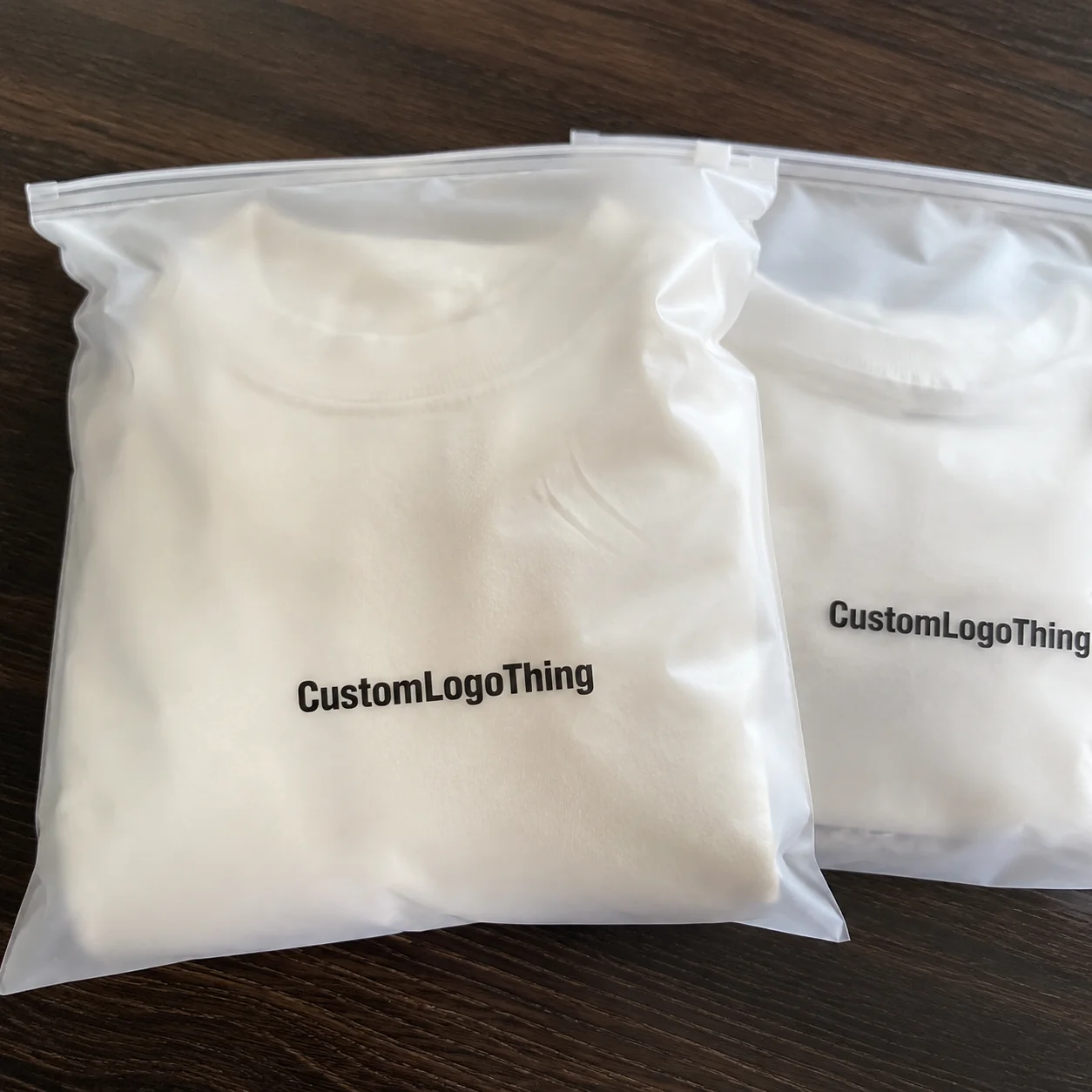
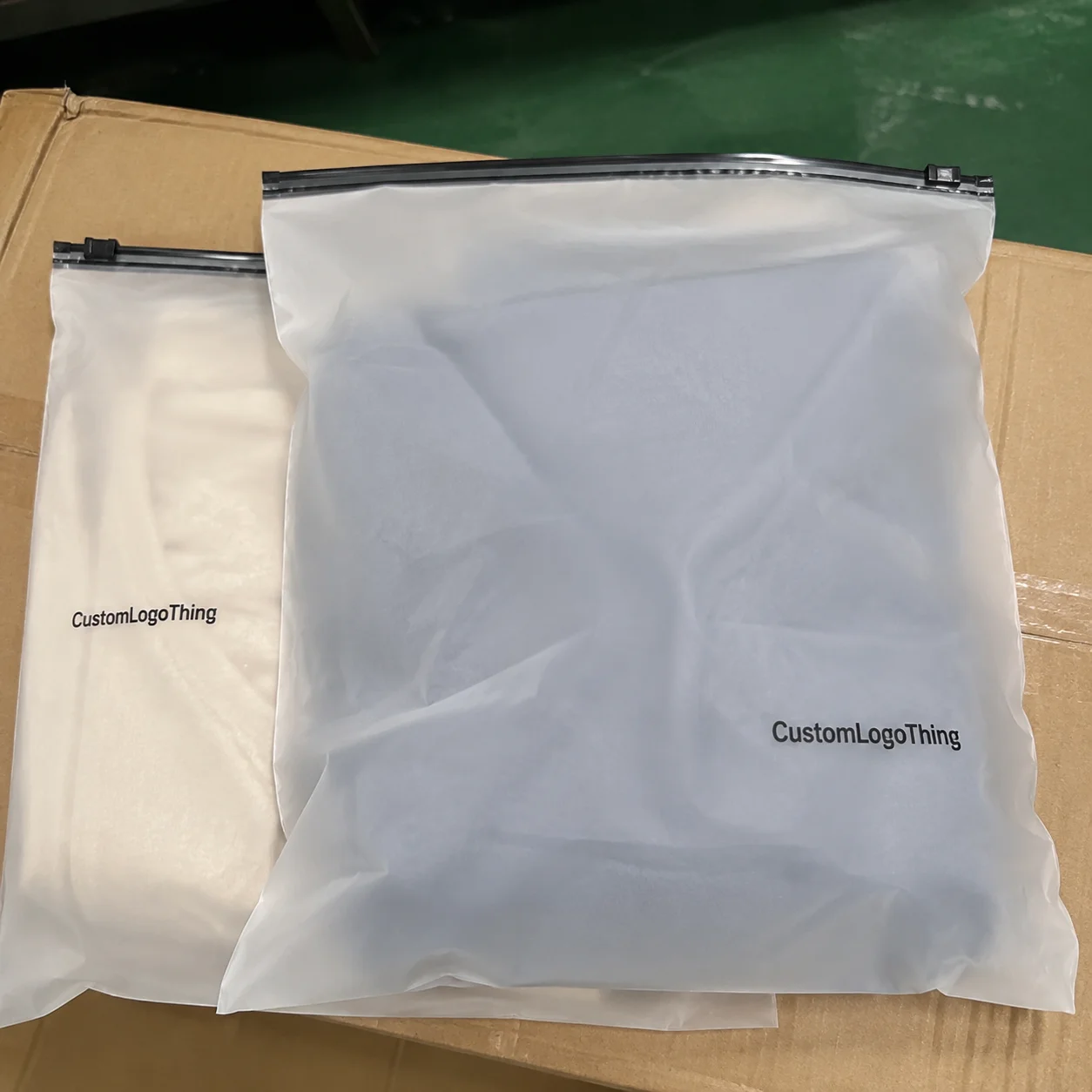
Bakery procurement teams do not usually start with garment packaging on their shopping list. The search begins because a seasonal apparel kit needs a cleaner presentation, staff uniforms need protected storage, or branded merchandise has to arrive looking organized rather than improvised. Once the request reaches sourcing, the real question is not whether the bag looks good in a catalog. It is whether the cost still works after material, labor, freight, and setup are all included.
That is where PVC Zipper Garment Bags unit cost for bakery orders becomes a useful lens. A quote can look attractive at first glance, yet a slightly thicker film, a stronger zipper, or a wider print area can change the total enough to matter on a modest run. For bakeries that manage promotional launches, employee apparel, or event merchandising, unit cost is only useful if it reflects the actual landed spend.
Why bakery buyers compare unit cost before features
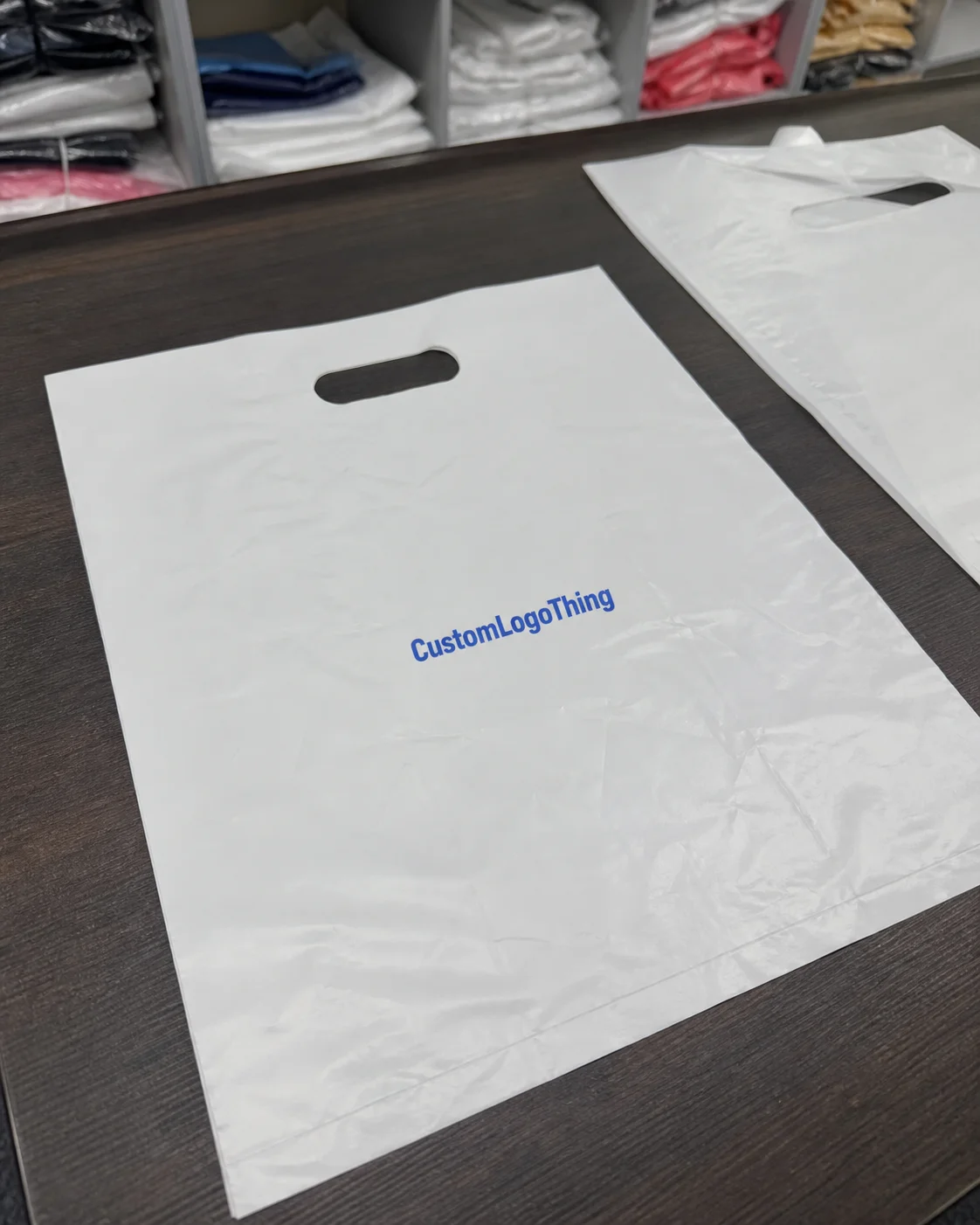
From a packaging buyer’s point of view, the first question is straightforward: what does one bag cost once it reaches the dock? For PVC Zipper Garment bags unit cost for bakery orders, the answer depends on much more than a simple size callout. Film gauge, zipper quality, print complexity, carton packing, and order quantity all influence the final number. Two offers can appear close on paper and still land very differently after freight, sample charges, and any tooling or setup fees are added.
Experienced buyers tend to compare bulk pricing and landed cost side by side. A bakery ordering 1,000 branded apparel bags may decide that a slightly heavier film is worth a few extra cents per piece if it improves reusability and reduces complaints from staff. On a larger program, that extra cost is often justified by fewer replacements. On a smaller run, the same change may push the budget past the point of comfort.
Closure hardware can also move the number more than people expect. A basic zipper and a more durable track may differ only slightly on a single bag, but that difference compounds on a small MOQ. Print coverage behaves the same way. A one-color logo in a limited area is one thing; a full-panel branded design is another.
Buy the spec, not the promise. If the supplier cannot quote the same dimensions, thickness, zipper style, and packing format across every offer, the comparison is not clean enough for a purchase decision.
For bakery teams, the practical buying frame is simple: presentation matters, durability matters, and reorder consistency matters even more when the bag supports seasonal campaigns or staff wardrobe storage. A low quote that quietly shifts the spec on the second order is not a bargain. It is a future problem with a better first impression.
Product details that affect performance
A PVC Zipper Garment bag is a clear or tinted protective bag with a zipper closure, usually used to store, transport, or present garments. In bakery operations, that can mean staff uniforms, delivery apparel, branded clothing, event merchandise, or gift-with-purchase kits. It is not a food-contact package. It is a storage and presentation format for textiles and soft goods.
PVC remains popular because it solves a few everyday problems at once. The contents stay visible, so staff can identify items without opening every bag. The surface wipes clean easily, which matters in back-of-house environments where flour dust, light grease, and general handling can leave residue on other materials. It also offers better moisture resistance than paper-based alternatives, which helps in humid prep or staging areas.
That said, PVC is not a one-size-fits-all material. Buyers should ask whether the bag is intended for repeated use or for short-term storage. A softer film may look neat in a sample photo but crease quickly in service. A heavier film costs more, yet often keeps its shape better on racks and in distribution cartons. For a bakery that wants the bag to be reused for staff apparel or multi-location transfers, that difference is worth checking early.
The practical details matter more than sales language:
- Zipper type: nylon coil, plastic tooth, or molded options behave differently under repeated use.
- Hanger opening: top slot, reinforced eyelet, or hook cutout affects how the bag hangs in storage.
- Seam reinforcement: heat sealing and stitched reinforcement can improve durability at stress points.
- Venting: small vent holes may help reduce trapped odor or pressure during packing.
- Format: flat-packed bags ship efficiently; gusseted bags hold bulkier garments and usually cost more to produce.
Branding is usually simple, but its effect on price and appearance is easy to underestimate. Clear film offers maximum visibility. Tinted PVC can feel more premium and can improve contrast for logos or department labels. A bakery that wants staff sorting by role or location may add print panels, size markers, or uniform identifiers. That sort of organization often pays off later, after the first distribution run reveals how much time can be lost sorting unmarked bags.
Specifications to verify before requesting samples
Before asking for samples, define the bag in measurable terms. A clear spec sheet makes the quote easier to compare and reduces the chance of a sample being “close enough” but not actually right. Start with dimensions, material thickness, zipper length, panel style, hanger-hole style, print area, and tolerance range. If any of those are left vague, pricing becomes guesswork.
Thickness deserves special attention because it changes both durability and unit cost. Buyers may describe it in mils or microns, but the point is the same: a small increase in gauge can change the feel of the bag more than the eye expects. For a reusable garment bag, a thicker film may reduce tearing and help the bag keep its shape. For a short-term event kit, that extra material may not be necessary.
Request sample checks that go beyond appearance. A clear bag can still fail if the zipper drags, the seals are weak, or the film carries a persistent odor. The most useful sample review usually includes:
- zipper smoothness across multiple open-close cycles
- seam integrity at corners and stress points
- clarity and surface haze
- edge finishing and burrs
- deformation resistance under light load
For bakery use, the storage environment matters. If the bags will sit near flour, grease mist, or humid staging areas, ask about easy-clean surfaces and resistance to warping. A product that behaves well in a sample room may change once it is loaded, stacked, and moved through a working facility. That is not a theory problem. It is the usual gap between catalog spec and daily use.
Buyers who handle recurring uniform programs often ask for a sample with actual artwork as well. That is the only practical way to judge logo legibility, color shift on clear film, and whether the print lands where the drawing says it should. If the order supports a promotional launch, alignment and presentation are part of the product, not decorative extras.
PVC zipper garment bags unit cost for bakery: pricing, MOQ, and quote drivers
Now to the number buyers want first: PVC Zipper Garment Bags unit cost for bakery orders. For custom or semi-custom runs, pricing usually moves within a fairly predictable range based on specification and quantity. A simple clear bag with minimal print and standard sizing will sit below a heavier, branded, gusseted version with special packaging and tighter finishing requirements.
What drives the number?
- Size: larger bags use more film and more labor.
- Film thickness: heavier gauge means higher material cost.
- Zipper style: upgraded closures add cost.
- Print coverage: one-color marks cost less than multi-color panels.
- Packaging method: bulk packed, folded, or individually bagged changes labor and carton count.
- Shipping destination: freight and customs can reshape the final landed price.
MOQ matters because setup costs have to be spread across the run. On a small order, cutting, sealing, printing, and inspection costs are carried by fewer bags, so the unit rate rises. On a larger order, the same setup expenses are diluted. That is why bulk pricing can improve quickly once the quantity moves past the factory’s preferred run size.
For bakery buyers, an apples-to-apples quote requires a shared specification sheet. If one supplier quotes 0.12 mm film and another quotes 0.18 mm, the lower price is not a fair comparison. The same problem appears with zipper type, print area, and packing method. A real comparison should include:
- exact dimensions
- film thickness
- zipper style and color
- print artwork and number of colors
- carton pack count
- delivery location
- any tooling fees or sample charges
For planning purposes, the table below gives illustrative ranges only. They are not a live offer, and they will shift with artwork, production capacity, and shipping route. Still, they are useful for seeing how quickly the budget changes when the spec changes.
| Option | Typical spec | Indicative unit cost | Best fit for bakery buyers |
|---|---|---|---|
| Basic clear bag | Standard size, light film, no print | $0.35–$0.60 | Internal uniform storage or short-term kits |
| Mid-tier branded bag | Mid-gauge film, one-color logo, standard zipper | $0.60–$1.05 | Staff apparel, promo packs, recurring seasonal orders |
| Premium presentation bag | Heavier film, custom size, upgraded zipper, multi-color print | $1.05–$1.85 | High-visibility merchandise or event merchandising |
Those ranges show why a quote can shift so fast. A bakery that assumes every zipper garment bag sits in the same price band can overspend, or underspec the order and pay later in replacements. Either mistake reduces value. One raises cost. The other lowers performance.
Ask whether the quote includes samples, tooling, freight, and any customs-related charges if the order is sourced internationally. A headline unit price may look low while add-ons raise the final landed cost above a competitor’s offer. For procurement teams, the useful comparison is total landed cost, not just the number printed on the first page of the quote.
Process and timeline from sample approval to shipment
The ordering path is usually simple, but the weak points are easy to predict. It starts with inquiry, then specification confirmation, then sample preparation, approval, mass production, inspection, packing, and shipment. Most delays happen before production begins rather than during the actual run.
Artwork errors are common. So are mismatched dimensions. Sometimes the zipper component changes because the requested color or size is not standard inventory. Sample revisions can also add a week or more if the buyer changes logo placement after the first proof.
For standard specs, turnaround is usually faster because there is less engineering and fewer custom components. Once print, sizing, and film thickness become custom, lead time extends. A reasonable expectation for many custom runs is often 12 to 20 business days after proof approval, although larger or more complex orders can take longer depending on factory load and shipment method.
That timeline matters for bakery calendars. Seasonal promotions, staff uniform refreshes, and event merchandising all have fixed launch dates. If the bags need to arrive for a product rollout or holiday campaign, confirm the reorder path early. That includes artwork storage, approved color references, and whether the supplier can repeat the same spec next time without a new sample round.
Quality control should be discussed before the purchase order is issued, not after a problem appears. Ask what inspection standard is used, whether a pre-shipment check is performed, and how defects are counted. Some buyers refer to general packaging inspection practices or customer-specific QC plans; others want shipping tests based on transit expectations. For package performance guidance, the International Safe Transit Association publishes widely used resources at ISTA. If the bags need to hold up in distribution, that is a better benchmark than assumption.
If sustainability questions may come up internally, address them early. PVC is not the lowest-impact option, and some brands compare it with alternative materials for longer-term programs. The U.S. Environmental Protection Agency has practical waste and materials management resources at epa.gov. That does not decide the purchase, but it helps frame the discussion when brand and procurement teams are weighing tradeoffs.
Supplier criteria that matter more than promises
A supplier’s price means little if the output changes from one run to the next. For bakery procurement, consistency is the real value test. The useful partner is the one that documents the spec clearly, answers questions quickly, and shows how quality is controlled before cartons leave the floor.
Direct manufacturers often have better control over unit cost than brokers, but only when they can prove repeatable production. A broker can be useful for sourcing flexibility, yet the risk is that the quoted spec may drift between the request and the factory order. That is why production photos, inspection checkpoints, and packing standards matter more than glossy product pages.
Before approving a larger PO, ask for:
- sample photos of the actual bag construction
- written confirmation of dimensions and tolerances
- inspection checkpoints during production
- carton packing count and label format
- reorder documentation for future runs
If the team plans both test runs and larger replenishment orders, say so early. A supplier that can handle a 500-piece trial and then scale to 5,000 pieces without changing the spec saves time and reduces re-qualification work. That continuity is especially useful for bakeries with multiple locations, seasonal launches, or uniform programs tied to brand presentation.
For buyers who need chain-of-custody support or broader sourcing documentation, material sourcing can also matter. FSC certification does not apply to PVC film itself, but if the order includes paper inserts, hang tags, or outer cartons, FSC-certified paper components can support procurement goals. See fsc.org for certification information.
Responsiveness is a practical filter too. A supplier that takes three days to clarify a spec during quoting may take much longer when a production issue appears. Procurement teams usually notice that later, when the schedule is already tight and there is no room to negotiate with the calendar.
Next steps to lock in the right quote for your bakery order
If you need a reliable order, start with the spec rather than the price. Define the exact bag dimensions, confirm film thickness, decide on printing, and estimate the first-order quantity before requesting quotes. That one step makes the pricing conversation much cleaner and helps you compare PVC Zipper Garment Bags unit cost for bakery suppliers without confusion.
Then ask for a full landed-cost estimate, a sample timeline, and a written MOQ. If the bags are meant for uniforms or branded apparel packaging, share a reference product or a photo. A visual reference can prevent misunderstandings about hanger cutouts, bag length, or zipper placement.
It also helps to decide whether the order is a test, a one-time campaign, or a recurring program. Test runs can tolerate a slightly higher cost per piece if they reduce risk. Recurring programs should put more weight on consistency and reorder stability. That distinction changes the buying decision more than many teams admit, especially once multiple sites or multiple campaign dates are involved.
Request a spec-matched quote, approve a sample, and place production once pricing and lead time align with your bakery calendar. That is the cleanest way to buy well. It keeps the focus on total value, not just the lowest number, and it usually reveals the true savings before the order is locked in.
What affects pvc zipper garment bags unit cost for bakery orders the most?
Size, film thickness, zipper style, print coverage, and order quantity are the biggest cost drivers. Shipping and packing format can also change the landed unit price.
What MOQ should a bakery expect for custom PVC zipper garment bags?
MOQ varies by factory and specification, but custom runs are usually cheaper at larger quantities. Standard sizes and minimal printing often allow lower minimums than fully custom builds.
Can bakery buyers request samples before placing a bulk order?
Yes, and sample approval is the best way to verify zipper function, clarity, and seam strength. Ask whether sample cost is refundable or credited against production.
How long does production usually take after approval?
Lead time depends on customization level, quantity, and current factory load. Standardized specs usually move faster than custom sizes or multi-color printing.
What should be included in a quote request for bakery packaging buyers?
Provide dimensions, material thickness, print requirements, quantity, and delivery location. Ask for tooling, sample, freight, and packaging costs so the quote reflects the real total.