Buyer Fit Snapshot
| Best fit | Printed Recycled Shipping Boxes for Sustainable Brands projects where brand print, material claims, artwork control, MOQ, and repeat-order consistency need to be specified before quoting. |
|---|---|
| Quote inputs | Share finished size, material target, print colors, finish, packing count, annual reorder estimate, ship-to region, and any compliance wording. |
| Proofing check | Approve dieline scale, logo placement, barcode or warning zones, color tolerance, closure strength, and carton packing before bulk production. |
| Main risk | Vague material claims, crowded artwork, missing packing details, or unclear freight terms can make a low unit price expensive after revisions. |
Fast answer: Printed Recycled Shipping Boxes for Sustainable Brands should be specified like a repeatable production item. The safest quote records material, print method, finish, artwork proof, packing count, and reorder notes in one written spec.
Production checks before approval
Compare the actual filled-product size with the drawing, then confirm tolerance on folds, seals, hang holes, label areas, and retail display edges. Reserve space for logos, QR codes, warning copy, and material claims before decorative graphics fill the panel.
Quote comparison points
Review material grade, print process, finish, sampling route, tooling charges, carton quantity, and freight assumptions side by side. A quote is only useful when the supplier can repeat the same color, closure quality, and packing count on the next order.
Printed recycled shipping boxes are often treated like a compromise, but that view misses how much they can do for a brand and a fulfillment operation. In the right spec, they carry the product, carry the story, and reduce reliance on virgin fiber. For ecommerce teams shipping thousands of parcels a week, that is not a decorative choice. It is a practical packaging decision with real operational consequences.
Once a launch date is fixed, the real question is not whether printed recycled shipping boxes can work. It is which board grade, print method, and carton style fit the product, the packing line, and the budget without creating avoidable waste. A box that looks polished but crushes in transit can trigger replacements, refunds, and customer service volume that far outweigh the savings from a lighter spec. Packaging failures are expensive in ways that rarely show up in the first quote.
Brands comparing formats usually find that packaging decisions do not live in isolation. Some products are better suited to Custom Shipping Boxes, while lighter items may move more efficiently in Custom Poly Mailers. Teams building a full packaging system often start with the broader assortment of Custom Packaging Products so they can match each SKU to the right structure instead of forcing every item into one carton shape.
What Printed Recycled Shipping Boxes Really Are
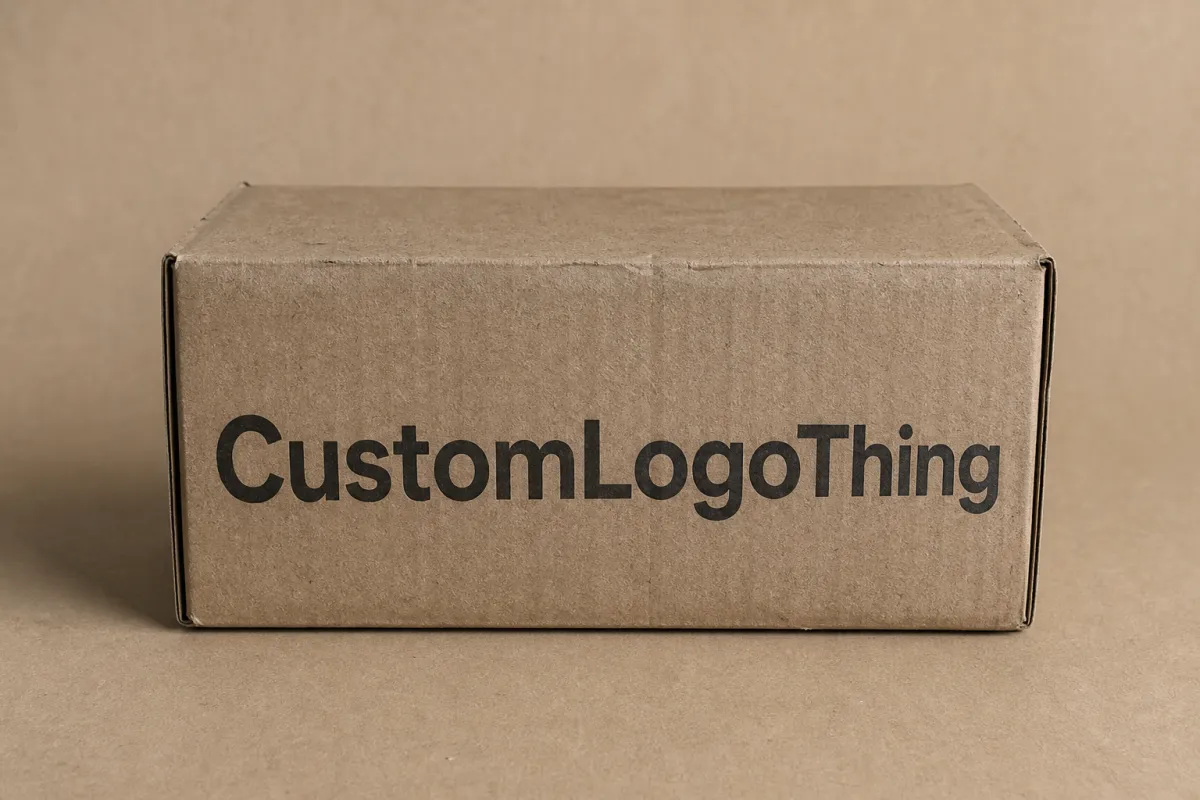
Printed recycled shipping boxes are corrugated or paperboard cartons made with recovered fiber and printed before or during conversion. The printed surface can stay restrained, with a logo and handling marks, or move toward a fuller presentation with product copy, QR codes, care instructions, or a more elaborate visual story. The recycled part refers to the fiber content in the board. That distinction matters, because buyers often use recycled content, recyclable packaging, and post-consumer fiber as if they mean the same thing. They do not.
Recycled content measures how much recovered fiber is in the board. Post-consumer fiber comes from material already used by households or businesses, collected, and reprocessed into pulp. Recyclable packaging means the box can usually enter an accepted recycling stream, although local collection rules still vary. A carton can be recyclable without a high recycled-content percentage, and it can contain a high share of recycled fiber while still depending on the right recovery system at end of life.
The standard structures are familiar to most packaging teams. Regular slotted containers do the heavy lifting in warehouse packing and mixed-SKU fulfillment because they are efficient, predictable, and easy to stack. Mailer-style cartons show up often in subscription programs and retail presentation because they open neatly and create a more controlled reveal. Custom die-cut cartons fit unusual product shapes or premium unboxing experiences where the structure itself has to carry part of the brand message. Each format changes the fold pattern, print layout, and behavior in the shipping network.
Recycled board rarely looks identical to virgin kraft or coated white stock, and that difference is not a flaw. A recycled face can read slightly warmer, softer, or more textured. Some brands want that effect because it signals lower-impact packaging without shouting about it. Others need tighter color control and a brighter surface. Both approaches are valid. They simply serve different positioning, different budgets, and different expectations for how the package should feel in the hand.
Buyers sometimes assume the most sustainable box must also be the thinnest or least finished one. In practice, the better answer is usually the carton that uses the right amount of fiber, survives distribution, and avoids damage-driven waste.
That is why appearance cannot be the only lens. Print method, board grade, flute selection, carton dimensions, and the amount of void fill all affect performance. A box that looks elegant but collapses in a carrier network turns into expensive debris. A carton that protects the product, prints cleanly, and packs efficiently earns its place in the shipping program.
How Printed Recycled Shipping Boxes Work in Production
The production path is straightforward, though several stages determine whether the final result feels cheap or carefully made. Recovered paper fiber is cleaned and repulped, then formed into linerboard and medium. Those layers are combined into corrugated board, which may use recycled liners, recycled fluting, or a blend depending on the target strength and surface quality. From there the board is printed, die-cut, scored, folded, glued, and packed for shipment.
Print method has an outsized effect on appearance and lead time. Flexographic printing is common for printed recycled shipping boxes because it handles large volumes efficiently, delivers dependable spot colors, and integrates smoothly with corrugated production. Digital printing is better for shorter runs, faster turnarounds, and artwork that needs more detail or frequent updates. Litho-lamination delivers the sharpest graphics, since the printed sheet is laminated to the corrugated base, though it usually adds setup time and cost.
| Print Method | Typical Strengths | Best Fit | Common Tradeoff |
|---|---|---|---|
| Flexographic | Good for large runs, efficient setup, reliable spot colors | High-volume shipping boxes, simple branding, repeat orders | Less detail than digital or litho, especially on fine graphics |
| Digital | Short runs, quick changeovers, strong detail, lower setup burden | Launches, seasonal programs, test markets, variable designs | Unit cost can be higher at scale |
| Litho-lamination | Premium image quality, crisp color, strong shelf appeal | Retail-ready cartons, presentation-heavy unboxing programs | More expensive and usually slower to produce |
Even on recycled liners, print quality can be strong when the board is specified with care. A more absorbent face stock pulls ink differently than a coated virgin sheet, so color density, fine type, and reversed-out details need attention. In practical terms, a logo with bold contrast usually prints more reliably than artwork built around hairline type, soft gradients, and delicate legal copy. If a box passes through a warehouse, then a carrier network, then a customer’s kitchen table, legibility matters more than decorative complexity.
Coatings and varnishes change the finish without automatically making the carton harder to recycle. A light aqueous coating can improve rub resistance and help the print survive scuffing in order fulfillment. Varnish can protect against handling wear. Some products need added moisture resistance, especially in humid distribution environments or in adjacent cold-chain shipping. The finish should follow the transit conditions, not the other way around.
Structure still does most of the real work. Flute profile, liner weight, board caliper, and closure style determine how the carton handles stacking, puncture, and compression. A well-built recycled shipping box with a clear print plan performs better than an overdecorated box that fails in parcel transit. For buyers, the structural spec should come before the artwork. That order prevents expensive rework later.
Brands that want a grounded view of transit performance and recovery claims can look to industry references rather than relying on vendor language alone. The International Safe Transit Association provides useful context for transit testing, while the U.S. EPA recycling guidance helps frame disposal and recovery expectations. Those sources do not replace supplier testing, but they do sharpen the questions a buyer should ask.
Printed recycled shipping boxes are not packaging magic. They are a combination of recycled fiber, corrugated engineering, and print discipline. When those three parts are aligned, the result can be durable, attractive, and cost-conscious without pretending that sustainability and performance are opposing goals.
Cost and Pricing Factors for Printed Recycled Shipping Boxes
Price depends on much more than the word “recycled.” Board grade, flute type, print coverage, color count, coating, die tooling, and quantity all shape the quote. A simple one-color logo on a standard recycled corrugated carton can sit in one price band, while a full-coverage printed mailer with a custom structure may land far higher. Comparing like with like matters. Two quotes that look similar can hide very different construction choices.
Quantity has a major effect on unit cost. Setup work, plates, prepress, and machine changeovers are fixed or semi-fixed expenses, so they are spread across the run as volume rises. That is why a 5,000-piece order often carries a noticeably higher unit price than a 20,000-piece order, even if the carton is unchanged. Digital printing narrows the spread because it reduces some setup burden, but scale still improves the economics.
As a planning range, buyers often see straightforward printed recycled shipping boxes quoted around $0.40-$1.20 per unit at mid-volume runs, depending on size, color count, and board grade. Smaller orders can sit above that range, while large repeat programs may fall below it. Premium full-color cartons, specialty coatings, or unusual die-cut shapes can move outside that band quickly. These figures are planning numbers rather than promises, and freight, paper market swings, and regional labor rates can shift the final quote.
| Cost Driver | What It Changes | Practical Buying Impact |
|---|---|---|
| Board grade | Strength, thickness, and recycled fiber mix | Heavier products usually require stronger board and higher cost |
| Print coverage | Ink usage, setup time, color consistency | All-over graphics cost more than a logo panel |
| Tooling | Die-cut shapes, scores, and custom dimensions | Unique structures add up-front expense |
| Quantity | How setup cost is distributed | Larger runs usually lower the unit price |
| Finishing | Coating, varnish, moisture resistance | Improves handling but adds to the quote |
Quoted price is only part of the picture. A low carton price can hide freight, warehouse storage, inserts, tape, label waste, or overage terms that change the final number. If the packaging team owns ecommerce shipping performance, the true cost should also include dimensional weight and the amount of dunnage required to keep the product stable. A smaller, better-sized carton can save more than a cheaper oversized one.
Design decisions matter too. A restrained layout with a strong logo, one accent color, and practical handling marks is usually cheaper and easier to produce than a design with full-bleed coverage, several ink stations, and dense imagery. That does not make richer graphics a mistake. It means the added expense should connect to a clear customer-facing benefit, such as a premium subscription experience, retail cross-sell, or a launch that depends on recognition.
MOQ plays into the final equation as well. Flexographic and litho jobs usually prefer larger quantities because the setup is more expensive. Digital printing supports lower MOQs, which helps brands testing new SKUs or running limited batches. A sensible supplier should explain where the break-even sits instead of pushing a buyer toward a run size that creates inventory risk.
For fragile goods, subscription deliveries, or products with high return costs, paying more for stronger board or cleaner print often makes sense. If damage rates fall, the higher box price can pay back through fewer replacements and fewer support tickets. That pattern shows up often in ecommerce shipping programs, where packaging damage hurts both margin and trust.
Process and Timeline: From Quote to Delivery
The fastest way to move a packaging project forward is to give the supplier clean information up front. Internal dimensions, product weight, fragility, shipping method, print goals, and initial or annual quantity all help generate a realistic quote. When those details are missing, the process slows because the supplier has to assume too much or chase follow-up questions that could have been answered early.
A typical workflow begins with the brief, moves into structural recommendations, then print method selection and pricing. Artwork review comes next, followed by proofing and sample approval if needed. Once the design is signed off, production starts, then finishing, packing, and shipment. The sequence can vary by supplier and complexity, but the logic rarely changes.
Delays tend to show up in a few predictable places. Missing vector artwork, late brand changes, structural revisions after the first quote, and unclear board specs all add time. If the team is still deciding whether the carton needs extra reinforcement, that decision should happen before prepress rather than after proof approval. Once plates or dies are in motion, changes become slower and more expensive.
Lead time tracks closely with print method and structure. A simple digitally printed run can move quickly when the artwork is ready and the size is standard. Custom corrugated packaging with special finishing or a new die takes longer, especially if the supplier needs tooling and sampling. For planning, many buyers allow roughly 10-15 business days for simpler jobs after proof approval, while more customized runs can stretch to several weeks depending on quantity and finishing.
Sampling deserves real attention. A sample production piece, a pre-production proof, and a full production run are not the same thing. A sample shows whether the carton closes correctly and whether the artwork lands where expected. A pre-production proof shows how the print, material, and color direction are likely to appear. Full run approval is the point where the buyer accepts the final specification and quantity. When the product is fragile, heavy, or unusually shaped, testing the sample with the real contents is the safest move.
That buffer matters when the cartons need to arrive before a launch, a seasonal sales push, or a new subscription cycle. Even a one-week slip can disrupt order fulfillment if inserts, labels, or kitting schedules depend on carton arrival. Packaging is part of the operating calendar, not just the branding calendar.
Teams working across multiple packaging formats often get the best results by thinking about the box as one piece of a larger shipment system. Outer cartons, mailers, inserts, and protective fillers should all support one another so the product is protected without overpacking. That kind of planning separates a pretty package from a dependable one.
Key Factors That Affect Strength, Print Quality, and Sustainability
Strength begins with matching the carton to the product, not with choosing the thickest board available. Flute profile, liner weight, recycled fiber mix, and box geometry all affect performance. A lightweight apparel carton does not need the same build as a package for glass jars or metal parts. The best spec protects the item while avoiding excess board and unnecessary void fill.
For heavier loads or compressive stress, Edge Crush Test performance often tells the more useful story than a generic thickness claim. Buyers should ask what the carton needs to survive: warehouse stacking, parcel sorting, pallet compression, or puncture risk from neighboring items. A carton that performs well in one situation may be overbuilt or underbuilt in another. The right supplier should connect the spec to the real transit profile instead of leaning on catalog language.
Print quality depends heavily on the face stock. Recycled liners can print well, but texture and absorbency affect how sharp the image appears. Dense colors and fine reversed type are more sensitive than a bold logo. If brand consistency matters, ask for a proof on the exact board being proposed. Color on one stock can look slightly different on another even when the artwork is unchanged.
Sustainability is not only a question of recycled fiber. Right-sizing the box can reduce void fill, lower shipping weight, and improve carton utilization in fulfillment. That can lower freight exposure and reduce the amount of additional shipping materials needed to stabilize the product. A smaller, better-designed carton often produces a better environmental result than a larger box with a higher recycled-content blend that still wastes space.
The sourcing question matters too: can the supplier document recycled content, and does that documentation satisfy the buyer’s internal standards? Many teams need material declarations for procurement records or ESG reporting. FSC-certified options may fit some programs, while others care more about post-consumer content or local recyclability. No single answer fits every brand, but there should always be a paper trail.
Package protection should never be separated from sustainability. The cleanest-looking box on paper becomes a poor choice if it drives damaged products, returns, and replacement shipments. Those extra movements add materials, transport, labor, and customer frustration. The smarter path is a package system that uses just enough board, just enough print, and just enough filler to protect the goods.
That is why the best packaging conversations focus on the whole system: carton, insert, tape, label, and shipping profile. A recycled corrugated carton can be both a branding asset and an environmental choice, but only if the rest of the system supports it. Ecommerce shipping is unforgiving that way. The box may be touched many times before it reaches the customer, and each touch point is a chance for the spec to prove itself.
Material claims deserve plain-language scrutiny as well. If a supplier references recycled content, FSC status, or transit testing, ask what those terms mean in practice and which documents support them. A reliable supplier should be able to explain the tradeoffs without overselling the outcome. Packaging buyers need facts more than slogans.
Common Mistakes When Ordering Printed Recycled Shipping Boxes
One common mistake is choosing the artwork before the structure. A packaging team falls for a graphic concept, then discovers the carton is too weak, too large, or awkward to pack efficiently. The box ends up looking good in a mockup and failing in the warehouse. Structure should define the canvas, not the other way around.
Overcomplicating the print is another familiar error. More colors, more coverage, and more effects do not automatically create better recognition. Often the strongest branding comes from a clean logo, good contrast, and a layout that reads quickly on recycled board. A simple mark on a natural kraft face can look more assured than a crowded design fighting the substrate.
Ignoring shipping conditions is expensive. A carton that looks fine on a desk may fail in a conveyor system, under pallet stack pressure, or after repeated parcel drops. If the package will travel through a carrier network, the buyer should think about crush risk, edge impacts, and movement inside the box. A stable package is almost always cheaper than a damaged one.
Dimensions are often under-specified too. When a product has excess room to shift, teams add more filler, more tape, or extra inserts. That raises labor and weakens the sustainability story. A tighter carton with the right internal clearance can reduce void fill and make the whole package feel more deliberate.
Skipping samples is risky, especially for fragile, heavy, or temperature-sensitive products. Even a simple artwork still needs the box to close correctly and hold the item through handling. Compression testing or at least a real-world trial is worth the time. It can reveal whether a flap catches, whether the print scuffs, or whether the product shifts during transit.
Late file changes create avoidable trouble. A revised logo, a new claims line, or a last-minute legal update can reset prepress work and push the schedule out. When a launch date is fixed, lock the artwork early and keep the approval chain controlled. Packaging projects move faster when everyone knows which version is final.
There is a subtler mistake that shows up often: buying too much elaborate packaging before the customer data exists. If a product is still being tested, it usually makes more sense to start with a simpler structure, collect performance data, and upgrade the print or finish after the SKU proves itself. That keeps inventory risk under control while the design matures.
Expert Tips and Next Steps for Better Results
Start with a short packaging brief. Product weight, dimensions, shipping method, branding needs, target quantity, and any special handling concerns are usually enough for a supplier to quote accurately. If the team can also say whether the cartons are for subscription, retail replenishment, or pure transit packaging, the recommendations become sharper immediately.
Ask for a structural sample before committing to a large run, especially when the product is premium or fragile. That step costs time up front, but it can save far more time later if the size, fit, or closure style needs adjustment. A sample also helps internal stakeholders understand what they are approving, which often shortens the back-and-forth cycle.
Keep the artwork disciplined. Strong contrast, readable type, and careful logo placement go a long way on textured recycled board. Small details can disappear when the surface is rough or absorbent, so the design should be built for the substrate, not just for a screen. If the carton is supposed to feel premium, let the material do part of the work and keep the layout clean enough to breathe.
Choose the lightest structure that still protects the product. Right-sizing often produces more value than moving to a more decorative finish. A smaller, better-fitting carton can lower dimensional weight, reduce void fill, and improve efficiency on the packing line. That matters in order fulfillment, where a few seconds saved per pack multiply quickly over a full run.
It helps to compare two options side by side: one optimized for cost, the other for appearance. Seeing those numbers together makes the tradeoff obvious. Sometimes the premium version earns its place because it improves the customer experience. Other times the simpler version protects just as well and leaves more room in the margin.
Suppliers usually serve buyers best when they present a realistic recommendation instead of a perfect-sounding one. A good quote should explain the board grade, print method, expected lead time, and any assumptions behind the price. If a carton is likely to need a test before production, that should be part of the plan from the beginning. Honest guardrails are more useful than optimistic promises.
If sustainability reporting matters to your brand, ask for documentation early. Recycled-content statements, FSC-related records where relevant, and transit testing guidance help procurement teams make informed choices without chasing paperwork after the fact. That becomes especially useful when a carton will be repeated across multiple SKUs and needs to fit a broader packaging standards program.
Printed recycled shipping boxes work best when structure, print method, and timeline are chosen together rather than one after another. When those decisions line up, the final package looks good, ships safely, and supports the sustainability story without creating unnecessary waste or production headaches. Before placing an order, lock the product dimensions, shipping profile, recycled-content target, and print limits into one spec sheet. That single document makes quotes easier to compare and reduces avoidable revisions later.
FAQs
How durable are printed recycled shipping boxes for shipping?
They can be very durable when the board grade, flute type, and box size are matched to the product weight and transit conditions. Recycled fiber content does not automatically mean weak packaging; structure and sizing still do most of the protective work. For heavier or fragile items, ask for compression or drop-test guidance before approving the final spec.
What is the MOQ for printed recycled shipping boxes?
MOQ depends on the print method, box style, and supplier setup requirements. Digital runs can often support lower quantities, while flexographic or litho-printed jobs usually need larger volumes to make setup economical. If you are testing a new product, ask whether the supplier can offer a pilot run or staged ordering plan.
Are printed recycled shipping boxes more expensive than plain boxes?
Usually yes, but the increase depends on print coverage, color count, and the production method. Higher quantities often reduce the unit gap because setup costs are spread over more boxes. A simple one-color logo on recycled board may cost far less than a full-coverage design with special finishing.
Can I get full-color graphics on recycled shipping boxes?
Yes, full-color graphics are possible on many recycled board options, especially with digital print or litho-lamination. The final look depends on the board surface, ink absorption, and how much color consistency you need across the run. If brand color accuracy is critical, request a proof on the actual board you plan to use.
How do I choose the right recycled corrugated board grade?
Start with the product weight, size, and how far the box will travel through the shipping network. Ask your supplier to recommend a structure based on ECT, flute type, and the risk of stacking or puncture. Whenever possible, test a sample with the actual product before placing the full order.


