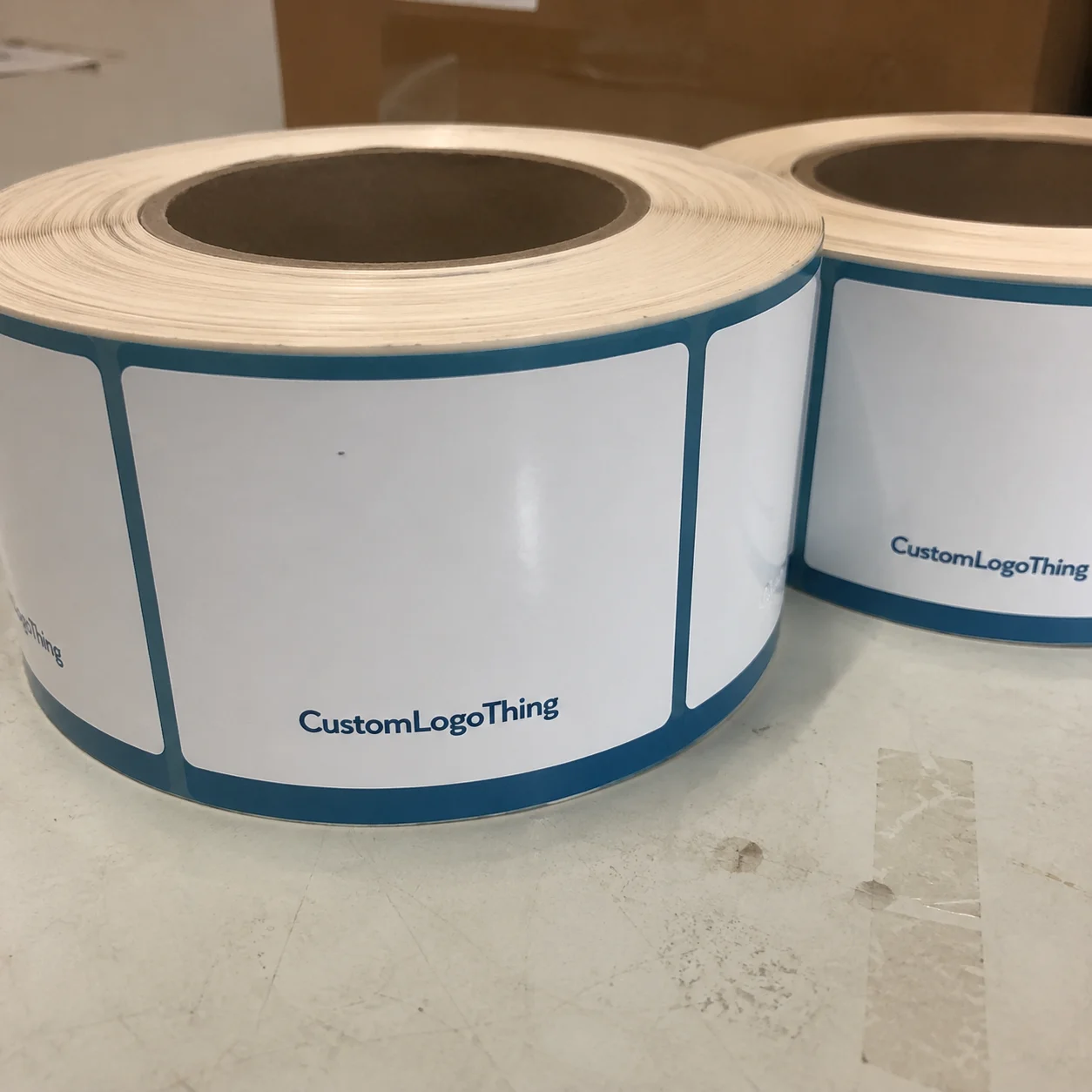
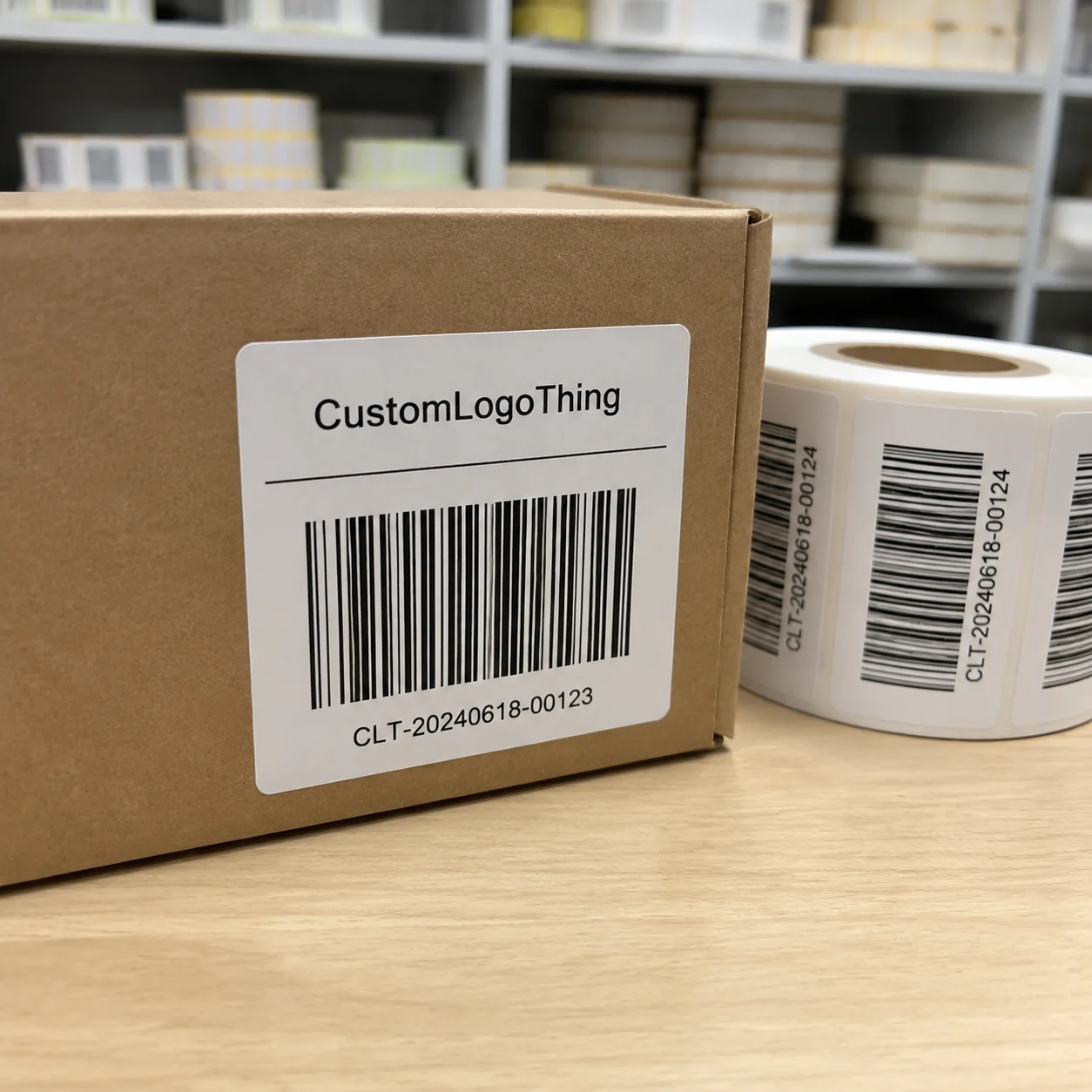
Cheap Custom Address Labels only make sense when they still do the basic job well: stay readable, stay attached, and stay consistent from the first box to the last. A label that fails in transit quickly stops being inexpensive, because the hidden costs show up in reprints, hand-applied replacements, delayed parcels, and extra customer service work.
From a packaging buyer’s point of view, the address label sits in a practical middle ground. It is not the star of the package, but it is one of the few components every shipment has to pass through cleanly. That makes it part of branded packaging, a small but visible piece of product packaging, and a useful control point in package branding when a brand wants shipping materials to look organized rather than improvised.
For apparel teams, one label may need to work across poly mailers, folded cartons, garment bags, return envelopes, and internal storage bins. The cheapest quote is rarely the right filter. The better question is how to lower unit cost without giving up adhesion, readability, and a finish that matches the rest of the shipment.
Cheap Custom Address Labels That Cut Waste on Every Shipment
Cheap Custom Address Labels are only cheap if the first application works. A label that prints clearly, sticks on contact, and stays legible through sorting is usually less expensive than a bargain label that needs hand-fixing or creates exceptions after the parcel leaves the dock. That is the cost comparison that matters on a busy packing line.
The sticker price is only one line in the ledger. A label that saves $0.02 per unit but causes even a small percentage of rework can wipe out the savings fast. In many apparel operations, labor is the larger expense, not the label itself. If a packer has to re-place labels, wipe down a surface, or switch formats mid-shift, the “cheap” option gets expensive in a hurry.
There is also a presentation issue. Retail packaging and shipping packaging are not the same, but customers see both. A clean address label on a kraft mailer or poly bag suggests the same kind of control that goes into custom printed boxes or hang tags. That matters for smaller and mid-sized brands, where the shipping experience often carries more brand weight than the label size would suggest.
Most buyers are trying to solve the same problem: lower the piece price, keep the label easy to read, and avoid reprints. The right way to do that is not to strip quality out of the order. It is to Choose the Right stock and adhesive for the surface, then lock the artwork and dimensions before anything goes to press.
The cheapest label is the one that does not create a second task. If it survives handling, sorting, and delivery without correction, it has already paid for itself.
For brands building a more disciplined packaging system, custom labels can also standardize operations. One label spec across multiple SKUs keeps artwork management simpler and makes reordering easier. That is especially useful for teams ordering from Custom Labels & Tags alongside other branded materials.
Materials and Finishes That Hold Up on Apparel Packaging
The material choice drives both cost and performance. For cheap custom address labels, paper stock is usually the starting point because it is efficient, easy to print, and suitable for most dry, indoor packing environments. Thermal stocks help when speed matters and the print run changes often. Synthetic films cost more, but they resist moisture, scuffing, and rough handling better than standard paper.
Paper labels are usually the lowest entry point, but “paper” covers several builds. Uncoated stock has a softer look and is easy to write on if needed. Semi-gloss or coated paper improves contrast and sharpens small text enough for a more polished appearance. If the label will sit on a textured carton, coated mailer, or folded garment bag, that extra definition often helps readability.
Thermal labels are useful for operation-heavy teams that print variable addresses in-house. Direct thermal is simple and fast, though it can darken over time if exposed to heat or friction. Thermal transfer adds ribbon cost, but the print is more durable. That matters if the parcel sits in a warehouse staging area before shipping or gets handled more than once.
Synthetic films, usually polypropylene or a similar material, are the durable option. They hold up better on damp or rough surfaces and can look more premium. They are not the cheapest choice on day one, but they can reduce the hidden cost of label failure. For apparel brands shipping into humid climates or using chilled staging areas, that difference is real.
Finish matters too. Matte is usually easier to scan, easier to photograph, and less reflective under warehouse lighting. Gloss can improve color pop and give a cleaner branded look, but it may show scuffs sooner. A protective coating helps if the label will rub against another mailer or travel in a bin with a lot of surface contact.
Buyers who care about sustainability should ask about recycled content or certified paper sources. If that matters to the brand, request documentation such as FSC-certified paper options and verify what portion of the construction is actually certified. The same habit applies to any packaging claim: ask for the spec, not the slogan.
From a broader packaging design perspective, the label should fit the shipment rather than fight it. A matte paper label on a kraft mailer feels coherent. A synthetic label with a high-gloss surface can still work, but it should be chosen because the route and handling require it, not because it looked flashy in a sample photo.
Size, Adhesive, and Print Specs Buyers Should Confirm
Most label problems start with specs that were not confirmed early enough. Before approving artwork, the buyer should know the finished width, height, corner radius, backing format, bleed allowance, and whether the labels will be supplied on rolls, sheets, or fanfold stacks. Those details affect both price and day-to-day usability.
For address labels, the dimensions need to be large enough to hold the full address block, any barcode, and enough quiet space around it. If the label is too small, text gets squeezed and becomes harder to read and harder to scan. If it is too large, it wastes material and can overwhelm the front face of a mailer or carton.
Adhesive is not a generic choice. Permanent adhesive is the default for most shipment labels because it is expected to stay put through handling and transit. Removable adhesive is useful on return envelopes, reusable storage bins, or temporary internal routing labels. The surface matters too: coated paper, kraft board, textured cartons, and poly mailers do not all receive adhesive in the same way.
Humidity, cold storage, and rough carton stock can change the recommendation. A label that looks fine in a dry sample room may lift at the edges once it meets a chilled packing area or a dusty warehouse. Buyers who want cheap custom address labels should ask for the adhesive recommendation by substrate, not just by preference.
Print specs should be checked line by line. That means logo resolution, barcode sizing, contrast, bleed, and safe margin. If the labels will carry tracking data or route codes, the print method should produce crisp edges rather than soft shadows. For brands shipping at volume, even a small scan failure rate adds friction downstream.
A practical checklist for apparel teams looks like this:
- Surface: kraft mailer, poly bag, coated carton, or return envelope.
- Size: enough room for address, barcode, and quiet zones.
- Stock: paper, thermal, or synthetic film.
- Finish: matte, semi-gloss, or protective coating.
- Adhesive: permanent or removable, matched to the surface.
- Format: roll, sheet, or fanfold for the pack line setup.
- Proof: confirm spelling, address layout, barcode placement, and cut line.
For shipment programs that need consistency across labels, cartons, and inserts, buyers often bundle label orders with other Custom Packaging Products so the visual system stays aligned. That is useful when the brand wants the address label to feel like part of a planned packaging standard instead of an afterthought.
Pricing, MOQ, and Unit Cost Breakpoints
Price changes with quantity, material, finish, print coverage, and whether the order includes extra setup work. Buyers who compare quotes fairly should normalize those variables before deciding. Otherwise, one quote looks cheap because it hides setup, while another looks expensive because it includes the actual total landed cost.
A higher minimum order quantity usually lowers unit price because the setup is spread over more pieces. That is normal. The real question is whether the larger run fits cash flow, storage, and reorder cadence. For an apparel brand with steady weekly shipments, a larger label run can be sensible. For a seasonal program or a new product line, a smaller test order is safer.
Here is a practical way to think about the economics of cheap Custom Address Labels:
| Order Profile | Typical Use | Approximate Unit Cost | Best Fit |
|---|---|---|---|
| Small test run | New label size, new mailer, or new fulfillment partner | $0.12-$0.22 per label | Validate adhesion and readability before scaling |
| Mid-volume repeat order | Stable weekly shipping with known specs | $0.06-$0.14 per label | Balanced cost and inventory control |
| Higher-volume production | Consistent packaging program with predictable demand | $0.03-$0.09 per label | Lowest unit cost when the spec is locked |
These are not universal numbers. Print method, label size, color count, and finishing all move the range. A full-bleed design with a specialty coating will not price the same way as a simple one-color address label. Freight and proofing can also shift the real total, especially on smaller orders.
One thing many buyers miss is that a lower unit cost can still be the worse deal if the order arrives late or the proof process drags on. If the production schedule is tight, a slightly higher-priced supplier that hits deadlines may reduce expediting costs, labor reshuffling, and fulfillment delays. That is a better financial outcome than chasing the lowest line item.
For brands that are also buying retail packaging or custom printed boxes, label pricing should be compared alongside the rest of the packaging budget. A label that costs a few cents more but reduces pack errors can be cheaper than adding headcount or splitting orders across too many SKUs.
Ask for pricing at two or three quantities. The breakpoints tell you more than a single quote ever will.
Production Steps and Turnaround From Proof to Dispatch
The normal workflow starts with artwork upload and a specification review. Then the supplier prepares a proof, the buyer checks spelling and layout, and production begins after approval. After that come printing, finishing, cutting or rewinding, quality checks, packing, and shipment. That sequence sounds simple because it usually is. Delays most often come from missing information, not from the printing itself.
Proof time and production time should be treated separately. Many suppliers can turn a proof around quickly if the artwork is clean and the dimensions are clear. Production is a different clock. Depending on quantity and finish, many standard runs move in roughly 12 to 15 business days after approval, while smaller stock-based jobs may move faster.
The slowest items are usually predictable:
- Missing dielines or unclear cut size.
- Low-resolution logos or stretched graphics.
- Ambiguous quantity counts.
- Late feedback on the proof.
- Changing the adhesive or finish after the proof is issued.
That is why buyers should approve the spec before they approve the price. A change to material or format can move the schedule and change the quote. A clean production file is one of the cheapest ways to save time.
There is also a quality angle. For labels that will travel through warehousing and parcel networks, suppliers should understand the performance expectations of common shipping environments. If a vendor can speak clearly about label adhesion, scuff resistance, and the relevance of standards like ISTA testing guidance, that usually signals a more disciplined production process. Not every order needs formal testing, but the supplier should understand why transit conditions matter.
For some apparel brands, the production rhythm matters as much as the final cost. A label program that is easy to reorder, easy to proof, and easy to slot into weekly production can save real time across the quarter. That is especially true for teams coordinating labels with inserts, mailers, and other product packaging components.
What a Reliable Label Supplier Should Deliver Every Order
A reliable supplier does more than print. The buyer should expect consistent color, accurate trim, repeatable adhesion, and a proof process that catches mistakes before they become inventory. That may sound basic, but those controls are what separate a dependable program from one that creates avoidable exceptions every month.
Consistency matters most on reorders. If the first run is excellent and the second run shifts in cut, color, or adhesive behavior, the buyer has to spend time reconciling what changed. That is not just annoying; it breaks trust in the packaging system. A good supplier keeps the approved spec on file, documents any changes, and does not treat a reorder as a new guessing exercise.
Service consistency matters as much as print quality. A vendor that answers spec questions quickly, flags a risky adhesive choice, or catches a barcode margin issue before production is reducing the buyer’s cost. A bargain-only seller may offer a lower quote, but if every correction turns into a project, the apparent savings disappear.
Brands shipping weekly need predictability. Stockouts, substitutions, or last-minute format changes create real disruption in fulfillment. That is why the lowest price on a quote sheet is not always the best procurement decision. A slightly higher supplier cost can be offset by fewer errors, fewer delays, and fewer emergency reruns.
Here is the practical test I would use for a supplier selling cheap Custom Address Labels:
- Do they confirm the substrate and adhesive before quoting?
- Do they explain the proof and approval steps clearly?
- Do they document the approved dimensions and finish?
- Do they support straightforward reorders without starting from zero?
- Do they help the buyer compare total cost, not just unit price?
If the answer to those questions is yes, the supplier is likely helping lower total spend rather than just shaving a few cents off the invoice. That is a better commercial outcome, and it makes the label program easier to scale alongside other branded packaging purchases.
For apparel brands that use labels as part of a broader package branding system, supplier reliability also protects the rest of the visual program. The address label should not clash with mailers, inserts, or Custom Labels & Tags. It should feel like part of one planned packaging language.
Next Steps to Place a Low-Risk Test Order
The safest path is straightforward. Confirm the label size, material, finish, quantity, and adhesive before you request the proof. If the labels will touch a new packaging surface, a new warehouse process, or a new fulfillment partner, start with a smaller test run and evaluate it on the actual packaging line.
Test the sample the way it will be used. Peel it from the liner under normal working conditions. Apply it to the real mailer or carton, not a substitute. Let it sit, then handle it. Check whether the label stays flat, whether the edges lift, and whether the print remains sharp after contact with other parcels or packing materials.
What should a buyer inspect?
- Print clarity: no fuzziness, banding, or weak contrast.
- Peel strength: easy enough to apply, but not so weak that it lifts.
- Placement consistency: the label sits the same way each time.
- Surface behavior: no bubbling, wrinkling, or edge curl.
- Transit durability: no smudging or scuffing after handling.
If the sample passes, lock the spec and keep it documented. Preserve the artwork file, the approved dimensions, the adhesive choice, and the finish. Once that record is set, reorders become easier and less risky. It also protects the buyer from accidental variation in future runs.
There is a simple reason cheap custom address labels can still be a smart purchase: the order is not really cheap because it costs less on paper. It is cheap because the buyer gets a clear, durable, repeatable result with no rework, no wasted motion, and no surprises. For apparel shipping, that is the metric that matters.
Are cheap custom address labels still durable enough for shipping apparel?
Yes, if the stock and adhesive match the carton or mailer surface. A low-cost label should still resist scuffing, peeling, and smudging during transit. Testing a sample on your actual packaging is the safest way to confirm performance before a larger run.
What is the minimum order for cheap custom address labels?
MOQ depends on size, material, and print method. A lower minimum is useful for testing, but larger quantities usually reduce unit cost. Ask for pricing at two or three quantities so you can compare breakpoints clearly.
Which finish is best for custom address labels on clothing mailers?
Matte is usually easiest to read and photograph. Gloss can look sharper for branding, but it may show scuffs more easily. The better choice depends on the mailer surface and how the package is handled.
How long do cheap custom address labels take to produce?
Turnaround depends on proof approval, quantity, and finishing requirements. Fast jobs move when artwork is ready and the proof is approved quickly. Always separate proof time from production time when comparing suppliers.
Can I reorder the same custom address labels later without starting over?
Yes, if the supplier keeps your approved spec and artwork on file. Reorders are faster when size, adhesive, and finish are documented clearly. A stable spec also reduces the risk of color or cut variation on repeat runs.