Buyer Fit Snapshot
| Best fit | Printed Shipping Carton Boxes Wholesale | Bulk projects where brand print, material claims, artwork control, MOQ, and repeat-order consistency need to be specified before quoting. |
|---|---|
| Quote inputs | Share finished size, material target, print colors, finish, packing count, annual reorder estimate, ship-to region, and any compliance wording. |
| Proofing check | Approve dieline scale, logo placement, barcode or warning zones, color tolerance, closure strength, and carton packing before bulk production. |
| Main risk | Vague material claims, crowded artwork, missing packing details, or unclear freight terms can make a low unit price expensive after revisions. |
Fast answer: Printed Shipping Carton Boxes Wholesale | Bulk: Board, Finish, Dieline, and Unit Cost should be specified like a repeatable production item. The safest quote records material, print method, finish, artwork proof, packing count, and reorder notes in one written spec.
Production checks before approval
Compare the actual filled-product size with the drawing, then confirm tolerance on folds, seals, hang holes, label areas, and retail display edges. Reserve space for logos, QR codes, warning copy, and material claims before decorative graphics fill the panel.
Quote comparison points
Review material grade, print process, finish, sampling route, tooling charges, carton quantity, and freight assumptions side by side. A quote is only useful when the supplier can repeat the same color, closure quality, and packing count on the next order.
Printed Shipping Carton Boxes Wholesale | Bulk Guide
Printed Shipping Carton Boxes wholesale can lower packaging cost in a real, measurable way, but the savings only show up when the carton is sized, printed, and specified with care. A box that runs even a little too large can raise shipping charges, waste warehouse space, and push dimensional weight higher before the ink cost even enters the conversation.
That is why printed shipping carton boxes wholesale should be treated as both a branding choice and a logistics decision. A strong bulk carton supports order fulfillment, protects the product in transit packaging, and stays consistent enough that the next reorder does not create surprises months later. I have seen otherwise good programs stumble because one measurement was treated as an estimate instead of a hard number, and that kind of mistake tends to show up fast once the cartons hit the packing line.
For buyers comparing suppliers, the real question is not just who can print a logo. It is who can help a carton move cleanly through the warehouse, survive the route, and still look intentional when the customer opens it.
Printed Shipping Carton Boxes Wholesale: Why Buyers Save
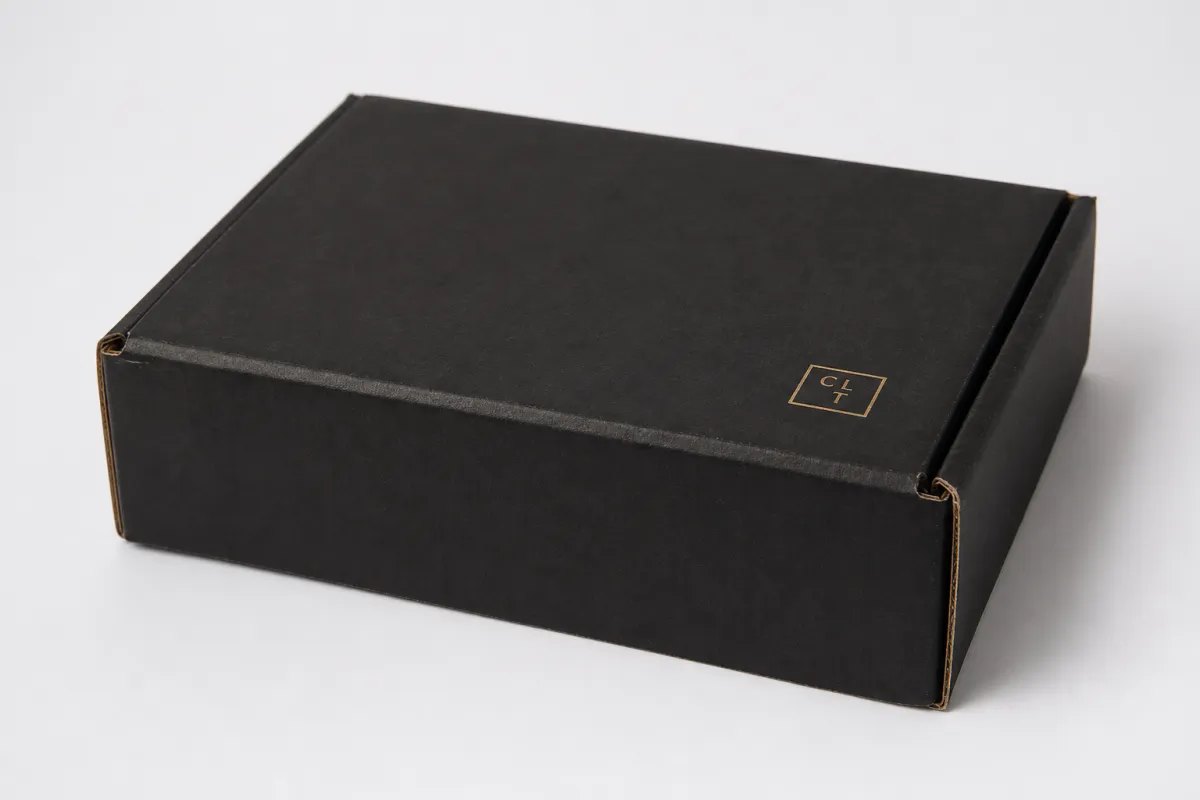
Printed shipping carton boxes wholesale becomes attractive for a simple reason: fewer loose ends to manage. One supplier, one approved spec, one print standard, and one repeatable box style can reduce coordination across purchasing, production, and fulfillment. That matters in ecommerce shipping, retail replenishment, and subscription programs that depend on a steady cadence.
Most of the savings usually come from cube efficiency, not from the print itself. A carton that is only slightly oversized can lower pallet density, reduce how many units fit in a truck, and take up more pick-face space than it should. That is where dimensional weight starts to work against the buyer. A shipper may focus on the print line item and overlook the extra inches that quietly lift transportation cost.
Printed shipping carton boxes wholesale also reduces vendor handoffs. Once the carton spec is locked, the artwork is approved, and the replenishment steps are documented, the buyer spends less time chasing updates. That matters in fast-paced fulfillment settings where a late carton shipment can stop packing lines and create avoidable labor cost.
For packaging teams, bulk buying works best when the carton sits inside a repeatable system. Seasonal promotions, distributor cartons, and private-label programs all benefit when the box construction remains fixed. Higher quantities bring down unit pricing, yet the larger value often comes from lower variation across runs, which helps operations stay predictable. That is the part people miss when they only compare the first quote.
A carton that fits the product and the pallet often earns its keep twice: once through material savings and again through lower freight waste.
If you are still comparing packaging families, it helps to see the options in one place. Our Custom Packaging Products page shows how cartons compare with inserts, mailers, and branded shipping formats. Buyers planning recurring supply programs can also use the Wholesale Programs page as a reference point.
The practical goal is straightforward: evaluate structure, print, Price, and Lead Time so printed shipping carton boxes wholesale can be purchased with confidence rather than guesswork. That means looking past the headline quote and checking the details that shape landed cost.
Product Details: What Printed Shipping Carton Boxes Include
Printed shipping carton boxes wholesale is not one fixed product. Buyers compare several carton styles, and each one handles protection, pack speed, and presentation differently. Regular slotted containers, or RSCs, are still a common starting point because they are efficient to produce, easy to stack, and familiar to packing teams.
Some buyers move toward die-cut mailer-style boxes when presentation matters or when they want a faster pack-out with fewer loose flaps. Tuck-top cartons can suit lighter products or kits, while heavier freight may need a more rigid shipping structure that gives up a little elegance in exchange for better crush resistance. That tradeoff is normal, and it should be handled honestly rather than dressed up with pretty language.
Common formats in printed shipping carton boxes wholesale include:
- RSC corrugated cartons for general ecommerce shipping and distributor use.
- Mailer-style boxes for presentation-driven unboxing and simpler assembly.
- Tuck-top or tuck-end cartons for lighter products, samples, and bundled kits.
- Custom die-cut shippers for products that need a tighter fit or a faster packing workflow.
Print choices matter just as much as the structure. A one-color logo can be enough for many shipping cartons, especially if the goal is clear brand recognition on the dock and in the customer's hands. Two-color branding adds more shelf presence. Full coverage graphics and interior print work well when the carton also serves as a marketing touchpoint or when the buyer wants product instructions visible during pack-out.
Printing on printed shipping carton boxes wholesale can be exterior-only, interior-only, or both. Exterior print is the obvious route for brand visibility. Interior print is less common, yet it can support messaging, care instructions, or a second branding moment during unboxing. That detail is easy to miss, but it can change the feel of the package without adding a separate insert.
Structural choices matter too. Corrugated flute selection changes how the carton handles compression, print quality, and abrasion during transit. E flute is thinner and often prints cleaner. B flute offers more crush resistance. C flute sits in the middle as a balanced option. Double-wall board comes into play when cartons need to survive heavier stacking, longer transit, or rough handling.
Useful custom features can improve both speed and protection:
- Custom dimensions that reduce void fill and improve cube use.
- Tear strips for easier opening in customer-facing shipments.
- Hand holes for manual handling in warehouse operations.
- Inserts and dividers for fragile or multi-item packs.
- Reinforced corners where stacking pressure is higher.
- Locking tabs that speed assembly and reduce tape use.
For buyers comparing printed shipping carton boxes wholesale against other shipping materials, the real question is not only what looks best. It is what packs fastest, keeps the product secure, and keeps the line moving. That balance often saves more money than print alone.
Specifications That Matter: Size, Board, Print, and Performance
Internal dimensions matter more than outside dimensions. That seems obvious until a rework lands on the production floor. In printed shipping carton boxes wholesale, the usable inside space determines whether the product fits, whether cushioning is needed, and whether the carton compresses correctly under load. Outside size only tells part of the story.
One inch can change parcel shipping cost in a noticeable way. A box that crosses into the next dimensional weight bracket may cost more every time it ships. Buyers need to check product dimensions, plus the allowance for inserts, tissue, wrap, or air cushions. A carton that looks generous on paper can become expensive once it enters the carrier network.
Board and flute selection should match the shipping risk. Lightweight products in low-risk ecommerce shipping may perform well with thinner corrugate, especially if the item already has a protective secondary pack. Heavier products, stacked pallets, or rough distribution channels need stronger board and better compression resistance. In a procurement file, the better question is not the cheapest board. It is the board that can survive the route the carton actually travels.
Standards help keep the discussion grounded. Buyers who want a more technical reference can review corrugated packaging basics through industry resources from the Fibre Box Association and confirm transit expectations through testing methods described by ISTA. If a supplier cannot explain board strength, drop testing, or handling assumptions in plain language, the quote deserves a second look.
For printed shipping carton boxes wholesale, confirm the following before artwork is finalized:
- Exact internal dimensions with allowance for inserts or cushioning.
- Product weight and whether the carton will ship singly or in master packs.
- Color count, ink coverage, and whether print is one side or wraparound.
- Dieline approval so fold lines and logo placement are correct.
- Print method such as flexo, digital, or litho-lam depending on the target finish.
- Performance target including ECT, burst strength, or a route-specific test plan.
Print files need the same discipline as the structure. Low-resolution logos, missing bleed, and artwork built for the wrong method are the most common pain points. Flexographic printing handles bold graphics well, especially at higher volumes. Digital printing fits shorter runs and variable artwork. Litho-laminated cartons deliver sharper visual impact, though cost and lead time rise with the complexity.
Performance checks keep printed shipping carton boxes wholesale orders honest. ECT gives a useful measure of edge-crush resistance. Burst strength still appears in some purchasing specs, especially in older buyer files. Drop testing, vibration exposure, and moisture considerations matter if the route includes long dwell time, temperature swings, or multiple handling points. A carton that looks perfect in the plant can behave very differently after two transfers and one wet dock.
Recycled content and certification can matter as well. Buyers who need FSC options should ask for documentation before approval, not after shipment. The same applies to any recycled-content claim. If the file matters to procurement, keep the proof with the order record. That avoids last-minute compliance questions and speeds the next reorder.
Printed Shipping Carton Boxes Wholesale Pricing, MOQ, and Quote Factors
Printed shipping carton boxes wholesale pricing is shaped by a few variables that appear on nearly every real quote. Size comes first. Board grade comes next. Print complexity, finishing, and freight follow close behind. Quantity changes the economics more than many buyers expect, since setup costs are spread across the run.
MOQ should not be treated as a penalty for smaller buyers. It usually reflects setup time, tooling, and production efficiency. If the order uses a standard structure and a simple print, the minimum can be lower. If the carton needs a custom die, multi-color coverage, or special finishing, MOQ rises because the factory has more to prepare before the first sellable box leaves the line.
The comparison below helps buyers judge printed shipping carton boxes wholesale offers without getting lost in vague quotes:
| Option | Best For | Typical Spec | Approx. Unit Price at 5,000 | Lead Time |
|---|---|---|---|---|
| Digital printed mailer-style carton | Short runs, launch tests, fast artwork changes | E flute, exterior print, custom size | $0.78-$1.45 | 8-12 business days |
| One-color flexo RSC | General ecommerce shipping and replenishment | C flute, 32-44 ECT, single logo print | $0.42-$0.88 | 10-15 business days |
| Two-color flexo carton | Brand-forward shipping with moderate volume | C flute or B flute, two-color exterior print | $0.55-$1.05 | 12-16 business days |
| Litho-laminated shipper | Premium presentation and retail-facing programs | High-coverage graphics, rigid finish, custom die | $1.10-$2.40 | 15-25 business days |
Those ranges are directional, not promises. A 6 x 4 x 2 mailer has a very different cost profile from a 16 x 12 x 8 shipping carton, even if both sit inside printed shipping carton boxes wholesale. Freight distance, pallet count, and the ship-to location can move the landed cost enough that a lower unit price turns out to be the worse deal.
Ask for the following in every quote request:
- Exact internal dimensions and product weight.
- Board grade and flute so comparisons stay fair.
- Print method and color count for a real apples-to-apples quote.
- Artwork status with files or mockups attached.
- Delivery ZIP code or destination country for freight calculation.
- Target volume if reorders are likely.
- Any special handling such as pallet wrapping, split shipments, or storage.
Hidden charges can move the total quickly. Plate or die charges may be one-time, but they still affect launch budgets. Sample fees are sometimes credited back and sometimes not. Rush production can move a job up the schedule, though it usually carries a premium. Storage and split-shipment fees can also appear if the buyer wants inventory staged across several drop dates.
That is why printed shipping carton boxes wholesale should be priced as landed cost, not just factory price. A quote that looks cheaper by a few cents can become the more expensive option once freight, rework, and delays are included. Strong procurement teams know that pattern well. They ask for two or three quantity tiers, then compare unit economics at each break.
For many programs, the jump from 5,000 to 10,000 units is where the real savings appear. The exact break depends on the carton style and print method, but the pattern stays familiar: more units dilute setup impact. If annual demand is predictable, a larger run may beat several smaller reorders that each restart the same setup cycle.
Production Process, Timeline, and Lead Time
The production path for printed shipping carton boxes wholesale is usually direct, but it stays direct only when the buyer sends clean information. Discovery comes first. Then spec confirmation, dieline work, artwork review, proof approval, sampling if needed, production, quality control, and shipment booking. Each stage serves a purpose. Skip one, and the schedule begins to wobble.
A realistic timeline often falls into three bands. Stable specs with print-ready artwork can move through production in roughly 10-15 business days after approval. New structures, custom dies, or more complex print may stretch that to 15-25 business days. If a physical sample is required, add several more days for transport and review. That is not slow; it is normal for custom packaging.
The most common delay point is not the press. It is the inbox. Late artwork changes, incomplete measurements, and slow approval cycles create more trouble than machine time does. A buyer who sends one clear spec sheet will usually get a faster result than a buyer who sends five partial revisions over three days. That sounds blunt, but it is the truth.
Proofs deserve a careful review. A digital proof confirms placement, text, barcode positioning, and general layout. It does not fully show board feel, fold memory, or how the carton behaves after creasing. A physical sample is the better check for fit and structure. For printed shipping carton boxes wholesale, a sample can prevent an expensive mistake on a large run, especially if the carton supports a high-volume launch.
Before approval, compare the proof against actual product samples or at least accurate dimension drawings. If the package includes inserts, hand holes, or tear strips, ask the supplier to show those features on the dieline. If the carton needs to run through an automated line, check the fold sequence against machine direction. Small errors here create large headaches later.
Quality control should cover more than print color. A solid production file includes checks for registration, board caliper, glue line placement, and box squareness. Some buyers also request a route-specific check against transport conditions. In those cases, printed shipping carton boxes wholesale is not just a packaging purchase; it becomes part of the shipment reliability plan.
If you want a broader view of box construction and material families, the packaging references at packaging.org and ista.org can help frame the conversation before you lock the spec. That kind of outside reference keeps the focus on measurable outcomes instead of sales language.
One more practical point: transit packaging should be tested in the same condition it will ship. A carton that survives a short internal move may fail once it enters parcel networks, cross-dock terminals, or humid storage. Printed shipping carton boxes wholesale programs tied to launch dates or seasonal inventory should carry a time buffer. That buffer is cheap insurance.
Why Choose Us for Printed Shipping Carton Boxes Wholesale
What buyers need most is consistency. Printed shipping carton boxes wholesale programs are valuable when the carton repeats the same way every time, from the first pallet to the last reorder. If the print shifts, the dimensions drift, or the board changes without notice, the whole fulfillment operation has to absorb that inconsistency.
A disciplined process creates better outcomes. Specification checks happen before artwork is released. Approvals are documented. Samples are reviewed against the real product. Reorder files stay clean. That sounds procedural, and it is, but the result is practical: fewer remakes, fewer missed ship dates, and fewer surprises when the next production window opens.
There is also a real difference between planned wholesale programs and spot-market sourcing. Spot buying can work for one-off needs, but it is weaker for recurring volume, especially in ecommerce shipping where the pack room relies on predictable replenishment. Printed shipping carton boxes wholesale performs best when the buyer wants the same carton spec, the same print approach, and the same lead time pattern each cycle.
That is why we treat the carton as part of a larger packaging system rather than a single SKU. If the order needs other shipping materials, it helps to compare the carton against broader packaging formats. Our Custom Shipping Boxes category is useful when the structure needs to be tuned for another product line. If the order includes mailers or secondary packaging, the Custom Poly Mailers page can help you decide whether a lighter transit packaging option is a better fit for part of the program.
We also care about the parts that improve landed cost without making the file harder to manage. That means sample support, fit guidance, and a quoting process that compares more than unit price. Buyers should be looking at package protection, labor time, and freight efficiency together. A carton that trims ten seconds from pack-out can matter more than a one-cent print savings if the program ships hundreds of thousands of units.
The strongest wholesale carton programs are boring in the best possible way. The measurements stay put. The proofs are easy to approve. The cartons arrive where they should. That kind of predictability protects margin. It also explains why printed shipping carton boxes wholesale is worth buying in the first place.
Next Steps: How to Order the Right Wholesale Cartons
The quickest way to avoid rework is to begin with a complete spec sheet. Measure the product, confirm the shipping method, choose the board grade, and gather the artwork before asking for a quote. If the carton has to fit a pallet pattern, a fulfillment line, or a retail display constraint, say so early. Those details change the geometry and often change the price.
Compare at least two or three options using landed cost, transit risk, and pack-out speed. A slightly pricier carton can still be the better deal if it reduces damage claims, void fill, or labor time. That matters most in order fulfillment programs where each extra motion adds up across thousands of units.
Before approving artwork, confirm MOQ, lead time, pallet count, and reorder terms. Buyers often rush past those points because the proof looks correct. That is a mistake. If the quantity break is unclear or the freight plan is vague, the order can still fail operationally even if the print is perfect.
If sustainability targets are part of the brief, ask for recycled-content details and any certification documents before sign-off. If the carton is supposed to carry a specific fiber claim, verify that the supplier can support it. That is especially important for printed shipping carton boxes wholesale, where the box may be used repeatedly across programs and the compliance record needs to stay clean.
For teams building a larger packaging line, it can help to align the carton purchase with other channels at the same time. A shipping-box program, a mailer program, and a secondary branded insert can all be reviewed together so the brand stays consistent while the unit economics stay under control. That is where printed shipping carton boxes wholesale fits into a bigger procurement picture instead of standing alone as a one-off purchase.
If you want a quick comparison, send the spec sheet, target quantity, artwork status, and delivery date. From there, we can map the options and show which structure protects the product, supports the schedule, and keeps costs realistic. For the right buyer, printed shipping carton boxes wholesale is less about chasing the lowest number and more about locking in a repeatable carton that works in the warehouse, on the pallet, and at the customer’s door. If you can answer those core questions up front, you are already ahead of most reprint headaches.
Frequently Asked Questions
What is the typical MOQ for printed shipping carton boxes wholesale?
MOQ depends on the print method, carton style, and board spec, but printed shipping carton boxes wholesale orders usually start lower with digital runs than with flexographic or custom-die jobs. If you expect repeat volume, ask for tiered pricing so you can compare the minimum against the next break; that often shows whether a larger first run is cheaper than several small reorders.
How much do printed shipping carton boxes wholesale usually cost?
Cost is driven by size, corrugate grade, color count, print coverage, finishing, and freight distance. The most useful number is landed cost per box, not just the factory price, because printed shipping carton boxes wholesale can look affordable until freight and setup are added. Ask for at least two quantity tiers so the scale effect is visible, and compare the freight assumptions carefully so the quote is not fooling you.
What details do you need for a printed shipping carton boxes wholesale quote?
Provide exact internal dimensions, product weight, target quantity, shipping destination, and the preferred delivery date. Include artwork files or a mockup so the supplier can confirm print feasibility and setup needs. If the carton must fit a pallet pattern or fulfillment line, share those constraints early to avoid revision cycles in printed shipping carton boxes wholesale planning.
How long does production take for printed shipping carton boxes wholesale?
Lead time depends on proof approval, sample requirements, print method, and raw material availability. Orders with approved artwork and stable specs move faster than jobs that need structural changes or color matching, which is typical for printed shipping carton boxes wholesale. Plan extra buffer if the cartons are tied to a launch date, seasonal shipment, or freight booking window.
Can printed shipping carton boxes wholesale be made with recycled materials?
Yes, many printed shipping carton boxes wholesale programs can use recycled-content corrugate while still meeting shipping performance targets. Confirm the recycled percentage, liner grade, and strength rating so sustainability does not weaken the box. If certifications matter, ask for documentation before placing the order so the file stays audit-ready.


