Buyer Fit Snapshot
| Best fit | Die Cut Box Inserts Wholesale projects where brand print, material claims, artwork control, MOQ, and repeat-order consistency need to be specified before quoting. |
|---|---|
| Quote inputs | Share finished size, material target, print colors, finish, packing count, annual reorder estimate, ship-to region, and any compliance wording. |
| Proofing check | Approve dieline scale, logo placement, barcode or warning zones, color tolerance, closure strength, and carton packing before bulk production. |
| Main risk | Vague material claims, crowded artwork, missing packing details, or unclear freight terms can make a low unit price expensive after revisions. |
Fast answer: Die Cut Box Inserts Wholesale: Fit, Price, and Lead Time should be specified like a repeatable production item. The safest quote records material, print method, finish, artwork proof, packing count, and reorder notes in one written spec.
Production checks before approval
Compare the actual filled-product size with the drawing, then confirm tolerance on folds, seals, hang holes, label areas, and retail display edges. Reserve space for logos, QR codes, warning copy, and material claims before decorative graphics fill the panel.
Quote comparison points
Review material grade, print process, finish, sampling route, tooling charges, carton quantity, and freight assumptions side by side. A quote is only useful when the supplier can repeat the same color, closure quality, and packing count on the next order.
Most packaging damage does not begin with the outer carton. It begins when the product shifts inside the box, and that is why die cut box inserts wholesale deserves a real buying conversation instead of a quick price hunt. A well-fitted insert keeps the pack cleaner, protects the contents in transit, and reduces wasted space. A poor fit turns the box into expensive filler with a shipping label on it.
That is the practical side of the decision. Buyers do not need packaging theater. They need a die cut insert that keeps bottles upright, holds parts in place, protects fragile edges, and helps the packout line move faster without creating a trail of returns. That is the job die cut box inserts wholesale sourcing should solve.
I have sat through enough sample reviews to know the same pattern shows up again and again: the outer box gets blamed first, then somebody notices the product had a little room to travel. That tiny bit of movement can turn into scuffed labels, broken corners, or a cracked neck on a bottle. It sounds kinda minor until you see the damage report.
Die Cut Box Inserts Wholesale: Why Fit Beats Fancy
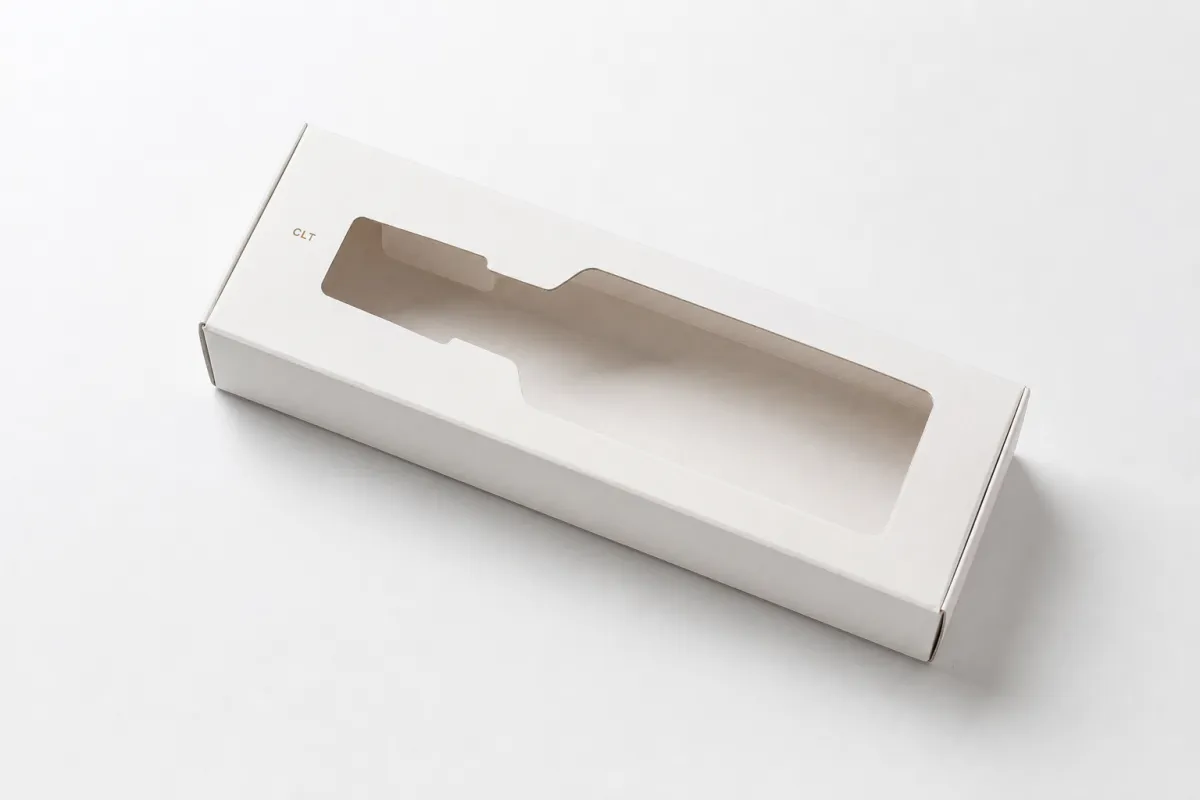
When a product breaks in transit, the outer shipper usually gets the blame first. In practice, movement inside the box is often the real cause. A carton can be strong and still fail if the item rattles, tips, or presses against a hard edge. That is why die cut box inserts wholesale is not a decorative add-on. It is a control point.
Fit does more than protect. A precise insert centers the product, keeps components aligned, and makes the unboxing experience feel deliberate. That matters for cosmetics, candles, headphones, small electronics, subscription kits, and gift packs. The customer opens the box and sees order instead of a jumble of loose parts. For die cut box inserts wholesale orders, that clarity often matters more than a fancy print finish.
Think about the categories that benefit most. Glass bottles need neck support and base restraint. Cosmetic sets need cavity spacing so caps do not scuff. Electronics need held edges and cable control. Sample kits need a clean layout so the contents read as a set, not random items. Multi-item retail packs need each piece locked into its own space. In each case, die cut box inserts wholesale buys consistency at scale.
There is a cost advantage hiding in plain sight. A better insert can reduce claims, returns, and wasted void fill at the same time. If the box is overstuffed, operators slow down. If the box is under-supported, damage rates climb. If the insert is built around the real product dimensions, the whole packout gets easier. That is why serious buyers return to die cut box inserts wholesale instead of improvising with generic paper or foam scraps.
A box insert should earn its place. If it does not control movement, speed up fulfillment, or improve presentation, it is just cost hiding inside the package.
The branding side should stay disciplined. A crisp die-cut structure does a lot of visual work on its own. There is no need to turn every insert into a print project. In many die cut box inserts wholesale programs, a plain kraft or white board insert looks better than an over-designed one because it keeps the product front and center.
One more thing I have learned from press checks: the best insert is rarely the prettiest one on the table. It is the one that loads cleanly, survives handling, and still looks tidy after the third warehouse move. Fancy does not help if the product is floating around inside the shipper.
Product Details: What You Actually Get in the Box
Buyers often talk about inserts as if they are one product. They are not. Die cut box inserts wholesale can mean a single-cavity piece that holds one item, a multi-cavity layout for sets, a layered structure that builds height, a folded design that adds structure, or a tray-style insert that supports display and shipping at the same time. Each one has a different cost profile and a different job.
Single-cavity inserts are the simplest. They work well for one bottle, one candle, one device, or one gift item. Multi-cavity inserts are better when the kit has several components that cannot touch. Layered inserts solve depth changes, which is common when one item is tall and another is flat. Folded inserts add rigidity without jumping straight to rigid board pricing. In die cut box inserts wholesale terms, structure choice is often the fastest way to save money.
Material choice changes everything. Corrugated board is the natural pick when cushioning and stacking strength matter. Paperboard is better when the pack needs a cleaner retail look and lighter weight. Thicker stock can help when edge crush resistance matters, but thickness alone does not make a better insert. The shape has to match the product. Otherwise, you just bought expensive cardboard with confidence issues. That is a common mistake in die cut box inserts wholesale buying.
Die-cut geometry is the real value. Finger notches help customers remove items without tearing the insert. Tabs and locking flaps keep parts from shifting during packout. Tight void control reduces rattle and stops side-to-side travel. If the product has an irregular shape, the cut line should follow the shape, not the other way around. Good die cut box inserts wholesale work is less about decoration and more about disciplined geometry.
Shipping and handling also matter. An insert that ships flat saves freight and warehouse space. An insert that arrives pre-assembled saves labor but raises unit cost and carton volume. Some companies want the product visible through a display lid; others want the insert hidden and purely functional. The right answer depends on the channel. Retail shelf packs, direct-to-consumer shipments, and subscription kits all ask different things from die cut box inserts wholesale.
For buyers comparing options, these are the common tradeoffs:
- Corrugated inserts for cushioning, stacking strength, and rougher shipping lanes.
- Paperboard inserts for lighter loads, cleaner presentation, and lower material cost.
- Folded structures when you need structure without moving up to a heavier board grade.
- Tray inserts when visibility and organized packout matter as much as protection.
For packaging that has to survive distribution testing, it helps to think in standards rather than hopes. The ISTA test framework is a sensible reference point when you want to validate drop, vibration, and handling performance. That does not mean every insert needs a full lab program, but it does mean the design should be judged against the way the package will actually move. That is especially true with die cut box inserts wholesale orders that will ship long distances or cross multiple handling points.
Die Cut Box Inserts Wholesale Specifications
If you want a quote that means anything, the spec sheet has to be real. Die cut box inserts wholesale requests should start with exact product dimensions, not a rough estimate. Length, width, height, and weight all matter. So does the shape of the item: cylindrical, rectangular, tapered, fragile, sharp-edged, or oddly curved. A good manufacturer can work with incomplete data, but the quote gets better when the data is complete.
Tolerances matter more than most buyers think. A small mismatch can turn a snug insert into a loose one. If the cavity is too wide by even a few millimeters, the product can rattle. If it is too tight, operators waste time forcing items in and risk surface damage. In die cut box inserts wholesale work, the difference between “close enough” and “usable” is often a matter of millimeters, not inches.
Board grade, flute type, caliper, and cut quality are the technical levers that control both cost and protection. A heavier board may sound safer, but a smarter cut can outperform a thicker sheet. Clean die lines reduce fiber tear and help each insert fold or nest properly. If the cut edges are rough, packout slows down and quality drops. That is why die cut box inserts wholesale should always include a discussion of tooling quality, not just Price Per Unit.
For most buyers, the core specification checklist should include the following:
- Exact product dimensions and weight.
- How many items each insert must hold.
- Whether the insert ships flat or assembled.
- Target board grade or material preference.
- Need for finger notches, tabs, or locking features.
- Print, coating, or lamination requirements.
- Any recycling, food-contact, or export requirements.
Finish options should stay practical. Uncoated board is usually the cheapest and most recyclable. Printed inserts can support branding, but only when the design adds value. Lamination can improve appearance or moisture resistance, though it also complicates recyclability in some markets. Moisture-resistant builds make sense for colder logistics lanes or high-humidity storage. The right choice in die cut box inserts wholesale sourcing depends on where the package travels and how much handling it sees.
Sustainability is another place where buyers should ask for proof, not slogans. If the sourcing story matters to your channel, ask for fiber documentation and chain-of-custody support. The FSC system is one common reference for responsible forest sourcing. That does not make every insert “green” by default, but it gives procurement teams a cleaner path to verify material claims. A serious die cut box inserts wholesale supplier should be able to talk plainly about recycled content, recovery rates, and acceptable tradeoffs.
Compliance also extends beyond the board itself. Retail-ready packaging may need labeling alignment, cartoning rules, or export documentation. If the product is fragile, temperature sensitive, or high value, the insert design should be reviewed alongside the distribution method. A good quote for die cut box inserts wholesale should not ignore the rest of the pack structure, because the insert cannot compensate for a weak outer box or poor packout process.
| Insert Type | Best Use | Typical MOQ | Typical Unit Price at 5,000 Units | Notes |
|---|---|---|---|---|
| Paperboard single-cavity | Cosmetics, small gifts, light retail items | 1,000-3,000 | $0.10-$0.24 | Lowest weight, clean appearance, limited cushioning |
| Corrugated multi-cavity | Bottles, electronics, mixed kits | 1,000-2,000 | $0.18-$0.42 | Better shock control, more structure, slightly higher freight volume |
| Folded or layered insert | Variable-height products, premium packs | 500-2,000 | $0.22-$0.55 | Good for presentation, more setup time, tighter spec control needed |
| Heavy-duty tray style | Fragile sets, subscription kits, display shipping | 1,000-5,000 | $0.30-$0.85 | Higher material cost, strong packout consistency, better for premium programs |
Cost, Pricing, and MOQ for Wholesale Orders
Price is where most packaging conversations get vague. They should not. die cut box inserts wholesale pricing depends on five things more than anything else: material choice, insert complexity, cut density, print coverage, and run quantity. If one of those changes, the quote changes. That is normal. What is not normal is pretending every insert should cost the same.
The cheapest unit price usually comes from simpler geometry and higher volume. A one-cavity insert in a standard board size will always beat a four-piece nested structure with custom cutouts. Dense layouts cost more because they require more tooling, more machine time, and more handling. If you want to lower the price of die cut box inserts wholesale, start by removing unnecessary features before you start haggling over pennies.
MOQ works the same way. A low MOQ is useful for testing fit, but it often carries a higher unit price because setup costs are spread across fewer units. A short run can make sense for launch inventory, seasonal packs, or pilot SKUs. Full production usually starts to make real sense once the spec is locked and the demand is stable. In die cut box inserts wholesale purchasing, the first order is rarely the cheapest order, and that is not a mystery. It is math.
Sample pricing is another line item that buyers should inspect carefully. A simple flat sample may cost $30-$60. A more accurate prototype with custom tooling or multiple revisions can land in the $80-$180 range, depending on complexity. If the sample includes printed elements or assembly labor, the cost rises again. That is still better than discovering a fit problem after you have committed to a production run of die cut box inserts wholesale.
Short-run pricing tends to sit in the middle. It is useful when you need speed or are still validating product dimensions. Full production is where the savings start to show, especially once the tooling is complete and the layout is stable. The real decision is not “cheap versus expensive.” It is whether the per-unit cost and inventory risk make sense for your order size. That is the buying lens that keeps die cut box inserts wholesale purchases grounded.
If you want to control unit cost without degrading performance, these are the levers that usually help:
- Simplify cavities and remove extra cutouts.
- Standardize dimensions across product families.
- Choose a stock board where possible.
- Reduce print passes or keep the insert unprinted.
- Ship flat instead of assembled if labor is tight.
- Confirm product tolerances before approving tooling.
Ask for quotes in a format you can compare. You need unit cost, MOQ, tooling or die charge, sample cost, freight terms, pack quantity, and lead time. If those items are missing, the quote is incomplete. A low unit price with a high freight bill is not a bargain. A cheap sample that does not match production is not a real sample. In die cut box inserts wholesale buying, the full landed cost matters more than the headline number.
One more practical point: a quote should separate the insert cost from the outer carton cost if they are not bundled. That helps you see where savings are coming from and whether a change to the insert will affect packing labor or shipping dimensions. Clean quoting makes reorder decisions easier. Sloppy quoting turns a simple die cut box inserts wholesale program into an endless spreadsheet fight.
For buyers who want a broader wholesale view, our Wholesale Programs page is a good place to start comparing volume needs and packaging formats. The goal is not to buy the fanciest structure. The goal is to buy the one that performs at the right cost.
Process, Timeline, and Lead Time From Sample to Shipment
Good packaging projects move in stages. Rushing them usually costs more. A normal die cut box inserts wholesale workflow starts with a brief, then a spec review, then sample creation, then approval, then production, and finally shipping. If the manufacturer skips one of those steps, the risk shows up later as rework, delay, or fit problems.
The timeline should be broken down instead of wrapped into one vague promise. Proof review can take 1-3 business days if the information is complete. Tooling or die creation can take 3-5 business days for straightforward work and longer for more complex layouts. Production itself often runs 7-15 business days depending on quantity, board type, and finish. Transit is separate. That distinction matters in die cut box inserts wholesale planning because inventory does not care about vague estimates.
What slows projects down? Missing product dimensions. Unclear photos. Late changes to cavity spacing. A sample that arrives with the wrong item inside it. Approval delays on print or material choices. None of that is mysterious. It is just the usual paperwork mess that turns a simple insert into a calendar problem. In die cut box inserts wholesale work, clean input saves more time than heroic manufacturing ever will.
A good manufacturer should be boring in the best way. Pre-production checks should confirm dimensions, board grade, dieline accuracy, and pack quantity. Sample signoff should happen before production starts. Batch quality control should verify cut consistency and count accuracy. Status updates should be clear enough that you do not have to chase them. That is not luxury service. It is the minimum standard for die cut box inserts wholesale orders that affect a live sales schedule.
Lead time planning also depends on the channel. Direct-to-consumer brands can sometimes tolerate a small buffer if they have other stock on hand. Retail launches are less forgiving because store dates are fixed. Seasonal product lines are the most dangerous because every week lost is a week you cannot recover. If your launch date is immovable, build a cushion into the schedule. That is the difference between a controlled die cut box inserts wholesale rollout and a panic order with air freight attached.
Here is a practical way to think about timing:
- Standard pilot run: sample plus production plus transit, often 2-4 weeks depending on complexity and shipping mode.
- More complex custom build: sample revision, tooling, and production can push to 3-6 weeks.
- Reorder from approved spec: usually faster, because the dieline and fit are already locked.
If the insert is tied to an export shipment, leave even more room. Customs paperwork, freight booking, and receiving schedules have a way of making small delays look bigger. The best defense is a locked spec and a clear signoff trail. That is how die cut box inserts wholesale projects stay orderly instead of becoming a weekly fire drill.
Why Choose Us for Die Cut Box Inserts Wholesale
Custom Logo Things is a better fit for buyers who want straight answers, not packaging poetry. The point is fit accuracy, repeatability, and sensible production advice. If the product needs a cleaner presentation, tighter restraint, or a more efficient packout, die cut box inserts wholesale should be designed around those goals from the start.
A direct manufacturer setup helps in a few very practical ways. It reduces rework because the same team that reviews the spec is the team that runs the job. It cuts middleman markup, which gives you more room on material or quantity. It also makes quote revisions cleaner because the answers come from the people handling production, not from a chain of relays. That is a real advantage for die cut box inserts wholesale buyers who reorder often or manage several SKUs at once.
Quality control is not a slogan. It should mean cut consistency, assembly fit, count accuracy, and packaging integrity. A strong insert that arrives with bad counts is still a bad order. A good-looking sample that does not fit production units is also a bad order. For die cut box inserts wholesale, the job is simple: match the product, ship the quantity, keep the packs clean, and avoid drama.
Scalability matters too. A pilot run should not force a redesign every time volume increases. If the spec is built properly, you can move from trial order to repeat replenishment without changing the underlying structure. That stability makes forecasting easier and procurement less irritating. In real buying terms, that is one of the biggest advantages of die cut box inserts wholesale: the packaging stops being a monthly debate.
Multi-category support also helps. A brand may need bottle inserts, sample kit trays, electronics partitions, and mailer-friendly protective layouts across different products. If one supplier can handle those variations with consistent communication, the supply chain gets simpler. That is the practical value of working through Wholesale Programs instead of treating every packaging need as a separate one-off purchase. die cut box inserts wholesale should make replenishment easier, not harder.
There is a simple test for any supplier: can they explain why one board choice costs less, why one cavity layout protects better, and how one change affects lead time? If the answer is yes, you are talking to someone who understands the work. If the answer is just “we can do it,” keep looking. That is not enough for die cut box inserts wholesale orders where fit, Cost, and Timing all matter at once.
Next Steps: Lock Specs and Request a Quote
If you are ready to move, gather the basics first. Product dimensions, product weight, photos from multiple angles, target quantity, preferred material, and shipping destination are the minimum. If you have the carton size already, include that too. The better the brief, the better the quote. That is especially true for die cut box inserts wholesale, where small dimensional mistakes can turn into expensive revisions.
Do not skip the sample stage if the product is fragile, high value, or hard to replace. A dieline review is useful, but a physical sample is better. It shows whether the product loads easily, whether the cavity fit is too tight, and whether the insert behaves the way you expect during packout. For die cut box inserts wholesale, a cheap sample that prevents a bad production run is money well spent.
When you compare quotes, use a simple checklist:
- Unit cost at your target quantity.
- MOQ and price breaks at higher volumes.
- Tooling or die charge.
- Sample cost and revision policy.
- Lead time for sample, production, and transit.
- Freight terms and packaging count per carton.
If the fit is right and the numbers make sense, move forward. Do not stretch the project out for weeks if the basic answer is already clear. The goal is not to admire the prototype forever. The goal is to lock a spec that works and put it into production. That is how die cut box inserts wholesale buying stays efficient instead of turning into a hobby.
One last reality check: the best insert is the one that protects the product, packs fast, and keeps the customer experience clean without pushing the unit cost into silly territory. That is the whole job. If you want a quote, send the dimensions, quantity, and material preference, and confirm whether you need flat-packed or assembled units. For most buyers, that is enough to start a serious die cut box inserts wholesale discussion and get a number worth acting on.
What do I need to request a die cut box inserts wholesale quote?
Send product dimensions, weight, quantity, and photos from several angles. Include the carton size, your preferred material, and whether the insert must ship flat or pre-assembled. If you have a target budget and destination, add those too so freight and unit cost can be estimated properly.
How does pricing change for die cut box inserts wholesale orders?
Price moves mainly with material thickness, insert complexity, size, print coverage, and total quantity. Higher setup work and tighter cut tolerances usually raise the unit price. Larger runs usually lower unit cost because tooling and setup are spread across more pieces.
What is a normal MOQ for die cut box inserts wholesale?
MOQ depends on material, size, and whether the insert needs custom tooling or print. Smaller MOQ runs are possible, but the unit price is usually higher. Ask for pricing at two or three volume levels so you can see where the break point makes sense.
How long does production take for die cut box inserts wholesale?
The timeline usually includes sample approval, production, and shipping, so ask for each step separately. Straightforward runs move faster than projects that need new tooling or multiple revision rounds. Late approvals and unclear specs are the most common reasons lead time stretches.
Which material is best for die cut box inserts wholesale packaging?
Corrugated board is better when cushioning and stacking strength matter. Paperboard works well when the insert needs a cleaner retail look and lighter weight. The right choice depends on product fragility, box size, and whether the pack is shipping or sitting on a shelf.
Takeaway: lock the product dimensions first, choose the lightest material that still stops movement, and approve a physical sample before you commit to the run. That sequence catches most fit problems early, keeps freight and labor from creeping up, and gives your die cut box inserts wholesale order a much better shot at working the first time.


