Buyer Fit Snapshot
| Best fit | Printed Sleeves for Boxes Price projects where brand print, material claims, artwork control, MOQ, and repeat-order consistency need to be specified before quoting. |
|---|---|
| Quote inputs | Share finished size, material target, print colors, finish, packing count, annual reorder estimate, ship-to region, and any compliance wording. |
| Proofing check | Approve dieline scale, logo placement, barcode or warning zones, color tolerance, closure strength, and carton packing before bulk production. |
| Main risk | Vague material claims, crowded artwork, missing packing details, or unclear freight terms can make a low unit price expensive after revisions. |
Fast answer: Printed Sleeves for Boxes Price: What Affects Cost should be specified like a repeatable production item. The safest quote records material, print method, finish, artwork proof, packing count, and reorder notes in one written spec.
Production checks before approval
Compare the actual filled-product size with the drawing, then confirm tolerance on folds, seals, hang holes, label areas, and retail display edges. Reserve space for logos, QR codes, warning copy, and material claims before decorative graphics fill the panel.
Quote comparison points
Review material grade, print process, finish, sampling route, tooling charges, carton quantity, and freight assumptions side by side. A quote is only useful when the supplier can repeat the same color, closure quality, and packing count on the next order.
printed sleeves for boxes price is usually the search people make after the first quote comes back and the number feels higher than expected. Fair enough. A sleeve can look like a small add-on until you compare it with a fully printed carton, the cost of obsolete inventory, and the delightless reality of changing artwork every few months. In many programs, a sleeve wins because it keeps the box simple, the branding sharp, and the spend easier to control.
Why Printed Sleeves for Boxes Can Lower Brand Spend
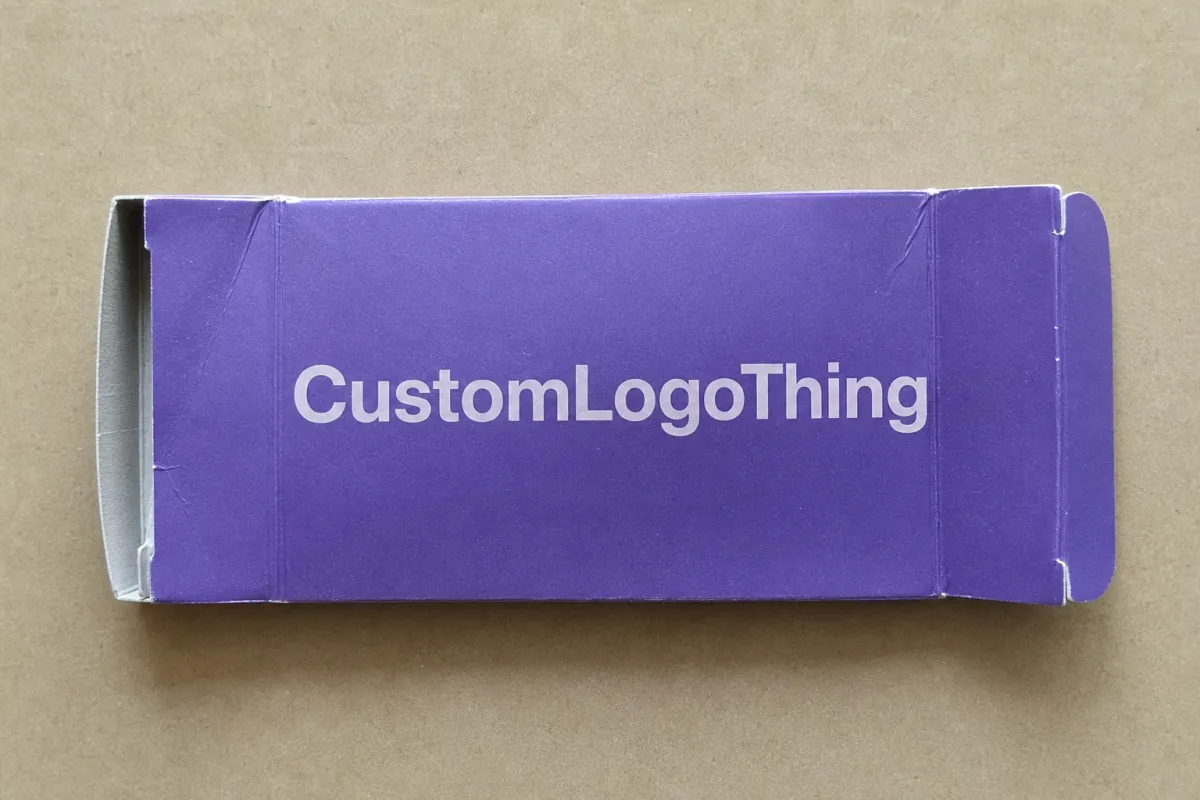
Packaging spend is never just packaging spend. A sleeve lets the structure do one job and the graphics do another. The box protects the product. The sleeve sells it. That split matters because you are not reworking the whole pack every time the campaign changes.
This is why sleeves show up in brands that launch fast, test often, or live in seasonal chaos. New flavor? New size? New promo? Swap the sleeve and keep the box. That is far easier to manage than ordering a new custom carton for every small update. It also avoids the awkward pile of boxes no one wants to use because the artwork aged out three months ago.
The inventory math is just as useful. One plain box format can serve multiple SKUs if the sleeve carries the variable messaging. Fewer carton SKUs means fewer dead-stock headaches and less space tied up in packaging that might never move again. That is practical savings, not packaging poetry.
There are limits, and Buyers Should Know them before they fall in love with the idea. A plain one-color carton with no finish can still be cheaper on raw unit cost. A large sleeve with foil, soft-touch film, and die-cut windows can become expensive quickly. The right question is not which option has the lowest sticker price. It is which option keeps the total packaging system under control.
Sleeves also work well when a team wants to test shelf impact before committing to a heavier structure. That is disciplined spending, not a gimmick. It gives the product a branded face while the team learns whether the concept deserves a bigger packaging investment.
"A sleeve looks expensive only if you ignore the cost of changing everything else around it."
For buyers comparing several pack formats, Custom Logo Things also offers a wider range of Custom Packaging Products that can fit the launch stage instead of forcing every product into the same box-shaped solution. That flexibility is often where sleeves earn their keep.
What Printed Box Sleeves Actually Do
A printed sleeve is a branded outer layer that slides over a box, tray, carton, or insert. It is usually the first thing customers see. The inner pack handles protection and assembly. The sleeve handles identity, promotion, and shelf presence. That split is useful because the visible layer can change without tearing apart the whole packaging plan.
You will see sleeves in subscription boxes, cosmetics, apparel, food gifts, retail kits, and private-label packaging. They also show up in launch programs where the goal is to look deliberate without building a fully custom structure from scratch. A plain mailer with a good sleeve stops looking like a blank box and starts looking like a product someone planned on purpose.
There is a customer experience angle here that gets missed by teams staring only at spreadsheets. The sleeve gives visual impact. The box gives structure. In e-commerce, that can improve the unboxing moment without printing every structural component. In retail, it can make a stock box feel branded instead of generic and forgotten.
Sleeves are also useful for information that changes often. QR codes, ingredient updates, barcodes, batch notes, compliance copy, retailer language, and seasonal art all fit well on a sleeve because those details tend to change faster than the box itself. Swapping the outer layer is easier than requalifying the whole pack.
For many buyers, sleeves are the middle step between plain stock packaging and fully Custom Rigid Boxes. That is not a compromise. It is a sensible move when budget, speed, and shelf impact all matter at once. Packaging rarely gives you perfect. Sleeves get you closer without asking for a heroic budget.
There is a logistics benefit too. Plain boxes can be bought in larger quantities and stored with less risk of becoming useless. Sleeves can be printed closer to the campaign date in smaller runs. That gives buyers more room to react when demand shifts or a retailer changes the brief three times before lunch.
Specifications That Change the Final Price
Price starts with size. Length, width, depth, overlap, glue area, and fit tolerance all matter. A sleeve that needs to slide over a box by hand on a packing line usually needs a little more clearance. A sleeve meant to sit tight on a retail shelf needs better dieline control. Material use and production efficiency move with those dimensions, so there is no such thing as a casual measurement.
Material choice is the next big swing factor. SBS, coated board, kraft board, and heavier paperboard wraps are all common. Larger formats may call for corrugated wraps or flute-based builds if the sleeve needs more stiffness. Coated board usually prints cleaner and holds detail better. Kraft gives a natural look, although heavy ink coverage can push the price up and require more proofing than buyers expect. The right stock depends on how the pack is handled and how the brand wants it to feel in the customer’s hands.
Print coverage changes the quote quickly. A single-color logo on one panel is a different job from full-bleed art wrapped across every face with metallic ink, fine lines, or special colors. Finishes do the same thing. Aqueous coating is usually a moderate add. Matte lamination, gloss lamination, soft-touch film, embossing, debossing, and foil stamping each add steps. Steps cost money. Sometimes they add value. Sometimes they just make procurement stare at a spreadsheet for a little longer than planned.
Structural features move the price too. Windows, tear strips, hanging tabs, perforations, locking folds, and unusual fold directions all add complexity. A window can create a good reveal, but it also increases die-cutting work and may require tighter scoring or another material layer. Tear strips are useful for promos and subscription kits, but they need testing so the sleeve opens cleanly instead of ripping like bad gift wrap.
Proofing saves money when people actually do it well. Clean dielines, approved color targets, and samples sized to the real box can prevent reprints that should never have happened. If the sleeve needs to fit multiple box versions, ask whether one dieline can cover them all or whether each size needs its own tool. That answer changes both the schedule and the quote.
For sustainability or retailer compliance work, ask for material certifications before artwork is signed off. FSC-certified options matter when recycled fiber claims or chain-of-custody rules are part of the buy. The standards body at fsc.org is a useful reference if the claim needs backing. If the sleeve is shipping inside a mailer or master carton, transit testing guidance from ista.org can help reduce crushed corners, rubbed edges, and customer returns.
- Dimension tolerance: tighter fit improves presentation but leaves less packing margin.
- Substrate: board type changes print sharpness, stiffness, and perceived quality.
- Coverage: full-bleed graphics and specialty inks raise press time and finishing cost.
- Structural extras: windows, perforations, and tear strips add tooling and testing.
- Proofing: dieline checks and sample approval are cheaper than reprints.
Printed Sleeves for Boxes Price: What Drives the Quote
The printed sleeves for boxes price comes from several pieces, not one neat line item. Setup charges, artwork prep, tooling or plates, board selection, print method, finishing, packing, and freight all feed the final number. A supplier that gives you one shiny headline price without showing the assumptions is hiding something, even if the quote looks friendly at first glance.
Quantity is usually the biggest lever. Low volume spreads setup across fewer units, so the unit price rises. Higher volume spreads the same setup farther, which pulls the per-piece cost down. That is why a 500-piece test run can make sense for a launch, while a 5,000- or 10,000-piece order can reduce the unit cost enough to change the purchase decision.
Digital printing usually suits smaller runs, faster launches, and jobs with frequent artwork changes. Offset or flexographic runs tend to make more sense at higher volume because the setup cost is easier to absorb. The best method depends on the design, the finish, the substrate, and the deadline. There is no magic answer. Just tradeoffs pretending to be strategy.
Here is a useful comparison for common sleeve programs. These are working ranges, not promises. Size, coverage, finish, and freight can move the number quickly.
| Run Type | Typical MOQ | Indicative Unit Cost | Best Fit | Main Tradeoff |
|---|---|---|---|---|
| Digital short run | 250-1,000 units | $0.55-$1.40 each | Launches, seasonal art, test markets | Higher per-piece price, lower setup burden |
| Conventional offset run | 3,000-20,000 units | $0.12-$0.45 each | Repeat SKUs, broader distribution | More setup, better unit economics at volume |
| Premium finish package | 1,000-10,000 units | $0.30-$0.95 each | Gift sets, luxury, shelf standout | Specialty finishing adds time and cost |
| Kraft or simple one-color sleeve | 1,000-10,000 units | $0.10-$0.35 each | Natural looks, value-focused packs | Less visual complexity, fewer premium cues |
Those ranges help with planning. They do not predict the exact invoice. A small sleeve with basic art may sit below the range. A larger wrap with foil, embossing, or heavy coverage may push above it. Freight can also change the final answer. A cheap unit price is not a bargain if shipping, packing, or rework turns the landed cost into a mess.
Watch the quote details. Does one supplier include folding and packing? Is the board the same thickness? Is the finish really the same finish? Is the sample stage included? Are freight charges estimated or fixed? Small differences hide in those lines and then show up later when procurement has to explain the budget to finance.
Compare line items, not just totals. A lower quote built on thinner board or lighter finishing is not automatically better. A slightly higher quote with better color control, tighter dieline support, and safer packing may be the better buy. Cheap is useful only when it still works.
- Ask for setup charges separately. That makes the unit price easier to understand.
- Confirm substrate thickness. A board change affects both price and presentation.
- Check packing assumptions. Flat-packed sleeves and assembled sleeves are not priced the same.
- Request freight terms. Landed cost matters more than a pretty unit number.
- Compare finish by name. Matte lamination and aqueous coating are not substitutes.
For most brands, the best buy is not the cheapest sleeve. It is the sleeve that keeps the product moving, the artwork current, and the inventory lean. That is where the economics stop being theoretical and start showing up in actual operations.
Process and Lead Time: From Artwork to Delivery
Good sleeve programs do not begin on the press. They begin with a spec that is actually usable. The usual flow is straightforward: inquiry, spec review, dieline confirmation, artwork setup, proof approval, printing, finishing, inspection, packing, and shipment. Each step moves fast when the inputs are clear. Each step drags when someone treats the brief like a suggestion.
Most delays are avoidable. Missing box dimensions are common. So are artwork files that do not match the dieline, late proof revisions, and last-minute switches in board or finish after the quote is already approved. If the supplier priced one stock and the buyer changes to another, the calendar moves. That is just how production works, no matter how many hopeful emails get sent.
Digital runs usually move faster than conventional ones because setup is lighter and artwork changes are easier to absorb. Larger volume jobs need more prep, more press time, and more finishing time. Add foil, embossing, specialty coatings, or complicated die-cutting and the timeline grows. Pretending otherwise helps no one.
A realistic planning window helps everyone breathe. For a straightforward digital job, quote turnaround might take 24 to 72 hours, proof approval 1 to 3 business days, production 5 to 10 business days, and transit on top of that. For a conventional run, the quote can still be quick, but production often lands closer to 12 to 20 business days after approval, depending on the spec and quantity. Custom structural features or specialty finishing need more time built in.
Retail launches and seasonal packaging need a buffer. Even a well-run project can slip if approvals stall, a die needs adjustment, or freight schedules change. The goal is not to erase timing risk. The goal is to spot it early. Split the timeline into quote, proof, production, and transit. Once those pieces are isolated, the real critical path becomes obvious.
- Quote stage: confirm size, quantity, substrate, finish, and destination.
- Proof stage: review dieline, layout, and color expectations.
- Production stage: allow time for printing, cutting, finishing, and QC.
- Freight stage: add realistic transit time, especially for launch dates.
If the sleeve is part of a ship-ready pack, ask whether the box stack has been tested to the right distribution standard. For e-commerce or parcel-heavy programs, ISTA guidance can be a useful filter before final approval. A sleeve that looks great but arrives crushed is not saving anyone money.
Why Buyers Choose Custom Logo Things
Packaging buyers usually want the same three things: clear pricing, accurate samples, and fewer surprises. That is the point here. Not noise. Not vague promises. Just a supplier that can explain what moves cost, where the risk sits, and how to keep the project on spec.
Custom Logo Things is built around that kind of buying process. A team sourcing sleeves, cartons, or retail-ready packaging usually needs more than a mockup. It needs context. Which board makes sense? Is the finish worth the extra spend? Can one sleeve work across more than one box size? Those are procurement questions, and they deserve straight answers.
That is also why the broader Custom Packaging Products range matters. Buyers rarely purchase sleeves in a vacuum. They compare them with cartons, inserts, mailers, and other branded pieces to decide where the budget should go. A supplier that sees the bigger packaging picture can usually point out when a simpler structure does the same job for less.
Repeatability matters too. Color consistency, trim accuracy, and structural fit become more important on reorder than they are on the first sample. A sleeve that looks right once but drifts on the second run becomes a procurement headache fast. Brands need a process that holds together months later, not just during the sample stage.
Response time matters as well. If a buyer has to wait days for board specs, finish options, or sample status, the launch schedule starts slipping. Fast quoting and clear proof handling shorten the decision cycle. That saves time and avoids the kind of rushed backup decision that happens when everyone is trying to protect the calendar.
For procurement, the best partner makes tradeoffs visible early. Cheap, premium, fast, durable - pick the right two, because the universe is not feeling generous.
That mindset helps when a brand uses sleeves for one line and cartons for another. The packaging supplier should compare the structures honestly instead of pushing the same answer onto every product. That kind of guidance often saves more than another round of design opinions pretending to be strategy.
How to Request an Accurate Sleeve Quote
The fastest way to get a useful quote is to send the right inputs first. A sleeve quote is only as accurate as the dimensions, artwork details, and production assumptions behind it. Vague brief, vague number. Specific brief, useful number. Packaging is not mysterious. It just punishes laziness.
Start with measurements. Share the exact box or tray size, the intended sleeve wrap dimensions, and whether the fit should be loose, standard, or snug. If the sleeve will be applied by hand, say so. If it needs to run on a machine, say that too. A sleeve that slides fine by hand may not behave the same way on automated packing equipment.
Then define the buying brief. How many units do you need? What is the target launch date? Which substrate do you want? Do you need matte, gloss, aqueous, or lamination? Do you want a one-color mark, full-bleed art, or specialty effects? The clearer the goal, the easier it is for the supplier to optimize for it instead of guessing at your priorities.
Ask for a line-item quote. That makes comparisons easier and a lot less annoying. You should be able to see board, printing, finishing, setup, sample stage, and freight separately. If one supplier gives a lower total but hides the packing method or finish level, the comparison is weak. Procurement should not need a decoder ring.
A short checklist keeps the quote clean:
- Dimensions: box size, sleeve size, overlap, and fit tolerance.
- Quantity: one run size or multiple tiers for comparison.
- Artwork: print files, logo usage, copy, barcodes, and version count.
- Material: SBS, kraft, coated board, or another approved stock.
- Finish: aqueous, matte, gloss, foil, embossing, or soft-touch.
- Compliance: FSC, recycling notes, language versions, or retailer specs.
- Shipping: destination zip code and required delivery window.
If the sleeve has to support retail or sustainability claims, mention that early. That gives the supplier time to confirm the board source and wording before printing starts. If the pack might face rough transit, ask for distribution guidance tied to the right test method before final approval. A little more detail upfront usually cuts out a lot of rework later.
For buyers comparing multiple package types, the cleanest move is to ask for two options at once: a basic functional sleeve and a premium version with upgraded finish. That creates a real cost spread. Sometimes the premium version is worth it because the visual lift is obvious. Sometimes it is not. The numbers will tell you which one deserves the budget.
If you want the most accurate printed sleeves for boxes price, send the spec sheet before you send the guess. Dimensions, quantity, substrate, finish, and delivery location will tighten the number more than a long explanation ever will. That is the shortest route to a reliable quote and a less painful approval process.
What affects printed sleeves for boxes price the most?
Quantity is usually the biggest driver because setup costs are spread across more units at higher volume. Board type, print coverage, and finishing options such as foil, embossing, or lamination can move the price quickly. Exact sleeve dimensions matter too because larger wraps use more material and may need a different production method.
Are custom box sleeves cheaper than fully printed boxes?
Often yes, especially when the base box can stay plain and only the outer sleeve carries the branding. They tend to work well for seasonal packaging, test launches, and brands that reuse the same box format. The answer still depends on artwork coverage, board choice, and minimum order quantity, so there is no universal winner.
What is a typical MOQ for printed box sleeves?
MOQ depends on print method and material, so there is no single number that fits every job. Digital runs can support lower quantities, while conventional printing usually favors larger volumes. Ask for multiple quote tiers so you can see where the unit cost improves and where the setup cost stops making sense.
How long does production usually take for printed sleeves?
Timeline depends on proof approval speed, print method, finishing, and shipping distance. A clean job with approved artwork moves much faster than one that needs dieline or color revisions. Ask for separate estimates for proof turnaround, production lead time, and freight so you can plan around the real schedule instead of a vague deadline.
What should I send to get an accurate sleeve quote?
Send box dimensions, target quantity, artwork files, substrate preference, and finish requirements. Include whether the sleeve needs windows, tear strips, special folds, or retail display features. Share your deadline and delivery location so the quote includes realistic timing and freight, not just a unit price that looks good on paper.
If you are comparing printed sleeves for boxes price across suppliers, start with the same spec sheet, the same finish names, and the same delivery terms. That is the only fair comparison. Everything else is just whoever wrote the prettiest number at the top of the quote.

