Buyer Fit Snapshot
| Best fit | Printed Sticker Labels on Kraft Stock projects where brand print, material claims, artwork control, MOQ, and repeat-order consistency need to be specified before quoting. |
|---|---|
| Quote inputs | Share finished size, material target, print colors, finish, packing count, annual reorder estimate, ship-to region, and any compliance wording. |
| Proofing check | Approve dieline scale, logo placement, barcode or warning zones, color tolerance, closure strength, and carton packing before bulk production. |
| Main risk | Vague material claims, crowded artwork, missing packing details, or unclear freight terms can make a low unit price expensive after revisions. |
Fast answer: Printed Sticker Labels on Kraft Stock: Material, Adhesive, Artwork, and MOQ should be specified like a repeatable production item. The safest quote records material, print method, finish, artwork proof, packing count, and reorder notes in one written spec.
Production checks before approval
Compare the actual filled-product size with the drawing, then confirm tolerance on folds, seals, hang holes, label areas, and retail display edges. Reserve space for logos, QR codes, warning copy, and material claims before decorative graphics fill the panel.
Quote comparison points
Review material grade, print process, finish, sampling route, tooling charges, carton quantity, and freight assumptions side by side. A quote is only useful when the supplier can repeat the same color, closure quality, and packing count on the next order.
Printed Sticker Labels on kraft stock do one job very well: they make a package feel grounded, tactile, and deliberate. The brown paper look can suggest craft, restraint, and care without trying too hard. That is the appeal. On jars, pouches, mailers, cartons, and bottles, the effect is immediate. The trap is assuming the label only needs to look right in a mockup. It does not. Adhesive, face stock, finish, and the actual container matter just as much as the artwork. If you are comparing options, our Custom Labels & Tags page is a useful place to sort through size, material, and finish choices before the guessing starts.
The visual draw is only part of the story. Kraft-faced labels can make a brand look honest and premium at the same time, which is why they show up on food jars, handmade soaps, apparel mailers, and small-batch retail packaging. The look is warm. The texture helps. Still, printed sticker labels on kraft stock have to survive real use. They need an adhesive that behaves on glass or plastic, enough contrast to stay readable, and a finish that does not fall apart when a package gets chilled, stacked, rubbed, or shipped across town and back again. Labels that hold up are usually specified with the package surface, storage environment, and application method in mind from the start.
This article breaks down how the label is built, what affects cost and durability, where timelines get messy, and which mistakes tend to cause peeling, smudging, or weak shelf presence. If you are planning a new run or trying to fix an existing one, the details below should help you ask better questions before the order goes to press.
Printed sticker labels on kraft stock: why they stand out
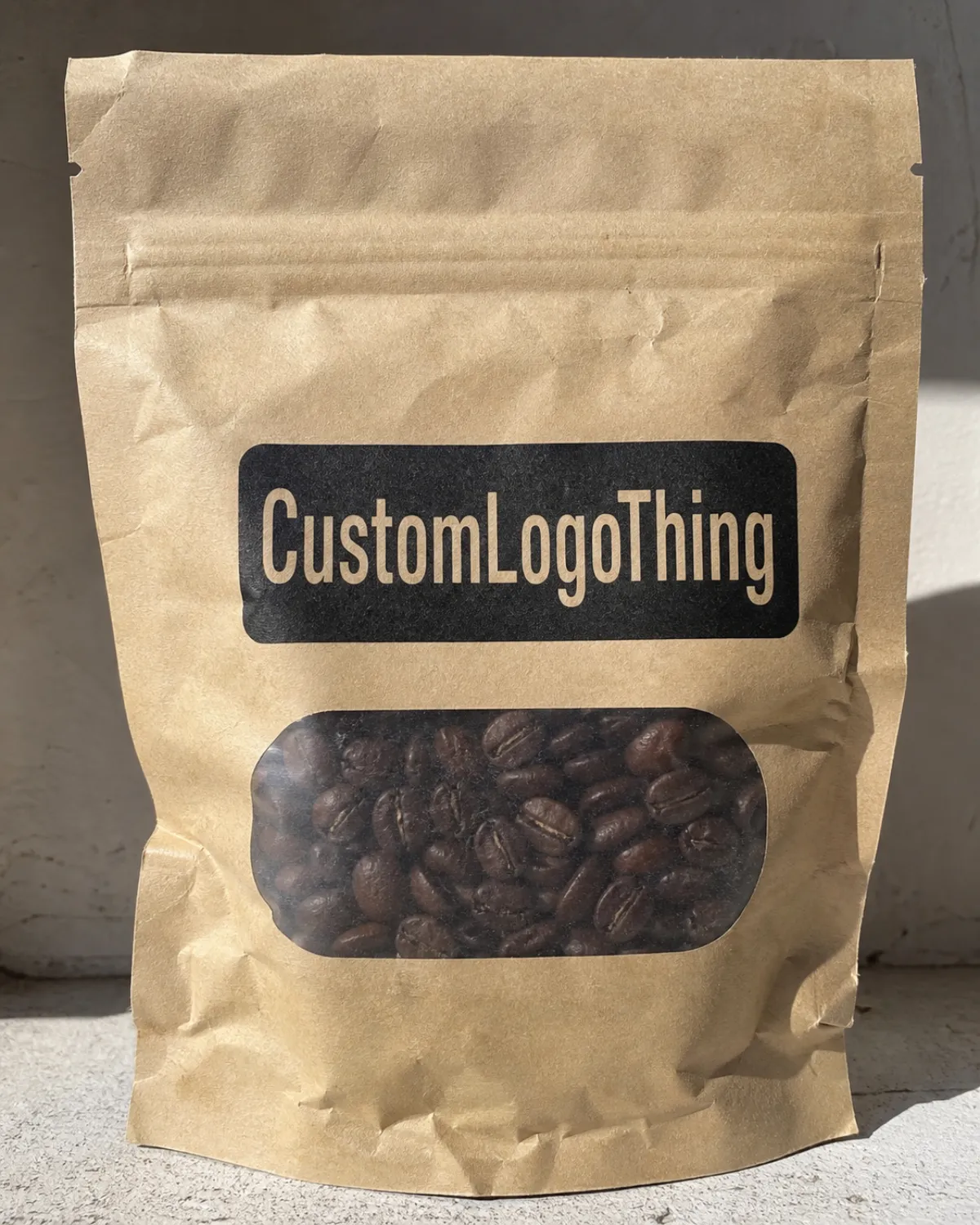
Walk into a retail aisle and the difference shows up fast. A kraft label on a salsa jar, a pouch of granola, or a boutique mailer gives the package a warmer presence than a flat white label usually can. It feels intentional before anyone reads the product name. That matters for small and mid-sized brands trying to look established without sliding into a generic mass-market look.
There is a practical side too. Kraft stock handles certain design styles very well, especially bold typography, restrained color palettes, black ink, dark green, deep navy, and simple icon work. The natural brown background adds texture without needing decoration to carry the whole job. Brands in artisan food, natural body care, recycled-content packaging, and handmade goods often use the substrate itself as part of the story. That is not decoration. It is brand architecture.
People are often surprised by how much the paper look changes perceived value. A label that feels plain on a screen can look richer once it is on the container, especially when the shape is right and the print coverage is balanced. Too much artwork crowds the surface. Too little makes the package feel unfinished. The sweet spot usually respects the brown stock instead of trying to hide it.
Practical callout: A label can look perfect on screen and still fail on the shelf if the color contrast is weak, the adhesive is wrong, or the finish rubs away during packing. Printed sticker labels on kraft stock reward careful specification more than flashy design.
There is another upside worth mentioning. Kraft labels often photograph well under natural light and warm retail lighting because the texture adds depth. For brands that rely on social media, ecommerce product pages, or farmer's market displays, that visual depth can make the package feel less sterile and more handmade. The effect only works if the print stays legible. Type that is too small or ink that sits too close to the brown base loses clarity fast.
Brands that want both a natural look and a clean presentation should think in terms of the whole package system, not just the sticker. The label should work with the jar color, pouch material, cap finish, box Print, and Shipping conditions. That is why many teams start with a test on two or three material choices before locking the final spec. A good label does more than sit on the package. It helps the package do its job.
There is also a subtle positioning benefit. A kraft label can signal small-batch care without looking precious. That balance is hard to fake. If the product is handmade, locally produced, or built around simple ingredients, the substrate can reinforce the message better than a glossy finish ever could. But the opposite is true too. If the design is vague or the type is weak, kraft stock will not rescue it. It just makes the problem more honest.
How printed sticker labels on kraft stock are made
The build is simple on paper: a facestock, an adhesive layer, and a liner. The facestock is the visible top layer. On kraft labels, that may be true kraft paper, a kraft-look coated paper, or a brown-toned stock that mimics kraft while printing and handling a little differently. Under that sits the adhesive, which decides how well the label bonds to glass, paperboard, metal, or plastic. The liner holds everything in place until the label is applied.
That short explanation leaves out most of the interesting parts. True kraft paper usually has a more fibrous texture, a muted surface, and a slightly absorbent feel that affects how ink lays down. A kraft-look face material can print more consistently and finish more predictably, but it may not have the same tactile character. Buyers should not assume every brown label behaves the same way just because the samples look similar in a swatch book. They often do not.
Print method matters too. Digital printing usually makes more sense for short runs, seasonal artwork, and variable versions because setup is lighter and changes are easier. Flexographic printing tends to become more economical at higher quantities and can move quickly once the plates are made and the job is tuned. If a brand runs multiple SKUs or changes artwork often, digital may be the better fit. If the design stays stable and the order volume is higher, flexo often wins on unit economics.
Color on kraft is its own animal. The brown substrate changes how ink reads, which means CMYK values that look sharp on a white proof often turn darker, warmer, or flatter on the actual label. Some designs need white ink underprinting to keep contrast strong and prevent text or icons from disappearing into the base color. That matters most for small text, fine lines, and logos in light brand colors. It also matters for barcodes, because a pretty label that does not scan cleanly is just expensive paper.
Finishing choices shape the final behavior of the label:
- Matte varnish keeps the look low-glare and natural while adding some rub resistance without killing the paper feel.
- Lamination gives stronger protection against moisture, abrasion, and handling, though it can reduce some of the raw kraft character.
- Specialty coatings can add extra moisture resistance or a specific visual effect while keeping a paper-based appearance.
If the package will deal with humidity, cool storage, or a lot of hand contact, finish is more than a style decision. It becomes part of the durability spec. A matte varnish may be enough for a dry shelf product. A laminated build is usually the safer call for refrigerated items, bath products, or anything that gets handled repeatedly in transit and fulfillment.
It also helps to separate a brown-printed label from a label that is actually built on kraft. A printed brown effect can look convincing at first glance, but a true kraft face stock usually brings a different texture, a different tear pattern, and more visual depth. For brands selling handmade or eco-minded goods, that tactile difference often matters as much as the color.
One more technical wrinkle: coatings and adhesives behave differently on porous versus treated kraft surfaces. If the facestock is very absorbent, the print may sink in and look softer. If the stock is coated, the print can stay crisper, but the label may feel less raw. That tradeoff is normal. The right answer depends on whether the job is meant to read as rustic, premium, durable, or some blend of the three.
Cost, pricing, and MOQ factors
Cost for printed sticker labels on kraft stock is shaped by more than the raw paper. Size, shape, print coverage, finishing, adhesive selection, and total quantity all feed into the final unit price. A small round label with one-color print is not the same job as a die-cut label with white ink, a matte coating, and a specialty adhesive for cold storage. The quote can look similar at first glance. The economics underneath usually are not.
MOQ, or minimum order quantity, has a direct effect on price. Small runs spread setup costs, proofing, die charges, or plate costs over fewer pieces, which pushes the unit price up. Larger runs dilute those fixed costs, so the per-label number usually drops. That is why a 1,000-piece order can feel expensive per label while a 5,000- or 10,000-piece run can make more sense if the brand can store the inventory.
For a practical comparison, the table below shows how common label options may behave in a mid-size run. The numbers are illustrative, but they match the pricing pattern buyers usually see when requesting quotes for kraft-style labels.
| Option | Typical use case | Unit price behavior for about 5,000 labels | Strengths | Tradeoffs |
|---|---|---|---|---|
| Uncoated kraft paper label | Dry goods, handmade products, mailers, retail bundles | $0.05-$0.12 per label | Natural texture, low-glare look, approachable cost | Less moisture resistance, ink can soften if overhandled |
| Coated kraft paper label | Food jars, candles, body care, moderate handling | $0.08-$0.16 per label | Sharper print, better rub resistance | Slightly less raw paper feel, may cost more to finish |
| Kraft-look specialty stock with lamination | Chilled products, ecommerce shipping, higher abrasion risk | $0.12-$0.24 per label | Better durability, stronger moisture protection | Higher unit cost, less tactile paper character |
| Custom die-cut with white ink and specialty adhesive | Premium branding, difficult surfaces, multi-SKU programs | $0.15-$0.30+ per label | Best control over appearance and adhesion | Higher setup cost, more proofing and lead time |
Comparing quotes fairly matters just as much as the number on the page. One vendor may include proofing while another lists it separately. One may show the die charge up front, another may bury it in setup. Some quotes include freight. Others do not. If a label is being tested for a new launch, ask whether the supplier will support a correction or reprint if the first proof exposes a sizing issue or contrast problem. Those terms can matter more than a few cents per thousand.
There are also practical ways to keep the budget sane. Standardizing label sizes across multiple SKUs reduces complexity. Choosing a simpler shape, such as a rectangle with rounded corners, usually costs less than a highly intricate custom die-cut. Limiting the number of ink colors helps too, especially if the design can be built with strong black type and one accent color instead of multiple tonal layers. Ordering a test batch before committing to a larger inventory position is another smart move. That protects the budget from expensive artwork or substrate changes after the full run has already been approved.
Brands that care about sustainability claims should check whether the material is FSC-certified or whether the paper content supports the story they plan to tell. If sourcing claims appear on-pack or in sales material, the chain of custody should be clear enough to back them up. FSC documentation is useful here, but the bigger point is simple: if you say the label is responsibly sourced, you should be able to prove it. Packaging teams get into trouble when the marketing language runs ahead of the paper trail.
One small but real cost driver is application method. Hand-applied labels can tolerate more variation in roll format and unwind, but they still need to be easy to apply. If you are using a label applicator, the roll dimensions, core size, spacing, and winding direction all matter. Ignoring those details often creates a hidden labor cost that never shows up in the original quote. Cheap labels that slow down packing are not cheap. They are just sneaky.
Process, timeline, and production steps
The production flow for printed sticker labels on kraft stock usually starts with artwork, but the real work begins earlier with specification. A clear size, shape, adhesive type, and finish make the artwork stage much smoother. Once the file is ready, the converter reviews print setup, confirms material availability, and prepares a proof or sample for approval. After that, the job moves into print production, finishing, slitting, inspection, and packing.
That sounds neat and linear. Real life is messier. If the artwork needs revision, the proof cycle takes longer. If the label requires a specialty adhesive or an uncommon kraft stock, material sourcing can add days. If a custom die is required, die creation becomes its own lead-time item. Specialty coatings or lamination may also need cure or drying time before the labels can be handled, boxed, and shipped.
Typical timing depends on how complex the order is. A straightforward reorder on an established spec can move faster than a fully custom first run. A simple digital job may be turned around quickly once the proof is approved and stock is on hand. A more complex flexo job with specialty finishing needs more time for setup, press calibration, and post-press work. The safest estimate includes both the print schedule and the delays that show up from artwork correction or sample approval.
For buyers managing a launch date, the most useful planning rule is simple: leave time for a sample on the actual package. A paper proof can catch basic color and layout issues, but it cannot show how the label behaves on a curved jar shoulder, a textured pouch, or a cold bottle straight from refrigeration. Test the label where it will actually live, then check the bond after a few hours, a day, and, if needed, after exposure to chill or condensation.
A practical production checklist keeps the job moving:
- Confirm the package substrate, such as glass, HDPE, polypropylene, coated paperboard, or metal.
- Define the storage environment, including room temperature, refrigeration, moisture, or outdoor exposure.
- Lock the label dimensions, corner radius, and die-cut shape before proofing.
- Approve ink coverage, white ink usage, and finish level against the kraft base.
- Test at least one sample on the real container before full production starts.
If the product has to move through distribution or ecommerce channels, it is smart to think about shipping tests early. Packaging validation standards such as those used by ISTA help when a label is part of a larger box-and-product system, because abrasion, vibration, and temperature swings can affect label performance even when the label itself was printed correctly. For reference, ISTA outlines testing approaches at ista.org.
That mindset keeps the project from turning into a pile of small surprises. A label looks simple, but the process around it touches design, print technology, materials, shipping, and application. The smoother the handoff between those pieces, the less likely you are to lose time or waste material at the end of the run.
For recurring programs, lead time usually gets easier after the first order. Once the spec is locked, a reorder can move faster because the proof stage is shorter and the supplier already knows the application conditions. The first run is where people learn the expensive lessons. Reorders are where they should stop repeating them.
Key factors that affect performance and shelf life
Adhesion is the first thing most buyers worry about, and for good reason. A kraft label may look solid, but performance depends on the adhesive, the surface energy of the package, and the conditions at application. Glass is often more forgiving than certain plastics, but even glass can create trouble if the surface is dusty, oily, wet, or chilled. Low surface energy plastics such as polypropylene and polyethylene usually need more careful adhesive selection than coated paperboard or clean glass.
Temperature at application matters more than many first-time buyers expect. If the label goes on a cold bottle or a chilled jar, the adhesive may not wet out properly. If the package starts warm and then moves to a cooler environment, condensation can weaken the bond or cause a temporary failure in the first hours after application. That is why "works on my desk" is not much of a test. The label needs to survive the actual process.
Durability is the next layer. A matte kraft label can be perfect for a dry shelf product and still be the wrong choice for a bottle that lives in a cooler, a bathroom, or a shipping carton with repeated handling. Moisture resistance, rub resistance, and scuff resistance all need to be part of the discussion. If the package will be wiped down, packed tightly, or transported long distances, a coating or lamination may be worth the extra spend.
Color contrast deserves more attention than it usually gets. Brown stock softens printed color, and that can be attractive, but it can also bury small type. Dark solids, black lettering, and strategic white ink can bring legibility back. On kraft, a pale beige logo or thin gray line can vanish much faster than it would on white paper. For barcode work, that is not a small issue. Scan contrast, quiet zones, and print cleanliness all need to hold up if the label carries pricing or inventory data.
Readable design on kraft stock usually benefits from restraint:
- Keep small text above practical reading sizes so the brown base does not swallow fine details.
- Leave breathing room around the logo and product name so the label feels calm instead of crowded.
- Use generous margins and bleed to protect the edge of the art during die cutting and finishing.
- Check barcode contrast under the actual print and substrate combination, not only on a white mockup.
There is also a shelf-life angle that gets ignored too often. Kraft papers can age differently depending on coating, storage, and exposure to light or humidity. Labels stored in hot warehouses or damp rooms may curl, wave, or lose clean release behavior before they are even used. Proper storage of the finished roll matters, and so does rotating inventory so older stock gets used first. A label can be perfectly specified and still underperform if it spends six months in a bad storage room.
From a quality-control standpoint, many packaging teams rely on simple checks that work: adhesive peel tests, rub tests, and application tests on the actual package. ASTM methods such as ASTM D3330 for peel adhesion and ASTM D3654 for shear resistance are useful references when talking with suppliers about how the adhesive should behave. A supplier who can explain real handling performance is usually more helpful than one who only talks about print color. Pretty is easy. Performance is the part that costs money.
The short version is plain. Printed sticker labels on kraft stock can perform very well, but only if the material and environment are matched with some discipline. A label that looks great and fails after a day in the cooler is expensive. A slightly simpler label that sticks, reads clearly, and survives transit is usually the better buy.
Common mistakes with kraft stock labels
One of the most common mistakes is assuming every kraft-style label behaves the same way. That is rarely true. Paper thickness, coating level, liner type, and adhesive chemistry all change how the label feeds through production, how it applies to the container, and how it holds up afterward. A label that performs nicely on a paperboard carton may behave very differently on a curved glass jar or a textured pouch.
Another frequent problem is artwork that looks fine in a digital proof but disappears once printed on brown stock. Low-contrast colors, fine script fonts, and small reversed type are the usual troublemakers. On kraft, these choices can work, but they need more care. A strong proof on the intended material is far more useful than a computer mockup. If the design depends on delicate visual effects, ask for an actual print sample instead of guessing. Screens are optimistic. Materials are not.
Skipping product testing is probably the most expensive mistake. A label that will face refrigeration, condensation, shipping abrasion, or repeated customer handling should never be approved based on appearance alone. Test it on the real package, with the real fill state, in the real environment. If the product is a jar that arrives cold, simulate that. If the label wraps around a pouch seam, test the seam. If the bottle will be packed tightly in a carton, test the carton.
Dimension mistakes create their own waste. If the label is a few millimeters too large, it may wrinkle around a curve or overlap a seam. If it is too small, the design can look lost and the branding may feel less deliberate. Placement matters too. A label meant for a flat front panel may not fit well on a tapered bottle shoulder. Confirm the application method before the file is finalized.
There is also a production trap that shows up when teams try to save time by skipping the spec review. If the applicator or labeling line needs a certain roll direction, core size, or unwind orientation, the wrong format can cause downtime. The same goes for hand application. If the label is too rigid, too thin, or too tacky for the team applying it, labor time rises and waste goes up. A small spec issue can snowball into an operational headache.
Here are the mistakes I would put on the avoid list:
- Choosing a kraft look without checking the actual substrate.
- Using light type or pale artwork that lacks contrast on brown stock.
- Skipping sample application on the real container.
- Ignoring condensation, coolers, or shipping abrasion in the test plan.
- Ordering without confirming roll format, dimensions, and equipment compatibility.
Those errors are all preventable. They usually come from moving too fast or treating the label as a decorative afterthought. It is not just decoration. A label is part of the packaging system, and the system only works when each piece is checked against the others.
A smaller mistake, but still common, is overdesigning the surface. Kraft stock already brings texture. If the layout is crowded, the label loses the very quality that made it appealing in the first place. The cleanest examples usually leave room for the paper to do some of the work. That is not laziness. It is editing.
Expert tips and next steps for a better order
The cleanest way to get a good result is to build a simple spec sheet before asking for quotes. Include the label size, shape, material, adhesive, finish, quantity, package surface, and storage environment. If the product line has multiple SKUs, note which elements stay consistent and which will change. That makes it much easier for a supplier to recommend the right construction and keeps the back-and-forth under control after the first quote.
Next, request a sample or proof that matches the intended environment. For printed sticker labels on kraft stock, application behavior can change once the label moves from a flat sheet to a curved jar, a soft pouch, or a chilled bottle. Even a small change in radius or surface texture can affect how the adhesive sets. A sample on the actual package tells you far more than a screen file ever will.
Ask about contrast early. If the design depends on small text, ask whether white ink or a stronger dark color is needed to preserve readability. If the artwork is meant to feel minimal, check whether the brown base gives enough calm without making the label feel unfinished. The strongest kraft labels usually land in the middle: enough graphic weight to read clearly, enough open space to keep the design calm.
It helps to discuss the real environment in plain language. Say whether the product will sit at room temperature, live in a cooler, ride around in ecommerce shipping, or spend time in a bathroom. Say whether it may face condensation, hand oils, or repeated rubbing. Those details can change the adhesive and finish recommendation more than the brand's preferred style does. A good spec respects both sides: appearance and performance.
One useful habit is to compare at least two or three material choices before ordering at scale. The cheapest option is not always the best value, and the most durable option is not always necessary. A dry pantry product can often use a simpler kraft paper label. A chilled product may justify the extra cost of a coated or laminated version. The right choice is the one that fits the real use case without paying for features you do not need.
Buyer's rule of thumb: If the label cannot survive a real test on the actual package, under the actual handling conditions, it is not ready for a full run.
For brands building out a broader label program, a standardized platform helps. One size family, one or two finish options, and a consistent adhesive strategy usually make reorders easier and inventory simpler to manage. If that is where your packaging is headed, it can be useful to review your broader label and tag formats while the artwork is still flexible.
One last point: do not optimize only for the first day. A label that looks good right after application is not enough. Check it after storage, after handling, and after the package has spent time in the real environment. That is where the weak choices show up. If the bond stays put, the print stays legible, and the label still matches the brand after a few days on the shelf, then you have something worth repeating.
The final decision should come back to what the package has to do. If the goal is to look earthy, feel premium, and survive real handling, printed sticker labels on kraft stock can be a strong fit. They work best when the material, print method, adhesive, and finish are chosen with the actual container in mind. That is the difference between a label that only looks good in a mockup and one that earns its place on the shelf.
FAQ
Are printed sticker labels on kraft stock waterproof?
Not by default. Waterproof performance depends on the face stock, adhesive, and finish, not just the kraft look. A laminated or well-coated option usually holds up better in humid rooms, chilled storage, and frequent handling. If the label may face condensation, splashes, or cold-chain use, test it on the actual package before approving the full run.
What adhesive works best for printed sticker labels on kraft stock?
The best adhesive depends on the container surface, such as glass, coated paperboard, plastic, or metal. For coolers, damp environments, or packages that will be handled often, a stronger permanent adhesive is usually safer than a removable one. Real application temperature and surface finish should guide the decision, and sample testing is the best way to confirm fit.
Do printed sticker labels on kraft stock need white ink?
White ink helps when the artwork needs strong contrast or when small text has to stay readable on the brown base. It can keep logos crisp instead of letting them sink into the kraft background. If the design uses large dark type and simple graphics, white ink may not be necessary, but it is still worth reviewing in a proof.
How much do custom kraft stock labels usually cost?
Cost depends on size, quantity, finish, shape, adhesive, and whether the stock is a standard kraft option or a specialty build. Smaller runs usually cost more per label because setup, proofing, and die or plate expenses are spread across fewer pieces. Looking at unit price, setup charges, and shipping together gives a much clearer picture than one number alone.
How long does it take to produce printed sticker labels on kraft stock?
Simple reorders can move quickly, while custom sizes, special finishes, or artwork changes add time. Proofing, material sourcing, and die creation are usually the steps that stretch the schedule. The smoothest timeline comes from final artwork, an early sample request, and enough time to test the label on the actual package before production begins.
Can kraft labels work on refrigerated products?
Yes, but the label construction has to be chosen for that environment. Refrigeration can create condensation, and that changes how adhesives behave. A coated or laminated finish, plus the right adhesive for the package surface, usually gives a better result than a basic uncoated paper label. Testing under chilled conditions is the safest way to confirm performance.
Are kraft labels a good choice for barcode or SKU labels?
They can be, as long as the barcode is designed with enough contrast and the print quality is controlled. Brown stock is less forgiving than white paper, so scan testing matters. If the code needs to move through retail checkout or warehouse scanning, confirm readability on the exact material, not a white proof.
What is the difference between true kraft and kraft-look stock?
True kraft paper usually has a more natural, fibrous texture and a more organic feel. Kraft-look stock is often engineered for more consistent print performance and handling, but the surface may feel smoother or less rustic. Both can work. The right choice depends on whether the brand values tactile character, print crispness, or a balance of the two.

