Caps & Hats

Private Label Baseball Cap Wholesale Pricing for Event Teams

โœ๏ธ Marcus Rivera ๐Ÿ“… May 9, 2026 ๐Ÿ“– 12 min read ๐Ÿ“Š 2,338 words
Private Label Baseball Cap Wholesale Pricing for Event Teams

Private label baseball cap Wholesale Pricing for Event Teams usually starts with the cap body, not the logo. A stock silhouette, a sensible decoration method, and a clear spec sheet often save more than trying to force a fully custom build into a fixed event calendar.

For tournament merch, sponsor activations, staff uniforms, and resale caps, the practical question is where the money actually goes. In most programs, the body, closure, and finish affect pricing more than the artwork itself. A buyer who understands that split can protect margin, keep lead times predictable, and still land on a cap people will wear after the event.

Why stock cap bodies stretch event budgets further
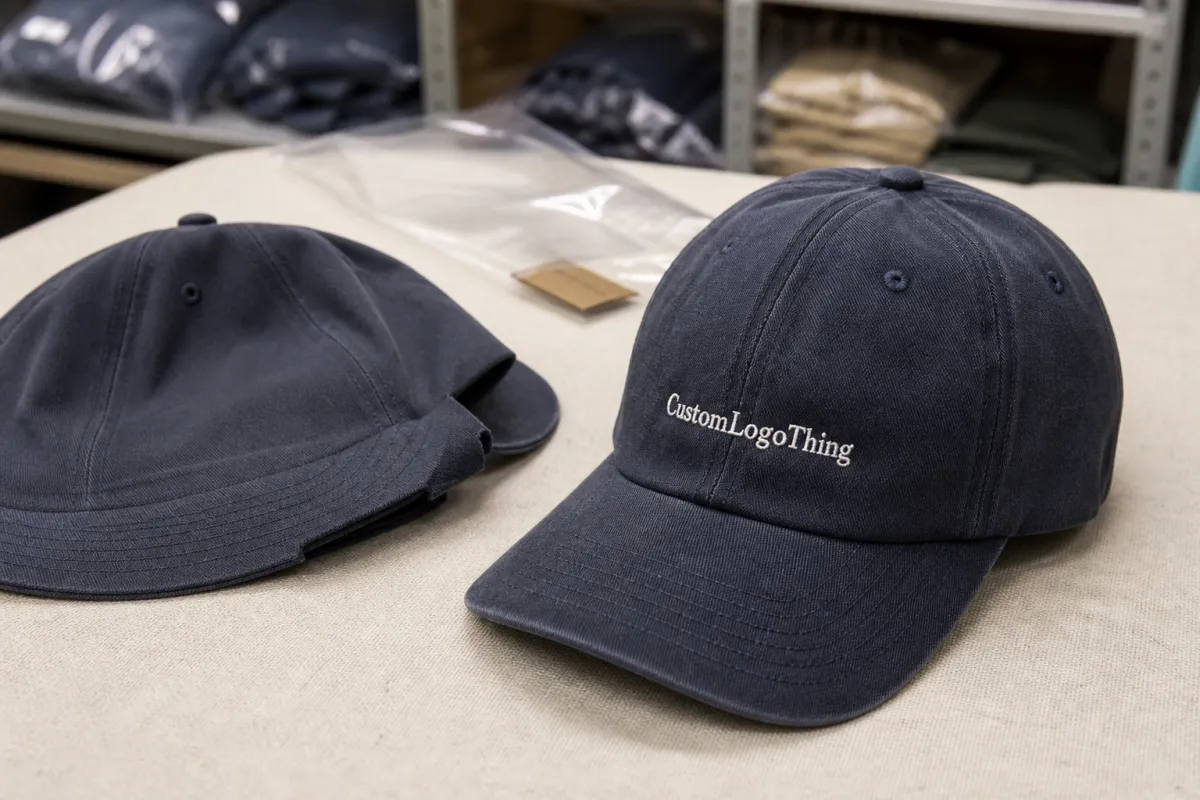
Why stock cap bodies stretch event budgets further - CustomLogoThing packaging example

The easiest way to keep a cap program under control is to start with a stock silhouette. Standard six-panel dad caps, structured snapbacks, low-profile curved-brim styles, and trucker builds are already set up for efficient production, which means fewer tooling steps, fewer sample rounds, and fewer surprise charges. That matters for event teams because the order is often tied to a game date, launch window, or sponsor activation that cannot move.

A fully custom body changes the math quickly. New panel shapes, special seam lines, custom closures, branded taping, and extra approvals all add time before the first box ships. A stock body with private label finishing can still look distinct while keeping the factory work much simpler.

The practical difference shows up in the parts buyers feel and see first:

  • Fan wear: people keep caps that feel good and look clean.
  • Staff identification: consistency matters more than novelty.
  • Resale value: better fabric and a sharper patch finish usually justify a modest unit increase.

That is why many buyers start with Wholesale Programs built around standard cap bodies and only customize the elements that carry the brand.

Decoration options that make private label caps feel premium

Decoration is where a cap stops reading as generic, but the method should match both the logo and the budget. Flat embroidery remains the most common choice because it reads clearly, holds up well, and gives the cap a retail feel. Woven patches are useful when the artwork includes small text or sharp edges that would blur in stitching. Leather and PU patches work for heritage, outdoor, and sponsor-driven looks, while rubber patches add dimension on flat-brim styles. Print can work too, although it needs the right fabric and a logo that does not rely on tiny detail.

Front-panel placement is usually the most efficient use of space. Side hits and back-strap marks can add value, but every extra location brings more setup and more cost. Dense stitch counts, large fill areas, and thick patch borders look richer, yet they also push thread time up and can move an order into a higher price tier on smaller runs.

Decoration method Typical use case Common unit range Cost impact
Flat embroidery Simple logos, staff caps, clean retail programs $0.80-$2.25 add-on Best value for most runs
Woven patch Fine detail, small text, premium presentation $1.20-$3.25 add-on Higher setup, sharper detail
Leather or PU patch Outdoor, heritage, sponsor, and fashion looks $1.10-$3.50 add-on Material choice changes the look quickly
Rubber patch Bold branding, athletic events, durable finish $1.40-$3.75 add-on Premium feel, higher tooling input

If the logo uses several colors, simplify the thread palette where you can so the cap still reads cleanly in photos. If you need labels inside the cap, that is a good time to pair the order with Custom Labels & Tags so the finish feels coordinated instead of assembled from unrelated parts.

Fit, fabric, and build specs buyers should lock down

Most quote delays start with loose specs. A cap that looks similar on screen can feel different in hand if the crown height, bill shape, or closure changes. Structured six-panel caps hold their form better for staff use and sponsor branding, while unstructured caps feel softer and more casual. Curved bills satisfy broad audiences, flat bills push toward a retail-forward look, and a mid-curve bill usually sits in the middle for event teams that want easy wearability.

Fabric matters just as much. Brushed cotton twill has a familiar hand feel and a clean surface for decoration. Polyester holds color well and dries faster, which helps outdoors. Performance blends breathe better for long shifts or hot venues. Trucker caps with mesh backs are lighter and often less expensive, but they do not always feel as premium as a solid-front cap with a better sweatband and tighter stitching.

For long wear, ask about the inner build, not just the outside appearance. A decent sweatband, clean inner taping, and reinforcement at the front panels help the cap keep its shape after repeat use.

A useful spec checklist looks like this:

  • Crown profile: low, mid, or high.
  • Panel count: five-panel or six-panel.
  • Bill shape: curved, mid-curve, or flat.
  • Closure: snapback, strapback, Velcro, or fitted.
  • Fabric: cotton, twill, polyester, or blend.
  • Decoration area: front, side, back, or strap mark.
  • Packaging: bulk packed, individually polybagged, or retail ready.

That list keeps the order from drifting later because of avoidable changes.

Private label baseball cap wholesale pricing for event teams

Pricing is mostly a stack of small decisions. The cap body sets the floor, the decoration method changes the middle, and pack-out requirements add the final layer. If the order needs custom inside labels, hang tags, polybags, or carton markings, the quote should show those items clearly instead of burying them in a vague total.

For stock-base programs, MOQ often starts lower than people expect, especially when the cap body and closure are already standard. Fully custom builds usually push the minimum higher because the factory has to justify more setup, sampling, and changeovers. Mixed colors and mixed logo placements can also split a run into separate batches, which raises unit cost even if the total quantity looks healthy on paper.

Order type Typical MOQ Unit price range Best fit
Stock cap + embroidery 100-300 pcs $3.25-$6.25 Staff wear, small events, fast turn
Stock cap + woven patch 150-500 pcs $4.25-$7.50 Retail feel without full custom build
Stock cap + leather/PU patch 150-500 pcs $4.50-$8.25 Premium presentation and sponsor gifts
Custom body + custom labels 500-1,000 pcs $6.50-$12.00+ Longer programs, branded retail, franchise use

Sample costs are another piece buyers should ask about early. Some factories charge a sample fee that is credited back on bulk, while others separate it entirely. Setup fees can also appear for digitizing, patch tooling, or new label work. If you want a cleaner packaging finish, make sure the supplier quotes that work clearly and confirms whether it changes the unit price. For buyers who plan to repeat the same program, the first order should also establish a reorder path through Wholesale Programs so the next batch does not start from zero.

A quote-reading checklist keeps product cost separate from everything else:

  1. Cap body: material, panel count, closure, and bill shape.
  2. Decoration: embroidery, patch type, stitch count, or print method.
  3. Sampling: proof, preproduction sample, or revised sample.
  4. Pack-out: bulk, polybag, hang tag, or inserted card.
  5. Freight: domestic, ocean, air, or split shipment.
  6. Artwork fixes: digitizing, color adjustments, or file cleanup.

Production steps, proofing, and turnaround windows

A clean production flow keeps surprises out of the schedule. The order usually starts with spec confirmation, then artwork review, then a digital proof or sample, then bulk production, and finally inspection before shipping. If the logo file is low resolution, the patch shape is unclear, or the cap color reference is vague, the timeline starts to slip immediately.

The biggest time losses are usually predictable: delayed approvals, sample revisions, late changes to decoration placement, and packaging changes after the run is already moving. A buyer who sends a complete spec sheet up front often saves more time than a buyer who keeps refining the design after the first proof.

Typical lead time depends on how much has to be built from scratch. Stock-base orders with approved artwork are usually faster than fully custom builds because there is less sampling and fewer setup steps. For event teams, a practical planning window is often 12-18 business days after proof approval for simpler stock orders, while more custom programs can run longer depending on material availability and decoration complexity. Ocean freight can add several weeks, so shipping should be planned separately from production.

Quality control should not be vague. Ask how the supplier checks thread tension, patch placement, color tolerance, and carton counts. For orders that ship long distance, carton strength matters too. Distribution-testing guidance from ISTA is a useful reference point, and FSC-certified paper inserts from FSC can support a cleaner packaging story without changing the cap itself.

What a packaging-focused supplier does for event teams

A supplier with packaging discipline pays attention to the whole run, not just the decoration file. That means carton counts stay consistent, insert cards match the approved layout, polybags are specified correctly, and the final presentation looks the same from the first box to the last.

Lot control matters more than many buyers expect. If one batch of caps lands slightly darker, or if patch placement shifts by a few millimeters, the difference is obvious once the boxes are opened side by side. A good supplier will flag those risks early and tell you whether a material substitution is acceptable or whether it should be rejected.

Small decisions shape the total more than most people think: should the cap ship individually bagged, or would bulk packing be better for distribution? Should the inside label be woven, printed, or left plain? Should the carton be marked by size or by color? Those choices affect cost, but they also affect how smoothly the caps move through the warehouse and onto peopleโ€™s heads.

How to compare quotes without hidden cost surprises

Quote comparison should be like-for-like, or it is not a comparison at all. Two suppliers can both quote a cap at the same quantity and still hide very different assumptions underneath it. One may include digitizing and one may not. One may quote bulk packing and another may quote polybags and hang tags. One may be pricing a light embroidery and another may be pricing a dense fill that looks richer but costs more to produce.

Watch for extra charges that do not always show up in the headline unit price: plate or mold fees, digitizing, rush fees, sample revisions, carton upgrades, rework on approved artwork, and freight terms that shift costs later. Reorder pricing should also be tracked separately from the first order. A team that plans to repeat the same hat for seasonal games or franchise promotions should ask what changes after the first run and what stays on file.

A simple quote checklist keeps suppliers honest:

  • Same cap body and closure?
  • Same decoration method and size?
  • Same packaging format?
  • Sample included or billed separately?
  • Freight and duties shown clearly?
  • Reorder price available now?

Once those six points are answered in the same language by every vendor, the pricing picture gets much easier to read.

What to send for a fast reorder-ready quote

If you want a fast answer, send a complete request the first time. The best quote request includes the cap style, quantity, logo file, decoration placement, color preference, packaging needs, and target delivery date. If you are trying to match an existing team cap or an old giveaway run, include photos or a reference sample. That saves everyone from guessing at the crown shape or the exact tone of the fabric.

Also ask for MOQ, sample timing, tiered unit pricing, and freight estimate up front. Those numbers are what buyers actually need to compare suppliers, not just the lowest unit price on the page. If the order is meant to be repeated later, ask the supplier to save the final spec, artwork, thread colors, patch material, and closure details so the next run starts from the same baseline.

That is the cleanest route to pricing that feels controlled instead of improvised. Send the spec sheet, ask for sample and freight in the same quote, and the numbers usually get sharper along with the timeline.

What affects private label baseball cap wholesale pricing the most?

The biggest drivers are the cap body, the decoration method, stitch count, and whether the order needs custom labels or special packaging. Freight, sampling, and rush timing can also move the final number, especially on smaller event runs.

What MOQ should event teams expect for private label cap orders?

MOQ usually depends on the cap style and decoration method, with simpler stock-base programs often allowing lower starting quantities. Mixed colors or multiple logo placements can raise the minimum because production has to be set up in separate batches.

How long does private label baseball cap production usually take?

Stock-base orders with approved artwork are usually faster than fully custom builds because there is less sampling and fewer setup steps. Lead time should always be confirmed after proof approval, since artwork changes and packaging revisions can add time.

Which decoration method keeps pricing manageable without looking cheap?

A clean mid-size embroidery or a well-made woven patch often gives a premium look without the cost of very dense stitching. The best choice depends on the logo shape, color count, and how much texture the event team wants on the finished cap.

Can we reorder the same private label baseball caps later?

Yes, reorders are usually smoother when the supplier keeps the final spec, artwork, and decoration details on file. Ask for the exact material, thread, patch, and closure specs now so future batches stay consistent.

Get Your Quote in 24 Hours
Contact Us Free Consultation

Warning: file_put_contents(/www/wwwroot/customlogothing.com/storage/cache/blog/9bc5b0da5803071a04b6322982878230.html): Failed to open stream: Permission denied in /www/wwwroot/customlogothing.com/inc/blog/PageCache.php on line 20


