Custom Baseball Caps Wholesale Pricing for Event Teams
If you are comparing custom baseball caps Wholesale Pricing for Event Teams, the first number is rarely the real number. The blank cap is only one piece of the order. Setup, embroidery or patch work, proof revisions, freight, rush handling, and split shipments usually decide whether the project stays on budget or drifts upward.
That matters most for event teams. Staff caps need to look coordinated under harsh venue lighting, on long shifts, and in photos that outlast the event. Giveaway caps have a different job: they need to feel decent enough to keep, but inexpensive enough that they do not consume the promo budget. Treating those as the same purchase is how buyers overpay.
For 2026 planning, custom baseball caps wholesale pricing for event teams is being shaped by three practical changes: tighter decoration timelines, more requests for recycled or performance fabrics, and higher expectations for proof accuracy before production starts. The buyers getting the best results are not just asking for the lowest unit price. They are asking what is included, what can change the price, and what could delay the order.
Why Event-Team Cap Pricing Moves Faster Than the Catalog Suggests
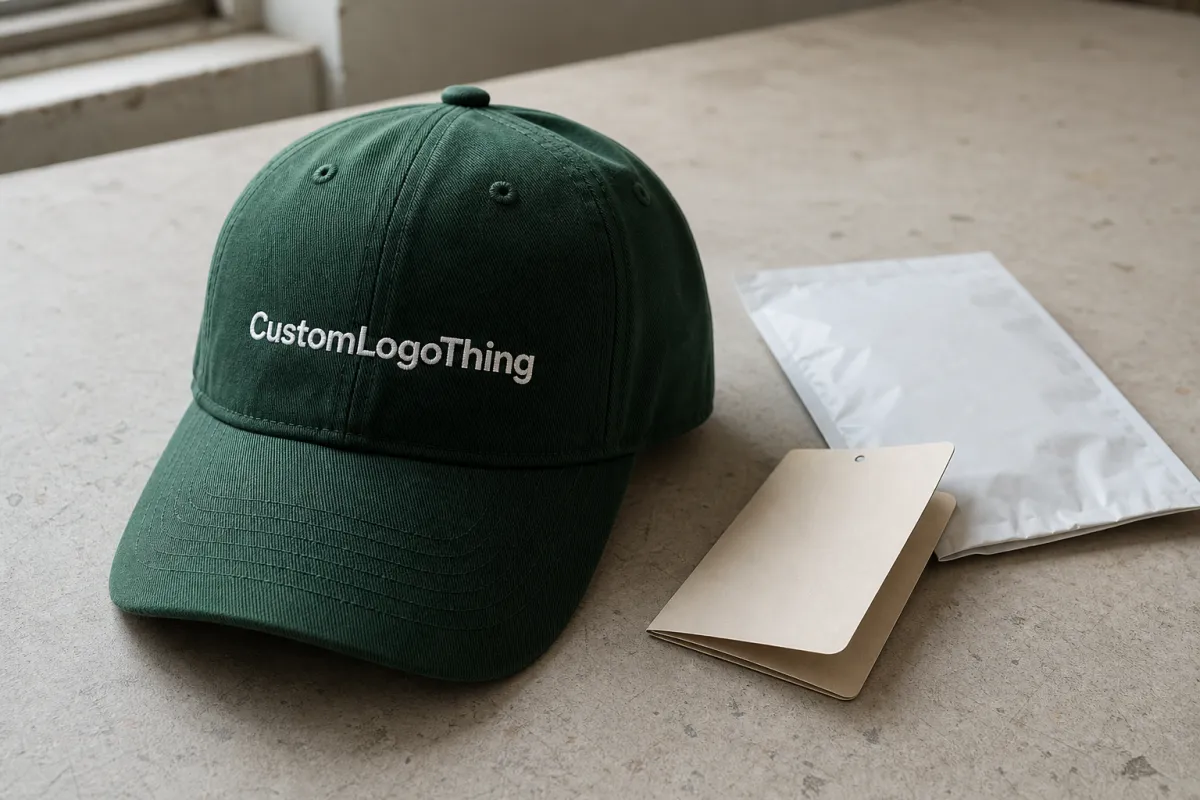
Two caps can look almost identical online and still land in different price bands. A structured front panel costs more than a soft, unstructured crown. A metal buckle costs more than a plastic snap. A larger logo costs more than a small one, especially if the art needs digitizing first. None of that is hidden if you know how to read a spec sheet, but many buyers only see the headline price.
Event orders also carry a timing penalty. A normal merchandise run can absorb delays. Event caps usually cannot. If the sponsor approves artwork late, if the team changes the logo after proofing, or if the final quantity changes after production begins, cost rises quickly. The same order that looked inexpensive on Monday can become expensive by Thursday simply because it needs priority handling.
Freight matters more than many buyers expect. Caps are light, but they often move in cartons that are awkward for small parcel carriers and expensive for last-minute shipments. If the order is split across multiple venues, shipping can erase savings from a cheaper blank cap. The right comparison is total landed cost versus total landed cost.
There is also a difference between caps for people who wear them once and caps for people who wear them all day. Staff and volunteers need better fit consistency, stronger decoration, and less annoyance around the closure. Giveaways can tolerate a simpler build. A buyer who chooses the wrong construction for the audience usually pays twice: once in money and once in complaints.
Choosing the Right Cap Style for Staff, Volunteers, or Giveaways
The cap style affects appearance, comfort, decorating room, and how reliably a logo sits on the front panel. For event teams, the common wholesale options are trucker caps, structured dad caps, snapbacks, performance caps, five-panel caps, and rope caps. Each has a different cost profile and a different failure mode.
Trucker caps are usually the most cost-friendly. Mesh backs reduce material cost and make the cap breathe better, which is useful for outdoor events and volunteer crews. The tradeoff is that they rarely feel as polished as a full-fabric cap.
Structured dad caps sit in a useful middle ground. They have a softer profile than a classic high-crown cap, but the front still holds embroidery well. They work for brand teams, registration desks, and sponsor-facing staff where the cap needs to look intentional without feeling stiff.
Snapbacks are popular for merch drops and younger audiences. They give a sharper, boxier shape and often photograph well. The downside is that oversized logos and tall crowns can make them look more retail than practical.
Performance caps cost more because they usually use moisture-wicking fabric and lighter-weight construction. That can be worth it for outdoor crews, races, and all-day activations. If the team will be outside for ten hours, a cheaper cap that traps heat is not a bargain.
Five-panel and rope caps have gained ground for 2026 brand activations because they feel more retail than basic promo caps. They are especially useful for music events, outdoor festivals, golf outings, and sponsor kits where the cap needs to be kept after the event. They are not always the cheapest option, but they can reduce waste because recipients are more likely to wear them again.
| Cap style | Typical 2026 wholesale range at 100 pcs | Best use | Main tradeoff |
|---|---|---|---|
| Trucker cap | $4.50-$8.00 | Giveaways, casual teams, outdoor events | Less polished for staff uniforms |
| Structured dad cap | $5.75-$9.50 | Staff uniforms, sponsor wear, casual brand teams | More expensive than basic truckers |
| Snapback | $6.00-$11.25 | Merch drops, youth events, bold branding | Boxier fit if the logo is too large |
| Performance-fit cap | $7.00-$13.50 | Outdoor crews, athletics, warm-weather staff | Higher blank cost and fewer low-cost decoration options |
| Five-panel or rope cap | $6.50-$12.50 | Retail-style giveaways, festivals, sponsor kits | Higher style premium and more fit sensitivity |
Closure choice matters more than most buyers realize. Plastic snaps are the cheapest adjustable option. Hook-and-loop is convenient but can feel less refined after repeated use. Fabric straps and metal buckles usually look better and hold their value visually, especially on staff gear.
Fit is not abstract. Caps that look perfect on a mockup can sit awkwardly on actual heads if the crown is too tall or the panel shape is too stiff. A lower-profile cap usually wears more naturally for event teams that move, bend, and talk to people all day.
Decoration Choices That Change the Final Unit Price
Decoration is where pricing becomes less obvious. The blank cap may differ by only a dollar or two, while the decoration method can move the finished cost much more. For event teams, the decoration choice often matters more than the cap body itself.
Embroidery remains the standard option for most event work. It reads well from a distance, lasts through regular wear, and gives staff caps a finished look. A simple one-color embroidery run might add around $1.50-$3.25 per piece at moderate quantities in 2026. Add extra thread colors, larger coverage, or dense stitching, and the cost rises. A one-time digitizing fee of roughly $30-$85 is common.
Digitizing deserves attention. A logo that looks crisp on a presentation slide may be too detailed for a cap front. Fine text, thin lines, and crowded icons often need cleanup before embroidery will hold them properly. If the artwork is not simplified, the result usually looks cluttered.
Woven patches are useful when the logo has small type or fine detail that would suffer under embroidery. Leather patches create a more rugged look, but they are not ideal for logos with tiny text or complicated color changes. Printed decoration can work for short-run giveaways or very simple graphics, but it is usually less durable than embroidery or patch work. For patch-heavy programs, review custom embroidered patches wholesale pricing separately so the cap cost and patch cost stay clear.
Placement also affects cost. Center-front decoration is the most efficient. Side hits, back marks, and brim details can look sharp, but each addition increases setup time and raises the chance of misalignment. A side logo on a staff cap can be worth the extra cost; on a giveaway cap, it often is not.
Artwork cleanup can add hidden cost. A logo built for a banner or shirt does not always translate to a cap. If the front panel is curved and small, the art usually needs simplification before production. Clear edges and readable type matter more at cap size than they do in a full-size mockup.
In recent 2026 quote reviews for event programs, the biggest preventable cost increase has been oversized artwork. Buyers often approve a logo width that looks impressive on a digital mockup, then discover that the stitch count, distortion risk, and production time all rise. Reducing the design by even half an inch can keep custom baseball caps wholesale pricing for event teams in a more predictable range without making the branding look weak.
Wholesale Pricing Breakpoints, MOQ, and Realistic Cost Ranges
Unit price drops as quantity rises, but not evenly. Setup charges get spread across more pieces. Freight per unit usually falls. The biggest practical improvement often appears somewhere between 100 and 250 pieces, depending on cap style and decoration.
For a single-location decorated cap, these 2026 ranges are a realistic starting point:
- 24-49 pieces: roughly $8.00-$15.50 each, because setup is heavy relative to volume.
- 50-99 pieces: roughly $6.25-$11.50 each, with better economy and fewer small-run penalties.
- 100-249 pieces: roughly $5.00-$9.75 each, often the most practical range for event teams.
- 250-499 pieces: roughly $4.25-$8.25 each, especially with one simple decoration location.
- 500+ pieces: roughly $3.75-$7.25 each, assuming standard materials and straightforward branding.
MOQ stands for minimum order quantity. It is the smallest run a supplier can produce without making the economics unworkable. A low MOQ can be helpful, but it does not erase setup costs. It only concentrates them into fewer units. That is why a 24-piece order can cost much more per cap than a 100-piece order even if the blank cap looks nearly identical.
For custom baseball caps wholesale pricing for event teams, the most useful quote format separates the cap body, decoration, digitizing or patch setup, sample cost if needed, freight, rush charges, and replacement units if the supplier charges for extras after approval. A quote that hides these pieces is difficult to trust because it does not show where the money is going.
A few choices keep pricing controlled without damaging the result. Use one decoration location. Keep cap colors consistent. Limit thread colors. Avoid midstream changes after proof approval. If the order includes packaging inserts, gift boxes, or sponsor kit components, quote those separately so they do not blur into the cap budget. For bundled event merchandise, compare cap pricing alongside custom tote bags wholesale pricing for event teams to decide which item should carry the main sponsor mark.
2026 Trends Affecting Event Cap Orders
Event teams are asking for more than a basic logo cap in 2026. Recycled polyester blends, organic cotton options, and lower-impact packaging are appearing more often in sponsor briefs. These materials can add cost, but they also help justify a better cap instead of a disposable giveaway. If sustainability is part of the event promise, the cap should not feel like the cheapest item in the kit.
Retail-style details are also moving into wholesale event orders. Rope fronts, contrast underbrims, tonal embroidery, puff embroidery, and woven label accents are more common than they were in older promo programs. These options can make the cap feel premium, but each added detail should have a purpose. A simple tonal logo on a good blank often looks better than four decorative features fighting for attention.
Data capture is another newer request. Some teams now add a small QR code on a hangtag, inner label, or packaging insert instead of printing it directly on the cap. That keeps the cap wearable while still supporting registration, sponsor offers, or post-event surveys. If QR tracking is required, place it on removable packaging or a card rather than the front panel.
For hot-weather events, lightweight performance caps are replacing basic cotton in more staff orders. The upfront price is higher, but comfort matters when workers are outside for long shifts. In my experience reviewing event merchandise specs, teams are more likely to reorder the same cap when staff feedback is positive after the first event, not just when the invoice was low.
Artwork, Proofing, Production, and Delivery Timing
A cap order usually follows the same path: request, quote, artwork review, proof, approval, production, inspection, shipping. The sequence is ordinary. The problems are ordinary too: late approvals, missing vector files, mismatched colors, and quantity changes after the order is already in motion.
Once the mockup is approved, a typical 2026 production window runs about 10-20 business days. Simple embroidery can move faster than patch-heavy work or multi-location decoration. Rush service may be available, but it usually raises cost and reduces flexibility if a correction is needed.
The approval stage is where many schedules slip. If the logo is still being debated internally, production cannot truly begin. That delay is one reason event cap budgets drift upward: the work itself is not always more complicated, but the schedule gets compressed and the rush fee appears.
Before production starts, confirm the details that actually create mistakes: final quantity, exact decoration placement, thread or patch colors, shipping address, and whether any caps need to split across multiple sites. Split shipments are a practical risk, not just a line item.
For mixed-merch shipments, the ISTA test methods are a useful reference for drop and transit expectations. If the project includes printed cartons or outer packaging, FSC-certified board is a practical option through FSC when sustainability is part of the brief.
What to Verify Before Comparing Suppliers
Price matters, but supplier behavior matters more. The difference between a reliable partner and a quote-only vendor usually shows up in small things: whether the first proof is clean, whether stitch density is explained clearly, whether color notes are acknowledged, and whether the team answers directly about what can go wrong.
Speed is a signal. Fast, clear replies usually mean someone is actually managing the order. Slow, vague replies often mean the team is guessing or waiting for another department to explain the process. That is a problem on event work, where a small miss can turn into a visible failure on the day the caps are handed out.
Ask these questions before you compare pricing:
- How many proof revisions are included before fees begin?
- What happens if the quantity changes after approval?
- Are replacement units included for defects or damaged freight?
- Can the supplier show a clear sample or pre-production checkpoint?
- Are rush charges, remote freight surcharges, or split-ship fees listed up front?
- Can the supplier confirm whether the quoted blank is in stock before payment?
Transparency is easy to test. Request line-item pricing. Ask how long artwork review takes. Ask who signs off on final approval. Ask whether the logo needs simplifying for embroidery. Good suppliers answer directly because those questions are normal. Weak suppliers hide behind broad “starting at” numbers and hope nobody notices the difference later.
Quality control means checking stitch direction, panel symmetry, logo placement, thread tension, closure alignment, and carton labeling before the order leaves production. That is the work that keeps an event from being remembered for the wrong reason. A cap that arrives in the wrong shade of navy is still a mistake, even if the embroidery is neat.
The cleanest way to manage custom baseball caps wholesale pricing for event teams is to quote the use case first and the cap second. Tell the supplier whether the order is for staff, volunteers, VIP kits, sponsor gifts, or public giveaways. That context helps them recommend the right blank, decoration method, and delivery plan instead of quoting a generic cap that may not match the event.
FAQ
How does wholesale pricing change for event-team baseball caps?
Pricing usually falls as quantity rises, but the biggest savings often come from spreading setup costs over more units. Cap style, decoration type, artwork complexity, and freight can move the final price more than the blank cap itself.
What MOQ should I expect for custom caps in 2026?
Many suppliers start somewhere between 24 and 100 pieces, depending on the cap style and decoration method. Lower minimums are possible, but the per-unit cost is usually higher because setup is spread across fewer caps.
Which cap style is usually the cheapest for large event orders?
Basic trucker caps are often the lowest-cost option, especially with simple decoration. Structured caps, premium fabrics, performance materials, and patch-heavy builds usually cost more.
How long does production usually take after approval?
A common window is 10-20 business days after mockup approval. Complex decoration, rush requests, inventory substitutions, or split shipments can extend that timeline.
What file is best for a quick quote?
A vector logo is best. If that is not ready, a clean PDF or PNG can still help start the pricing conversation, but embroidery-ready artwork is usually needed before production.
What usually drives hidden cost on event cap orders?
Artwork cleanup, digitizing, freight, rush handling, split shipments, and post-approval changes are the most common cost surprises. Those are the lines worth checking before you compare a low headline price with a higher all-in quote.
The best cap order is not the cheapest line on the page. It is the one that fits the audience, survives the schedule, supports the event brand, and arrives without scrambling the rest of the budget.

