Private Label Caps Custom Sample Cost: Order Smarter
Private label caps custom sample cost explained with practical price ranges, MOQ expectations, logo options, timelines, specs, and sample approval checks.
Samples Prevent Expensive Cap Mistakes Before Bulk Orders
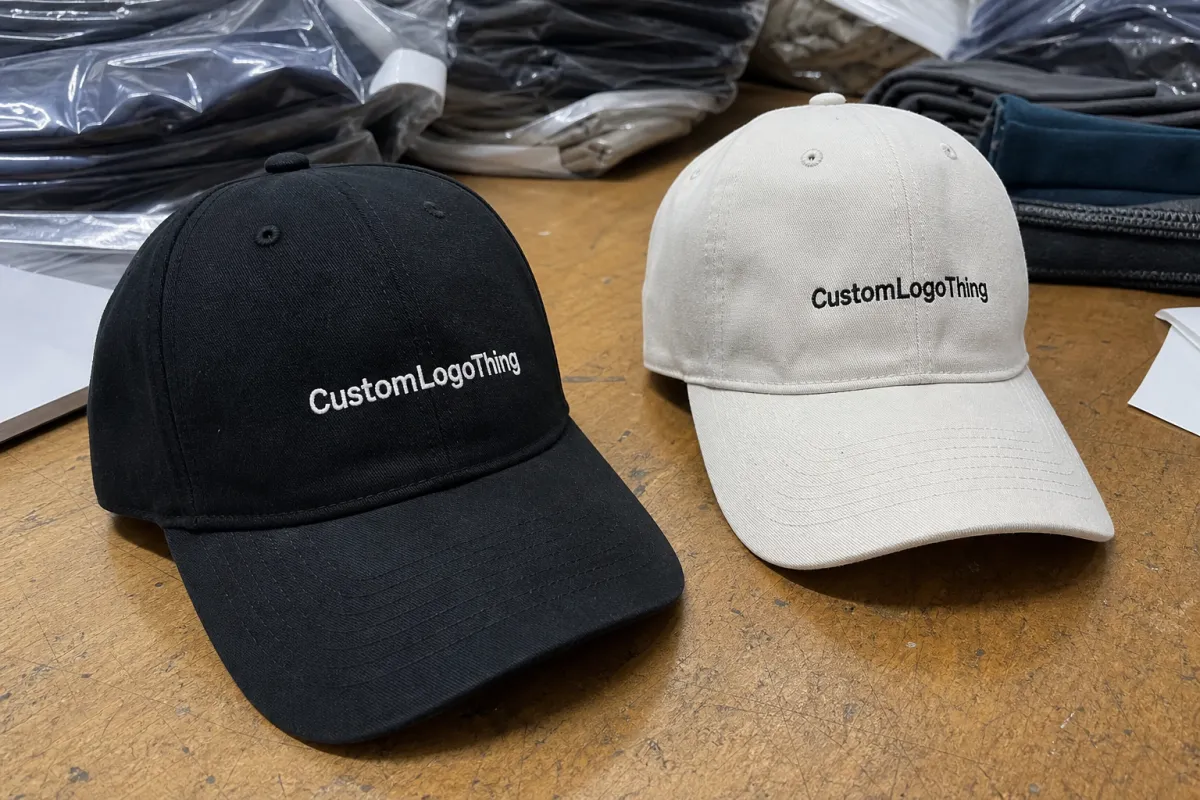
A cap can look sharp in a mockup and feel wrong five seconds after someone puts it on. That is why private label caps custom sample cost should be treated as risk control, not as an annoying extra fee. A physical sample can catch poor crown shape, weak embroidery, wrong thread contrast, flimsy fabric, uncomfortable sweatbands, loose closures, and the kind of cheap finish that does not show up in a polished PDF.
Screen proofs leave out too much. They do not honestly show brim curve, fabric weight, stitch density, panel tension, seam finish, or whether a 3D puff logo looks bold instead of swollen. A paid sample gives the buyer a real cap to handle, wear, photograph, measure, and compare against the intended sales channel.
Private label caps are ordered for merch drops, staff uniforms, retail shelves, golf shops, gyms, breweries, corporate kits, school programs, and event giveaways. Those uses are not the same. A brewery selling a $28 rope cap needs better fabric hand feel and decoration quality than a one-day volunteer event cap. A staff uniform cap needs reorder consistency, comfort, and durability more than novelty details hidden under the brim.
The sample price depends on the cap style, logo method, number of branding locations, label work, packaging, and whether production starts from an existing blank or a fully custom cap build. A $70 embroidered blank sample and a $450 cut-and-sew development sample are not competing versions of the same thing; they represent different amounts of labor, setup, sourcing, and approval work.
Practical buyer rule: if the cap will be sold, worn by staff, photographed for a launch, or packed into retail packaging, approve a physical sample before bulk production. Guessing is not a sourcing strategy.
The real quote begins when the supplier has specs, artwork, quantity, private label requirements, destination, and deadline. Without those details, any price is only a rough bracket.
Cap Styles That Change the Sample Price
Cap style affects sample cost before the logo is even discussed. A basic 6-panel baseball cap with flat embroidery is usually easier to sample than a structured snapback with custom seam tape, a woven patch, a rope detail, and a branded metal buckle. More parts create more handling, more setup, and more chances for small details to drift out of spec.
Common private label cap types include 5-panel caps, 6-panel baseball caps, dad hats, trucker caps, snapbacks, performance caps, rope caps, flat-brim caps, and beanies for cold-weather merch programs. A 5-panel camp cap suits outdoor, streetwear, and event merchandise when the branding is clean. A washed cotton dad hat works well for casual retail, brewery merch, university stores, and low-pressure uniforms. Snapbacks give structure and shelf presence, but the crown has to be shaped correctly or the cap starts to look like a cardboard helmet.
Structured caps usually cost more to sample than Unstructured Dad Hats because the crown uses buckram, controlled panel shaping, and firmer finishing. Unstructured caps are softer and more forgiving, but they are not a free pass for every logo. Fine embroidery on soft washed cotton can pucker if the stitch count is too aggressive or the backing is poorly chosen.
Fabric selection also changes cost and production behavior. Cotton twill, washed cotton, canvas, polyester, nylon, mesh, corduroy, wool blends, recycled fabrics, and moisture-wicking performance materials all react differently to embroidery, patches, heat transfer, and repeated wear. Performance polyester may need different backing and heat settings than cotton twill. Corduroy often pairs better with a patch than tiny direct embroidery. Mesh changes trucker cap structure and comfort, especially for warm-weather staff programs.
Closures should not be treated as an afterthought. Snapbacks are common and cost-effective. Strapbacks with metal buckles tend to feel more retail-friendly. Hook-and-loop closures work for utility, team, and outdoor use, though they rarely read as premium. Elastic fit and fitted sizing require tighter size planning, usually across S/M, M/L, and L/XL or specific fitted sizes. Custom branded closures cost more, but they can make sense when the cap is a retail product and every visible detail supports the brand.
Logo placement can include the front panel, side panel, back arch, underbrim, interior seam tape, sweatband, woven label, hangtag, retail packaging sticker, and carton marks. Each location adds its own setup and approval path. A front logo plus side embroidery plus inside woven label is a different quote than a single front embroidery on a stock blank.
If the cap is for resale, prioritize fit, fabric hand feel, and decoration quality. If it is for uniforms, durability and reorder consistency usually matter more than custom trims. Many buyers should start with an existing cap blank and strong decoration before moving into fully custom construction.
Logo Methods, Labels, and Branding Details Buyers Actually Notice
The logo method can make or ruin the cap. The main decoration options are flat embroidery, 3D puff embroidery, woven patches, printed patches, leather patches, rubber PVC patches, heat transfer, screen print, and sublimation for some performance materials. Each option has its own texture, detail limit, setup cost, durability profile, and production risk.
Flat embroidery is the standard choice for clean logos and simple text. It is durable, familiar, and works well on cotton twill, canvas, and many structured caps. 3D puff embroidery adds height, but it needs bold shapes and enough letter thickness. Thin script in puff embroidery is not premium; it usually becomes a tangled thread problem.
Embroidery cost drivers include stitch count, thread colors, logo size, metallic thread, fine lettering, digitizing, and whether the logo needs special backing. A simple 2.5-inch front logo with about 6,000 stitches is a different job from a 4-inch detailed crest with 14,000 stitches and six thread colors. Digitizing matters because the embroidery machine needs a stitch file, not just a good-looking JPEG. Poor digitizing creates puckering, gaps, uneven edges, and unreadable letters.
Tiny text on a curved front panel is where many cap designs fail. If the smallest letters are under roughly 0.20 inches tall, simplify the art, increase the size, or move that detail to a woven label or patch. A woven patch handles detail better because the logo is produced on a flat surface first, then applied to the cap. That is often the smarter route for crests, mascots, small taglines, and premium retail caps.
Leather patches look strong on outdoor, coffee, brewery, and lifestyle caps, but they have limitations. Fine gradients and delicate linework do not belong there. Rubber PVC patches fit sporty, technical, and youth-focused branding. Printed patches can show more color detail, though they may feel less premium than woven or embroidered patches depending on the substrate. Heat transfers can work on performance caps, but the supplier should confirm wash resistance, heat settings, and fabric compatibility before the sample is made.
Private label details include Custom Woven Labels, printed inside labels, interior seam tape, branded sweatbands, hangtags, barcode stickers, polybags, retail cartons, and bundle packaging. Plan these pieces with the cap quote, not after sample approval. Custom Logo Things also supports related Custom Labels & Tags for buyers who want consistent branding across caps, apparel, and accessories.
Color matching needs a practical review. Thread and fabric can often be matched close to a Pantone reference, but exact matching may require available thread libraries, custom-dyed material, or approvals at higher MOQs. FSC-certified paper hangtags may matter if the packaging makes sustainability claims; buyers can review certification basics through FSC before printing language that needs support. Eco claims should be documented, not guessed.
Every added branding location adds setup time, proofing time, and sample cost. Good details are worth paying for when they support the product, but unnecessary details can make a simple cap slower and more expensive without making it better.
Private Label Caps Custom Sample Cost: What You Pay For
The typical private label caps custom sample cost depends on how much of the cap is being customized. Basic embroidered cap samples may start around $50-$120 per design when using an existing blank and one logo location. Patch caps, multi-location branding, or upgraded private label details commonly land around $100-$250. Fully custom cap development with special fabric, custom closure, interior labels, seam tape, or unique construction can reach $250-$600+.
That spread is normal. It usually means the quotes include different work, not that one supplier found a secret shortcut. A $65 sample might cover one stock cap and flat embroidery. A $375 sample may include custom cut panels, sourcing a specific fabric, making a woven patch, applying branded seam tape, and checking fit before bulk production.
| Sample Type | Typical Sample Cost | Common MOQ | Best For |
|---|---|---|---|
| Stock blank with front embroidery | $50-$120 | 100-300 pieces | Uniforms, events, simple merch, fast reorder programs |
| Patch cap or multi-location branding | $100-$250 | 300-500 pieces | Retail caps, brand drops, breweries, gyms, golf shops |
| Private label cap with labels and packaging | $150-$350 | 300-500 pieces | Retail packaging, branded packaging, hangtag programs |
| Fully custom cut-and-sew cap | $250-$600+ | 500-1,000+ pieces | Streetwear, proprietary fits, custom fabric or trims |
A proper sample quote may include the blank cap or custom cut-and-sew sample, logo digitizing, patch mold or patch setup, thread sourcing, material review, label application, proofing, production labor, quality check, and outbound shipping. Some suppliers include shipping in the sample invoice. Many do not. Ask before paying, because invoice surprises are rarely useful.
Several costs are often separate: bulk freight, import duties, rush fees, major redesigns after approval, extra sample rounds, and full retail packaging unless it is quoted. If you approve a front embroidery sample and later add an inside woven label, branded polybag, and custom printed Boxes for Retail kits, that is new work. The unit cost and timeline will change.
Sample credit policies vary. Some suppliers credit the sample fee toward bulk production once the order meets MOQ. Others charge sample work separately because production labor, materials, and setup time have already been used. Highly custom development is less likely to be fully credited, especially when special trims, fabric sourcing, or multiple approval rounds are involved.
MOQ ranges matter as much as sample price. Branded blank cap orders often start around 100-300 pieces. More involved private label caps with labels, hangtags, or packaging usually start around 300-500 pieces. Custom fabric, custom dye, special closures, or fully custom builds often require 500-1,000+ pieces. Lower MOQs can happen, but they usually push up the unit cost because setup is spread across fewer pieces.
The cheapest sample fee is not automatically the best deal. A low upfront price that hides setup charges, vague bulk pricing, weak materials, or no quality control can become expensive once the bulk order is on the table.
Specs Needed for an Accurate Cap Quote
A serious quote needs more than “send price for hats.” That sentence is not a spec sheet; it is the start of several follow-up emails.
To quote cap samples properly, provide the cap style, structure, panel count, fabric, color, size range, closure, brim shape, logo method, logo size, logo locations, label requirements, packaging needs, destination country, and target delivery date. If there is a target unit cost, share it. A supplier can usually recommend a practical route faster when the budget is visible.
- Cap build: 5-panel, 6-panel, trucker, dad hat, snapback, performance cap, rope cap, beanie, structured or unstructured.
- Material: cotton twill, washed cotton, canvas, polyester, nylon, mesh, corduroy, wool blend, recycled fabric, or moisture-wicking fabric.
- Branding: flat embroidery, 3D puff, woven patch, leather patch, PVC patch, heat transfer, screen print, inside label, seam tape, hangtag.
- Packaging: individual polybag, barcode sticker, carton marks, retail carton, bundle pack, or custom printed boxes for kits.
- Logistics: order quantity, destination, deadline, approval contact, and any retail compliance needs.
Send vector artwork files when possible: AI, EPS, or editable PDF. PNG files can help with early review, but production setup usually needs clean vector art or professional digitizing. If brand colors matter, include Pantone references, thread preferences if known, minimum acceptable logo size, placement references, and spacing rules.
Sample quantity depends on the decision being made. One physical sample is common for approval. Two or three samples make sense when testing different colorways, patch materials, cap fits, or closure options. If five internal stakeholders need to approve one sample, build that handoff time into the schedule.
Digital mockups show layout. Physical samples prove material, stitching, fit, finish, and packaging. Treating them as the same thing is how preventable production issues slip through. Better specs shorten quote time, reduce revision loops, and help the manufacturer suggest cheaper alternatives without downgrading the final cap.
Production Steps, Timeline, and Lead Time Expectations
The usual production path is straightforward, but each step needs approval discipline. Submit specs and artwork, receive the quote, approve the digital mockup, pay the sample invoice, produce the custom sample, review and revise if needed, approve pre-production details, start bulk production, perform QC, and ship.
Digital proofing often takes 1-3 business days after complete artwork is received. Basic physical samples often take 7-14 business days. Custom cut-and-sew samples or specialty trims may take 2-4 weeks, especially if the order includes custom labels, special closures, patch development, or fabric sourcing.
Bulk production timelines vary by build. Branded blank cap orders may take about 2-4 weeks after approval. Private label caps with labels and packaging often take 3-6 weeks. Complex custom caps may take 6-10 weeks depending on materials, quantity, decoration, approval speed, and freight method.
Several issues slow timelines: incomplete artwork, undecided colors, tiny logo changes after digitizing, custom-dyed fabric, too many approval contacts, holiday production schedules, and freight choices. A buyer who changes thread colors three times after sample approval should expect the calendar to move.
Air freight is faster and more expensive. Sea freight is slower but better for larger orders with less urgent deadlines. For retail packaging or display-ready product packaging, shipping cartons should be reviewed for crush risk, labeling, and handling. ISTA testing standards are useful for buyers shipping larger programs or fragile retail kits; see ISTA for package testing context.
A capable supplier should flag risky specs early. Fine logo detail may need to become a woven patch. A private label cap may need to use an existing blank to meet a deadline. A custom closure may be better saved for the reorder once sales volume is proven. That is production logic, not a downgrade.
How Custom Logo Things Keeps Cap Orders Practical
Custom Logo Things keeps cap orders focused on execution: clear quoting, realistic MOQs, sample review, decoration guidance, private label options, and production support from artwork to shipping. Good mockups help, but delivered caps that match the approved sample matter more.
The team can help buyers choose between embroidered blanks, patch caps, and fully private label cap production based on budget, quantity, and deadline. Sometimes the smart move is a stock cap with excellent embroidery. Sometimes it is a custom crown, woven patch, inside label, hangtag, and branded polybag. The order should decide the path, not the desire to make the quote look more elaborate than it needs to be.
Common cap mistakes are preventable when specs are reviewed early: unreadable embroidery, poor logo placement, cheap-looking labels, mismatched thread, weak closures, and packaging that does not fit the sales channel. A cap going into a retail bundle may need barcode stickers, carton marks, and presentation packaging. A staff uniform cap probably needs durability, consistent reorder specs, and a clean logo that still looks sharp after regular wear.
Customization support can include woven labels, hangtags, branded polybags, carton marks, retail-ready presentation, and repeatable specifications for future reorders. Buyers also sourcing coordinated product packaging can review broader Custom Packaging Products so caps, labels, boxes, and inserts feel like parts of one brand system.
Quality control checkpoints should be built into the order. Artwork review catches layout and file issues. Sample approval confirms physical construction. Production confirmation locks key specs. Decoration inspection checks embroidery, patches, labels, and placement. Packing review confirms polybags, cartons, quantities, and marks. Shipping coordination keeps the final delivery tied to the in-hands date.
If the quantity, deadline, and artwork direction are ready, quoting can move quickly. If those details are still undecided, the team can narrow the options, but the final sample cost still needs real specs.
Next Steps Before Requesting a Cap Sample Quote
Prepare a short quote brief before contacting the supplier. Better information leads to better pricing, faster answers, and fewer vague “it depends” responses. Some details really do depend on the specs, but a clear brief keeps the discussion practical.
- Choose the cap style or share reference photos.
- List the quantity range, such as 100, 300, 500, or 1,000 pieces.
- Send the logo file, preferably AI, EPS, or editable PDF.
- Pick a preferred logo method or ask for two options.
- Confirm the number of logo and label locations.
- State private label needs, including woven labels, hangtags, seam tape, or branded sweatbands.
- Describe packaging needs, from polybags to retail cartons.
- Provide destination, in-hands date, and target budget if available.
Decide what matters most before quoting: lowest unit cost, premium retail feel, fast delivery, exact brand color, or reorder consistency. Not every priority can sit in first place. Materials, labor, setup, freight, and approval time all have limits.
If the best route is unclear, ask for two quote paths. One practical option can use existing blanks with strong decoration. The second can show a higher-end private label option with custom trims, labels, and packaging. That comparison makes the tradeoff clear before money is spent on sample development.
Ask for the sample cost, sample lead time, bulk MOQ, estimated bulk unit cost, setup charges, shipping estimate, and whether the sample fee can be credited to production. Get those answers before approving the sample invoice.
Private label caps custom sample cost makes sense when it protects the bulk order, confirms the cap in hand, and gives the buyer real numbers before production starts.
FAQ
What is the typical private label caps custom sample cost?
Basic embroidered cap samples often range from $50-$120 per design. Patch, multi-location, or upgraded private label samples often range from $100-$250. Fully custom cap samples with special fabric, closure, labels, or construction can run $250-$600+. Shipping, rush fees, and extra revision rounds may be separate.
Can the custom cap sample cost be credited toward my bulk order?
Sometimes, especially when the order meets the quoted MOQ. Credit policies vary by supplier, decoration method, and sample complexity. Ask before paying the sample invoice so the rule is clear. Highly custom development work is less likely to be fully credited because setup labor and materials have already been used.
What MOQ should I expect for private label caps?
Simple branded blank cap orders may start around 100-300 pieces. Private label caps with woven labels, hangtags, or custom packaging commonly start around 300-500 pieces. Fully custom caps with special materials, custom dye, or proprietary trims may require 500-1,000+ pieces. Lower MOQs usually mean higher unit costs.
How long does a custom cap sample take before bulk production?
Digital mockups usually take 1-3 business days after complete artwork is received. Basic physical samples often take 7-14 business days. Complex private label or cut-and-sew cap samples may take 2-4 weeks. Bulk production starts only after the buyer approves the final sample and production specs.
What files and details do I need for a private label cap quote?
Send vector artwork if possible, such as AI, EPS, or editable PDF. Include cap style, quantity, fabric preference, color, closure type, logo size, logo locations, and packaging needs. Provide Pantone colors if brand color accuracy matters. Share the destination and deadline so shipping and lead time can be quoted realistically.


