Why Pet Treat Brands Should Sample Dad Hat Materials First
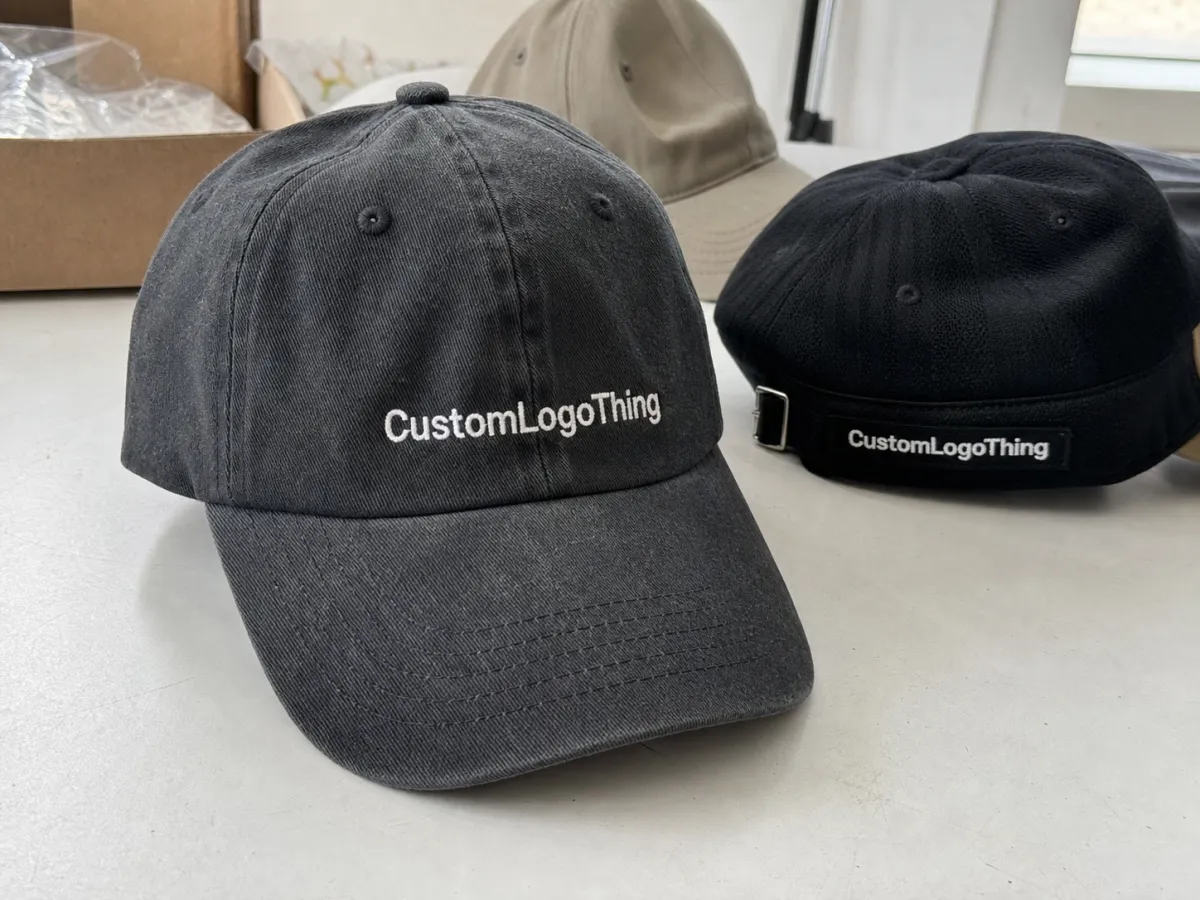
A cap at a farmers market gets handled, adjusted, photographed, and judged more often than the treat pouch sitting on the table. That is the practical reason to use a pet treat Unstructured Dad Hats material sample guide before approving branded headwear from a screen image. A hat is not a tiny side project if it sits on staff, goes into buyer kits, or becomes part of an event display.
Pet treat brands sell snacks, but they also sell trust. Clean ingredients, careful handling, warm design, and a clear promise around animal safety all work together. A flimsy cap can quietly weaken that message. So can a stiff, generic cap that looks like a contractor giveaway while the treat pouch uses soft-touch film, tidy labels, recycled board, or a carefully restrained color palette.
I would handle a dad hat sample with the same seriousness a buyer brings to packaging proofs. Nobody thoughtful approves a retail pouch without checking texture, print clarity, seal alignment, color, and shelf presence. Headwear deserves the same kind of physical review. It has a hand-feel. It has structure. Its front panel either supports the logo or wrinkles around it like a tired shipping carton.
The core decision is simple, but not easy. Unstructured Dad Hats are soft, low-profile, and casual enough for adoption events, pet retail demos, delivery drivers, wholesale appointments, and staff uniforms. Still, the final impression changes quickly based on fabric weight, crown collapse, sweatband quality, closure hardware, and decoration method. A washed cotton twill cap with flat embroidery feels different from a canvas cap with a woven patch, even if both use the same logo file.
Good sampling answers specific questions before money gets trapped in production. Does the fabric breathe during a four-hour booth shift? Does the brim hold a clean curve after being packed in a tote? Does the logo sit too high on the crown? Will the color turn muddy beside corrugated displays, kraft labels, or beige treat cartons? Better to discover those answers with one or two samples than with 500 finished hats stacked in the office.
How Unstructured Dad Hat Materials Change Fit, Feel, and Brand Perception
An unstructured dad hat is a low-profile cap without stiff front panels. It sits naturally on the head instead of holding a rigid billboard shape. That relaxed shape is the appeal: wearable, familiar, and less promotional than a high-crown trucker cap.
Material does most of the talking. Washed cotton twill is the familiar choice because it is soft, flexible, and easy to wear. Brushed cotton has a warmer hand-feel and can look slightly more refined, especially in muted colors. Canvas is tougher and more dimensional, though it can read as outdoor or workwear. Pigment-dyed cotton gives a vintage, slightly sun-faded look. Cotton-poly blends usually recover shape better after packing, shipping, and repeated wear.
Those differences matter because pet brands often borrow visual cues from food packaging. A limited-ingredient biscuit brand may want the same gentle tone used on biodegradable packaging, kraft paper labels, or FSC certified cartons. A trail-snack brand for dogs may benefit from canvas, olive, rust, and heavier stitching. One direction says kitchen counter. The other says muddy trailhead.
Logo execution changes with the base material. Embroidery can pucker on lightweight cotton if the stitch count is high or the backing is wrong. Patches need enough panel stability to avoid sagging. Heat transfers can look awkward on heavily washed fabrics because the surface feels broken-in while the graphic feels new and plastic. A fabric swatch helps, but it cannot fully predict how a logo behaves on a curved, soft crown.
Think about where the cap lives. Staff may wear it during packing shifts, delivery routes, weekend markets, rescue fundraisers, or retail sampling days. A hat that feels fine for ten minutes in an office may feel hot after three hours under a tent. Sweatband quality matters. Crown depth matters too, especially for teams with different head shapes, hair volume, and comfort preferences.
Promotional headwear also tends to outlast printed collateral. A sell sheet may survive one buyer meeting. A decent cap can stay in a car, on a leash hook, in a mudroom, or beside the back door for months. That longer use cycle makes material choice more consequential than a one-day giveaway.
Key Sample Factors: Fabric Weight, Crown Shape, Closure, and Logo Method
Sample review should be physical, structured, and a little skeptical. Do not stop at, “Do we like it?” That question produces color opinions, not production decisions. Build a scorecard with categories real buyers can compare: hand-feel, crown behavior, brim curve, stitching, sweatband, closure hardware, color accuracy, and decoration compatibility.
Fabric weight is the first filter. Too thin, and the cap can feel like disposable event merch. Too heavy, and it may feel hot or too workwear-inspired for a friendly treat brand. Many cotton dad hats sit roughly in the 180-280gsm fabric range, though suppliers do not always disclose the number unless asked. Ask anyway. Buyers who request specs usually get more useful answers.
Test crown collapse instead of guessing. Place the hat on a table. Wear it. Photograph it from the front, side, and three-quarter angle. Look closely at the front panel around the logo area. If the fabric folds through the center of the mark, embroidery may exaggerate the wrinkle. If the crown sits too tall, it may stop feeling like a dad hat and start looking like a standard promo cap.
Closures deserve more attention than they get. A brass buckle with a fabric strap feels retail and giftable. A simple fabric strap is classic. Hook-and-loop is practical for staff uniforms, especially where quick adjustment matters, but it can look less premium in customer kits. Snapback closure can work on some relaxed caps, yet it often conflicts with the soft dad-hat mood.
Color sampling is another trap. Natural cotton, tan, sage, washed navy, rust, and charcoal can shift dramatically under warehouse LEDs, outdoor market tents, and phone cameras. A pouch color translated directly to cotton may become dull because fabric absorbs light differently than printed film or coated board. If your brand uses post-consumer waste paperboard, uncoated cartons, or recycled materials, review the hat beside those items instead of against a blank white desk.
Decoration method should follow the material, not fight it. Flat embroidery works well for simple wordmarks and small icons. 3D puff usually looks wrong on relaxed caps because raised foam asks a soft crown to behave like a structured panel. Woven patches can rescue detailed pet mascots, ingredient icons, or tiny type. Leatherette patches can support a premium rustic treat position, but scale, edge finish, and attachment quality need physical approval.
| Material Option | Typical Brand Signal | Logo Compatibility | Common Cost Impact |
|---|---|---|---|
| Washed cotton twill | Soft, familiar, approachable | Good for simple flat embroidery | Often baseline to moderate |
| Brushed cotton | Warmer, slightly more premium | Good for embroidery with controlled stitch density | Usually slightly above basic twill |
| Canvas | Durable, outdoor, trail-friendly | Strong for patches and bold embroidery | Moderate to higher depending on weight |
| Pigment-dyed cotton | Vintage, worn-in, boutique | Best with simple logos or woven patches | Higher if dye effects are specialized |
| Cotton-poly blend | Practical, shape-retaining | Usually stable for embroidery and patches | Varies by blend and finish |
Sampling rule: if the cap cannot make the logo look clean from six feet away, it is not ready for a trade show table, a rescue event, or a wholesale buyer kit.
Process and Timeline: From Material Swatch to Approved Cap Sample
A clean sample process starts before anyone picks a color. Confirm the use case first. Staff uniform? Retail gift? Subscription box insert? Influencer kit? Wholesale meeting leave-behind? Each use case changes the acceptable material, cost, packaging, and decoration decision.
The practical flow is straightforward: confirm the campaign purpose, shortlist two or three material directions, review blank cap samples or fabric swatches, choose the logo method, approve a digital mockup, produce a decorated pre-production sample, then approve bulk production. It sounds ordinary because it is. It also prevents expensive surprises.
A material sample and a finished decorated sample do different jobs. Swatches answer fabric questions: softness, color, weight, surface texture. Blank caps answer fit and construction questions. Decorated samples reveal logo scale, stitching tension, patch placement, thread color, and overall retail feel. For this reason, a pet treat unstructured dad hats material sample guide should push buyers toward both types of evidence, because one sample rarely answers everything.
Timelines depend on artwork readiness, blank availability, sample shipping, decoration setup, buyer review, and revision loops. A simple blank review may take only a few business days once samples are available. A decorated sample can easily require 7-15 business days after proof approval, then more time for shipping and internal review. Not always, but often enough that seasonal campaigns should not treat hats as a last-minute add-on.
Pet treat launches tend to have fixed external dates: adoption partnerships, subscription box drops, retailer sell-in meetings, market weekends, and holiday gifting windows. Build review time around those dates. If the cap supports a retailer meeting, the approved sample should arrive early enough for photography, packing, and a backup decision if the first sample misses.
Delays usually come from ordinary friction. Low-resolution logos. Late color changes. Unclear quantity. A team that cannot decide between sage and washed navy. Missing shipping details. No answer on individual bagging, hangtags, or retail stickers. If the hats will ship with packaging made from corrugated cardboard or cartons carrying FSC certified claims, ask whether the cap packaging needs to match that sustainability story.
Industry standards can be useful guardrails even outside formal packaging tests. For transport and drop testing context, the International Safe Transit Association publishes widely used distribution testing protocols. For fiber sourcing claims, the Forest Stewardship Council is a key reference. A cap project may not need formal ISTA testing, but the mindset helps: define the handling conditions before approving the product.
Cost, MOQ, and Unit Cost Variables Buyers Should Ask About
Dad hat pricing is rarely just the blank cap price. The real unit cost combines material, decoration, setup, sample fees, quantity, shipping, packaging, and revision risk. A quote that looks cheap at first can become ordinary once embroidery setup, patch minimums, rush freight, and individual bagging are added.
For rough planning, basic custom unstructured caps may land around $6-$12 per unit at moderate quantities. Premium fabric, specialty dye effects, patches, custom labels, or lower quantities can push projects into the $12-$22 range or higher. Small runs often cost more because setup charges spread across fewer units. A 72-piece event order and a 500-piece retail gift order are different economic animals.
Cost drivers are predictable. Premium washed cotton costs more than a generic cotton blend. Specialty pigment dye adds complexity. Metal closures cost more than basic hook-and-loop. Woven labels, inside seam tape, custom sweatbands, and retail hangtags add line items. Embroidery cost can rise with stitch count, logo size, thread changes, and backing requirements.
Patches deserve a separate look. A woven patch may cost more upfront than simple embroidery, but it can solve detail problems for pet mascots, ingredient badges, or small typography. Leatherette patches can create a polished rustic look, especially beside kraft paper packaging or natural treat flavors, yet edge quality and adhesive or stitching method must be checked. Cheap patches make expensive treats look less credible.
Sample economics can feel irritating. Paying for a physical sample may seem slow, especially if the project is “just merch.” But the math is cold. A $50-$150 sample or setup charge is usually cheaper than receiving 300 caps with puckered embroidery or a logo placed half an inch too high. Small pre-production checks protect much larger purchase orders.
Ask for itemized quotes instead of one blended number. Buyers comparing promotional suppliers, agencies, and direct manufacturers need to see what is actually included. A lower unit price may exclude freight. A higher quote may include better caps, logo setup, individual polybags, or retail tagging.
- Quantity tiers: request pricing at 72, 144, 288, 500, and 1,000 units if those volumes are realistic.
- Material and color: specify washed cotton, brushed cotton, canvas, pigment-dyed cotton, or blend rather than asking for “nice dad hats.”
- Logo details: provide logo size, thread colors, patch dimensions, and whether small text can be simplified.
- Packaging needs: confirm individual bagging, hangtags, stickers, or cartons if hats ship to retailers or event sites.
- Delivery deadline: include the ship-to destination and the real in-hand date, not just the event date.
Common Sampling Mistakes That Make Pet Merch Look Disposable
The biggest mistake is approving a cap from a digital mockup without checking how the front panel behaves when worn. A flat mockup is tidy because gravity, fabric tension, and human heads are absent. Real caps have folds. Soft crowns move.
Logo overloading comes next. Pet treat packaging may carry a mascot, flavor name, protein callout, net weight, claims, badges, feeding cues, and maybe a QR code. A dad hat cannot carry that much information. It needs a simplified mark that reads at walking distance. If someone has to lean in to understand the logo, the artwork is doing packaging work on a hat-sized canvas.
Choosing the cheapest fabric by default is another quiet error. Lightweight caps can undermine premium treat positioning, especially for brands selling limited-ingredient, organic, freeze-dried, or human-grade products. The contradiction is subtle but real: a $14 bag of treats paired with a limp giveaway hat sends mixed signals.
Color mismatch deserves more suspicion than it usually gets. A pouch color may look beautiful on coated film, then turn flat on cotton. Sage can become gray. Rust can become orange. Cream can become dingy beside white retail shelving. Review samples in indoor office light, outdoor event light, and on phone camera, because social posts often become the second life of promotional headwear.
Closure choices can also pull the brand in the wrong direction. Hook-and-loop may be practical for staff at dusty packing stations. It may feel wrong in a wholesale buyer gift box. Brass buckles, fabric straps, and metal slides tend to feel more retail, while plastic hardware can drift toward giveaway territory unless the rest of the cap is strong.
One-size assumptions are risky. Unstructured caps are forgiving, but crown depth and strap range still affect comfort. Try the sample on several people. Include different hair styles and head sizes. If the front panel floats above the forehead or collapses into the logo, the cap will not get worn often.
Internal wear testing is simple and underused. Have staff wear the sample for half a day while packing orders, running errands, or setting up a mock booth. Ask for blunt feedback: hot, scratchy, shallow, too floppy, good brim, awkward buckle, logo too loud. Honest comments before production are useful. Polite silence after delivery is expensive.
Build a Sample Brief Before You Request Hats
A good sample brief does not need to be long. It needs to be specific. Start with the campaign purpose, target quantity, deadline, delivery location, and audience. Then choose two or three material directions, simplify the logo, decide the preferred decoration method, and request samples with clear approval criteria.
Create a side-by-side comparison sheet. Use columns for fabric, color, crown shape, logo method, closure, estimated unit cost, MOQ, lead time, packaging, and reviewer notes. This keeps the decision from becoming a vote for someone’s favorite color. It also helps purchasing teams explain why a slightly more expensive cap may be the lower-risk choice.
Review samples beside the pet treat packaging they need to complement. If the brand uses kraft paper labels, recycled materials, or a natural pouch palette, the cap should feel connected without copying the packaging too literally. If the brand has sustainability claims, keep claims accurate. A cotton cap is not automatically sustainable because it looks earthy; sourcing, dyeing, packaging, and shipping all matter.
Narrow the options with hard filters. Eliminate any cap that feels flimsy, distorts the logo, clashes with the pouch design, misses the required in-hand date, or cannot meet the needed MOQ. Then compare the remaining options on feel and brand fit. Two good choices are manageable. Six half-good choices create delay.
Once approved, photograph the final sample in natural light, on-head, flat on a table, and beside the treat packaging. Store the specs: material, color name, thread references, logo size, decoration file, closure type, supplier quote, approval date, and packaging instructions. Reorders become cleaner when the approved cap is documented like a packaging standard, not remembered as “that green hat we liked.”
Pet brands often underestimate how much trust a soft object can carry. A well-sampled dad hat can become staff uniform, customer gift, retail conversation starter, and proof that the brand notices details beyond the treat bag. The real goal is not to make more merch. It is to make an object that feels consistent with the care already built into the product.
FAQ
What should a pet treat brand look for in unstructured dad hat material samples?
Check fabric weight, softness, crown collapse, brim shape, sweatband comfort, closure quality, and whether the material supports your logo method without puckering or distortion. Review the sample beside your pet treat packaging so the cap feels like part of the same brand system, not a disconnected giveaway.
How many material samples should I compare before ordering custom dad hats?
Compare at least two or three realistic options, such as washed cotton twill, brushed cotton, and canvas. A single sample gives you no benchmark. Keep the set small enough that decision-makers can judge real tradeoffs in cost, feel, color, and decoration quality.
Does this material sample guide apply to embroidered logos?
Yes. Embroidery is one of the main reasons to sample because relaxed cotton panels can pucker if the stitch count, backing, or logo size is not adjusted. For detailed pet mascots or small text, ask whether a woven patch or simplified embroidery file will produce a cleaner result.
What affects the cost of custom unstructured dad hats for pet treat promotions?
The main cost factors are order quantity, material choice, cap construction, closure type, decoration method, stitch count or patch type, setup charges, sample fees, packaging, and shipping. Ask for quantity breaks and an itemized quote so you can see whether a higher MOQ meaningfully lowers the unit cost.
How long should I allow for dad hat samples before a pet product launch?
Build in time for material review, artwork preparation, mockup approval, decorated sample production, shipping, internal feedback, and possible revisions. Start earlier if the hats support a retailer meeting, adoption event, subscription box drop, or seasonal pet treat campaign with a fixed deadline.


