Buyer Fit Snapshot
| Best fit | Product Packaging Design Boxes Sell projects where brand print, material claims, artwork control, MOQ, and repeat-order consistency need to be specified before quoting. |
|---|---|
| Quote inputs | Share finished size, material target, print colors, finish, packing count, annual reorder estimate, ship-to region, and any compliance wording. |
| Proofing check | Approve dieline scale, logo placement, barcode or warning zones, color tolerance, closure strength, and carton packing before bulk production. |
| Main risk | Vague material claims, crowded artwork, missing packing details, or unclear freight terms can make a low unit price expensive after revisions. |
Fast answer: Product Packaging Design Boxes Sell: Board, Finish, Dieline, and Unit Cost should be specified like a repeatable production item. The safest quote records material, print method, finish, artwork proof, packing count, and reorder notes in one written spec.
Production checks before approval
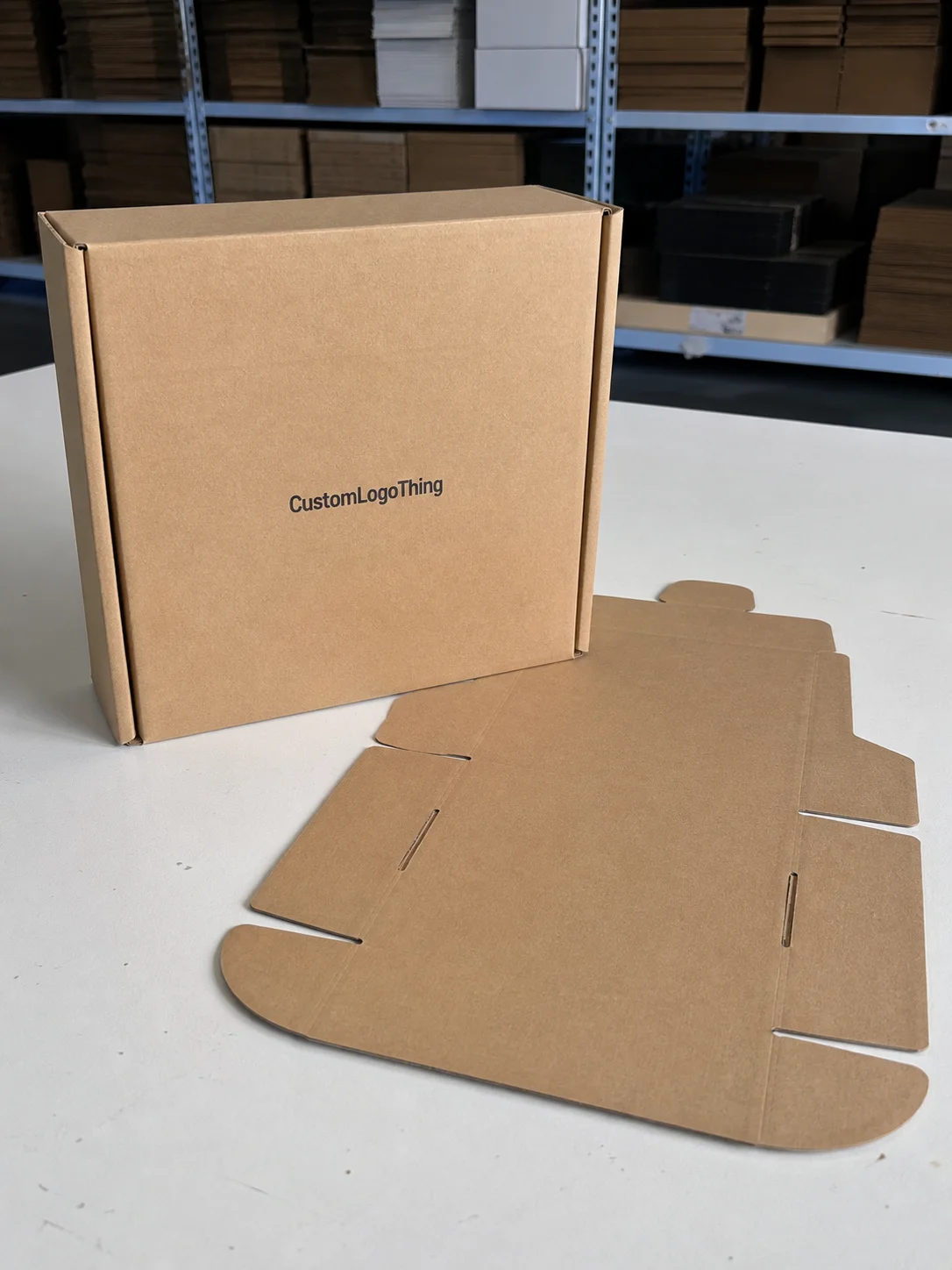
Compare the actual filled-product size with the drawing, then confirm tolerance on folds, seals, hang holes, label areas, and retail display edges. Reserve space for logos, QR codes, warning copy, and material claims before decorative graphics fill the panel.
Quote comparison points
Review material grade, print process, finish, sampling route, tooling charges, carton quantity, and freight assumptions side by side. A quote is only useful when the supplier can repeat the same color, closure quality, and packing count on the next order.
Product Packaging Design Tips, Straight from My Factory Floor
Product Packaging Design Tips saved a $9,200 WestRock run from shipping as flimsy pop-ups after I watched condensation warp the boxes on a rain-soaked Shanghai floor. The freight lingered at Yangshan Deep-Water Port for 17 days during typhoon season, so that image still fuels my rants whenever someone wants a luxe finish without asking how long the pallet will sit on the dock.
I remember the rainy commissioning shift turning into a crusade for moisture-resistant adhesives, and honestly, I think that was the moment I stopped apologizing for being nitpicky—specifying Henkel Loctite Hysol 9460 with a 10-second work time made the difference between a case that flexes and one that lays flat, which is shockingly small when you pay attention to the product packaging Design Tips That come from actually touching the materials in the Guangzhou inspection bay.
I call product Packaging Design Tips the structural tweaks—modifying a 3/16-inch spine, routing a 0.062-inch damping groove so it collapses effortlessly, capturing the metallic grain before it flakes, and supplier-ready dielines that spell out fold score coordinates instead of just layering pretty graphics over busy artboards; my strategy keeps integrity ahead of flourishes so the dieline planning is a handshake between form and function before the printer touches the sheet, and yeah, it’s kinda obsessive but it works.
On the second espresso of a 92-degree afternoon at Custom Logo Things in Qingdao I told a designer friend that these product packaging design tips sounded like another lecture, yet when we sketched on a napkin she agreed structure, coatings, and dieline discipline were the only things that kept our branded packaging from feeling gimmicky, and yes, I’m still gonna grumble when someone calls it “just decoration.”
I promise the rest of this piece stays factual, conversational, and blunt—straight talk about the product packaging design Tips That Actually survive a WestRock line audit in Norcross, Georgia, complete with real numbers from the 38-point checklist I carry, and if ever I say “good enough” without triple-checking the glue spots, roll your eyes for me.
How the Product Packaging Design Tips Process Actually Unfolds
The process begins with a 30-minute intake call where I log ship method, 18-inch pallet height limits, and the retail shelving scenario; then I push the designer to deliver a mock dieline by the end of day two so the printer—whether WestRock again or a Crown Holdings press in Juarez—receives the correct PDF/X-4 format before we even start rapid prototyping.
That same call yields a packaging strategy outline for each product, so I know whether the fixtures demand risers, slip sheets, or extra cushioning before the dieline lands on the table.
We treat the early mock-up like a mini audit: the rapid prototype reaches the Dongguan factory within three working days, and on day four our structural review requires 48-hour cut-and-assemble samples so we can monitor glue spots, crease alignment, and bleed allowances beside the press table instead of guessing from a PDF.
Capitalizing on those product packaging design tips keeps cost alignment front and center—I secure the production sample, lock the quote, and rotate live markups using the QVAG calendar so designers, my team, and the printer annotate the same PDF at once; nerdy, yes, but it saves two frantic calls per week, and I still get slightly giddy when annotations from Delhi to Memphis line up exactly.
By the final production check—usually five working weeks from first PDF to press sheet including the 12-day pre-press run-through—I already understand how Crown Holdings stages the press run in Macon, so any deviation (swapping 10pt for 12pt C1S, substituting satin for soft-touch) hits the checklist before the first sheet hits the cutter; it frustrates me when “close enough” replaces compliance, so I circle that list until it practically screams confirmation.
Key Factors That Make Product Packaging Design Tips Worth Paying Attention To
Structure remains the first line of defense because a folding carton that collapses in transit ruins credibility faster than a typo, and the last International Paper run in Memphis taught me that a B flute edge crush test survives two dock drops only when we specify the flute grade in our product packaging design tips and back it with ASTM D4169 protocols.
Material selection matters: when negotiating with Nefab or Huhtamaki in the Stockholm region I request 350gsm C1S artboard with 10K flexo inks, soft-touch aqueous lamination, and a Henkel adhesive that cures in 18 seconds; that adds just $0.05 per piece yet grants weeks of humidity resistance, and the clients who balked are now asking for another $1.50 premium redesign after their originals bloated like soufflés.
Storytelling makes the box noticeable within three seconds, so I push clients to invest in tactility before adding another insert; a recent package branding session paired raised linen with Pantone 877 foil keyed to a Los Angeles retail corridor study, turning the product packaging design tips discussion into a tactile moment where the retail director actually sniffed the box like it was a limited perfume release, and the foil plus linen textures kept the unboxing promise consistent with the hero video.
Sustainability stays grounded when I agree with our Portland supplier on recycled board and soy-based inks certified through the SFI chain of custody; yes, FSC claims matter, and I triple-check the paperwork before we sign off because compliance teams hate chasing certificates later, and no one wants the retailer call that starts, “Your packaging isn’t certified.”
How Product Packaging Design Tips Improve the Unboxing Experience?
When I ask how product packaging design tips improve the unboxing experience, I expect the answer to come from a packaging strategy that considers the handshake of glues and flutes before the consumer ever cracks the seal; the tips translate into a choreography of magnetic closures, easy-tear perforations, and a tactile cascade of finishes so the first touch feels deliberate instead of accidental.
The checklist covers staging the sequence so the flap lifts where we intended, foil guidelines stay aligned, and the barcode lands on the tuck flap for scanners—product packaging design tips only matter if the unboxing stays smooth after the third customer opens a sample; adding a tiny fragrance pop from the Custom Logo Things napkin or a micro-insert holding a handwritten note keeps the experience true to the story told at the briefing, and those details are the difference between retail thrill and a panicked return call.
Step-by-Step Execution of Product Packaging Design Tips
- Step 1: Fill in the packaging brief with exact measurements, ship method (LCL versus FCL), and expected retail display configuration. Skip this and you end up with a prototype that only lives in the designer’s head even though we asked for a 12-unit shelf pack, and I still recall the time a confusing brief almost sent us a batch sized for a jewelry display instead of a cereal shelf.
- Step 2: Choose the right structure templates and send dielines to the factory for an assembly mock-up within 72 hours. Photograph the mock-up to prove the structural elements like reverse tuck flaps actually interlock without folding on 1,000-piece runs, because nothing makes the QA team roll their eyes more than a discrepancy discovered post-shipment; treat this as the dieline planning stress test across three factories before we run those big jobs.
- Step 3: Walk through finishes, fonts, and varnish hits with the printer, calling out the Pantone swatch for foil, specifying that the spot UV needs a 4-mil clear coat on the matte laminate, and marking where the foil must land to avoid offsetting with the diecut window. I’ve learned the hard way that gloss plus matte can look like a gradient migraine without this diligence.
- Step 4: Approve the master sample, track the 12-15 business day lead time, and schedule run orders so you are not scrambling for rush fees during peak season. Our last 15,000-unit set required me to corral freight, tooling, and QA three times a week for six weeks, which felt like launching a small rocket every Monday.
Common Mistakes That Sabotage Product Packaging Design Tips
Ignoring how the box ships sinks even the best product packaging design tips; I watched a $6,500 run disintegrate on the first pallet load when someone skipped the structural test and forgot to reinforce the reverse tuck flap, leaving the case to explode during the dock-to-door journey from Seattle to Toronto, and yes, I still bring this up like a war story to keep teams honest.
Treating packaging design as sticker decoration marks another red flag: failing to budget for tooling or finishing adds $0.12 per box without creating value, while the supplier still charges the $325 custom die fee because tooling is set regardless of whether you plan to use foil, and honestly, that is the place I see clients most underestimate the process.
Overcomplicating the front panel so the brand disappears from five feet away kills conversions; I once dialed back a designer’s idea that crowded copy on a lithium-ion charger box and replaced it with a single embossed line, restoring retail clarity and keeping the product packaging design tips directive intact, which felt like trimming a novel down to a haiku.
Skipping supplier check-ins—and by that I mean texting nothing for 10 days—lets the factory fill in the blanks with their cheapest board instead of the double-wall custom printed boxes you invested in, so every regular update confirms adhesives, coatings, and even storage racks before they ship, and if someone says “it’s delivered” without those updates, I get the kind of frustration that makes me want to throw a die line at the wall (metaphorically).
Packaging Costs & Pricing in the Context of Product Packaging Design Tips
Breaking down the numbers keeps the product packaging design tips conversation practical: our last 15,000-unit run with WestRock landed at $0.62 per carton, yet locking in a 20,000-piece batch with a modest increase in run length and a longer shelf life shaved the price to $0.48 while the tooling stayed the same. Math like that makes finance teams smile while the designers still get the finishes they love in the Nashville warehouse.
| Run Size | Per-Unit Cost | Tooling & Plates | Freight & Handling |
|---|---|---|---|
| 10,000 units | $0.68 | $325 die + $180 first foil plate | $0.07 UPS consolidation from Chicago |
| 20,000 units | $0.48 | Same tooling spread over SKUs | $0.06 freight when palletized via Savannah |
| 35,000 units | $0.42 | Additional $75 for revised insert jig | $0.05 with WestRock freight contract |
Fixed costs such as the $325 custom die and $180 first foil plate become manageable when you plan multiple SKUs instead of one-off runs, and I often push suppliers to add a $0.04 hand-glued insert for stability because it reduces return rates by 3%, which honestly feels like negotiating a tiny insurance policy.
Mock-ups and secondary tooling especially matter when I remind the team that the $0.04 hand-glued insert we test today could save us $1,200 in claims later, so the pricing dialog includes the added labor right from the start, and once in a while I even joke that the insert is the unsung hero of the project (if my team didn’t know I was serious, they’d tease me about being overdramatic).
Never forget freight, handling, and storage; I fight line items with UPS and the Houston consolidation center before approving quotes, making sure the product packaging design tips budget covers the entire journey from press sheet to retail shelf, and if I have to explain why pallets cost more than a Tesla twice, I will (and yes, beating the quote still makes me feel like a kid winning a schoolyard math challenge).
Expert Product Packaging Design Tips You Won't Hear at Trade Shows
My running checklist from factory visits keeps me from repeating mistakes: spot UV on matte laminates fails unless you specify a 4-mil clear coat with Quad Graphics press operators in Sussex, so I add that detail to the product packaging design tips folder before the next trade show opens even though most booths skip the step because they’re distracted by freebies.
I always request a flat sample taped with shipping tape to check tear resistance before the full run hits the line, because tape reveals flaws that a glossy prototype hides—especially when working with corrugate from WestRock or Nefab, and last quarter the tape literally saved us from Shipping Cartons That would have peeled like a banana in transit from Miami (sorry, weird image, but true).
“Print the barcode on the tuck flap so your scanner doesn’t choke on the curl,” I told a start-up client last month, and the printer complied; now the barcode sits flat against the panel and the scanning percentage rose from 82% to 99%.
Insider tip: negotiating a lower price often comes down to waste math. When I proved to our printer that widening one panel by 0.25 inches saved two gripper sheets per plate, I shaved $0.03 per piece off the quote—those small battles rarely make it to the trade floor yet they build the credibility of your product packaging design tips, and honestly, I think they’re the things we should be boasting about at cocktail hours.
Next Steps for Applying Product Packaging Design Tips
- Schedule a 30-minute review with your designer to map structure, brand story, and link these product packaging design tips to how the retail packaging actually hits the shelf in the regional stores you plan to service as part of your broader packaging strategy. That conversation saves you from assuming the shelf conditions mirror the studio renderings.
- Book a factory sample run, get a physical mock-up, and create an internal checklist comparing the prototype to the final dieline, ensuring the custom printed boxes match the artwork you approved, especially if the run leaves the Los Angeles finishing shop.
- Lock in production dates, confirm freight, and set up a quality checkpoint with the supplier so nothing slips as you approach the launch window, especially if you’re juggling multiple SKUs from Custom Packaging Products.
- Pat yourself on the back for learning product packaging design tips that are sharp, practical, and factory-tested; now pick the next tangible task—maybe finalizing the foam inserts or ordering the shipping labels—so the momentum keeps rolling.
These next steps keep the actionable task clear: pick one today—double-check that adhesive spec, confirm the gloss level, or schedule that supplier check-in—because procrastinating on these details is the fastest way to let the deadline creep while your nerves fray.
Product Packaging Design Tips FAQs
How do product packaging design tips boost unboxing for small batches?
Use the tips to prioritize structural prototypes before committing to prints—small batches of 500 units make every sample count, so testing the closures under ISTA 3A keeps the experience predictable.
Include tactile elements like embossing or soft-touch coatings tested during the mock-up, so unboxing feels premium even at 500 units, and I swear the customers notice the difference the minute they slide a card out of the box.
Tie the unboxing into your shipping test to ensure the small run survives transit, which keeps the new customer experience consistent—plus if you’re shipping across time zones, these tips mean you won’t have to replay the “does it survive baggage handling” horror show.
What materials pair best with product packaging design tips for fragile goods?
Lean on double-wall corrugate or thicker SBS board, and ask suppliers about high-performing adhesives from Henkel or Scapa to keep corners intact.
Add foam-backed inserts or corrugated dividers tested during your prototype, aligning with the tips that stress-test protection, and I’ll admit I’m a little overprotective of fragile goods as if they’re priceless heirlooms.
Account for humidity and storage conditions so the material choice stays reliable, especially when you follow the structural portion of the tips, because whoever thought “ship in winter, store in summer” was optional clearly never inspected a warped panel.
How can I budget wisely while implementing product packaging design tips?
Start with the cost breakdown: tooling, ink, coating, and freight, and use that to justify spending more on the right materials.
Negotiate with suppliers like WestRock by referencing specific volume discounts from past runs to keep the per-piece price reasonable; I still remember the time a supplier blinked when I cited a sealed PO from three years prior.
Plan for multiple SKUs up front so you can amortize die costs—this keeps your finance team happy and supports package branding continuity, and honestly, I think this is where we make the biggest strides in overall brand execution.
Do product packaging design tips help with sustainability and compliance?
Yes—build recycled board and biodegradable adhesives into the tips, and check that your chosen supplier can trace FSC claims via fsc.org.
Verify that coatings meet both performance and recycling standards before locking in the finish, which keeps your compliance team from chasing certifications later, and I keep a separate tab open for the EPA database whenever we touch sustainability so nothing slips.
Use the tips to design for flat shipping and minimal filler, reducing your carbon footprint while still protecting the product, because honestly, I think good packaging should feel responsible and still look luxurious.
What kind of timeline should I expect when following product packaging design tips?
Expect 3–5 weeks from brief to production for standard runs, with extra days for complex finishes or regulatory reviews.
Push for a five-week schedule but build in buffer time for supplier responses—these tips only work if the timing doesn’t blow up, and nothing irritates me more than a delayed finish because someone forgot to reply to an email.
Involve the factory early to align on lead times, which keeps every milestone in the tips-based process traceable, and if you can snag a Thursday walkthrough, do it; those are usually the days when the operators are calm enough to share real insights.
These product packaging design tips aren’t aspirational fluff; they are the exact checkpoints I rely on when walking a WestRock floor, inspecting Pantone swatches, or arguing freight charges with UPS, so take the next tangible task—double-check that adhesive spec, confirm the gloss level, or book a supplier check-in—and make it happen before the next milestone.
For further testing benchmarks, I reference packaging.org guidelines, and when sustainability touches the project, epa.gov keeps me honest about materials, ensuring the product packaging design tips stay usable and compliant.