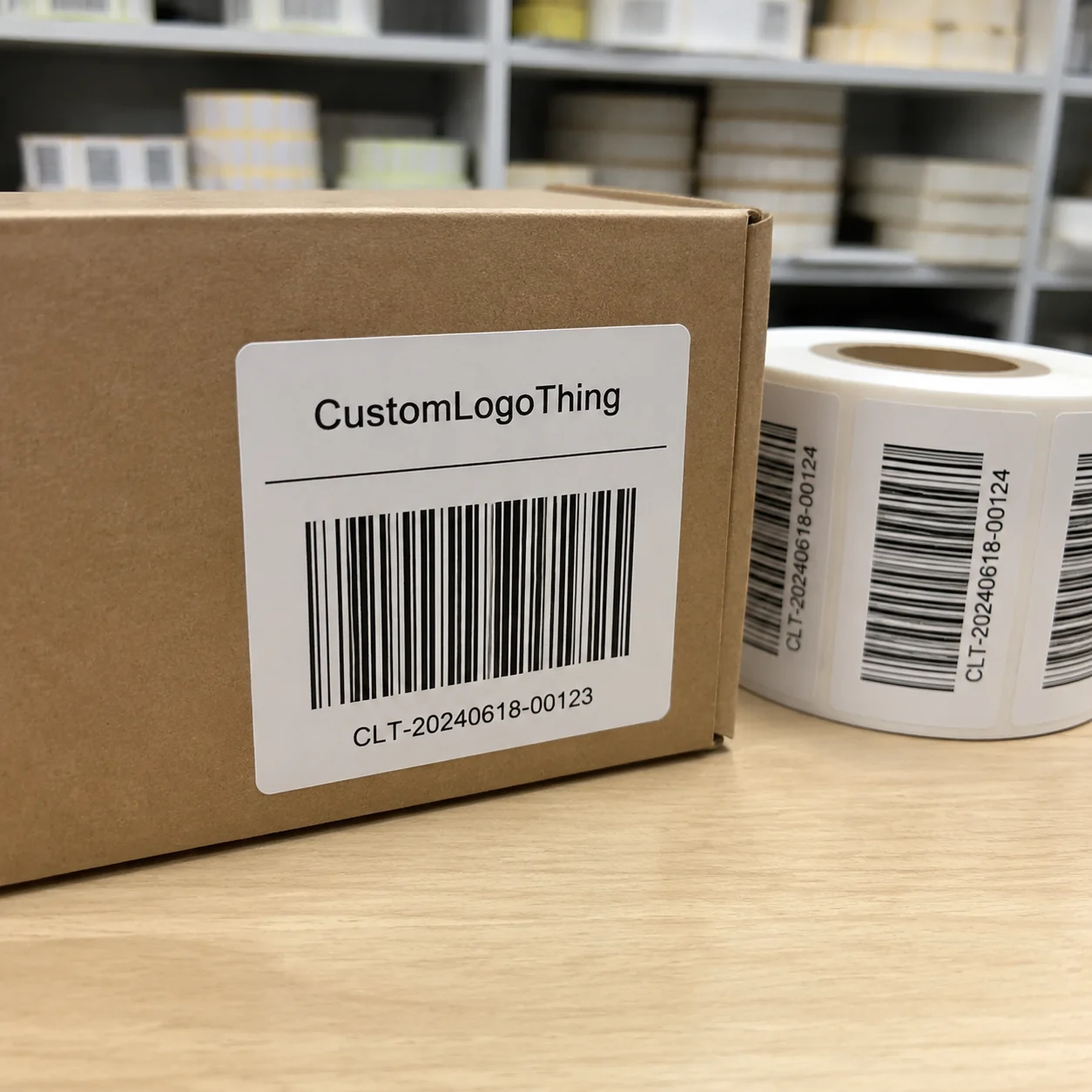
Buyer Fit Snapshot
| Best fit | product packaging supplier selection buyers comparing specs, samples, proofing, MOQ, unit cost, lead time, and reorder risk where brand print, material, artwork control, and repeat-order consistency matter. |
|---|---|
| Quote inputs | Share finished size, material target, print colors, finish, packing count, annual reorder estimate, and delivery region. |
| Proofing check | Approve dieline scale, logo placement, barcode or warning zones, color tolerance, and any recyclable or compostable wording before bulk production. |
| Main risk | Vague material claims, crowded artwork, or missing packing details can create delays even when the unit price looks attractive. |
Fast answer: Product Packaging Supplier Selection: Specs, MOQ, Lead Time, and Quote Checks should be specified like a repeatable production item. The safest quote includes material, print method, finish, artwork proof, carton packing, and reorder notes in one written spec.
What to confirm before approving the packaging proof
Check the product dimensions against the actual filled item, not only the sales mockup. Ask for tolerance on folds, seals, hang holes, label areas, and retail display edges. If the package carries a logo, QR code, warning copy, or legal claim, reserve that space before decorative graphics fill the panel.
How to compare quotes without losing quality
Compare board or film grade, print process, finish, sampling route, tooling charges, carton quantity, and freight assumptions side by side. A lower quote is only useful if the supplier can repeat the same color, closure quality, and packing count on the next order.
I remember when the general manager insisted they could run 50K boxes faster than we could count defects, so this Product Packaging Supplier guide has to speak to speed and quality at once. Within days I was on the Custom Logo Things partner floor in Shenzhen watching a Sunpak die cutter eat a sample in under 12 seconds and then demanding a $2,400 rerun to fix the glue flap before it became a liability. No fluff, just the surprising facts and the promise you’ll walk out knowing your next move. Honestly, I think the only thing louder than that die cutter was my demand for more time to inspect the glue (and yes, I yelled it across the plant floor like a negotiator on a boxing ring mic). That rerun may have hurt the budget, but seeing the glue hold in that next customer run was priceless.
Honestly, I think most online advice about suppliers reads like it was written by someone who hasn’t touched a corrugated board in years. This product packaging supplier guide exists because I actually trailed through dust-filled halls, slipped on adhesive puddles, and forced a dozen suppliers to prove their metrics while I timed every process on my phone.
Why This Product Packaging Supplier Guide Actually Matters
The first time someone said, “We already have a quality program,” I still asked to see the paperwork because the last supplier who claimed ISO had a stack of certificates with no dates or signatories; this product packaging supplier guide helps you skip that smoke and mirrors. I remember when the accountant from that supplier pulled out a legal pad and started drawing circles to convince us the program existed, and I wasn’t buying it. I’ve seen SGS sheets, ASTM burst testing results, and FSC chain-of-custody forms thrown into a drawer for good reason. I also know that the Sunpak line in Shenzhen will chew through adhesive failures so fast you won’t notice chalkiness until the puck hits the crate, so the next time a contract glossier promises you a glossy sheen, remember I paid $2,400 to rerun a glue flap a few days before a customer meeting. When I explain how to read a run sheet, I’m not inventing a myth—this product packaging supplier guide is built from that bleed, those sounds, and the smell of fresh corrugated from Custom Logo Things’ partner contractors.
The reality is that a supplier bragging about speed without showing an actual production slot is either lying or outsourcing to a ghost printer in Guangzhou. This product packaging supplier guide points to the suppliers I’ve walked through in Shenzhen, Dongguan, and Foshan, so when you ask for their monthly calendars you’re not flying blind. Real suppliers, like the ones we work with, quote accurate run times because we made them put our deadlines next to their flexo schedules; we learned quickly that a rush slot on the Norpac press adds five full days if you miss the monthly window. Read this product packaging supplier guide and you will know whether the factory is promising you real capacity or a unicorn schedule (and yes, I’ve chased the unicorn schedule twice—spoiler: it trampled the deadline and still wanted a premium).
How Product Packaging Suppliers Actually Work
A proper RFQ from a serious product packaging supplier guide checklist starts with artwork submission, dieline approval, and a materials list. I remember when a new client tried to rush that process and handed me a half-finished dieline with three missing cut lines—honestly, I think they expected miracles. With Zhonghua, our go-to spend partner, that RFQ takes 3-5 business days before I see a detailed breakdown, and I keep their board schedule because Omya board takes 10 days to arrive from their mill in Yunnan. That means if the client wants embossing or foil stamping, we tack on another two days for plate creation and another 24 hours to schedule around the flexo slot, otherwise the supplier falls back to their slower semi-automatic line. No supplier runs without these notes: we need the exact dieline, the board type (350gsm C1S artboard, usually), whether there’s a soft-touch lamination, and the tolerances we expect for nesting.
Once the sample is in motion, the timeline follows a strict arc: sample creation 7-10 days, approval call or email, then tooling. Tooling is often the hidden hero; the steel rule has to be inspected with digital calipers, especially on complex structures. First production run occurs 2-3 weeks post-approval, and then QC is a live event with checklists referencing ISTA protocols and ASTM D4169. Packaging design mistakes usually surface during this stage when someone realizes their dieline is the wrong side of the artwork, so use this product packaging supplier guide to demand that your supplier sends dieline overlays on top of the print proofs. After QC, shipping and invoicing start; shipping documents are created in tandem with the QC report so nothing holds the container at the port.
Suppliers manage those relationships for you, but the bottlenecks happen in material lead times and scheduling; if you miss the monthly flexo slot, the production waits five extra days, which is where this product packaging supplier guide becomes the difference between hitting a trade show and watching a crate arrive late. The turnkey process is simple on paper, yet the coordination between tooling, adhesives, and quality requires discipline. That’s why our team at Custom Logo Things treats the timeline not as a flexible guess but as a contract between all parties—(and yes, we actually made a supplier re-sign it last quarter).
Key Factors When Vetting Suppliers
If you want to know how reliable a supplier is, ask for actual inspection reports and SGS numbers, not glossy marketing pieces. I still keep the file from our first run with Custom Logo Things where the ink was 12% off Pantone; they tracked it, documented the correction, and shared the full inspection log. Quality history matters, and this product packaging supplier guide insists you verify those numbers. Check capacity too: the corrugator that handles 30K sheets per shift is a different story than the one claiming to do 5K but actually running 1,200 because they mix packaging design jobs in the same week. Capacity data is the difference between a supplier who can handle your retail packaging refresh and the one that suddenly shifts to promotional run-offs.
Communication rhythm is the final litmus test. I once got a supplier who could email me invoices but responded to production questions with a thumbs-up emoji. That ended the relationship faster than a failed inspection. You need contact information tied to operations, not marketing. This product packaging supplier guide highlights communication red flags because every delayed update translates to wasted container space and missed launch dates. Demand a weekly report, insist on WhatsApp updates with actual run photos, and always ask who owns the timeline. Real partners like Custom Logo Things share daily temp logs and humidity readings because they know our board responds badly when it sits in a humid warehouse.
References matter too. Go ahead and call the brands your supplier lists; I still keep a list of contacts from each factory run. Ask about color consistency, delivery accuracy, and if they ever had to rework a $0.30 per unit mistake. That kind of truth doesn’t come from brochures. A product packaging supplier guide without this step is just wishful thinking. (I once called a reference and got a voicemail from someone still stuck on the line—turns out the supplier was hiding that they were in the same queue as us.)
Step-by-Step Supplier Selection Blueprint
Step 1 is always specs. Write down your dimensions, board type, finishes, dielines, tolerances, and certifications (FDA for food contact, FSC for sustainability, and any regional compliance you need). That detailed sheet becomes your base for comparison. Step 2 is to collect quotes from at least three vendors, including Custom Logo Things, because you want to weigh costs, MOQs, and value-added services like assembly or inserts. Use the same sample dieline and ask for the same measurement tolerances, so you’re really comparing apples to apples.
Step 3 is sample validation. Inspect print registration, check gloss levels with a handheld gloss meter, and measure adhesive strength with a peel test. Even if your sample looks perfect, this product packaging supplier guide says get production photos before shipment. I once caught a gloss mismatch before it hit the container because the supplier sent me a midday photo from their camera. Verbally approving a sample without these photos is a rookie mistake. This blueprint doesn’t leave margin for assumption, and that’s why each step ties back to one of the suppliers we trust. We even integrate a quick link to Custom Packaging Products specs so everyone speaks the same language.
The blueprint ends with a simple rule: cross-check every quote against your risk tolerances. Make a grid listing Price Per Unit, total tooling cost, lead time, sample approval time, shipping terms, and quality inspection fees. That grid is your scoreboard when scheduling the next trade show launch or seasonal shift. This is the product packaging supplier guide principle that saved us from a late-season disaster when multiple suppliers all pointed to the same meat-packing facility for adhesive application (seriously, none of us wanted to explain to the brand why their packaging smelled like deli meats).
Budget & Pricing Realities of Custom Packaging
Understanding budgets means breaking down every cost item: board, printing, tooling, labor, finishes, freight, and any third-party inspections. For a 5,000-piece run of folding cartons with two-color print and matte aqueous coating, you’re looking at $1.50–$2.25 per piece depending on ink coverage and lamination. When you compare quotes, verify whether the supplier included the $350 die cut charge, the $120 tooling run, and the $85 inland trucking fee from the factory to the port. I once had a supplier hit me with $420 for “container preparation” and I refused to pay until they sent the invoice breakdown. The lesson? Demand clarity on every line item, which this product packaging supplier guide covers in painful detail.
Negotiation matters: I got a supplier to drop $0.14 per box simply by switching our finish from UV to matte aqueous. Our shelf impact did not diminish, yet the supplier shaved a full $700 off that run. You’d be surprised how often they forget to quote you the raw board from Omya with the FSC stamp already applied; specify that in your initial request. When we specify the board, we include the cost of recycled pulp and the local mill handling the stack so the rate stays fixed. This product packaging supplier guide explains how to ask for locked-in tooling amortization, especially for branded packaging that runs across multiple SKUs.
Watch hidden fees. Retooling after proof approval can add $200–$400 depending on complexity. Rush charges for production are usually 15-20% of the total order value, and inspection fees by third-party firms like UL or SGS are typically $150–$250 per audit. The real surprise came when a supplier in Foshan added a $95 “quality precheck” without telling me; the cost only became apparent after the invoice arrived. Since then, I keep a clause in every contract referencing this product packaging supplier guide so no supplier slips in unexpected charges. Freight is another story: a 40’ container from Shenzhen is about $2,800 now, so factor that into the per-unit cost before you finalize anything.
Common Mistakes People Make Choosing Suppliers
The most expensive mistake is chasing the lowest quote without checking who’s absorbing the risk. You typically end up paying $0.30 more per box after rejects when the supplier wasn’t covering scrap. This product packaging supplier guide warns you not to fall for quotes under $1 on complex structures unless they spell out who is on the hook for rejects, adhesives, and tool wear. Another mistake is ignoring the supplier’s production schedule; brands lose four weeks because they assume a partner has a free slot in September without confirming it. I’ve seen this happen twice in a row when we assumed one of our Shenzhen partners could squeeze in a run while they had a pre-booked retail packaging push for a regional chain.
Skipping reference checks is the third mistake. A quick WhatsApp to a mutual client reveals whether the supplier delivers on color, quality, and timing. I keep a shared spreadsheet with addresses, contact names, and a short memo from each visit—yes, I still keep that list because it has saved me from two bad batches. This product packaging supplier guide insists you create a go/no-go checklist before approving production so you don’t miss a single critical parameter. If a supplier hesitates sharing past clients or hides inspection reports, you know their process is weak.
Lastly, don’t ignore tooling management. If you let the supplier own the die and you don’t keep a copy, you’ll pay for it again if you change factories or need extra sets. Keep your own tooling file, document the die number, and upload it to your project folder. This single act saved us over $1,000 when we moved a run from Shenzhen to a north-GDP facility because the die followed us without a new charge. Again: a product packaging supplier guide without tooling discipline isn’t worth the paper it’s printed on. (And yes, I once pointed at the die in front of a vendor and told them I knew it was mine—awkward, but necessary.)
Expert Tips From Factory Visits
Tip: always bring a real sample and a ruler. When I showed a client’s prototype to a plant manager in Foshan, he adjusted the die on the spot and saved us from a trapdoor mistake. That’s the kind of immediate correction you can only achieve when you’re standing on the floor. Tip two: lean on existing relationships—Custom Logo Things negotiated blanket deals with Leman adhesives, which means you can lock a $1,200 tooling charge and amortize it across multiple SKUs. Our negotiations saved one brand $2,800 in tooling cost when they expanded from three to eight SKUs in the same line. Honestly, I think the best negotiation tactic is to show up with a clipboard and a notepad full of past invoices and say, “Let’s keep this reasonable.”
Photos are essential. Always demand production photos from the actual run. I once caught a gloss mismatch before it hit the container because the supplier sent me a midday photo of rolls waiting to dry. Without that picture, I would’ve signed off blind and paid for a rerun. This product packaging supplier guide emphasizes that level of transparency because missing even one of those photos can cost you $4,000 to rework. (Yes, I still get a little twitch when I think about that shipment.)
One last note: pack-in inserts often raise questions. Don’t forget to mention your assembly expectations when you give your RFQ. We once had a supplier place two SKUs in the same carton without telling us, so our retail packaging opens like a puzzle. Since then, we clarify packaging design, assembly, and inner trays in every initial briefing. The product packaging supplier guide exists to prevent those mistakes—and to keep the floor managers from blaming us for surprises they never saw coming.
Next Steps: What To Do After Reading
Make a comparison spreadsheet listing specs, costs, lead times, and risk factors for at least three suppliers, including Custom Logo Things. Build columns for tooling amortization, adhesive preferences, inspection requirements, and delivery windows. When you fill that in, the suppliers who are serious about branded packaging will stand out because they will have already asked for your dielines and sustainability requirements. I remember when we outsourced that task to a junior buyer who skipped our checklist—it was a disaster I still use as a cautionary tale at onboarding.
Schedule a 30-minute call with your top supplier to walk through the dieline; bring photos of your current packaging so they can troubleshoot before quoting. This call should cover every component referenced in this product Packaging Supplier Guide: communication cadence, quality checkpoints, production dates, and freight plans. Ask them how they handle color approvals and what the contingency plan is if the board is delayed or the printing colors shift. (If they say, “We’ll figure it out,” end the call. That’s my rule.)
Order a single production-ready run or at least a pre-production sample with audit-ready photos. Trust me, paying $350 for a sample beats a $4,000 rework. And no, you’re not wasting money—you’re buying assurance. That’s the entire point of this product Packaging Supplier Guide: to help you anticipate the risks so you avoid the rework. When you follow these steps, you turn a confusing marketplace into a manageable project. Also, keep snacks handy; long supplier calls are just a fact of life.
Conclusion
Use this product packaging supplier guide like a checklist, a negotiation deck, and a reminder that every supplier claim must be verified. You now have the insight from factory floors, tooling fights, and logistics headaches—use it. Keep this guide close when you review quotes, manage timelines, and fight for clear communication; the alternative is paying for mistakes that could have been avoided. (And if you still want to buy the cheapest boxes, let me know and I’ll show you a spreadsheet that proves why it never works.)
Frequently Asked Questions
It highlights what specs to capture, what questions to ask, and what red flags to flag during the first call. I remember calling four suppliers and only one actually asked for the dieline before quoting—this guide helps you avoid those lazy ones.
Use the guide to compare quoted lead times, MOQs, and finishes side by side so you know which supplier can actually deliver. (If they dodge the question about who owns the timeline, move to the next call.)
You’re looking at 3-5 days for a quote, 7-10 days for samples, 2-3 weeks for production, plus shipping—so plan 5-6 weeks overall. I still block that timeline in my calendar the minute a project lands on my desk.
Add buffer for materials like specialty board which may take longer, and verify the supplier’s calendar before committing. (If they say the flexo press is open, ask for the slot number and confirm it’s not already booked for the next month.)
Yes, it breaks down board, printing, tooling, and freight, showing where you can squeeze costs without sacrificing quality. I list every cost line with a sticky note so I can remind the finance team that this isn’t just an order—it’s a coordination of ten moving parts.
It also shares real numbers from factory negotiations so you know if a quote is suspiciously low. (And if you still want to gamble on the low quote, just make sure you budget for the rerun.)
Ask your supplier for dieline templates or download them from Custom Logo Things if they’re handling your project. I keep a folder of outdated templates just to remind myself how much trouble sloppy versions can cause.
Keep a folder of shared templates so every vendor uses the same measurements and you avoid version-control chaos. (Seriously, I once got two versions of the same dieline and it was like herding cats.)
Chasing the lowest quote, skipping reference checks, and ignoring supplier schedules are all covered so you don’t repeat them. I created a “mistake tracker” spreadsheet after that one run where we missed the setup window—never again.
The guide also insists on creating a go/no-go checklist before approving a production run. If you see a supplier hesitate on filling it out, you already know the answer.
References: Packaging.org, ISTA.org
Related Articles
- Custom Biodegradable Poly Bags Wholesale: Pricing & Specs
- Custom Packaging for Product Photography Wholesale
- Custom Biodegradable Bubble Wrap Alternative Options
- Custom Folding Boxes Wholesale Bulk: Pricing, Specs, More
- Compare Matte vs Glossy Packaging Finish Insights