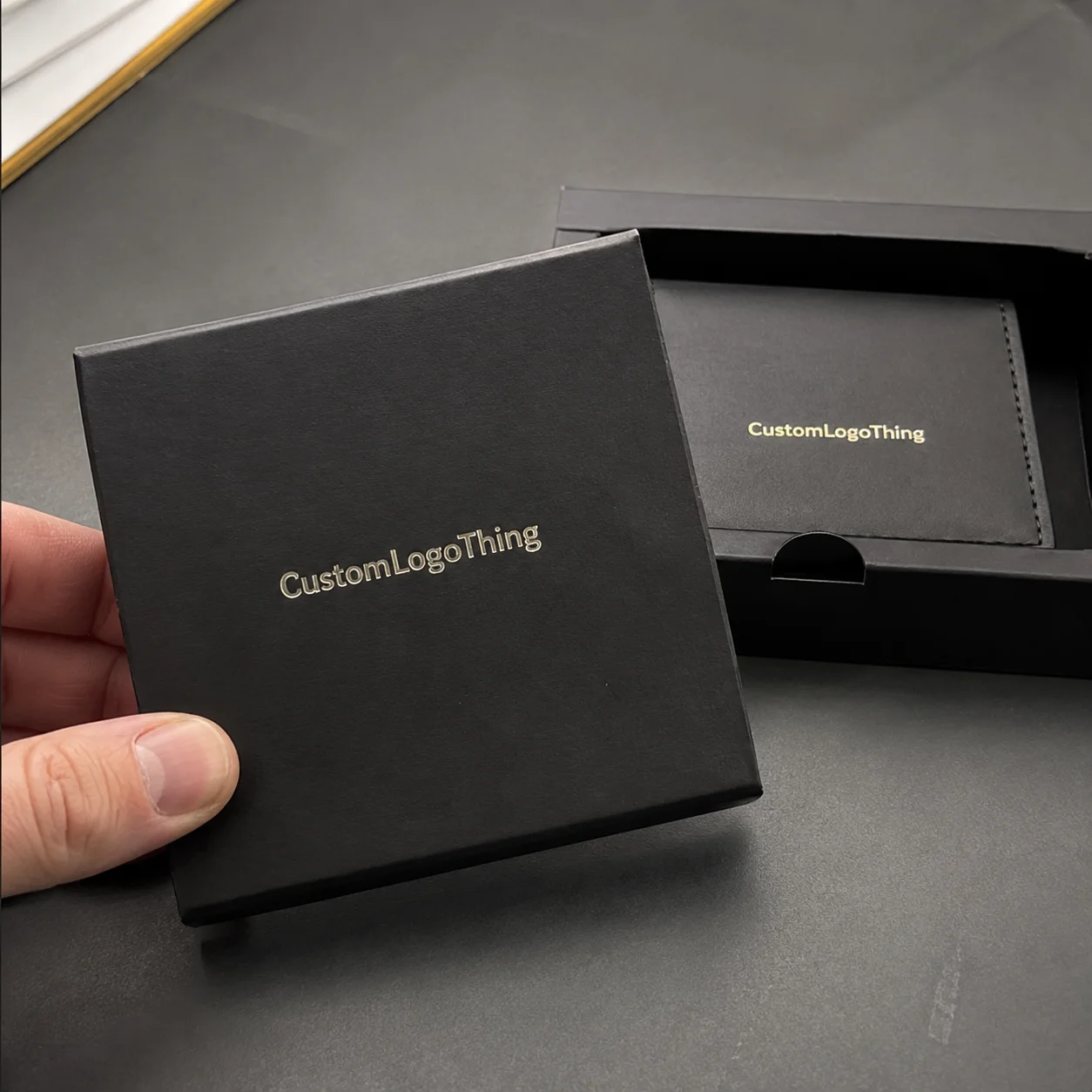
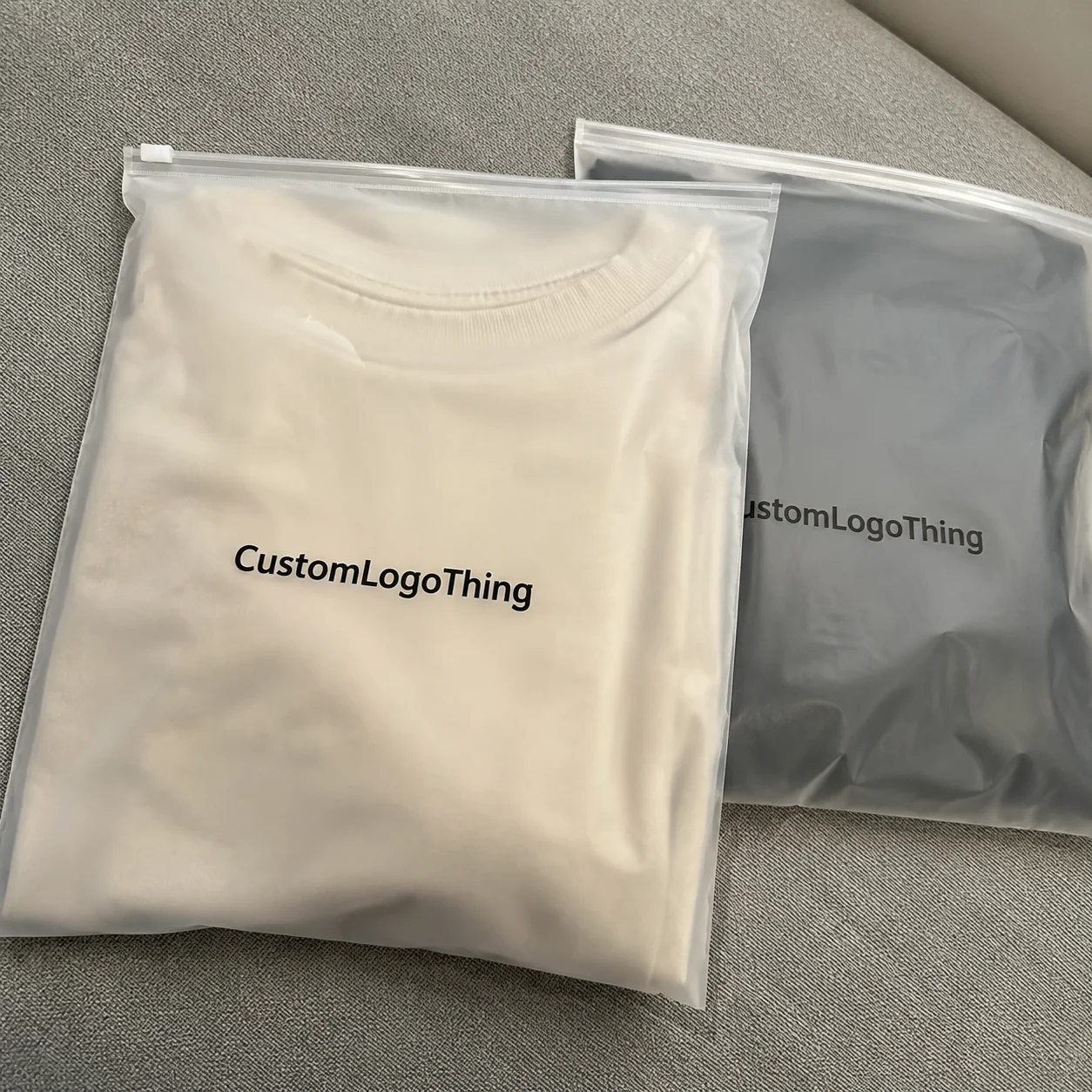
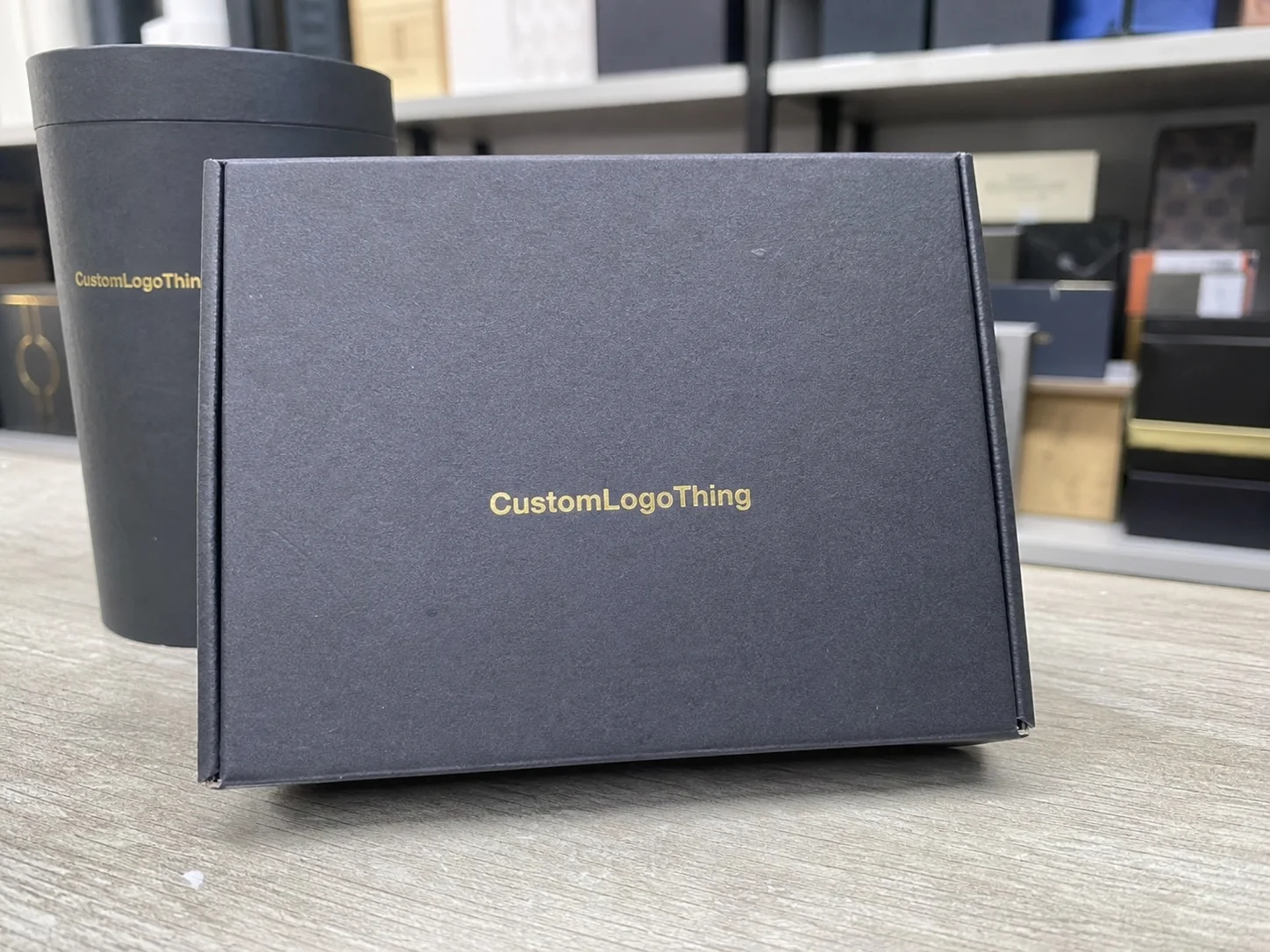
Buyer Fit Snapshot
| Best fit | Product Packaging Supplier projects where brand print, material claims, artwork control, MOQ, and repeat-order consistency need to be specified before quoting. |
|---|---|
| Quote inputs | Share finished size, material target, print colors, finish, packing count, annual reorder estimate, ship-to region, and any compliance wording. |
| Proofing check | Approve dieline scale, logo placement, barcode or warning zones, color tolerance, closure strength, and carton packing before bulk production. |
| Main risk | Vague material claims, crowded artwork, missing packing details, or unclear freight terms can make a low unit price expensive after revisions. |
Fast answer: Product Packaging Supplier: Production Spec, Color Control, and Delivery Risk should be specified like a repeatable production item. The safest quote records material, print method, finish, artwork proof, packing count, and reorder notes in one written spec.
Production checks before approval
Compare the actual filled-product size with the drawing, then confirm tolerance on folds, seals, hang holes, label areas, and retail display edges. Reserve space for logos, QR codes, warning copy, and material claims before decorative graphics fill the panel.
Quote comparison points
Review material grade, print process, finish, sampling route, tooling charges, carton quantity, and freight assumptions side by side. A quote is only useful when the supplier can repeat the same color, closure quality, and packing count on the next order.
I’ve spent enough time on factory floors in Dongguan, Ningbo, and near the paper mills around Wenzhou to say this plainly: the cheapest quote in a Product Packaging Supplier guide is often the one that costs the most later. I’ve watched a brand save $0.04 per unit on 5,000 custom printed boxes, then absorb a $1,800 reprint because the 350gsm C1S artboard fluted under compression and the artwork was approved from a dim monitor image. That’s not a theory. That’s a bad Tuesday with a freight bill attached.
If you’re comparing vendors for product packaging, the real question is not “Who is cheapest?” It’s “Who can protect my timeline, my margin, and my brand reputation?” That is the lens I use in every product packaging supplier guide I write for clients in Chicago, Austin, and Toronto. And honestly, a lot of teams underestimate how much supplier quality affects everything from unboxing feel to freight damage to how fast a launch can recover when something goes sideways.
One client in Ohio showed me three samples from different suppliers. All three looked fine in photos, but on the table one carton failed at the corner score after the second open-close cycle, one had color drift of nearly 6 Delta E from the approved Pantone 186C artwork, and one was $0.11 more per unit but passed every fit test on a 16 oz glass bottle insert. The buyer admitted later that the expensive one was actually the cheapest once returns, rework, and a $420 freight reshipment were counted. That’s the kind of math a good product packaging supplier guide should help you do.
Product Packaging Supplier Guide: What It Actually Means
A product packaging supplier guide is not just a checklist of prices and lead times. It is a way to understand what a supplier actually does across design support, material sourcing, print production, finishing, kitting, and shipping coordination. In practical terms, the supplier is the person or company turning a packaging concept into something that can survive a warehouse in Indianapolis, a freight lane to Atlanta, and a customer’s hands at retail or at the front door.
That can mean very different things. A box maker may only fabricate one style of carton from supplied specifications, often from 24pt SBS or 32 ECT corrugated stock. A converter takes raw board, film, or corrugated sheets and turns them into a finished package on die-cutting, gluing, and folding lines. A print broker sells packaging but outsources production to one or more factories, often adding a 10% to 20% markup and another communication layer. A full-service packaging supplier handles structure, artwork support, sampling, quality checks, and fulfillment coordination. In my experience, brands often confuse those roles until a delay or a defect forces the distinction into the open.
I remember visiting a folding carton plant in Suzhou where the sales rep said, “We can do anything.” Then the production manager quietly pulled me aside and clarified that they had two coating lines, one die-cutting station, and a two-week queue for tooling changes. That was the real answer. A solid product packaging supplier guide should help you see behind the sales pitch and into the actual manufacturing capability, right down to whether the plant runs Heidelberg offset presses, Bobst die-cutters, or a single digital press line with a 48-hour turnaround.
The other key distinction is stock packaging versus fully custom packaging. Stock packaging is pre-made in standard sizes, usually faster and cheaper, and it works well for products with predictable dimensions or limited branding needs. Fully custom packaging, including custom printed boxes and branded packaging, gives you more control over fit, shelf presence, and package branding. But it also adds steps: dielines, proofing, plate charges, and tighter approval discipline. If your product is fragile, premium, or regulated, custom often makes more sense. If your launch is small and your budget is tight, stock may be the smarter first move, especially when you can buy 250 units at $0.68 each instead of commissioning a 5,000-piece run.
The best suppliers behave like process partners. They don’t just print and ship. They reduce risk. That includes steering you toward the right board grade, warning you when your ink coverage might crack on a fold, and pushing back when an unrealistic deadline will create avoidable defects. That’s why a thoughtful product packaging supplier guide is really about risk management, not just vendor selection, and why a supplier in Shenzhen or Ho Chi Minh City who asks the right questions can be more valuable than one that simply sends a lower number.
“The number one mistake I see is buying packaging as if it were a commodity. It isn’t. It’s a controlled combination of material, print, structure, and timing.”
How a Product Packaging Supplier Works
Most supplier relationships follow a similar sequence, even if the language changes from company to company. The first inquiry starts with dimensions, product weight, shipping needs, and brand goals. Then comes the brief, which should include material preferences, finish, target quantity, and whether you need design support. A reliable product packaging supplier guide should make this process feel predictable, because the sequence is predictable when the supplier is organized and the product data is complete to the millimeter.
From there, the supplier may recommend a dieline or structural format, especially for custom printed boxes or retail packaging that needs precise product fit. Quote generation follows. Good quotes separate unit cost from setup, tooling, plates, sampling, and freight. If everything is lumped into one line, ask for a breakdown. A quote that says “$0.19 per unit” means very little if the same supplier later adds a $140 plate charge, a $65 proof fee, and $280 to ship cartons to your warehouse in Nevada.
Sampling and proofing are where many projects slow down. Artwork revisions are the biggest delay driver I see. Not press speed. Not board supply. Revisions. One beverage client lost nine days because legal changed a single compliance line after the press proof had already been signed off. The plant in Dongguan was ready on Tuesday morning, but the files were not. A practical product packaging supplier guide should warn you that approval bottlenecks are often internal, not supplier-driven.
Material sourcing matters too. A supplier may stock common SBS board, E-flute corrugated, kraft liners, or rigid paperboard, but specialty substrates can extend lead time by a week or more. For example, 350gsm C1S artboard is usually easier to source than a coated two-side white board with specialty anti-scuff film, and FSC-certified kraft can add several days if the mill is in a different region such as Hebei or Guangxi. Color management is another piece people underestimate. Offset printing gives very consistent color on larger custom runs, digital printing is excellent for shorter runs and variable data, and flexographic printing is often cost-efficient for corrugated or label-style work. Each process behaves differently with solids, gradients, and fine typography.
Here’s a practical timeline comparison I give clients during a product packaging supplier guide review:
| Project Type | Typical Sampling | Production | Best Use Case |
|---|---|---|---|
| Rush digital custom run | 3-5 business days | 5-10 business days | Small launch, 250-1,000 units |
| Standard offset carton program | 7-12 business days | 12-20 business days | Mid-to-large branded packaging runs |
| Corrugated flexo order | 5-8 business days | 10-18 business days | Shipping cartons, retail shipper boxes |
Communication quality changes speed more than almost anything else. A supplier that replies in four hours with a precise answer often moves faster than one that replies in one day with three follow-up questions. I learned that during a supplier negotiation in Shenzhen, where the factory manager produced a sample schedule on the spot and quoted 12-15 business days from proof approval for a 3,000-piece run, while another vendor in the same city took 48 hours just to confirm whether they had the right board caliper in stock. The first quote won, even though the unit price was slightly higher by $0.02.
Key Factors in Choosing a Product Packaging Supplier
Any serious product packaging supplier guide needs to start with compatibility. Does the material match the product? A 16 oz glass jar needs different protection than a folded tee shirt. A cosmetic serum bottle with a 15 ml dropper needs different carton tolerances than a snack bar in a 50g pouch. I’ve seen brands order elegant retail packaging in 24pt board, then discover that the insert collapses under the product weight because the bottle shoulder was 2 mm wider than the cavity. That kind of mismatch is expensive because it looks fine until it fails in motion.
Print quality is another non-negotiable. Look at registration, ink laydown, barcode readability, and how the finish behaves under light. Soft-touch lamination can make a package feel premium, but it also shows fingerprinting in some environments, especially on dark navy or matte black cartons. Gloss UV boosts shelf pop, yet it can create glare in certain retail displays under 4,000K lighting. A good product packaging supplier guide should push you to test the package under real conditions, not just admire it under showroom lighting in a sales office.
Structural strength matters even for lightweight items. Compression strength, corner integrity, and score performance affect shipping survival. If your package will be palletized, ask whether the supplier has done drop tests or compression testing aligned with ISTA methods, including ISTA 3A for parcel shipping or ISTA 1A for basic integrity checks. For some products, ASTM-related material checks are useful too. If sustainability claims matter, verify them; don’t accept vague language like “eco-friendly” without documentation. You can reference packaging resources from the ISTA testing standards and the FSC chain-of-custody framework when you need a benchmark.
Now, let’s talk money. The strongest product packaging supplier guide always breaks pricing into parts, because “cheap” is often just a quote with the hard costs hidden elsewhere. Here’s a simple cost model I use in client meetings for a 5,000-piece carton order:
| Cost Item | What It Covers | Typical Range | Risk if Ignored |
|---|---|---|---|
| Unit cost | Material, print, finishing | $0.18-$2.40/unit | False comparison across suppliers |
| Setup fee | Press setup, file prep | $45-$350 | Price looks lower than it is |
| Plate/tooling charges | Flexo plates, dies, tooling | $80-$900 | Budget shock on first order |
| Sampling | Prototype or press proof | $25-$180 | Approval based on assumptions |
| Freight | Delivery to warehouse or DC | $65-$1,500+ | Total landed cost underestimated |
MOQ flexibility is another make-or-break item. Some suppliers will quote 500 units of custom packaging, but the Price Per Unit may be so high that it destroys your margin; I’ve seen 500-piece runs come in at $1.42 per unit for a rigid sleeve that would drop to $0.39 at 5,000 pieces. Others require 5,000 units, which may be too much if your product is still testing demand. The right answer depends on your cash flow, shelf life, and sales velocity. There is no universal best number, despite what some sales reps in Los Angeles or Guangzhou may say.
Don’t ignore certifications and documentation. Ask for material specs, ink safety statements if relevant, FSC paperwork if you want responsibly sourced fiber, and quality assurance procedures. A supplier that can’t explain its inspection checkpoints usually doesn’t have a good inspection system. In my product packaging supplier guide work, I treat documentation as a proxy for discipline, especially when the plant is producing both food-contact cartons and general retail packaging on adjacent lines.
One more thing. The best quote is not always the lowest quote. I’ve seen a supplier win on unit price, then add charges for revised artwork, second proofs, and split shipments. Another supplier quoted $0.22 more per unit but included prepress review, two rounds of sampling, and palletized freight to a warehouse in Ohio. The second option saved the client nearly $900 on the first order. That’s why a smart product packaging supplier guide looks at total project cost, not sticker price.
Product Packaging Supplier Guide: Step-by-Step Selection Process
If you want fewer surprises, follow a deliberate selection process. The first step in any practical product packaging supplier guide is defining the product itself. Write down the dimensions, weight, fragility, storage conditions, branding goals, and budget ceiling. If your product sweats, sheds dust, scratches easily, or must survive e-commerce shipping, say so up front. Ambiguity is expensive, and a 120 mm by 85 mm by 40 mm carton is a very different ask from a 150 mm by 100 mm by 60 mm retail sleeve.
Step two is requesting comparable quotes. Same dimensions. Same board grade. Same print method. Same finish. Same quantity. Same destination ZIP code if freight matters. I’ve had clients bring me three quotes and ask why the numbers were all over the map. The answer was hiding in the spec sheets. One supplier had quoted 300gsm board, another 400gsm, and the third had left out freight entirely. A good product packaging supplier guide should insist on apples-to-apples comparisons, ideally with a written spec sheet that lists caliper, coating, and packing method.
Step three is sample review. Don’t just look at color. Check fold integrity, glue consistency, coating rub resistance, and shipping durability. Open and close the carton several times. Put the product in and out. Shake it. Stack it. If it’s retail packaging, test how it sits on shelf and whether the brandmark stays visible at eye level under 300 lux store lighting. One beauty brand I advised discovered that their matte black carton scuffed badly after only two passes through a packing line. That detail never showed up in the digital proof.
Step four is confirming timeline milestones. Ask for dates tied to events, not vague promises. For example: proof sent by Monday, approval due by Wednesday noon, sample ship by Friday, production start next Tuesday, final freight booking by the following Thursday. A supplier who can’t map milestones probably can’t manage surprises well either. The best product packaging supplier guide is specific enough to create accountability, especially if your launch date is tied to a trade show in Las Vegas or a retail reset in Minneapolis.
Step five is evaluating communication and error handling. How fast do they reply? Do they use named account contacts? Who owns mistakes? What happens if the first production batch arrives with a color shift or die-cut issue? I once sat in a meeting where a supplier said, “We’ll see what we can do,” which is not a plan. You want correction policy, replacement terms, and escalation channels written down before money changes hands, ideally with a 24-hour response expectation and a reprint threshold clearly defined.
To make this more concrete, here’s a quick scoring approach I recommend in a product packaging supplier guide comparison:
- Quality: sample fit, finish, print consistency, and structural performance.
- Price transparency: unit cost, setup, tooling, freight, and revision fees.
- Speed: proof turnaround, sample timing, production lead time, and shipping windows.
- Support: responsiveness, technical advice, and problem resolution.
- Scalability: ability to handle small test runs and larger repeat orders.
If you score each category from 1 to 5, the highest total usually points to the lowest-risk supplier. Not always the cheapest. Usually the least risky. That distinction matters more than people admit in a product packaging supplier guide, especially when one supplier can do 1,000 units today and 20,000 units in six months without changing the board spec or the finishing method.
If you need a starting point for custom printed boxes, retail packaging, or branded packaging, it helps to review available formats before you ask for quotes. Our Custom Packaging Products page can give you a sense of what can be built to spec and what should be standardized to save time.
Timeline, Production, and Delivery: What to Expect
Every product packaging supplier guide should deal with time, because time is where launches either stay calm or go sideways. From initial contact to delivered packaging, a simple custom run can move through inquiry, spec collection, quote, proofing, sampling, production, and shipping. That sounds straightforward. The reality is messier, especially when approval chains involve marketing, legal, operations, and an owner who reviews proofs on a phone screen at 9:40 p.m. from a hotel in Nashville.
For a basic custom carton, you might see 1-3 business days for quotation, 3-7 business days for dieline and proofing, 5-10 business days for sampling, and 12-20 business days for production after approval. Add freight and the total can easily stretch beyond a month. A common real-world schedule for a 2,500-piece order is 2 business days for quoting, 4 business days for proof approval, and 12-15 business days from proof approval to finished cartons leaving the factory. Rush projects can compress the schedule, but they usually cost more and leave less room for correction. That’s why a grounded product packaging supplier guide should separate sample lead time from production lead time.
Shipping matters more than many brands expect. Domestic suppliers in the Midwest or on the West Coast may offer faster replenishment and easier communication, while offshore suppliers in Shenzhen, Dongguan, or Ningbo can offer lower unit pricing and more production capacity. But offshore timing is often more sensitive to port congestion, customs clearance, and container scheduling. Domestic isn’t automatically faster if the plant is booked solid. Offshore isn’t automatically slower if the supplier is organized and the freight plan is tight. I’ve seen both scenarios play out within the same quarter, including a rush replenishment that moved from Xiamen to Long Beach in 11 days while a domestic carton job sat for 8 days waiting on a press slot.
Seasonality also changes the picture. Q4 packaging demand can extend lead times by a week or two because plants are balancing rush orders, freight bottlenecks, and holiday labor constraints. If your launch is tied to a trade show, retail reset, or influencer campaign, build buffer time into the plan. A disciplined product packaging supplier guide should tell you to assume delays, then beat that assumption if everything goes well, rather than plan for a miracle and hope the cartons arrive on a Friday.
Here’s the blunt version from a supplier meeting I attended in Dongguan: “Fast, cheap, perfect—pick two.” He wasn’t being cute. He was explaining trade-offs. If you want ultra-short lead time, expect fewer options and higher cost. If you want premium finishes such as foil stamping, embossing, or soft-touch lamination, plan for more time because each added process creates another checkpoint, often adding 2-4 business days for setup and inspection.
For brands with multiple SKUs, a phased launch can reduce risk. Start with one or two packaging formats, confirm throughput, then scale. That may not sound glamorous, but it’s how smart teams avoid sitting on 12,000 units of the wrong box. In my experience, that is one of the hidden values of a careful product packaging supplier guide: it helps you scale without overcommitting too early, especially when your first order is only 1,000 units and the next one depends on sell-through data.
Common Mistakes When Working With a Packaging Supplier
The first mistake is approving artwork too quickly. A PDF proof is not a finished package, and a screen color is not press color. If your file has a deep solid red, a metallic accent, or fine reverse type, ask for a proof method that matches the risk. The second mistake is ignoring material performance. A package can look great and still fail in transport because the board caliper or glue line is wrong. A serious product packaging supplier guide should keep reminding you that appearance and performance are not the same thing, especially on 24pt folding cartons and e-commerce shippers with a 32 ECT rating.
The third mistake is vague specifications. “We need a nice box” is not a spec. Neither is “make it premium.” You need dimensions, quantity, finish, print sides, substrate, and packing method. Vague requests create back-and-forth, inconsistent quotes, and supplier frustration. I’ve seen three different factories interpret the same loose brief three different ways, which led to three very different prices and zero meaningful comparison. One quoted 300gsm SBS, one quoted 350gsm C1S artboard, and one assumed a rigid setup with an EVA insert.
The fourth mistake is over-focusing on aesthetics while ignoring shipping damage or user experience. A package that photographs well may still be awkward to open, hard to restock, or too fragile for e-commerce. I once watched a brand launch a beautiful rigid carton with a magnetic closure that looked incredible on a tabletop. The problem? Their fulfillment team in New Jersey needed 22 seconds per unit to pack it, which blew up labor costs by nearly $0.14 per box. That sort of issue belongs in every product packaging supplier guide.
The fifth mistake is changing quantities too late. Suppliers price based on run length, material utilization, and setup efficiency. If you ask for 3,000 units and then switch to 1,200 after the quote is approved, the unit cost may rise sharply. The same happens if you add a second SKU or change print coverage after prepress. A supplier can’t absorb every change without adjusting price, especially when the order is already scheduled into a 12-day press calendar in Guangzhou or Kuala Lumpur.
Poor communication can sink a good project. I’ve had a client lose a retail launch because a supplier updated only one person, while the rest of the team waited on old files. Nobody was malicious. Nobody was careless in a dramatic sense. The process simply lacked a clear owner. A practical product packaging supplier guide should make ownership visible: who approves, who checks, who ships, who escalates, and who signs off on the final carton count of 4,800 or 9,600 pieces.
Here are the avoidable errors I see most often:
- Signing off on proofs without physical samples for first-time custom packaging.
- Assuming sustainability claims are valid without FSC or equivalent documentation.
- Using different specs when comparing quotes.
- Forgetting freight, duties, or warehouse receiving charges.
- Choosing a supplier with no visible quality assurance checkpoints.
Each of those mistakes costs money. Sometimes a little. Sometimes a lot. The product packaging supplier guide that protects your budget is the one that treats details as financial decisions, not administrative chores, and that means tracking every $0.03 coating upgrade and every $85 freight add-on before the PO is signed.
Expert Tips for Getting Better Results From Your Supplier
The best results start with a strong brief. Include dimensions in millimeters, product weight in grams or ounces, target audience, color references, finish preferences, and performance requirements such as crush resistance or shelf-ready appearance. If you want branded packaging that feels premium, say what premium means to you. Is it tactile feel? Is it visual contrast? Is it the sound of the closure? Those details help suppliers make better choices. A good product packaging supplier guide always begins with better input, especially when the factory is deciding between matte aqueous, soft-touch film, or spot UV on a 1,000-piece pilot run.
Ask for a pre-production sample or press proof on every new custom project. Not every supplier offers the same proofing options, and not every project needs the same level of review, but first runs deserve extra scrutiny. A proof can reveal color drift, border creep, die-cut alignment issues, or finish problems that a PDF cannot show. I’ve seen a foil stamp shift by 1.5 mm on the press sample; that tiny misalignment was invisible in the file and obvious in hand, especially on a navy carton with a 3 mm white border.
Build a supplier scorecard. Track on-time delivery, complaint rate, response time, sample accuracy, and cost consistency over multiple orders. A supplier that wins one quote may not be the best long-term fit. A supplier that fixes issues quickly and documents the root cause often becomes more valuable than the one with the flashiest sales deck. That’s a lesson I learned after a negotiation with a packaging broker who was 8% cheaper but took three follow-ups to confirm whether the carton would ship flat or pre-glued.
Negotiate on value drivers, not just price. Ask for better freight terms, reduced setup on repeat orders, included revision rounds, or locked pricing on a six-month program. Those concessions often matter more than shaving a few cents from a unit price. If you’re ordering 20,000 units, one revised freight term can matter more than a lower print rate. A disciplined product packaging supplier guide should show you where the real savings live, such as reducing a $280 setup fee to $0 on replenishment orders or securing free domestic freight above 10 pallets.
One factory-floor memory still sticks with me. A line worker in a packaging plant in Guangdong picked up a folded carton, tapped the corner, and said, “This one will open too hard.” He was right. The score was too tight by less than 0.5 mm. That kind of tactile judgment is what you want from a supplier team. Machines measure a lot. People still catch what machines miss. A strong product packaging supplier guide makes room for both, especially in a plant running 16 hours a day with operators who know exactly how a 350gsm board should feel at the fold.
Here are the next steps I recommend if you’re choosing now:
- Gather exact specs: size, product weight, quantity, finish, and shipping destination.
- Shortlist three suppliers with similar capabilities.
- Request identical quote requests so pricing can be compared fairly.
- Review samples under real use conditions, not just on a desk.
- Confirm the timeline in writing, including approval checkpoints.
- Choose the supplier that lowers total risk, not just upfront cost.
If you do those six things, your odds improve dramatically. Not because packaging becomes simple. It doesn’t. But because a smart product packaging supplier guide turns uncertainty into a managed process, and that is what good procurement really is.
For teams building custom printed boxes, retail packaging, or broader product packaging programs, the right partner can protect your launch window and your margins at the same time. That is the goal. That is the standard I’d use before signing any purchase order through a product packaging supplier guide, whether the work is happening in Qingdao, Charlotte, or a nearby domestic converter in Ohio.
FAQ
What should I ask in a product packaging supplier guide comparison?
Ask about MOQ, lead time, sample policy, print methods, material options, and exactly what is included in the quote. I also recommend requesting examples of similar projects and written proof of quality control procedures. If a supplier can’t answer those questions with specifics, the comparison isn’t strong enough yet, even if the unit price looks attractive at $0.21 on paper.
How do I know if a product packaging supplier is reliable?
Look for clear communication, consistent sample quality, transparent pricing, and documented production checkpoints. Reliability also shows up in how they handle revisions, delays, and problems. A supplier that owns mistakes and proposes a fix quickly is usually more dependable than one that speaks only in generalities, especially if they can provide a proof-to-production timeline such as 12-15 business days from approval.
What costs are usually hidden in packaging quotes?
Watch for setup fees, tooling or plate charges, freight, rush fees, sample charges, and extra costs for revisions. Always confirm whether the quote includes design support, finishing, and packaging assembly. In my experience, freight and revision charges are the two most common surprises, and a quote that starts at $0.17 per unit can land closer to $0.31 once all extras are added.
How long does custom packaging usually take?
Timing depends on complexity, proof approval speed, and production method, but sampling and final production often take several weeks. Add buffer time for revisions, transit, and unexpected supply chain delays. If your launch date is fixed, tell the supplier early so they can map the critical path, ideally with proof approval on a Wednesday and production start the following Monday.
What is the best way to choose between suppliers?
Compare identical specs, then weigh quality, responsiveness, pricing transparency, and delivery reliability. Choose the supplier that reduces total project risk, not just the one with the lowest unit price. That approach has saved clients more money than chasing the cheapest quote ever did, especially on orders of 3,000 to 10,000 pieces.
If you’re still narrowing options, keep this product packaging supplier guide in mind: the right partner is the one that can prove fit, finish, consistency, timing, and accountability before the order is placed. I’ve seen brands win market share because their package arrived on time and held up in transit. I’ve also seen them lose weeks because they chose the lowest bid and hoped for the best. Hope is not a sourcing strategy, and the clearest takeaway from any product packaging supplier guide is simple: compare exact specs, verify the sample in hand, and pick the supplier that protects the whole project, not just the first invoice.