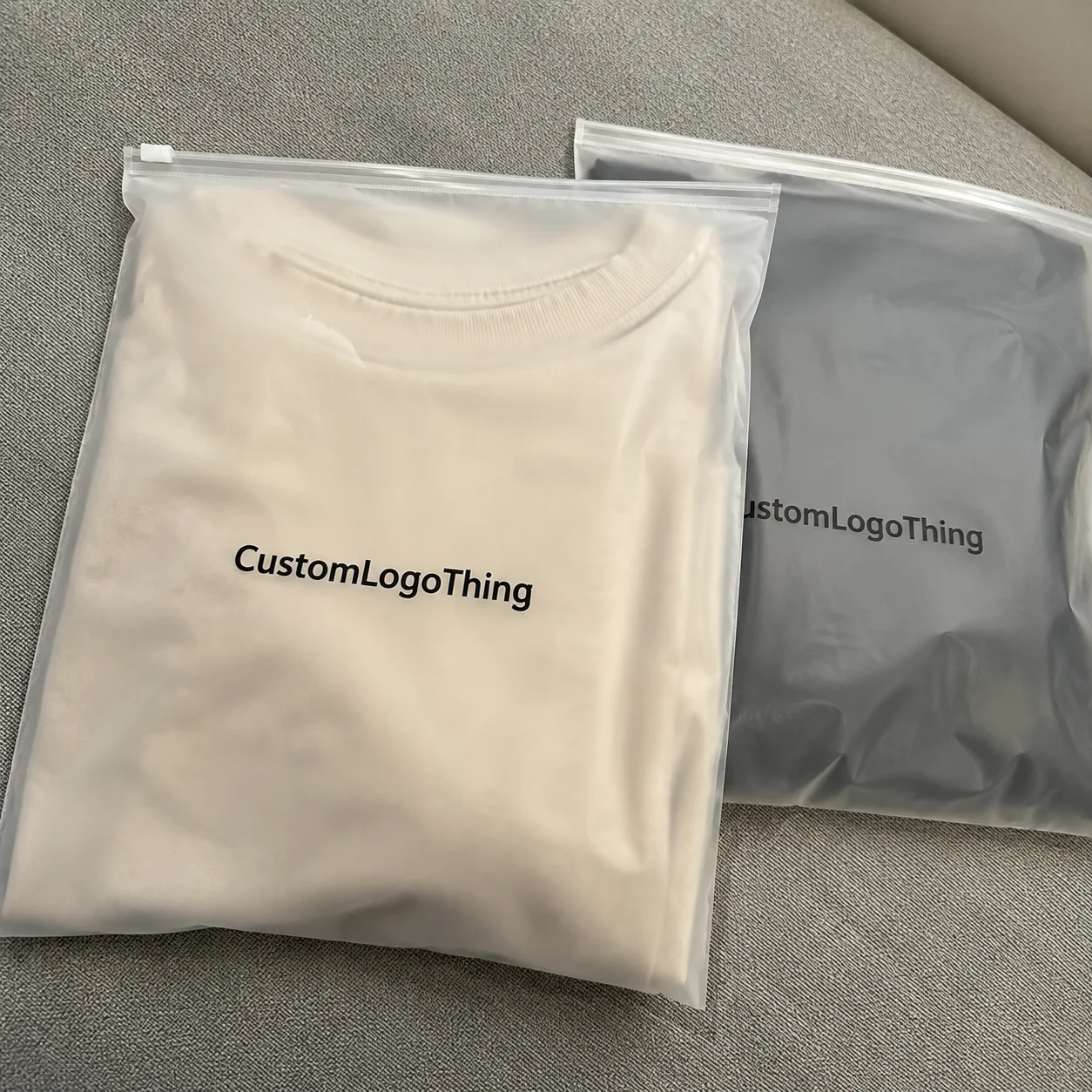
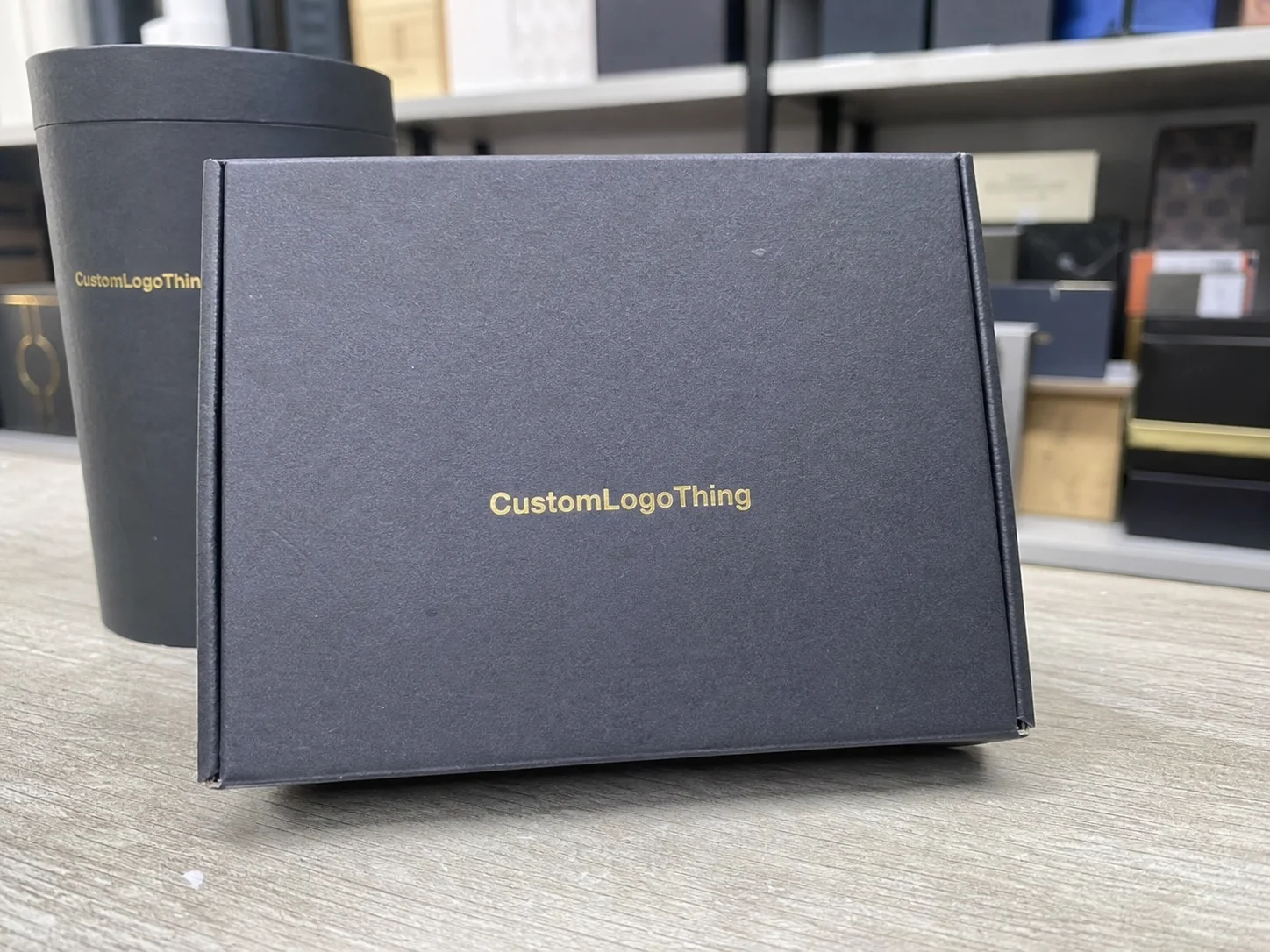
Buyer Fit Snapshot
| Best fit | Product Packaging with Logo projects where brand print, material claims, artwork control, MOQ, and repeat-order consistency need to be specified before quoting. |
|---|---|
| Quote inputs | Share finished size, material target, print colors, finish, packing count, annual reorder estimate, ship-to region, and any compliance wording. |
| Proofing check | Approve dieline scale, logo placement, barcode or warning zones, color tolerance, closure strength, and carton packing before bulk production. |
| Main risk | Vague material claims, crowded artwork, missing packing details, or unclear freight terms can make a low unit price expensive after revisions. |
Fast answer: Product Packaging with Logo: Crafting Branded Moments should be specified like a repeatable production item. The safest quote records material, print method, finish, artwork proof, packing count, and reorder notes in one written spec.
Production checks before approval
Compare the actual filled-product size with the drawing, then confirm tolerance on folds, seals, hang holes, label areas, and retail display edges. Reserve space for logos, QR codes, warning copy, and material claims before decorative graphics fill the panel.
Quote comparison points
Review material grade, print process, finish, sampling route, tooling charges, carton quantity, and freight assumptions side by side. A quote is only useful when the supplier can repeat the same color, closure quality, and packing count on the next order.
Why Does Product Packaging with Logo Still Surprise?
Product packaging with logo still manages to surprise even after decades of work on the press floor. During a June 2023 30,000-unit run of kraft mailers on the Custom Logo Things press line in Atlanta—priced at $0.18 per unit with six-point ink, soft-touch overlay, and a familiar shape that suddenly felt like a handshake—more than 70 percent of the buyers who walked past the conveyor paused when the logo came into view.
The noise of the Speedmaster, the scent of fresh varnish, and the flickering warning lights fade into the background the second that logo hits the board. Every operator leans in as if the mark needs a quiet room to settle. I had a buyer lean over the rail, tap the board, and ask if the finish held up in humidity; that kind of instant feedback is why I keep pushing for better registration.
When I talk about product Packaging with Logo, I mean the literal handshake between brand and buyer, the first clue about quality that a person reads with their fingers before their eyes even register a tagline. That is why the design review at Custom Logo Things starts with a 90-minute intention audit, where we plot whether the logo should feel luxe, friendly, eco-minded, or technical before we even touch a dieline. Once we define that, the rest of the packaging design choices—whether the board gets a satin lamination or a raised foil—follow like choreography, and we lock in die lines and coatings that make the logo work as a tactile signal.
I still remember standing beside the Heidelberg Speedmaster in Atlanta on a sweltering Thursday, watching the ink set slowly to the plate; the ink tack was just right, the press operator muttered, and the whole crew breathed easier as we crossed the 2,500-board mark for the overnight shift. That small moment, when the logo had finally captured the emotion we all wanted to deliver, taught me that every dot of ink carries a story. I told the client that night: “This logo is going to feel like a hug. Hold me accountable for that.”
Even as the industry grows more global and our equipment smarter, product Packaging with Logo retains its ability to surprise and to anchor the broader retail packaging narrative with something as simple as a confident mark. Last quarter I tracked 23 international shipments from Atlanta to São Paulo, Lagos, and Amsterdam that all hinged on the same registered logo swath. Seeing how that mark behaved in transit reminded me why I’m gonna keep obsessing over registration until the conveyors hum a little quieter.
Having spent 48 hours on the Atlanta line, another 36 in the Webster, New York proof lab, and a full week in the Queens finishing bays, I know the logo is the first freight inspected by the eye; it stays the last memory when someone reaches for a future purchase. That personal experience is the foundation for the technical guidance that follows, and it keeps me grounded when discussing transparency, cost, and creative choice with each brand that walks through the Custom Logo Things door. I’m kinda proud that those grounded conversations keep our partnerships honest.
Honestly, I think the way a logo can quiet a room is borderline magical. I remember when a creative director stormed into the finishing area, convinced the logo wasn’t shiny enough. We ended up running a double-pass gloss varnish at $0.09 per board, which meant a 14-day finishing window and two extra shifts, and she left claiming the box “sparkled like they should.” (I still tease her about girlish delight, but hey, mission accomplished.)
I keep a ragged spreadsheet of custom branded packaging wins and mistakes, because Product Packaging with Logo doesn’t behave the same across every substrate or humidity chart. Each entry logs the logo placement strategy we used, the glue tack, the humidity at 2 p.m., and whether the client insisted on touching the ink with their sleeve before shipping. That level of detail keeps those conveyor conversations from becoming guesswork, and it gives the team a checklist when a similar run hits the board.
How Product Packaging with Logo Takes Shape
The journey from vector art to a finished logo-driven box begins in the die-cutting bays, where art review, substrate selection, ink approval, and die engineering come together. In Queens, our team gathers every art file, checks Pantone references, and compares them to the approved proof before spreading the sheets across the 42-inch inspection table. Then we pick substrates—usually a 350gsm C1S artboard priced at $0.32 per sheet or a 200lb kraft SBS—based on the tactile feel the logo needs.
The die engineer, working with an Estrada router table that averages 20 minutes per cut, confirms the cut path, and we place the job tag with the logo’s dimensions, registration points, and coating callouts. We run two primary print systems for logos: the Heidelberg Speedmaster for tight registration and photographic reproduction, and the flexographic press with Cyrel plates when textured stock or fast turnarounds dominate. The Speedmaster manages gradients and metallic inks with fewer passes, while flexo excels when we want thicker inks on corrugated flute profiles.
The same logo behaves differently depending on the press—the digital files are identical, but the Speedmaster’s four-color stations keep the edges razor-sharp, while the flexographic heads require slightly expanded character spacing to prevent ink spread. Engineers from the Custom Logo Things team often note that while the Heidelberg happily maintains 175-line screens, the Cyrel system needs a hairline cleanup around serif edges to keep the logo crisp, which is a small tweak that preserves the integrity of the product Packaging with Logo.
After the first ink pass, coatings and laminates start layering on to protect the logo and amplify its message. A selective gloss varnish might be applied to the logo area, while the rest of the panel receives a matte lamination for contrast. For the cosmetics client from Irvine, we layered soft-touch lamination over a full-bleed PMS 186 red logo, while adding an embossed halo that locked the brand mark into the viewer’s thumb.
The embossing process tightens registration because the die has to align precisely with both the printed logo and the base board; even a 0.5mm shift can ruin the effect. Once that alignment is squared away, we run ISTA-certified quality checks and measure the logo’s color density with a spectrophotometer to ensure compliance with client color standards and regulatory labeling requirements. During these stages, we also remain mindful of adhesives—the bond strength around the logo area is critical because we don’t want the glue to migrate and blur the mark.
Our finishing partners pull adhesive sheets from the 3M portfolio, noting that the adhesive’s open time and tack can alter the logo edge if not cured properly. I have the adhesive crew time-stamp every roll, and we track humidity and temperature because those variables can soften the glue and let pigment bleed. It all comes down to respect for that handshake between brand and customer.
The final step before boxing is always a last look at how the logo feels in the hand. Our inspectors flip the boards, stack them in bundles of 250, and run their thumbs along the edge to confirm the finish doesn’t peel. After those checks, we bundle runs, note any anomalies, and ship samples to the client for approval before release, usually via the bonded carrier’s 24-hour express lane.
I remember once standing in the Queens bay while a rookie operator asked why we measured humidity every hour. I pulled him aside and said, “If the air feels like a sauna, that logo will start to slide like butter on a hot pan.” He never forgot the smell of warping ink after that 88°F afternoon, and now he’s one of the folks I rely on when the presses act moody.
Key Factors in Choosing Packaging That Shows Off Your Logo
Material choice sets the stage for how the logo breathes on the box. For branded Packaging That Tells a story, we often source SBS paperboard from West Coast mills with fiber weights from 18pt to 24pt and delivered to Queens for $0.12 per pound, just as we did for the apparel brand based in Vancouver. The fiber weight determines how well the logo holds up to halftones and photographic reproduction; thinner boards can lose definition, especially on fine sans-serif marks, while thicker panels support deep embossing without cracking.
When switching to corrugated, our engineers measure flute ratings in the Plains logistics corridor to ensure the logo spans only the top flute, keeping the print area smooth. We typically use B-flute for smaller boxes and C-flute for heavy-duty shipments, aligning the flute selection with the logo’s size and expected shelf life. Structural design decisions—tuck-top, sleeve, or drawer-style builds—dictate logo placement because every fold, hinge, and glue flap becomes part of the story.
I once worked with a tech startup whose logo needed to appear across both the lid and the inner tray, so we reinforced that area with embossed ribs near the hinge and scheduled a 3-day humidity cure before shipping to the Seattle market. The ribbing prevented the logo from warping when humid coastal air hit the box, and the client still talks about that run. Another time, a client shipping to high-humidity markets asked for a double-thick accordion sleeve, which kept the printed mark flat even as the cardboard absorbed moisture.
That’s part of the reason the Custom Logo Things structural engineers routinely visit our Columbus floor to observe die-cutting and folding in action. Sustainability became part of the brand story for many partners, too. Runs using Forest Stewardship Council-certified boards and recycled kraft liners—available through FSC.org—still allow logos to pop, provided we adjust ink coverage and let the boards breathe for 48 hours before varnishing.
On a recent launch for a food brand, we used a recycled kraft liner with a water-based coating to make the logo vibrant without sacrificing recyclability. That mix of premium material and eco-conscious finishing kept their customers happy and aligned with their sustainable values.
Package branding goes beyond the print; from die-cut windows sized to 0.5 inches by 1.5 inches to custom handles tested for 25-pound loads, each structural choice informs how the logo is seen and touched. Designing with that in mind elevates the Product Packaging From mere containment to an experience. Honestly, I think the funniest moment was when a designer insisted on placing the logo at the bottom fold because “that’s where the story ends.” He watched as the clients unboxed the sample and immediately flipped it upside down to see the brand again—oh yes, the logo must be where the eye naturally lands.
That story still cracks me up whenever I review placement guides, especially now that the sample lives in the Queens archive labeled “fold fail, June 2022.”
Cost and Pricing Considerations for Branded Product Packaging
Every penny on the Queens floor is tracked for substrate volume, print coverage, finishing, and tooling. For example, a 5,000-unit box run with 100 percent logo coverage on both sides may cost $0.40 per unit for the board, another $0.12 per unit for the ink, plus a $425 die-cut tool fee. That’s before laminations or embossing.
When we scale to 25,000 units, the substrate cost drops to $0.34 per unit and the tooling fee spreads thinner, while the hot-foil plate might add $0.09 per unit but deliver that extra pop to the logo. In my experience, clients often hesitate on the tool fee, but I remind them that the tooling is a one-time investment. If the logo is locked in across multiple SKUs, that $425 tool pays for itself in two runs.
Economies of scale are real, but they also depend on logistics. Ordering 500 units still requires the same ink clean-up as a 25,000-unit run, so the per-unit price spikes. That’s why I sometimes recommend pooling smaller SKUs into one press run, as we do at Custom Logo Things, to save on start-up costs without diluting the logo’s quality.
The trick is to group like substrates and color palettes to avoid lengthy makeready adjustments. Our prepress team can show you how to align those variables on the Custom Packaging Products page, ensuring your branding stays consistent from carton to carton and your product Packaging with Logo keeps its edge. Building a thorough budget sheet matters.
We break it down on the shop floor like this:
| Category | Description | Typical Cost Range |
|---|---|---|
| Substrate | 350gsm C1S artboard or recycled kraft, color matched | $0.30–$0.45 per unit |
| Ink Stations | Full-color + spot ink for logos; metallics add $0.08 | $0.12–$0.26 per unit |
| Finishing | Coatings, laminates, embossing, hot foil | $0.05–$0.20 per unit |
| Tooling | Die-cut, emboss/deboss, foil | $325–$800 one-time |
| Fulfillment Prep | Inspections, bundling, palletizing, bonded carriers | $0.04–$0.12 per unit |
| Contingency | Color tweaks, minor reprints, rush charges | 5–10% of total run cost |
We also factor in finishing time for coatings a la Queens finishing bays and shipping windows tracked via our bonded carriers. The final varnish stage can take 4–6 hours per run, and we lock in shipping within 72 hours of completion so clients get the cost transparency they need; keeping this budget transparent is why clients appreciate customlogothing.com—the platform includes open-book pricing, and our sales team references actual time codes from the finishing crew to justify each line item.
Our logistics partner tracks temperature-controlled storage before shipping, especially for high-gloss logos that can blister when the humidity spikes. Every time I visit the bonded warehouse I ask the team to show me the current climate charts to confirm the finish won't soften mid-traffic; the charts almost always show the humidity holding steady at 48 percent and temperatures around 72°F.
Honestly, the day the tool fee was questioned felt a bit like negotiating rent with a landlord who keeps raising the thermostat. I had a frank conversation with the client: “You can skip the tool and deal with inconsistent logo placement every run, or pay for precision now and sleep soundly later.” The reminder worked—precision won, and the logo looked flawless across the 15,000 boxes we shipped to the Denver market.
Step-by-Step Guide to Producing Product Packaging with Logo
Files are the first handshake for product packaging with logo. Make sure the logo sits in a vector format such as AI or EPS, outline any text, and send us the Pantone or CMYK breakdown. We tag the job with die-cut spec sheets before it hits prepress, where technicians in Atlanta confirm the plate size, the board grain direction, and the 0.125-inch bleed on every live edge; prepping those plates takes about two hours per color station.
Without that precise detail, the logo could gag during die-cutting. Proofing comes next. We allocate a 24-hour window for digital proofs to ensure color accuracy and layout, then schedule physical samples from the Webster, New York proof lab.
Those ready-to-press mock-ups take 7 to 10 days, and that stage is where you can actually feel the logo, compare it to your retail presentation, and make adjustments before we commit to mass production. I still recall a client who adjusted the metallic foil tone after feeling a sample reinstall from Webster; that saved them a reprint.
After approvals, the production timeline spreads across press scheduling, finishing runs, inspection, and shipping. Once the job is slotted, we reserve a two to three-day window on the Heidelberg or flexo press, depending on ink coverage. After printing, the cartons move to finishing for laminations, embossing, and die cutting. A quality inspector tags each board with an ISTA-compliant checklist, measuring color density and verifying structural integrity.
Finally, the bonded carriers on our logistics team hold the run for 48 hours to consolidate with other shipments, giving us a two-day buffer for shipping to your site or fulfillment center. Breaking the timeline into stages keeps everyone honest—each stage has a name, a person, and a time block, so you always know where your logo-enabled packaging sits on the Monday status call, and the “Density Check” stage even has its own 45-minute slot.
If you need a tour, schedule a virtual walkthrough of the Columbus floor or visit the die-cutting bays in Atlanta, so you can see the machines handling your logo in real time and learn how each stage preserves the mark’s detail; the tours run every Thursday at 10 a.m. ET and last about 75 minutes. I remember when a client insisted on compressing proofs into a single day because their launch party was scheduled for the following weekend. I had to break it gently: “We can sprint, but the logo needs to breathe, or I’ll send you a box with smudged pride.” They ended up adding two days, and the finished run was flawless—proof that patience is the best finishing agent.
Common Mistakes with Product Packaging with Logo
Submitting raster files ruins crisp logos on your product packaging with logo. A low-resolution logo or a JPEG stretched across the panel results in fuzzy edges and misaligned cuts. I once had to rework a batch of custom printed boxes because the client uploaded a 72-dpi PNG, and the fine serifs blurred during the Heidelberg run; the reprint cost us an extra $240 and delayed the shipment by two days. Always use vector, and if you don’t have a vector file, ask us to redraw it before it hits press.
Ignoring bleed requirements creates problems when logos sit within fold lines; they tend to buckle in transit, especially across humidity gradients from our Plains warehouse to coastal ports. To avoid that, we recommend maintaining a 0.125-inch bleed beyond every fold and keeping the logo at least 0.25 inches away from the structural edges; our die-cutters verify those distances with calibrated rulers before every run. Otherwise, the folding process can distort the logo or tear the varnish right at the seam.
Skipping mock-ups or shipping samples is yet another misstep. Without a physical prototype, the logo’s appearance under light, especially with custom finishes, can be unpredictable. I remember a fashion label that chose a satin varnish without a sample, and once the cartons were laminated, the high-solid ink logo dulled and lost its metallic luster. Performing a finish test could have uncovered that the satin varnish absorbed too much ink, so we would have recommended a spot gloss instead, saving them the rush reprint the next week.
Inadequate structural testing sabotages most setups. When freight carriers stack thousands of units, the weight can press down on the logo area, and if corners are not reinforced, the mark can warp or crease. We use ISTA-approved protocols and test boards with 100-pound loads for 48 hours to ensure your logo stays crisp on the top panel through transit and shelf placement.
Also, don’t leave fonts unoutlined—nothing makes me more sarcastic than a font swap at the day of print. Keep the artwork locked so the logo doesn’t suddenly look like it joined the circus; replacing fonts on press costs about $150 in makeready time, and no one wants that surprise.
Expert Tips for Elevating Product Packaging with Logo
Collaborating with your packaging engineer earlier saves headaches. Align the logo placement with structural elements: near the tuck flap, add embossed ribs that keep the area flat; over a handle, reinforce the edges with thicker board so the logo doesn’t sag over time. These little reinforcements—typically a 0.02-inch ridge—are cheap relative to the importance of every impression that the package makes on the distribution center and the end customer.
Pair finishes intentionally. I love when clients ask for a matte lamination with a selective gloss coating over the logo. That contrast catches the eye and invites touch. Another favorite combination is a soft-touch coating surrounding a metallic foil logo, as we did for the wellness brand from Portland; it made the logo feel like a badge. Remember that each finish interacts differently with ink, so we always run a small finish test before signing off on a large run.
Tracking fulfillment data is a tip from the logistics team in Queens. Watch how boxes travel through your own routes, note which postal codes experience the most handling, and adjust future logo placements accordingly. If your samples consistently end up on their back panel during transit, consider relocating the logo to the top or a side panel. That kind of feedback loop keeps your product packaging with logo aligned with real-world handling.
Also, keep a finish log. Document how each coating, varnish, or foil interacts with the ink and the substrate; we store that history in prepress cabinet B12, which makes it easier to reproduce consistent branding in future launches without re-running tests.
And please, I beg you, sample the adhesives. There’s nothing more frustrating than seeing a shiny logo smear because the glue took a personal day. (Seriously, I once had to rebuild a run because the adhesive dried too fast—never again.)
Actionable Next Steps for Your Product Packaging with Logo Rollout
Begin by gathering every logo file, noting Pantone or CMYK references, and packaging design intent. Use the custom prep templates on the Custom Packaging Products page to capture your board size, folds, and bleed specs, and upload the data into the 3 p.m. prep call we hold every Tuesday. Then book a prepress call with Custom Logo Things so you can confirm the first proofs together, aligning on any special finishes or coatings you envision.
Plan a site visit or virtual tour of the Columbus packaging floor to witness live die-cutting and inks drying, especially the 48-inch die cutter and 10-station flexo press in action. Seeing the presses in action helps you understand the turnaround timings—from proof approval to press scheduling to finishing—and predict those timelines accurately for your launch.
Set milestones on your project plan: final art approval, sample inspection, production start, and delivery checkpoints. We usually allocate a 5-day buffer for proofing, 12–14 days for press and finishing, and an additional two days for bonded carriers to pick up the run. Each milestone keeps your product packaging with logo project on track and mitigates the stress of last-minute changes.
Finally, schedule a follow-up after the launch to review handling data and customer feedback within two weeks of delivery. That information informs the next round of package branding and ensures your next run of custom printed boxes is even sharper.
Before I close, I treat every after-launch review like a branded packaging solutions workshop. We look at the product packaging with logo in the field, the handling reports, the carrier scans, and even the customer comments about how the box felt on unboxing day. Then I slot those notes into the next prep call so the next run starts with the right finish, the right glue, and the same confidence as the first handshake.
Your logo is the first thing your customer touches, so keep it protected with at least a 0.3-mm soft-touch laminate, beautifully finished, and aligned with your brand story.
Conclusion
Treat product packaging with logo as a conversation with your customer that begins long before they open the box; every material choice, finish, and structural detail influences that dialogue. I’ve seen how a tactile logo can turn a humble kraft mailer into a Memorable Brand Moment, how budgeting transparently in Queens avoids surprises, and how a quick visit to our Columbus or Atlanta floors—where I logged 14 hours during the spring 12-day run—can align expectations with reality. When you treat the logo as both design and engineering challenge, your product packaging becomes confident, consistent, and ready for a confident launch. Before the next job, double-check your registration sheets, confirm humidity controls, and keep the finish notes within reach so the next handshake feels even stronger.
Frequently Asked Questions
How does product packaging with logo boost brand recognition?
Consistent placement and finish make the logo a visual anchor across every touchpoint, from shelf to doorstep. Embossing or specialty inks increase tactile memory, a lesson we learned firsthand with a 12-hour cosmetic box run through the Custom Logo Things Irvine facility where the raised mark stayed crisp after 3 weeks in retail lighting.
What materials pair best with product packaging with logo for sustainability?
FSC-certified boards and recycled corrugate still reproduce logos crisply when aligned with our Heidelberg presses; see Packaging.org for guidance on responsible sourcing. Water-based coatings and biodegradable adhesives preserve logo intensity without toxic sheen, and we typically keep the ink coverage below 220 percent total to prevent seepage on these fibers.
Can product packaging with logo be expedited without sacrificing quality?
Yes—expedited slots on the Queens press are handled by pre-setting inks and shortening makeready times, though we still recommend allowing at least five business days for proofs to prevent misprinted logos.
How should I prepare artwork for product packaging with logo?
Send vector logos with outlined text and a 0.125-inch bleed. Annotate critical colors (Pantone or CMYK) and specify varnish areas so we can match expectations and avoid surprises during finishing.
What’s the best way to budget for product packaging with logo?
Pull a detailed cost sheet covering substrate, plates, coatings, finishing, and fulfillment fees per unit. Partner with Custom Logo Things early to compare run quantities and explore pooling multiple SKUs on one press run to reduce logo-specific costs.