Buyer Fit Snapshot
| Best fit | Recycled Carton Labels with Logo projects where brand print, material claims, artwork control, MOQ, and repeat-order consistency need to be specified before quoting. |
|---|---|
| Quote inputs | Share finished size, material target, print colors, finish, packing count, annual reorder estimate, ship-to region, and any compliance wording. |
| Proofing check | Approve dieline scale, logo placement, barcode or warning zones, color tolerance, closure strength, and carton packing before bulk production. |
| Main risk | Vague material claims, crowded artwork, missing packing details, or unclear freight terms can make a low unit price expensive after revisions. |
Fast answer: Recycled Carton Labels with Logo: Material, Adhesive, Artwork, and MOQ should be specified like a repeatable production item. The safest quote records material, print method, finish, artwork proof, packing count, and reorder notes in one written spec.
Production checks before approval
Compare the actual filled-product size with the drawing, then confirm tolerance on folds, seals, hang holes, label areas, and retail display edges. Reserve space for logos, QR codes, warning copy, and material claims before decorative graphics fill the panel.
Quote comparison points
Review material grade, print process, finish, sampling route, tooling charges, carton quantity, and freight assumptions side by side. A quote is only useful when the supplier can repeat the same color, closure quality, and packing count on the next order.
Recycled Carton Labels With Logo: A Practical Guide
A carton can be made from recycled fiber and still miss the sustainability mark in a buyer’s mind if the label looks glossy, clingy, or like it belongs on a totally different package. That is exactly why recycled carton Labels with Logo deserve more attention than they usually get. The label is often the first visual proof of the brand promise. If it clashes with the carton, the message gets weaker fast.
Packaging teams run into these labels at a messy intersection. They need to brand shipping cartons, folding boxes, subscription packs, and retail-ready mailers without making the package feel overdone or misleading. The job is not just picking recycled paper and calling it done. It means balancing stock, adhesive, print method, application conditions, and end-of-life expectations so the label looks sharp, stays put, and makes sense in the real world.
What Recycled Carton Labels with Logo Really Are
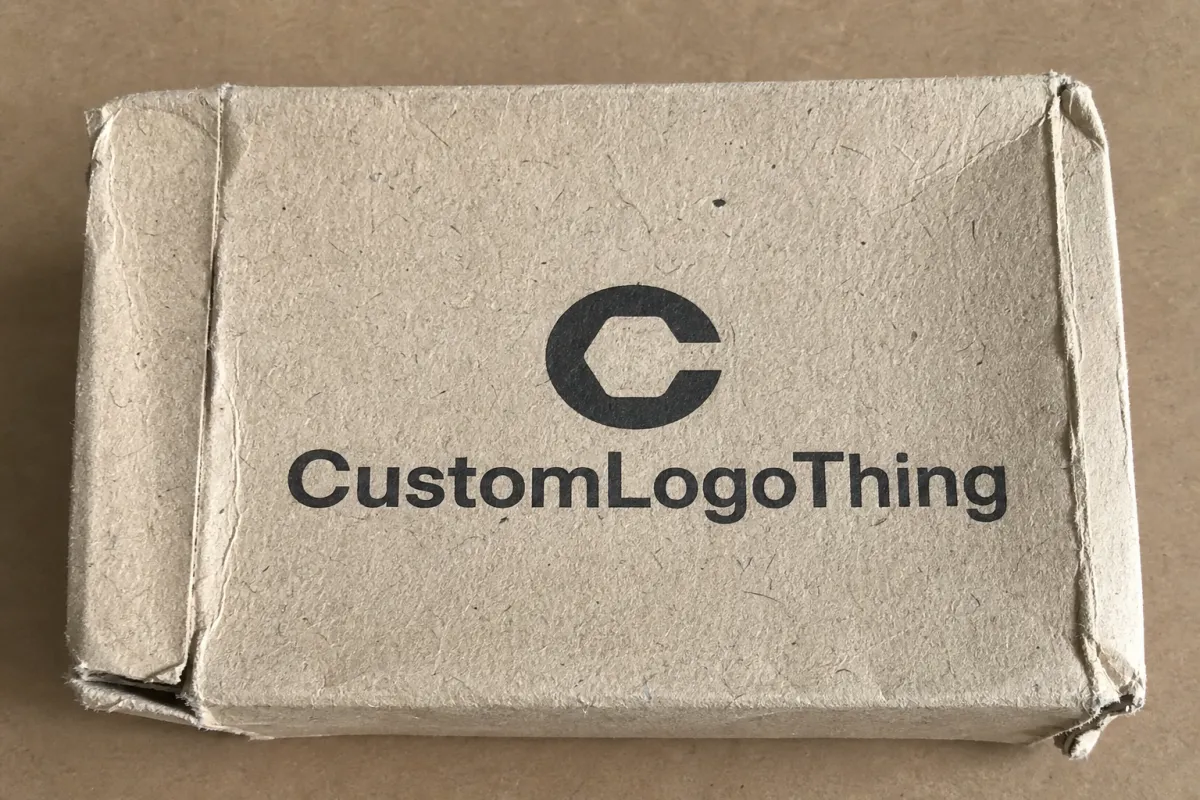
At the simplest level, recycled carton Labels with Logo are pressure-sensitive labels made from recycled or recycled-content stocks and printed with your brand mark. They are usually paper-based facestocks built for corrugated cartons, folding cartons, or mailers. That sounds simple enough. The terminology is where things go sideways.
Buyers often treat words like recycled, recyclable, and post-consumer recycled as if they mean the same thing. They do not. Recycled-content means the material contains recovered fiber or other recovered inputs. Some of that content may come from pre-consumer scrap, some from post-consumer recovered material. Post-consumer recycled content is the one most brands care about in a sustainability claim because it comes from material that already served a consumer use. Recyclable means the material can usually enter a recycling stream under certain conditions. That is not the same thing as saying every facility will accept it, or that the label will detach cleanly without affecting pulp recovery.
That distinction matters because a brand can choose a carton made from recycled fiber and still weaken the message with the wrong label facestock or adhesive. A bright film label on a kraft shipper can look out of place. A heavily coated label can feel premium, but it may also make the package harder to recycle. A paper label with a compatible adhesive usually keeps the package story cleaner, especially if the carton itself is brown kraft or recycled board.
Brands use these labels for a few practical reasons. Shipping cartons need branding without a full print run on the box. Folding boxes may need product identification, UPC support, or batch data. Subscription packs need a fast way to add personalization without changing the carton tool. Retail-ready mailers often need a logo, return instructions, and a low-waste appearance that still looks intentional on shelf.
There is also a buyer-side reality that gets skipped too often. From a packaging buyer’s point of view, the label has to do more than “look eco.” It has to survive handling, stay legible under warehouse lighting, and fit the line speed without creating a labor headache. If it fails any of those checks, the sustainability claim turns into decoration instead of packaging strategy.
If you are comparing label formats early, our Custom Labels & Tags page is a practical place to start. For teams that need branding and data on the same piece, the right recycled carton labels with logo can become a small spec choice with a big customer-facing effect.
"A recycled carton can still read as generic if the label feels cheap. The label is the first read, not the last detail."
How the Production Process and Timeline Works
The production path for recycled carton labels with logo usually goes like this: spec sheet, artwork review, proofing, printing, finishing, die-cutting or kiss-cutting, quality check, and shipment. The order looks neat on paper. The delays are not neat at all. Most late jobs get held up long before ink hits stock, usually because the artwork file is not ready, the dieline does not match the carton, or someone is still deciding between two finishes while the production slot disappears.
The fastest jobs are the ones that arrive with a complete brief. That means the carton dimensions are known, the label size is fixed, the logo is supplied as vector art, and the approval chain is short. Missing any one of those pieces adds time. A designer may need to clean up the logo. A procurement manager may need to check a sustainability claim. Operations may need to confirm where the label will land on the line. Each pause looks small. Together, they can eat several business days without much drama.
Lead times depend on stock availability and finishing complexity. For a straightforward recycled paper label on standard stock, proof approval might take 1-3 business days, production 5-10 business days, and transit another 2-5 business days depending on distance. Rush work can compress the schedule, but only if the artwork is ready, the stock is on hand, and the finish is simple. Custom shapes, metallic accents, heavy varnish, or specialty adhesives stretch the timeline because each one adds setup, inspection, or curing time.
That timeline also changes by buyer scenario. A DTC brand launching a new seasonal shipper may need a short run in a hurry. A contract packer running five carton sizes will care more about repeatability and line fit. A retailer refreshing private label packaging may want a longer proof cycle because color consistency matters more than speed. Same label category. Different constraints. Ignoring that is how deadlines get ugly.
Label format matters too:
- Roll labels are usually the best choice for automatic applicators or higher-volume packing lines. They are efficient, but the core size and unwind direction need to match the applicator.
- Sheeted labels work well for hand application, short runs, or small teams that print and pack in batches. They are easy to store, though they can slow down higher-volume operations.
- Kiss-cut labels are useful when you want the labels separated but still held on a liner. That can help with short runs, sample packs, or mixed-SKU kits.
Shipping deserves more attention than it usually gets. A label that looks perfect leaving the press can still arrive curled if it is packed in a hot trailer or stored in a humid room. Paper-based recycled stocks are not fragile by default, but they do react to moisture and pressure. If your cartons ship nationally, or sit in a warm warehouse before use, ask how the labels are packed and whether the supplier has experience with transit testing. The ISTA testing framework is a useful reference when packaging has to survive real distribution conditions, not just a lab table.
One more practical point: proof time is not production time. Buyers often ask for a “two-week turnaround” without separating art approval from manufacturing. That creates bad expectations. A cleaner request is: proof within two days, production within seven to ten business days after approval, and shipping quoted separately. That split keeps everyone honest.
Cost, Pricing, and MOQ for Recycled Carton Labels with Logo
Pricing is usually driven by six variables: stock, adhesive, finish, size, color count, and quantity. The shape of the label matters too, mostly because a custom die adds setup cost. A plain rectangle or standard oval is usually easier on price than a highly irregular contour. The same goes for print method. A simple one- or two-color job on a standard paper label is materially different from a full-color logo with a special coating and tight registration.
MOQ, or minimum order quantity, is where many buyers get surprised. Small quantities almost always carry a higher unit price because the supplier still has to pay for setup, proofing, die cutting, and QC. Once you move into higher quantities, those setup costs spread across more labels. That lowers unit cost, but it raises the invoice total. A lower per-label price can still mean a larger upfront spend, which matters if you are buying labels in lockstep with carton inventory.
The ranges below are typical for custom printed recycled-content paper labels, but they change with size, print coverage, and finishing. Large labels, specialty adhesives, or unusually tight color requirements can sit above these numbers. Use them as directional benchmarks, not promises carved into stone.
| Order Size | Typical Unit Cost | What Usually Drives the Price | Best Fit |
|---|---|---|---|
| 1,000-2,500 labels | $0.18-$0.45 each | Setup cost, proofing, die fee, short-run waste | Launches, seasonal runs, pilot packaging tests |
| 5,000-10,000 labels | $0.07-$0.22 each | Balanced setup spread, standard production efficiency | Growing brands, recurring carton orders, multiple SKUs |
| 25,000+ labels | $0.03-$0.10 each | Low setup impact per piece, better press efficiency | High-volume cartons, national distribution, repeat programs |
Those numbers matter only if you compare the same spec across every quote. A lower unit price can hide a more expensive die, a higher freight charge, or a slower turnaround. Ask for line-item clarity on the following:
- Stock type - recycled paper, FSC-certified paper, or recycled-content facestock.
- Adhesive - permanent, removable, or specialty low-temp / high-tack.
- Finish - matte, gloss, soft-touch, or uncoated.
- Setup fees - dieline, die, plates, or proof charges.
- Freight - standard ground, expedited, or split shipments.
It also helps to ask for three quantity tiers in one quote, such as 2,500, 5,000, and 10,000 pieces. That makes the breakpoint visible. Sometimes the jump from 2,500 to 5,000 labels cuts unit cost enough to justify the higher spend. Sometimes it does not, especially if usage is uncertain or the carton design may change. Compare total cash outlay, not just the lowest unit number.
For broader format options and to compare whether tags or labels suit the application better, the Custom Labels & Tags range can help you benchmark choices before you request a formal quote. A good quote should make it easy to see where the money goes, and where a small spec change could save 10-20 percent without hurting performance.
Key Factors That Decide Performance and Shelf Appeal
The visual side of recycled carton labels with logo is only half the story. The other half is how the label behaves on the carton surface. Recycled corrugated board can be rough, dusty, absorbent, or lightly coated. Folding cartons can be smooth, varnished, or textured. Those differences change how the adhesive wets out, how crisp the logo appears, and whether the edges stay down after packing and transit.
Surface texture matters more than most teams expect. A label that bonds nicely to a smooth SBS carton may lift at the edges on a recycled kraft mailer. Dust from corrugate can reduce initial tack. A matte recycled stock can keep the package looking natural, but if the ink coverage is too light, the logo may disappear into the brown fiber. Push the contrast too far, though, and the label can feel disconnected from the carton. The sweet spot is usually a legible logo, a controlled amount of white space, and a finish that matches the carton instead of fighting it.
Durability is another practical concern. Cartons get handled, stacked, rubbed, and sometimes chilled or dampened by storage conditions. That creates three common risks:
- Scuffing from freight contact, pallet wrap, or conveyor movement.
- Moisture exposure from cold rooms, humid dock areas, or condensation.
- Edge lift caused by rough stock, high dust, or aggressive bending at seams.
Adhesive choice can fix or worsen those issues. A permanent adhesive is the default for most cartons because it is the most reliable under normal packing conditions. Removable adhesive is useful if the carton may be reused, relabeled, or returned. Wash-off adhesive is more specialized and usually makes sense only when end-of-life sorting or recovery is part of the packaging plan. None of these is universally “better.” The right choice depends on whether the carton is a shipping pack, a retail display box, or a returnable component.
| Adhesive Type | Best Use | Typical Cost Impact | Main Caution |
|---|---|---|---|
| Permanent | Most shipping cartons and retail-ready packs | Usually base pricing | Can be hard to remove without residue |
| Removable | Reusable cartons, relabeling, returns | Often adds $0.01-$0.03 per label | May lift sooner on dusty or textured boards |
| Wash-off | Recovery-focused packaging systems | Often higher than standard adhesives | Needs testing against carton and recycling pathway |
Sustainability claims should stay tied to performance. A label that falls off in transit, smears under rubbing, or blocks a legitimate recycling path creates more waste than a modest material upgrade would have. The EPA's recycling guidance at EPA recycling resources is a good reminder that recycling rules vary by region and material stream, so claims should be precise rather than optimistic. If your carton carries a specific environmental statement, verify that the label stock, adhesive, and ink system do not contradict it.
The logo itself deserves a technical check too. On recycled stock, fine type can fill in, thin lines can break, and light colors can disappear against kraft tones. Bold marks usually print more cleanly than intricate line art. A logo that looks elegant on screen may need a thicker stroke or stronger contrast on the finished label. That is not a design flaw. It is a packaging reality.
Step-by-Step Guide to Specifying Your Labels
The cleanest way to specify recycled carton labels with logo is to start with the carton and work outward. Too many teams do the reverse. They fall in love with a label look, then try to make it fit every carton SKU, every storage condition, and every ship mode. That usually leads to rework. A better method is practical and specific.
- Document the carton surface. Record whether the carton is corrugated, folding board, kraft, coated, recycled-content, or textured. Note the finish and any varnish, because a matte recycled carton behaves very differently from a slick coated one.
- Define the job the label must do. Is it branding only, or does it also carry compliance text, shipping data, tamper evidence, batch codes, or a promotional message? A label that tries to do everything in one small rectangle often does none of it well.
- Choose the size based on viewing distance. A small 2 x 3 inch label can work on a plain mailer, but a warehouse-visible logo often needs more room. If the carton is read from a distance, give the mark enough white space to breathe.
- Prepare artwork correctly. Send vector files when possible, not a low-resolution screenshot. Keep minimum text size practical; on rough recycled stocks, 5-6 pt text is often the floor, while 7 pt or larger is safer. Leave at least 0.125 inch bleed where the shape requires it.
- Match print method to artwork. If the design depends on very fine detail, check whether digital, flexographic, or another method fits the color count and run size. Dark inks on kraft usually read better than pale tints.
- Ask for samples or a prototype run. Apply the label to the actual carton, not just to a flat sample sheet. Press it down with the same hand pressure or applicator you will use in production.
- Test under real conditions. Check edge lift, scuffing, moisture behavior, and logo clarity after stacking and transit simulation. If the carton will spend time in cold storage or humid shipping lanes, test that environment too.
There is a reason experienced buyers ask for real samples before committing. A label that behaves on a clean bench can change completely on a dusty carton line. The bond can take longer to set. The corners can curl. The finish can read dull under warehouse light. These are not tiny details; they decide whether the final pack feels intentional or improvised.
One useful workflow is to request three proof stages: digital artwork proof, physical stock sample, and application test on the actual carton. That sequence catches most mistakes early, before you pay for a full production run. If you need a quick reference while building your spec sheet, compare the finish and adhesive options inside our Custom Labels & Tags selection and map them against your carton conditions.
Common Mistakes Brands Make With Recycled Carton Labels
Most label problems are predictable. They happen because the team assumes a recycled-looking stock is enough, or because the carton and the label were specified by different people who never compared notes. The result is usually an awkward package, extra cost, or a claim that is harder to defend than expected.
- Choosing the wrong stock for the carton surface. A label that looks sustainable on paper may still fail on a rough, dusty, or highly textured carton. The bond matters as much as the fiber story.
- Over-finishing the design. Soft-touch lamination, heavy gloss, or elaborate coatings can make a recycled carton feel disconnected from the rest of the package.
- Assuming “recyclable carton” means “any label is fine.” Adhesive, facestock, and inks all affect recovery. The full package needs to be checked, not just the carton board.
- Skipping a real-world application test. A label that looks perfect in proofs can fail once it meets humidity, hand oils, cold storage, or conveyor rubbing.
- Using vague sustainability language. Terms like eco-friendly or green are too loose to support a packaging claim. Specific material descriptions are more credible and easier to defend.
Another common mistake is underestimating how much the dieline affects the final result. A label placed too close to a seam, fold, or score line may lift or wrinkle. A label that crosses a corrugate flute direction can behave differently from one applied across the grain. Small geometry choices can be the difference between a package that looks polished and one that looks rushed.
Color management is also underestimated. Recycled paper stocks absorb ink differently than coated white stocks. That means the same logo can print richer, flatter, or duller depending on the paper base. If brand color matters, ask for a color-managed proof and set expectations for what the stock will do to the final appearance. The carton is not a neutral canvas.
If your team ships cartons through multiple channels, use a standard test matrix. Check the label on at least three carton conditions: flat storage, stacked pallets, and simulated transit. That is a simple way to catch edge lift and scuffing before the labels are in the field.
Expert Tips and Next Steps Before You Order
When buyers get the best results with recycled carton labels with logo, they tend to do the same few things well. They keep the brief tight. They ask for evidence, not promises. And they compare options before committing to a large run. That sounds obvious, but it is where a lot of packaging programs lose money.
Start by asking for a sample pack that shows at least two recycled stocks, two adhesive types, and one finish upgrade or downgrade. Holding the options side by side reveals more than a spec sheet. A matte recycled paper may feel right for a kraft shipper, while a smoother recycled sheet may work better on a folding carton. You will see the difference in logo sharpness, tone, and tactile weight almost immediately.
Next, build a one-page spec sheet before you request final pricing. It should include:
- Carton material and finish
- Label dimensions and shape
- Artwork files and logo versions
- Quantity tiers
- Application method
- Storage and transit conditions
- Required turnaround
That one page can save several revision cycles. It also makes comparison shopping cleaner because every supplier is pricing the same job. If one quote is materially lower, you will be able to see whether the difference comes from stock, adhesive, finish, or setup assumptions.
Ask for claims review before the labels are printed. If the carton is made from FSC-certified fiber, that is not the same as saying the label itself is FSC-certified, and a recycled-content label is not automatically recyclable everywhere. The language has to match the actual material and the actual packaging system. Clear claims are not just safer; they are more persuasive because they do not overreach.
Finally, do not approve a production run until the sample passes real use. That means sticking the label on the actual carton, packing it the way your team will pack it, and checking it after handling, stacking, and transit. If the label survives that test, you are far more likely to get a clean result in production. For teams that want to compare labeling formats before locking in, our Custom Labels & Tags page is a useful benchmark for stock, adhesive, and finish choices.
Good label buying is rarely dramatic. It is a sequence of small decisions that line up: the right recycled stock, the right adhesive, the right artwork, and the right test method. Get those aligned, and recycled carton labels with logo can make the carton look credible, current, and ready for packing, shipping, and retail display without pretending the material system is something it is not.
Frequently Asked Questions
Are recycled carton labels with logo actually recyclable?
It depends on the label stock, adhesive, inks, and the recycling rules in your region. Paper-based labels with compatible adhesives are usually easier to recover than plastic-faced labels, but that does not guarantee acceptance in every local recycling stream. If recyclability matters to your claim, test the full label-carton combination instead of assuming compatibility.
Will a logo print clearly on recycled carton labels with logo?
Yes, if the artwork has enough contrast and the label stock matches the print method. Bold logos and cleaner line work usually perform better than thin, delicate details on textured recycled stock. A proof or sample run is the safest way to confirm legibility before full production.
What affects the price of recycled carton labels with logo the most?
Quantity, stock choice, adhesive type, finish, and whether the label needs a custom shape have the biggest impact. Setup items such as dies, plates, and proofing can raise the initial quote, especially on small runs. Ordering more labels usually lowers unit cost, but it increases total spend up front.
How long does production usually take for recycled carton labels with logo?
Turnaround depends on proof approval, stock availability, and finishing complexity. Simple orders move faster than custom shapes, specialty coatings, or unusual adhesives, and shipping time still has to be added on top. Ask for proof time, production time, and shipping time separately so the timeline is realistic.
What should I test before approving recycled carton labels with logo?
Test adhesion on the actual carton material, not just on a flat sample. Check scuffing, moisture exposure, stack pressure, and how the logo looks under normal lighting. If the carton will move through cold, humid, or high-touch environments, test in those conditions too. That is the safest way to avoid rework and protect the packaging story behind recycled carton labels with logo.


