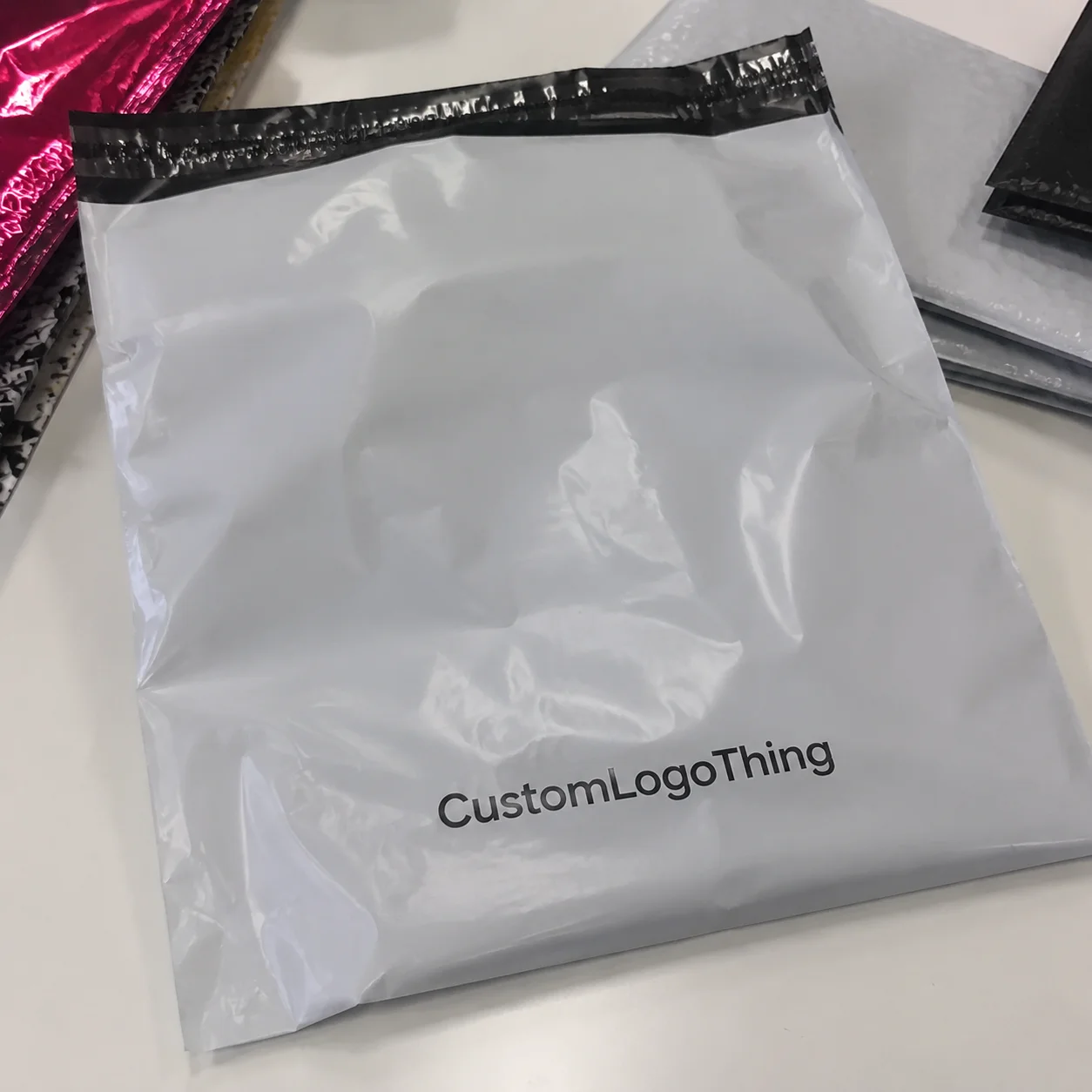
Buyer Fit Snapshot
| Best fit | Recycled Mailers for Ecommerce projects where brand print, material claims, artwork control, MOQ, and repeat-order consistency need to be specified before quoting. |
|---|---|
| Quote inputs | Share finished size, material target, print colors, finish, packing count, annual reorder estimate, ship-to region, and any compliance wording. |
| Proofing check | Approve dieline scale, logo placement, barcode or warning zones, color tolerance, closure strength, and carton packing before bulk production. |
| Main risk | Vague material claims, crowded artwork, missing packing details, or unclear freight terms can make a low unit price expensive after revisions. |
Fast answer: Recycled Mailers for Ecommerce: Film, Print, MOQ, and Carton Packing should be specified like a repeatable production item. The safest quote records material, print method, finish, artwork proof, packing count, and reorder notes in one written spec.
Production checks before approval
Compare the actual filled-product size with the drawing, then confirm tolerance on folds, seals, hang holes, label areas, and retail display edges. Reserve space for logos, QR codes, warning copy, and material claims before decorative graphics fill the panel.
Quote comparison points
Review material grade, print process, finish, sampling route, tooling charges, carton quantity, and freight assumptions side by side. A quote is only useful when the supplier can repeat the same color, closure quality, and packing count on the next order.
Recycled Mailers for Ecommerce: What to Know Before Buying
Most brands spend all their time perfecting the box and treat the mailer like a side character. That usually ends up costing more than it saves. recycled mailers for ecommerce are often the first package surface a customer touches, and that first touch shapes the opening experience before the product even shows up. If the mailer feels flimsy, prints poorly, or splits in transit, the sustainability story gets undercut pretty quickly. I have seen that happen more than once, and it is never a fun cleanup.
The better options are practical rather than flashy. recycled mailers for ecommerce are shipping mailers made with recycled content, usually selected to reduce virgin plastic or virgin fiber use while keeping packout fast and handling simple. The right structure can handle apparel, soft goods, supplements, accessories, and subscription kits without slowing the warehouse down. The wrong structure creates rework, damage claims, and a customer service backlog that nobody wants on their plate.
Packaging buyers usually need a straight answer, not a slogan. The real question is not whether a mailer contains recycled material. The real question is whether it runs cleanly, protects the product, and lands at a cost the business can live with. That is the standard worth using, and it is the one I would trust.
"The best spec is the one the warehouse can run without drama."
Recycled Mailers for Ecommerce: What They Are and Why They Matter
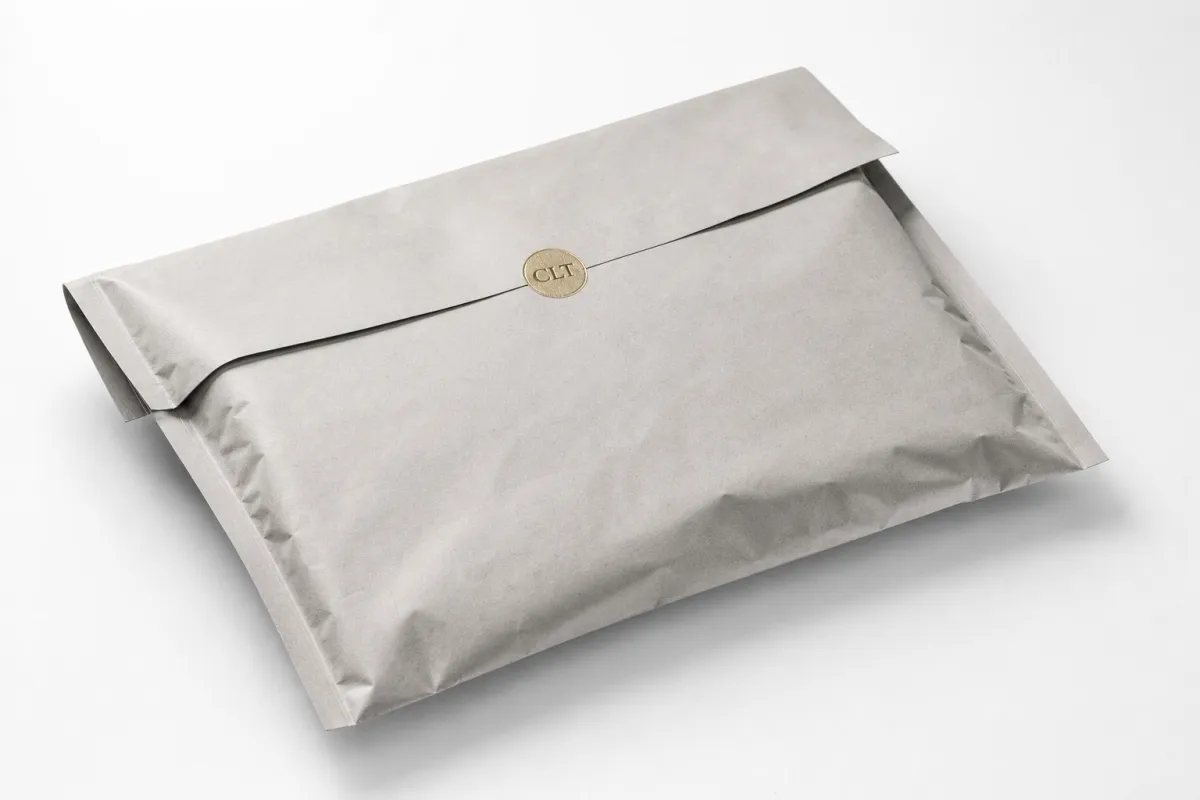
At a basic level, recycled mailers for ecommerce are mailers made with recycled content in the base material. That content can come from post-consumer waste, post-industrial waste, or a blend of both. The construction might be a recycled polyethylene film for a poly mailer, a kraft paper mailer with recycled fiber, or a hybrid build meant to balance durability with end-of-life considerations. The outside can look simple while the material science underneath is doing a lot of heavy lifting.
Brands care about these mailers for a few grounded reasons. Lower package weight can trim shipping costs across large order volumes. Recycled content can reduce dependence on virgin material, which is one of the few sustainability choices that actually shows up clearly in a spec sheet. Customers have also become less tolerant of oversized packaging that adds cost without adding protection. Shipping empty space is hard to defend, no matter how polished the copy is.
recycled mailers for ecommerce are a strong fit for products that do not need rigid crush protection. Apparel, leggings, socks, beauty kits, accessories, supplements, printed goods, and subscription items usually fit the profile well. Products with hard corners, heavy hardware, glass, or sharp edges deserve more caution. Thin mailers are not magic armor. They are still a structure, and structure matters.
The branding upside is real too. A mailer is a visible surface, which means it can carry a logo, shipping instructions, QR code, or a restrained design that feels intentional rather than loud. Used well, recycled mailers for ecommerce can look thoughtful and disciplined. Used badly, they can feel like a compromise nobody fully agreed on.
One mistake shows up again and again: recycled does not mean weak, and recycled does not automatically mean curbside recyclable. Those are separate claims. A mailer can contain recycled content and still need a specific disposal path. A package can be recyclable in theory and still be useless if local collection systems will not accept it. Marketing teams love to blur that part. Procurement should not.
If you are comparing broader packaging options, the catalog on Custom Packaging Products makes it easier to see where mailers fit alongside boxes, inserts, and other ship-ready formats. For apparel-heavy programs, Custom Poly Mailers are usually the fastest place to start.
Paper-based sourcing claims deserve a little discipline. FSC certification is a useful checkpoint for fiber origin, and the FSC site is the right place to verify what that mark actually covers. For performance validation, ISTA test methods tell you far more than a polished sample photo. Samples can look great and still fail under conveyor drops and rough sortation.
How Recycled Mailers for Ecommerce Work in the Shipping Process
To understand recycled mailers for ecommerce, it helps to look at the shipping process instead of the finished pouch on a sales page. A mailer is a small system made up of material, seam, closure, print layer, and size, and each piece has to cooperate with the others. If one part is off, the package slows the line or fails in transit. That is usually where the hidden cost starts.
The flow is simple enough on paper. The product goes in, the operator removes excess air or folds down slack, the adhesive strip or closure gets sealed, a label goes on, and the package moves into sortation. Size affects every step. A mailer that is too small forces the product in and strains the seal. A mailer that is too large lets the contents shift, which puts stress on the seam. Proper sizing is not a small detail. It is the difference between a smooth run and a pile of annoyances.
recycled mailers for ecommerce also need to survive the abuse that happens between packout and delivery. Cartons get stacked, tossed, slid, and bumped across tables and conveyors more often than most people care to picture. With poly mailers, buyers usually talk in microns or mils. With paper mailers, GSM and fiber blend matter more. A thin recycled film can still perform well if the structure is right. A heavier paper mailer can still split if the folds are weak or the adhesive is poorly chosen. Materials do not care about branding language.
A common source of confusion leads to bad buying decisions: recycled content is not the same thing as recyclability. Recycled content tells you where the material came from. Recyclability tells you whether the used package can be collected and processed again. Those ideas are related, but they are not interchangeable. A mailer can contain recycled content, carry heavy printing, and still be poorly accepted in some local systems. If the brand is planning copy for the carton, website, and product page, that distinction matters.
Warehouse conditions change the picture fast. A mailer that behaves well in a slow hand-pack setting may act differently on a faster line with automatic bagging, conveyor friction, and less room for correction. Label placement matters because a label crossing a seam or fold can peel early. Ink adhesion matters if the surface gets scuffed during transit. Tamper-evident closures need to hold in heat, cold, and dusty storage, not just in a clean sample room.
Good suppliers will talk about burst strength, puncture resistance, seam integrity, and adhesive performance without making those terms sound mysterious. That is the right conversation. recycled mailers for ecommerce are not only about sustainability language. They have to hold up through packing, carrier sortation, and the final handoff at the door.
Cost, Pricing, and MOQ for Recycled Mailers for Ecommerce
Price is usually where enthusiasm runs into a wall. recycled mailers for ecommerce can be cost-effective, but the quote shifts quickly based on size, material, print coverage, closure type, and order volume. Buyers who ask only for a single price usually get a weak answer, because packaging pricing is a stack of variables rather than one clean number.
The main cost drivers are easy to follow. Larger mailers use more material. Heavier gauges cost more. Higher recycled-content percentages can raise the price depending on resin or fiber availability. Custom printing adds setup and ink or plate cost. Special adhesive systems, tear strips, matte finishes, and tamper-evident features all add cost. Stock items are cheaper to start. Custom runs cost more up front, though the unit price can drop faster once volume rises.
For rough planning, many small-to-mid volume programs see stock recycled mailers somewhere around $0.14-$0.28 per unit depending on size and material. Custom printed recycled mailers for ecommerce often land closer to $0.18-$0.42 per unit at moderate quantities, with the range widening if you want full coverage, specialty finishes, or thicker film. Paper-based recycled mailers can sit higher, especially if the build is tuned for strength instead of the thinnest possible sheet count. Freight, tariffs, storage, and waste can move the real number just as much as the quote itself.
MOQ matters just as much. Some stock programs can start around 1,000 to 3,000 units if the supplier has inventory on hand. Custom printed orders often start around 5,000 to 10,000 units. That is not the supplier being stubborn. It is the math of setup, changeover, and production efficiency. A smaller brand may accept a higher unit cost to avoid sitting on dead inventory. A growing brand may take a bigger MOQ to lower long-run cost. Either approach can be smart. Either one can also become expensive if the forecast is wrong.
| Option | Typical Unit Cost | MOQ | Best For | Watch Outs |
|---|---|---|---|---|
| Stock recycled poly mailers | $0.14-$0.24 | 1,000-3,000 | Fast launches, test orders, smaller SKUs | Limited sizing, weaker brand fit |
| Custom printed recycled poly mailers | $0.18-$0.42 | 5,000-10,000 | Brand-led shipments, repeat programs | Setup cost, longer lead time |
| Recycled paper mailers | $0.22-$0.55 | 2,000-5,000+ | Paper-first claims, softer presentation | Heavier cost, tear and moisture concerns |
That table is only the starting point. A quote that looks low can become expensive if freight is high, the warehouse needs repacking, or failures trigger replacements. Ask for pricing at several breakpoints, then compare total landed cost. Unit price, freight, duties, setup, storage, and spoilage all belong in the same conversation. A low headline number is not a win if the actual spend ends up worse.
Custom print coverage can eat margin faster than many teams expect. A single-color logo in one corner behaves very differently from a full-surface branded design with multiple spot colors. Keeping the print strategy as simple as the brand can tolerate often keeps the package cleaner and the cost saner. If the mailer is shipping thousands of times, every extra ink pass compounds. Simple often wins, even if the design team grumbles a little.
Process, Timeline, and Production Steps for Recycled Mailers for Ecommerce
The ordering process for recycled mailers for ecommerce is straightforward enough, though a few points often stretch the schedule. The clean path looks like this: brief, spec selection, sample review, quote approval, production, quality control, and delivery. The messy path looks like vague dimensions, too many email revisions, artwork issues, late approvals, and someone asking why the order is not already on a pallet.
- Brief the use case. Tell the supplier what is shipping, how it is packed, and what problem the mailer has to solve.
- Lock the spec. Size, material, closure, print, and quantity need to be written down before pricing begins.
- Review samples. Physical samples reveal seam behavior, stiffness, opacity, and print quality better than a PDF ever will.
- Approve artwork. Keep the file simple and make sure the brand color is realistic for the base material.
- Run production. The factory should confirm tolerances, gauge, and finishing before the full run starts.
- Check QC and delivery. Inspect seal quality, print registration, dimensions, and packing condition before the warehouse gets a surprise.
Timeline management is where planning pays off. Stock recycled mailers for ecommerce can often move in 7 to 15 business days if inventory is available and the artwork is simple. Custom printed programs usually need 15 to 30 business days after proof approval, sometimes longer if material needs to be sourced fresh or if the factory is busy. Peak selling periods always make timelines tighter. Packaging delays like to show up exactly when nobody has room for them.
The most common schedule killers are predictable once you have bought a few times. Artwork revisions take longer than expected. Material sourcing changes the timeline if the spec is unusual. Samples move slowly because every stakeholder wants one more look. Factory congestion gets worse near peak season. That is not an excuse, just the reality of production. Good planning respects reality instead of pretending it will behave differently this quarter.
If a launch date matters, the smartest move is to lock the spec early and leave room for one round of corrections. A brand that gives itself a cushion looks organized. A brand that assumes the schedule will take care of itself usually ends up sending apology emails to operations.
Key Factors That Decide Performance and Fit
Fit is the point where recycled mailers for ecommerce either work beautifully or create a string of small problems that build into real cost. Size comes first. A mailer that is too large wastes material and lets the product move around. A mailer that is too small creates sealing stress and split corners. The right size has to account for the product, any inner wrap, and the way the pack team folds or inserts the item.
Strength follows closely behind. A lightweight tee is one thing. A folded denim bundle with hard edges is another. Zippers, hardware, sharp corners, and rigid inserts can puncture thin film or wear through paper at the fold line. For heavier products, a thicker recycled film or a reinforced paper structure is usually the smarter route. A few extra cents can be cheaper than replacement shipments and customer service headaches.
Closure quality matters more than most buyers admit. A weak adhesive strip can turn a decent mailer into a return risk. Tamper-evident seals should close once and stay closed. If the seal lifts in cold storage, humid conditions, or dusty packing areas, the package loses credibility fast. Sample testing is not optional here. The package has to survive the real environment, not the ideal one.
Branding and print create another tradeoff. Heavy coverage looks premium in a mockup and costs real money on a purchase order. On recycled film, some inks hold color better than others. On paper, black and deep neutrals often look cleaner than bright colors that need more saturation. If the goal is a premium unboxing, the design should feel deliberate and restrained. Empty space can carry more confidence than a loud surface.
End-of-life claims need the same level of discipline. A mailer made with recycled content is not automatically curbside recyclable. A mailer that is technically recyclable may not be accepted locally. Customer instructions should stay honest and simple. If the package contains recycled content, back that claim with supplier documentation. If the package is recyclable, make sure the statement matches the material and the disposal systems customers can actually use. Anything else creates a trust problem.
Here is the short version: recycled mailers for ecommerce have to fit the product, the warehouse, and the claim. Miss any one of those, and the package becomes a liability instead of a solution.
Step-by-Step Guide to Choosing Recycled Mailers for Ecommerce
There is a practical way to choose mailers, and it does not require a theory session. Start with the products, define the priorities, test real samples, and compare equal specs. That process cuts noise and keeps the team from arguing over packaging in circles.
- Audit the product mix. List the size, weight, shape, and fragility of each SKU family. A recycled mailer spec should start with actual products, not guesses.
- Set priorities. Decide whether recycled content, curbside recyclability, print quality, or the lowest landed cost matters most. More than one priority can matter, but one has to lead.
- Request samples. Do not approve recycled mailers for ecommerce from a screen. Test them with real inserts, real labels, and real packing staff.
- Compare equal specs. Ask suppliers to quote the same dimensions, gauge, closure, and print treatment. Otherwise, the pricing comparison is not real.
- Run a short trial. Use a small batch, track damage rate, and time the packout. That tells you more than a marketing deck ever will.
- Scale the winner. Buy the option that balances performance, cost, and speed. The cheapest mailer is not cheap if it slows the line or adds returns.
I like to frame the decision in three columns: what the product needs, what the warehouse can run, and what finance can tolerate. recycled mailers for ecommerce work best where those columns overlap. If one column is out of line, the package may still function, but somebody will have to work around it every day. That kind of hidden friction is what makes a packaging program feel bigger than it should.
Testing should cover seam strength, closure adhesion, puncture resistance, label adhesion, and print scuffing. Moisture-sensitive products deserve a humidity check. Packages that travel through rough sortation deserve drop and vibration testing. You do not need a lab full of dramatic equipment, but you do need enough stress to find weak points. Shipping is not gentle, and it is usually less forgiving than the sample table.
That is where standards help. ISTA test methods give you a structured way to see how a mailer behaves under transit abuse instead of just hoping for the best. If a supplier can speak clearly about testing, that is a strong sign. If they dodge the subject and keep talking about finish quality, keep looking.
At this stage, a short internal checklist keeps everyone honest:
- Is the mailer sized for the largest SKU in the family?
- Does the closure stay closed after pressure and handling?
- Does the print still look clean after scuffing?
- Can the warehouse pack it without slowing down?
- Does the claim match the material and sourcing paperwork?
That is the whole job. recycled mailers for ecommerce are easy to buy when the requirements are clear. They become difficult when everyone assumes somebody else already wrote the spec.
Common Mistakes and Expert Tips for Recycled Mailers for Ecommerce
The biggest mistake is buying on the sustainability claim alone. That sounds noble and usually ends in expensive frustration. recycled mailers for ecommerce still need strength, closure quality, size control, and warehouse compatibility. If those basics are off, you have not bought a better package. You have bought a nicer-looking problem.
A second mistake is overbranding. It happens a lot. Someone wants the entire surface printed, every side fully covered, and the logo placed like the mailer is a billboard. The print budget climbs, and the shipment still looks busy rather than premium. A simpler print strategy often looks sharper and costs less. White space can do real work when the design is trying to feel intentional.
The third mistake is skipping testing. Sample approval on a desk does not equal success on a packing line. A closure that works in a quiet office may fail in a cold warehouse. A paper mailer that feels sturdy in hand may split after the first conveyor turn. A film mailer with recycled content may meet the spec and still scuff badly against neighboring parcels. Test it. Then test it in the real use case.
Here are a few habits That Save Money:
- Keep one spec sheet. Procurement, design, and operations should read the same document, not three different versions of it.
- Ask for two or three price breakpoints. That shows where the unit economics actually change.
- Track damage rate and pack speed together. A cheaper mailer that slows the line is not cheaper.
- Use the same test product in every sample. Otherwise, comparisons get noisy and misleading.
- Get the claim language checked early. No one wants to rewrite packaging copy after print approval.
Recycled content percentages can be tricky. Higher recycled content is not automatically better if it hurts performance or availability. Sometimes a slightly lower percentage with better consistency is the better business decision. That is not a moral failure. It is supply chain math, and supply chain math usually gets the last word when the orders start rolling in.
For teams that already know the product mix, the fastest win is usually a short pilot. Pick one SKU family, one warehouse lane, and one customer segment. Compare the candidate mailers side by side. recycled mailers for ecommerce are much easier to judge after 500 or 1,000 real shipments than after a product sheet meeting that ran too long.
Next Steps: How to Put Recycled Mailers for Ecommerce Into Action
Do not try to change every package at once. Start with one SKU family, one lane, and one target pack goal. That gives you a clean read on whether recycled mailers for ecommerce improve the program or only change the paperwork. Packaging changes are easier to manage when they are controlled and specific.
The simplest next move is to build a short decision checklist:
- What product is shipping?
- How much protection does it really need?
- What recycled content or fiber sourcing claim do you need?
- Do you need print, and if so, how much?
- What is the target landed cost?
- How much lead time can you tolerate?
Then request two or three samples and run them through the real warehouse setup. Use the same product, the same label, and the same operator if possible. Measure damage rate, pack time, and any rework. That gives you a factual base for the reorder, which is much better than arguing about opinions in a procurement thread.
If the first run works, document it. Save the spec, the pricing, the sample sign-off, and the damage results. The next order will move faster if the team does not have to rediscover every detail. If the run fails, that is still useful. You just learned what not to buy. Packaging people call that progress. Finance people call it avoiding a worse problem.
recycled mailers for ecommerce work best when the spec, budget, and operations team are aligned from the start. That is the real lesson. Not recycled for the sake of recycled. Not cheapest for the sake of cheapest. A package that fits the product, runs cleanly, and supports the claim without creating headaches. That is the version worth buying.
Are recycled mailers for ecommerce strong enough for clothing orders?
Yes, for most apparel and soft goods, recycled mailers for ecommerce are usually strong enough if the size and material gauge match the actual product weight. I would still test seams, adhesive, and puncture resistance before scaling, especially for items with buttons, zippers, or folded edges. If the product is bulky or sharp-edged, upgrade the spec instead of hoping recycled content carries the load.
What is the difference between recycled mailers for ecommerce and recyclable mailers?
Recycled mailers contain recycled material. Recyclable mailers are designed to be collected and processed again after use. A package can be one, the other, both, or neither, so the terms should not be treated like synonyms. For recycled mailers for ecommerce, check the claim carefully and make sure it matches the actual disposal path in the markets you sell to.
How much do recycled mailers for ecommerce cost per unit?
Pricing depends on size, material type, print coverage, closure style, and order volume, so there is no clean universal number. Small runs usually cost more per unit, while larger runs drop fast once setup and freight are spread across the order. For recycled mailers for ecommerce, ask for quotes at multiple volumes and compare total landed cost, not just the sticker price.
What is the usual lead time for custom recycled mailers for ecommerce?
Stock options can move quickly, while custom recycled mailers for ecommerce usually need more time for proofing and production. Artwork changes, sample approval, and raw material availability are the usual delay points. If launch timing matters, build in extra buffer and lock the spec early. That sounds obvious, which is exactly why so many teams ignore it.
Can recycled mailers for ecommerce be printed with brand colors and logos?
Yes, most can be printed, but color accuracy and finish depend on the base material and print method. Heavy coverage can increase cost, so keep the design intentional instead of turning the whole surface into a billboard. Always review a physical sample before approving production. Used well, recycled mailers for ecommerce can carry brand color without creating cost chaos.