Buyer Fit Snapshot
| Best fit | Branded Carton Shipper Boxes projects where brand print, material claims, artwork control, MOQ, and repeat-order consistency need to be specified before quoting. |
|---|---|
| Quote inputs | Share finished size, material target, print colors, finish, packing count, annual reorder estimate, ship-to region, and any compliance wording. |
| Proofing check | Approve dieline scale, logo placement, barcode or warning zones, color tolerance, closure strength, and carton packing before bulk production. |
| Main risk | Vague material claims, crowded artwork, missing packing details, or unclear freight terms can make a low unit price expensive after revisions. |
Fast answer: Branded Carton Shipper Boxes: Board, Finish, Dieline, and Unit Cost should be specified like a repeatable production item. The safest quote records material, print method, finish, artwork proof, packing count, and reorder notes in one written spec.
Production checks before approval
Compare the actual filled-product size with the drawing, then confirm tolerance on folds, seals, hang holes, label areas, and retail display edges. Reserve space for logos, QR codes, warning copy, and material claims before decorative graphics fill the panel.
Quote comparison points
Review material grade, print process, finish, sampling route, tooling charges, carton quantity, and freight assumptions side by side. A quote is only useful when the supplier can repeat the same color, closure quality, and packing count on the next order.
Branded Carton Shipper Boxes: What to Know Before Buying
Branded carton shipper boxes carry more responsibility than a lot of teams first assume. They have to protect the product, survive the rough edges of distribution, and still present the brand with enough care that the customer notices the difference the moment the carton lands on a doorstep or a receiving dock. That is a demanding brief for corrugated packaging, and it is exactly why the spec deserves real attention instead of a quick approval.
From a packaging buyer’s point of view, branded carton shipper boxes are not decoration dressed up as logistics. They are control points. They help control damage, control labor, control freight waste, and control how the brand shows up outside the warehouse. A plain carton says the order moved. A thoughtful carton says the order was planned from the start.
If you ship subscription kits, e-commerce orders, refill packs, or wholesale bundles, the difference becomes obvious pretty quickly. One shipment arrives intact and forgettable. Another arrives with print, structure, and closure details that feel deliberate without drifting into unnecessary extravagance. That balance is the real work of branded carton shipper boxes, and it shows up long before anyone starts talking about color matches or artwork finishes.
I have seen teams spend hours polishing artwork while the structural spec was still fuzzy, and that usually ends the same way: the carton looks good on screen, then gets squashed, scuffed, or awkward to pack once the real product shows up. The box has to earn its place in the workflow first. The branding comes with it, not instead of it.
What Branded Carton Shipper Boxes Actually Do
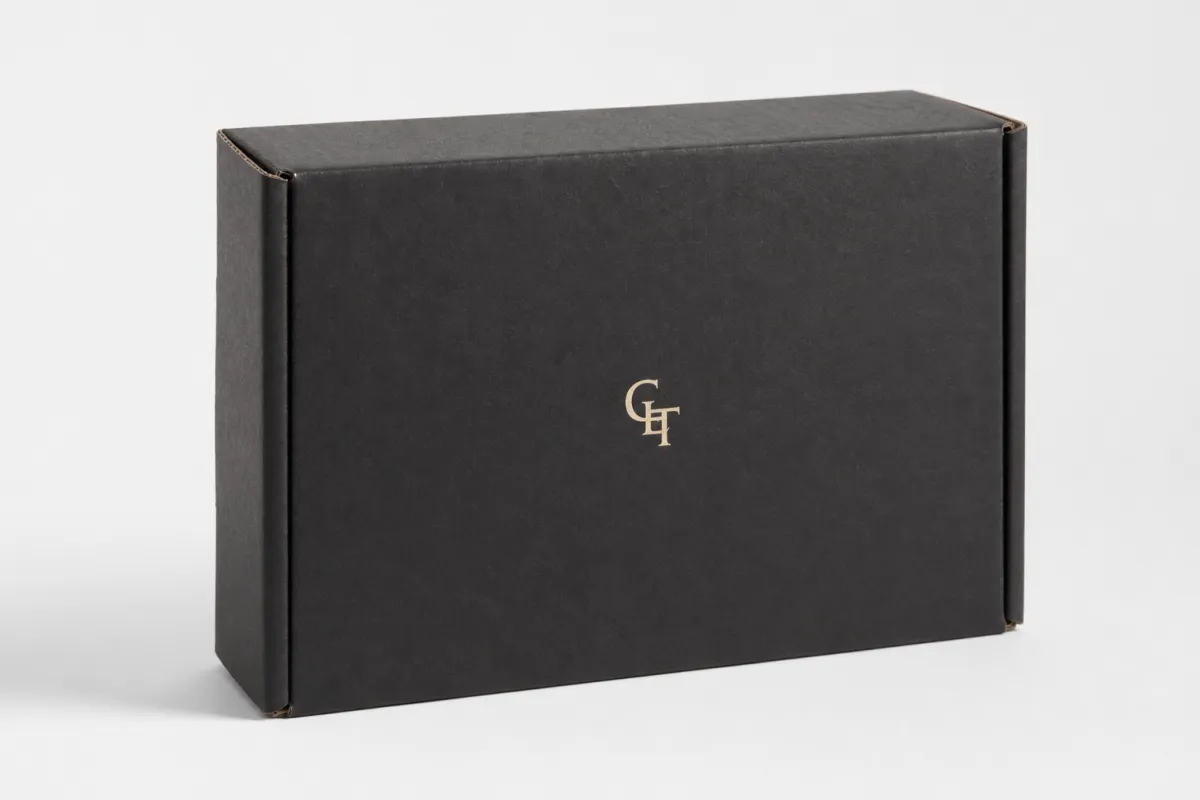
Branded carton shipper boxes have three jobs, and each one matters. They protect the product. They hold up through the carrier chain. They communicate the brand. If any one of those jobs falls apart, the box is not earning its keep, even if the mockup looked polished in a presentation deck.
The protective side is the easiest to understand, though it is also the one buyers most often under-spec because the carton looks good on screen. A printed carton with the wrong flute, weak board, or poor closure design can still look convincing in a render and still fail in the real world. A 24-inch drop, pallet stacking, fast-moving 3PL handling, or a long ride in mixed freight will expose weak spots fast. Structure comes before graphics for a reason.
The brand side is quieter, but it does a lot of work. A customer opening branded carton shipper boxes sees the packaging before the product itself. That first look shapes trust. Clean print, accurate proportions, and a box that closes squarely all signal that the company cares about the details. That kind of signal is not cosmetic fluff. It affects repeat orders, product perception, and how people talk about the brand after delivery.
Here is the simplest way to break down branded carton shipper boxes:
- Corrugation gives the carton its strength, stiffness, and crush resistance.
- Flute profile affects print quality, cushioning, and overall wall thickness.
- Print method shapes color accuracy, setup cost, turnaround time, and run efficiency.
- Finish changes how the surface resists scuffs and how the carton reads visually.
- Glue and closure style determine whether the carton stays secure in transit and packs quickly on line.
That list sounds straightforward until it is time to compare quotes or approve a sample. At that point the choices stop looking like one box and start looking like a stack of decisions that all influence the final result. Light products with short routes can often use a leaner spec without trouble. Fragile products, heavier goods, or shipments moving cross-country need more structure and a tighter test plan.
Branded carton shipper boxes are also not rigid luxury cartons, and they should not pretend to be. Their job is shipping efficiency first, appearance second, and that means limiting waste, avoiding unnecessary decoration, and respecting how fulfillment actually works. A carton that looks handsome but slows pack-out is a bad carton. Packaging theater does not pay freight bills.
It also helps to remember that customers judge the carton against the product category, not some idealized benchmark. A refill kit, an apparel shipment, and a premium accessory order all need branded carton shipper boxes, but each one needs a different construction choice. The right spec is the one that matches the route, the product weight, the pack-out method, and the level of handling the carton will face before it reaches the customer.
In practice, the best programs I have seen are the ones where the operations team, the designer, and the supplier all agree on the same plain-language goals early: protect the goods, keep pack-out moving, and make the first opening feel intentional. That sounds basic because it is basic, and honestly, the basics are where most packaging programs win or lose.
How Branded Carton Shipper Boxes Move Through the Process
Artwork gets the most attention, and that is usually where the trouble starts. Branded carton shipper boxes move through a predictable chain: product dimensions, structural spec, artwork setup, sample approval, production, packing, and inbound freight. Each step can move cleanly or become a bottleneck, depending on how early the decisions get locked.
Everything begins with measurement, and not just the item sitting in the carton. The product matters, of course, but so do the insert, the void fill, the loading orientation, and the clearance needed for efficient packing. If the product slides into a tray, the tray thickness matters. If the carton is hand-packed, the operator’s tolerance matters too. Branded carton shipper boxes that ignore those realities usually cost more later through labor, damage, or rework.
Proofing is the next place where teams lose time. A dieline is not a formality. It is the working map for logo placement, fold lines, barcode zones, and the legal copy that should never land in the wrong place. If someone approves the wrong dieline, the artwork may still technically fit, but the final carton can look off, fold poorly, or become hard to read. Small mistakes on a flat proof often become expensive mistakes in production.
The sample stage catches the issues that digital proofs cannot. A flat proof shows layout and proportion. A physical sample shows flap interference, closure tension, print behavior under light, and whether the carton actually survives handling. For branded carton shipper boxes, that sample is far cheaper than a pallet of cartons that has to be corrected after arrival.
Carrier handling matters just as much as aesthetics. Boxes are not only opened by customers; they are stacked, shifted, dropped, scraped, and sometimes treated with very little care. If the carton is headed into e-commerce channels, it is smart to reference a real test method or lab standard, such as ISTA procedures, rather than relying on hope. Hope is not a shipping strategy.
For teams comparing options early, the full system matters more than any single quote line. That is why a supplier portfolio like Custom Packaging Products can help during the planning stage, while Case Studies gives a clearer view of how different box programs behave once they are actually in circulation.
“The carton looked right in the file. The sample told us what the file could not.”
SKU count changes the pace as well. One size is manageable. Three sizes with different inserts, labels, or regional pack-outs demand tighter documentation and more disciplined scheduling. Branded carton shipper boxes for a single apparel line can move quickly. Branded carton shipper boxes for a fragile family of products with multiple ship sizes need a cleaner approval chain and less room for casual decisions.
Key Factors That Change Performance, Print, and Fit
Board grade and flute profile are the first things to get right. Strong artwork on weak corrugate still gives you a weak carton. For many branded carton shipper boxes, E-flute is a sensible choice when print clarity matters and the product does not need heavy cushioning. B-flute and C-flute bring more stack strength and a sturdier feel, which suits heavier items or rougher distribution routes.
Fit matters just as much as strength. Too much empty space leads to filler waste, slower packing, and a higher chance of product movement inside the carton. Too little space raises crush risk and can make the carton unpleasant to close on a busy line. The right branded carton shipper boxes should fit the product, the insert, and the person sealing them in a way that keeps the process moving without forcing anyone to wrestle the carton shut.
Print choice changes both the look and the economics. Flexo is common for simpler branding, especially on larger runs where setup can be spread across more units. Digital printing makes more sense for shorter runs, variable artwork, or quick-turn programs. Litho labels can create a premium visual surface, but they add process steps and cost. None of those options is automatically the best choice. The right method depends on run size, color complexity, and how polished the carton needs to feel.
Design limits matter too. Dark full-coverage backgrounds can show scuffs quickly. Small type near folds becomes risky. Barcode placement needs clean quiet zones. Heavy ink coverage can reveal board texture or make abrasion more visible after transit. Branded carton shipper boxes often look strongest when the design works with the material rather than trying to overpower it.
Moisture and abrasion deserve more respect than they usually get. Corrugated can handle plenty, but not every condition. If cartons move through humid warehouses, sit in mixed freight, or spend hours on a dock, the board selection and finish need to reflect that reality. A little scuff on a plain carton is one thing. A scratched logo on branded carton shipper boxes can make the whole program look cheaper than it was.
Sustainability plays a practical role, not just a marketing role. Recycled fiber content, FSC-certified board, and print systems that use less ink can all matter, especially for buyers who need to report on packaging waste or sourcing standards. The FSC framework is useful when you need chain-of-custody support, though it still has to be verified against actual sourcing instead of assumed from a sales sheet. FSC helps. Guessing does not.
Every choice has a tradeoff. A greener-looking spec may have a slightly rougher surface. A premium finish may increase cost or complicate recyclability. The job is to choose the least painful compromise for the product, the route, and the customer experience. That is what branded carton shipper boxes are really about: controlled decisions with a clear purpose.
One more practical detail: color and finish should be judged under the lighting the carton will actually see. I have watched proofs that looked perfect under bright office lights turn muddy under warehouse LEDs, and that kind of surprise is entirely avoidable if you check the sample in the right environment. It is a small step, but it saves a lot of second-guessing later.
Branded Carton Shipper Boxes Cost and Pricing Basics
Pricing for branded carton shipper boxes comes down to a few concrete variables: size, board grade, print coverage, color count, quantity, finishing, tooling, and whether the carton requires custom cuts or unusual structure. If a quote blurs those items together, comparison gets sloppy fast. Vague pricing is usually the first sign that a program will be harder to manage than it should be.
Unit cost changes a lot across quantity bands. A small run usually carries a higher per-box price because setup gets spread across fewer cartons. Larger runs lower the unit price, though they can raise inventory exposure and tie up cash. For branded carton shipper boxes, that tradeoff is normal. Cheap per unit is not the same thing as smart buying.
The lowest quote often hides the most expensive problem. A weak spec can create damage claims, repacking labor, higher freight volume, and more waste than anyone planned for. If a carton fails one shipment in fifty, the savings disappear quickly. Branded carton shipper boxes should be measured by total delivered value, not by a single line item on a purchase order.
There are three common buying models worth comparing:
| Option | Typical Unit Range | Best For | Tradeoff |
|---|---|---|---|
| Plain stock carton with label | $0.25-$0.60 | Very small runs, test launches, basic fulfillment | Lowest setup, weakest brand presentation |
| One-color flexo branded carton | $0.35-$0.90 | Stable SKUs, moderate volumes, practical branding | Cleaner identity, limited visual complexity |
| Fully printed custom carton | $0.70-$2.00+ | Customer-facing programs, strong shelf impact, premium unboxing | Higher setup, tighter artwork control, more exposure to scuffs |
Those ranges are broad, not absolute. A small carton with minimal print may come in under them. A large carton, a heavier product, or a surface with more finishing can land above them. Even so, the table gives buyers a practical frame for branded carton shipper boxes so they can ask better questions instead of staring at a quote and hoping the numbers will sort themselves out.
Another cost trap shows up when tooling, plates, sampling, and freight get bundled into one number. Split them apart. Ask for plate charges, print setup, sample fees, pallet counts, and inbound freight as separate items. That makes it easier to compare suppliers and keeps people from comparing apples to staplers.
Reorder pricing also deserves a close look. The first run often carries more setup than the second or third. If the program will grow, branded carton shipper boxes should be priced with that path in mind. A slightly higher first order can still be the better choice if it locks in the right structure, stable print, and a reorder path the team can actually repeat.
Step-by-Step Production Timeline for Approval and Delivery
A clean timeline starts with one basic rule: lock the product facts before touching the artwork. Measure the item, define the packing method, choose the structure, and confirm the target quantity. If those details keep changing, branded carton shipper boxes will keep slipping, and every delay will feel harder to explain than the last.
Proofing should be treated like a real checkpoint, not a box to tick. The dieline needs review for logo position, fold lines, bleed, barcode zones, and legal copy. If the carton needs compliance language or recycling instructions, that copy should be checked before print approval. A careful note in the art file costs far less than a correction on finished cartons.
Sample stages matter because each one exposes a different kind of problem. A flat proof is useful for layout, text, and proportion. A physical sample reveals fit, closure, stacking, and how the carton behaves under pressure. For branded carton shipper boxes, I would much rather reject a sample than discover a bad fit in a warehouse late in the day when everyone is already trying to go home.
Timeline depends on complexity. Simple digital runs can sometimes move in about 10-15 business days after proof approval if the artwork is ready and the supplier has capacity. Structural custom work, multiple colors, or special board requirements can stretch that to 3-5 weeks or more. If freight and receiving are part of the schedule, leave extra room for inbound coordination. Shipping cartons do not care about launch day excitement.
Here is a practical sequence buyers can follow:
- Confirm product dimensions, shipping weight, and pack-out method.
- Choose the board grade, flute, and closure style.
- Prepare artwork and confirm print method.
- Review the dieline and approve the proof.
- Request a sample if the item is fragile, dense, or high-value.
- Release production and lock the delivery window.
- Plan receiving, labeling, and pallet storage before the boxes arrive.
That process sounds ordinary because it is ordinary, and that is exactly the point. Ordinary is what you want from packaging production. The fewer emotional decisions in the chain, the fewer expensive mistakes later. Branded carton shipper boxes work best when the team treats them like a controlled production item instead of a design experiment.
One more practical step helps keep the process grounded: if the product will ship under a formal transit test program, reference the relevant expectations early. Packaging teams and labs often work from ASTM methods or ISTA-style testing, and that language keeps everyone aligned on what good performance actually means. Alignment saves money. Confusion spends it.
Common Mistakes With Branded Carton Shipper Boxes
The most common mistake is designing around the mockup instead of the product. A render can make branded carton shipper boxes look perfect while hiding structural problems, awkward proportions, or closure behavior that does not hold up in real use. Real cartons live in warehouses, vans, and sorting facilities, not on mood boards.
The second mistake is measuring only the product and forgetting everything that surrounds it. Inserts, void fill, wrapped components, protective sleeves, and loading tolerance all take space. If the box is measured too tightly, pack-out slows down and damage risk rises. If it is too loose, product movement adds waste and returns. Packaging gaps have a way of becoming operations problems later.
Artwork errors are another familiar failure. Low-resolution logos. Type too close to folds. Missing bleed. Very dark backgrounds that show dirt and scuffing. These are basic mistakes, yet they still appear because teams rush approval. Branded carton shipper boxes reward discipline and punish shortcuts. That rule shows up in production every time.
Process mistakes can be worse than design mistakes. Approving the wrong sample. Skipping drop testing. Changing copy after freight is already booked. Locking pallet counts before the final carton count has settled. Any one of those mistakes can add time and cost that nobody put into the budget.
Reorder timing is another quiet hazard. A carton line that runs out during a campaign creates trouble in every direction: emergency reprints, rush freight, delayed shipments, and annoyed operations teams. Branded carton shipper boxes should be reordered while there is still breathing room, not after the last few pallets start feeling like a crisis.
Consistency between SKUs is easy to overlook and surprisingly visible. If one carton is printed on a slightly different board shade, one label shifts a half-inch, or one size uses a different closure, the whole program starts looking uneven. Customers may not know exactly why it feels off, but they will feel it. Packaging has that effect. The details speak before anyone else does.
Here is the blunt rule: if the carton gets opened by a customer and ships more than once, do not cut corners blindly. If it is a disposable transit container with no customer contact, keep the spec lean and focus on damage prevention. That is the line between useful branding and unnecessary spending. Not every box needs a parade.
Another mistake I see often is skipping a real-life fit check because the carton “matches the numbers.” The numbers matter, sure, but tape behavior, fold memory, operator speed, and product orientation can change the outcome in ways a spreadsheet will never catch. A ten-minute line trial can reveal more than a neat stack of approvals.
Expert Tips and Next Steps for Your Box Program
Build one master spec sheet for every packaging SKU. Include exact dimensions, board grade, flute, print method, quantity bands, approved artwork files, and any special packing instructions. For branded carton shipper boxes, that single document cuts down a lot of back-and-forth. It also makes reorders cleaner, which is usually where the strongest savings show up.
Test real shipping routes before you scale. Two cartons sent through actual fulfillment, actual carriers, and actual handling conditions will teach you more than ten polished mockups. If the product is fragile, temperature-sensitive, or crossing the country, that testing becomes even more valuable. A controlled trial costs less than a public failure.
Compare suppliers on the same assumptions. Same dimensions. Same print coverage. Same board grade. Same freight term. Same sample scope. If one quote includes plate setup and another hides it, the comparison is not useful. Branded carton shipper boxes should be bought with clean apples-to-apples math, not hopeful guesswork that sounds neat in a meeting.
There is also a simple decision rule that keeps teams centered:
- If the box touches the customer and ships often, invest in structure and print.
- If the box is purely functional, keep the spec lean and focus on damage prevention.
- If the product is fragile, test the carton before volume production.
- If reorder speed matters, choose a format the supplier can repeat reliably.
For broader category planning, it helps to look at the packaging family as a system instead of one carton in isolation. A mailing carton, shipper, insert, and label all affect each other. That is why a resource like Custom Packaging Products can help teams compare formats before they commit, and Case Studies can show what held up in live programs rather than just in a spec sheet. Real cartons teach in a way mockups never will.
My practical advice is simple: audit your current carton sizes, request sample quotes at multiple quantity breaks, verify your lead time buffer, and lock the branded carton shipper boxes spec before the next reorder. If you get those four things right, you avoid most of the expensive nonsense that tends to creep into packaging programs. Branded carton shipper boxes are not meant to be glamorous. They are meant to be dependable, and that is the point.
Before you sign off on a new program, look at three things in order: whether the carton protects the product under real handling, whether the print holds up without slowing the line, and whether the reorder path is simple enough to repeat six months from now. If those three pieces line up, you are in good shape. If one of them is fuzzy, fix that piece first. That is the cleanest way to keep branded carton shipper boxes useful, presentable, and worth the spend.
Branded carton shipper boxes work best when they are planned like operations tools and designed like brand assets. Choose the Right board, the right print method, the right fit, and the right timeline, and branded carton shipper boxes can protect the product, hold down cost, and make the delivery feel intentional instead of generic. That is a strong return for a piece of corrugated board.
Frequently Asked Questions
How are branded carton shipper boxes different from plain shipping cartons?
They use the same basic corrugated structure, but branded carton shipper boxes add printed identity, a stronger presentation, and a more deliberate customer experience. The goal is not only protection. It is also recognition at the point of delivery. Depending on budget and volume, they can be as simple as one-color flexo print or as detailed as fully custom graphics.
What is the best material for branded carton shipper boxes?
Most branded carton shipper boxes use corrugated board, with flute and grade selected based on product weight, fragility, and shipping distance. E-flute is often chosen for cleaner print and a slimmer profile, while B-flute or C-flute may be better for stronger protection. The best material is the one that balances strength, print quality, and shipping cost for the actual product moving through the system.
How much do branded carton shipper boxes cost per unit?
Unit cost depends on size, board grade, print coverage, quantity, and any tooling or setup fees. Smaller orders usually cost more per box because setup is spread across fewer units. For branded carton shipper boxes, ask for pricing at multiple volume breaks so you can see where the real savings begin instead of guessing from a single number.
What is the typical turnaround for branded carton shipper boxes?
Turnaround depends on whether the box is stock-based, custom printed, or structurally custom. Artwork approval, sample sign-off, and production scheduling are the main timing variables. Simple runs can move quickly once art is approved, but custom branded carton shipper boxes with structural changes or special finishes need a larger buffer.
What do I need before requesting a quote for branded carton shipper boxes?
Have product dimensions, target quantity, shipping method, print goals, and any required compliance copy ready. If possible, include a sample or photos of the product and the current pack-out method. The clearer the brief, the cleaner the quote for branded carton shipper boxes, and the fewer surprise changes later.