Buyer Fit Snapshot
| Best fit | shipping boxes practices tested save money for packaging buyers comparing material specs, print proof, MOQ, unit cost, freight, and repeat-order risk where brand print, material, artwork control, and repeat-order consistency matter. |
|---|---|
| Quote inputs | Share finished size, material target, print colors, finish, packing count, annual reorder estimate, and delivery region. |
| Proofing check | Approve dieline scale, logo placement, barcode or warning zones, color tolerance, and any recyclable or compostable wording before bulk production. |
| Main risk | Vague material claims, crowded artwork, or missing packing details can create delays even when the unit price looks attractive. |
Fast answer: Shipping Boxes Practices Tested Save Money: Dieline, Finish, Proof, and Buyer Review should be specified like a repeatable production item. The safest quote includes material, print method, finish, artwork proof, carton packing, and reorder notes in one written spec.
What to confirm before approving the packaging proof
Check the product dimensions against the actual filled item, not only the sales mockup. Ask for tolerance on folds, seals, hang holes, label areas, and retail display edges. If the package carries a logo, QR code, warning copy, or legal claim, reserve that space before decorative graphics fill the panel.
How to compare quotes without losing quality
Compare board or film grade, print process, finish, sampling route, tooling charges, carton quantity, and freight assumptions side by side. A lower quote is only useful if the supplier can repeat the same color, closure quality, and packing count on the next order.
Shipping Boxes Best Practices: Quick Answer Before You Buy
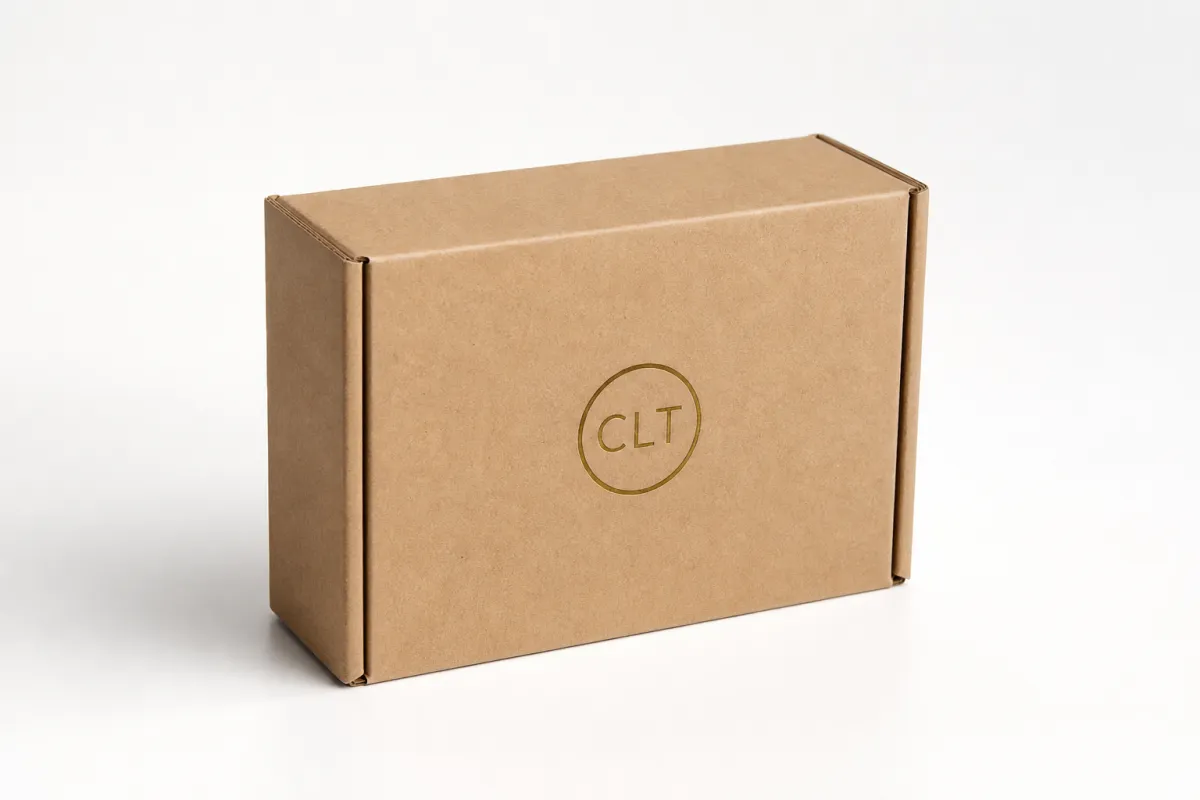
Shipping boxes best practices start with a plain truth that gets ignored far too often: the wrong carton costs more in damage, repacks, replacement shipments, and dimensional weight than the box itself. A carton that crushes in transit, leaves the product rattling around, or bills like a much larger parcel is not saving money. It is just hiding the bill until the carrier, the warehouse, or the customer finds it.
The best starting rule is simple. Pick the smallest box that still leaves room for the product, the insert, and the closure system, then check it against carrier size limits and the way your warehouse actually packs orders. Shipping boxes best practices are a fit problem first, not a branding exercise. Light, non-fragile items usually do well in a stock mailer or standard RSC carton. Dense, breakable, or high-value products deserve stronger board, better closure, and cushioning that keeps movement under control.
The tests that matter most are the ones nobody likes to talk about because they are unglamorous. Crush resistance, corner damage, drop performance, tape failure, and whether the carton can survive a rushed packing line tell you more than a polished mockup ever will. Shipping boxes best practices also mean testing the box with the real product, not a foam stand-in and a hopeful guess. A carton can look perfect on a desk and still fail when it is stacked, taped at speed, or handled by someone trying to clear a backlog before lunch.
From a packaging buyer's point of view, the best box is the one that lowers damage, keeps fulfillment moving, and does not quietly eat margin through labor or freight. For many brands that means a standard corrugated shipper for everyday orders, a cleaner mailer for presentation-heavy products, and a stronger double-wall build for heavy or fragile shipments. Shipping boxes best practices are practical, not magical. They are just the result of fewer bad surprises.
A prettier box that fails in transit is not premium. It is a refund with print on it.
If you want a standards-based reference, look at ISTA test standards for distribution testing and FSC certification if recycled fiber or responsible sourcing matters in your packaging plan. Neither one fixes a poor box design, but both give you a cleaner way to judge supplier claims.
One more point deserves attention. Shipping boxes best practices should be judged against actual ecommerce shipping conditions, not idealized lab conditions that ignore sorting belts, truck vibration, and warehouse speed. Carrier handling is not gentle. Warehouse handling is not delicate. A box that survives those realities is the one worth paying for.
Top Shipping Box Options Compared
Shipping boxes best practices get a lot easier once every box stops being treated like a substitute for every other box. The main styles each solve a different problem, and pretending otherwise is how buyers end up overpaying for presentation or underbuying for protection. The baseline choice is the regular slotted container, or RSC. It is affordable, easy to source, stackable, and still the default workhorse for a huge share of ecommerce shipping materials. If you need a practical starting point, start there.
Mailer boxes are the presentation-first option. They close neatly, look better on arrival, and are usually faster to pack for small items. That said, shipping boxes best practices do not let a clean exterior stand in for real performance. A mailer with sharp graphics still needs enough board strength for the product weight and enough internal fit to prevent movement. For apparel, small accessory kits, cosmetics, and light subscription shipments, they make sense. For heavier items, they can become a very attractive mistake.
Double-Wall Corrugated Cartons are the protection-first option. They add weight and storage bulk, but they handle more stacking pressure and tougher transit routes. That extra board layer is not decorative. It changes how the box behaves under load, especially for dense, fragile, or high-value products. Shipping boxes best practices say to pay attention to the product, the route, and the cost of a complaint. If a broken shipment would trigger a replacement, a customer service call, and maybe a lost account, stronger board is cheap insurance.
Die-cut and specialty boxes are the fit-and-finish option. They can be excellent for kits, gift sets, and product shapes that refuse to fit a standard carton without wasted space. Still, shipping boxes best practices usually push those boxes lower on the list unless the structure is stable and the replenishment plan is straightforward. They are often more expensive, more specific, and less forgiving when you need a backup size in a hurry. Fancy geometry feels great right up until you need 2,000 more units next week and the artwork, insert, and dieline are all tied to one exact setup.
| Box type | Best use | Typical unit cost at 1,000 | Typical unit cost at 5,000 | Main tradeoff |
|---|---|---|---|---|
| RSC single-wall | General ecommerce, apparel, non-fragile goods | $0.45-$0.90 | $0.22-$0.45 | Plain presentation, moderate protection |
| Mailer box | Unboxing, lightweight retail-style shipments | $0.70-$1.40 | $0.35-$0.75 | Better look, not always the strongest |
| Double-wall corrugated | Fragile, dense, or long-distance shipments | $1.10-$2.20 | $0.60-$1.25 | Higher cost and storage footprint |
| Die-cut specialty | Kits, gifts, custom-fit presentation | $1.25-$3.00 | $0.70-$1.80 | Best fit, least flexibility |
That table is a starting point, not a promise. Print coverage, board grade, freight, and insert complexity can move the number quickly. Shipping boxes best practices mean comparing options on protection, pack time, storage footprint, and whether the box works with your actual fulfillment line. A beautiful die-cut carton that slows packers by fifteen seconds per unit is not a premium option. It is a labor bill wearing a nicer shirt.
Detailed Reviews: Which Boxes Work Best for Real Products
Shipping boxes best practices become much clearer once the box is matched to the product category. Apparel and soft goods usually do well in lighter corrugated mailers or slim RSC cartons. They keep freight down, waste less void space, and avoid overbuilding a package that does not need armor plating. Folded shirts, hats, and small textiles can look cleaner in a mailer than in a plain shipper while still keeping packing speed high.
Fragile products need a different mindset. Glass, ceramics, candles, tabletop goods, and compact kits with breakable parts should move into double-wall cartons more often than buyers like to admit. Shipping boxes best practices favor inserts, partitions, or molded cushioning because the product should not be able to slam against the walls during transit. If the route includes rough handling, long transit, or multiple distribution points, a single-wall box may be technically acceptable and practically a poor choice.
Subscription boxes and mixed SKU sets live or die on consistency. A custom mailer or die-cut tray can deliver a cleaner presentation and faster packout, but only if the internal fit stays stable across every item combination. Shipping boxes best practices punish sloppy assortment planning. If the box is perfect for one version of the kit and sloppy for the next, your pack line turns into a guessing game. Guessing games are fun at trivia night, not in order fulfillment.
Industrial parts, dense accessories, and heavy components need stronger corrugated and less drama. Printed branding matters less here than board performance, edge crush, and closure integrity. Shipping boxes best practices for dense goods usually lean toward higher-performance corrugated specs and simple construction. A plain but strong box often outperforms a fancy printed one because failure is expensive and buyers of industrial products care far more about arrival condition than about a clever outer panel.
Testing changes the conversation quickly. Loose packs rattle and abrade. Corners get crushed in stacking. Overstuffed boxes burst at the seams. Nice-looking boxes can slow the line because packers hesitate while looking for tape, inserts, or the right orientation. Shipping boxes best practices are supposed to remove those small failures before they become refunds. That is the whole point.
For buyers who want to standardize sourcing, the right mix often includes a few core styles instead of one universal box. Our Custom Packaging Products page is useful for comparing broader packaging formats, while Custom Shipping Boxes covers box-specific options. If the product is soft, light, and not especially fragile, Custom Poly Mailers may be the more efficient answer. Shipping boxes best practices are not about forcing every item into corrugated board. They are about picking the package that makes the most sense for the job.
Shipping Boxes Best Practices for Process, Timeline, and Lead Time
Shipping boxes best practices are not just about structure. They are also about timing, because packaging that arrives after the launch date is useless. A clean production path usually follows the same order: measure the product in its packed state, confirm insert or cushioning needs, request a sample or dieline, approve the print proof, and then lock in production and freight planning. Skip any of those steps and you are gambling with the schedule.
Realistic timelines matter. Stock cartons can move quickly, often in a few business days if inventory is on hand. Simple custom runs usually need time for proofing and manufacturing, and more complex printed or specialty structures need a larger buffer. Shipping boxes best practices should be built around the actual pace of print approval, not the optimistic version someone floated in a meeting. Artwork changes and dieline revisions are the usual troublemakers. Missing material specs are a close second.
A lot of schedule slips happen because the packaging decision comes too late. The product is ready, the website is ready, the warehouse is waiting, and then someone realizes the box is oversized, the insert does not fit, or the closure method changes the packout time. Shipping boxes best practices keep the packaging conversation close to the product timeline from the start. If the box order is treated like an afterthought, it becomes the bottleneck. That is not dramatic. It is just common.
I recommend a backup plan for seasonal spikes and launch windows. Keep one tested secondary size on hand, especially for your top-selling SKUs. Waiting on a perfect custom carton while orders pile up is a bad way to miss revenue. Shipping boxes best practices are stronger when the warehouse has a fallback. Even a less flashy backup carton can save the day if it protects the package, keeps fulfillment moving, and avoids lost days.
Standards help here too. If your supplier can speak clearly about distribution testing, ask for an approach aligned with ISTA testing methods or similar performance checks. A drop test, a vibration check, and a compression test are easy to understand when the box has to survive real shipping. The point is not paperwork. The point is a carton that does not fall apart halfway through the route. If your product is regulated or temperature-sensitive, bring in the right compliance standard as well; box strength alone does not solve that side of the problem.
Shipping Boxes Best Practices: Cost, Pricing, MOQ, and Quote Checks
Shipping boxes best practices live or die on quote discipline. The major cost drivers are board grade, box size, print coverage, quantity, insert complexity, freight, and whether the order is stock, short-run, or fully custom. If you are comparing suppliers, do not compare vague price headlines. Compare exact dimensions, board specification, finish, print method, and the freight assumptions hidden in the fine print. That is where the real answer usually sits.
Unit price is a poor place to stop. A cheaper box that adds damage, labor, or shipping weight is not actually cheaper. It is just cheaper on the quote sheet. Shipping boxes best practices push buyers to look at the full landed cost: carton price, inbound freight, storage, labor, damage rate, and reorder frequency. Once those pieces are included, the "expensive" box sometimes turns out to be the better deal. Annoying, yes. Also true.
MOQ deserves the same honest treatment. Lower minimums reduce inventory risk, but they usually raise unit price. Higher quantities cut unit cost, but they tie up cash and warehouse space. Shipping boxes best practices are not rigid here. If your design is still changing, a smaller run is safer. If the box is stable and the SKU moves steadily, a larger order can make sense. The wrong move is buying a huge quantity because the price looked good and then discovering the insert is wrong after the first run.
Ask for a quote that spells out the boring details. Exact outside dimensions. Exact board spec. Print coverage. Finish. Insert type. Sample cost. Freight assumptions. Tooling or setup fees. If the quote glosses over those items, the comparison is incomplete. Shipping boxes best practices require a quote you can actually audit, not a number that makes everyone clap for five seconds and regret it for six months.
Hidden costs are where packaging budgets get bruised. Warehouse space has a cost. Packing labor has a cost. Damaged product has a cost. Reordering because the first box looked good but packed poorly has a cost. Shipping boxes best practices are supposed to protect margin, not just products. If a supplier only talks about print quality and never mentions board strength, they are selling decoration, not a shipping solution.
For sustainability-minded teams, FSC-certified board can support sourcing goals, but certification should never replace proper design. Good materials still need the right structure. Bad structure still fails. Shipping boxes best practices keep those ideas separate.
How to Choose the Right Box for Your Product
Shipping boxes best practices work best when you use a decision sequence instead of guessing. Start with weight, fragility, and dimensions. Then add brand presentation, fulfillment speed, and whether the box will move through parcel networks, retail distribution, or both. That order matters because a beautiful box that fails the weight or size test is still the wrong box, no matter how polished the print looks.
Real samples beat paper specs every time. I have seen cardboard that looked fine on a quote and then fell apart once you added inserts, labels, tape, and a rushed packer working at real speed. Shipping boxes best practices say to test the packed unit, not just the empty carton. Add the actual product, actual closure method, and the same internal dunnage your warehouse will use. Then shake it, stack it, and drop test it from a realistic height.
Dimensional weight is where a lot of buyers lose money without noticing. Oversized cartons can bill like much heavier shipments, especially on parcel carriers. A box that is only a little too large can quietly move you into the next pricing tier. Shipping boxes best practices usually save more through better fit than through a tiny material discount. In plain English: if the box is too big, you pay for air. Air is expensive for reasons nobody enjoys explaining to finance.
Sustainability should be part of the evaluation, but not in a shallow way. Recycled content is good. So is right-sizing. So is reducing re-ships and replacements. The greener box is the one that does not create waste through failure. Shipping boxes best practices acknowledge that a slightly heavier but better-fitting carton can be the lower-waste option if it prevents damage and return shipments. Green claims get silly when they ignore reality.
My practical shortlist is simple. Choose one primary box for the bulk of your volume, one backup size for variability, and one stronger option for fragile SKUs. That gives you enough flexibility without turning packaging into a custom science project every time an order changes. Shipping boxes best practices are easier to maintain when the lineup stays disciplined. Too many box sizes create clutter, confusion, and dead inventory.
That same discipline helps in ecommerce shipping too. Fewer standardized boxes make replenishment easier, improve packer consistency, and reduce the odds of grabbing the wrong carton under pressure. A well-chosen box system should feel ordinary in the best way possible. It should just work.
Our Recommendation and Next Steps
Shipping boxes best practices point to a simple default setup for most brands. Use stock RSC cartons for the bulk of shipments, mailer boxes for light retail-friendly products, and double-wall cartons for fragile or heavy items. That mix covers most ecommerce shipping needs without forcing you into overengineering. It is not glamorous. It is practical, which is usually better for margin.
If I were cleaning up a packaging program, I would start with the top five SKUs. Measure the real packed dimensions. Note the actual weight after inserts and labels. Then order samples for the two or three box styles that actually fit the business. Shipping boxes best practices are most useful when they begin with the products that move the most volume. Chasing low-volume edge cases first is how teams waste weeks and still solve nothing.
After the sample arrives, run a small batch. Watch pack speed. Watch damage rates. Watch freight. Listen to the warehouse team, because they see the real problems long before the spreadsheet does. Shipping boxes best practices only matter if the numbers behave after rollout. If the box saves twenty cents but slows packing by eight seconds, the savings may disappear fast.
Ask suppliers for the things that matter: board specs, quote comparisons, lead times, MOQ, sample options, and a backup size strategy. If you need a place to start comparing formats and packaging components, use the product pages on Custom Packaging Products and Custom Shipping Boxes. If your product is soft and lightweight, the right answer may be one of the Custom Poly Mailers instead. Shipping boxes best practices do not force a carton where a mailer would do the job better.
My blunt recommendation is straightforward. Do not buy a box because it looks premium in a mockup. Buy the box that protects the product, keeps labor under control, and survives the route without drama. Shipping boxes best practices are about protecting margins, not just products. If you remember nothing else, remember this: the best box is the one that fits, ships, and holds up without making your team hate packaging day.
What are the best practices for shipping boxes when products are fragile?
Use a box size that limits movement, then add inserts or cushioning so the product cannot slam into the walls during transit. Shipping boxes best practices for fragile goods usually mean double-wall corrugated, tighter internal fit, and real drop testing instead of a visual check. If the item is dense or breakable, do not get cute with single-wall board.
Are mailer boxes or corrugated boxes better for ecommerce orders?
Mailer boxes are better for presentation and light-to-medium items that need a cleaner unboxing experience. Corrugated RSC boxes are usually better for heavier shipments, stacking, and lower unit cost. Shipping boxes best practices say to choose based on product weight, packing speed, and package protection, not just appearance.
How do I compare shipping box quotes without getting fooled by unit price?
Compare the exact dimensions, board grade, print coverage, inserts, freight, and sample fees on every quote. Check whether tooling or setup costs are included, because those can change the real total fast. Shipping boxes best practices also mean looking at damage risk and warehouse labor, not just the sticker price per box.
What MOQ makes custom shipping boxes worth ordering?
The right MOQ depends on how often you reorder, how much storage you have, and how quickly the unit price drops at higher quantities. If you are still testing size or print, start with a smaller run so you do not sit on dead inventory. Shipping boxes best practices favor smaller orders when the design is still in flux and larger orders only when the box is already proven.
How long do custom shipping boxes usually take to produce?
Stock boxes can be ready quickly, while custom boxes need time for proofing, production, and freight. Artwork approvals and dieline changes are the most common reasons timelines slip. Shipping boxes best practices always include buffer time so packaging does not become the bottleneck for launch, replenishment, or fulfillment.


