Buyer Fit Snapshot
| Best fit | Recycled Stickers with Logo projects where brand print, material claims, artwork control, MOQ, and repeat-order consistency need to be specified before quoting. |
|---|---|
| Quote inputs | Share finished size, material target, print colors, finish, packing count, annual reorder estimate, ship-to region, and any compliance wording. |
| Proofing check | Approve dieline scale, logo placement, barcode or warning zones, color tolerance, closure strength, and carton packing before bulk production. |
| Main risk | Vague material claims, crowded artwork, missing packing details, or unclear freight terms can make a low unit price expensive after revisions. |
Fast answer: Recycled Stickers with Logo: Print Tolerance, Proofing, and Reorder Cost should be specified like a repeatable production item. The safest quote records material, print method, finish, artwork proof, packing count, and reorder notes in one written spec.
Production checks before approval
Compare the actual filled-product size with the drawing, then confirm tolerance on folds, seals, hang holes, label areas, and retail display edges. Reserve space for logos, QR codes, warning copy, and material claims before decorative graphics fill the panel.
Quote comparison points
Review material grade, print process, finish, sampling route, tooling charges, carton quantity, and freight assumptions side by side. A quote is only useful when the supplier can repeat the same color, closure quality, and packing count on the next order.
Most sticker problems do not start with the recycled face stock. They usually begin with the adhesive, the liner, or a mismatch between the label and the surface it has to live on, and that is exactly why recycled Stickers with Logo deserve a practical conversation instead of a vague sustainability pitch.
If you are branding mailers, cartons, jars, tissue, or product inserts, recycled stickers with logo can do real work for you: they carry the mark, strengthen the unboxing experience, and support a cleaner material story without forcing you into packaging that gives up halfway through transit. The real question is not whether the sticker looks eco-friendly on a spec sheet, but whether it prints cleanly, sticks properly, and can be reordered without surprises.
A recycled sticker only earns its place if it survives the package’s real life. If it lifts in a damp warehouse, curls on a cold carton, or smears before it reaches the customer, the good intent gets buried under avoidable waste.
That is the lens I use on every project. Not “What sounds sustainable?” but “What performs, what is documented, and what can be repeated with the same result?” That is the point where recycled stickers with logo become useful instead of decorative.
Before you lock in a format, it is worth comparing it with other label families in Custom Labels & Tags. A quick side-by-side look often clarifies whether you need recycled paper, a coated paper, or a different construction altogether.
What recycled stickers with logo mean for packaging
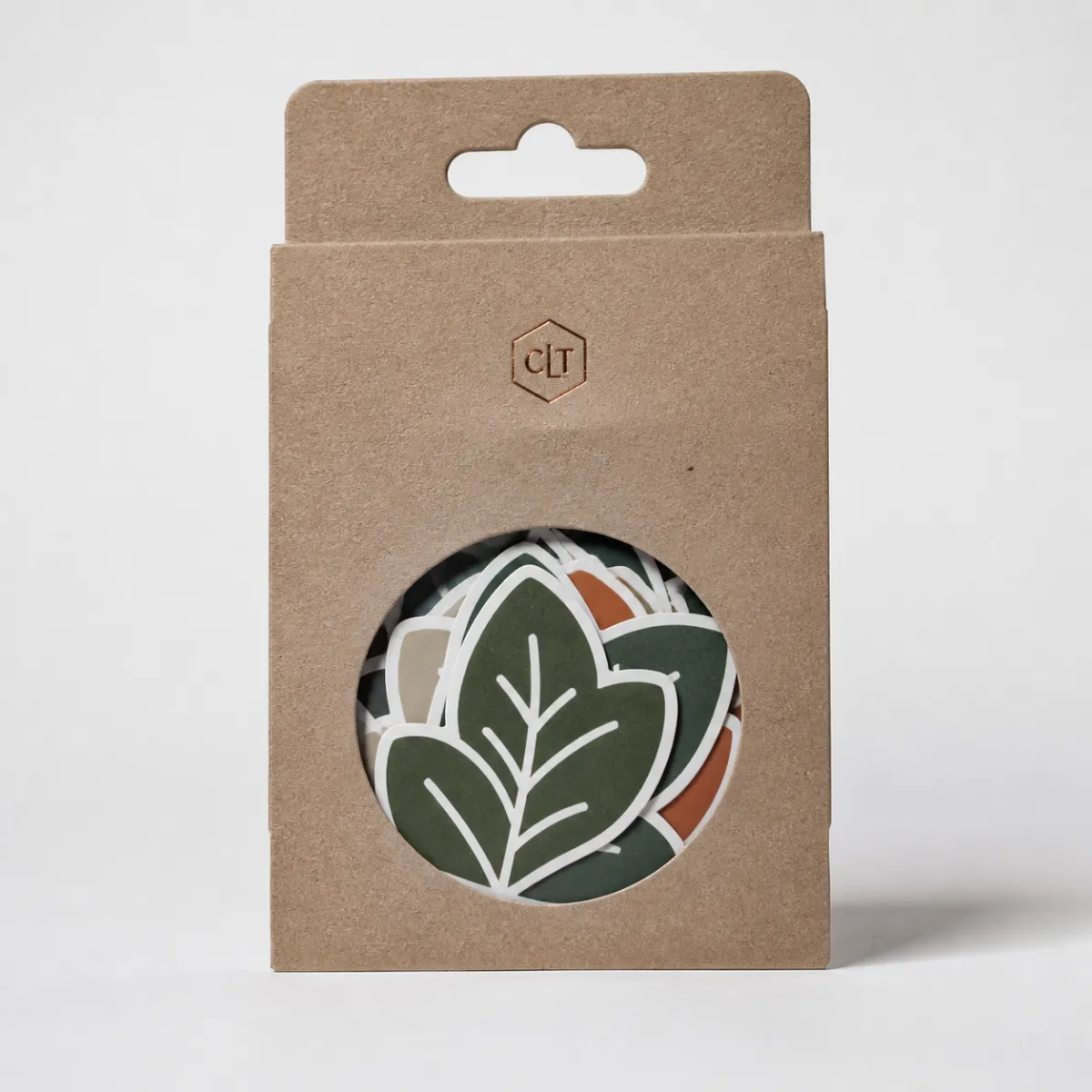
Recycled stickers with logo are printed labels or stickers made with recycled content, then used to brand packaging like shipping boxes, kraft mailers, glass jars, tissue wraps, or thank-you inserts. In day-to-day use, they still do the same job as any custom label: identify the brand, seal the package, or add a finishing touch. The difference sits in the fiber or film content, the liner materials, and the way the supplier documents the recycled claim.
Buyers should separate two claims right away. Post-consumer recycled content comes from material that has already been used by end consumers and collected back into the waste stream. Post-industrial recycled content comes from manufacturing scrap that is recovered before it ever reaches a consumer. Both can be valid, but they are not the same story, and anyone ordering recycled stickers with logo should know which one is being used.
That distinction matters because the look and feel can shift. Recycled paper stocks often have softer whites, a natural fleck, and a slightly warmer tone than virgin-fiber materials. Some brands like that because it reads honest and tactile. Others prefer a brighter print field. Neither choice is wrong, though the art has to suit the stock. A delicate logo that depends on very fine strokes may not be the best fit for textured recycled stickers with logo.
For packaging buyers, the value shows up in practical uses: a shipping seal on a corrugated carton, a branded closure on a tissue wrap, a logo label on a recycled mailer, or a seasonal sticker on an insert card. These are small components, yet they shape how the whole package feels. Chosen well, recycled stickers with logo support the brand story without forcing a full redesign.
There is also a material honesty benefit that many teams overlook. If your outer pack is kraft, uncoated, or visibly recycled, a matching sticker stock often looks more intentional than a glossy white label fighting the substrate. That visual alignment is one reason recycled stickers with logo show up so often across subscription boxes, handmade product lines, and modest-volume e-commerce packaging.
For teams comparing label families, it helps to browse a broader range of Custom Labels & Tags before settling on one recycled construction. The right choice is usually the one that balances print clarity, adhesion, and the feel of the finished pack.
How recycled stickers with logo are made: process and timeline
The production path for recycled stickers with logo starts with artwork setup, not with the press. A supplier will first check the size, shape, bleed, safe area, and color count, then match those details against the available recycled face stock and adhesive family. If the design is unusually small or the logo depends on a crisp edge, that review stage matters more than most buyers realize.
Next comes substrate selection. Common options include recycled paper face stock, kraft-style label paper, or specialty constructions with a recycled liner or recycled fiber content in the backing layer. Some projects also use a protective varnish or coating to improve resistance to scuffing and moisture. Those finishing choices do not turn a label into a plastic wrap, but they can make recycled stickers with logo much more dependable on the line and in the mail stream.
The print method depends on quantity and color complexity. Digital printing is often the best fit for short runs, multiple SKUs, or versions that change often. Flexographic printing usually makes more sense at higher volumes, especially for simpler artwork and repeat orders. Offset can be useful for sharp detail and tighter color control, though setup expectations can be higher. In every case, the printer has to keep the recycled surface in mind, because recycled stickers with logo can absorb ink differently than a smooth virgin sheet.
Die cutting comes after print. A simple rectangle is easy. A custom contour around a logo mark, a round seal, or a unique retail shape takes more care, especially if the application will be automated. If the label will be applied by hand, the die can still matter because awkward corners slow people down and create waste at the packing table. That is why custom shapes on recycled stickers with logo should be chosen for brand value, not just visual flair.
Adhesive selection is where many projects win or lose. A Corrugated Shipping Box needs a different adhesive behavior than a coated folding carton or a glass jar. Some surfaces are porous and forgiving; others are slick, cold, or curved. Permanent acrylic adhesives are often a strong default for shipping and long storage, while removable adhesives can help with returnable packaging or temporary promotions. The wrong adhesive can make even good recycled stickers with logo look like a bad purchase.
Lead time usually moves through a familiar sequence: quote, proof, sample or approval copy, production, inspection, and ship. A straightforward digital run can sometimes move in about 7 to 10 business days after proof approval, while more customized work often lands closer to 12 to 15 business days or more depending on finishing and quantity. If a project needs multiple versions, special coatings, or a custom shape, the timeline stretches. That is normal for recycled stickers with logo, and it is better to plan for it than to rush the first run.
For teams that also care about fiber sourcing and documentation, industry references from groups such as the FSC and packaging testing standards from the ISTA can help frame the conversation. Those organizations do not choose the label for you, but they do give buyers a stronger language for comparing claims and performance.
One more practical detail: the proof stage is not just about color. It is also the point to confirm that the recycled stock takes fine type, that the adhesive is suited to the package surface, and that the orientation on the roll or sheet matches the way the label will be applied. A few minutes of careful review can save an entire batch of recycled stickers with logo from becoming scrap.
Cost, pricing, MOQ, and quote factors
recycled stickers with logo are priced by a stack of variables, not a single sticker rate. Material type, size, shape complexity, print method, finish, quantity, and packing format all influence the final quote. If you compare two bids that look very different, the first thing to check is whether they actually describe the same construction.
The biggest cost drivers are usually the face stock and the print setup. A plain recycled paper label with one or two colors can stay relatively efficient, especially in moderate quantities. Add a custom contour, heavy coverage, a protective varnish, or multiple versions, and the unit cost rises. That does not mean the project is overpriced; it means the line items on recycled stickers with logo are doing more work.
Printing method matters as well. Digital printing is excellent for short runs and multiple SKUs, but the per-unit price can be higher at larger quantities. Flexographic printing tends to become more attractive as volume grows, while offset can be cost-effective on the right job with the right setup. The best method for recycled stickers with logo is the one that fits your actual order pattern, not the one that sounds cheapest in theory.
MOQ, or minimum order quantity, often changes the math more than buyers expect. A small run for a new product launch may have a lower total spend but a higher unit cost. A larger order usually lowers unit price, yet it can create waste if your artwork changes next month. If you need three seasonal versions or multiple SKUs, it is smarter to ask for tiered pricing so you can see what recycled stickers with logo cost at 500, 1,000, 5,000, and 10,000 units.
| Project type | Typical quantity | Common unit range | Best fit |
|---|---|---|---|
| Digital short run | 250-1,000 pieces | $0.18-$0.45 each | Launches, samples, seasonal artwork, several versions of recycled stickers with logo |
| Mid-volume paper label | 1,000-5,000 pieces | $0.06-$0.18 each | Regular replenishment for cartons, mailers, and inserts |
| Large flexographic run | 10,000+ pieces | $0.02-$0.08 each | Stable artwork, repeat orders, high-volume shipping seals |
| Special finish or custom shape | Varies | Usually higher than standard | Premium retail packs, strong shelf impact, branded closure seals |
Those ranges are broad on purpose. A thicker recycled face stock, a specialty liner, or a complex die can push the quote up quickly, while a simple one-color seal may stay efficient. Freight, setup charges, proofing, and finishing should all be included when you compare quotes for recycled stickers with logo. Otherwise, you are not comparing the real landed cost.
There is also a moment where a slightly higher unit cost makes better business sense. If a label sticks properly, reduces rework, and supports a clear sustainability story, it may save more than it costs in labor and waste. A cheap sticker that fails on the line is not cheap. That is one of the first lessons people learn after ordering recycled stickers with logo for the first time.
For brands building a broader packaging program, it can help to compare the label quote against the rest of the pack, not against the cheapest possible sticker on the market. A few cents more per unit is easier to justify when the label improves application speed, supports your brand presentation, and keeps the package from being reworked or rejected at packing.
Key factors that decide real-world performance
The first performance variable is surface type. Recycled stickers with logo usually behave well on corrugated cartons, kraft mailers, and uncoated paper, because those surfaces give the adhesive something to grip. Performance becomes less predictable on glossy coatings, heavily textured substrates, or cold, damp materials. In those cases, a test label is often worth more than a long spec discussion.
Temperature and storage time matter too. A label that seems fine at room temperature may need extra pressure or dwell time if it is applied in a cool packing room. Cold surfaces can delay bond development, and humid storage can affect both the face stock and the adhesive. For recycled stickers with logo, common practice is to test them after 24 hours, then again after a few days if the package has a long warehouse life.
Ink coverage and artwork complexity also affect print performance. Large solid areas can show more variation on recycled paper than on coated paper, and tiny type may lose sharpness if the stock has visible fiber or texture. That does not rule out the material; it simply means the design should be adjusted to suit the medium. Often, a slightly heavier font weight or a simpler layout makes recycled stickers with logo look cleaner and more deliberate.
Shape and size influence usability more than many buyers expect. A seal that is too small may not create enough visual impact, while an oversized sticker can wrinkle on tight corners or curved jars. Common label dimensions range from about 1 inch to 4 inches for seals and spot branding, though custom sizes outside that range are normal. The best size for recycled stickers with logo depends on where the label lives and how much attention it should command.
Finish is the last major variable. Uncoated recycled paper gives a soft, natural look, while a light matte varnish can help with scuff resistance without making the label feel overly glossy. Some teams want a fully matte appearance to match kraft packaging, while others need a little more protection for handling. Either approach can work, but the choice should follow the package environment, not just the mood board.
If you want a second reference point when comparing constructions, the broader Custom Labels & Tags category can help frame which materials are better for rough transit, retail presentation, or short-term promotional use.
Step-by-step: choosing the right recycled stickers with logo
Start with the use case. A shipping seal, a product identity label, and a thank-you sticker do not have the same performance needs. Write down where the sticker will be applied, how long it needs to stay put, and whether it needs to survive moisture, abrasion, or refrigeration. That simple brief prevents most mistakes when ordering recycled stickers with logo.
Next, choose the base material. Recycled paper is often the easiest path for kraft packaging and general branding. If the pack needs extra durability, ask about coatings, varnishes, or alternative face stocks with recycled content in the construction. The right answer usually depends on your surface and handling conditions, not on a single universal best material.
Then finalize the artwork with production in mind. Keep thin lines under control, make sure small text stays legible, and allow enough contrast for the recycled face stock. If the design has many versions, build a reusable template so future orders stay consistent. This is especially helpful for recycled stickers with logo when you need multiple product flavors or campaign-specific variants.
After that, request a sample or proof. A digital proof is useful for checking layout and color intent, but a physical sample is more valuable when the sticker has to match a real package surface. Apply it to the actual carton, mailer, or jar if possible. What looks fine in isolation may behave differently on the finished pack, and that is where recycled stickers with logo either prove themselves or need adjustment.
Finally, plan the order cadence. If you reorder often, keep a record of the stock, adhesive, print method, and dimensions that worked best. A clean specification saves time on future runs and reduces the risk of drift between batches. For many packaging teams, that documentation becomes as important as the sticker itself.
Common mistakes to avoid with recycled sticker orders
One common mistake is treating “recycled” as if it guarantees performance. It does not. Recycled stickers with logo still need the right adhesive, the right surface, and the right finish. If those pieces do not align, the sticker can fail even when the material claim is accurate.
Another mistake is approving artwork without checking the substrate. A bright logo that looks great on screen may look softer or darker on a natural recycled face stock. If the brand relies on precise color matching, ask for a proof on the actual material. That is usually more reliable than guessing how recycled stickers with logo will print.
Buyers also sometimes underestimate how much shape affects labor. A custom contour may look premium, but if the application team has to peel and place thousands of awkward shapes by hand, the extra handling time can become real cost. A simpler shape is often smarter when the sticker is just a shipping seal or closure mark.
Skipping adhesion testing is another avoidable problem. A sticker can look perfect and still fail on a cold carton, a waxy surface, or a curved jar. A small test run on actual packaging is usually worth the effort, especially when ordering larger quantities of recycled stickers with logo.
Finally, some teams compare quotes without checking what is included. Proofing, cutting, packing, freight, and setup can all affect the final spend. If one bid looks unusually low, confirm whether the quote covers the same materials and finishing steps. Otherwise, the apparent savings may disappear later in the process.
Expert tips and next steps for a cleaner rollout
Use the package to guide the sticker, not the other way around. If the carton is already kraft, muted, or lightly recycled, choose a sticker that reinforces that tone instead of fighting it. That kind of consistency usually makes recycled stickers with logo feel more intentional and less like an afterthought.
Keep the design simple enough to reproduce reliably. One strong logo, a clear brand name, and a concise message often outperform a crowded label. Simpler artwork tends to print more cleanly on recycled stock and gives better consistency across reorder batches.
If you are launching a new packaging system, start with a short run and one or two real-world tests. Apply the label to the exact surface it will live on, then check it after shipping, storage, and handling. A controlled test like this gives you useful feedback before you commit to a larger order of recycled stickers with logo.
It is also smart to keep a backup spec on file. If your first choice has a longer lead time or a higher MOQ than expected, a second approved format can protect your launch schedule. Many teams keep one version for premium presentation and another for standard replenishment.
When you are ready to expand the program, revisit the wider label assortment in Custom Labels & Tags so you can compare recycled paper, coated paper, and alternative constructions side by side. That broader view often reveals a more practical option for your next order.
FAQ
Are recycled stickers with logo always paper-based?
Usually not. Many are paper-based, but the exact construction depends on the supplier. Some may include recycled content in the face stock, liner, or backing, and the best choice depends on the package surface and the required durability.
Do recycled stickers with logo work for shipping boxes?
Yes, often very well on corrugated cartons and kraft mailers. The adhesive choice matters, though, and a quick application test is usually wise if the boxes will be stored in cool or humid conditions.
Can recycled stickers with logo be water-resistant?
To a degree, yes. A protective coating or varnish can improve scuff and moisture resistance, but the result still depends on the face stock, adhesive, and how long the label needs to hold up.
What is the usual MOQ?
It depends on the print method and the supplier. Short-run digital orders may begin around a few hundred pieces, while higher-volume flexographic projects often make more sense at several thousand units and above.
How should I prepare artwork?
Use high-resolution vector files when possible, keep small text legible, and leave enough contrast for the recycled surface. If the label is small or detailed, ask for a proof before approving production.
Are recycled stickers with logo a good fit for retail packaging?
Often yes. They can add a natural, tactile look that works well with kraft cartons, inserts, and seals. The key is matching the finish and print detail to the brand style and the actual handling conditions.
FAQ
What should I verify before ordering Recycled Stickers With Logo?
Confirm the product size, material, print method, quantity, sample route, packing count, and delivery date. A clear packaging spec is easier to quote, easier to approve, and easier to reorder.
How many samples should I review before bulk production?
At minimum, review one production-grade sample or proof that shows scale, color, logo placement, finish, and packing fit. For high-volume orders, keep the approved sample as the reference standard.
What usually changes the final cost?
Material grade, printing method, finish, tooling, quantity, packing method, revision count, and freight assumptions can all move the final price.

