What Reflective Stickers Custom Orders Actually Do
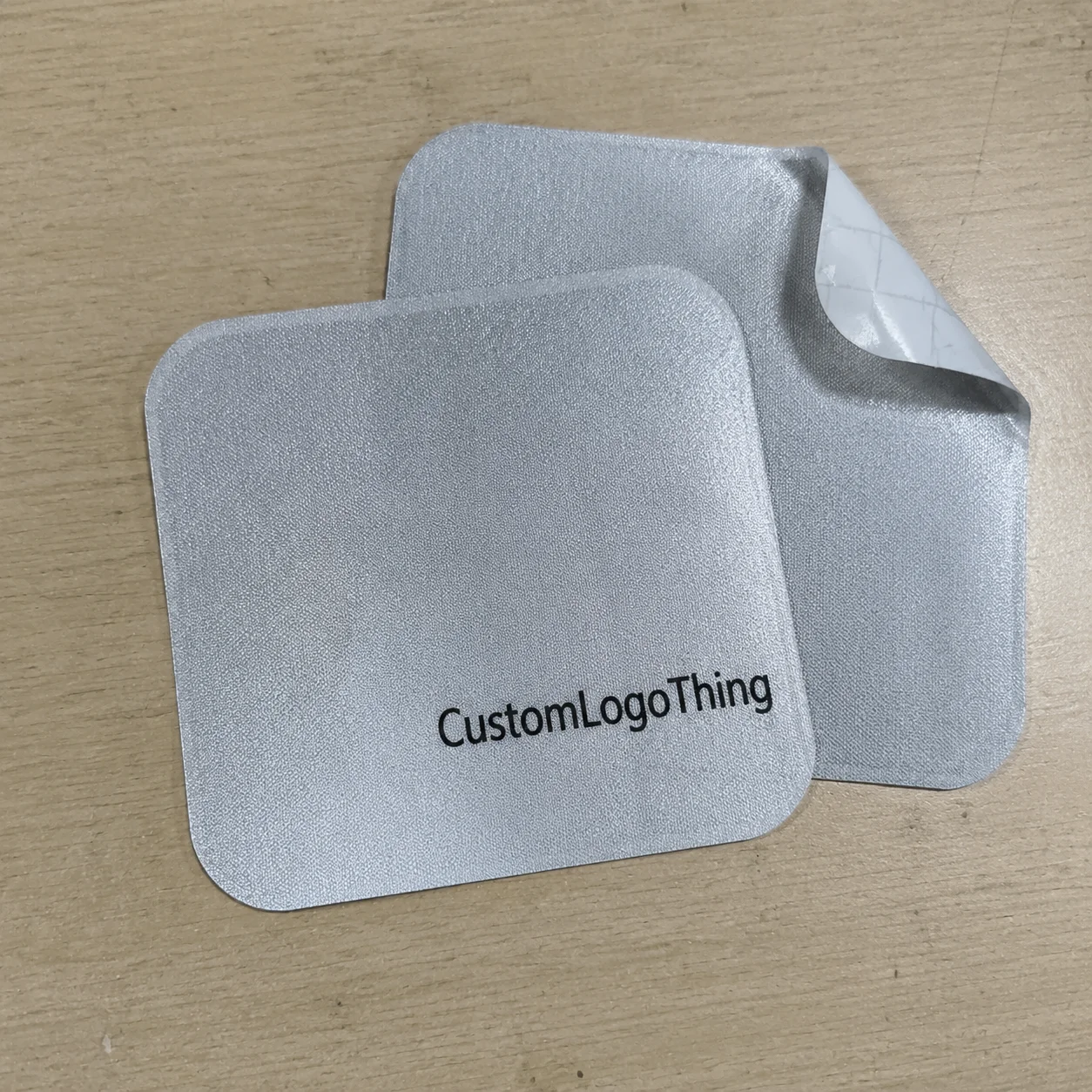
A reflective sticker does not glow by itself. That trips up plenty of buyers, which is why reflective stickers custom orders need more planning than a normal logo decal.
Reflective material works by bouncing light back toward the source. A truck decal can look fairly quiet at 2 p.m., then flash hard under headlights at 10 p.m. That is the point. It is visibility engineering dressed up as a sticker.
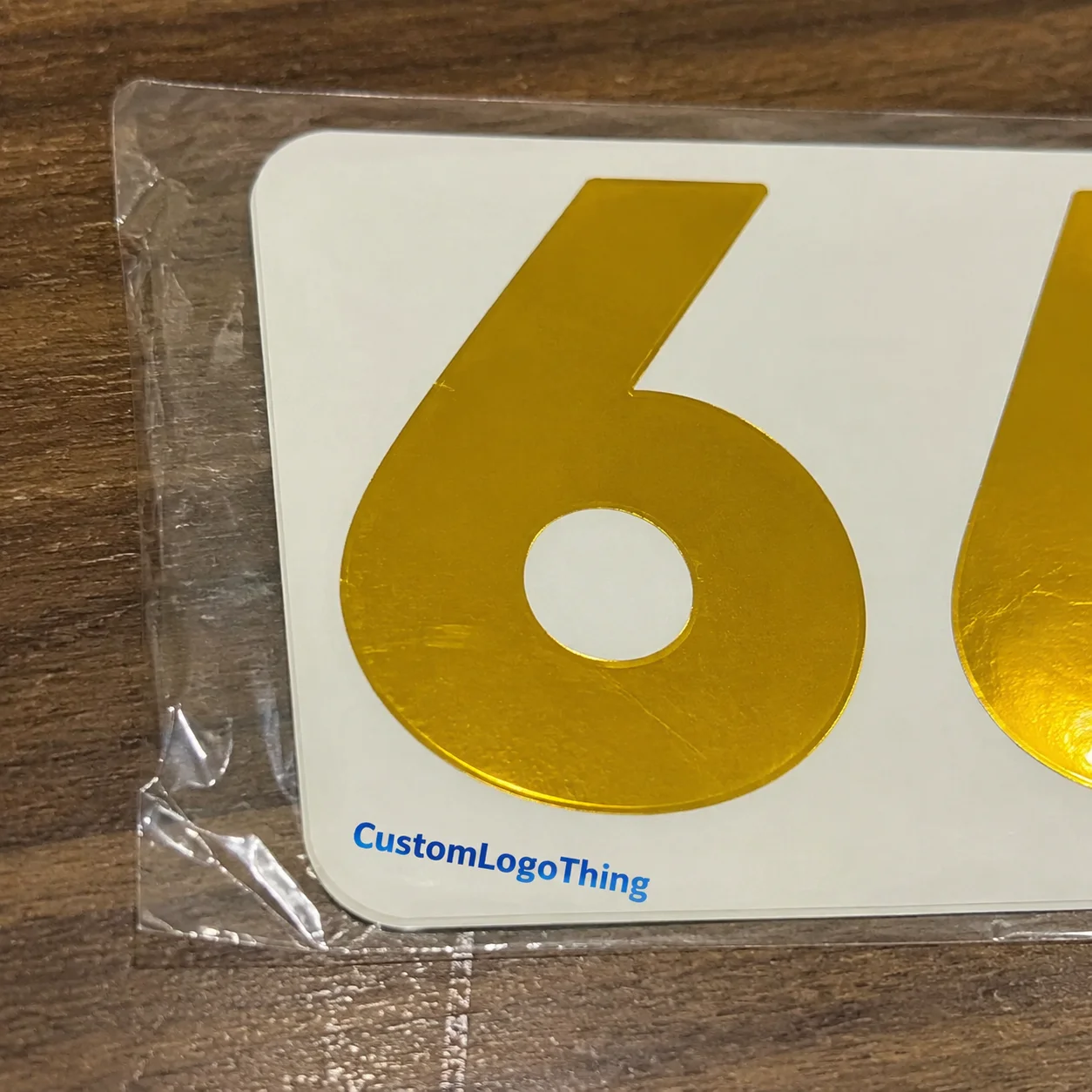
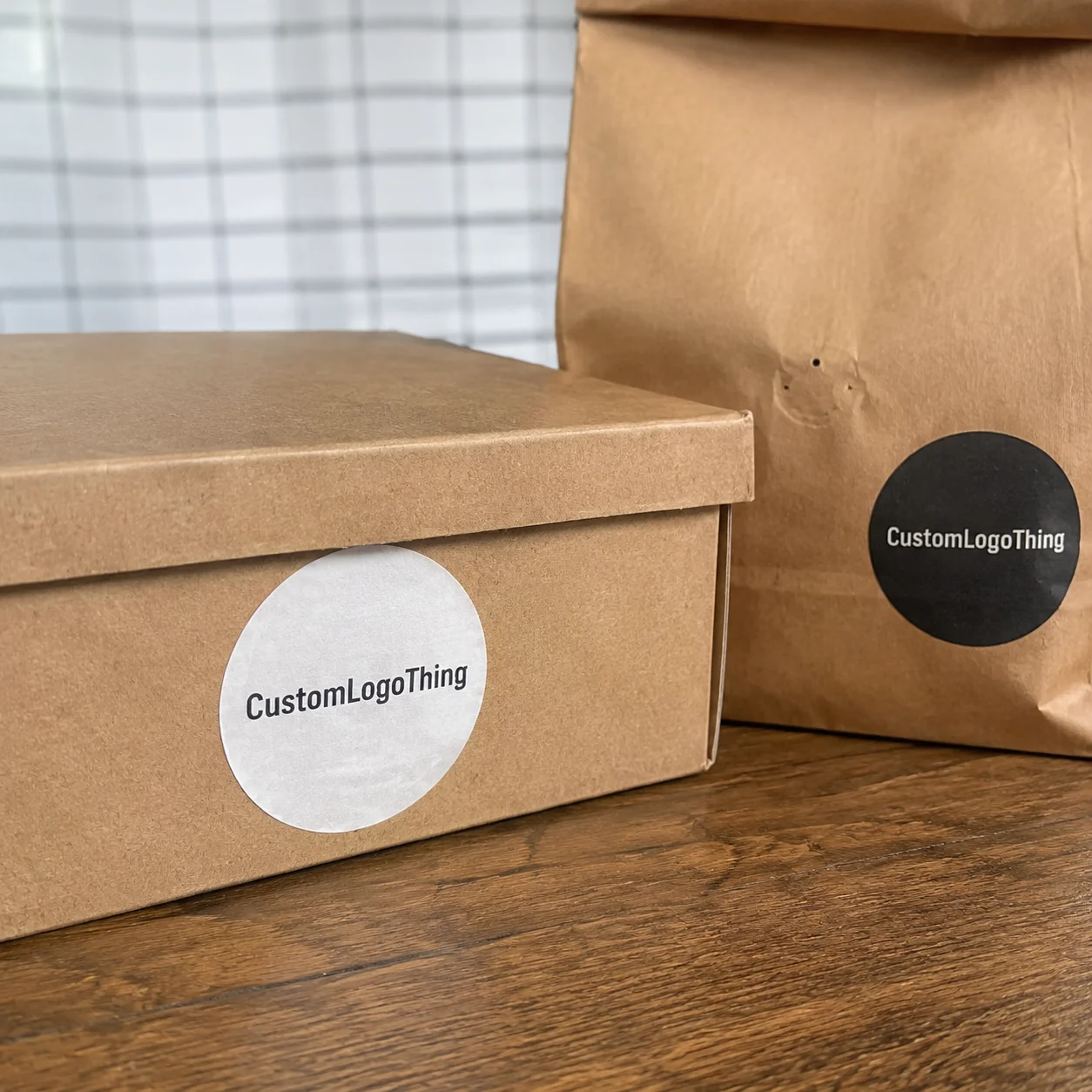
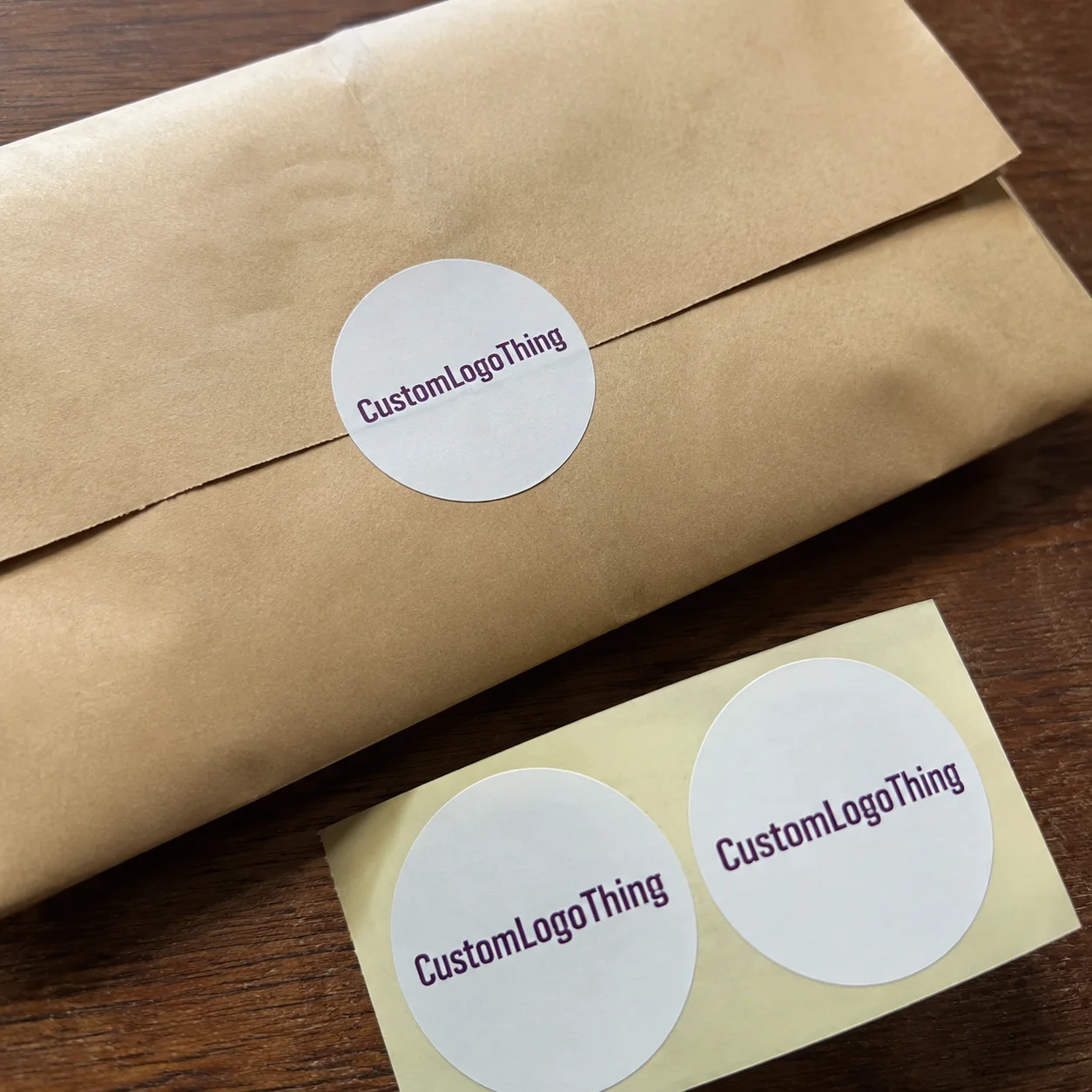
Custom Reflective Stickers are usually printed, cut, and finished decals made on retroreflective film. They show up on safety labels, delivery fleets, warehouse markers, event access passes, outdoor branding, helmets, hard hats, gates, trailers, equipment cases, scooter IDs, bike decals, and promotional kits that need to be noticed after dark.
Buyers mix these materials up constantly, so separate the usual suspects before quoting:
- Reflective stickers: bounce light back toward headlights, flashlights, or camera lights.
- Glow-in-the-dark stickers: absorb light, then emit a soft glow in darkness for a limited time.
- Metallic stickers: use shiny foil or metallic film, but may not be retroreflective.
- Holographic stickers: create rainbow effects from diffracted light, mostly for visual impact.
- Plain vinyl decals: use standard white, clear, or colored vinyl with no reflective layer.
Reflective decals make sense when visibility matters more than subtlety. Fleet numbers, trailer warnings, bike stickers, gate signs, jobsite gear, and event passes are obvious examples. Package branding can use reflective accents too, especially for night events, outdoor launches, cycling products, streetwear drops, or premium retail kits. The design still needs restraint. Reflective film is not an excuse to make every square inch scream.
Buyer reality check: reflective material improves visibility. It does not rescue tiny type, muddy artwork, weak adhesive, or decals slapped onto dusty textured plastic. Printing physics still exists. Annoying, but true.
How Reflective Sticker Material Works in Real Use
Retroreflection is simple in plain English. The film contains glass beads or microprisms that redirect incoming light back toward where it came from. That is why reflective decals work so well for drivers: headlights and the driver’s eyes are close enough in angle for the light to return toward the viewer.
Not all reflective films perform the same way. Engineer-grade reflective vinyl works for general labels, branded stickers, warehouse markers, bike decals, and many non-regulated outdoor uses. Higher-intensity films are used for road-facing or safety-critical applications where distance and brightness matter more. Printable reflective films sit in the middle: they accept branded artwork while still giving a real low-light punch.
Daytime appearance will not match nighttime appearance. In daylight, colors may look slightly muted, silvery, or less saturated because the reflective layer sits under the print. At night, lighter colors usually perform better. White, yellow, orange, and light green tend to pop harder than navy, black, deep red, or heavy full-coverage graphics.
Printing method matters. UV printing, screen printing, latex printing, and solvent or eco-solvent digital printing can all work, depending on the film and supplier. Ink coverage changes reflectivity. Heavy ink blocks the reflective layer. White ink can help control color on reflective substrates, but it needs to be called out in the artwork notes. Clear coats and laminates affect glare, durability, and cleanability.
Adhesive performance depends heavily on the surface. Smooth painted vehicle panels, glass, clean metal, and rigid plastic usually bond well. Rubber, powder-coated metal, pebbled tool cases, low-energy plastics, and oily industrial equipment need testing first. Textured plastic is the one that likes to embarrass everyone after the order ships.
Outdoor reflective stickers should use UV-resistant ink, waterproof adhesive, and often a protective laminate. Sun, road grime, washing, abrasion, fuel splashes, and cleaning chemicals are not gentle. If the sticker faces any of those, ask for the full material stack rather than just “weatherproof,” a word that gets tossed around like confetti.
For broader packaging durability standards and transport testing context, the International Safe Transit Association is a useful authority. For paper-based branded packaging choices around cartons, inserts, sleeves, and related components, FSC certification is also worth understanding.
Key Specs That Decide Visibility, Durability, and Fit
Before requesting a quote for reflective stickers custom work, lock the basics: size, shape, reflective film grade, adhesive type, print colors, finish, laminate, application surface, expected outdoor life, and packaging format. Skip those details and the quote becomes guesswork. Expensive guesswork, usually.
Size should follow viewing distance. Tiny reflective labels can work for close-up product IDs, rack labels, or equipment tracking. A 1-inch by 2-inch label may be fine for scanning or close inspection. Vehicle decals, trailer warnings, gate markers, and helmet safety stickers need bigger shapes, bold icons, and text readable from the actual distance people will see them, often 6 to 20 feet away.
Artwork should be blunt. Use bold shapes, fewer colors, thick strokes, and high contrast. Fine gradients, hairline text, and dark full-coverage backgrounds can make reflective stickers look expensive but useless. If a warning decal cannot be understood quickly, the design failed no matter how pretty the proof looked.
Shape affects both price and performance. Circles, squares, rectangles, and ovals are cheaper to cut and easier to peel. Custom Die Cuts look more branded, which can be great for product packaging, bikes, helmets, and promotional sets. But narrow points, thin tails, and tiny cutout details can lift at the edges. Kiss-cut sheets often solve that by keeping small shapes easier to handle.
Finish has tradeoffs. Gloss laminate usually boosts brightness and makes decals easier to wipe clean. Matte laminate can reduce glare, but it may soften the reflective punch. Anti-scratch laminate is smart for helmets, tools, equipment cases, warehouse bins, and anything handled daily. For retail packaging or branded kits, gloss often gives the cleanest reflective effect.
Adhesive selection is not glamorous. It just decides whether your decal stays attached. Removable adhesive works for temporary events, seasonal campaigns, and short-term access labels. Permanent adhesive fits fleet marking, equipment labeling, and outdoor warnings. High-tack adhesive may be needed for rougher industrial surfaces, but even high-tack material has limits on oily, flexible, or heavily textured substrates.
If the sticker is used for regulated traffic, emergency, marine, or workplace safety applications, confirm the required reflective grade, color, placement, and certification before ordering. Do not assume a branded reflective logo decal can replace a certified safety marking. That is how purchasing departments accidentally create liability-shaped confetti.
| Spec Choice | Best For | Tradeoff | Typical Buyer Note |
|---|---|---|---|
| Engineer-grade reflective vinyl | General labels, bikes, helmets, warehouse IDs | Good visibility, lower cost than premium grades | Often enough for branding and non-regulated safety use |
| High-intensity reflective film | Road-facing decals, fleet markings, safety-critical visibility | Higher cost and stricter artwork limits | Ask about compliance before approving artwork |
| Gloss laminate | Outdoor decals, vehicles, tools, easy cleaning | More shine and possible glare | Usually the safest finish for durability |
| Matte laminate | Premium branding, lower glare labels, retail displays | Can reduce perceived brightness | Sample first if nighttime visibility matters |
| High-tack adhesive | Textured cases, industrial gear, harder surfaces | Harder to remove cleanly | Test on the real surface before scaling |
Cost and Pricing Factors for Custom Reflective Decals
Reflective decals cost more than standard vinyl stickers. The base film is specialized, printing needs tighter control, and lamination is often worth adding. Cheap reflective decals are cheap for a reason. Shocking.
The biggest pricing drivers are material grade, sticker size, order quantity, number of designs, die-cut complexity, ink coverage, laminate, adhesive type, proofing, rush timing, and individual packaging. A simple 2-inch circle on engineer-grade film is a different job than a 10-inch die-cut trailer decal with heavy print coverage and anti-scratch laminate.
Practical ranges help, but every quote depends on specs. Small simple reflective stickers can land around $0.25 to $0.90 each at 500 to 2,000 pieces, depending on size, print coverage, and finish. Larger outdoor die-cut decals with premium film and laminate may run $1.50 to $6.00 each or more at modest quantities. Very small orders can look rude on unit price because setup and proofing do not disappear just because the quantity is tiny.
MOQ tradeoffs are real. Low minimums help with testing, small campaigns, and new packaging design programs. The unit cost stays higher because setup, material handling, proofing, and press time are spread across fewer pieces. Moving from 100 to 500 or 1,000 pieces often drops unit cost meaningfully. Moving from 100 to 125 pieces usually does very little. Math, that old villain.
Do not over-specify. Not every laptop sticker needs premium road-sign-grade reflective film. Match the material to actual exposure, not the fantasy version where your sticker survives a meteor strike. For a retail giveaway, engineer-grade reflective vinyl with a gloss laminate may be plenty. For fleet safety decals exposed to washing, road grime, and sun, step up the film and finish.
Ask for two quote tiers: one production-ready spec and one value-engineered option. That gives you real tradeoffs instead of blind unit-price shopping. A supplier might suggest a standard shape instead of a complex die cut, a slightly smaller size, sheeted delivery instead of individual bagging, or a different laminate that keeps performance acceptable while trimming cost.
| Order Type | Common Quantity | Rough Unit Range | What Moves the Price |
|---|---|---|---|
| Small logo decals | 500 to 2,000 pieces | $0.25 to $0.90 | Size, ink coverage, sheet vs individual cut |
| Helmet or hard-hat labels | 250 to 1,000 pieces | $0.45 to $1.40 | Laminate, shape, adhesive, scratch resistance |
| Fleet or trailer decals | 100 to 1,000 pieces | $1.50 to $6.00+ | Film grade, large size, cut complexity, outdoor life |
| Retail or event sticker packs | 1,000 to 10,000 pieces | $0.18 to $0.75 | Packaging format, number of designs, finish |
Process and Timeline From Artwork to Finished Stickers
A clean custom reflective sticker order follows a predictable flow: request a quote, confirm specs, upload artwork, receive a dieline or proof, approve a digital proof or sample, print, laminate, cut, quality check, pack, and ship. The process is not complicated. The delays usually come from missing details.
Artwork prep matters. Vector files are best for logos, icons, text, and cut paths. AI, EPS, SVG, or print-ready PDF files are usually easier to work with than flattened screenshots. High-resolution raster files can work for full-color graphics if they are actually high resolution at final size. A 600-pixel web logo stretched onto a trailer decal is not “close enough.” It is a crime scene.
Cut paths should be clean, with enough bleed and safe margin. A common bleed range is 0.0625 to 0.125 inch, depending on the supplier and cut method. Keep text and fine details inside the safe area, especially on custom die cuts. Reflective film is less forgiving than plain paper labels because small shifts can show more clearly on bright edges.
Proofing comes in two flavors. Digital proofs are faster and fine for many jobs, especially repeat orders or simple labels. Physical pre-production samples are smarter for fleet decals, safety labels, color-critical branding, unfamiliar reflective materials, or any order going onto tricky surfaces. If the decal has to perform on powder-coated equipment, test it on powder-coated equipment. Not on a conference table.
Typical timelines vary. Simple repeat orders may move in 5 to 8 business days after proof approval. New custom shapes, specialty films, multiple SKUs, or physical sample approvals can push production to 10 to 18 business days before shipping. Rush jobs may be possible, but ink curing, laminate bonding, cutting, packing, and carrier transit still take time.
Approvals cause many delays. Missing dimensions, low-resolution artwork, late color changes, unconfirmed application surfaces, and committee feedback can stretch a simple sticker order into a tiny opera. If three departments need to approve the proof, build that into the calendar.
Plan by use case. Promotional handouts need earlier coordination if they go into custom printed boxes, kitting, or retail packaging. Fleet decals need installation scheduling, especially if vehicles are only available on certain days. Outdoor safety labels should leave room for surface testing and adhesion checks before full rollout.
Once the shipment arrives, inspect counts, cut quality, color, reflectivity, backing paper, and adhesion samples before distributing the full batch. Shine a flashlight at the sticker from near eye level. If the reflective areas look weak, check whether the design has heavy ink coverage, an unexpected matte finish, or the wrong material.
Common Mistakes That Make Reflective Decals Fail
The biggest mistake is designing reflective decals like regular full-color stickers. Reflective material rewards bold contrast and punishes tiny details, muddy colors, and busy backgrounds. A design that looks rich on screen can turn flat at night if the ink blocks the reflective layer.
Dark ink overload is common. Black, navy, deep red, and charcoal can look stylish in a brand deck, but they reduce nighttime performance. Use dark colors as accents, outlines, or text against lighter reflective areas. If the whole decal is covered in dark ink, you paid for reflectivity and then buried it. Neat trick. Bad result.
Weak adhesive matching causes another set of failures. Permanent reflective vinyl can peel on the wrong surface. Removable adhesive can fail outdoors. Textured plastic can laugh at both if nobody tests it first. Low-energy plastics, rubberized coatings, silicone contamination, and oily surfaces are especially annoying.
Skipping lamination is a tempting cost cut. For indoor shelf labels or short-term event badges, it may be fine. For outdoor decals, helmets, tools, bikes, warehouse carts, and vehicle markings, lamination often protects against abrasion, UV exposure, washing, road grit, oils, and edge wear. A few cents saved can turn into scratched, tired-looking decals in weeks.
Poor sizing decisions kill readability. Text that looks readable on a laptop screen may become useless on a helmet, trailer, gate, or warehouse rack. Print the artwork at actual size. Tape it where it will go. Step back to the expected viewing distance. If people squint, redesign it.
Installation habits matter more than buyers want to admit. Stickers applied to dusty, cold, wet, oily, or freshly painted surfaces may fail before the adhesive has a fair chance. The sticker gets blamed. The surface was the criminal. Clean with the right method, allow surfaces to dry, and follow temperature guidance from the material supplier.
Order a small test run or sample sheet before scaling if the decal will be used outdoors, on vehicles, on safety gear, or across mixed surfaces. For broader product packaging programs, pair the test with other materials in your kit: cartons, inserts, custom labels and tags, and any protective wraps. That helps avoid one shiny piece that clashes with everything else.
Next Steps Before You Order Reflective Labels
Before ordering reflective stickers custom decals, define the job. Where will the stickers go? How far away must they be seen? What surface do they stick to? How long do they need to last? Those four answers eliminate half the bad specs right away.
Prepare the basics before asking for a quote: final size range, quantity, artwork file, shape preference, indoor or outdoor use, application surface, expected exposure, packaging format, and deadline. If the sticker is part of a larger product packaging or branded packaging project, say that early. Matching finishes across stickers, inserts, and custom packaging products takes planning.
Pick two or three must-have requirements and two flexible areas. Reflectivity and outdoor durability may be non-negotiable. Exact finish, sheet layout, or individual packaging may be adjustable. That gives the supplier room to suggest a smarter spec instead of quoting the most expensive version of every option.
Ask specific questions:
- What reflective film grade are you quoting?
- Is laminate included, and is it gloss, matte, or anti-scratch?
- What adhesive is used for my application surface?
- Can I test a sample before full production?
- What file format, bleed, and cut path do you need?
- What issues usually delay this type of order?
Review proofs like a hawk. Check dimensions, cut lines, spelling, color expectations, white ink notes, quantity, finish, and whether the reflective areas are actually meant to reflect. If only part of the design should stay reflective, make that clear before approval. Printers are good. They are not mind readers with laminators.
Good reflective sticker orders treat visibility as the main requirement and appearance as the controlled layer on top. Gather the specs, request sample options, approve the proof carefully, test on the real surface, then scale once the decal performs in actual light. Not theoretical light. Real headlights, warehouse lighting, flashlights, rain, grime, and human attention spans.
FAQ
Are custom reflective stickers waterproof?
They can be waterproof when made with outdoor-rated reflective vinyl, weather-resistant adhesive, UV-stable ink, and a protective laminate. Waterproof does not mean indestructible. Pressure washing, fuel, solvents, salt, and constant abrasion can still shorten sticker life. For vehicles, tools, marine gear, or outdoor equipment, ask for the exact material stack rather than accepting the word waterproof like it is magic.
How long do reflective custom decals last outdoors?
Outdoor life depends on reflective film grade, ink system, laminate, sunlight exposure, cleaning chemicals, climate, and surface preparation. Basic reflective decals may be fine for short campaigns, while higher-grade laminated decals are better for fleet, safety, and equipment use. South-facing sun, road grime, and rough handling reduce lifespan faster than sheltered signs or indoor warehouse labels.
Can reflective stickers custom designs use full-color artwork?
Yes, full-color printing is possible, but heavy ink coverage can reduce reflectivity, especially with dark colors. For best nighttime visibility, use bold graphics, light colors, strong contrast, thick lines, and simple text. If the design must stay highly reflective, ask the printer which colors and coverage levels preserve the effect.
What is the best size for custom reflective safety stickers?
The best size depends on viewing distance, placement, text amount, and whether the sticker is for identification, branding, or warning. Small labels work for close-up scanning or equipment IDs. Vehicles, helmets, trailers, and gates usually need larger, simpler layouts. A good rule: print the design at actual size, step back to the expected viewing distance, and see if it still does its job.
Do reflective logo stickers need a laminate?
Lamination is strongly recommended for outdoor use, helmets, vehicles, tools, bikes, and anything handled or cleaned often. Gloss laminate usually keeps the reflective effect crisp and makes decals easier to wipe down. Skipping laminate can save money, but it is usually a bad tradeoff when abrasion, UV exposure, or washing is part of real use.