Restaurant Rigid Boxes Cost: Buyer's Pricing Breakdown
Restaurant rigid boxes cost more than standard mailers, and that extra spend changes how a meal is read before it is even opened. A premium dessert packed in a battered carton can feel like a compromise. Put that same product in a crisp rigid box and the whole order feels more considered, more giftable, more worth the price. For packaging buyers, that shift matters because perceived value can move faster than a menu discount ever will. A clean box can become part of the product story, and in some restaurant programs it becomes the story.
The price difference is not a mystery. Restaurant rigid boxes cost more because they use thicker board, more assembly steps, and tighter finishing tolerances than a simple folding carton. Those added dollars can still make sense. Better structure protects fragile pastries, stacked meals, sauce sets, gift cards, and seasonal bundles. Strong presentation also creates room for premium pricing, especially when the packaging is part of a catering set, a loyalty kit, or a high-margin dessert program. This breakdown looks at the moving parts: what drives the quote, why MOQ changes the math, which specs matter most, and where buyers can trim cost without stripping out the value.
Restaurant Rigid Boxes Cost: Why the First Impression Matters
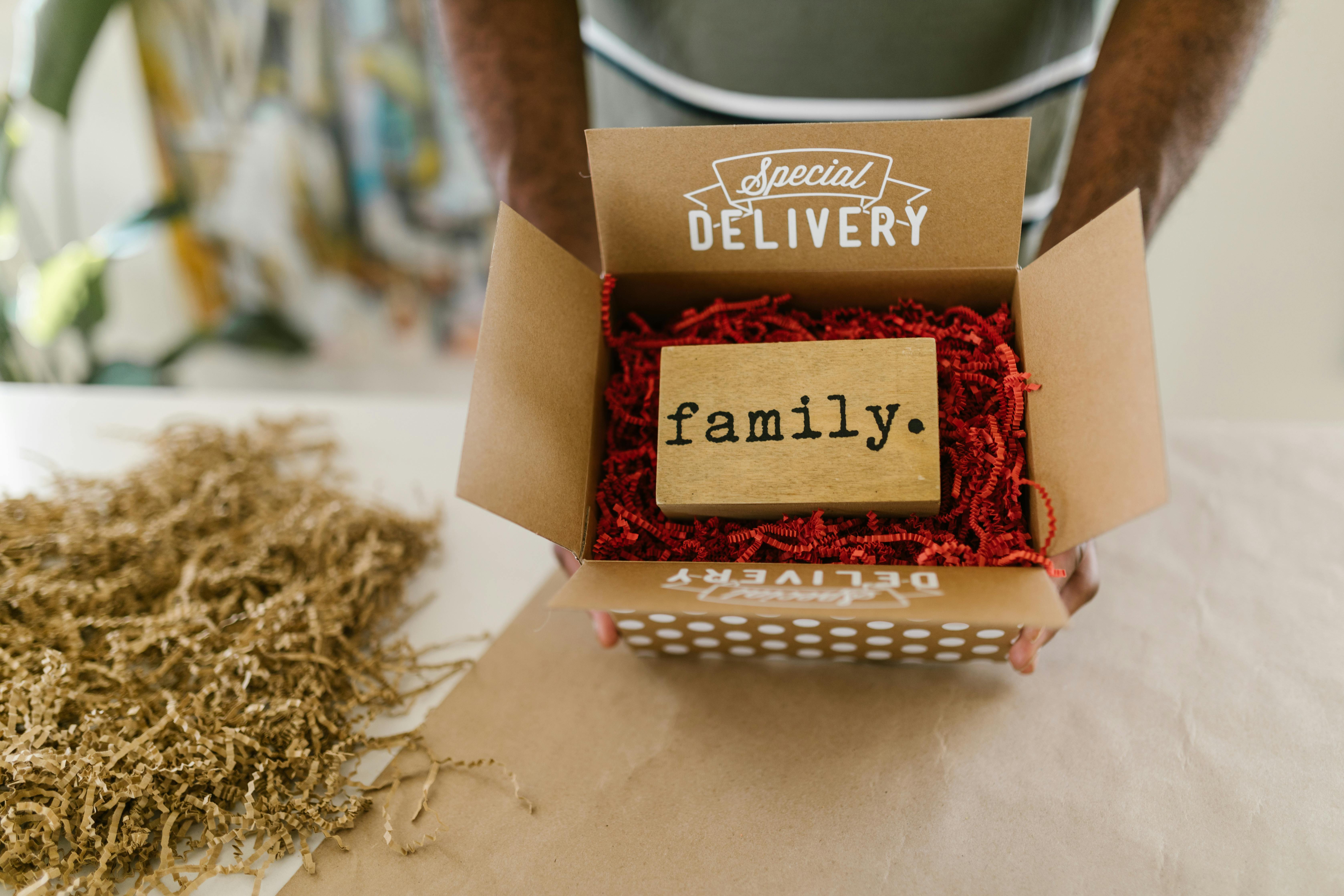
Restaurant rigid boxes cost is not just a packaging line item. It is a decision about protection, presentation, and what the customer thinks the meal is worth. A box that opens square, holds its shape, and frames the contents neatly sends a very different signal than one that buckles, scuffs, or collapses under light handling. That signal lands before the first bite. In packaging economics, that timing is everything. A few cents spent on board or finish can influence how a customer reads a $40 dessert box or a $120 catering order.
A rigid box starts with a thick core, usually grayboard or chipboard, then gets wrapped in printed paper, specialty paper, or a laminated exterior. The board gives the structure its stiffness. The wrap carries the visual identity. The result feels closer to a gift package than a disposable carton, which explains why restaurant rigid boxes cost more than mailers, folding cartons, or plain corrugated sleeves. Aesthetics are part of the equation, but not the only part. A well-made rigid structure handles delicate pastries, bottled sauces, and retail-ready food items better during handoff, car transport, and shelf display.
The bigger comparison is easy to miss. A menu discount lowers revenue on every order. A premium box can raise average order value, lower damage claims, and make the brand feel more like hospitality than commodity delivery. Those effects are measurable, even if they do not show up as a neat line item on the quote. Customers share things that feel intentional. They remember a package that feels designed for the moment. They also remember a package that fails, which is why restaurant rigid boxes cost should be weighed against the value of the entire order, not just the carton itself.
Buyers rarely pay for the box alone; they pay for the experience it creates, the protection it adds, and the way it changes the value of the meal before the lid comes off.
I have seen restaurant teams get fixated on shaving a few cents off the unit price, only to spend far more later replacing crushed dessert boxes or apologizing for a damaged delivery. That tradeoff feels abstract until a Friday night rush turns into a pile of complaints. Then it is very real, very fast. A box that helps the order arrive intact is often cheaper in practice than the one with the lowest quote.
Restaurant teams often ask the same practical question: does the extra spend return anything real? In many cases, yes. A strong presentation box can support premium pricing, cut down on damage, and help a restaurant feel more polished across delivery, pickup, and retail sales. Dessert assortments, gift-card bundles, and VIP catering packs all benefit from that effect. Restaurant rigid boxes cost more than a basic mailer, but they also create a more controlled customer journey. That matters when you want repeatable service across multiple locations.
The best packaging buyers look at the box the way they look at the menu. Does it earn its place? Does it help sell the product? Does it reduce risk? Those questions are better than asking only whether the unit price looks low. A box that lifts presentation and reduces complaints can justify a higher spend faster than a box that simply looks expensive on a sample table.
Product Details: What Restaurant Rigid Boxes Are Built To Do
Restaurant rigid boxes are built around a straightforward goal: hold their shape, protect what is inside, and make the opening feel deliberate. The structure usually begins with a board core in the 1.2 mm to 2.5 mm range, then gets wrapped in printed paper, specialty paper, or a laminated finish. That combination creates a box that does not flop like a folding carton and does not warp as quickly under handling. The structure is the product, not just the print surface, which is one reason restaurant rigid boxes cost more.
The use cases are wider than many buyers expect. These boxes show up in catering kits, dessert assortments, seasonal gift bundles, loyalty program packs, takeaway specials, premium delivery sets, and retail items like sauce collections or branded merchandise. They are also common for gift-card presentation and limited-time promotions where the packaging has to signal more than transport. It has to suggest that the brand is selling an experience, not just a tray of food.
- Catering kits: Present group orders cleanly and keep the structure stackable.
- Dessert sets: Protect delicate items while making the reveal feel special.
- Gift card bundles: Turn a small-ticket item into something people keep.
- Seasonal launches: Support limited runs without rebuilding the whole packaging line.
- Retail-ready food packaging: Keep sauces, snacks, and branded goods consistent on display.
Customization is where restaurant rigid boxes cost starts to move. Size is the obvious variable, but it is only the first one. Lid style, magnetic closure, ribbon pull, window cutout, insert shape, print coverage, and surface finish all affect material usage and production time. A basic two-piece lift-off box is simpler than a Magnetic Gift Box with a shaped insert and a soft-touch exterior. The buyer sees one box. The factory sees a stack of extra steps.
Thinking from the customer’s hand helps more than staring at a die line. Does the lid close cleanly? Does the insert hold the product still? Does the finish resist fingerprints? Does the box feel sturdy after several openings? Those details decide whether the packaging feels premium or merely expensive. In that sense, restaurant rigid boxes cost is partly a design test. The box has to work in use, not only on a render.
If your team is still weighing formats, it is worth comparing the broader Custom Packaging Products range before locking the spec. Some restaurant projects truly need a rigid box. Others can meet the same branding goal with a hybrid structure that uses less material and keeps the unit cost lower. The right answer depends on the menu item, the delivery model, and the timeline, not on the word premium alone.
Restaurant Rigid Boxes Cost: Pricing, MOQ, and Unit Cost
Restaurant rigid boxes cost is usually built from board, wrap, finishing, assembly, and freight. Buyers sometimes ask for a number before sharing dimensions, insert details, or finish requirements, then wonder why the quote changes later. The reason is simple: rigid packaging is not a commodity item with one standard footprint. A small change in depth or lid style can move the unit price more than many first-time buyers expect.
MOQ matters because setup charges are fixed across the run. Cutting tools, print plates, finishing dies, sample approvals, and assembly fixtures all have to be prepared before production can start. In a small order, those costs are spread over fewer boxes, so restaurant rigid boxes cost per piece rises. In a larger run, the same setup is divided across more units, and the per-box number drops. That is the basic economics behind rigid packaging, and it explains why a quote for 250 boxes can look wildly different from a quote for 2,500.
For budget planning, the table below gives a practical range. These are working estimates, not fixed offers, but they help buyers frame the conversation before asking for exact quotes. Actual pricing can shift by region, packaging format, freight method, and artwork complexity, so treat the numbers as planning guidance rather than a promise.
| Order Size | Typical Unit Cost | Spec Level | What Usually Drives the Price |
|---|---|---|---|
| 250-499 pieces | $3.40-$6.80 | Short-run, custom-sized, limited finish options | Higher setup charges, smaller MOQ, more manual handling |
| 500-999 pieces | $2.35-$4.90 | Mid-run with standard wrap and one premium detail | Board thickness, print coverage, insert style |
| 1,000-2,999 pieces | $1.65-$3.70 | Most common commercial range | Bulk pricing starts to improve unit cost |
| 5,000+ pieces | $1.05-$2.85 | Large repeat program or multi-location rollout | Lower per-piece setup burden, better material efficiency |
Those ranges move when foil, embossing, soft-touch lamination, magnetic closures, or molded inserts are added. A plain printed wrap with a standard paperboard insert can sit near the low end. A presentation box with multiple finishes and a custom insert climbs quickly. That is why restaurant rigid boxes cost should never be judged from a single product photo. The spec sheet carries more weight than the mood board.
Buyers also need to watch for line items that do not always appear in the first quote. Sampling may cost extra. Tooling fees can apply for custom insert shapes, window cutouts, or unusual opening mechanisms. Freight changes with carton count, destination, and whether the boxes ship flat or assembled. Rush production is another common surprise. A quote that looks attractive on paper can turn expensive once those items are included.
A fair comparison starts with identical assumptions. If one vendor offers a lower restaurant rigid boxes cost but excludes samples, freight, or insert assembly, the comparison is incomplete. Ask every supplier to quote the same dimensions, the same board thickness, the same wrap material, the same finish, and the same MOQ. Anything less invites false savings.
The strategic question sits behind the number. A restaurant that reorders monthly can justify a higher setup charge if the unit cost drops enough on the second and third run. A seasonal launch may deserve a simpler structure with fewer finishing steps. Restaurant rigid boxes cost is not just about the first purchase. It is about the next order, and the one after that.
The strongest procurement teams tie cost per box to revenue per order. If the packaging supports a $28 dessert bundle becoming a $34 premium set, the box does not need to be cheap. It needs to be justified. That is the more useful lens, and it usually leads to better decisions than chasing the lowest opening quote.
Specifications That Change Restaurant Rigid Boxes Cost
The quickest way to understand restaurant rigid boxes cost is to start with the spec sheet and work outward. Size, substrate, wrap, insert, finish, and shipping format all pull the price in different directions. The more custom each layer becomes, the higher the number climbs. Not always dramatically, but enough to matter when the order volume moves from 250 to 5,000 units.
Size is the first driver. A larger footprint uses more board and more wrap, which increases material waste and carton weight. A deeper box also changes how inserts are cut and how the finished unit ships. A compact dessert box may use half the material of a large catering presentation box, so restaurant rigid boxes cost can shift quickly just from dimension changes.
Board weight comes next. Many restaurant rigid boxes use grayboard or chipboard in the 1.2 mm to 2.5 mm range. Thicker board feels sturdier, but it also costs more to source, cut, and wrap. Light products can look overbuilt in heavy board. Heavy or fragile products can fail in a thin structure. The right choice depends on the contents, not on the aesthetic alone.
Wrap choice has a larger effect than many buyers expect. Standard coated paper is usually the most economical route. Textured specialty paper, black kraft, metallic paper, or soft-touch laminated wrap raises cost because the material itself is more expensive and the finishing process becomes more demanding. Add foil stamping, embossing, or spot UV, and each extra effect brings its own setup and production step.
Insert material deserves its own budget line. Paperboard inserts are usually the least expensive and the easiest to recycle. EVA or foam inserts cost more, but they give a tighter hold for plated desserts, bottles, or multi-compartment kits. Molded pulp can sit in the middle for some restaurant programs, especially when the brand wants a lower-plastic profile. The right insert can lift perceived quality, but it can also move restaurant rigid boxes cost enough to matter in a bulk program.
Performance belongs in the discussion too. Food packaging lives a tougher life than many buyers assume. It sits in warm kitchens, travels through delivery networks, gets stacked in storage, and often gets handled quickly. Grease resistance, scuff resistance, and stacking strength all matter. A beautiful finish loses value if the box absorbs oil spots or dents under light pressure.
For brands that care about supply-chain credibility, certification can enter the equation. If paper sourcing needs to align with FSC requirements, the Forest Stewardship Council offers a clear reference point. If shipping performance is a concern, ISTA test frameworks are worth reviewing before finalizing the design. Those standards do not replace real-world trials, but they give buyers a more disciplined way to evaluate durability and material claims.
Storage and freight deserve attention too. A rigid box that ships fully assembled takes more cubic space than a flat-packed version. That can raise freight and warehouse handling costs even when the box itself looks elegant. For multi-location restaurant programs, this can change restaurant rigid boxes cost more than the print estimate does. Savings in the unit price can disappear if logistics are ignored.
- Grease resistance: Helps keep delivery and pickup packaging looking clean.
- Stackability: Lowers crush risk in storage and transport.
- Fit accuracy: Stops product movement and sharpens the reveal.
- Storage efficiency: Matters for chains with limited backroom space.
Restaurant rigid boxes cost can be trimmed without making the box look cheap, but restraint matters. One strong premium feature usually works better than five competing ones. A clean structural box with one foil logo can outperform a crowded design with foil, embossing, soft-touch, and a window all at once. The second version often costs much more and does not always read as more luxurious. The smartest buyers spend where the customer will feel it.
I also tend to caution buyers against over-specifying. It is tempting to stack up every finish because each one sounds like value, but the box can start working against itself. A dessert box does not need to scream. It needs to arrive clean, open well, and hold its shape. That is the practical test, and it keeps restaurant rigid boxes cost from drifting into vanity spending.
Process and Timeline: From Quote to Delivery
Getting an accurate restaurant rigid boxes cost quote starts with good input. If the supplier only receives a logo and a rough size estimate, the pricing will stay loose. The intake should include exact dimensions, quantity, artwork files, finish requests, insert requirements, target delivery date, and whether the boxes ship flat or assembled. That one step saves revisions later and usually shortens the whole process.
The next stage is proofing. A capable supplier usually creates a dieline for review, then issues a print proof or digital mockup, then confirms the sample before full production begins. If the restaurant team changes the size after approving the dieline, the schedule moves. If the finish changes after the sample, the schedule moves again. That is not a flaw in the process. It is the cost of precision, and it is one reason restaurant rigid boxes cost is tied to how many approval cycles the project needs.
A realistic production flow looks like this:
- Quote request and spec review
- Dieline setup and artwork placement
- Proof approval and sample confirmation
- Board cutting and wrap printing
- Surface finishing, foil, embossing, or lamination
- Box assembly and insert installation
- Inspection, packing, and shipment
Timelines vary, but a straightforward custom run often takes 12 to 15 business days after proof approval. Specialty finishes, custom inserts, or repeated revisions can stretch that longer. A short-run order may finish faster when the structure is standard and the artwork is ready. A larger order may take longer because assembly and quality checks take more time. Restaurant rigid boxes cost and lead time are linked; faster schedules usually carry a premium.
Seasonality matters as much as the production schedule. Holiday packaging, catering spikes, and promotional launches tighten the calendar fast. If a restaurant wants a boxed dessert promotion ready for a holiday, the quote should reflect the real launch date, not just the approval date. Freight choice changes the timeline too. Air freight moves quickly but raises landed cost. Sea freight lowers transportation cost and adds weeks. A buyer who overlooks that tradeoff can end up with a cheap box that arrives too late to matter.
Testing should stay in the plan. If the box will travel through courier networks, use transit testing criteria that match the route. If the packaging needs a formal durability benchmark, an ISTA-aligned approach gives the team a cleaner basis for decision-making. Restaurant rigid boxes cost less to replace before launch than after customers have already seen a failure in the wild.
A detailed supplier relationship makes the whole process easier. The best restaurant packaging projects usually go to the vendor who can answer spec questions directly, explain the cost structure clearly, and keep revisions under control. If you want a broader view of format options before committing, review the full Custom Packaging Products catalog and compare what a rigid box solves against what another structure might handle more efficiently.
Why Choose Us for Restaurant Rigid Boxes
Custom Logo Things is a practical packaging partner for restaurants that want premium presentation without losing control of cost. That matters because restaurant rigid boxes cost can spiral when a project is treated like a design exercise instead of a buying decision. We start with the business question: what does the box need to do, what can the budget support, and which features actually improve the customer experience?
Transparency is the main advantage. A clear quote should show where the price changes: board thickness, wrap type, print coverage, finish layers, insert style, tooling fees, and setup charges. If one spec adds $0.20 per piece and another adds $0.65, the difference should be visible before the order is approved. That is the only way to compare options fairly. Restaurant rigid boxes cost becomes manageable when the buyer can see the cost stack instead of guessing at it.
Consistency matters just as much. Repeat orders should match the approved sample in fit, print quality, corner wrap, and finish. That sounds basic, but it is not automatic. A box that feels premium in sample form only helps if the production run holds the same standard. Restaurant programs have less tolerance for variation than many retail categories because the box becomes part of the service moment. Inconsistent packaging shows up quickly.
We also keep the guidance specific to the use case. A dessert box for a boutique restaurant does not need the same structure as a multi-compartment catering kit. A gift card presentation box does not need the same board weight as a full meal pack. That sounds obvious, yet too many buyers get steered into a one-size-fits-all spec that inflates restaurant rigid boxes cost without creating real value.
The best cost is not always the lowest price. A slightly thicker board can prevent crush damage. A paperboard insert can keep bottles from shifting. Those choices may raise the unit cost, but they can reduce returns and complaints. That is how packaging should be judged in a restaurant setting. The box should support service, not get in the way of it.
If you are comparing suppliers, ask for a spec sheet that lists exact dimensions, board weight, finish layers, insert material, MOQ, and the assumed freight method. Then request like-for-like quotes. That discipline often reveals why one restaurant rigid boxes cost quote looks lower on the surface but higher once the assumptions are matched.
For teams that need to move quickly, a structured approach helps. Start with the product goal, choose the right format from Custom Packaging Products, then refine the finishes after the structural decision is locked in. That sequence saves time and usually saves money. It also keeps the final box aligned with the customer experience rather than an abstract idea of premium.
Next Steps: Request the Right Quote First
If you want a sharp restaurant rigid boxes cost estimate, start with the basics. Send exact box dimensions, target quantity, insert type, finish preference, artwork file, and delivery timeline. If you already have a sample box, include it as a benchmark. Visual references cut revision time and help the supplier price against the right standard.
Ask for a written quote that separates the cost pieces. Material. Printing. Finish. Inserts. Sampling. Freight. Setup charges. Tooling fees. Once those items are visible, you can see what is fixed, what is adjustable, and what can be reduced without changing the look too much. That is the fastest route to better restaurant rigid boxes cost control.
Quote comparisons only work when the assumptions match. Check board thickness, wrap type, MOQ, and whether the order ships flat or assembled. A lower number means little if the box uses thinner board or skips a finish that another quote includes. Buyers who compare spec for spec usually make better decisions, and they avoid the common trap of buying the cheapest sample and the most expensive production run.
The smartest restaurant packaging teams think in terms of landed value, not just unit cost. If a rigid box supports premium pricing, protects fragile items, and gives the customer a more polished opening moment, the spend can be justified. If it does none of those things, the spec is probably too heavy. That is the real test. Restaurant rigid boxes cost should match the job the box has to do.
So the takeaway is pretty direct: lock the dimensions, choose the minimum structure that still protects the product, and compare quotes with the same board, wrap, finish, MOQ, and freight assumptions. That is how you keep restaurant rigid boxes cost under control without undercutting the presentation.
What drives restaurant rigid boxes cost the most?
Size, board thickness, and paper wrap quality usually move restaurant rigid boxes cost first. After that, special finishes such as foil, embossing, soft-touch, or spot UV add their own setup and production costs. Higher quantities usually reduce unit cost because fixed setup work is spread across more boxes.
What is a typical MOQ for restaurant rigid boxes?
MOQ depends on box complexity, but many suppliers quote lower minimums for standard sizes than for fully custom structures. Simple designs and fewer finishes usually allow smaller runs. If you need a lower MOQ, expect a higher restaurant rigid boxes cost per unit than a bulk order.
How can I lower restaurant rigid boxes cost without cheapening the look?
Keep the structure standard and use one strong design choice instead of several expensive finish layers. Choose a practical insert material and avoid oversized dimensions that waste board and increase freight. Order a larger run if you know you will reorder, because repeat volume often lowers the per-box price.
Do inserts change restaurant rigid boxes cost a lot?
Yes, inserts can be a meaningful cost driver because they add material, cutting, and assembly steps. Paperboard inserts are usually more economical than molded or foam options. The right insert choice depends on product weight, protection needs, and how premium the unboxing should feel.
How do I get an accurate restaurant rigid boxes cost quote?
Send exact dimensions, quantity, artwork, finish preferences, and target delivery date. Ask whether the quote includes sampling, tooling, freight, and any rush charges. Request a written spec sheet so every quote can be compared on the same basis.
For restaurant teams that want a premium result without guesswork, the next move is simple: define the spec, request a like-for-like quote, and compare the numbers against the real customer value. That is how restaurant rigid boxes cost becomes a controlled investment instead of a moving target.


