If you buy headwear for retail, the retail embroidered Beanies Material Sample guide is the part that keeps you from approving a product that looks great in renderings and falls apart the moment a customer touches it. A beanie can photograph cleanly, then stretch out, twist at the cuff, or feel scratchy in the hand. That is usually enough to sink it on shelf.
Samples are not a ceremonial step. They are the only honest preview of how the knit, embroidery, and trim will behave together. A flat mock-up can hide too much. The sample tells you if the fabric feels cheap, if the logo sits proud or sinks into the knit, and whether the whole thing still looks like the same product after it has been handled, folded, and worn.
That matters because retail buyers are not just buying a decoration on a hat. They are buying a balance of cost, comfort, appearance, and durability. Miss one of those, and the margin disappears fast. The sample process is there to catch the problem before it gets expensive.
Retail Embroidered Beanies Material Sample Guide: What It Proves
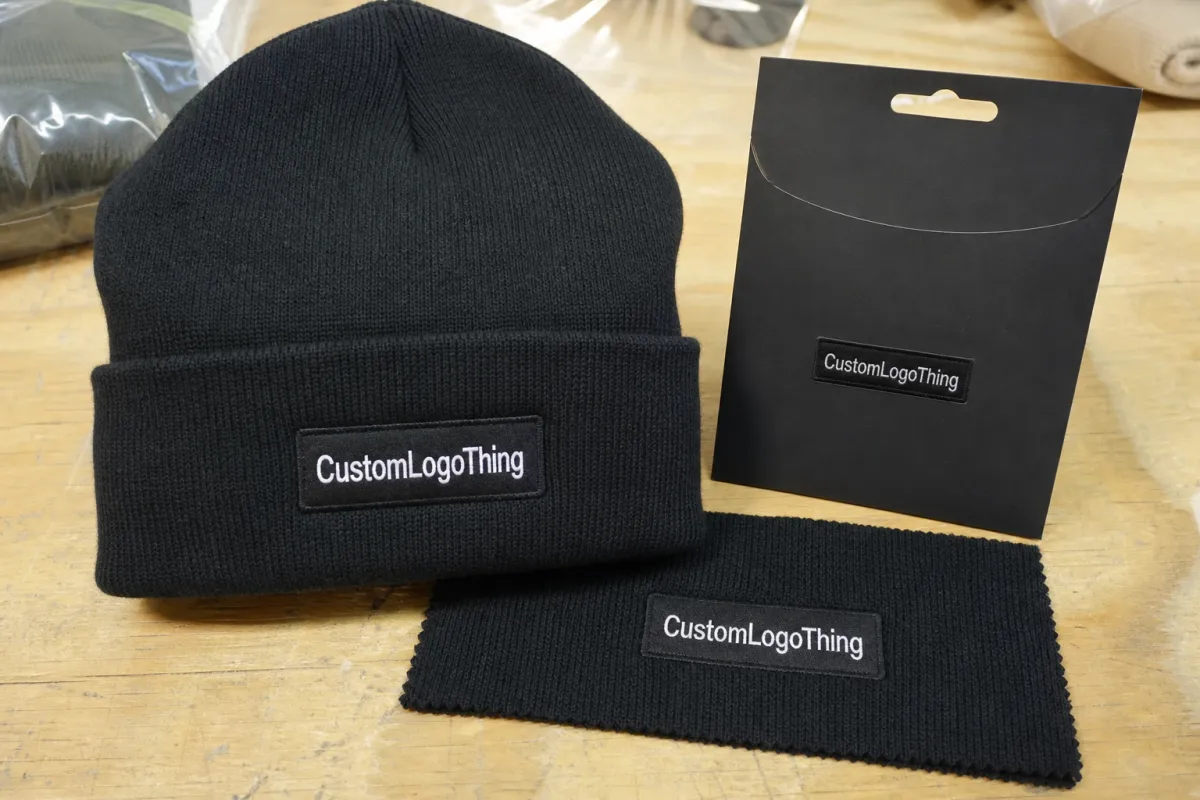
Start with the obvious part people still manage to get wrong: a sample is proof, not marketing. The fabric has to work in three states at once - flat on a table, stretched on a head, and folded for retail display. Knitwear changes shape under pressure, so a beanie that looks tidy in a photo may reveal puckering, limp recovery, or a badly placed seam once it is actually worn.
The sample should show hand feel, drape, stretch recovery, knit tightness, and how much the embroidery backing shows through the fabric. If the body feels thin or itchy, a good hangtag will not save it. Buyers tend to focus on logo placement first because that is the easiest thing to judge visually. That is the wrong starting point. The knit structure decides whether the embroidery looks premium or awkward.
A better review looks at all of it together. Check the body fabric, then the stitch quality, then the way the cuff holds its shape. A tight, even knit with clean embroidery usually sells better than a softer body that feels nice for ten seconds but looks sloppy after handling. For premium retail, consistency across multiple units matters more than one perfect sample. One good sample is easy. Fifty neat ones are the real test.
The other thing the sample proves is cost discipline. A small material mistake can turn into returns, markdowns, or a product that gets pushed to the back of the shelf. A beanie that feels flimsy or looks distorted does not need much help to become dead stock. Testing early costs less than fixing a whole order later. Not glamorous. Very effective.
How the Sample Process Works Before Bulk Approval
Request two or three base materials or knit styles before you approve bulk. Do not compare a clean acrylic sample against a wool blend with a different stitch density and pretend that tells you anything useful. Use the same artwork, thread colors, logo size, and placement across every sample. Otherwise you are judging a mix of fabric, construction, and random production drift.
Approve in layers. First lock the base material and knit structure. Then review stitch density, logo size, and the way the embroidery sits on the fabric. After that, check the trim, label, folding method, and any retail packaging. A beanie can look acceptable until a woven label is added, then the cuff starts sitting crooked or the inside seam becomes irritating. Small? Sure. Visible to a buyer? Absolutely.
Do not inspect only on a desk. Stretch the sample. Wear it. Put it on a head form if you have one. Press the cuff, pull it back into shape, and see how quickly it recovers. A good knit should rebound without staying baggy. The seam should not dig into the forehead or sit in a way that feels scratchy after a minute. If the logo only reads well under perfect lighting from six inches away, it is not a retail-ready logo.
Keep records from the start. Save photos, measurements, revision notes, thread codes, and any comments about fit or finish. When a second sample comes back off, you want a clear comparison that shows what changed. That is especially useful if the same style is being adapted into multiple colorways or retailer-specific SKUs. Guessing later wastes more time than writing down the details now.
The first sample is not the goal. It is the test that tells you whether the next 1,000 pieces are likely to behave.
Material Factors That Change the Final Retail Look
Acrylic usually wins on cost and color consistency. Wool blends feel more premium. Cotton feels softer and reads more casual. Recycled blends can support a sustainability story, especially if the rest of the product line already uses lower-impact packaging or FSC-certified paper. None of those is automatically the right choice. The right answer depends on the shelf price, target shopper, and how much texture the brand needs to communicate quality.
Gauge and weight matter more than a lot of buyers expect. A tighter knit usually keeps embroidery cleaner because the stitches have less room to sink into the fabric. A looser knit can look relaxed and comfortable, but it also risks showing backing material, distorting the logo, or making the crown feel floppy. For retail beanies, buyers often compare fabrics in the 12-16 gauge range and body weights around 80-130 grams, depending on the construction and fiber. That range is wide for a reason. Fiber content changes the feel more than people think.
Surface finish changes the final impression. Brushed yarns can look richer, but they fuzz faster. Heathered yarns soften contrast and can make a dark logo disappear more than you expected. Melange bodies hide some flaws and amplify others. On a minimal design, the knit does most of the visual work, so a slightly off texture is more noticeable than a loud print would be.
Comfort details are not side notes. Seam placement, cuff height, and itch factor decide whether the product feels premium in the hand. A beanie can have perfect embroidery and still lose the sale if the inside seam scratches the scalp or the cuff sits too tall for the intended fit. That is the kind of miss that makes a buyer stop being polite and start asking better questions.
Packaging plays into perception too. A soft knit folded neatly into a simple retail belly band can feel intentional. A bulky insert or overdesigned box can make the same hat look overpriced. If the product is meant to live at a mid-tier retail price, the material, the embroidery, and the packaging should all speak the same language. Otherwise the item looks confused before anyone tries it on.
Sample Cost, Pricing, MOQ, and Quote Checks
Sample cost changes with the material, embroidery setup, and whether the supplier is working from stock blanks or building a new knit from scratch. A simple stock blank sample usually lands around $35-$85. A custom knit prototype with new artwork or revised construction can run $120-$300 or more. If you want retail-ready packaging, the total climbs again. That is normal. Still annoying. Still normal.
Do not compare headline prices alone. Break the quote into sample fee, digitizing, embroidery setup, shipping, revision charges, label cost, and packaging. A low sample price can look smart until three add-ons show up later and the total suddenly makes less sense. The cheapest quote is often just the quote that left out the uncomfortable parts.
| Sample Type | Typical Cost | Typical Turnaround | Best Use |
|---|---|---|---|
| Stock blank with embroidery | $35-$85 | 5-10 business days | Quick feel and logo check |
| Custom knit prototype | $120-$300 | 2-4 weeks | Testing shape, stitch density, and fabric behavior |
| Retail-ready sample with labels and packaging | $180-$450 | 2-5 weeks | Final merchandising and shelf presentation |
Ask whether sample fees convert into bulk credits. Some factories apply the sample charge to the first order. Some do not. Some only credit one version of the sample. Also ask how MOQ affects unit pricing if you split one style across multiple colorways. That detail can change landed cost fast, especially on a small retail program where every dollar is visible.
If you are selecting packaging materials, the references matter. FSC is useful if you want certified paper for hangtags or cartons. ISTA standards help frame transit testing, which matters more than most buyers admit. A beanie that arrives fine in a padded mailer is one thing. A retail carton that holds shape through shipping is another.
Timeline, Lead Time, and Production Steps
Map the sequence before you approve anything. Material sourcing comes first, then sample knitting or blank prep, then embroidery testing, then revision, then bulk production, then finishing, then shipping. If a supplier talks about the sample without explaining that sequence, they are probably skipping something in the background. Production does not improve when people pretend steps do not exist.
Build buffers into every stage. A sample that sounds quick can still stall if the supplier needs fresh yarn, a corrected artwork file, or a second fit check. A stock-based sample might move in 5-10 business days. A custom knit revision usually needs 2-4 weeks. Add freight, customs, and local receiving time if the launch date is tied to a season or retail floor reset. Late samples are not just inconvenient. They can push the entire schedule off balance.
Set a hard limit on revisions. Two rounds are often enough for a beanie sample. Three only if the first round exposed a real construction issue. After that, the project tends to drift into polish-for-the-sake-of-polish territory, which burns time without changing the sell-through odds. Lock one approved reference sample with the factory so there is no confusion about which version becomes production.
This is also the stage to finalize packaging. If you want kraft paper belly bands, biodegradable packaging, or inserts made from post-consumer waste, decide now. Retail buyers notice the full presentation, not just the knit. Recycled paper hangtags and simple FSC-certified cartons can fit a product cleanly if the design is disciplined. A restrained setup usually looks more premium than a busy one that tries too hard.
Do not forget shipping conditions. Knitwear compresses easily, and some packaging looks neat until it sits in a carton for three weeks. Check how the fold lines hold, whether the embroidery leaves a mark, and whether the item springs back after unpacking. If the sample arrives crushed, the retail version will not magically do better.
Common Mistakes Buyers Make With Beanie Samples
The first mistake is approving from photos only. Screens hide texture. Lighting changes color. A navy beanie can read almost black under warm store lights and suddenly look nothing like the sample image. If the product is for retail, it has to be judged in hand. There is no shortcut that replaces touch.
The second mistake is ignoring embroidery density. Too few stitches and the logo looks thin. Too many stitches and the embroidery becomes stiff, heavy, or cracked at the edges. The goal is enough coverage to read cleanly without creating a hard ridge on the knit. That balance depends on the fabric, thread size, and stitch path. One setting does not fit every beanie.
Third, buyers skip wash and wear testing. Then they are surprised when shrinkage, fuzzing, or tension issues show up after the first customer complaint. A few home wash cycles can reveal whether the yarn pills, whether the cuff loses shape, and whether the stitch line stays aligned. For programs that need compliance, ask for basic performance references and use standards like ASTM where relevant instead of trusting a sales sheet that says everything is fine.
There is also the problem of approving a sample that only works because it was hand-picked. Some samples are cleaned up, pressed, or adjusted before they are shipped. A good supplier should still be able to explain how the bulk will match the approved version. If they cannot explain it clearly, that is usually your cue to slow down, not speed up.
What to Do Before You Place the Bulk Order
Create a simple approval sheet. Include fabric name, weight, color code, stitch count, logo placement, trim details, packaging, and the one person who can sign off. Not five people. One. Otherwise the feedback keeps moving and the order turns into a group project that no one really owns.
Ask for a final pre-production reference sample if the first round needed edits. That gives the factory one agreed standard instead of three versions all claiming to be final. Keep the approved sample with your purchase records. It becomes the comparison point if the bulk shipment arrives with a different hand feel, a looser cuff, or a logo that shifts half an inch.
Test the beanie on an actual wearer, not just on a table. Head shape exposes problems fast. A cuff that looks balanced flat may ride too high on a real person. A logo that seems centered may drift once the knit stretches. That is the whole point of the retail embroidered Beanies Material Sample guide: keep the decision tied to the real product, not the polished version in the mock-up.
If packaging is part of the order, keep it simple and controlled. Corrugated cardboard protects the product. Recycled inserts reduce waste. A clean kraft paper presentation can still feel premium if the print and folding are sharp. That is usually a better retail move than piling on decorative extras that raise cost without improving sell-through.
Before bulk approval, do one last check against the margin. If the final sample looks good but pushes the item above the target price, the product may still be wrong for the channel. Retail is full of attractive mistakes. The sample is there to keep you from buying one.
What should a retail embroidered beanie sample include before approval?
The sample should show the exact fabric, thread colors, logo placement, and trim details you plan to order. If packaging affects shelf presentation, include the hangtag, folding method, and carton or mailer spec in the review too. A sample without those pieces is only half a sample.
How many embroidered beanie material samples should I request?
Request at least 2-3 fabric or knit options if you are comparing feel, structure, or price. Keep one final reference sample for production so the supplier knows which version is approved and there is no argument later about what changed.
How much does a retail embroidered beanie sample usually cost?
Stock blank samples are usually cheaper than fully custom knit or embroidered prototypes. Digitizing, setup, shipping, and revisions can change the total, so ask for an itemized quote before you approve the sample route. A vague number is a warning sign, not a deal.
How long does beanie sample turnaround usually take?
Stock-based samples can move in roughly 5-10 business days if the supplier already has materials on hand. Custom knit or revised samples often need 2-4 weeks, especially if artwork, yarns, labels, or packaging change midstream. Add extra time if the launch depends on a fixed retail date.
Which materials work best for retail embroidered beanies?
Acrylic is usually the practical choice for price, consistency, and color control. Wool blends feel more premium, and recycled blends work well if your brand story needs a sustainability angle. If packaging matters too, look for FSC certified paper, post-consumer waste content, and biodegradable packaging where it actually fits the product. Green branding without a real material plan is just expensive decoration.


